Members
The Weekly Brief
The best of SHOWSIGHT editorials, weekly wins, and breeder commentary — delivered to your inbox every Sunday morning.
I started in the sport of dogs when I was sixteen years old, when I began learning about the dog show world from an Afghan Hound breeder. The hours I spent at her home and kennel, and going to shows with her, were exciting and treasured by me. At that age, everything seemed possible; that I too could show and breed dogs. The dog show world looked enormous to me, not only in size but in promise. There were dogs to learn about, people to meet, bloodlines to study, puppies to dream of, and goals that stretched so far into the future that I could hardly see the end of them.
When I was young, the dog show world felt endless. There was always another show, another litter, another dog coming along, another judge to show to, another trip to plan, and another chance to improve. The work was hard, but youth has a way of making hard work feel like adventure. Long drives, motel rooms, grooming tables, crates, early mornings, late nights, wins, losses, disappointments, and victories all became woven into one all-encompassing way of life.
Through the years, there were also unexpected detours. Some were joyful, some were difficult, and some demanded far more energy, sacrifice, and commitment than I could have imagined when I first began. One of my greatest challenges was helping a very rare breed, the Löwchen, move toward AKC recognition. That kind of work is not just about showing dogs. It is about belief, patience, politics, education, record keeping, persuasion, disappointment, and persistence. It requires people who are willing to keep going when progress is slow and the road is uncertain.
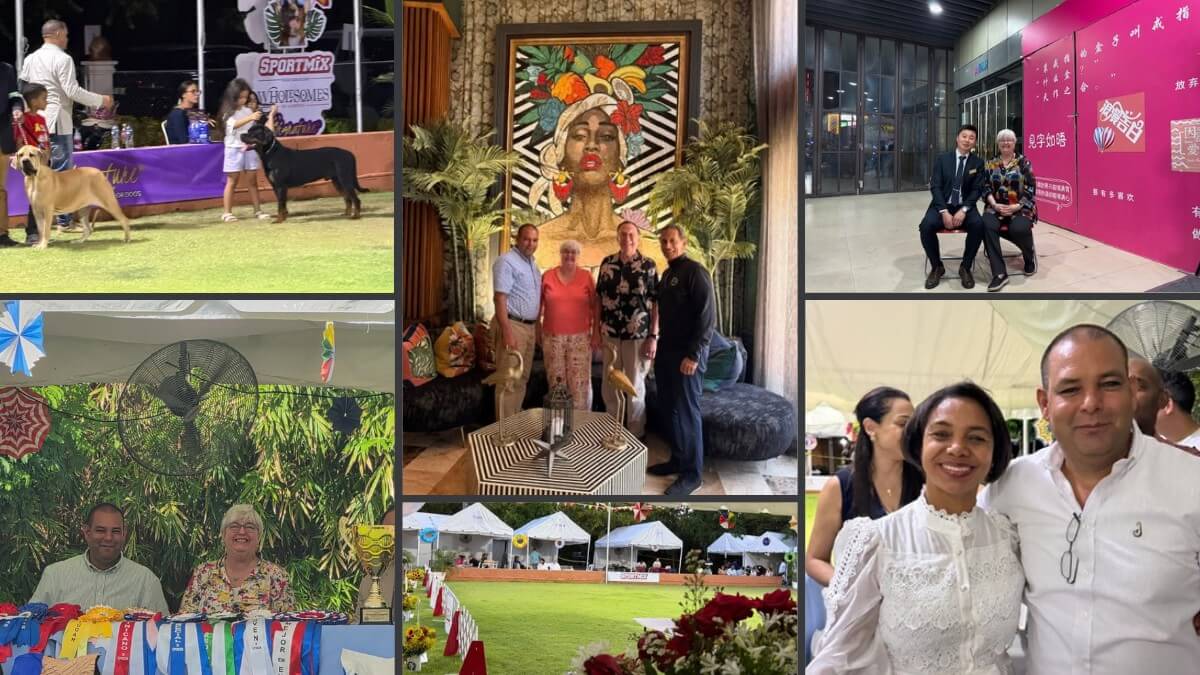
But those challenges also brought me some of my greatest rewards. Dogs opened the world to me. Through this sport, I met people I never would have known otherwise, not just across the country but around the world. We’ve shared pedigrees, opinions, hopes, frustrations, puppies, wins, losses, meals, motel rooms, laughter, and sometimes tears. Over time, some of those people became more than dog show acquaintances. They became friends.
When I was young, I saw older people in the sport, of course. They were always there, sitting ringside, watching carefully, offering advice, remembering dogs from years before, and speaking with the authority that only time can give. Some were still breeding. Some were still showing. Some had stepped back. Some simply came to watch the breed they had loved for most of their lives.
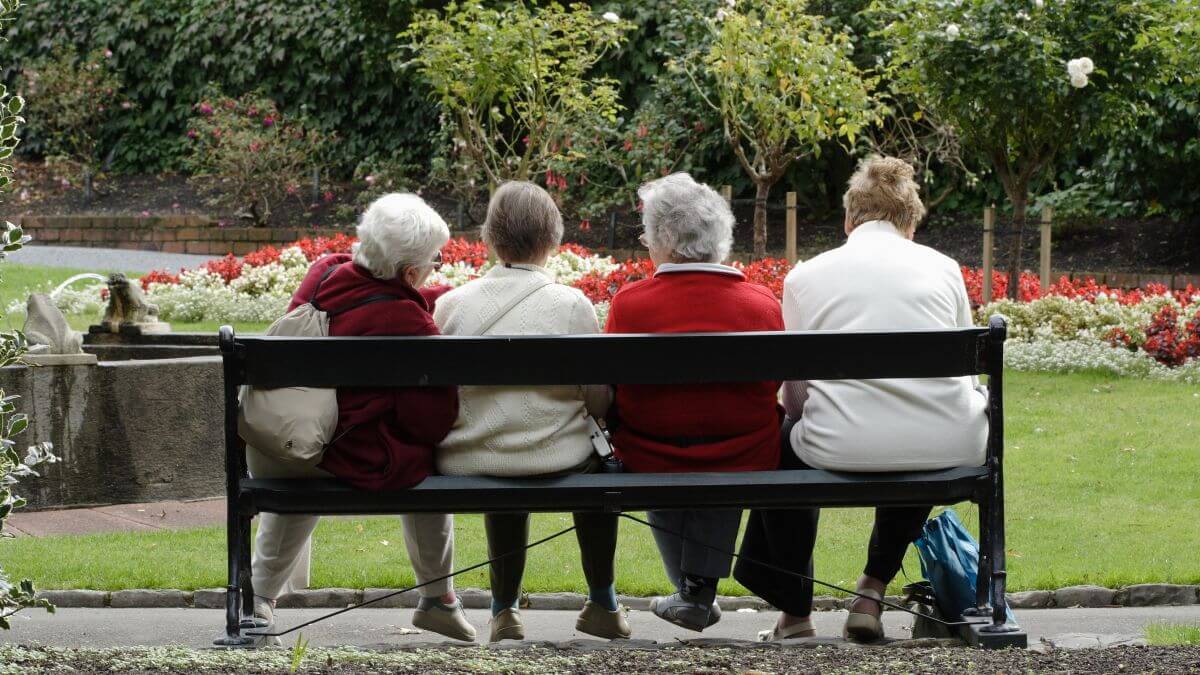
While in our thirties, one of my dearest compatriots in dogs and I laughed at the prospective image of us sitting there together—two little old ladies surrounded by the younger people asking questions, asking for breed insight from us. Doing so, we never imagined that the day would actually come—and hopefully for all of us, it does—and yet I edge ever closer to this prospect daily.
In my youthful years, I did not think too deeply about what that really meant.
When older exhibitors disappeared from the ring, I noticed, but I did not yet understand the full weight of it. When someone aged-out of the sport or became too tired to travel, or passed away, I felt sadness, but I did not fully understand that with each loss, a library was closing. A lifetime of knowledge, experience, memory, and devotion was leaving with them. When we are young, we are so busy looking forward that we don’t fully think about what it means when others can no longer continue the journey beside us.
As the years pass, the sport begins to look different, more layered. The same things that once seemed simply exciting begin to carry more meaning. The decision to breed again is not only about the quality of the dogs; it is also about time, energy, responsibility, and honesty with oneself.
The emotional turning point does not usually arrive all at once. It comes quietly. It comes when you realize that you still love the sport, but it seems to ask more of you than it once did. It comes when your mind is still full of plans, but your body begins to ask for rest. It comes when you look around the show site and realize that you are no longer one of the young people with infinite energy and years ahead. You are now one of the people who carries the history.
That realization can be difficult.
There is a strange feeling in beginning to imagine oneself as the little old lady sitting ringside, watching the breed she has participated in for most of her life. At one time, that woman seemed separate from me. She was someone else—someone older, someone finished with the hardest work, someone who had already had her time.
Now I understand her differently.
She is not simply sitting there because she has nothing else to do. She is sitting there because her heart is still in the ring. She sees more than the dog moving around the mat. She sees generations. She sees old pedigrees, past choices, long-ago conversations, dogs she loved, dogs she lost, friends who once sat beside her, and people who are no longer here. She sees the sport not as a single day’s competition but as a lifetime.
To become that person is emotional. It means accepting that participation changes shape. It means admitting the sport which once consumed nearly every part of life may no longer be lived in quite the same way. It means grieving some of what was, while still feeling grateful for having had it at all.
And perhaps that is the quiet truth about aging in the dog show world. We do not stop loving the dogs. We do not stop seeing quality. We do not stop caring about the breed, the future, or the people coming behind us.
We begin to understand that a life in dogs has seasons. At sixteen, I saw only the beginning.
Now, with many years behind me, I see something more complete. I see the joy, the ambition, the detours, the friendships, the losses, the sacrifices, and the deep privilege of having belonged to a world that shaped so much of who I’ve become.
And if one day I am that little old lady sitting quietly ringside, watching the breed I have loved for most of my life, I hope I will not see that as an ending. I hope I will see it as another form of devotion—quieter, perhaps, but no less real.

Dog Show Community