Members
Jeanne Hershberger
The Weekly Brief
The best of SHOWSIGHT editorials, weekly wins, and breeder commentary — delivered to your inbox every Sunday morning.
In the Arctic tundra, a medium-sized spitz moves among a herd of reindeer, constantly aware of both the animals and the people working with them. Agile, and fast-moving, the Nenets Laika was developed to do far more than simply follow directions. It was bred to think, observe, and work as a partner.
The Nenets Laika is an intelligent and highly adaptable working dog. It learns through observation, experience, and routine, then applies what it has learned to new situations. Rather than relying on its handler to make every decision, the dog can take initiative and determine how to respond to the situation in front of it. This ability to work independently while remaining closely connected to its human handler is one of the characteristics that makes the Nenets Laika such a remarkable reindeer herding dog.
For generations, these dogs have worked alongside the Nenets people in one of the world's most demanding environments. The Arctic tundra offers little room for a dog that lacks endurance, agility, or sound judgment. A working Nenets Laika must be able to move quickly across difficult terrain, respond to the movements of the reindeer, and remain attentive to its human handler. Its work is not simply a matter of obedience; it requires a dog capable of assessing its surroundings and responding appropriately.
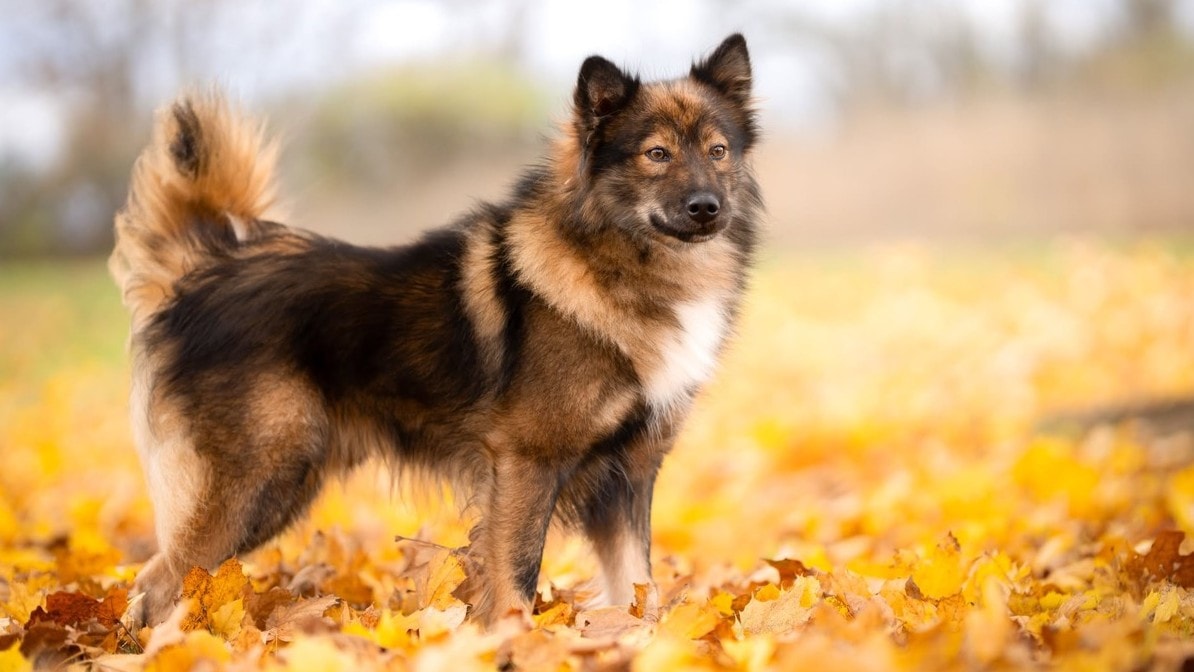
These demands are reflected in the breed's physical construction. The Nenets Laika is a medium-sized spitz with a balanced build designed for efficient movement and endurance. The females range in size from 18 to 26 pounds while males are 24-37 pounds. The breed does have two coat lengths. A short coat called yando and a longer fluffier coat called erre. Its coat provides protection against the harsh Arctic climate, while its agility allows it to maneuver quickly around the herd. The breed's physical and mental characteristics are closely tied to the work for which it was developed.
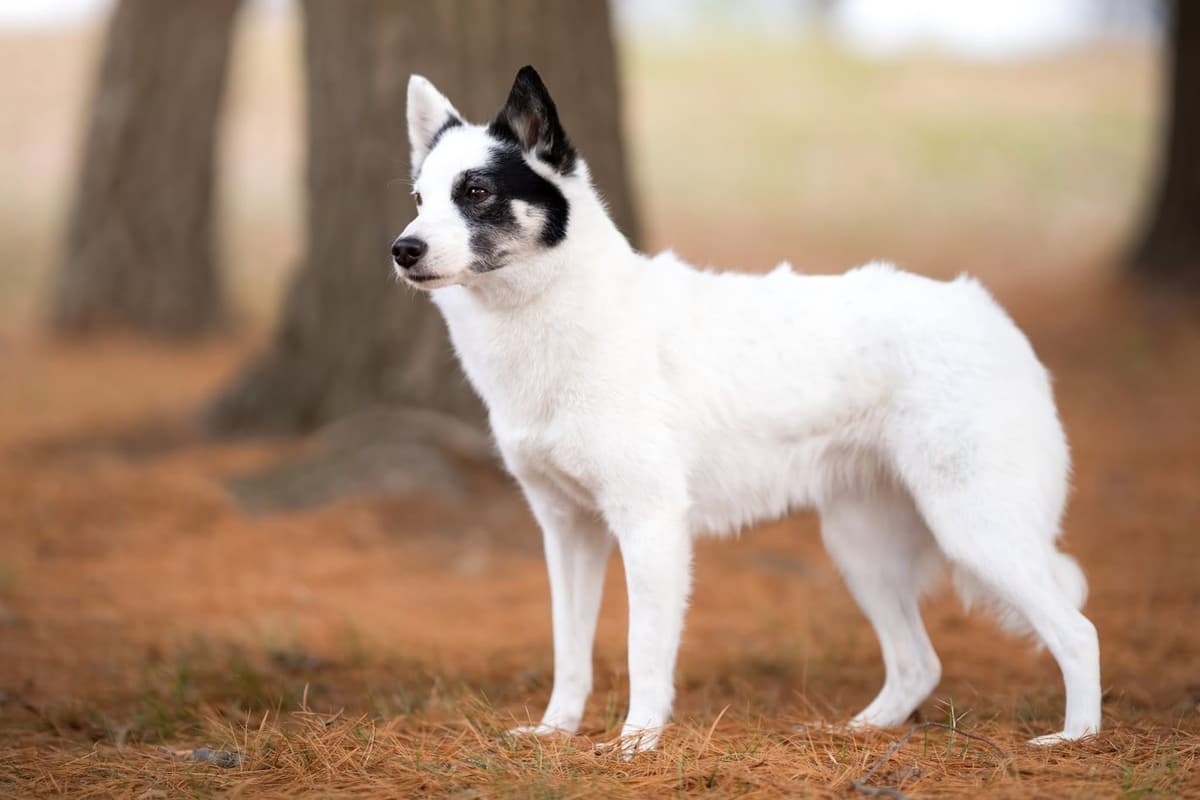
Although the Nenets Laika has a long history as a working dog in the Arctic, it is still relatively unfamiliar to many dog enthusiasts outside its traditional homeland. That is beginning to change. The breed was recently accepted into the American Kennel Club's (AKC) Foundation Stock Service (FSS), an important step in introducing the Nenets Laika to a broader audience in the United States. FSS provides a pathway for rare and developing breeds to maintain reliable records and establish a foundation within the AKC system while their populations and recognition continue to develop.
In a household setting, their sharp observations mean they quickly learn daily routines and adapt to what is expected of them. Because they are bred to work in close partnership with humans, they form intense bonds with their families but unless kept socialized, can become aloof to strangers.
Ultimately, Nenets Laika adapt to their environment well, shifting their keen awareness from the open range to the rhythm of family life. As long as they are treated as the intelligent, perceptive partners they were born to be, these resilient dogs prove that their ancient working spirit translates beautifully into a loyal domestic companion.

American Kennel Club (AKC)
Explore how AKC breed recognition works – why sustainable populations, strong clubs, and community matter for every rare breed.