Members

The Weekly Brief
The best of SHOWSIGHT editorials, weekly wins, and breeder commentary — delivered to your inbox every Sunday morning.
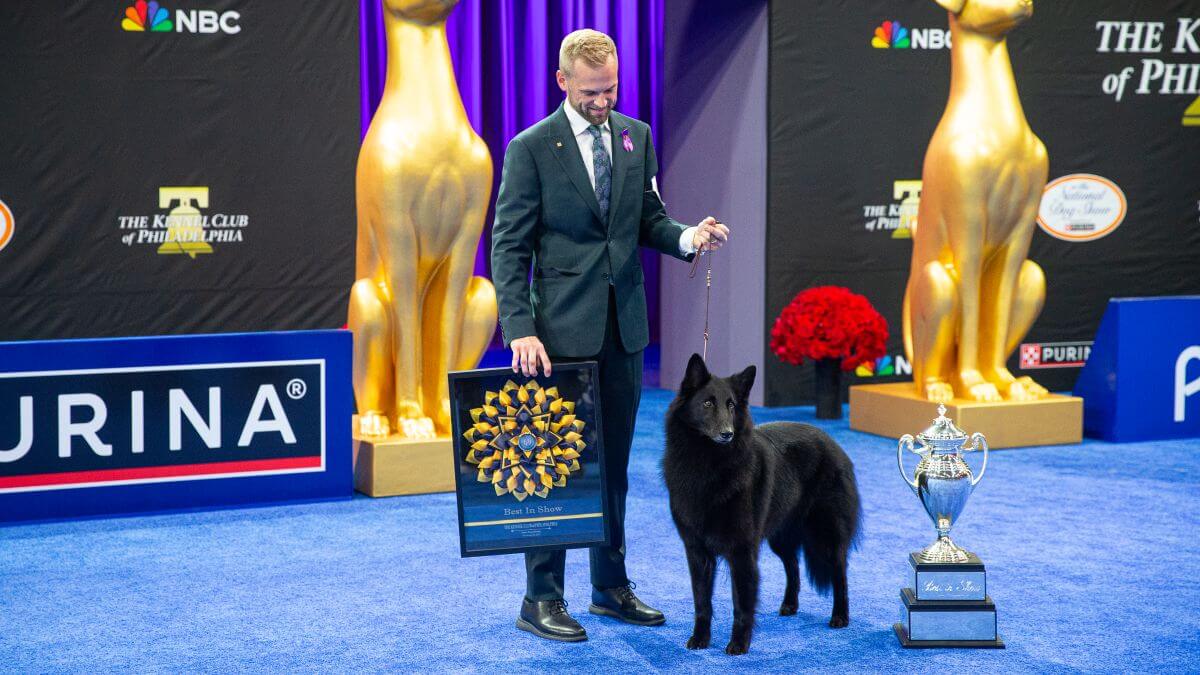
As the National Dog Show Presented by Purina reaches its 25th anniversary year, Purina experts Dr. Callie Harris and Dr. Annie Valuska are playing a role in promoting the Thanksgiving Day two-hour special, and they will also appear during the broadcast to share special insights with viewers.

Dr. Harris is a veterinarian at Purina, where she works with veterinary teaching hospitals and helps educate veterinarians. Before joining Purina, she worked as an emergency veterinarian in the Atlanta area. She has also appeared as a veterinary expert on The Drew Barrymore Show, Pooch Perfect, and The American Rescue Dog Show. Pet lovers can follow Callie on Instagram: @dr.callieh.

Dr. Valuska is a Certified Applied Animal Behaviorist who has spent more than 20 years studying animal behavior and relationships between people and their pets. She joined Purina in 2013 and works to better understand the behavior and needs of cats and dogs. She also shares tips and information about animal behavior with pet owners from @annieknowsanimals on TikTok and Instagram.
They took some time recently to zero in on select subjects surrounding the National Dog Show and our lives with our pets with the holiday season upon us.
Dr. Callie Harris: With show dogs, many of them have been socialized and prepared for this type of experience since they were puppies, so yes, I do think they enjoy the attention! My favorite part of the show is visiting with the competitors before and after they do their thing in the ring. There’s so much excitement felt in the holding area right before their debut and then so much celebration and sweet affirmations after.
Dr. Annie Valuska: At this level of performance, these dogs generally are enjoying the show—and that's in part because they've been trained to enjoy the show! One special kind of training that helps here is called "socialization," which is the process of teaching dogs to feel comfortable around a wide variety of people, places, and animals. When done well, socialization can be really powerful: not only do dogs learn to thrive in familiar environments, but they're also confident when faced with new things, too.
Dr. Harris: Well, that depends on who you are asking! Though I do love the Terrier Group, too. I think because of their size, stature, and BIG personalities, it’s hard not to fall in love with the Terrier Group when they hit the ring.
Dr. Harris: What makes a great show dog includes these key ingredients: Good genes, exceptional training, and optimal nutrition that will fuel them through every part of the experience.
Dr. Harris: There is probably someone more expert to discuss all aspects of their show cut, but what I do know from a veterinarian’s perspective is that some of it is for function. Poodles were initially bred to be waterfowl dogs, so their haircuts historically were put in place to help support them during this experience. For example, when you see the puffs on their hips and on their legs, that’s intended to support warmth and protection.
Dr. Harris: Oh, where do I begin and end here? Optimal nutrition is not just to help them look great on the outside, but also to fuel them on the inside. With the appropriate diet, they are set up for success with energy and brain-supporting nutrients to help them activate during training. They should also have functional ingredients in their food to maintain a healthy gut microbiome, not to mention the right balance of nutrients to support overall growth, development, and enhancement at every life-stage.
Dr. Valuska: Dogs are very sensitive to context, and they have likely learned after repeated experiences at these dog shows that there are different expectations of them in these two different environments. I would guess they are differentiating these contexts by picking up on a multitude of cues specific to the space itself, the behavior of the other dogs, and the behavior (and stress levels) of the people, among other things.
Dr. Harris: I am very cautious here as every pet may be different as far as their tolerance of special treats from the table, so this is not one-size-fits-all. Plus, I am a former emergency veterinarian, and it was common for me to have to treat and manage many of these pets after a big holiday like Thanksgiving. In my household, which includes three dogs, I lean more towards rewarding them with their own dog treats, especially if I am hosting. I also make sure they are all on a probiotic like Fortiflora to protect them from “accidentally” getting a bit of food from one of the guests. The ASPCA has a comprehensive list of foods that are considered toxic, so therefore, should be avoided. I share that with my clients ahead of the big holiday!
Dr. Harris: Anything that is high in fat could be a problem for pets. Be sure to utilize the ASPCA list of toxic foods for additional support.
Dr. Callie Harris: That’s what many of us use, but I do think there’s some variability depending on breed and size.
Dr. Valuska: I think dogs are an outstanding reminder of how important it is to stay curious! They are constantly exploring and learning from us and their environment (even old dogs, contrary to the popular adage). They are so adaptable that it’s easy to take the trait for granted, but in my opinion, it really sets them apart as a species and is a huge part of what makes them such incredible companions to us.
Dr. Valuska: Understanding what dogs know about what we know is a very complex area of study; scientifically, I would say we don't have a definitive answer to the question, "do our dogs know we love them?" yet. However, science does have an answer about whether we are valued beyond our treat-dispensing abilities, and that answer is a resounding yes! For example, one study found that dogs valued social interaction with us as much or more than a food reward, based on their brain activity and behavior.
Dr. Valuska: Yes, multiple studies have demonstrated that dogs highly value and benefit from social interactions with us and form strong attachments to their human family members! Important bonding activities may include things like walks, play, praise, pets, and just spending time together.


Meet the Judges
Elizabeth Muthard shares insights on judging the Sporting Group at the 2025 National Dog Show, highlighting tradition and top breeds.