Members
Is it healthy to sleep with your dog? Experts weigh the pros and cons—from better bonding to disrupted sleep and potential health risks.
The Weekly Brief
The best of SHOWSIGHT editorials, weekly wins, and breeder commentary — delivered to your inbox every Sunday morning.
For many dog owners, snuggling up with their dog at bedtime feels completely natural. One survey from Psychology Today found that 76 percent of dog owners share their bed with their pooch; interestingly, 33 percent of married pet owners say their best quality of sleep comes from sharing their bed with only their dog. But while those cuddles can be comforting, the question remains: Is it actually healthy to sleep with your dog?
Like most pet ownership decisions, the answer depends on your dog, your health, your lifestyle, and your boundaries. Here’s what you need to know before letting your dog under the covers.

The benefits are many!
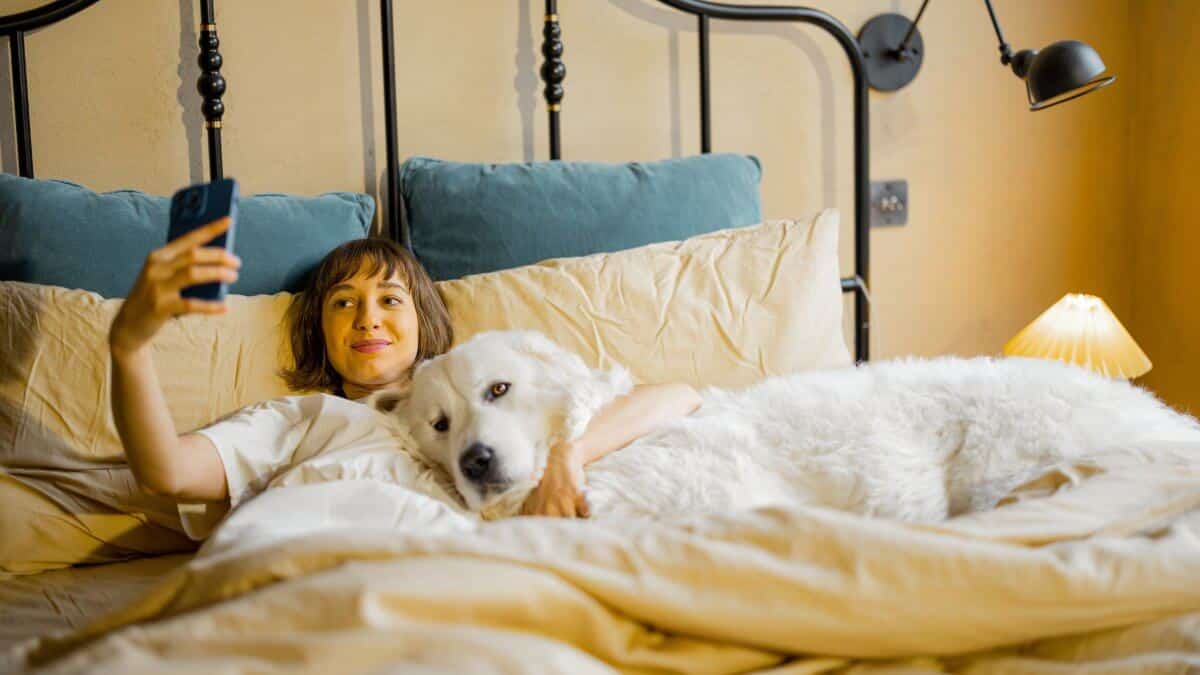
Sharing a bed can reinforce feelings of closeness between you and your dog. Dogs curl up together for safety and warmth. Letting them sleep near you mimics this natural behavior and can make them feel more secure.
For some people, having their dog in bed promotes relaxation. The steady rhythm of a dog’s breathing or their warm presence can reduce anxiety and help you fall asleep faster. Studies have even shown that some pet owners sleep more deeply when their dog is nearby, though others report more disruptions.
If your dog is restless, sick, or uncomfortable at night, having them close by allows you to notice changes in behavior right away. This can be especially helpful for older dogs or those with chronic health conditions.
There’s no denying that sharing a bed with a dog can be comforting and warm, especially in winter. For many people, it simply feels natural and makes the bed feel more like home.
There are downsides to be considered.
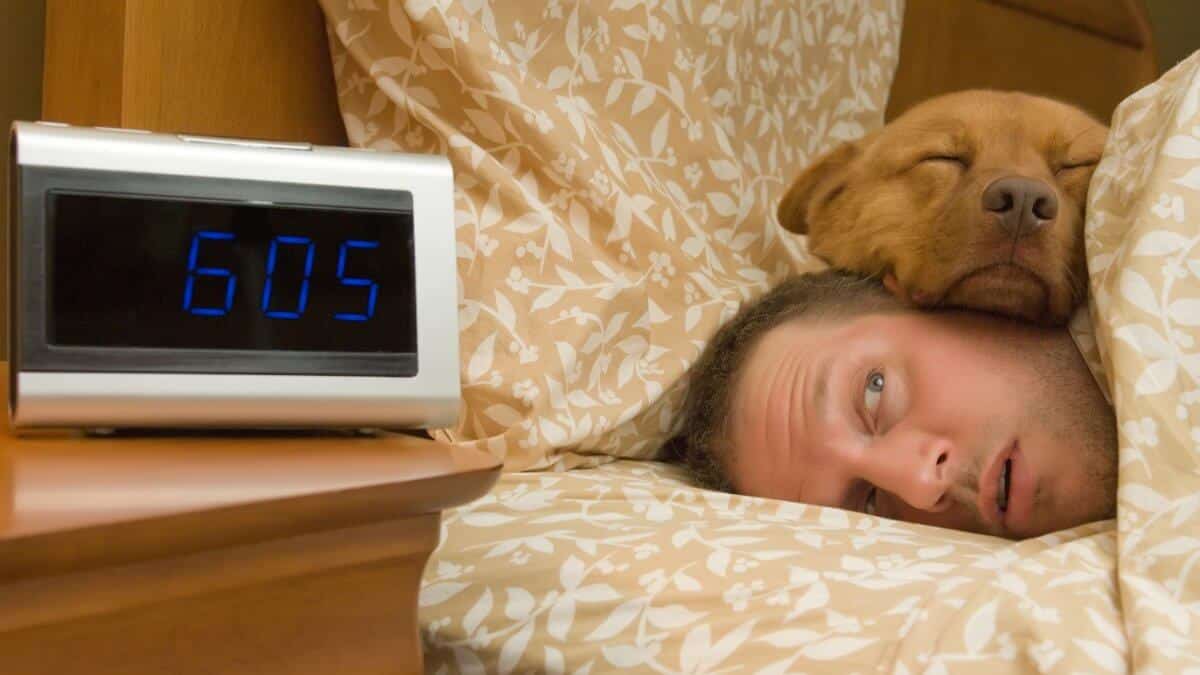
Dogs move around. They scratch. They lick. They dream—and sometimes kick. If you’re a light sleeper, even the smallest dog can interrupt your rest. A Mayo Clinic study found that while having a dog in the room didn’t necessarily hurt sleep, having one in the bed slightly decreased sleep efficiency.
Even if you’re not allergic to dogs themselves, they carry dander, pollen, and dust on their coats. Letting your dog sleep on your pillow or sheets can aggravate allergies or asthma, especially in sensitive individuals.
Some dog trainers caution that allowing your dog to sleep in bed can encourage dominant or possessive behavior, particularly in dogs with a tendency toward resource guarding. If a dog sees the bed as “theirs,” they may resist being moved or react defensively if someone else joins the bed.
Very small dogs, young puppies, or dogs recovering from surgery can be at risk of injury if they fall from the bed or get accidentally rolled on during the night. In these cases, a crate or bed beside yours might be a safer option.
If you ever plan to change your dog’s sleeping arrangements—say, if you move in with someone, have a baby, or travel—it can be tough to retrain a dog that’s gotten used to sharing your bed. Starting with clear boundaries can make transitions easier later on.

Most professional trainers agree on one key point: It’s not inherently bad to let your dog sleep in your bed, as long as the behavior is invited and doesn’t create other issues.
Many trainers recommend establishing rules and maintaining consistency. For example, only allow your dog on the bed when invited, and make sure they’re willing to get down when asked. If your dog growls when someone else joins the bed or won’t move when commanded, those are signs that sleeping with you might be reinforcing unwanted behavior.
For dogs with anxiety or fear issues, sleeping near you can be helpful, but for overly clingy dogs, it might make separation anxiety worse. A trainer or behaviorist can help to evaluate whether your dog’s attachment is healthy or too dependent.
Veterinarians tend to be practical about co-sleeping with dogs. As long as both human and canine are healthy, sleeping together is usually considered safe.
However, vets do raise specific concerns in certain situations:

There are some situations where letting your dog sleep in your bed may not be the best idea:
The good news? Dogs are adaptable. If you decide to change your dog’s sleeping arrangements, be firm, consistent, and reward alternative behaviors—like staying in their own bed or crate.
If you want the closeness without sharing your pillow, consider placing a dog bed right next to yours. This gives your dog comfort and a sense of proximity while preserving your personal space and sleep quality.
You can also set boundaries—like allowing your dog in the bed only at certain times, or not under the covers. It’s your bed, and your rules.

There’s no one-size-fits-all answer to the question of dogs in beds. What works for one household might not work for another. If you and your dog both sleep soundly and there are no behavioral or health concerns, there’s no reason to stop co-sleeping. But if it’s causing problems—for you, your partner, or your dog—it’s okay to set new boundaries.
Ultimately, your dog wants to be close to you, but they also want to feel secure, relaxed, and well-rested. Just like you.