Members
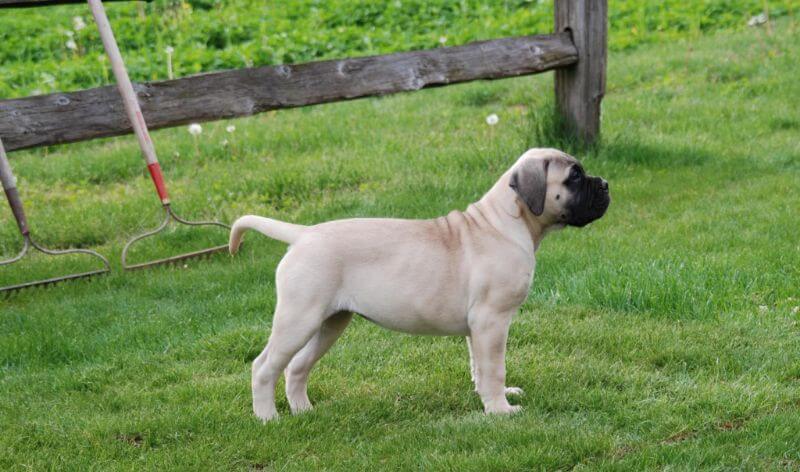
Carrie Lane is the breeder behind Affinity Bullmastiffs. Read about the kennel’s beginnings, champion dogs, puppies, photos & more!

Carrie Lane
The Weekly Brief
The best of SHOWSIGHT editorials, weekly wins, and breeder commentary — delivered to your inbox every Sunday morning.
Interview with Carrie Lane, Breeder of Affinity Bullmastiffs
Carrie Lane: I live in Arizona. I have been in dogs for 24 years, breeding for 11 years.
Carrie Lane: My kennel name is Affinity Bullmastiffs. I currently keep two dogs.

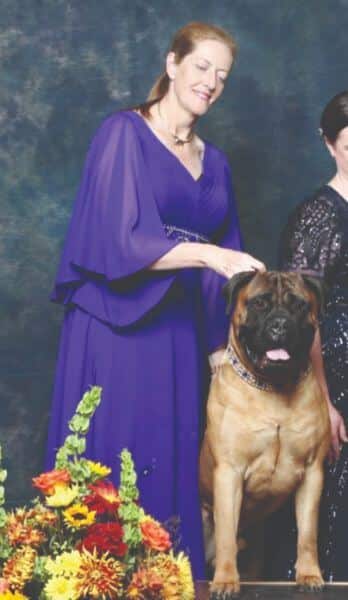
Carrie Lane: Prior to downsizing and moving to Arizona, Affinity Bullmastiffs had a state-of-the-art hydrotherapy and boarding center in Lynden, Washington. Puppies are always in our home. They are always with my husband, myself, and family members in our home.

Carrie Lane: We look at the puppies throughout their first 8 weeks; we video them moving, we stack them, we pay attention to personalities and temperaments, we photograph them, and we compare them to one another and to the breed standard. We also temperament test all of our puppies using the Volhard test. Usually by 7 weeks we know who is staying, and who is going to show homes and show-potential homes.

Carrie Lane: We train five minutes at a time when they’re pups and we encourage our show homes to attend handling classes and expose their pups to lots of different sounds and environments. Bullmastiffs are wash-and-wear!

Carrie Lane: Over the years, I feel that the Bullmastiff breed has had an increase in popularity and interest, which gives breeders the opportunity to educate the public on the breed. The Bullmastiff is a very capable breed. It has entered into other types of areas that are not generally considered “natural” for the breed, such as competing in Dock Diving, Fast CAT, Barn Hunt, and Nose Work.
Carrie Lane: As with most giant and large breeds, cancer remains at the top of health concerns for all breeders who are working to improve the breed and leave it in a better place than when they found it. With the development of new genetic testing, the future of the breed, if handled carefully, can improve. We feed a low-protein diet to all of our puppies in order to slow their rapid growth. We encourage the use of joint support supplements to maintain healthy joints and we begin using them once our dogs reach adulthood.
Carrie Lane: Overall, conservation breeders are implementing the latest testing combined with health screening, prior to breeding, in an effort to breed better, healthier, sound dogs. Throughout the years in my breed, I have seen an improvement in the Bullmastiff temperament overall and that’s a great direction to go toward.
It’s important to differentiate between the conservation breeders and people who are just breeding Bullmastiffs, as they are not the same thing. Anyone can breed dogs; however, it’s the people with the lifelong dedication to the breed who work tirelessly to improve it that need to not be lumped into the same category as “just a breeder.” Also of concern are the people who are mixing Bullmastiffs with other powerful breeds without any regard for what they’re creating and with no accountability.
Carrie Lane: Absolutely, when Bullmastiffs are carefully bred they are well-suited as a family dog. Excluding Bullmastiffs with poor temperaments from breeding programs and breeding for a good, sound temperament are just as important as breeding for health. These dogs are the most amazing, protective, loving, family dogs.
The best candidates to own the breed are people who respect the power of this breed and do not expect the breed to act differently than what it was created for, which is a breed that is going to defend their family and their property. They are not generally pack animals that get along with other dogs, and not generally dogs that get along with other same-sex dogs of any breed. It’s not fair to the Bullmastiff to expect it to adapt to what the owner wants it to be.
The best candidates to own this breed are people who are not novice dog owners, people who are looking for a loving companion and not a yard ornament, people who will love, cherish, and protect the Bullmastiff just as the Bullmastiff will love, protect, and cherish its guardian.
Carrie Lane: I think there needs to be more emphasis on inviting new people to the breed, rather than keeping a close-knit circle of people. As we all age, we need to preserve this breed by bringing on new people who show their love, dedication, and willingness to ensure the future of the breed.
Carrie Lane: I’m always struck by the fact that I will see characteristics and mannerisms in the offspring of my dogs. These things are not trained, they appear to be innate and you know it when you see it.
The best way to ensure a long and happy relationship with a purebred dog is to purchase one from a responsible breeder. Not sure where to begin finding a breeder? Contact the National Parent Club’s Breeder Referral person, which you can find on the AKC Breeder Referral Contacts page.
Did you know nearly every recognized AKC purebred has a dedicated rescue group? Find your new best friend on the AKC Rescue Network Listing.
Showsight Magazine is the only publication to offer dedicated Digital Breed Magazines for ALL recognized AKC Breeds.
Read and learn more about the brave Bullmastiff dog breed with articles and information in our Bullmastiff Dog Breed Magazine.

Meet the Breeders