Members
Breeder Adam Levy discusses Chesapeake Bay Retrievers, dual-purpose breeding, mentorship, and preserving the breed's working ability.
The Weekly Brief
The best of SHOWSIGHT editorials, weekly wins, and breeder commentary — delivered to your inbox every Sunday morning.
Adam Levy: I grew up in Jericho, New York, on Long Island.
Adam Levy: We always had dogs growing up. My first childhood dog was a West Highland White Terrier. Both his sire and dam were champions, but he was sold as a pet due to being monorchid. We also had a German Shepherd Dog and a chocolate Labrador Retriever. I’ve always had a strong interest in animals. Besides the dogs, I had reptiles, chinchillas, and birds. My parents used to take me to the Suffolk County Kennel Club dog shows, where I could walk around and take everything in. That early exposure really sparked my interest.
Adam Levy: Early on, I learned about dog training from an exceptional obedience and protection trainer, Frank Bonomo. He played a big role in shaping my passion for the training side of dogs.
When I was old enough to get my own first dog, I knew I wanted a Chesapeake Bay Retriever after seeing one coming back from the dock after a long, foggy, rainy hunt on the eastern shore of Long Island. That image stuck with me. Being the impatient teenager I was, I started calling every breeder I could find who was producing successful, hunting-bred Chesapeakes. I ended up finding a breeder in Massachusetts whose program traced back to someone I highly respect today, Karen Anderson of Chestnut Hills Chesapeakes. Karen’s breeding program is one I extremely admire and use today.
From there, I bought another Chessie from a breeder who introduced me to my now longtime friend, Kellie Corcoran. She taught me so many invaluable lessons in my early years, and is someone I consider a true dog woman.
Once I really got the bug, I knew I wanted to produce more serious, high-quality animals. I reached out to Diane Baker of Sandbar Chesapeakes, who took me under her wing and taught me a tremendous amount about pedigrees and structure—not just in Chesapeakes but in dogs overall, and how to truly evaluate them.
My mother-in-law, Susan DePew, is a tremendous dog woman. I talk through individual dogs and breeding as a whole with her often, and I truly value her honest, unbiased perspective.
As a professional retriever trainer, I always knew I wanted more from my breeding program. I had specific goals I wanted to achieve. Linda Harger of Fireweed Chesapeakes, who I consider the “queen” of Field Trial Chesapeakes, helped shape my view of what a true field dog should be.
My program is designed to combine top-level Field dogs with top-level Conformation dogs. One should not come without the other. We have produced the only Best in Show-winning Master Hunters in AKC Retriever history that also hold Field Trial titles.
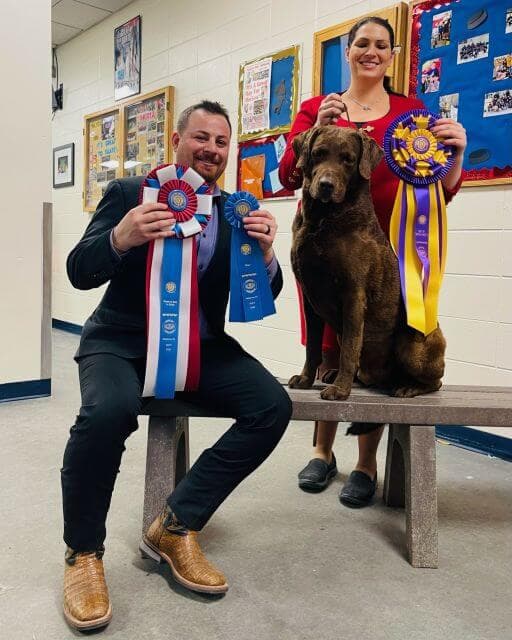
Adam Levy: First and foremost, a dog must be healthy—both individually and generationally. A solid, stable temperament is a must. From there, form must follow function. The dog must be structurally correct, mentally sound, and tough enough to do the job it was bred for. To consistently produce that, you have to linebreed and lock in the style that matches your vision when you read the Chesapeake Breed Standard.
In my program, I maintain two distinct styles that I believe in strongly, and I like to blend those styles strategically to produce dogs that can excel in the field while also being top-notch Conformation prospects.
Adam Levy: I typically keep about six to eight personal dogs at my facility. When they’re not out competing in Field Trials or Hunt Tests, they live in my home. I’m fortunate to have excellent co-ownership homes that allow many of my dogs to continue doing what they were bred to do, which is hunt.
Our facility includes a 117-run boarding and training kennel with a 10,000-square-foot building and an indoor training room. The kennel sits on more than 250 acres of retriever and upland training grounds. We have a strong team of trainers and staff, which allows each dog to get the most out of its training experience.
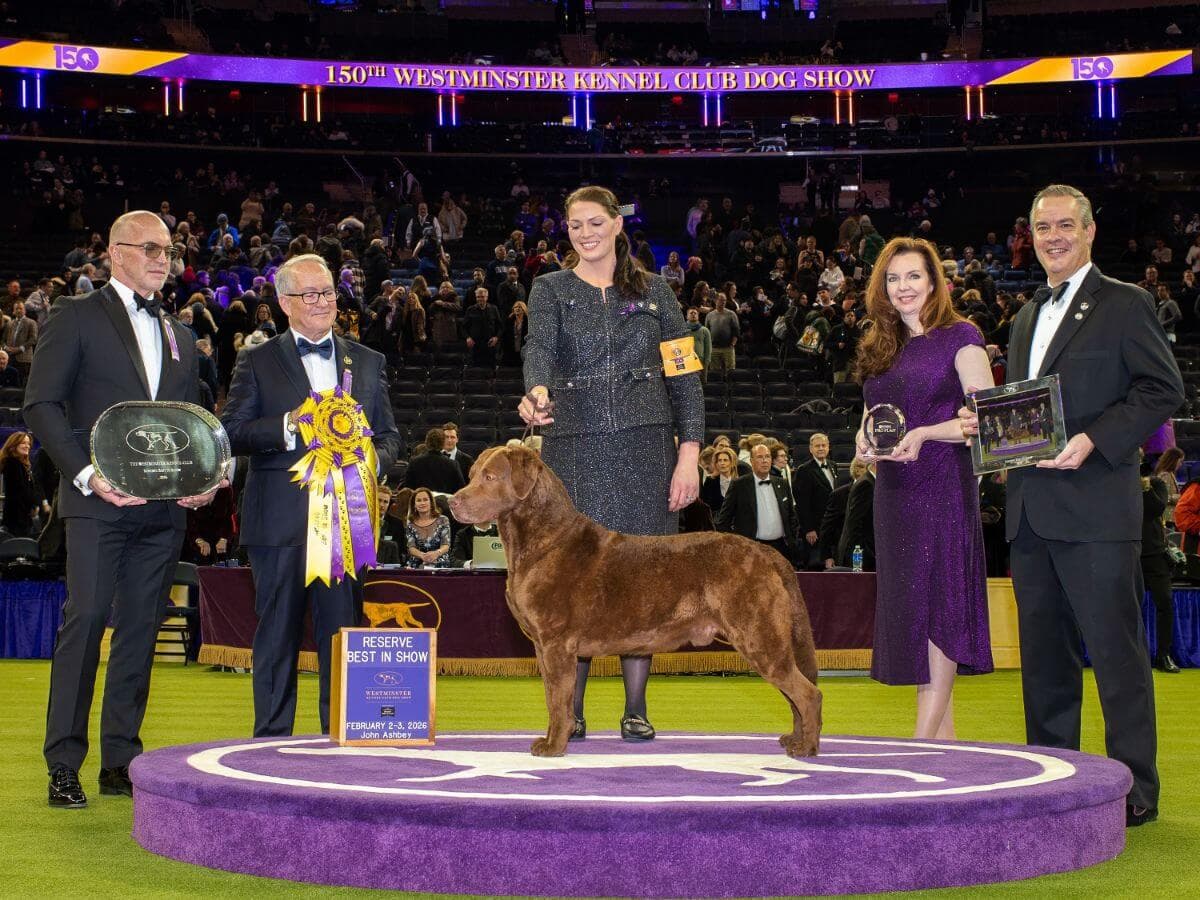
Adam Levy: It’s great to see more breeders focusing on both the field and the show ring. Even if it’s starting with Junior-level titles, it’s a step in the right direction and shows more attention to the complete dog.
That said, there are areas we need to watch closely. Rear angles are a big one—the Standard calls for well-angulated stifles, and that’s where our power comes from. The fronts obviously have to match that balance. But we are losing our rears! It’s something we really need to focus on. I’m also seeing too many tails carried too high or over the back. That’s highly genetic and can be very difficult to correct once it’s established in a breeding program.
Adam Levy: I think we’re missing the mark when it comes to welcoming and mentoring new, younger breeders. We need more of our younger, successful handlers, breeders, and trainers stepping up to mentor the next generation. It’s easier for younger people to connect with someone they can relate to and see themselves in. If we want to grow the sport, we have to be more intentional about building that next group. That’s something that’s very important to me.
We also need to get younger people involved in breed clubs and all-breed clubs. We need to stop scaring them away, and we need to be open to new ideas and technologies.
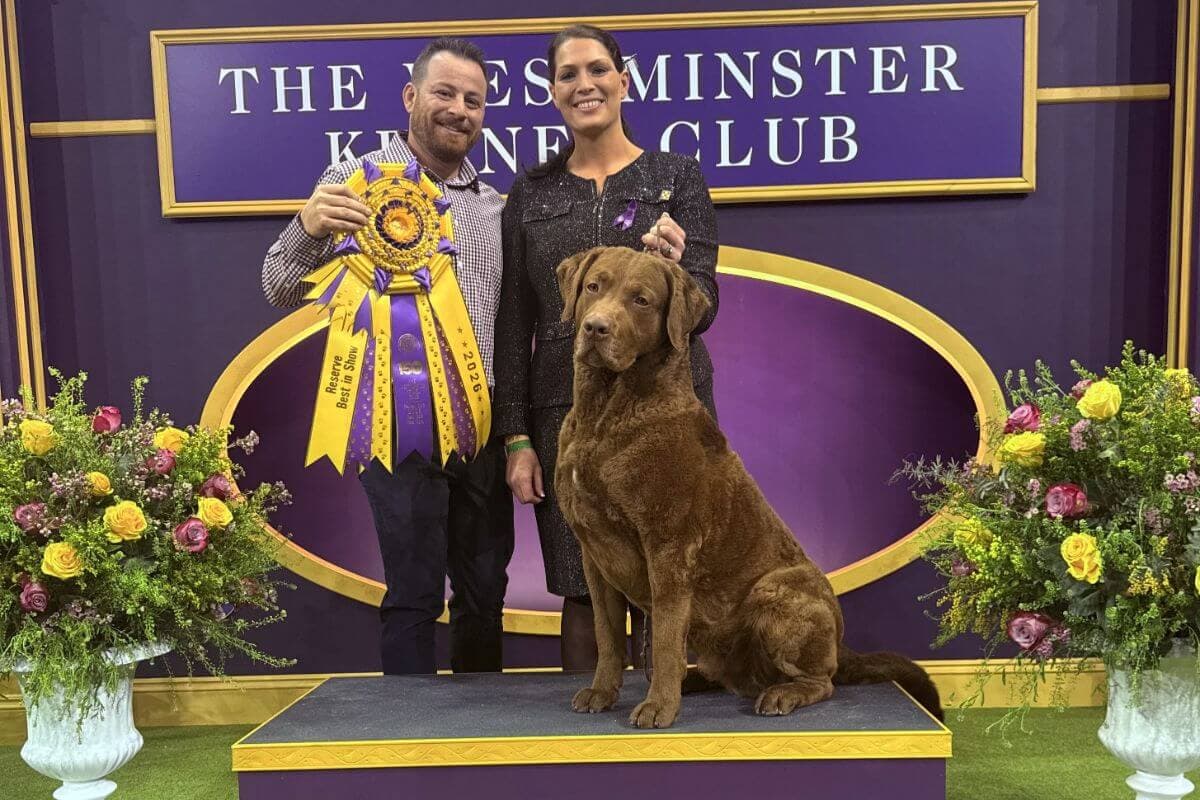
Adam Levy: I have big goals—both in the field and in the show ring—and I want to accomplish them with the same dogs. Continuing to produce dogs that can compete at a high level in both arenas is a major focus. At the same time, I will always prioritize health and temperament as the foundation of the program.
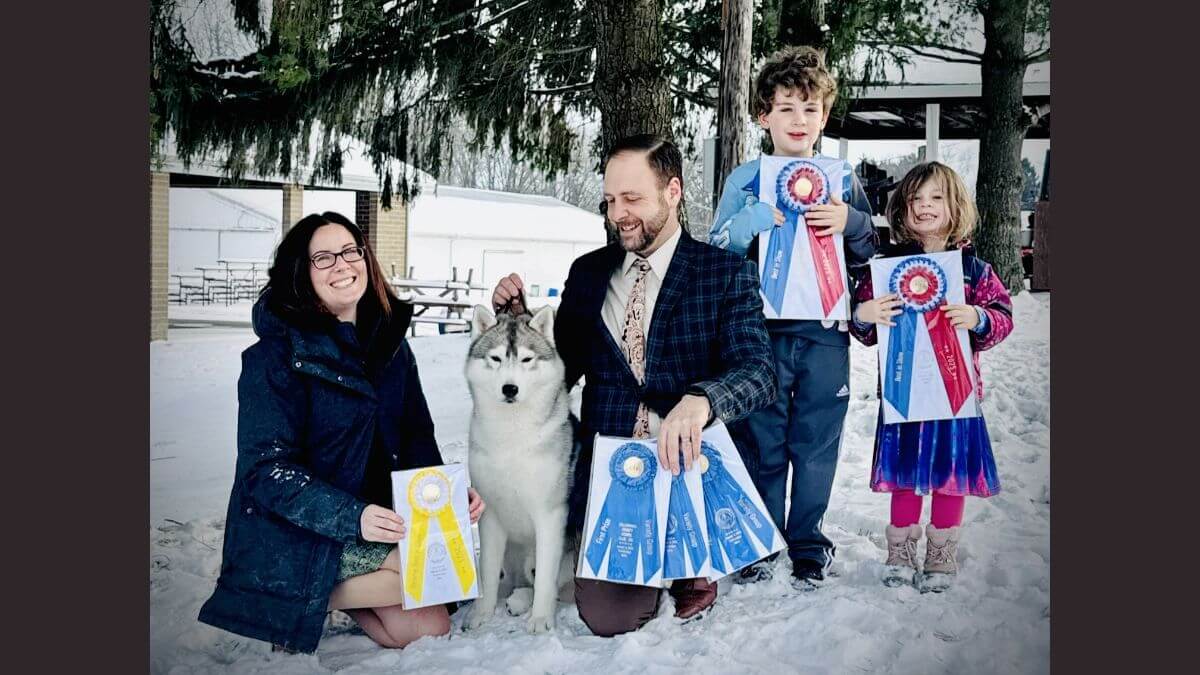
Adam Levy: Dogs are both my passion and my profession. I own and operate a retriever training, boarding, grooming, and all-breed obedience facility. Outside of dogs, I enjoy hunting and traveling—both across the country and internationally on my next adventure. I pretty much travel all of October and November. I also have a strong interest in reining and cutting horses. Devon and I own and breed a few of our own. Most importantly, I value time with my family and our two kids.

Meet the Breeders