Members
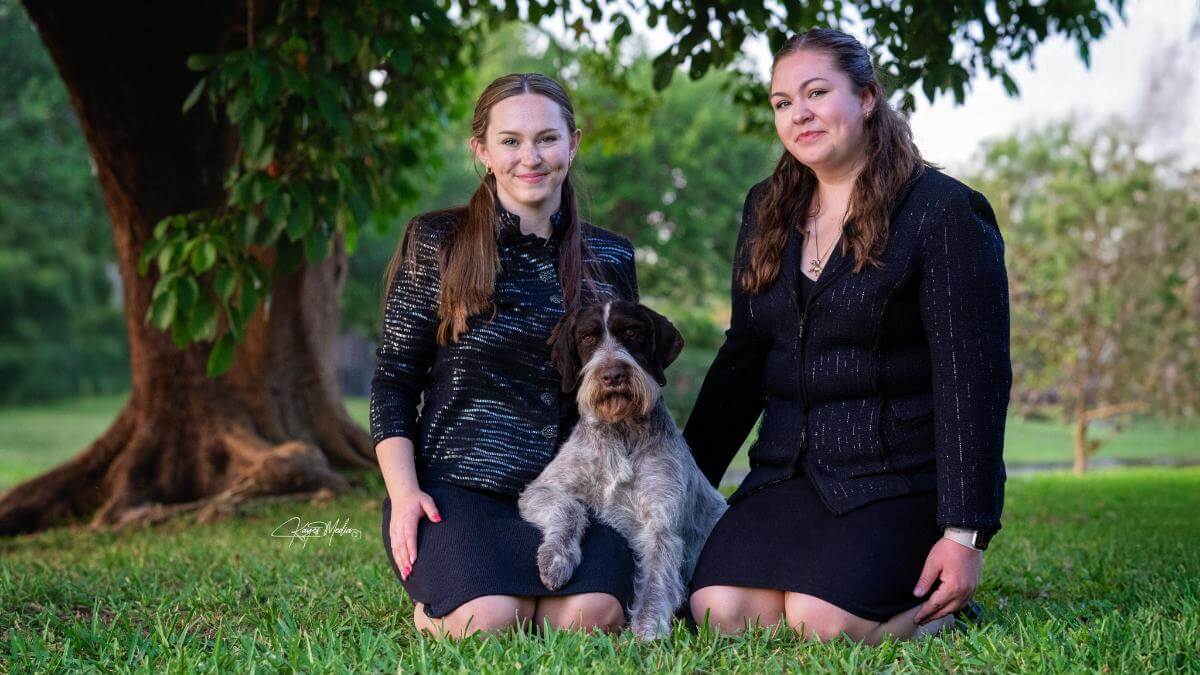
Afterhours Kennel’s Alexis & Christi Chism share their passion for GWPs & BFdBs, breeding with purpose, health, and legacy in mind.
The Weekly Brief
The best of SHOWSIGHT editorials, weekly wins, and breeder commentary — delivered to your inbox every Sunday morning.
Alexis & Christi Chism
1. I am Alexis Chism, the third generation of Afterhours Kennel, which my grandparents, Christine and Walt Whitmore, and my mom, Christi Chism, started over 45 years ago with German Wirehaired Pointers (GWP). We now also breed Basset Fauve de Bretagnes (BFdB). I live in Reddick, Florida, and began showing dogs at the age of seven. My sister, Allison Chism, and I are proud to carry on the Afterhours legacy with the GWPs and BFdBs. Our goal is always to produce sound, typey dogs with the temperament and structure to succeed in the ring, field, and as companions.
2. For German Wirehaired Pointers, hallmarks include their versatility, harsh, weather-resistant coat, strong forechest, and balanced angulation—all contributing to their ability to work in the field with stamina and endurance. Breed type is more than just appearance; it ensures the dog can perform the job it was bred for. Losing sight of those traits risks losing the essence of the breed.
3. Yes. I believe responsible breeders should breed with intention and purpose, and begin looking for potential homes early on. We take applications in advance and have ongoing conversations with potential puppy homes to ensure they’re a good match in the months leading up to the puppies going to their new homes. The demand for well-bred, health-tested purebred dogs remains strong, especially when paired with breeder support and education.
4. We health test all our dogs, and tools like OFA (Orthopedic Foundation for Animals) and CHIC (Canine Health Information Center) have made it much easier to track and verify those results. Veterinary technology has come a long way, too—advanced imaging, improved genetic screening, and modern reproductive tools have really helped us make smarter, more informed breeding decisions.
5. Yes, there’s been a noticeable shift. More people are beginning to understand the value of a well-bred purebred dog, especially when it comes to health, predictability, and breeder support. That said, misinformation is still out there, so we continue to advocate for, and educate the public on, the differences between responsible breeding and commercial or backyard breeding.
6. One concern is the growing cost and demands of exhibiting, which can make the sport less accessible, especially for younger handlers or new breeders. However, I’ve also seen positive trends like increased emphasis on health testing and more breeder
mentorship programs.
7. I’ve been encouraged by the spotlight on Junior Handlers and the support networks developing to help them succeed. There’s more awareness around breeder responsibility and canine health, and more programs focused on preservation breeding and mentorship are taking shape.

Meet the Breeders