Members
The Weekly Brief
The best of SHOWSIGHT editorials, weekly wins, and breeder commentary — delivered to your inbox every Sunday morning.
Ashley Fischer: In Darien, Connecticut.
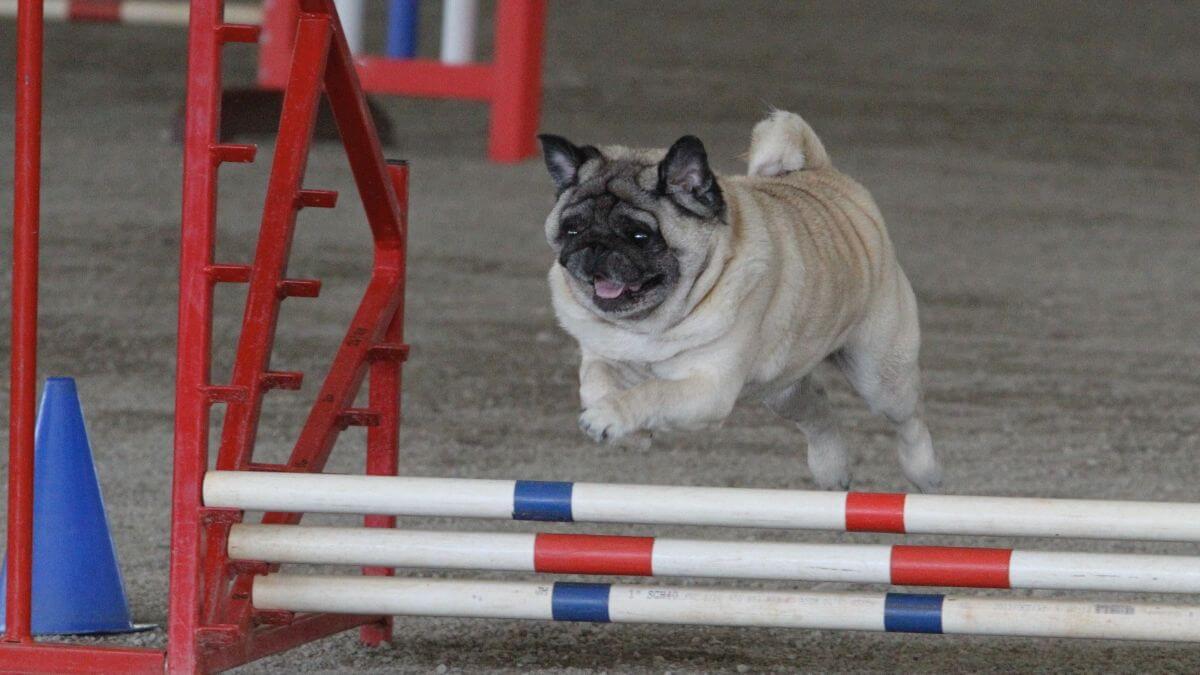
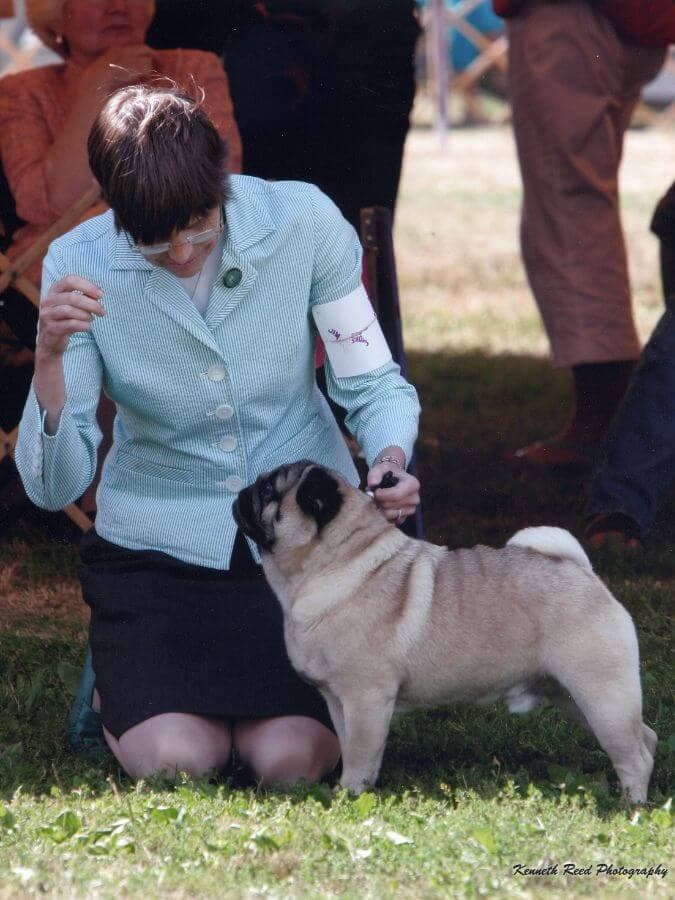
Ashley Fischer: We had a family dog growing up, but I wouldn’t say we were a dog family. We had many different pets of all kinds. I got into showing dogs through Agility. I helped a local breeder raise a Pug litter and was fascinated watching the puppies’ development. When the puppies were five weeks old, she called me and told me she thought we had my next Agility dog selected. One of the little boys was running back and forth through a rolled-up carpet. That was Spike, Ledgewoods Ricochet Rabbit. When he was nine months old and she saw how nicely he had turned out, she asked if she could finish him. I only went into the ring twice as a complete novice when I had to take him back in for Best of Winners so that she could show her special. Both times we went Best of Breed, and the second time finished him. The judge was Charlotte Patterson and even I knew how significant that win was. I was hooked. That breeder told me I could never special the dog successfully as an unknown owner-handler. I not only specialed him, I ranked him! He was a magnificent dog, the kind of dog very few people get to enjoy as a first show dog. That began my 20 years in Conformation.
Ashley Fischer: There have been so many people whom I would consider to be mentors. My first mentor was Donald Ayrton of Cado Pugs. My first Pug and Agility dog, Reggie, was mostly his breeding. I knew nothing about dog showing the first time I met him at a show in 2001. The breeder wanted Reggie evaluated. To my relief at the time, Donald advised me that his head wasn’t good enough for him to be shown. In 2005, the year we started showing that first dog, we were watching a ring at a show. I told him that as much as I didn’t know, I admired the way an Aussie was moving around the ring. He told me, “If it’s put together correctly, it will move well.” I have lived by that advice, and the advice I continued to receive from him. Another time, we were at ringside watching the judging and, like others, I was perplexed by the judge’s choices. Donald told me, “You aren’t just showing your dog to the person in the middle of the ring, you are also showing to everyone here watching.” To this day, I feel that the Cado Pugs exhibited classic breed type. My newly retired specials bitch was co-bred with his wife, Carol, all these years later.
When it came to grooming and the strategy in campaigning a special, I turned to Barry Clothier, who supported my first show dog and me when I was that “unknown owner-handler.” Another mentor was Pat Hastings, from whom I learned so much about evaluating correct structure. Doug Huffman has taught me about breed type. I have learned a great deal over the years from professional handlers. I have learned from judges who are willing to discuss dogs. I believe you can never stop learning, and we must continue to keep developing our knowledge in order to produce and exhibit healthy, quality dogs.
Ashley Fischer: Pugs can be more difficult when it comes to breeding. They are more likely to develop complications during whelping and often need a C-section, which in itself is a risk for the brachycephalic breeds. I didn’t feel I would have the necessary support where I live. My one bitch that was bred whelped her litter with the assistance of her breeder. I was not willing to rely on emergency hospitals if presented with trouble after normal hours. Most important, I was not willing to put my bitch in jeopardy as a result of a decision that I made for her. I might have been able to lose puppies that I didn’t know yet, but I don’t think I could handle losing a bitch.
Ashley Fischer: Yes, I have received criticism for not being willing to breed my bitches. They were top-ranked, lovely girls, and people were interested in their puppies. I have contributed to the breed by making my boys available and working with a few breeders in making recommendations for their bitches. I honestly don’t think one must breed in order to contribute to the breed or the fancy. Too often I have heard, “I have been breeding for 35 years,” as if that automatically makes someone an accomplished breeder. Some of the people who have said that to me would not be able to explain how an incorrect front assembly can affect a dog’s movement or long-term soundness, or how to distinguish between correct and incorrect angles. I believe that we can also contribute to the breed by constantly educating ourselves, something I continue to try to do. It’s even more imperative that we show the public, and people potentially interested in the sport of dogs, how much they can do with their dogs. We don’t all have to produce puppies and run around the ring in circles to make a difference.
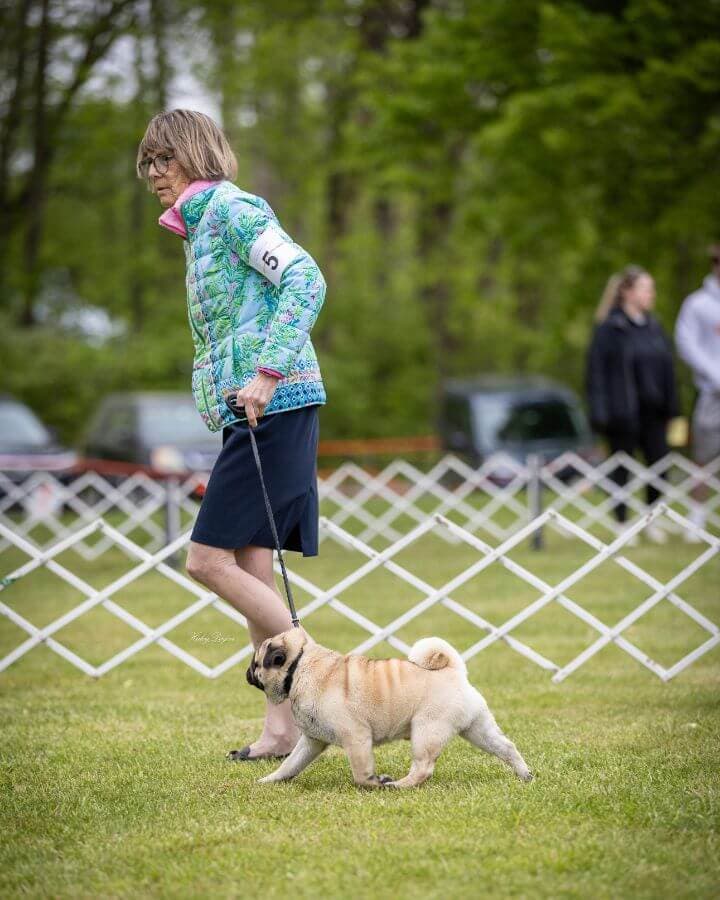
Ashley Fischer: Right now, we have eight Pugs. That is about my maximum because they are all housedogs that are in our company all the time. We participate in Conformation, Agility, and Fast CAT. My “dog room” is our den where I have my office. Once a dog is retired from Conformation or Agility, it remains with us as a family member. Six of my eight dogs are veterans and will live their lives out with us.
Ashley Fischer: I feel that our breed continues to improve in quality, especially here in the Northeast. Judges have commented on the quality of the entry all the time. I am especially encouraged to see breeders using BOAS testing in an effort to produce sound breathers. I do think we still need to watch our angles, especially our fronts. A Pug’s front legs should be set well under. Too often I see them appearing to come down from their necks rather than under the withers. An imbalance between the front and rear produces those toplines that are less than desirable.
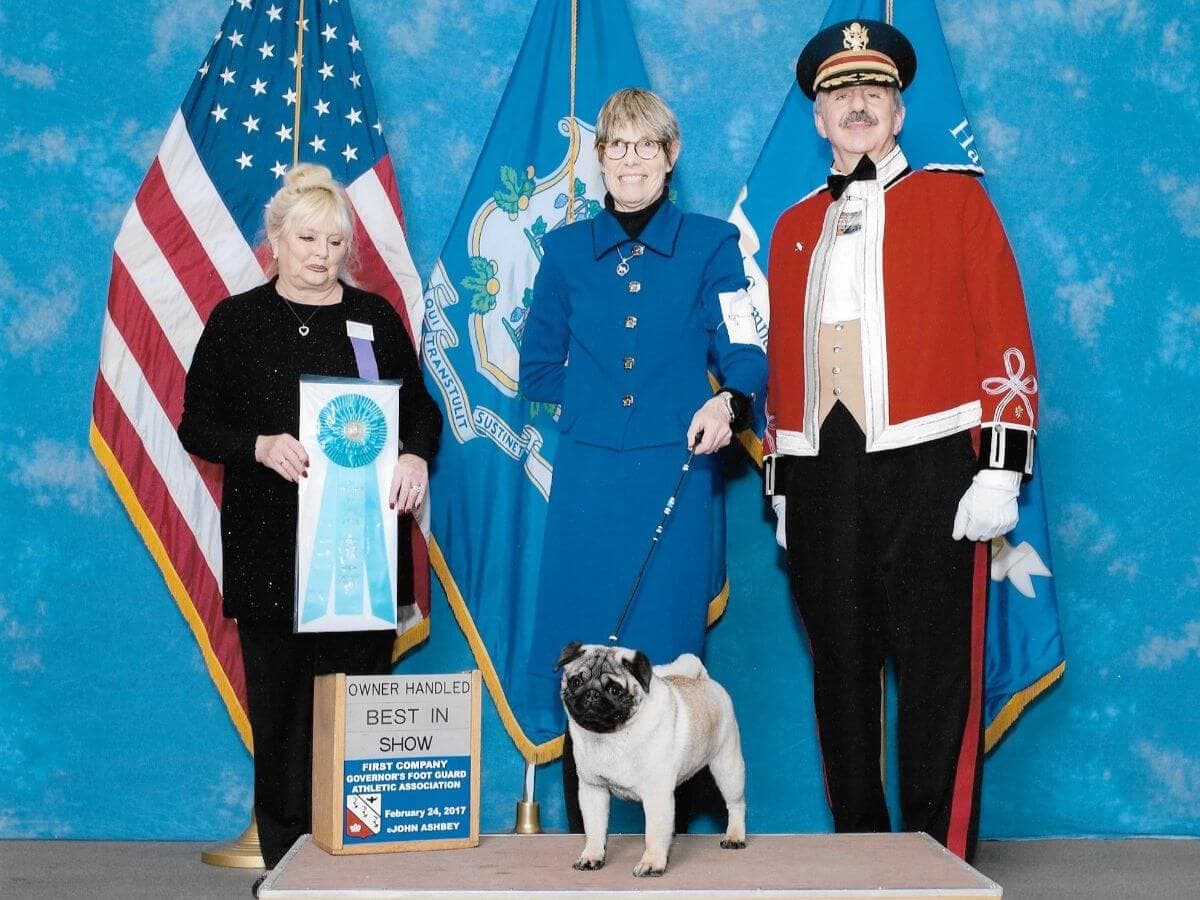
Ashley Fischer: That’s a tough question. I think our breed is blessed with new breeders doing a good job working with more established breeders and breeding stock to produce correct, sound, and healthy dogs. Some who come to mind also educate themselves regarding pedigrees and correct structure and type. That having been said, we often have as many, if not more, specials than class dogs in the entry. We must continue to look for ways to encourage new exhibitors and breeders. Some have suggested including Altered classes at shows. This could be an entrée for people new to the sport, especially if they own dogs that might be very nice but were sold to them on spay/neuter contracts because their breeders did not feel they should reproduce. Success in classes like this might encourage them to go on to buying dogs to show in the regular classes and even consider breeding. This would be far more effective in protecting our breeds than breeders being happy to hide away all the “pet quality” puppies in pet or performance homes.
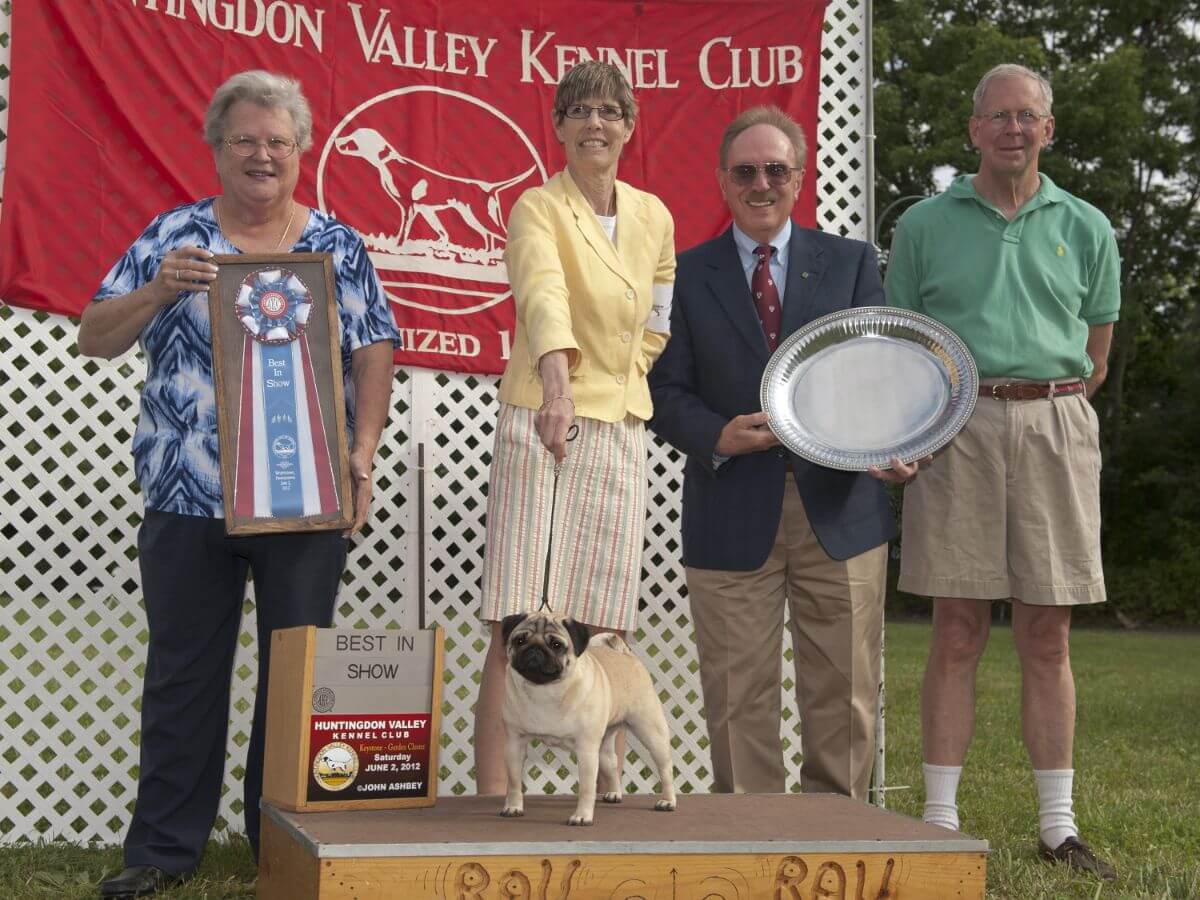
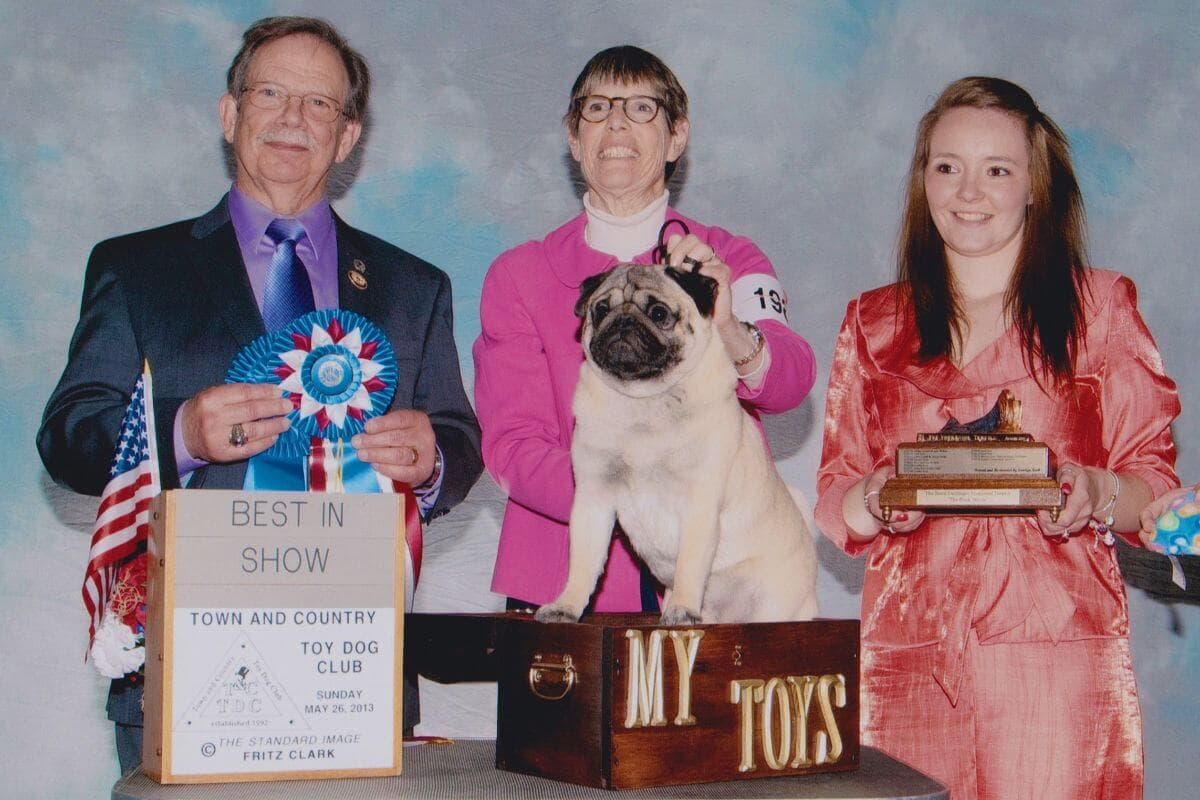
I wonder if we all need to be more open-minded about who we allow to be shown and bred. My two most successful show dogs were littermates sired by a dog that was brought out to be a “filler” for a major. Their grandsire was never finished because he didn’t like to show. Four in that litter became Top 20 specials.
I also feel that while we still have many good judges, we have lost too many of the greats. I feel that the quality of the judging was higher during my first years in the sport than it is at present. Too often we see dogs being put up because they are more flashy than correct. Too often we see the generic dog being put up rather than the more correct one that might not look like any of the others. This is frustrating to breeders and exhibitors, and is a cause of disillusionment.
Finally, we MUST be kinder to, and more supportive of, new exhibitors. We MUST encourage them to join breed and all-breed clubs. We MUST encourage our potential Junior Handlers. We need to encourage our puppy buyers to consider competing in dog sports and give them all the help they need to get started, including going to shows with them at first.
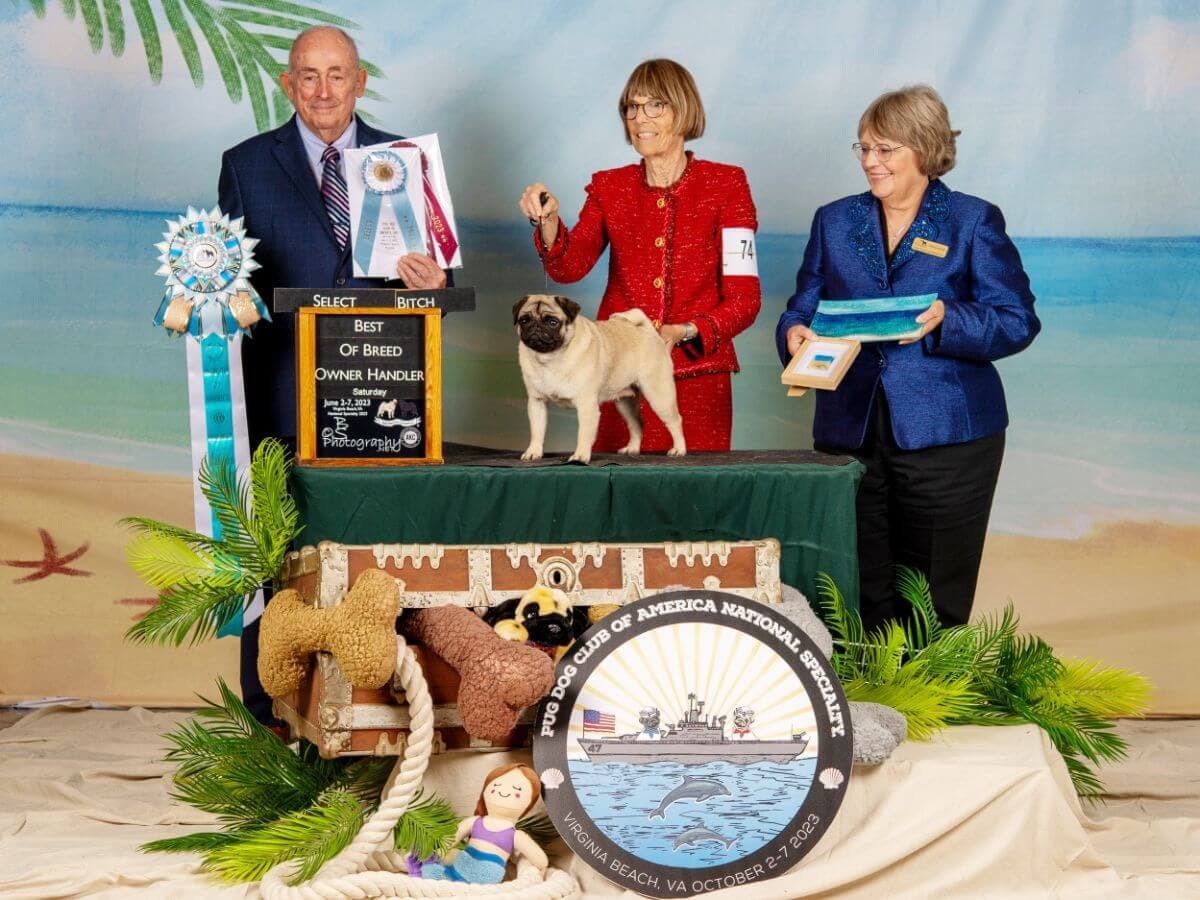
Ashley Fischer: My goal is to be like some of the Grande Dames in the sport, like Kathleen Kolbert or Pat Trotter, and still be showing my dogs into my 80s, even running Agility. I have a great friend who is well into her 80s and is still running her dogs successfully. I want to be these women when I grow up.
Ashley Fischer: I am retired. I taught skiing at Sugarbush Resort in Vermont for 18 years and ran their women’s programs. Skiing is my other love. I want to be out on the hill when I’m in my 80s, too. Dogs and skiing… those are my primary activities. With eight dogs, some of which are competing in Conformation, Rally Obedience, Fast CAT, and Agility, I am still a busy woman.

Meet the Breeders
Breeder Adam Levy discusses Chesapeake Bay Retrievers, dual-purpose breeding, mentorship, and preserving the breed's working ability.