Members
Create a sensory garden to enrich your dog’s life through scent, sound, texture, and taste – easy ideas for any size space.
The Weekly Brief
The best of SHOWSIGHT editorials, weekly wins, and breeder commentary — delivered to your inbox every Sunday morning.
Dogs are highly sensory creatures—sniffing, digging, tasting, watching, and listening their way through life. But too often, especially in urban settings or boarding environments, they’re left in spaces that just don’t offer enough enrichment. The result? Boredom, stress, and even behavioral issues.
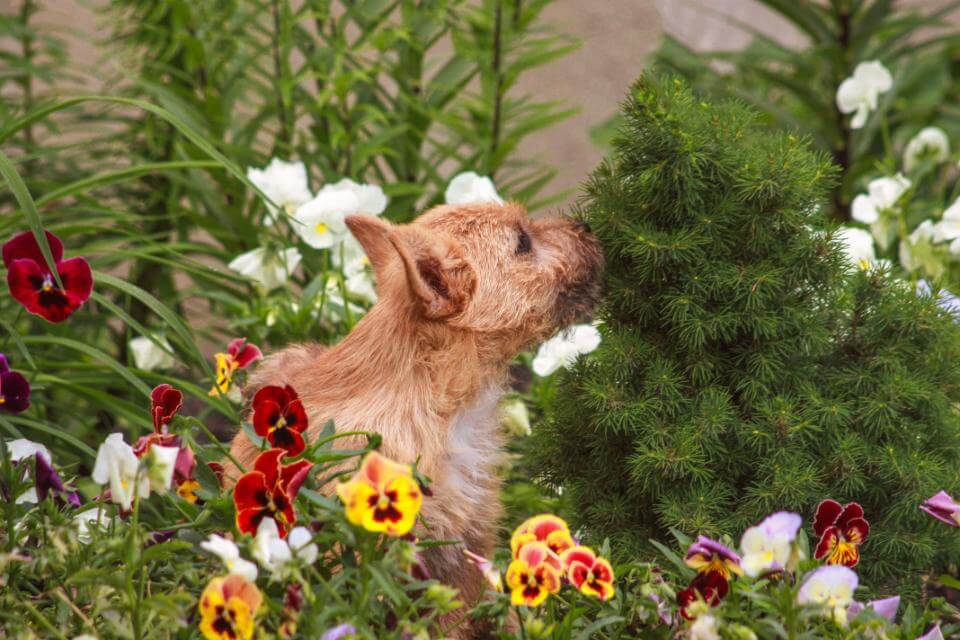
Enter the sensory garden. Whether it’s a backyard haven or a kennel courtyard, these thoughtfully designed spaces tap into your dog’s instincts and promote well-being. And let’s be honest, a garden that both looks great and benefits your dog? That’s a win-win for both humans and canines.
Dogs don’t experience the world like we do. Their noses, ears, and paws are tuned into their environment in different ways; their sensory needs go beyond just a daily walk. Some dogs thrive on olfactory adventures, while others crave a place to dig, splash, or perch and observe the world around them.
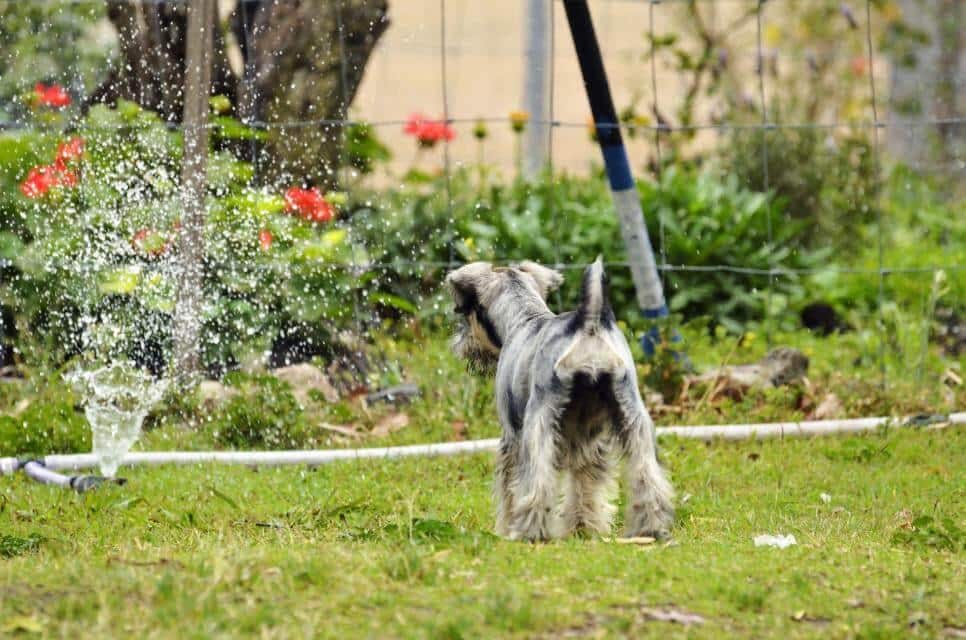
Providing multi-sensory stimulation isn’t just enriching—it’s essential. It helps with:
Think of a sensory garden as a living, breathing enrichment zone.
You don’t need acres to pull this off. With some planning, even a
small yard or patio can become a stimulating retreat. Here’s how to engage each sense:
Scent: Let Them Follow Their Nose
Scent is a dog’s superpower. Create zones planted with aromatic, dog-safe herbs and flowers. Not only do they smell good, they also serve a purpose.
Try:
Swap plants seasonally or rotate potted herbs to keep things fresh.
Dogs explore with their whole bodies. Use a mix of surfaces and features to stimulate their sense of touch. Think grasses brushing their legs, gravel crunching underfoot, or a sand pit just begging to be dug in.
Incorporate:
Dogs don’t see color the way we do, but they do notice contrast, movement, and shapes. Varied foliage, heights, and gentle motion can offer just the right amount of visual engagement.

Consider:
Auditory stimulation can calm the nervous system or pique curiosity. Let nature help—then add a little extra.
Ideas include:
Some dogs use their mouths to explore more than others. That doesn’t mean they should graze unsupervised, but a few safe, edible plants can add interest.
Try:
Don’t worry if you don’t have a sprawling yard. Even a balcony can feature pots, planters, textured mats, and a bubbling fountain. On the flip side, large outdoor spaces offer opportunities for winding paths, shaded rest zones, and custom features like agility tunnels or climbing logs.
Always prioritize safety:
Accessibility matters, too. Dogs of all ages and sizes should be able to enjoy the space. Non-slip surfaces and clear sightlines help older dogs or those with vision impairments feel secure.
And don’t forget variety. Change things up from season to season—provide new toys, fresh scents, rotating paths, or resting spots.
The first time I heard of the concept of a canine sensory garden, I envisioned a pretty elaborate set-up, and not being a gardener, it felt aspirational but not doable. Then I saw some examples and realized that one could take a very basic approach, if that is what is within your budget, time, and ability.

Individual, movable pots with plants for scent, taste, or tactile sensation are one simple addition.
So is creating an area for underfoot textures. Picture a rectangular area (created by a simple wooden border) divided up, with one section filled with sand, another with dirt, and another with mulch. Then, among those ground textures, you can place flat stepping stones of various sizes and surfaces, adding even more tactile sensations for the dogs.
You can use an inexpensive baby pool filled with shredded cardboard.
Snuffle mats are low-cost, too, and can be placed here and there on sunny days, filled with rotating treats, for varied experiences.
A pile of hay can offer an aromatic, tactile, and visual treat.
You get the idea. You can think simply, economically, and still add enrichment.
At its heart, a sensory garden is a love letter to your dog’s senses. Whether you’re transforming a backyard, a patio, or a professional kennel, it’s an invitation for your dog to experience the world with full-bodied delight.
Start simple. See how your dog reacts. And let the sniffing, pawing, rolling, and tail-wagging be your reward.
Have you created a sensory garden? We would love to hear about it.
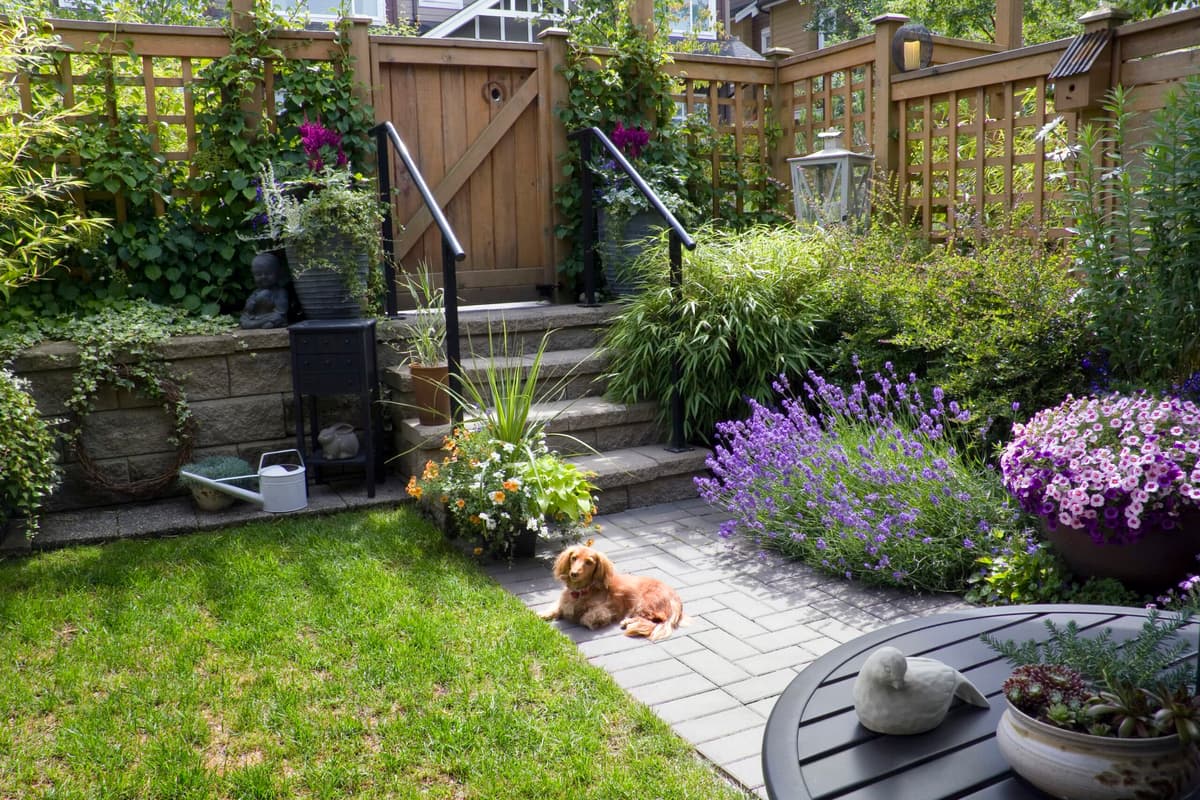
If you run a boarding kennel, sensory gardens can be strategic tools for animal welfare and client satisfaction. Here’s why:
1. Stress Reduction
Even the best kennels can be overwhelming environments. A sensory garden offers a peaceful outlet for relaxation and decompression.
2. Natural Behavior Encouragement
Dogs get to sniff, dig, watch birds, or nap in the sun, just as nature intended. That means fewer stress-related behaviors, such as pacing, barking, or chewing.
3. Client Confidence
Pet owners love knowing their dogs are mentally engaged, not just walked twice a day. It sets your facility apart.
4. Staff Morale Boost
A beautiful, peaceful garden benefits everyone on-site, including your team. Caregivers have the opportunity to connect with dogs in meaningful, enriching ways that strengthen the human-animal bond.
5. Better Long-Term Outcomes
Dogs that board frequently may become more resilient and adaptable when their environment meets their sensory needs.
Tip: Start small. Even a corner of your outdoor run, outfitted with fragrant plants, textured paths, and a water feature (like a baby pool), can make a difference.
Canine Health