Members
01/Overview
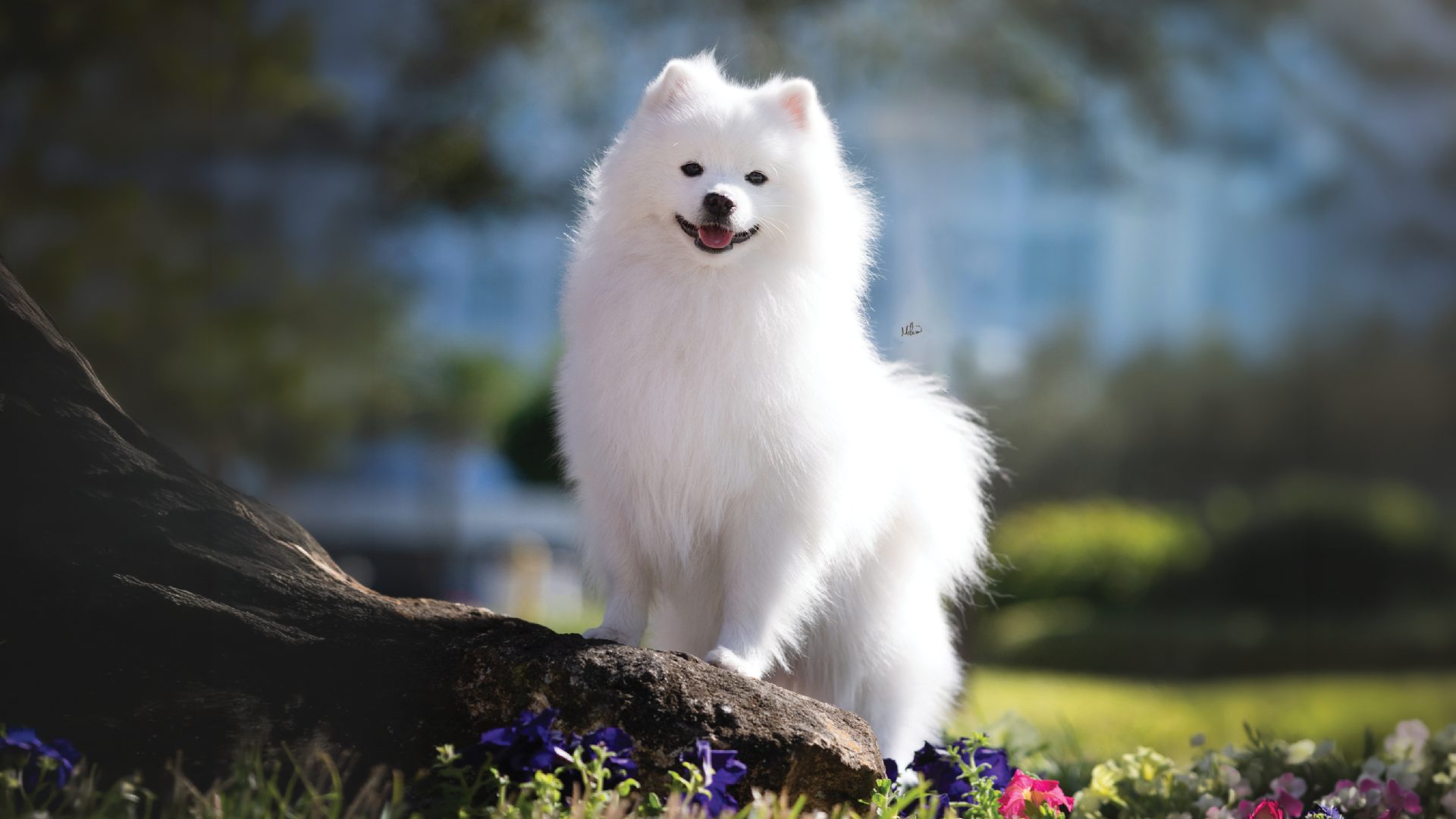
The American Eskimo Dog is a small-to-medium-sized companion breed known for its bright white coat, plumed tail, alert expression, and lively personality. Intelligent, agile and highly trainable, the breed is closely attached to its people and often excels in activities that reward attention, coordination, and quick learning.
Highlights
02/History
The American Eskimo Dog was developed in the United States from white European spitz-type dogs brought to the country by immigrants during the nineteenth century. Its ancestors were closely related to German Spitz dogs and other northern European spitz breeds valued for their intelligence, watchfulness, and adaptability.
These white spitz dogs became especially common in German immigrant communities throughout the American Midwest. They served as farm dogs, household watchdogs, and companions, alerting families to unfamiliar activity while taking part in everyday rural life.
During the late nineteenth and early twentieth centuries, the breed gained attention through traveling circuses, vaudeville performances, and other public exhibitions. American Eskimo Dogs learned complex tricks, walked tightropes, and performed routines that demonstrated their balance, intelligence, and willingness to work closely with trainers. Their white coats and expressive appearance also made them highly visible to audiences.
The breed was originally known in the United States as the American Spitz. During World War I, anti-German sentiment led many German-associated names to be changed. The name American Eskimo Dog gradually came into use, although the breed has no direct historical connection to the Inuit or other Arctic peoples.
The United Kennel Club recognized the breed in 1919 under the name American Eskimo. Organized breeders later worked to establish a more consistent type, including the Toy, Miniature, and Standard size varieties recognized today.
The American Eskimo Dog Club of America was established in 1985 to promote the breed and pursue recognition by the American Kennel Club. The AKC officially recognized the American Eskimo Dog in 1995 and placed it in the Non-Sporting Group.
The Fédération Cynologique Internationale does not recognize the American Eskimo Dog as a separate breed. Under some international systems, closely related dogs may instead be associated with German Spitz varieties.
03/Appearance
The American Eskimo Dog is recognized in three size varieties. A Toy American Eskimo Dog stands 9 to 12 inches tall at the withers; a Miniature stands over 12 inches, up to and including 15 inches; and a Standard stands over 15 inches, up to and including 19 inches.
A Toy typically weighs 6 to 10 pounds; a Miniature generally weighs 10 to 20 pounds; and a Standard usually weighs 25 to 35 pounds.
Skull: The American Eskimo Dog has a wedge-shaped head with the skull broadest between the ears. The stop is well defined but not abrupt, and the skull blends smoothly into the muzzle.
Expression: The expression is intelligent, alert, and keen.
Eyes: The eyes are slightly oval, set well apart, and range from medium to dark brown. The eye rims are black to dark brown and contribute to the breed’s distinct expression.
Ears: The ears are triangular, slightly blunt at the tips, set high, and carried erect. They are well separated and proportionate to the size of the head.
Muzzle: The muzzle is broad and strong, with a length that does not exceed that of the skull. It tapers gradually toward the nose without appearing pointed or weak.
Nose: The nose is black to dark brown.
Bite: The American Eskimo Dog has a full complement of strong, closely fitting teeth that meet in either a scissors bite or a pincer bite.
The American Eskimo Dog is slightly longer than tall, with the body length measured from the point of the shoulder to the point of the buttocks exceeding the height at the withers. The overall outline remains compact, balanced, and well proportioned.
The chest is deep and broad, with well-sprung ribs and a firm, level back. Bone is proportionate to the dog’s size variety, providing sufficient substance without creating a coarse, heavy, or cumbersome appearance.
Texture: The American Eskimo Dog has a dense double coat. The undercoat is short and thick, while the outer coat is longer, straight, and stands away from the body. The coat is especially abundant around the neck and chest, forming a pronounced ruff, with longer feathering on the backs of the legs and a heavily plumed tail.
Standard Colors
04/Consider
The American Eskimo Dog is intelligent, energetic, and strongly attached to its family. Anyone considering the breed should be prepared for regular grooming, consistent training, daily exercise, mental stimulation, and a dog that may become vocal or restless without providing enough activity.
Interaction With Family
The level of affection a breed typically shows towards family members and familiar individuals.
Good With Other Dogs
The innate friendliness of a dog towards other dogs can depend on its breed.
Good With Young Children
The degree to which a breed will typically be patient with young children.
Amount Of Shedding
How much hair a breed typically leaves behind on clothes, furniture and floors.
Frequency Of Grooming
How often a breed needs brushing, bathing or a professional trim to stay in condition.
Amount Of Drooling
How prone a breed is to drool, worth knowing before you keep a towel by the door.
Openness To Strangers
How openly a breed tends to greet new people, visitors and strangers.
Protective Nature
How likely a breed is to alert you to anything unfamiliar, and stand between you and it.
Playfulness Level
How enthusiastic a breed stays about games and play well past puppyhood.
Trainability Level
How readily a breed takes direction and works with you rather than around you.
Barking Level
How much a breed uses its voice, and how readily.
Energy Level
How much get-up-and-go a breed brings to an average day.
Health
The American Eskimo Dog is generally considered a healthy and long-lived breed. An Eskie typically has a lifespan of 13 to 15 years. Balanced nutrition, regular exercise, preventive veterinary care, dental hygiene, and maintenance of a healthy weight can support the dog throughout life.
The American Eskimo Dog is intelligent, alert, affectionate, and closely attached to its family. This lively breed often enjoys being involved in household activities and may be reserved at first with unfamiliar people.
An Eskie can suit a first-time dog caretaker who is prepared to provide consistent training, regular grooming, and enough activity. The breed learns quickly, but unclear boundaries can encourage barking, attention-seeking, or other unwanted habits.
These dogs are often good with children and can live successfully with other dogs when properly socialized. Their energetic nature may suit active families, though interactions with young children should still be supervised.
Because the breed forms strong bonds with its family, some American Eskimo Dogs dislike being left alone for long periods. Gradual training can help the dog become more comfortable with short absences.
Exercise Expectations
A healthy adult Eskie generally benefits from about 45 to 60 minutes of activity each day, although Standard dogs and highly energetic individuals may need more. Puzzle toys, Scent Work games, Trick Dog training, and Obedience exercises can provide additional mental stimulation.
Grooming Expectations
The American Eskimo Dog of any size variety can adapt to apartment living when given enough exercise, training, and mental stimulation. However, the breed’s alert nature and tendency to bark may create difficulties in buildings with close neighbors.
The dense double coat allows the breed to tolerate cool weather well. In hot and humid conditions, however, exercise should take place only during cooler parts of the day, with shade and fresh water readily available.
An American Eskimo Dog usually does best in a household where it can remain involved in daily life. Regular companionship, structured activity, and consistent training are especially important for this intelligent and people-oriented breed.
05/Puppies
American Eskimo Dog puppies are bright, energetic, and eager to interact with their families. Early routines, positive socialization, patient training, and regular grooming help each puppy develop into a confident and well-mannered adult.
An American Eskimo Dog puppy benefits from a predictable schedule that includes regular meals, potty breaks, sleep, play, training, and quiet time. A crate or secure puppy area can provide a safe place to rest and support housetraining when direct supervision is not possible.
Early socialization should introduce the puppy to different people, well-mannered dogs, household sounds, surfaces, vehicles, and unfamiliar environments. These experiences should remain positive and appropriate for the puppy’s age.
Training can begin as soon as the puppy arrives home. Short sessions can introduce name response, recall, leash walking, basic manners, and calm behavior around visitors.
An American Eskimo Dog puppy should receive a complete and balanced diet formulated for growth and appropriate for its size variety. Exercise should focus on supervised play, short walks, and gentle exploration rather than forced running or repetitive jumping.
Regular veterinary visits are important during the first year. Grooming should also begin early so that the puppy becomes comfortable with brushing, nail trimming, ear checks, tooth brushing, and general handling.
06/Activities
American Eskimo Dogs are intelligent, athletic, and highly trainable dogs that can enjoy activities requiring focus, coordination, and close teamwork with a handler. Here are some of the dog sports and activities in which American Eskimo Dogs may participate:
Agility: American Eskimo Dogs can use their speed, balance, and responsiveness while navigating obstacle courses.
Obedience: Obedience Trials allow the breed to demonstrate accuracy, attention, and cooperation with a handler.
Rally: Rally Obedience combines a course of numbered stations with varied exercises that can keep training engaging for this quick-learning breed.
Scent Work: The Eskie can search for specific odors hidden in containers, indoor spaces, outdoor areas, or vehicles.
Tracking: In Tracking, the dog follows a scent trail across different types of terrain using concentration and persistence.
Fast CAT: This timed 100-yard dash gives the Eskies an opportunity to run in a controlled setting.
Conformation Shows: American Eskimo Dogs compete in Conformation Shows, where judges evaluate each dog according to the Breed Standard, including structure, movement, coat, expression, temperament, and overall type.
Trick Dog: Trick training provides mental stimulation and reflects the breed’s history as a circus and performance dog.
Therapy Work: A calm, friendly, and well-socialized Eskie may visit hospitals, schools, assisted living facilities, and other settings to provide companionship.
Canine Good Citizen: American Eskimo Dogs may participate in programs that evaluate everyday manners, social behavior, and reliability around people and other dogs.
Gallery
07/Standards
The American Eskimo Dog is recognized by the world’s leading registries and kennel organizations, which categorize the breed into a specific Group based on its unique characteristics. This breed is recognized worldwide under the following Group designations:
The ideal American Eskimo Dog is described by a Breed Standard that is approved by each of the world’s leading registries and kennel organizations. The Standards for this breed may be found in the following links:
08/Clubs
American Eskimo Dog clubs support breed education, responsible breeding, health initiatives, rescue work, and participation in Conformation shows and Performance events.
American Eskimo Dog Club of America: Founded in 1985, this is the national breed club for the American Eskimo Dog in the United States and the breed’s AKC parent club.
National American Eskimo Dog Association of Canada: Formed in 1998, Canada’s national organization for the breed welcomes American Eskimo Dog breeders, exhibitors, companion dog families, and other breed enthusiasts.
09/Rescue
Breed-specific rescue organizations help American Eskimo Dogs that have been surrendered, abandoned, or found in shelters. These groups may provide foster care, veterinary treatment, behavioral evaluation, and placement with an appropriate adoptive family.
Heart Bandits American Eskimo Dog Rescue: A volunteer-run rescue organization that assists American Eskimo Dogs across the United States through regional contacts, foster homes, and adoption support.
American Eskimo Dog Club of America Rescue Resources: The breed’s national club may provide rescue information and help connect people with American Eskimo Dogs needing placement.
Local shelters and broader animal rescue organizations may also receive an American Eskimo Dog or Eskie mix. Adoption databases, nearby shelters, and breed clubs can provide additional information about a dog currently in need of a home.
10/Facts
Formerly Called the American Spitz
The breed was originally known as the American Spitz before its present name came into use during the early twentieth century.
Circus Performer
American Eskimo Dogs became popular in traveling circuses, where they performed tricks, walked tightropes, and demonstrated their balance and intelligence.
Three Size Varieties
The breed is recognized in Toy, Miniature, and Standard sizes, all sharing the same general appearance and temperament.
No Direct Eskimo Connection
Despite its name, the breed has no historical connection to Inuit or other Arctic peoples.
11/FAQ
American Eskimo Dogs can make excellent pets for active people who want an intelligent, affectionate, and highly trainable companion. They need regular exercise, mental stimulation, weekly grooming, and consistent training.

Written by
Dan Sayers is the Executive Editor of SHOWSIGHT. He is a member of the World Dog Press Association and the Dog Writers Association of America, which recognized his illustrations in the award-winning Encyclopedia of K-9 Terminology. Dan is a longtime supporter of the sport of dogs and an advocate for the conservation of recognized breeds in all their forms and functions. He is a member of the Morris and Essex Kennel Club, and for 45 years, the Irish Water Spaniel Club of America where he serves as AKC Delegate, Archivist, and approved Breed Mentor. Dan breeds under the Quiet Storm prefix and has judged the IWSCA National Specialty Sweepstakes twice.
Official Standard of the American Eskimo Dog
General Appearance: The American Eskimo Dog, a loving companion dog, presents a picture of strength and agility, alertness and beauty. It is a small to medium-size Nordic type dog, always white, or white with biscuit cream. The American Eskimo Dog is compactly built and well balanced, with good substance, and an alert, smooth gait. The face is Nordic type with erect triangular shaped ears, and distinctive black points (lips, nose, and eye rims). The white double coat consists of a short, dense undercoat, with a longer guard hair growing through it forming the outer coat, which is straight with no curl or wave. The coat is thicker and longer around the neck and chest forming a lion-like ruff, which is more noticeable on dogs than on bitches. The rump and hind legs down to the hocks are also covered with thicker, longer hair forming the characteristic breeches. The richly plumed tail is carried loosely on the back.
Size, Proportion, Substance: Size - There are three separate size divisions of the American Eskimo Dog (all measurements are heights at withers): Toy, 9 inches to and including 12 inches; Miniature, over 12 inches to and including 15 inches; and Standard, over 15 inches to and including 19 inches. There is no preference for size within each division. Disqualification - Under 9 inches or over 19 inches. Proportion - Length of back from point of shoulder to point of buttocks is slightly greater than height at withers, an approximate 1.1 to 1 ratio. Substance - The American Eskimo Dog is strong and compactly built with adequate bone.
Head: Expression is keen, intelligent, and alert. Eyes are not fully round, but slightly oval. They should be set well apart, and not slanted, prominent or bulging. Tear stain, unless severe, is not to be faulted. Presence of tear stain should not outweigh consideration of type, structure, or temperament. Dark to medium brown is the preferred eye color. Eye rims are black to dark brown. Eyelashes are white. Faults - amber eye color or pink eye rims. Disqualification - blue eyes. Ears should conform to head size and be triangular, slightly blunt-tipped, held erect, set on high yet well apart, and blend softly with the head. Skull is slightly crowned and softly wedgeshaped, with widest breadth between the ears. The stop is well defined, although not abrupt. The muzzle is broad, with length not exceeding the length of the skull, although it may be slightly shorter. Nose pigment is black to dark brown. Lips are thin and tight, black to dark brown in color. Faults - pink nose pigment or pink lip pigment. The jaw should be strong with a full complement of close fitting teeth. The bite is scissors, or pincer.
Neck, Topline, Body: The neck is carried proudly erect, well set on, medium in length, and in a strong, graceful arch. The topline is level. The body of the American Eskimo Dog is strong and compact, but not cobby. The chest is deep and broad with well-sprung ribs. Depth of chest extends approximately to point of elbows. Slight tuck-up of belly just behind the ribs. The back is straight, broad, level, and muscular. The loin is strong and well-muscled. The American Eskimo Dog is neither too long nor too short coupled. The tail is set moderately high and reaches approximately to the point of hock when down. It is carried loosely on the back, although it may be dropped when at rest.
Forequarters: Forequarters are well angulated. The shoulder is firmly set and has adequate muscle but is not overdeveloped. The shoulder blades are well laid back and slant 45 degrees with the horizontal. At the point of shoulder the shoulder blade forms an approximate right angle with the upper arm. The legs are parallel and straight to the pasterns. The pasterns are strong and flexible with a slant of about 20 degrees. Length of leg in proportion to the body. Dewclaws on the front legs may be removed at the owner's discretion; if present, they are not to be faulted. Feet are oval, compact, tightly knit and well padded with hair. Toes are well arched. Pads are black to dark brown, tough and deeply cushioned. Toenails are white.
Hindquarters: Hindquarters are well angulated. The lay of the pelvis is approximately 30 degrees to the horizontal. The upper thighs are well developed. Stifles are well bent. Hock joints are well let down and firm. The rear pasterns are straight. Legs are parallel from the rear and turn neither in nor out. Feet are as described for the front legs. Dewclaws are not present on the hind legs.
Coat: The American Eskimo Dog has a stand-off, double coat consisting of a dense undercoat and a longer coat of guard hair growing through it to form the outer coat. It is straight with no curl or wave. There is a pronounced ruff around the neck which is more noticeable on dogs than bitches. Outer part of the ear should be well covered with short, smooth hair, with longer tufts of hair growing in front of ear openings. Hair on muzzle should be short and smooth. The backs of the front legs should be well feathered, as are the rear legs down to the hock. The tail is covered profusely with long hair. There is to be no trimming of the whiskers or body coat and such trimming will be severely penalized. The only permissible trimming is to neaten the feet and the backs of the rear pasterns.
Color: Pure white is the preferred color, although white with biscuit cream is permissible. Presence of biscuit cream should not outweigh consideration of type, structure, or temperament. The skin of the American Eskimo Dog is pink or gray. Disqualification - any color other than white or biscuit cream.
Gait: The American Eskimo Dog shall trot, not pace. The gait is agile, bold, well balanced, and frictionless, with good forequarter reach and good hindquarter drive. As speed increases, the American Eskimo Dog will single track with the legs converging toward the center line of gravity while the back remains firm, strong, and level.
Temperament: The American Eskimo Dog is intelligent, alert, and friendly, although slightly conservative. It is never overly shy nor aggressive, and such dogs are to be severely penalized in the show ring. At home it is an excellent watchdog, sounding a warning bark to announce the arrival of any stranger. It is protective of its home and family, although it does not threaten to bite or attack people. The American Eskimo Dog learns new tasks quickly and is eager to please.
Disqualifications: Any color other than white or biscuit cream. Blue eyes. Height under 9 inches or over 19 inches.
Approved: October 11, 1994
Effective: November 30, 1994


Meet the Judges
Edna González reflects on judging Non-Sporting breeds at Westminster 2026, sharing insights on her assignments and overall impressions.
All About Judging
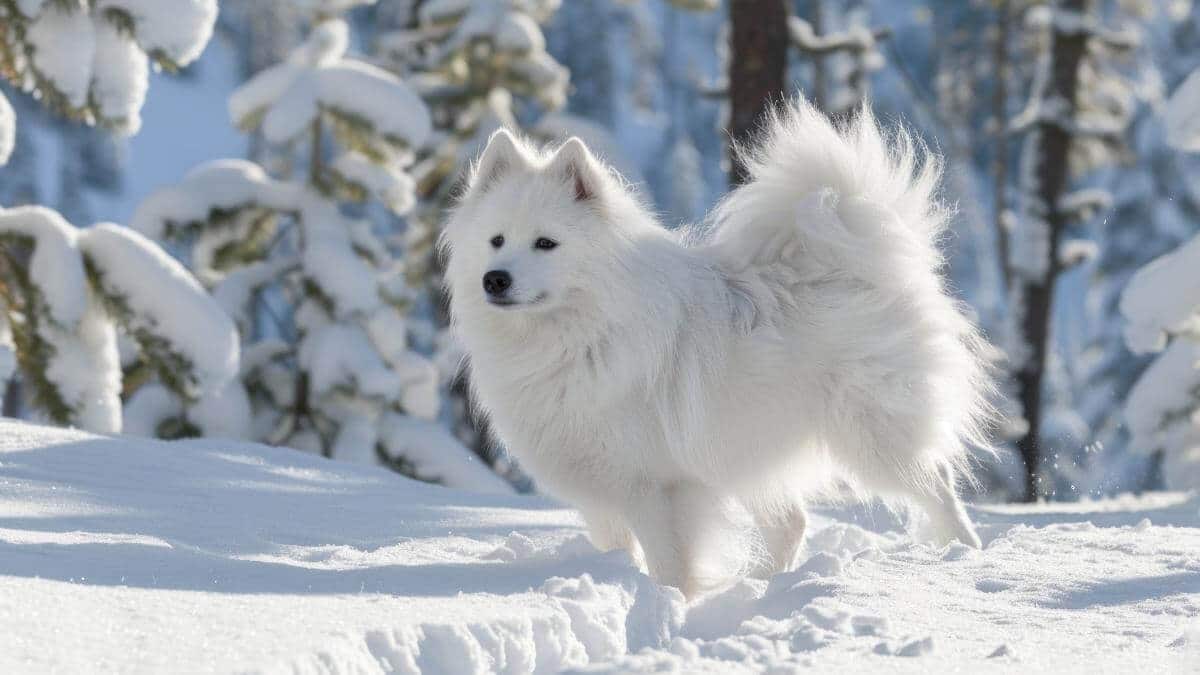
Learn about the American Eskimo Dog’s size divisions, breed standards, movement, and judging tips for this intelligent, agile Nordic breed.


Meet the Breeders
Helen Dorrance Ducat breeds Golden Retrievers, American Eskimo Dogs, & Whippets, sharing insights on breeding, health, and industry trends.
All About Judging
Discover the six key traits for judging the American Eskimo Dog, from gait and temperament to coat and structure.
All About Judging
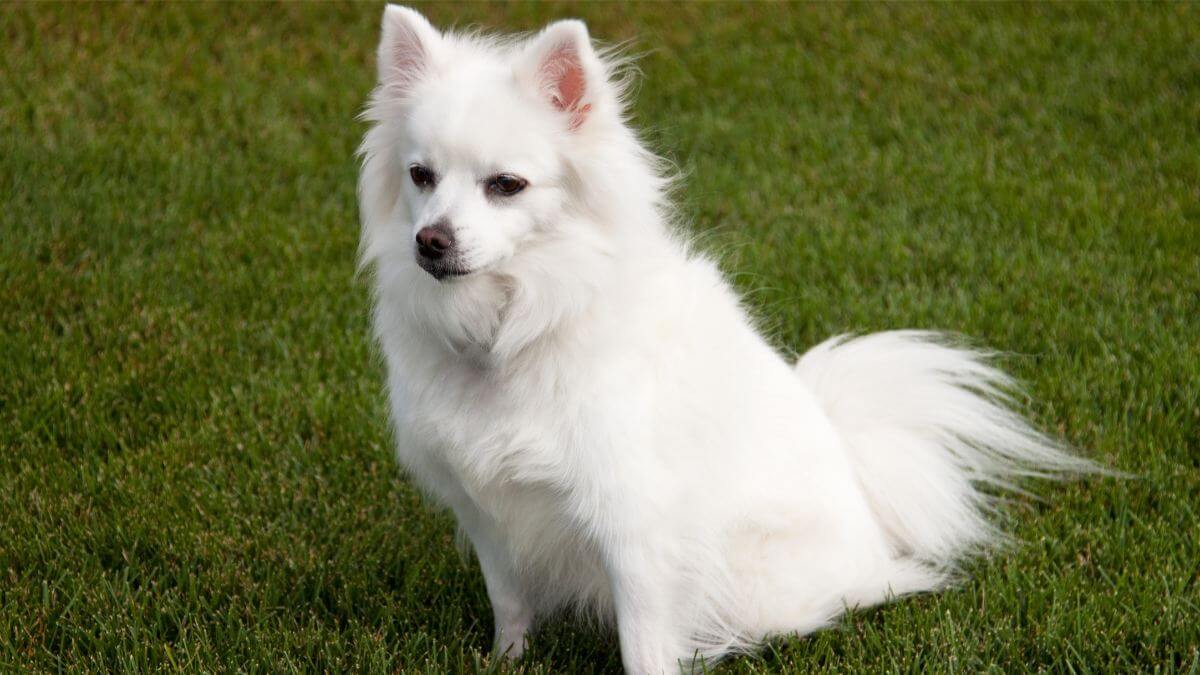
Learn how to judge the American Eskimo Dog, from size and structure to movement and temperament, according to breed standards.
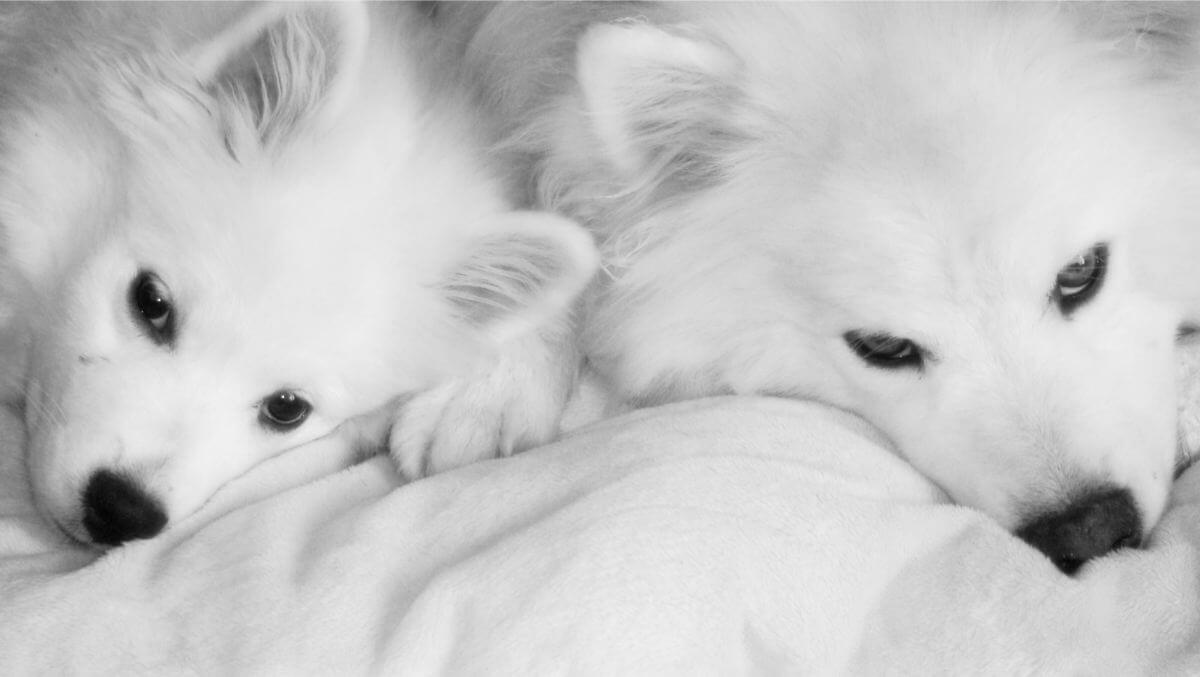

Dog Sports
Explore the history, traits, and versatility of the American Eskimo Dog, from its German origins to its modern-day roles.
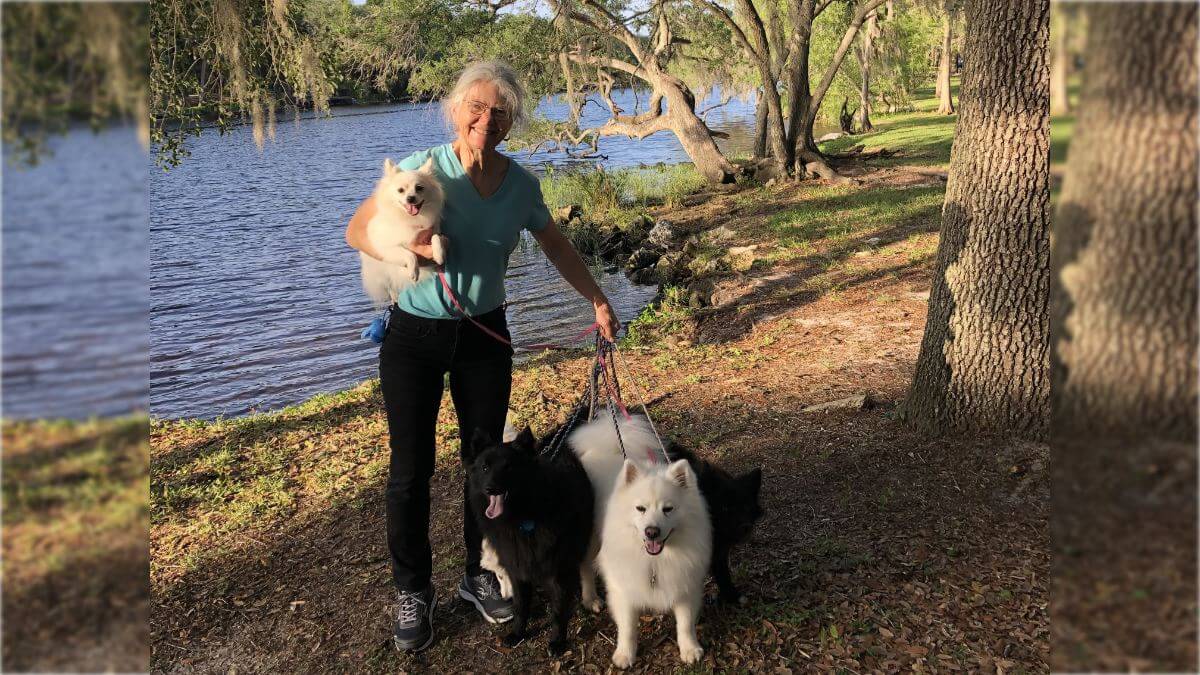
Meet the Breeders
Patrea Pabst is the breeder behind the Thunderpas. Read about the kennel’s beginnings, the champions, the puppies, and much more!
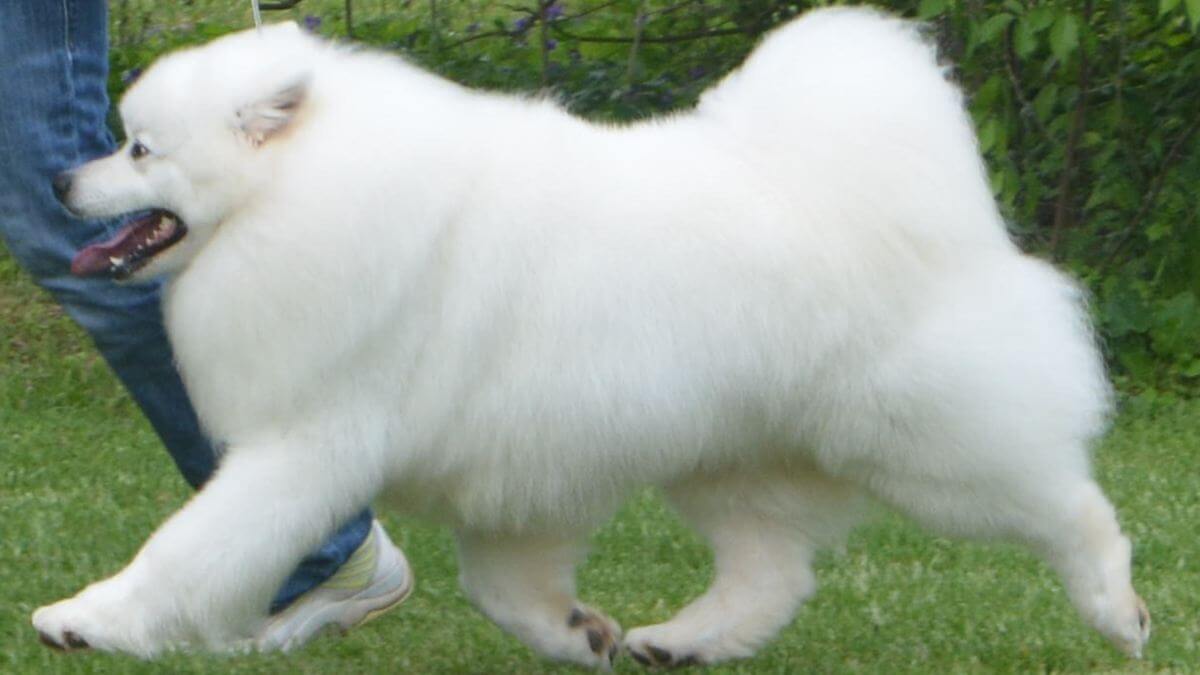
Discover the rich history and versatile traits of the intelligent and loyal American Eskimo Dog, from farm work to family companion.
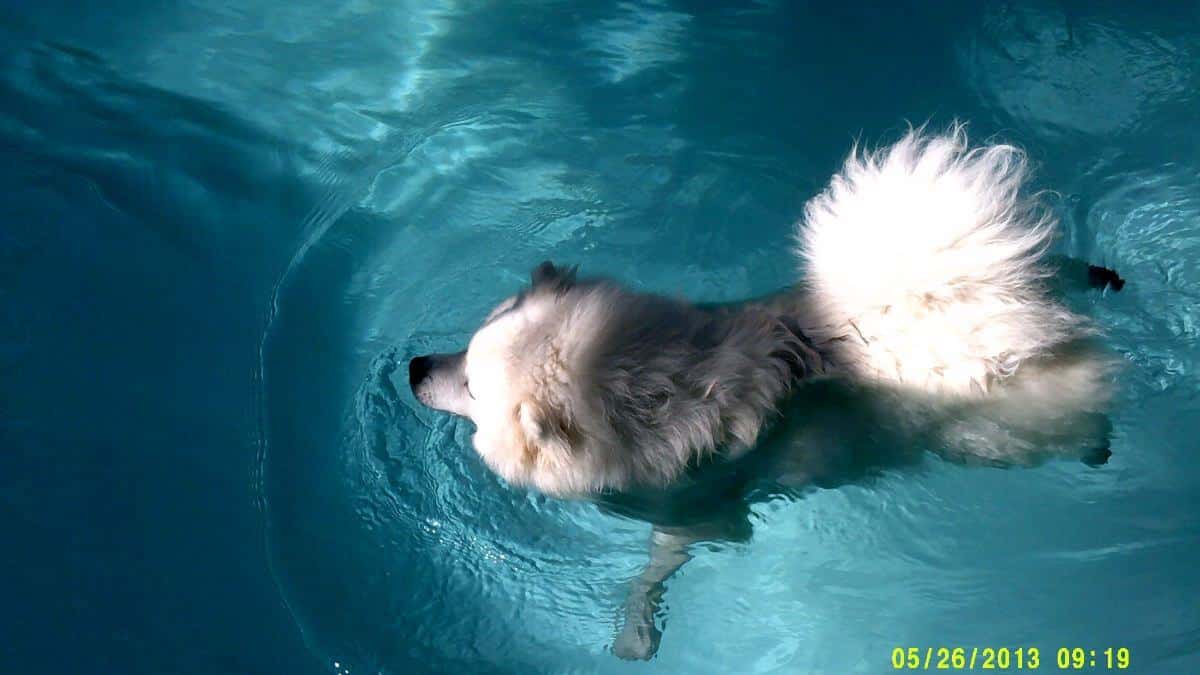
Discover the rich history, traits, and versatility of the American Eskimo Dog, a multipurpose working breed from the 1800s.
The American Eskimo Dog’s tail is set moderately high, heavily plumed, and carried loosely over the back. It may drop when the dog is at rest, but it should return to its characteristic position when the dog is alert or moving.
A Note About Color: Pure white is the preferred color, although white with biscuit cream is permissible. The presence of biscuit cream should not outweigh consideration of type, structure, or temperament. Any color other than white or biscuit cream is a disqualification in the show ring. Interestingly, the skin of the American Eskimo Dog may be pink or gray.
Coat Type
double
The structure of the coat this breed carries.
Coat Length
Medium
How long the breed's coat grows when kept in condition.
Adaptability Level
How easily a breed copes with changes in home, routine, noise and weather.
Mental Stimulation Needs
How much a breed needs a job, a puzzle or training to stay content.
An American Eskimo Dog should receive a complete and balanced diet suited to the dog’s age, size variety, activity level, and body condition. Portions should be measured carefully because the breed can easily gain excess weight when overfed.
A puppy generally needs three or four small meals each day before gradually moving to two meals. Most adults are fed twice daily, with the amount depending on whether the dog is a Toy, Miniature, or Standard as well as the food’s caloric density and the dog’s activity level.
Treats should be given sparingly, and fresh water should always be available.
The American Eskimo Dog is highly intelligent and usually responds well to positive training methods. Short, varied sessions using praise, food rewards, toys, and play can help maintain the dog’s attention.
Early socialization should introduce the puppy to different people, dogs, sounds, surfaces, and environments. Clear expectations are important because this clever breed can quickly develop unwanted habits when rules are inconsistent.
American Eskimo Dogs are alert watchdogs and may bark when they notice visitors or unfamiliar activity. Training can teach the dog to settle after giving an alert, while regular exercise and mental stimulation can prevent any nuisance barking.
The breed sheds throughout the year and often releases a substantial amount of undercoat once or twice a year. An undercoat rake, pin brush, or slicker brush can help remove dead hair without damaging the outer coat. Bathing is only needed occasionally unless the dog becomes particularly dirty. The coat should never be shaved. Nails should be trimmed regularly, ears should be checked for irritation or debris, and teeth should be brushed routinely.