Members
01/Overview
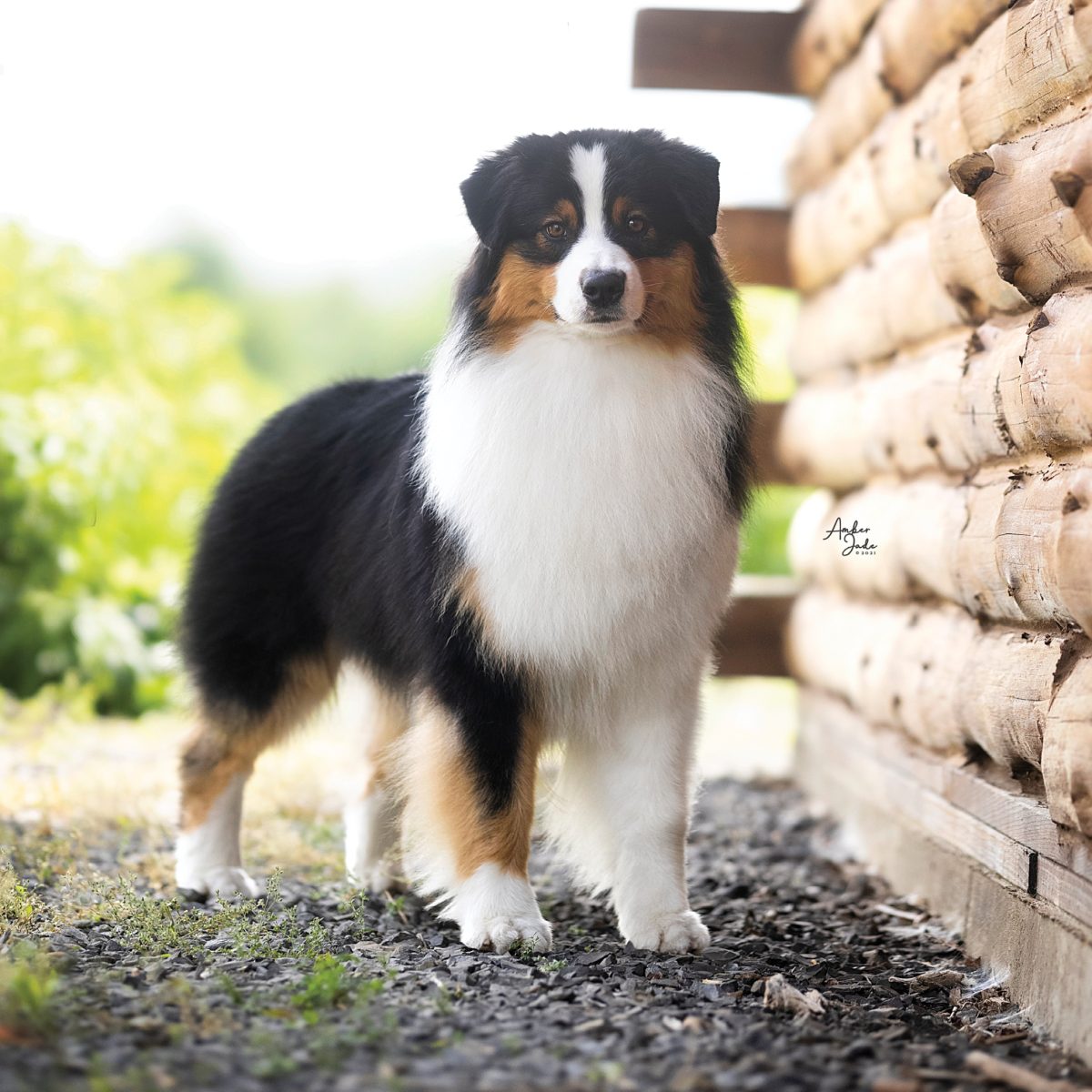
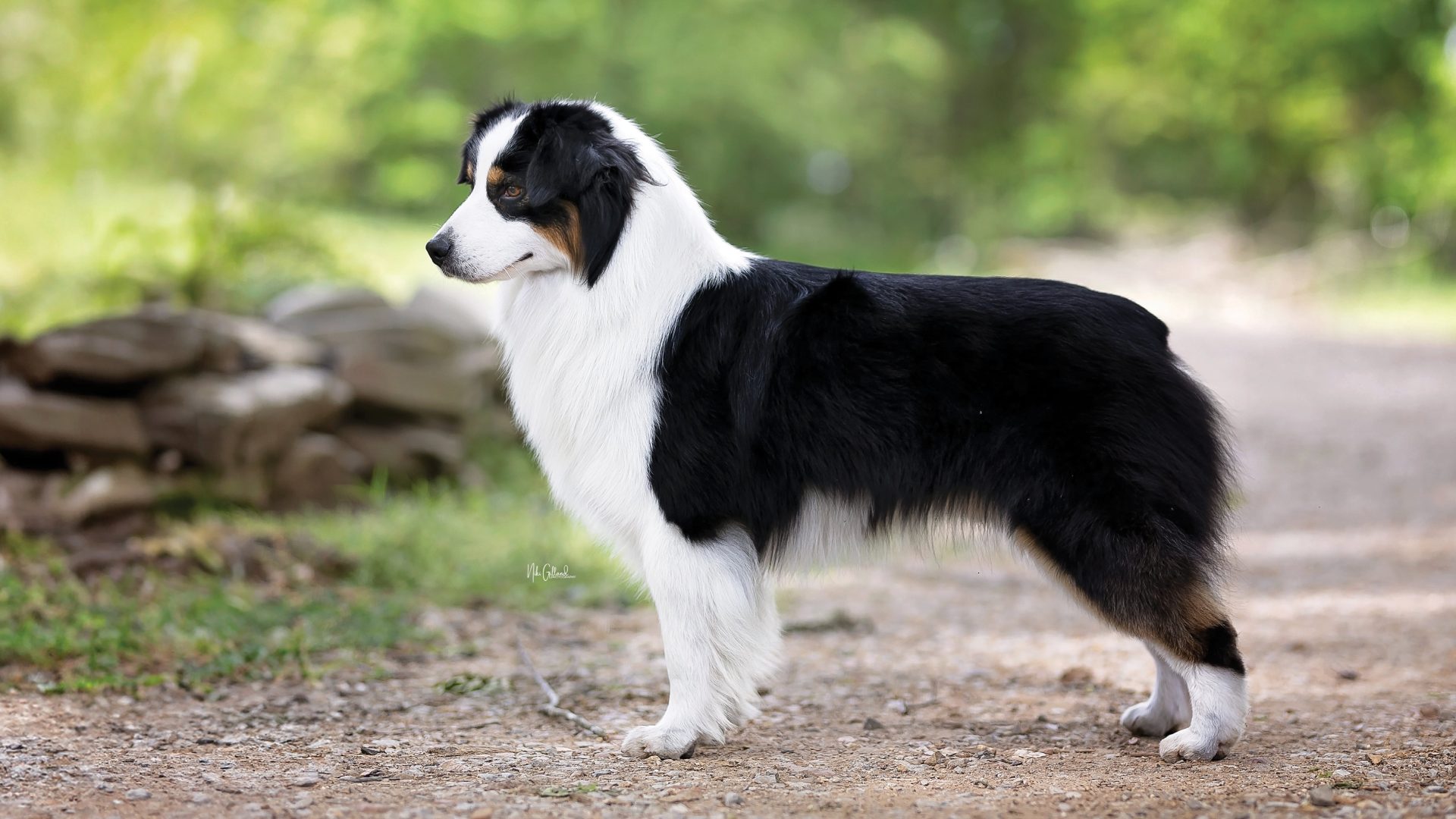
The Miniature American Shepherd, or "MAS" as it is sometimes called, is a diminutive herding dog that combines the intelligent, energetic, and trainable nature of its larger counterpart, the Australian Shepherd, with a smaller, more moderate, frame. Known for its agility, loyalty, and affectionate nature, the breed is both a versatile working dog and a devoted companion. These dogs possess a keen intellect, strong herding instincts, and a profound eagerness to please, making them excellent candidates for various dog sports and activities that demand a lot from a dog. Despite their small stature, they are hearty and robust, displaying a work ethic and vigor that belie their size.
Highlights
02/History
The Miniature American Shepherd has a rich history that underscores its popularity and versatility as a breed. Originating in the United States, the MAS was developed from Australian Shepherds that were bred to maintain that breed's herding abilities, intelligence, and high energy levels but in a smaller package.
In the 1960s, enthusiasts sought to create a compact herder that possessed the agility and drive necessary for effective livestock management. This led to the intentional breeding of smaller Australian Shepherds, a breed renowned for its herding prowess and intelligence. The result was the Miniature American Shepherd, a unique breed that encapsulated the desirable traits of its larger counterpart, but in a dog of more manageable size.
The breed’s popularity quickly grew, especially among equestrian enthusiasts who found the MAS to be an excellent companion for horseback riding activities, given its small size and agility. This affiliation with the horsey set helped to bolster the breed's popularity across the United States.
In terms of official recognition, the Miniature American Shepherd achieved a significant milestone in 2011 when it was recognized by the American Kennel Club (AKC) within the registry's Foundation Stock Service, a critical step towards full breed recognition. The breed ultimately achieved full recognition in the Herding Group in 2015.
The Miniature American Shepherd ’s attributes have also seen it gain popularity outside of the United States, with recognition and interest growing in various countries. The breed's intelligence, agility, and affectionate nature have cemented its status as a beloved companion, both in family settings and competitive arenas around the world.
03/Appearance
Adult male Miniature American Shepherds range from 14 to 18 inches tall at the shoulders, while females are slightly smaller, standing between 13 and 17 inches.
In terms of weight, Miniature American Shepherds typically weigh between 20 and 40 pounds.
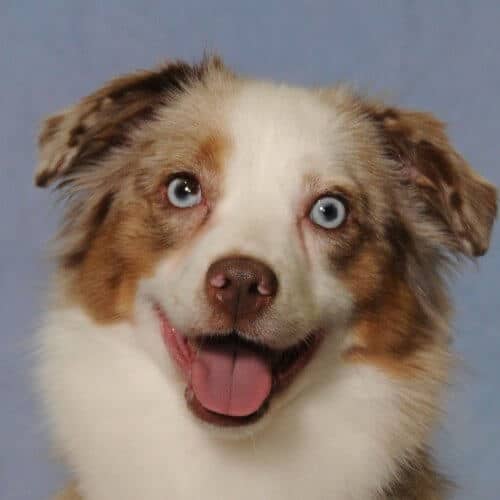
The Miniature American Shepherd is slightly longer than it is tall, with a balanced and athletic build that's fit for function. These dogs possess moderate bone, neither too heavy nor too fine, which supports both agility and stamina. The overall impression is one of a sturdy, resilient dog that has nimble reflexes and is capable of the quick movements that are essential traits of a herding dog. The substance and proportion of a MAS reflect its heritage and the ability to perform the demanding tasks required to herd a variety of livestock.
Texture: The Miniature American Shepherd sports a double coat that is weather-resistant, insulating, and of medium length. Like the dog itself, the coat is moderate, featuring a somewhat wavy to straight outer layer that stands up to various weather conditions. A frill and mane, and feathering on the backs of the forelegs and breeches of the hindquarters, give this hard-working herder a somewhat stylish appearance. The guard hairs are coupled with a soft and dense undercoat that insulates the dog and adapts it seamlessly to both warm and cold environments. This dual-layered coat equips the breed splendidly for a range of outdoor activities.
Standard Colors
Standard Markings
04/Consider
Embracing the Miniature American Shepherd as a companion means welcoming an intelligent, energetic, and affectionate dog into the home. This breed, with its agility and keen senses, is beloved by many who can provide the attentive care and engagement it requires. Prospective owners should be prepared offer an active lifestyle and be ready to invest time into training, exercise, and socialization that will nurture the best qualities in the MAS.
Interaction With Family
The level of affection a breed typically shows towards family members and familiar individuals.
Good With Other Dogs
The innate friendliness of a dog towards other dogs can depend on its breed.
Good With Young Children
The degree to which a breed will typically be patient with young children.
Amount Of Shedding
How much hair a breed typically leaves behind on clothes, furniture and floors.
Frequency Of Grooming
How often a breed needs brushing, bathing or a professional trim to stay in condition.
Amount Of Drooling
How prone a breed is to drool — worth knowing before you keep a towel by the door.
Openness To Strangers
How openly a breed tends to greet new people, visitors and strangers.
Protective Nature
How likely a breed is to alert you to — and stand between you and — anything unfamiliar.
Playfulness Level
How enthusiastic a breed stays about games and play well past puppyhood.
Trainability Level
How readily a breed takes direction and works with you rather than around you.
Barking Level
How much a breed uses its voice, and how readily.
Energy Level
How much get-up-and-go a breed brings to an average day.
Health
The Miniature American Shepherd is generally a hardy and healthy breed, known for its stamina and resilience. However, as with all breeds and mixed breeds, they are not immune to certain health conditions. Being proactive and informed about the potential health risks is crucial. Lifespan: The lifespan of a Miniature American Shepherd typically ranges from 12 to 13 years, although with proper care, regular veterinary check-ups, and a balanced diet some individuals can enjoy a longer, healthier life.
The Miniature American Shepherd is renowned for its intelligence, agility, and affectionate nature, making it a delightful companion for active families and individuals alike. However, potential owners should be aware that this breed demands engagement and thrives in an environment where the dogs can exercise both their minds and their bodies.
While the MAS can be a good choice for novice owners, it is important to understand that this breed requires consistent training and socialization from the start. The intelligence of these dogs means they can pick up on commands quickly, but it also means they need mental stimulation to prevent boredom and the development of any undesirable behavior.
In terms of sensitivity, the Miniature American Shepherd has a responsive nature, one that is attuned to its owner’s emotions and to the environment. This sensitivity, while contributing to the breed's trainability, also means these dogs prefer a stable, consistent living environment.
When it comes to being alone, the MAS values companionship and may not appreciate being left alone for extended periods. Engaging toys and activities, as well as regular interaction with family members, can help to mitigate any potential issues related to brief periods of being separated.
Regarding their interaction with other dogs, Miniature American Shepherds generally get along well with their canine counterparts, particularly when properly introduced and socialized from a young age. Their herding instinct, however, may come into play, and it is not uncommon for these dogs to try and herd other pets or even people.
Exercise Expectations
With a considerable energy level, Miniature American Shepherds benefit from a variety of exercises including walks, play sessions, and participation in dog sports. They exhibit an innate agility and intelligence, making them exceptional candidates for activities such as agility training, obedience, and herding events. Engaging them in these activities not only helps in expending their energy but also provides essential mental stimulation. The intensity of their exercise routine should match their energy levels to keep them in top condition. Integrating playfulness into their exercise regimen can make physical activity more enjoyable for them, promoting a positive experience. While they have a vivacious spirit, it's important to strike a balance in their exercise routine, providing them ample opportunities to rest and recover. Adequate exercise contributes to their overall well-being, assisting in the prevention of potential behavioral issues stemming from pent-up energy.
The Miniature American Shepherd is a versatile breed, capable of adapting to various living conditions. However, there are certain aspects to consider to provide them with a comfortable and happy life.
Living in an apartment is possible with this breed, provided they receive sufficient exercise and mental stimulation. They have a compact size, but their high energy levels mean they thrive in environments where they can move freely and play. Providing them with daily walks, playtime, and engagement in activities helps in channeling their energy positively.
When it comes to weather adaptability, the breed's double coat offers protection against different weather conditions. They can tolerate both cold and warm climates due to their insulating undercoat and weather-resistant outer coat. Despite this, it’s important to provide them with a cool, shaded place during hot weather and a warm, dry shelter in colder conditions to ensure their comfort.
Overall, with proper exercise, mental stimulation, and attention to their comfort in varying weather conditions, the Miniature American Shepherd can be a joyful and content companion in diverse living situations.
05/Puppies
The arrival of a litter of Miniature American Shepherd puppies is a delightful experience, one that is filled with joy and anticipation. These pups are known for their intelligence, agility, and playful nature, making them wonderful companions for active families and individuals. However, bringing a puppy into a new home requires preparation and understanding of the breed's specific needs to ensure a smooth transition and healthy development.
From the moment a Miniature American Shepherd puppy enters the home, providing proper care becomes paramount. The little pup is already energetic and intelligent, requiring early socialization to develop appropriate behavior. Introducing the puppy to a variety of people, places, and situations helps in positively shaping its temperament and behavior.
Nutrition plays a critical role in the puppy's development, and feeding a high-quality puppy food designed for medium-sized breeds ensures it receives the right balance of nutrients. it is important to pay attention to the pup's growth and adjust the amount of food given accordingly while maintaining a regular feeding schedule.
Training should commence early, utilizing positive reinforcement techniques to encourage good behavior. The Miniature American Shepherd puppy is eager to learn and responds well to consistent and patient training. Housebreaking and basic obedience training are essential components of a pup's early education.
Regular veterinary check-ups are vital to monitor the puppy's growth and to address any potential health issues promptly. These exams will ensure the pup receives all the necessary vaccinations and preventative care that is needed to safeguard its health.
Providing the puppy with a safe and loving environment, combined with proper nutrition, training, and wellness care, sets the foundation for supporting its growth and its health as an adult.
06/Activities
The Miniature American Shepherd is an agile, intelligent, and energetic breed that excels in various activities and dog sports. The breed's enthusiasm and eagerness to participate makes it an outstanding contender in different competitive and recreational arenas. These include:
By participating in these activities, Miniature American Shepherds not only engage their bodies but also stimulate their minds, ensuring a well-rounded and happy life. These events also strengthen the bond between the dog and their handler, fostering a deep connection and mutual respect.
Gallery
07/Standards
The Miniature American Shepherd is recognized by the world's leading registries and kennel organizations, which categorize the breed into a specific Group based on its unique characteristics. This breed is recognized worldwide under the following Group designations:
The ideal Miniature American Shepherd is described by a Breed Standard that is approved by each of the world’s leading registries and kennel organizations. The Breed Standards for this breed may be found in the following links:
08/Clubs
09/Rescue
10/Facts
Herding Heritage
Originally bred for herding livestock, the Miniature American Shepherd has a strong working instinct and is known for its exceptional herding abilities. Its heritage is evident in the breed's agility, intelligence, and trainability.
Size
As its name suggests, Miniature American Shepherds are smaller in size compared to their Australian Shepherd cousins, but they pack a lot of energy and agility into their compact frames.
Intelligence
Ranked as one of the more intelligent purebreds, Miniature American Shepherds excel in Obedience and are quick learners, making them a popular choice as competitors in various dog sports and doggy activities.
Popularity
Since their recognition by the American Kennel Club in 2015, the popularity of the Miniature American Shepherd has been on the rise, attracting attention with the breed's charm, intelligence, and versatility.
Activity Level
This is a high-energy breed that thrives on activity and requires mental stimulation. These dogs are best suited to active families or individuals who can provide them with ample exercise and plenty of engagement.
Adaptability
Despite the breed's high energy levels, most Miniature American Shepherds are adaptable and can thrive in a variety of living situations, provided their physical and mental needs are met.
11/FAQ
Miniature American Shepherds can have a high prey drive due to their herding instincts. This can sometimes lead to chasing smaller animals, including cats. However, if an MAS is raised with cats from a young age or is properly introduced in a controlled manner, it can learn to coexist peacefully. Consistent training and supervision are key to ensuring a harmonious relationship between a Miniature American Shepherd and a household cat.
Official Standard of the Miniature American Shepherd
General Appearance: The Miniature American Shepherd is a small size herding dog that originated in the United States. He is slightly longer than tall with bone that is moderate and in proportion to body size and height without extremes. Movement is smooth, easy, and balanced. Exceptional agility combined with strength and stamina allows for working over a variety of terrain. This highly versatile, energetic dog makes an excellent athlete with superior intelligence and a willingness to please those to whom he is devoted. He is both a loyal companion and a biddable worker, which is evident in his watchful expression. The double coat of medium length and coarseness may be solid in color or merled, with or without white and/or tan (copper) markings. He traditionally has a docked or natural bobtail.
Size, Proportion and Substance: Size - Height for dogs is 14 inches up to and including 18 inches at the top of the withers. Height for bitches is 13 inches up to and including 17 inches at the top of withers. Disqualification - under 14 inches and over 18 inches for dogs; under 13 inches and over 17 inches for bitches. The minimum heights set forth in this breed standard shall not apply to dogs or bitches under six months of age. Proportion - Measuring from the point of the shoulder to the point of the buttocks and from the highest point of the shoulder blade to the ground, he is slightly longer than tall. Substance - Solidly built with moderate bone in proportion to body height and size. Structure in the dog reflects masculinity without coarseness. Bitches appear feminine without being slight of bone.
Head: The head is clean-cut, dry, and in proportion to the body. Expression - Alert, attentive and intelligent. May express a reserved look and/or be watchful of strangers. Eyes - The eyes are set obliquely, almond shaped, neither protruding nor sunken and in proportion to the head. Acceptable in all coat colors, one or both eyes may be brown, blue, hazel, amber or any color combination thereof, including flecks and marbling. The eye rims of the reds and red merles have full red (liver) pigmentation. The eye rims of the blacks and blue merles have full black pigmentation. Ears - Are triangular, of moderate size, set high on the head. At full attention they break forward and over, or to the side as a rose ear. Severe Fault - Prick ears and ears that hang with no lift. Skull - The crown is flat to slightly round and may show a slight occipital protuberance. The width and the length of the crown are equal. Stop - The stop is moderate but defined. Muzzle - The muzzle is of medium width and depth and tapers gradually to a rounded tip without appearing heavy, square, snipy, or loose. Length is equal to the length of the crown. Planes - Viewed from the side, the muzzle and the top line of the crown are slightly oblique to each other, with the front of the crown on a slight angle downward toward the nose. Nose - Red merles and reds have red (liver) pigmentation on the nose leather. Blue merles and blacks have black pigmentation on the nose leather. Fully pigmented noses are preferred. Noses that are less than fully pigmented will be faulted. Severe Fault – 25 to 50 percent un-pigmented nose leather. Disqualification - Over 50 percent un-pigmented nose leather. Bite - A full complement of teeth meet in a scissor bite. Teeth broken, missing or discolored by accident are not penalized. Disqualification - Undershot or overshot bite.
Neck, Topline and Body: The overall structure gives an impression of depth and strength without bulkiness. Neck - The neck is firm, clean, and in proportion to the body. It is of medium length and slightly arched at the crest, fitting well into the shoulders. Topline - The back is firm and level from the withers to the hip joint when standing or moving. Loin - The loin is strong and broad when viewed from the top. Croup - The croup is moderately sloped. Body - The body is firm and well conditioned. Chest and Ribs - The chest is full and deep, reaching to the elbow, with well sprung ribs. Underline - The underline shows a moderate tuck-up. Tail - A docked or natural bobtail is preferred. A docked tail is straight, not to exceed three (3) inches. The undocked tail when at rest may hang in a slight curve. When excited or in motion the tail may be carried raised with the curve accentuated.
Forequarters: The forequarters are well conditioned and balanced with the hindquarters. Shoulders - Shoulder blades (scapula) are long, flat, fairly close set at the withers, and well laid back. Upper arm - The upper arm (humerus) is equal in length to the shoulder blade and meets the shoulder blade at an approximate right angle. The forelegs drop straight and perpendicular to the ground. Elbow - The elbow joint is equidistant from the ground to the withers. Viewed from the side, the elbow should be directly under the withers. The elbows should be close to the ribs without looseness. Legs - The legs are straight and strong. The bone is oval rather than round. Pasterns - Short, thick and strong, but still flexible, showing a slight angle when viewed from the side. Feet - Oval shaped, compact, with close-knit, well-arched toes. Pads are thick and resilient; nails are short and strong. The nails may be any color combination. Dewclaws should be removed.
Hindquarters: Width of hindquarters is approximately equal to the width of the forequarters at the shoulders. Angulation - The angulation of the pelvis and upper thigh (femur) mirrors the angulation of the shoulder blade and upper arm, forming an approximate right angle. Stifle -Stifles are clearly defined. Hock - The hocks are short, perpendicular to the ground and parallel to each other when viewed from the rear. Feet - Feet are oval, compact, with close knit, well arched toes. Pads are thick and resilient; nails are short and strong. The nails may be any color combination. Rear dewclaws should be removed.
Coat: Moderation is the overall impression of the coat. Hair is of medium texture, straight to wavy, weather resistant, and of medium length. The undercoat varies in quantity with variations in climate. Hair is short and smooth on the head and front of the legs. The backs of forelegs and breeches are moderately feathered. There is a moderate mane and frill, more pronounced in dogs than in bitches. Hair may be trimmed on the ears, feet, back of hocks, pasterns, and tail, otherwise he is to be shown in a natural coat. Untrimmed whiskers are preferred. Severe Fault -Non-typical coats.
Color: The coloring offers variety and individuality. With no order of preference, the recognized colors are black, blue merle, red (liver) and red merle. The merle will exhibit in any amount, marbling, flecks or blotches. Undercoats may be somewhat lighter in color than the topcoat. Asymmetrical markings are not to be faulted. Tan Markings: Tan markings are not required but when present are acceptable in any or all of the following areas: around the eyes, on the feet, legs, chest, muzzle, underside of neck, face, underside of ear, underline of body, under the base of the tail and the breeches. Tan markings vary in shades from creamy beige to dark rust, with no preference. Blending with the base color or merle pattern may be present on the face, legs, feet, and breeches. White Markings: White markings are not required but when present do not dominate. Ticking may be present in white markings. White on the head does not predominate, and the eyes are fully surrounded by color and pigment. Red merles and reds have red (liver) pigmentation on the eye rims. Blue merles and blacks have black pigmentation on the eye rims. Ears fully covered by color are preferred. Severe Fault - White markings covering over 25 percent of an ear. White markings may be in any combination and are restricted to: the muzzle, cheeks, crown, blaze on head, the neck in a partial or full collar, chest, belly, front legs, hind legs up the hock and may extend in a thin outline of the stifle. A small amount of white extending from the underline may be visible from the side, not to exceed one inch above the elbow. The hairline of a white collar does not exceed the withers at the skin. If a natural undocked tail is present, the tip of the tail may have white. Disqualifications - Other than recognized colors. White body splashes, which means any conspicuous, isolated spot or patch of white on the area between withers and tail, on back, or sides between elbows and back of hindquarters.
Gait: Smooth, free, and easy; exhibiting agility of movement with a well-balanced, ground-covering stride. Fore and hind legs move straight and parallel with the center line of the body; as speed increases, the feet, both front and rear, converge toward the center line of gravity of the dog, while the back remains firm and level. When traveling at a trot the head is carried in a natural position with neck extended forward and head nearly level or slightly above the topline. He must be agile and able to turn direction or alter gait instantly.
Temperament: The Miniature American Shepherd is intelligent, primarily a working dog of strong herding and guardian instincts. An exceptional companion, he is versatile and easily trained, performing his assigned tasks with great style and enthusiasm. Although reserved with strangers, he does not exhibit shyness. He is a resilient and persistent worker, who adjusts his demeanor and arousal appropriately to the task at hand. With his family he is protective, good natured, devoted and loyal.
Disqualifications: Under 14 inches and over 18 inches for dogs; under 13 inches and over 17 inches for bitches. The minimum heights set forth in this breed standard shall not apply to dogs or bitches under six months of age. Over 50 percent un-pigmented nose leather. Undershot or overshot bite. Other than recognized colors. White body splashes, which means any conspicuous, isolated spot or patch of white on the area between withers and tail, on back, or sides between elbows and back of hindquarters.
Effective June 27, 2012
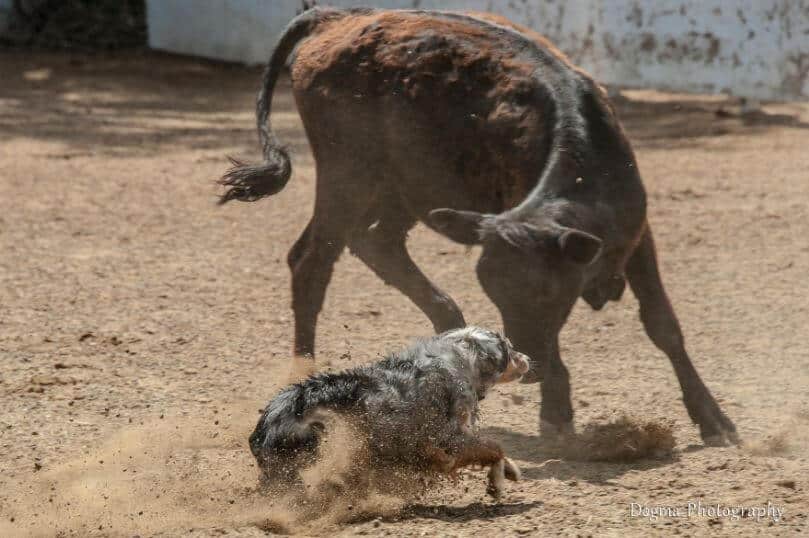

Herding Tests & Trials
Larry, and I get the reaction of “You Do What?” from people who ask us what we are doing in our retirement. “We do competitive herding.
Meet the Breeders
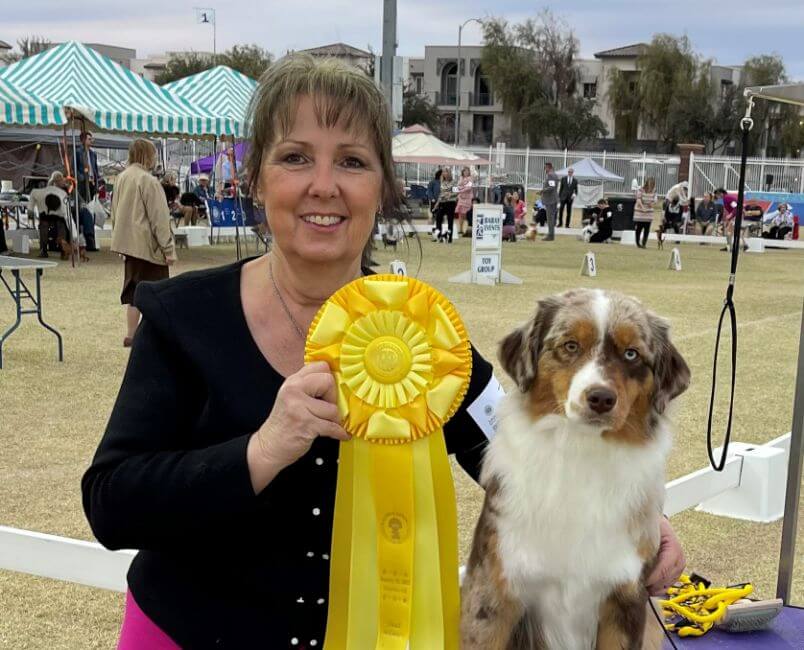
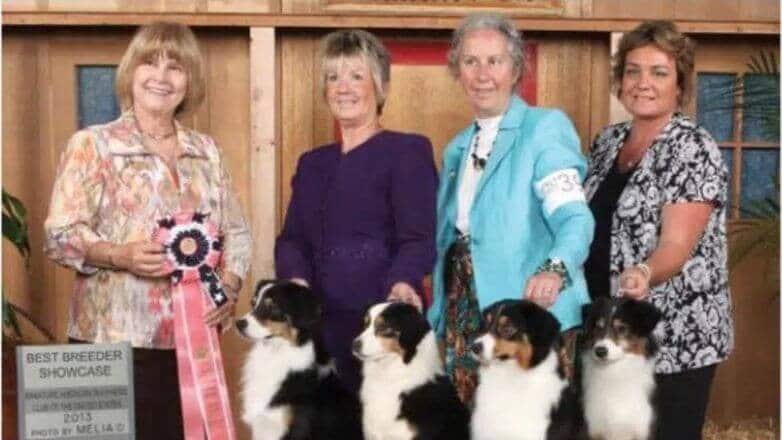
Interview with Herding Group Breeder Allyson Senek – I live on the back side of the Colorado National Monument in Glade Park, Colorado.

All About Judging
Explore Miniature American Shepherds’ journey from roots to AKC approval, covering charm, size standards, and MASCUSA’s pivotal role.
The Miniature American Shepherd’s tail, or lack thereof, is a distinctive breed feature. The tail is set low on the body, following the natural line of the croup, and is straight. MAS can be born with either a natural “bobtail” or a long tail. When the tail is long, it reaches at least down to the hocks in a slight curve.
Some MAS have their long tails docked. The decision to do so is most often considered for dogs that are expected to work livestock, but some jurisdictions around the world prohibit the practice altogether. When docked, the tail should not exceed three inches in length. Naturally long tails are carried either straight or slightly curved, but they should never curl over the dog’s back.
A Note About Color: The MAS is a particularly colorful breed, appearing in black or red and blue merle or red merle, with or without tan and/or white markings. No preference is given to color and/or markings, and asymmetrical markings are acceptable. Tan may appear around the eyes and on the muzzle, chest, and under the neck. White markings often appear as a blaze on the head and on the muzzle, neck, chest, belly, and legs. Ticking may be present on the white areas.
Coat Type
Double
The structure of the coat this breed carries.
Coat Length
Medium
How long the breed's coat grows when kept in condition.
Adaptability Level
How easily a breed copes with changes in home, routine, noise and weather.
Mental Stimulation Needs
How much a breed needs a job, a puzzle or training to stay content.
In terms of the breed's behavior with young children, the MAS can be a wonderful family pet, although its interaction with very young kids should always be supervised. Teaching children how to appropriately interact with the dog, and training the MAS to be gentle with kids, is crucial for a encouraging a reliable relationship.
While this breed can be reserved around strangers, proper socialization can help to ensure that the Miniature American Shepherd remains friendly and open to new experiences. The breed's alert nature can make these dogs excellent watchdogs, although they should be taught to distinguish between normal and abnormal behavior to prevent wariness or excessive nervousness.
Providing a balanced and nutritious diet is crucial for the overall health and well-being of a Miniature American Shepherd. This vibrant and active breed necessitates high-quality dog food that aligns with their age, size, and activity level.
When feeding a Miniature American Shepherd puppy, it's crucial to provide them with a diet specifically formulated for puppies, particularly for medium-sized breeds. Puppies have different nutritional needs compared to adult dogs, and feeding them the right food is imperative for their growth and development. A puppy should be fed three to four times a day as they require a steady supply of energy for their playful and active behavior.
As they mature into adulthood, their feeding regimen should transition to two meals per day. Adult Miniature American Shepherds generally do well on a balanced diet of high-quality, commercially available dog food. However, the exact amount of food they require can vary based on their age, size, and activity level. On average, a Miniature American Shepherd might require between 1 to 1.5 cups of dry dog food per day, but this should be adjusted to maintain their optimal weight and health.
When figuring out the suitable portion sizes and feeding schedule for a Miniature American Shepherd, it is advisable to seek advice from a veterinarian. They can offer valuable recommendations tailored to the unique health condition of the dog, making certain that it receives the necessary nutrients in proper quantities
In addition to their regular meals, it’s important to monitor the amount of treats given, especially during training sessions. Treats are a helpful training aid, but they should only constitute a small portion of the dog's daily caloric intake.
Lastly, always make sure that fresh water is readily available, providing them with constant hydration, which is crucial for their overall health.
Training a Miniature American Shepherd, known for its intelligence and eagerness to learn, can be a gratifying experience. They typically respond well to training sessions, making them a suitable option for both novice and experienced dog handlers. However, it’s vital to start training and socialization early in their life to foster good behavior and adaptability.
With a high level of intelligence, this breed grasps commands quickly, but they also require mental stimulation to prevent boredom and the potential for unwanted behaviors. Incorporating games and activities that challenge their intellect can be beneficial. Puzzle toys and obedience training are excellent ways to keep their minds engaged.
When it comes to vocalizations, the Miniature American Shepherds have a tendency to bark, especially if they are trying to alert their human companion of something they deem important. Training them to understand when to bark and when to be quiet is crucial, especially if they reside in a community with close neighbors.
Exploring new environments and potentially wandering off can be tempting for a Miniature American Shepherd due to their herding instincts and curiosity. Therefore, training them to have a reliable recall and making sure that they have a secure area to play are vital for their safety.
Predatory behavior is not commonly seen in this breed, but it's still important to monitor their interactions with smaller pets due to their herding instinct. Positive reinforcement techniques work well in training them to behave appropriately around other animals.
Grooming Expectations
When it comes to shedding, owners can expect a moderate amount throughout the year, with an increase during seasonal transitions. Implementing a consistent grooming routine during these peak shedding periods can significantly reduce the amount of loose hair in the home and prevent matting in the dog’s coat. In addition to brushing, their grooming routine should include standard care practices such as regular nail trims, ear cleaning, and dental care. Checking their ears consistently for signs of infection or irritation and brushing their teeth regularly helps in maintaining their overall health. While the Miniature American Shepherd does not require extensive grooming like some other breeds, dedicating time to their coat care and general hygiene contributes to their well-being and fortifies the bond between the dog and their human companion.