Members
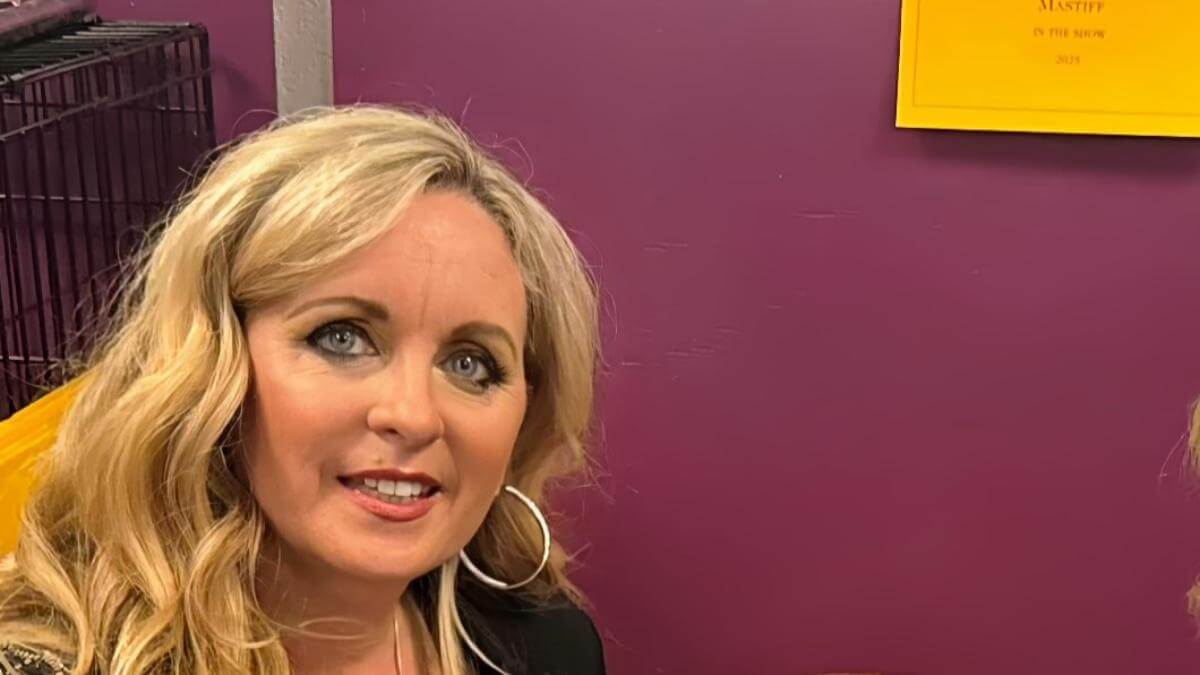
Kimberly Harac-Heruth of Impeccable Mastiffs shares insights on preserving Mastiff function, structure, health, and breed integrity.
The Weekly Brief
The best of SHOWSIGHT editorials, weekly wins, and breeder commentary — delivered to your inbox every Sunday morning.
Kimberly Harac-Heruth
1. Hello! My name is Kimberly Harac-Heruth of Impeccable Mastiffs. I have been involved in the Mastiff breed since 1992, both showing and occasionally breeding with the goal of preserving the integrity and function of this remarkable breed. I live in Summerfield, Florida, and I’ve dedicated over 34 years to the betterment of dogs—particularly the Mastiff. My kennel, Impeccable Mastiffs, focuses on producing healthy, structurally sound, and temperamentally solid dogs that can serve both as family companions and functional working dogs. I am currently serving on the Ethics Committee for the Mastiff Club of Florida.
2. The Mastiff should always maintain its status as a true Working Breed. While size, substance, and correct head type are obvious hallmarks, I believe it’s equally critical to preserve the breed’s ability to function. That means we must breed for proper structure, sound movement, balanced musculature, and solid temperament. A Mastiff should be more than just impressive to look at—it should be physically capable and mentally stable. These qualities ensure the breed remains true to its historic purpose.
3. In my honest opinion, no. While there are many people interested in owning a Mastiff, finding quality pet homes that are truly committed and well-prepared for the responsibility is becoming increasingly difficult. Mastiffs are not for everyone—they require space, time, training, and a strong financial commitment. That’s why I breed very selectively and place an emphasis on educating potential owners thoroughly.
4. The advances in health testing have been a tremendous asset. Today, we have access to more genetic tests and screening tools than ever before, which allows breeders like me to make well-informed breeding decisions that reduce the risk of hereditary conditions. On the communication side, social media and digital tools have improved the way breeders can network, educate, and stay connected with both peers and puppy families.
5. Yes, definitely. There’s a growing misunderstanding fueled by misinformation online, particularly when it comes to ethical breeders versus irresponsible breeding practices. More education is needed to help the public distinguish between purpose-bred dogs raised by responsible breeders who health test, socialize, and support their puppies—and those from backyard breeders or mills. Thankfully, some awareness is increasing due to advocacy by breed clubs and responsible breeders who are willing to speak up.
6. Unfortunately, one trend I’m seeing is a shift away from functional structure toward exaggerated features, which puts form over function. In Mastiffs, we’ve seen extremes in size or type that may photograph well but compromise the health and utility of the dog. There’s also concern around the decline in mentoring, with newer fanciers having fewer experienced breeders to guide them. This lack of connection can lead to poor breeding decisions and a loss of breed history and purpose.
7. There’s a lot to be hopeful about. The accessibility of health testing and information-sharing has improved significantly. Younger handlers and breeders are showing real enthusiasm and professionalism, and many are eager to learn from experienced mentors. There’s also been a push toward better breeder education and owner screening. I’m seeing more collaboration between breeders across the country, sharing resources and working together to preserve the integrity of our breeds.

Meet the Breeders