Members
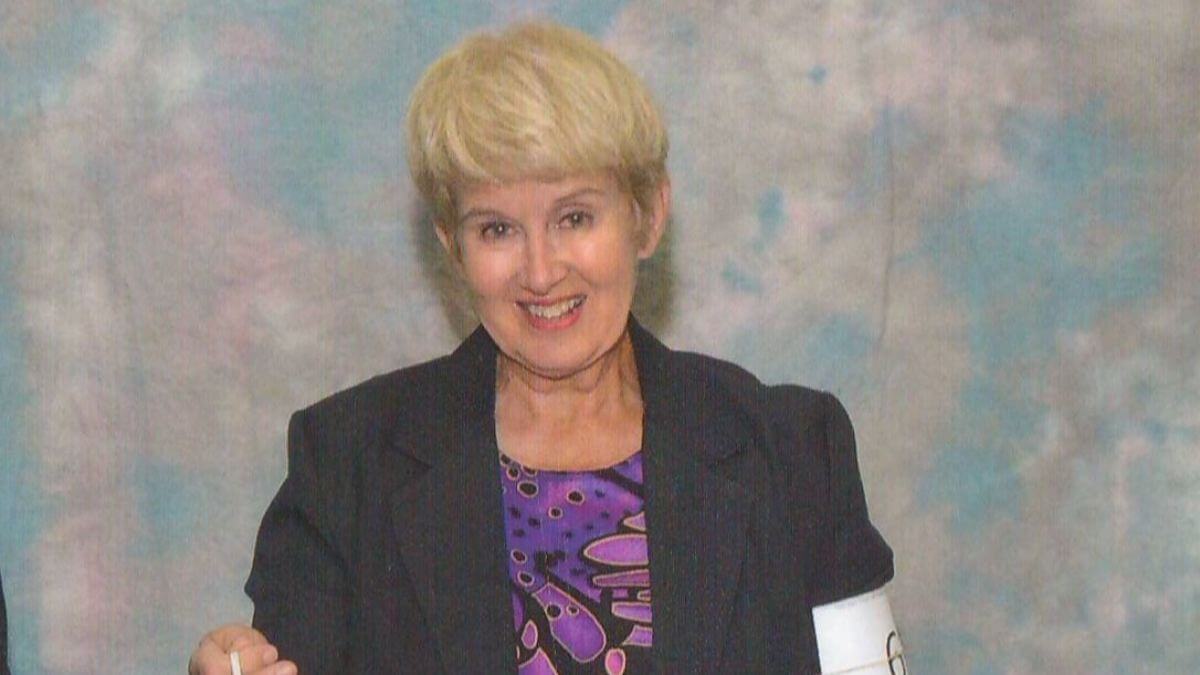
Lois March of Marchwind shares her insights on Italian Greyhounds, show puppy selection, breed trends, and the dog show community.
The Weekly Brief
The best of SHOWSIGHT editorials, weekly wins, and breeder commentary — delivered to your inbox every Sunday morning.
Lois March
1. I live in Vienna, Georgia, on a small farm in a goldilocks zone with mild weather, warm seasons, and little danger. My kennel name is Marchwind. I got my first purebred dog at 12 years old and have been showing and breeding ever since. I got involved with Italian Greyhounds in 1978 when I saw a pair at a dog club meeting and realized they were the ideal breed for this century. I am a retired physician and a navy veteran.
2. My process for selecting show puppies is to pick the prettiest ones. Then I look at adaptability and friendliness, medium size, and later on as I grow them up, conformation, two testicles, etc., selling off some as pets and also selecting show puppies for people who will really show them out of this group.
3. My breed is better than ever thanks to some influential breeders. My main contribution is improving temperament. No surprise that heredity and early socialization are equally important. My concern in the breed is large size. It’s easier to breed big ones. All dogs want to trend towards the size of a coyote or small wolf. Big size is very dominant and we have no size disqualification in this breed. When judges award dogs for merit without regard to size, then breeders who want to win just keep breeding them bigger. However, the pet market very much wants small size and it is the pet market that funds show dogs. Italian Greyhounds are a Toy breed and I would like to see them stay a Toy breed, one that you can pick up and carry, fit into a travel bag, sit on a lap.
4. As a preservation breeder, I think the value of shows is the opportunity for breeders to get together to see what we have produced. The judging has always been political, and I sometimes agree with the judge and sometimes not, but it’s my opinion that counts. Many dogs that become champions are not suitable for breeding.
5. Social media is great for the sport of purebred dogs. It certainly influences the pet market which funds the sport of purebred dogs. If a color becomes popular, breeders go to great lengths to produce that color. If clients want small, friendly pet dogs, then breeders better learn to produce them.
6. The biggest challenge that I see in the dog show community today is the problem of judges showing their own dogs to other judges who they know well. Only judges can offer tit for tat and embarrass other judges or make trouble for them. The AKC guidelines regarding this are sketchy and the exhibitors are helpless to do anything about it. I see this ruining the sport and discouraging new exhibitors. It’s up to the AKC to straighten it out.
7. Positive changes in the sport are all the new breeds being accepted by the AKC, bringing new exhibitors in. It is difficult to make inroads into an established breed and it can take years. Bringing in a new breed puts you on the ground floor.

Meet the Breeders