Members
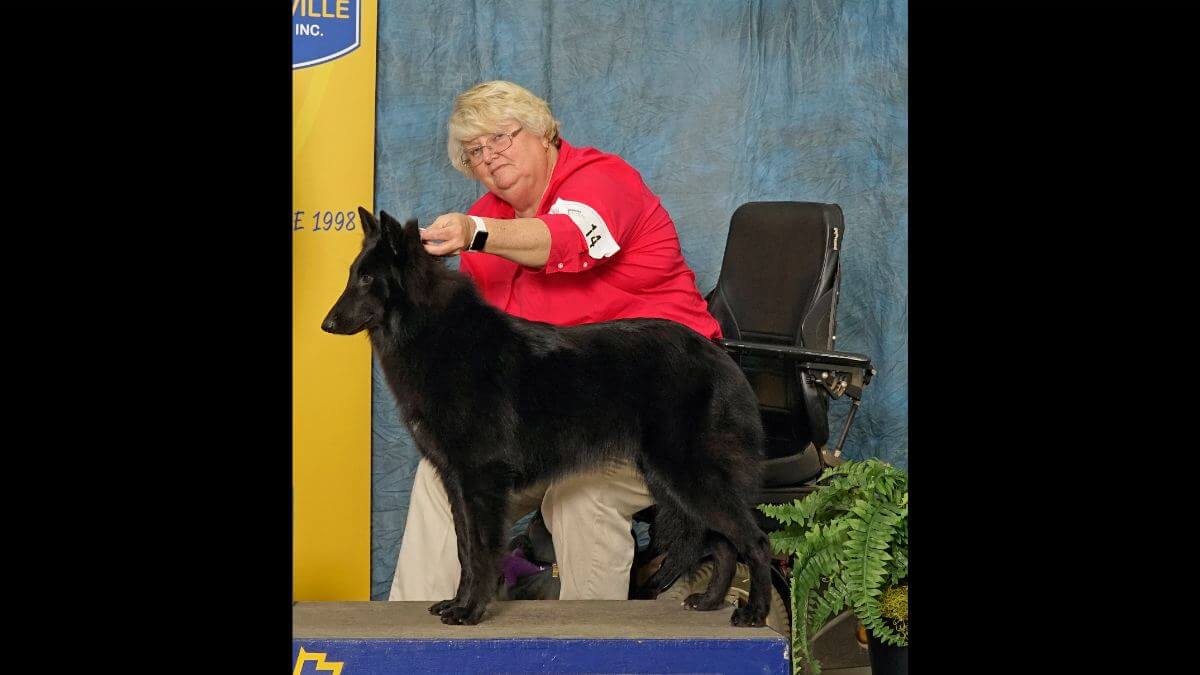
Terri Ann Votava the breeder behind Sanc Brancos Belgian Sheepdogs. Read about the kennel’s beginnings, puppies, and much more!
The Weekly Brief
The best of SHOWSIGHT editorials, weekly wins, and breeder commentary — delivered to your inbox every Sunday morning.
Terri Ann Votava
1. I have been fortunate enough to have been owned by Belgian Sheepdogs since 1972. As a young child, my father showed German Shepherd Dogs and was very active in the GSD Training Club in Chicago, and Hugh Krebs was training and showing the top Obedience Belgian and would come to visit my father and bring her with him for me to play with during their visits. I fell in love with the breed, and for my 21st birthday I received my first Belgian. Over the next ten years, I was mentored by some of the greats in our breed: Skip Stanbridge, Gloria Davis Bray, Kay Maves, and others. During this time, I purchased a puppy with an outstanding Obedience and Conformation pedigree. He finished easily but hated to work. I then purchased what was to become my foundation stud dog, CH Crocs-Blancs Darth Vadir CD. This was the beginning of Sans Brancos Belgian Sheepdogs. I studied pedigrees and asked questions, and leased a bitch to breed to him. This litter resulted in my first home-bred champion and my first Registry of Merit winner. Since that time, we have gone on to breed or own 85 champions and BIS, BISS, HIT dogs in Herding, Obedience, Rally, Agility, and Scent Work.
2. Overall, I do believe the Belgian Sheepdog in the United States is in fairly good condition. Breeders for the most part are conscientious about health, structure, temperament, and working ability. I am concerned that our breed, like many others, is being bred for what will win in the ring today and not necessarily to the Breed Standard. Our dog is to be moderate in all respects, yet you will see dogs being bred for their short backs and not enough attention paid to the fact that they appear short-backed because the fronts have been pushed far forward. We see far too many dogs being rewarded in the ring because they have narrow, chiseled heads or short backs, rather than can they stand for exam, or do they have proper reach and drive to work all day. Our Standard says that a fault should be weighed by how it would affect the dog’s ability to do what it was bred to do. Structure and temperament must be in the forefront and personal preferences must be superseded by the Standard.
3. Cluster shows do make it much easier to show than it was years ago. The number of shows does make it more difficult for the rarer breeds to achieve majors since there are so many options of shows throughout an area. I would like to see better education of judges in regards to the Standard. So many times at a local show you will have an outstanding example of the breed surrounded by 6 or 7 far lesser dogs, but the outstanding example will lose to one of the lesser dogs because it looks different.
4. Both as a breeder and an active Conformation and Performance participant, I believe the performance events are vital. Our dogs should be able to do what they were originally bred to do. This is how we maintain our structure, drive, and temperaments. The Belgian Sheepdog was bred to work the family sheep and transitioned into messenger dogs for the military in WWI, and to Search and Rescue and Police Work while all the while maintaining the stability to be the family pet and guardian of the children.
5. Social media can be positive in the education of people about our breeds and what they can do and offer, but it can be equally damaging because individuals do not know if they are dealing with truly experienced ethical breeders mentoring them or selling puppies to them, or a fly-by-night trainer who is just hawking their wares and may be actually detrimental to their training. I do believe that it does encourage people to see the winning dogs as what the breed should be. On the positive side, there are many truly great programs available now for education and pedigree research. Health information is more available than it was in years past.
6. The biggest challenge is the education of the general public about the true information about the health of purebred dogs and that breeders are not the cause of dogs in shelters. It is also important that they realize their slogan, “ Adopt, Don’t Shop,’’ is just that—a slogan. Shelters and rescues are indeed selling their dogs. True breeders would never let one of their puppies end up in a shelter. Our contracts and agreements state that if you can’t keep your animal that it must be returned to us. Your purebred rescue groups are indeed the breeders who support and protect our breed by preventing them from going to unscrupulous homes or working to prevent them being in shelters.
7. We do have greater participation in the sport and a wider variety of sports available to us and the general public. I just retired my 12-year-old from Agility and it is awesome that Scent Work is around and she does not have to retire to a couch, but can still compete since that is what she loves to do. I think we are also seeing advances in breeding through genetic studies. I also believe breeders are more open about the health of our breeds.

Meet the Breeders