Members
“Adopt don’t shop” sounds noble, but it may be fueling the shelter crisis. Here’s why ethical breeding and accountability matter more.
The Weekly Brief
The best of SHOWSIGHT editorials, weekly wins, and breeder commentary — delivered to your inbox every Sunday morning.
Adopting a dog from a shelter is often praised as the highest moral ground in pet ownership. It’s marketed as the kindest, most ethical option, and in some ways, it is; you are giving a homeless dog a second chance. But here’s the uncomfortable truth no one wants to say out loud:
Adopting from a shelter, without questioning why that dog is there in the first place, can actually perpetuate the very system that causes dogs to end up in shelters at all.
It all comes down to supply, demand, and accountability.
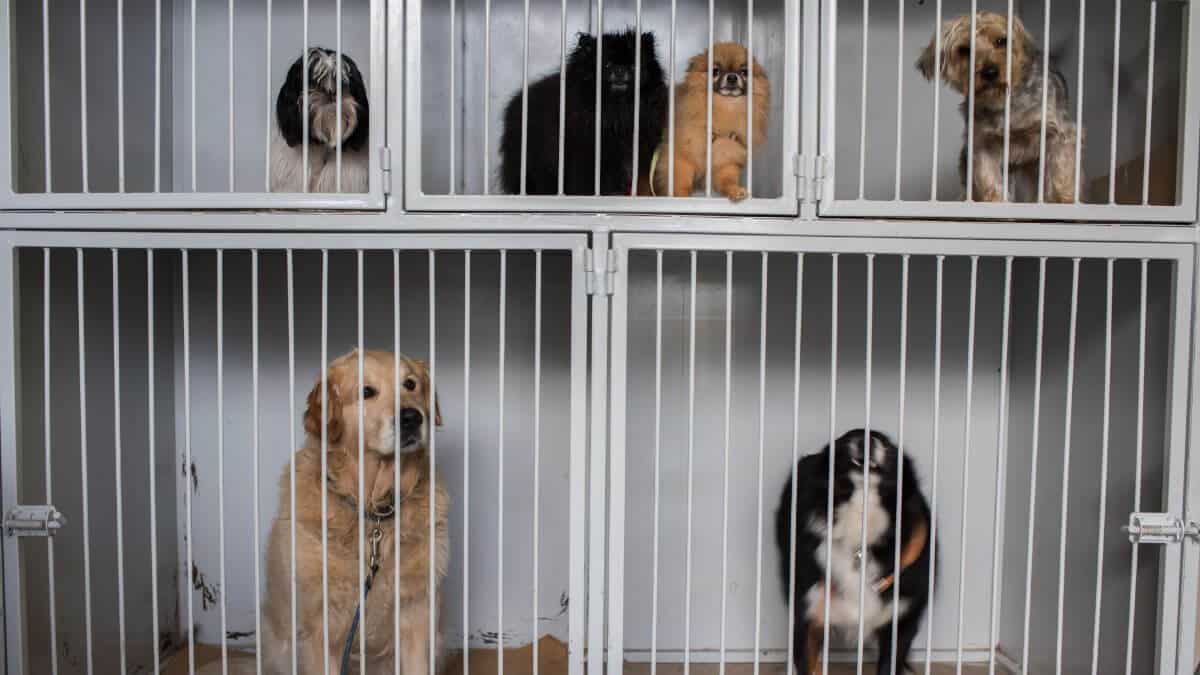
Every time you adopt a dog from a shelter, a kennel space opens up. It gets filled, often within days or even hours. Dogs keep coming. And the cycle continues. Why? Because shelters are a symptom of a broken system, not a solution to it.
Most of the dogs that end up in shelters are not there because their owner died or fell on hard times. They’re there because of unscrupulous breeding, poor placement, and zero accountability. Backyard breeders, accidental litters, and people who breed “just once” to make some cash or “because we wanted the kids to see the miracle of life” flood the market with puppies, and never seem to follow through when things go wrong.
Then, when those puppies grow up and become inconvenient, they’re dumped. The dog didn’t fail. The system did.
Let’s be clear: shelter staff and volunteers are doing the best they can. But when shelters promote a constant stream of adoptions without addressing intake, they’re enabling a dangerous loop.
Many shelters and rescues rely on a steady rotation of animals in order to keep funding rolling in. More dogs mean more donations, more social media engagement, more adoption events, more feel-good stories. It becomes a business model; one where turning over animals quickly can matter more than long-term outcomes.
That’s how you end up with dogs being adopted out without proper behavior assessments, medical care, or follow-up support. The shelter needs that kennel open for the next animal. And the next. And the next.
“Adopt, don’t shop.” It’s catchy. It’s viral. But it’s also misleading.
This phrase unfairly lumps all breeders into one category, painting even the most ethical, preservation-focused breeders with the same brush as puppy mills and irresponsible backyard operators. The result? People are steered toward adoption by guilt and social pressure, while the actual sources of shelter overpopulation—the irresponsible breeders—go unchecked.
If people were taught the difference between ethical, Breed Standard-based, health-tested breeding and the chaotic free-for-all that floods online marketplaces, we might finally get to the heart of the problem.
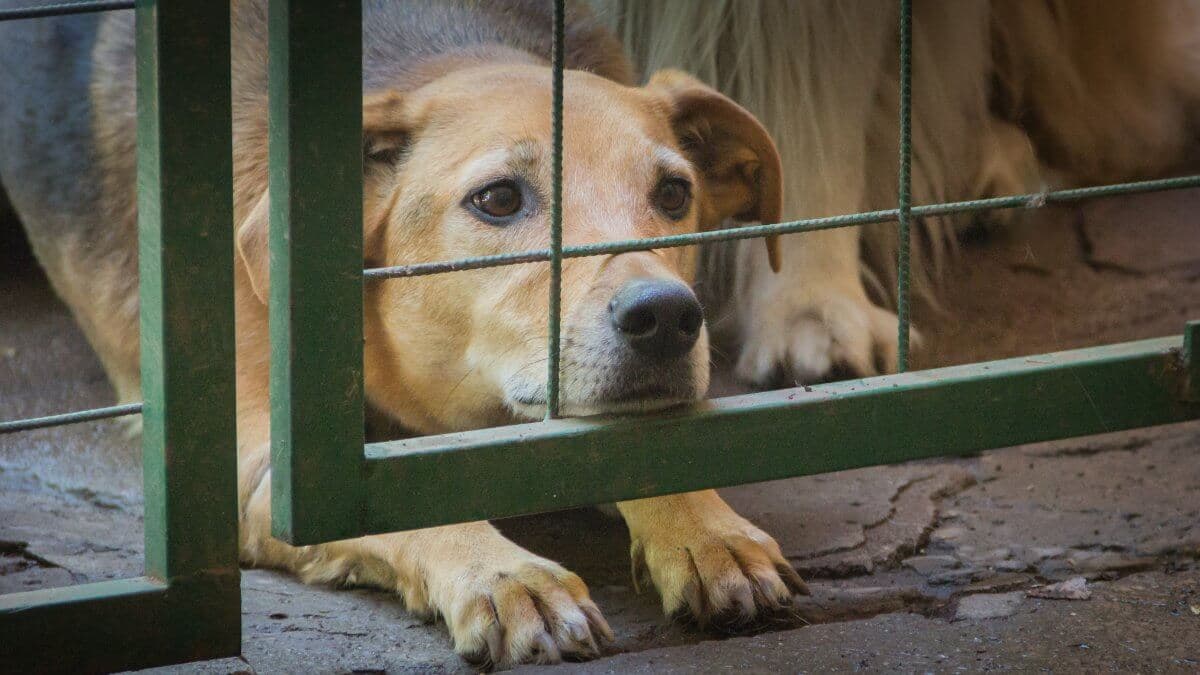
Here’s the truth you rarely hear: No dog bred by an ethical, Preservation Breeder ends up in a shelter. Why? Because responsible breeders:
If the public demanded dogs only from ethical sources, whether breeders or rescues with solid screening and lifelong commitment, shelters would start to empty for good.
Most people never ask where a shelter dog came from. What breeder? What rescue? What owner? Was the dog returned, abandoned, or seized? There’s rarely a clear paper trail. The deeper question of how that dog ended up there gets buried under feel-good messaging and urgency to adopt.
This lack of traceability means no one is held responsible. The irresponsible breeder who sold a puppy with no vetting? Gets off scot-free. The person who gave away a litter for free in the parking lot? No consequences. The family that dumped a two-year-old dog for “being too hyper?” No accountability.
But the shelter gets the funding, the adopter gets the praise, and the system keeps spinning.
We cannot adopt our way out of the shelter crisis.
The only real solution is to reduce intake. That means:
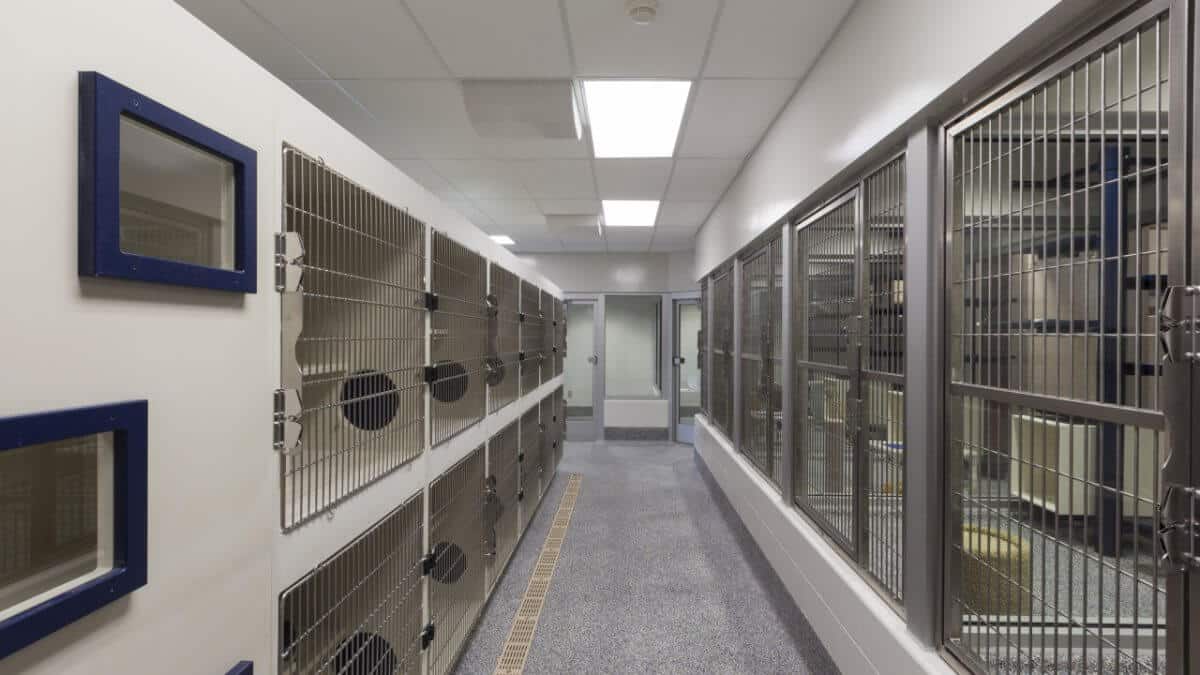
Adopting a dog can be an incredible act of compassion. But adoption alone doesn’t fix the system. In fact, when done without scrutiny or long-term strategy, it feeds it.
If we really want to help dogs—all dogs—we need to stop celebrating every adoption as a victory and start asking harder questions about where these dogs came from, why they were failed, and how we can stop the cycle at its source.
It’s not about choosing adoption or ethical breeding. It’s about choosing accountability, and building a future where dogs don’t need to be “rescued” in the first place.
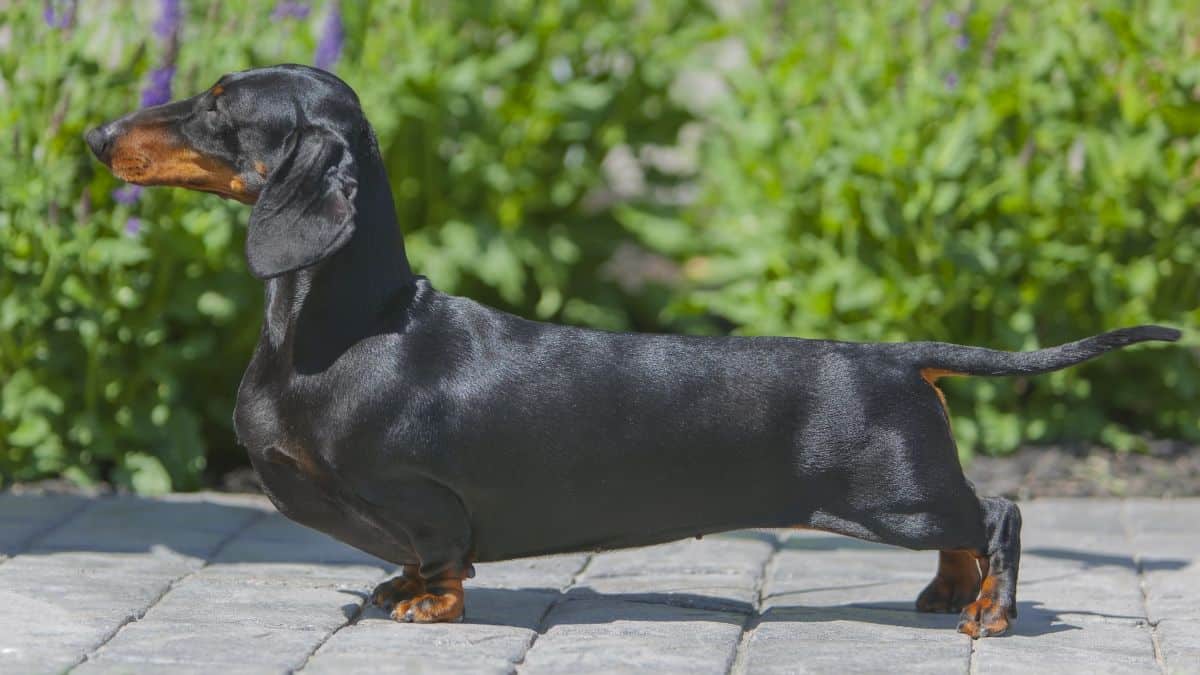

Breed Conservation
Using the Dachshund as a case study, Lexa Richmond explores how breeding decisions, mentorship, and education shape breed preservation.