01/Overview
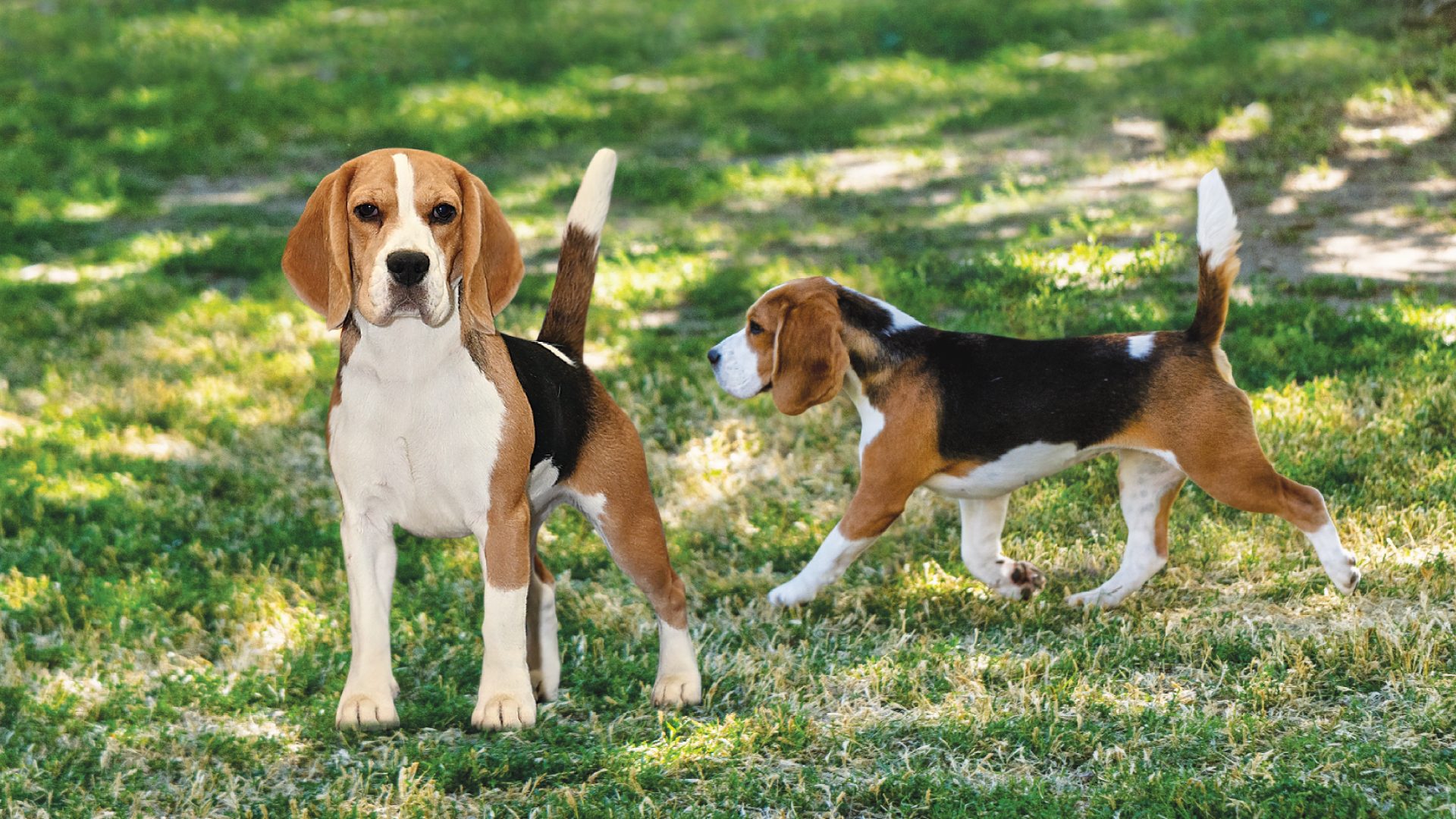
The delightful and determined Beagle is a small, compact, and hardy hound, appreciated by so many for its playful demeanor and soulful expression. Acknowledged by hunters for its keen sense of smell and exceptional tracking abilities, the Beagle's origins are thought to trace back to ancient Greece and Rome. Traditionally used for hunting hare, the breed has since transcended the role to become a capable detection dog, a star in the show ring, and a popular choice as a family companion.
Highlights
02/History
The Beagle's origins can be traced back over 2,000 years to Ancient Greece. Writings from that period mention small hound dogs used for tracking and hunting, and while it's debatable if these dogs were the direct ancestors of today's hounds, they certainly share much in common. The Romans brought small hounds with them to England which were crossbred with local dogs, producing what may be recognized as the early Beagle. By the reign of Queen Elizabeth I, pocket-sized hounds, known as "Elizabethan Pocket Beagles," were popular in the royal courts.
The name "Beagle" is believed to have been derived from the Old French word be'geule, referring to the baying voice of the hounds when on the hunt. Another theory is that it originates from the Gaelic word beag, which means "little," emphasizing the breed's small size.
The modern Beagle owes its development primarily to breeders in the 19th century, when Reverend Philip Honeywood established a breeding program in Essex, England. His main objective was to produce dogs with excellent hunting skills, though not necessarily with a consistent look. Thomas Johnson later refined the breed, focusing on enhancing its appearance without compromising its hunting abilities.
During the 1840s, Beagles were introduced to the United States where they became popular as pack hunting dogs. The American Kennel Club (AKC) officially recognized the breed in 1885 and as its popularity steadily grew. By the mid-20th century, the Beagle had become favored as a household pet. And although many still partake in hunting rabbits and hare, many more excel as companions and as Therapy Dogs or airport Detection Dogs.
03/Appearance
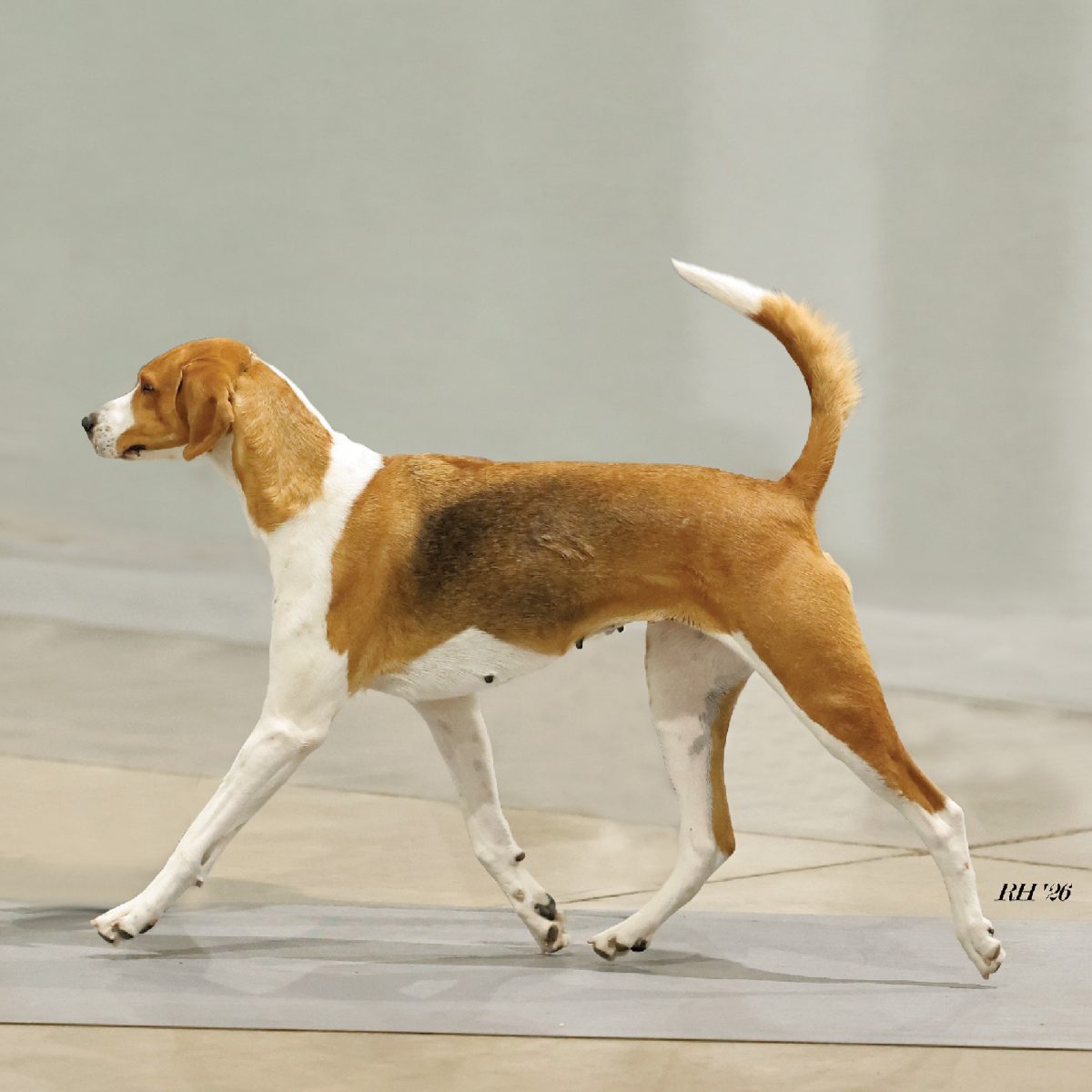
The Beagle is easily recognized for its small stature, muscular frame, and pleading expression that resonates a gentle alertness. The breed’s short coat, straight tail, and moderate size paint a picture of a hound that's both functional in the field and lovable in the home.
Beagles are categorized in two size varieties; those under 13 inches and those between 13 and 15 inches.
Adult male Beagles typically stand less than 13 inches tall at the shoulder or between 13 and 15 inches tall, with females measuring within the same range.
Males can weigh from 20 to 30 pounds for the 15-inch variety and under 20 pounds for the 13-inch variety. Females typically weigh slightly less.
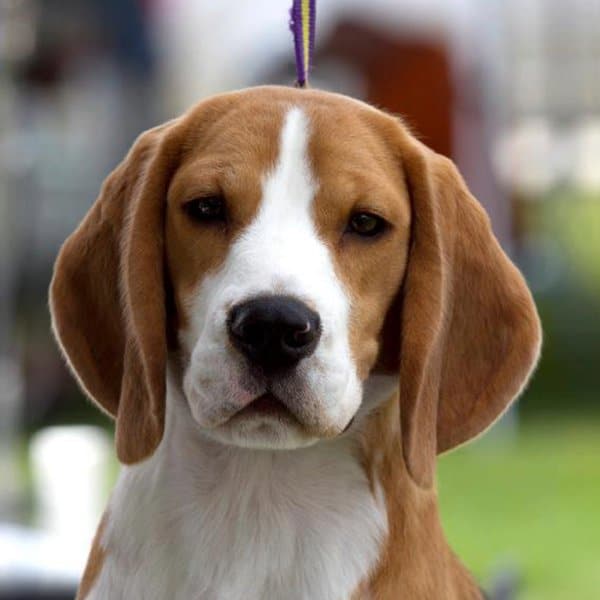
Skull: The Beagle's skull is moderately rounded with a slight dome at the back portion of the skull. The cranium is broad and full, and fairly long.
Expression: The breed has an appealing expression, reflecting its gentle and amiable nature. The eyes and ears contribute significantly to the soft yet alert and curious demeanor.
Eyes: The eyes are medium-sized, almost round, and set well apart. The color can vary from dark hazel to brown, giving a warm, earnest look that complements the coat’s coloration.
Ears: The ears are long and set low, reaching nearly to the end of the nose when drawn forward. They are soft to the touch and hang close to the face.
Muzzle: The Beagle's muzzle is straight, square-cut, and of medium length. It appears neither too long nor too snipey, with a moderately defined stop.
Nose: The nose is preferably black, but a lighter shade is acceptable in lighter-colored dogs. The nose is large, with wide open nostrils.
Bite: The Beagle has a scissors bite, where the upper incisors overlap the lower ones. A level bite, where the teeth meet edge to edge, is also acceptable but is less preferred.
The Beagle's body is slightly longer than it is tall, with a well-balanced and rather substantial appearance for its size. A compact body, combined with plenty of bone and good muscling, grants the Beagle its signature beauty and utility. The breed’s ribs are well spring and the chest is deep, extending down to the elbow, thus ensuring good lung capacity—essential for its role as a tracker and pack hunter. The overall impression is one of a quality hound that's built for stamina and endurance in the field.
Texture: The Beagle's coat is short, dense, and hard, providing protection from brambles without becoming entangled. It is weather-resistant and allows for a fair amount of wear-and-tear.
Standard Colors
04/Consider
Sharing life with a Beagle can be a lot of fun, but it's essential to understand the breed's unique characteristics and needs so that everyone can enjoy spending time together. This breed, known for its keen sense of smell, requires specific care and attention both outside and indoors.
Interaction With Family
The level of affection a breed typically shows towards family members and familiar individuals.
Good With Other Dogs
The innate friendliness of a dog towards other dogs can depend on its breed.
Good With Young Children
The degree to which a breed will typically be patient with young children.
Amount Of Shedding
How much hair a breed typically leaves behind on clothes, furniture and floors.
Frequency Of Grooming
How often a breed needs brushing, bathing or a professional trim to stay in condition.
Amount Of Drooling
How prone a breed is to drool — worth knowing before you keep a towel by the door.
Openness To Strangers
How openly a breed tends to greet new people, visitors and strangers.
Protective Nature
How likely a breed is to alert you to — and stand between you and — anything unfamiliar.
Playfulness Level
How enthusiastic a breed stays about games and play well past puppyhood.
Trainability Level
How readily a breed takes direction and works with you rather than around you.
Barking Level
How much a breed uses its voice, and how readily.
Energy Level
How much get-up-and-go a breed brings to an average day.
Health
Lifespan: On average, the Beagle has a lifespan of 10 to 15 years. While many factors contribute to a dog's longevity, this breed tends to be relatively long-lived when provided with good care and room to run in a safe environment.
The Beagle possesses a personality that is often described as merry. Known for its loving nature, this breed is exceptionally social and typically enjoys the company of both people and other animals. Consequently, the average Beagle doesn't always enjoy being left alone and can suffer from separation anxiety or become easily distracted by its strong sense of smell. While energetic and playful, this breed is generally tolerant and easygoing too. In a household with other dogs, the Beagle usually fits right in. Its gentle and patient temperament generally makes the breed a good companion for young children as well. And when meeting strangers, the Beagle is neither aggressive nor shy. Instead, this breed will often approach new people with a friendly greeting in the form of a wet nose and a wagging tail.
Exercise Expectations
The Beagle typically possesses a moderate to high level of energy. This means daily physical activity isn't just a luxury; it's a necessity. This hound enjoys a good romp and can display bursts of energy, especially during play. It is equally content with steady-paced activities like long walks or hikes. These outings easily cater to the Beagle's physical needs and can provide ample sensory stimulation, giving the breed's keen sense of smell a stimulating workout. However, when engaging in outdoor activities, it's crucial to remember that the Beagle's nose is its guiding force. To prevent the dog from being led astray, secure play areas and leashed walks are essential.
The affectionate and amiable Beagle can infuse a home with boundless energy and plenty of charm. Since the breed isn't overly large, these dogs can comfortably reside in smaller spaces; however, regular walks and play sessions are non-negotiable. Living with a Beagle means daily exercise sessions on-leash or in a secure yard or garden. It's essential to supervise all outdoor interactions to prevent the dog from following its nose and wandering off in search of mischief. At any time of year, the Beagle's coat will offer some protection from the elements. During cold spells, this hound will enjoy being outdoors for brief periods and will appreciate returning home to a cozy spot in the house. In warmer weather, a cool, shaded space and plenty of fresh drinking water is all that's needed. It should be noted that because the Beagle is largely food-driven, trash bins and food storage containers must always be out of reach to avoid any dietary indiscretions.
05/Puppies
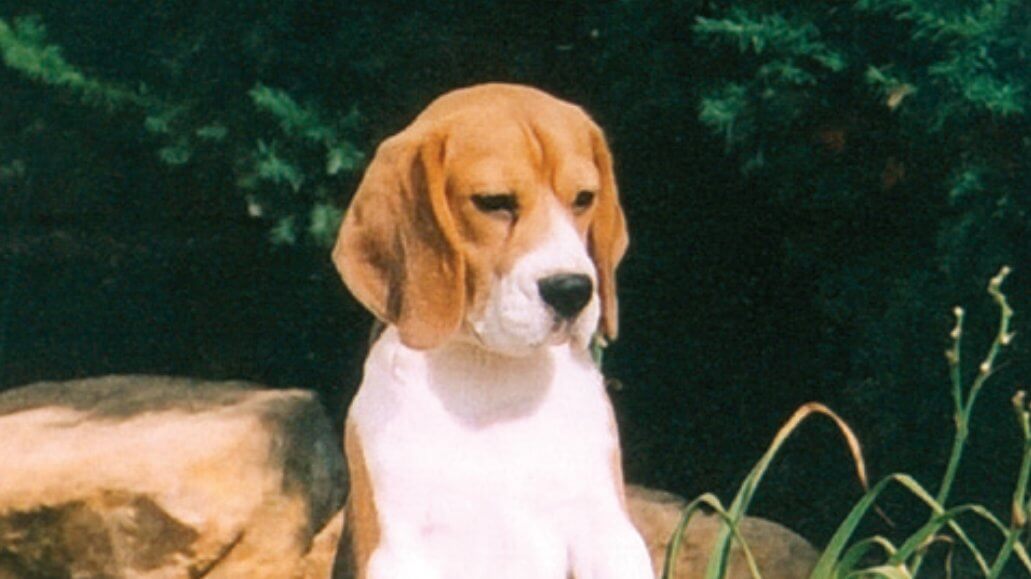
The arrival of a litter of Beagle puppies is cause for celebration. These small, adorable, and curious pups have a penchant for exploration and an insatiable desire to play. From their soulful eyes to their tiny wagging tails, baby Beagles easily captivate and have just what it takes to command attention.
Caring for a Beagle puppy requires plenty of love, patience, and commitment. For catering to the little one’s developmental needs, it’s important to provide socialization and training as well as a high-quality puppy food that matches the pup’s specific nutritional requirements. Establishing a regular feeding schedule that prevents overeating, and regular veterinary visits that provide all the necessary vaccinations and deworming medications, will help to ensure healthy development throughout the puppy's first year. Additionally, early socialization and brief training sessions will introduce the pup to a diversity of experiences and people, setting the stage for a lifetime of interactive learning. Safety during these enriching activities is paramount, so providing the Beagle baby with a puppy-proof environment will protect it from household hazards such as electrical cords, harmful plants, and small ingestible objects. And although a puppy can appear to have infinite reserves of energy, it also has the need for sleep. Striking a balance between active playtime and rejuvenating rest can help to establish a daily routine that will strengthen the connection shared between the puppy and its favorite people.
06/Activities
The Beagle is not only renowned for its charming appearance and companionable nature, it’s also known for its versatility. Many breed enthusiasts choose to engage their resourceful hounds in various activities that highlight their dogs' adaptability and keen senses.
Hunting & Tracking: The Beagle's foundational role was to hunt small game, particularly hares and rabbits. Today, many are still used for hunting and tracking. With a nose that's second only to the Bloodhound, the breed’s acute sense of smell makes it "a natural" in these roles.
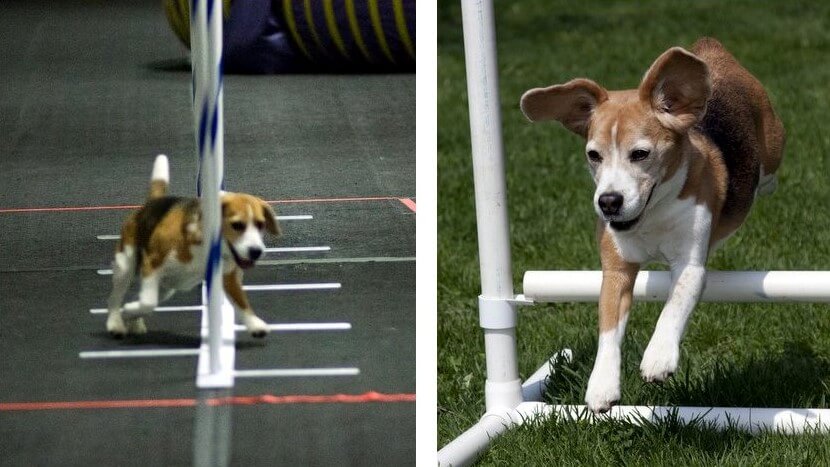
Agility: In Agility Trials, dogs are tasked with swiftly navigating a timed obstacle course. The breed's agility, coupled with its zest for challenges and aptitude for learning, can render it a successful participant in these events.
Obedience: Although playful and occasionally stubborn, the Beagle's intellect can allow it to succeed in Obedience Trials. These events gauge a dog's aptitude to execute a series of commands, reflecting both its training and the handler's proficiency.
Scent Work: Here, dogs are trained to identify and pinpoint specific scents in diverse environments. Given the breed’s remarkable olfactory abilities, it’s no surprise that it often excels in this non-competitive sport.
Conformation Shows: A staple for purebred dog enthusiasts, dog shows provide a venue where each dog is evaluated against its Breed Standard. Beagles are frequent competitors at these events, allowing judges to assess their breed-specific make and shape, movement, and outgoing temperament.
Therapy Roles: Due to the Beagle's amicable and gentle nature, it can serve wonderfully as a Therapy Dog. The breed’s ability to connect and comfort makes it a cherished presence in hospitals and retirement homes, offering emotional solace to those in need.
Gallery
07/Standards
The Beagle is recognized by the world's leading registries and kennel organizations, which categorize the breed into a specific Group based on its unique characteristics. This breed is recognized worldwide under the following Group designations:
The ideal Beagle is described by a Breed Standard that is approved by each of the world’s leading registries and kennel organizations. The Breed Standards for this breed may be found in the following links:
08/Clubs
The National Beagle Club of America (NBCA) is the primary authority for the breed in the United States. Established in the late 19th century, the NBCA has been instrumental in setting the Breed Standard, organizing events, and fostering a community of devoted Beaglers. The club’s commitment ensures the breed's continued popularity as well as its preservation for the future.In Canada, the Beagle Club of Canada (BCC) is the main representative organization for the breed. The BCC actively promotes the breed's interests, holding Conformation Shows, Obedience Trials, Field Trials, and other companion and performance events.The United Kingdom has a rich Beagle history, and the Beagle Association (BA) is the leading entity in Great Britain that offers support for the breed. Established in 1966, the association and its members endeavor to promote all aspects of the breed, including its general health and its unique history.
09/Rescue
Across the United States, Beagle Rescue, Education, and Welfare (BREW) is one of the primary entities committed to rescue and rehabilitation. This organization provides care for homeless Beagles, offering them a new lease on life. Through an extensive network of volunteers, BREW facilitates adoptions, foster care, and education about the breed.In Canada, organizations such as Big On Beagles (BOB) Rescue focus on helping dogs, particularly older ones, find the caring homes they deserve. The group's volunteers understand the unique needs of senior Beagles and strive to offer them a safe haven.In the United Kingdom, the Beagle Welfare Scheme plays a pivotal role. The organization’s mission is not only to rescue and rehome Beagles, but also to educate the public on the breed's specific characteristics and needs.
10/Facts
Ancient Roots
Beagle-like dogs have been around for over 2,000 years. Historical records from Ancient Greece mention small hound dogs that bear a striking resemblance to today’s Beagle.
Royal Favorite
Queen Elizabeth I had a fondness for "Pocket Beagles." These tiny dogs were small enough to fit inside a pocket or be carried in a glove.
Voice Variations
Beagles have a distinctive three-part bark, or "bay." This means they can produce a variety of sounds to assist hunters with understanding if their hounds have spotted game or if they’re simply on the trail.
Gentle and Friendly
While they were bred for hunting, Beagles are known for their gentle disposition. Their friendly nature makes them poor guard dogs but excellent companions.
Snoopy’s Inspiration
Perhaps the most famous fictional Beagle is Snoopy from the "Peanuts" comic strip. Charles M. Schulz's character has become an iconic representation of Beagles in popular culture.
11/FAQ
Yes, Beagles are generally considered good family dogs due to their friendly and sociable nature. They often get along well with children and other pets.
Official Standard for the Beagle
Head: The skull should be fairly long, slightly domed at occiput, with cranium broad and full. Ears-Ears set on moderately low, long, reaching when drawn out nearly, if not quite, to the end of the nose; fine in texture, fairly broad-with almost entire absence of erectile power-setting close to the head, with the forward edge slightly in turning to the cheek-rounded at tip. Eyes-Eyes large, set well apart-soft and houndlike-expression gentle and pleading; of a brown or hazel color. Muzzle-Muzzle of medium length-straight and square-cut-the stop moderately defined. Jaws-Level. Lips free from flews; nostrils large and open. Defects-A very flat skull, narrow across the top; excess of dome, eyes small, sharp and terrierlike, or prominent and protruding; muzzle long, snipy or cut away decidedly below the eyes, or very short. Roman-nosed, or upturned, giving a dish-face expression. Ears short, set on high or with a tendency to rise above the point of origin.
Body: Neck and Throat-Neck rising free and light from the shoulders strong in substance yet not loaded, of medium length. The throat clean and free from folds of skin; a slight wrinkle below the angle of the jaw, however, may be allowable. Defects-A thick, short, cloddy neck carried on a line with the top of the shoulders. Throat showing dewlap and folds of skin to a degree termed "throatiness."
Shoulders and Chest: Shoulders sloping-clean, muscular, not heavy or loaded-conveying the idea of freedom of action with activity and strength. Chest deep and broad, but not broad enough to interfere with the free play of the shoulders. Defects-Straight, upright shoulders. Chest disproportionately wide or with lack of depth.
Back, Loin and Ribs: Back short, muscular and strong. Loin broad and slightly arched, and the ribs well sprung, giving abundance of lung room. Defects-Very long or swayed or roached back. Flat, narrow loin. Flat ribs.
Forelegs and Feet: Forelegs-Straight, with plenty of bone in proportion to size of the hound. Pasterns short and straight. Feet-Close, round and firm. Pad full and hard. Defects-Out at elbows. Knees knuckled over forward, or bent backward. Forelegs crooked or Dachshund-like. Feet long, open or spreading.
Hips, Thighs, Hind Legs and Feet: Hips and thighs strong and well muscled, giving abundance of propelling power. Stifles strong and well let down. Hocks firm, symmetrical and moderately bent. Feet close and firm. Defects-Cowhocks, or straight hocks. Lack of muscle and propelling power. Open feet.
Tail: Set moderately high; carried gaily, but not turned forward over the back; with slight curve; short as compared with size of the hound; with brush. Defects-A long tail. Teapot curve or inclined forward from the root. Rat tail with absence of brush.
Coat: A close, hard, hound coat of medium length. Defects-A short, thin coat, or of a soft quality.
Color: Any allowed hound color. Merle and brindle color patterns are not acceptable and shall be disqualified.
General Appearance: A miniature Foxhound, solid and big for his inches, with the wear-andtear look of the hound that can last in the chase and follow his quarry to the death.
Scale of Points
Head
Skull 5
Ears 10
Eyes 5
Muzzle 5 25
Body
Neck 5
Chest and Shoulders 15
Back, Loin and Ribs 15 35
Running Gear
Forelegs 10
Hips, Thighs and Hind legs 10
Feet 10 30
Coat 5
Stern 5 10
Total 100
Varieties: There shall be two varieties: Thirteen Inch-which shall be for hounds not exceeding 13 inches in height. Fifteen Inch-which shall be for hounds over 13 but not exceeding 15 inches in height.
Disqualifications: Any hound measuring more than 15 inches shall be disqualified. Merle and Brindle Color Patterns.
Packs of Beagles
Score of Points for Judging
Hounds
General Levelness of Pack 40%
Individual Merit of Hounds 30%
70%
Manners 20%
Appointments 10%
Total 100%
Levelness of Pack: The first thing in a pack to be considered is that they present a unified appearance. The hounds must be as near to the same height, weight, conformation and color as possible.
Individual Merit of the Hounds: Is the individual bench-show quality of the hounds. A very level and sporty pack can be gotten together and not a single hound be a good Beagle. This is to be avoided.
Manners: The hounds must all work gaily and cheerfully, with flags up-obeying all commands cheerfully. They should be broken to heel up, kennel up, follow promptly and stand. Cringing, sulking, lying down to be avoided. Also, a pack must not work as though in terror of master and whips. In Beagle packs it is recommended that the whip be used as little as possible.
Appointments: Master and whips should be dressed alike, the master or huntsman to carry horn the whips and master to carry light thong whips. One whip should carry extra couplings on shoulder strap.
Recommendations for Show Livery: Black velvet cap, white stock, green coat, white breeches, or knickerbockers, green or black stockings, white spats, black or dark brown shoes. Vest and gloves optional. Ladies should turn out exactly the same except for a white skirt instead of white breeches.
Approved May 10, 2024
Effective July 30, 2024
Explore insights from experienced Beagle breeders on breed standards, history, and characteristics, offering invaluable guidance.

Dog Sports
Explore the joys and challenges of a life with Beagles, their spirited nature, and the deep bonds they forge through companionship.
All About Judging
In-depth guide on judging the Beagle, focusing on the breed standard’s expectations for appearance, structure, and movement.

Meet the Breeders
Discover Julie’s journey from Kansas City to the world of breeding & showing dogs. Mentors, philosophies, and future aspirations unveiled.
All About Judging
Explore the world of Beagles, including their colors, sizes, and distinctive characteristics, in this in-depth and informative article.

Meet the Breeders
Joan Wurst is the breeder behind the Everwind Beagles. Read about the kennel’s beginnings, the sires, the dams, the puppies, and much more!
Meet the Breeders
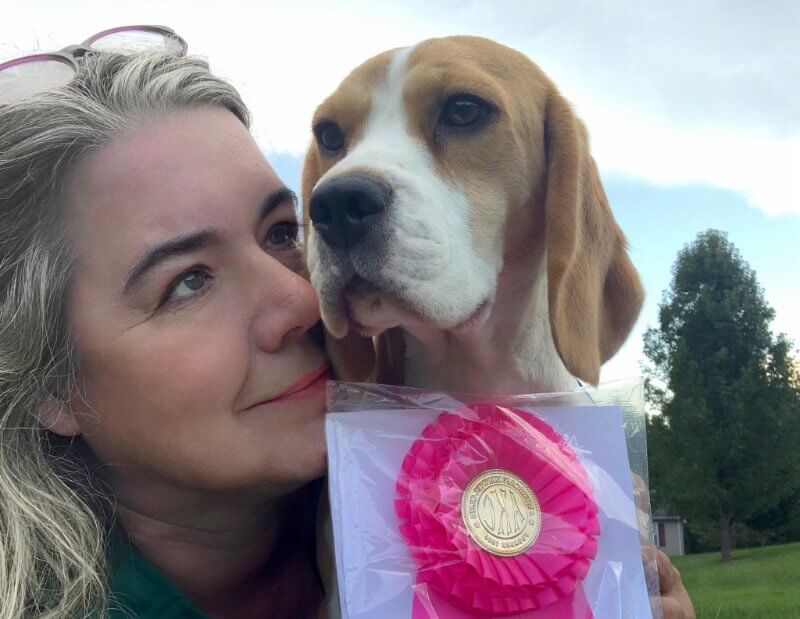
Kara Hite is the breeder behind the Cedar Key Beagles. Read about the kennel’s beginnings, the sires, the dams, the puppies, and much more!
Meet the Owner Handlers
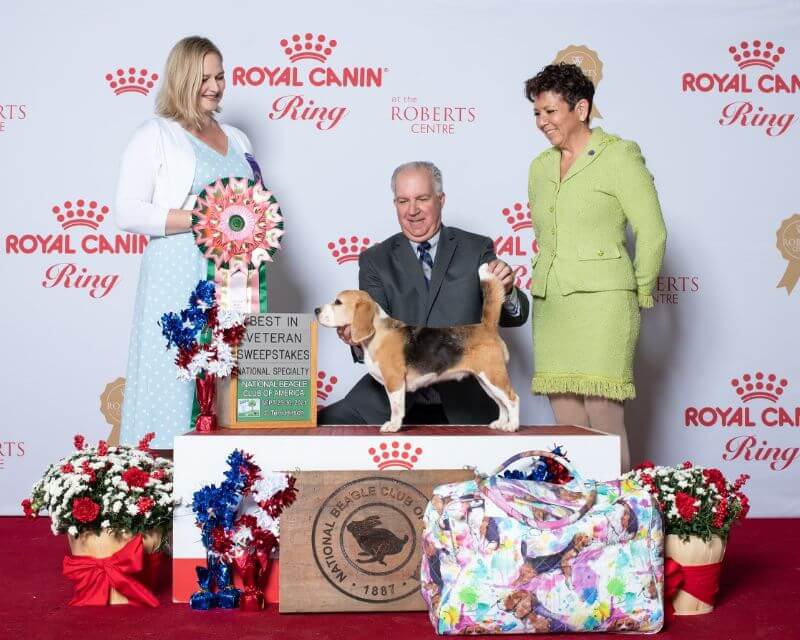
Insights from an Owner Handler, David Wolf. David shares his opinions on various topics about dog handling in the modern show ring.
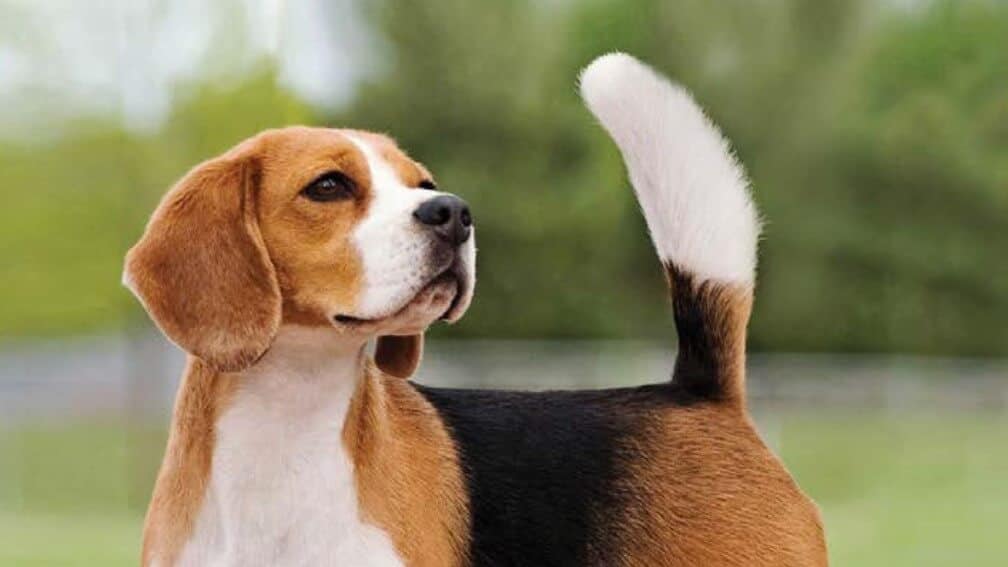
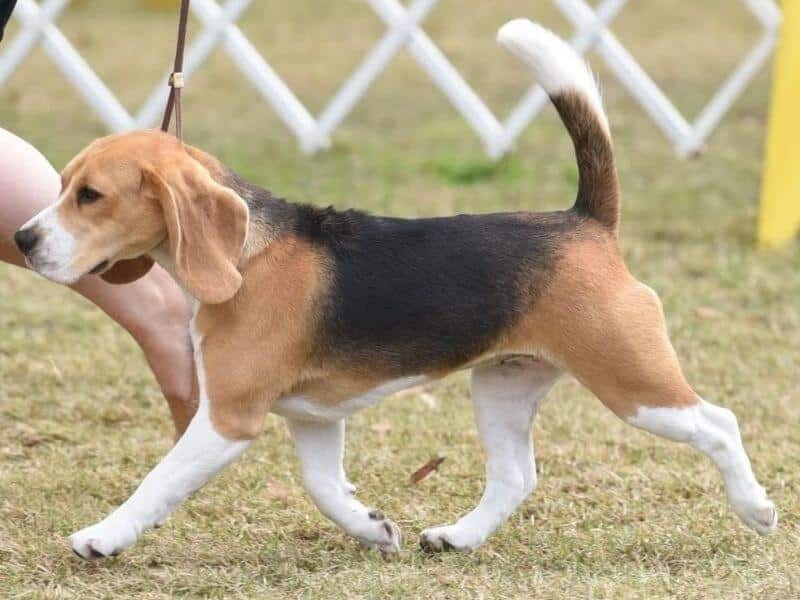
The Beagle's tail is one of the breed's more noteworthy features. It is sturdy, set somewhat high on the croup, and moderately long. Straight or just slightly curved, the tail should not have a pronounced hook or twist. Instead, there is often a characteristic white tip. Often referred to as a "flag," this feature enhances the Beagle’s visibility in tall grasses and heavily wooded areas.
Standard Markings
A Note About Color: The Beagle can be any true hound color. The color combinations include 10 distinct colors (in various shades) and six possible markings. A puppy’s coloration commonly changes (or “breaks”) with the emergence of the adult coat. A white tail tip is quite common and increases the hound’s visibility in the field.
Coat Type
Smooth
The structure of the coat this breed carries.
Coat Length
Short
How long the breed's coat grows when kept in condition.
Adaptability Level
How easily a breed copes with changes in home, routine, noise and weather.
Mental Stimulation Needs
How much a breed needs a job, a puzzle or training to stay content.
A Beagle’s size, age, activity level, and metabolism all play a role in determining each dog’s dietary needs. A growing puppy needs food that's specially formulated for growth or "all life stages." And since puppies typically need to eat more frequently, three or even four meals a day should be provided during the initial growth phase. As the Beagle transitions to adulthood, its feeding routine will also change. An adult usually does well enough on two meals a day. Typically, an adult may consume about one to one and a half cups of high-quality dry food daily, divided into two meals. Being a breed with a keen sense of smell, the Beagle can have a notorious appetite. This enthusiasm means owners must be mindful not to overfeed their dog. Overfeeding can lead to obesity, which poses a range of short- and long-term health risks.
Training a Beagle is both a rewarding and a challenging endeavor. The breed’s intelligence and eagerness to please can make training sessions fun; however, the Beagle's innate curiosity and strong sense of smell can sometimes lead it to become easily distracted. Patience and consistency are key, and positive reinforcement techniques work particularly well with this happy breed. The Beagle can be taught commands and tricks with relative ease, but it can also learn bad habits quickly. For example, the breed can be particularly vocal, especially if left alone for extended periods, so early training can be needed to manage unnecessary vocalizations. Additionally, if it a Beagle catches a scent, it can become fixated and may not respond to a recall command. It's therefore recommended to always have the dog on a leash or in a secure area when training opr playing outdoors.
Grooming Expectations
Although the Beagle is not considered a heavy shedder, these hounds do shed consistently throughout the year. Regular brushing, about once a week, can help to manage any coat loss and will also distribute the skin's natural oils, promoting a glossy coat with a healthy sheen. Bathing a Beagle doesn't need to be a frequent activity, as the coat naturally repels dirt to some extent. However, occasional baths, especially when the dog gets particularly dirty or starts to have a noticeable doggy odor, can be beneficial. Additionally, it's advisable to regularly clean the ears to prevent any waxy buildup. And, to prevent discomfort and potential injury, nail trimming should be a necessary part of the Beagle's weekly grooming regimen.