Members
01/Overview
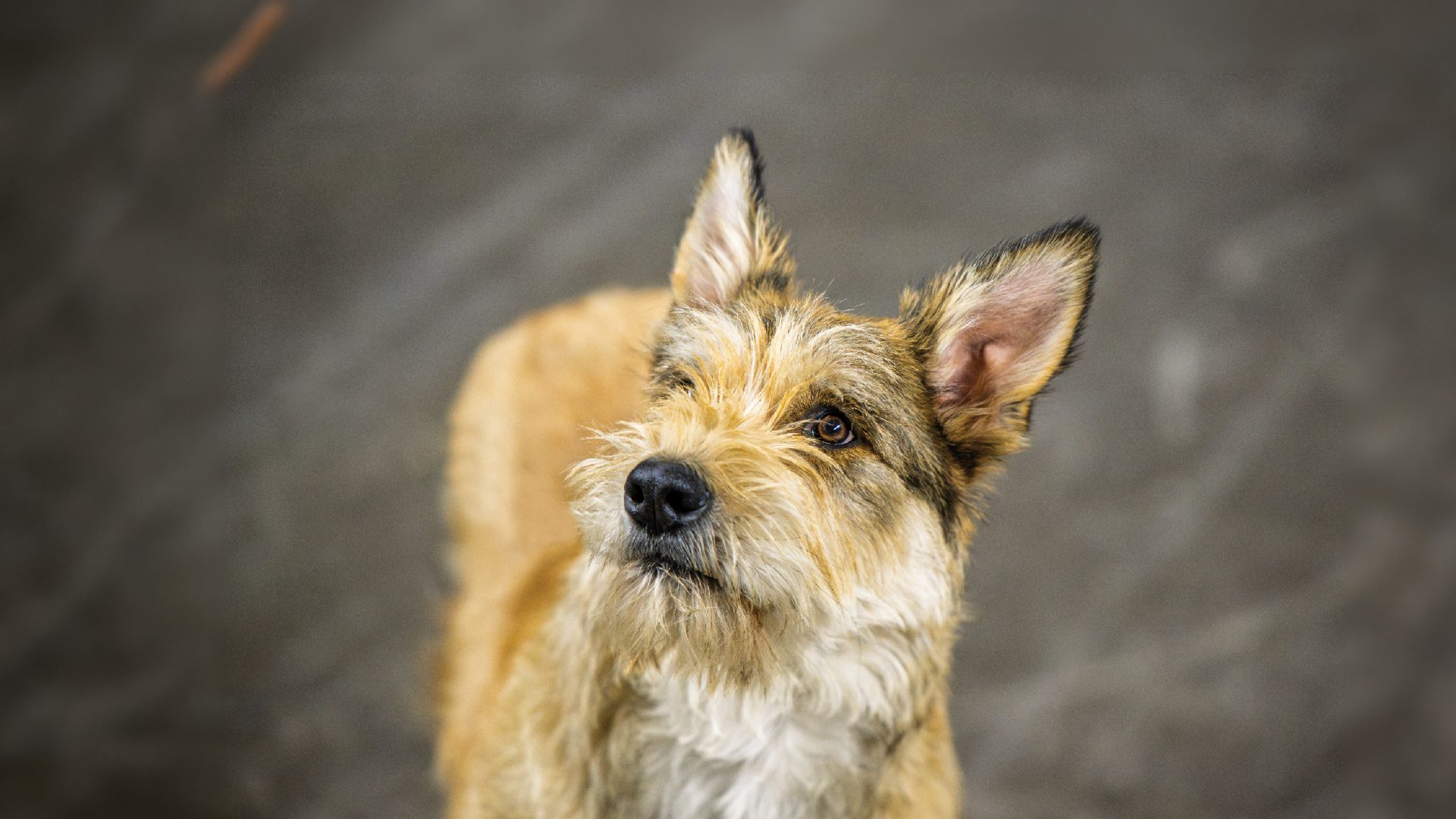
The Berger Picard, also known as the Picardy Shepherd, or more simply, the Picard, is a rare and ancient French herding dog known for its energetic spirit and striking appearance. This breed exudes confidence and intelligence while maintaining an unmistakably rustic charm. The breed's alertness and steadfast loyalty make these shaggy shepherds not only excellent working dogs but also devoted companions.
Highlights
02/History
The Berger Picard, affectionately known by some as the Picardy Shepherd, stands as one of the oldest French herding breeds, with a rich heritage deeply rooted in the Picardy region of Northern France. The breed's lineage is believed to have originated from the herding dogs brought to Europe by the Celts during their migrations. Through the subsequent centuries, the ancient dogs intermingled with local canines, gradually evolving into the distinct Berger Picard that is recognized today.
Historically, the Picard's primary role was herding livestock, especially sheep, in the French fields. The dog’s agile build, combined with its sharp intellect, made it an invaluable worker. Moreover, its tenacity, loyalty, and keen alertness rendered it an excellent watchdog, safeguarding farms and families without reservation.
The Berger Picard faced significant challenges during the 20th century. The two World Wars, which caused many battles to be fought in the regions where the Picard was most popular, led to a drastic decline in its numbers. The melees nearly resulted in the breed's extinction. Following the Second World War, dedicated breed enthusiasts began a concerted effort to revive the breed. Despite these efforts, however, the Picard remained relatively unknown outside its native region for a long time.
On the global stage, the Berger Picard gained recognition from several notable kennel clubs. The Fédération Cynologique Internationale, an international canine organization, has long championed the breed, and The Royal Kennel Club in the United Kingdom has also recognized it, further enhancing its status on an international scale. The American Kennel Club officially acknowledged the breed only in 2015, boosting its popularity in the United States.
Today, the Berger Picard's challenging past stands as a testament to its resilience. The breed, once on the brink of extinction, has not only survived but thrived, endearing itself to dog enthusiasts in many parts of the world. Whether on the farm as a working dog or in the home as a loyal companion, the Picard continues to capture hearts with its unique charm and rich history.
03/Appearance
Adult male Berger Picards typically stand between 23.5 and 25.5 inches tall at the shoulder, while mature females generally have a height range from 21.5 to 23.5 inches.
As for weight, adult Picards usually weigh between 50 and 70 pounds.
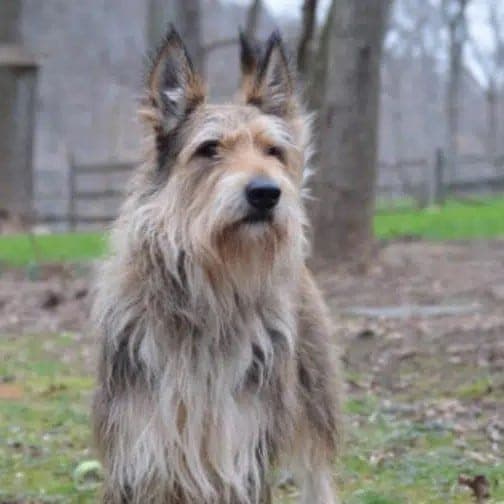
Skull: The skull of the Berger Picard is well-defined, rectangular, and narrowing towards the eyes. A slight, sloping furrow is present between the eyes.
Expression: The breed has a frank and confident expression, often giving it an appearance of being in deep thought. This expressiveness is one of its most endearing charms.
Eyes: Almond-shaped and of a dark hue, the eyes are lively and exude intelligence. Their placement is slightly oblique, giving the dog a unique, discerning look.
Ears: Standing upright and of medium size, the ears are set high on the head and are a hallmark of the breed. They are tipped slightly forward, always alert and ready to pick up on any sound.
Muzzle: The muzzle is parallel to the skull, strong, and tapers slightly towards the nose. It is of equal length to the skull, showcasing the harmonious relationship of both.
Nose: The nose is always black in color, providing a stark contrast to the coat and enhancing the dog’s alert facial expressions.
Bite: The Berger Picard possesses a scissors bite, where the upper incisors closely overlap the lower incisors. The evenly spaced teeth are set in strong jaws, a benefit in any hard-working farm dog.
The Berger Picard exhibits a balanced build, with its body being slightly longer than the height at the withers, which is especially noticeable in females. The distance from the withers to the elbow equals that from the elbow to the ground. The Picard’s sturdy bone and well-defined musculature are tailored for endurance work, helping these dogs move with ease and efficiency. This build not only speaks to the breed's agility and stamina in the field but also of its history as a diligent herder.
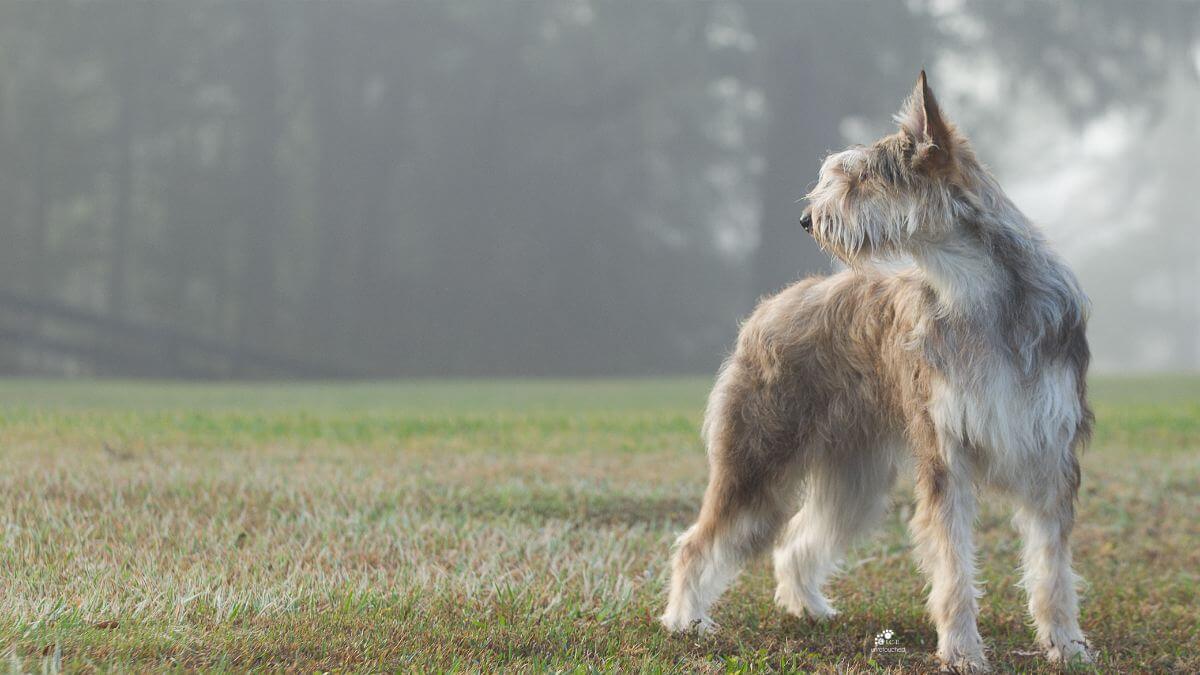
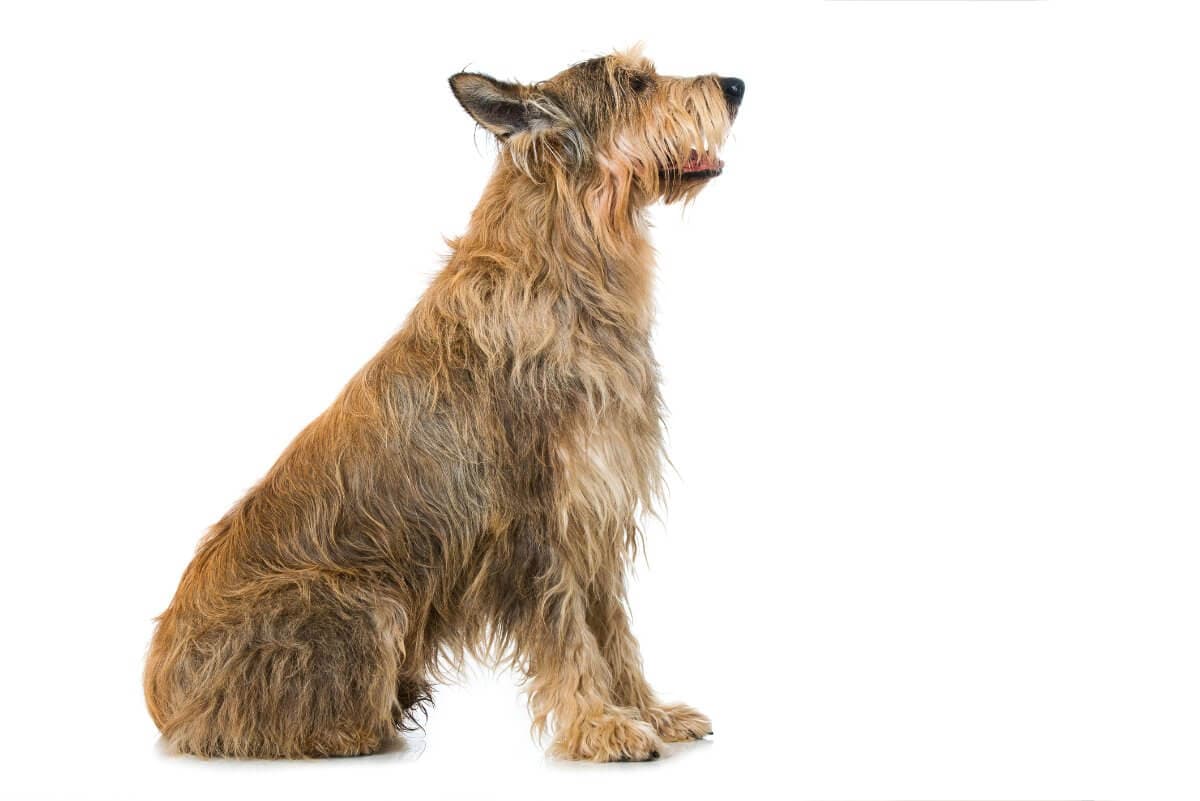
Texture: The coat of the Berger Picard consists of a soft, short, and dense undercoat and a rough, shaggy outer coat that presents an unkempt appearance with a harsh and crisp texture. It is medium in length and provides ample protection in various weather conditions. A moderate beard and moustache, rough eyebrows, and a ruff on the front and sides of the neck create a distinctive look called “griffonage.” Although the coat is distinctive, it must never appear overly refined or manicured.
Standard Colors
Standard Markings
04/Consider
The Berger Picard is a lively and intelligent breed, bringing both joy and challenges to its caretaker. Its loyalty and affection make these dogs endearing companions, but potential owners must be prepared for their energetic and sometimes stubborn nature.
Interaction With Family
The level of affection a breed typically shows towards family members and familiar individuals.
Good With Other Dogs
The innate friendliness of a dog towards other dogs can depend on its breed.
Good With Young Children
The degree to which a breed will typically be patient with young children.
Amount Of Shedding
How much hair a breed typically leaves behind on clothes, furniture and floors.
Frequency Of Grooming
How often a breed needs brushing, bathing or a professional trim to stay in condition.
Amount Of Drooling
How prone a breed is to drool, worth knowing before you keep a towel by the door.
Openness To Strangers
How openly a breed tends to greet new people, visitors and strangers.
Protective Nature
How likely a breed is to alert you to anything unfamiliar, and stand between you and it.
Playfulness Level
How enthusiastic a breed stays about games and play well past puppyhood.
Trainability Level
How readily a breed takes direction and works with you rather than around you.
Barking Level
How much a breed uses its voice, and how readily.
Energy Level
How much get-up-and-go a breed brings to an average day.
Health
Berger Picards are generally hearty dogs owing to their history as hard-working herders. However, like all breeds and mixed breeds, they can be susceptible to certain health-related conditions. Regular veterinary check-ups, a balanced diet, and adequate exercise can help these aloof and lively dogs lead long and healthy lives. Lifespan: A Berger Picard typically has a lifespan of 12 to 13 years. Proper care, regular veterinary check-ups, and a loving environment can support the likelihood of an even longer life.
The personality of the Berger Picard is as distinctive as their appearance. Known for their intelligence and spirited nature, these dogs exhibit a remarkable balance of independence and affection. They form deep bonds with their families, showing a level of loyalty and devotion that makes them excellent companions. However, their independent streak means they may not always seek constant attention, embodying a confident and self-assured demeanor.
Berger Picards are generally good with children, displaying a patient and protective attitude. Their herding instincts, though, can sometimes lead to a tendency to herd smaller children, which should be monitored. When it comes to other dogs and pets, the Berger Picard is usually friendly, although early socialization is key to develop this trait. They can be reserved around strangers, not showing immediate warmth, but are not typically aggressive.
For novice owners, the Berger Picard can be a challenge due to their strong-willed nature. They respond best to consistent, positive reinforcement training methods. These dogs are sensitive and can react to the tone of voice and mood of their human companions, making a calm and assertive approach in training most effective.
Regarding being alone, the Berger Picard can tolerate some alone time but thrives on companionship and activity. Prolonged periods of solitude can lead to boredom and potential behavior issues. Engaging them in activities and providing sufficient mental and physical stimulation is crucial for their well-being.
Exercise Expectations
The intensity of exercise should match their robust nature. Activities such as brisk walking, jogging, hiking, or playing fetch are excellent ways to expend their energy. An average of 30 to 60 minutes of active exercise per day is recommended, though this can vary depending on the individual dog's age, health, and energy level. It's important to note that young puppies and senior dogs may have different exercise needs and limitations. Berger Picards also have a playful side, enjoying interactive games that stimulate both their mind and body. Activities like agility training, obedience competitions, or even simple games of hide-and-seek can provide mental stimulation while also strengthening the bond between the dog and its human companion. Despite their high energy levels, Berger Picards are usually well-suited for both rural and urban living, as long as their exercise needs are met. Inadequate exercise can lead to boredom and potential behavior issues, such as destructive chewing or excessive barking. Therefore, it's crucial for potential owners to consider whether they can commit to providing the necessary level of activity.
Living with a Berger Picard can be a delightful experience, but it requires understanding their specific needs and characteristics. This breed's adaptability makes them suitable for a variety of living environments, provided their physical and mental needs are met.
Apartment living is possible with a Berger Picard, though it comes with certain considerations. Despite their medium size, they are active and energetic dogs that require ample daily exercise. Owners living in apartments need to ensure that their Berger Picard gets enough physical activity and mental stimulation through walks, playtime, and other activities outside the home. Without this, they may exhibit signs of restlessness or behavioral issues.
When it comes to weather tolerance, Berger Picards have a good level of adaptability. Their coat provides them with protection against both cold and moderately warm temperatures. However, extreme weather conditions should be avoided. During cold winters, shorter outdoor sessions and protective gear like coats may be necessary, especially if the dog is not accustomed to cold climates. Similarly, in hot weather, it's important to avoid excessive outdoor activity during peak heat hours and to provide plenty of water and shade.
The Berger Picard's sociable nature makes them well-suited to family life. They enjoy being part of daily activities and thrive in environments where they can interact regularly with their human companions. Their herding instincts might prompt them to be protective of their home and family, making them alert and attentive, but they are typically not aggressive.
05/Puppies
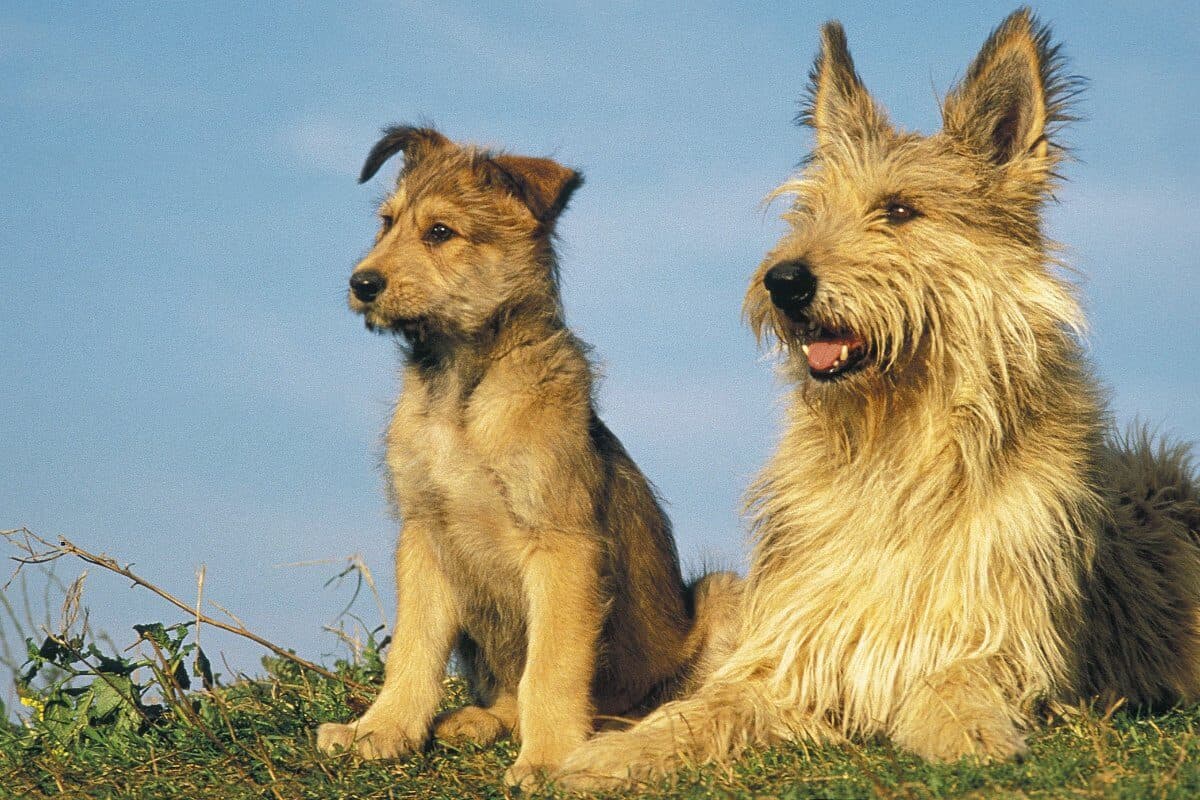
The arrival of a Berger Picard puppy can be a delightful event, filled with energy, playfulness, and those iconic, expressive ears. As with all dogs, however, there are specific considerations to keep in mind when bringing home a Berger Picard puppy.
When raising a Berger Picard puppy, early socialization is paramount. This breed's inherent intelligence and alert nature mean these dogs benefit greatly from positive interactions with various people, pets, and environments during their formative weeks and months.
Diet plays a critical role in a puppy's growth. Make sure that they're fed high-quality puppy food that caters to their nutritional needs, promoting healthy bone and muscle development. Regular feeding schedules and portion control are equally important to prevent overfeeding and potential weight-related health issues.
Puppies of this breed can be quite active, so providing ample playtime, both indoors and outdoors, is crucial. However, while they may be full of energy, it's essential to avoid strenuous activities that could harm their developing joints, such as prolonged running or jumping from heights.
Lastly, while Berger Picard puppies can be eager learners, they can also exhibit a stubborn streak. Consistent training, positive reinforcement, and patience are vital during their puppyhood to instill good behavior and manners that will carry into adulthood.
06/Activities
The Berger Picard, with its history as a herding dog, possesses a natural drive for activity and work. This drive, combined with the breed’s intelligence and agility, makes this working farm dog suitable for a variety of dog sports and activities.
Herding Trials: Given their origin as herding dogs, Berger Picards excels in Herding Trials. These events test the dogs’ ability to control and manage livestock, showcasing their instinctual skills.
Agility: With their nimble footwork and keen intelligence, Agility Trials are a playground for Berger Picards. They’ll swiftly navigate tunnels, jumps, and weave poles, thriving on the challenges that this sport provides.
Obedience: Despite their occasional independent streak, with proper training, Berger Picards can shine in Obedience Trials. Their desire to please and quick learning curve can make them stand out in these precision-based events.
Rally: This sport combines elements of Agility and Obedience. Berger Picards can take to Rally (or Rally Obedience) with enthusiasm, navigating predetermined courses set with various tasks and commands.
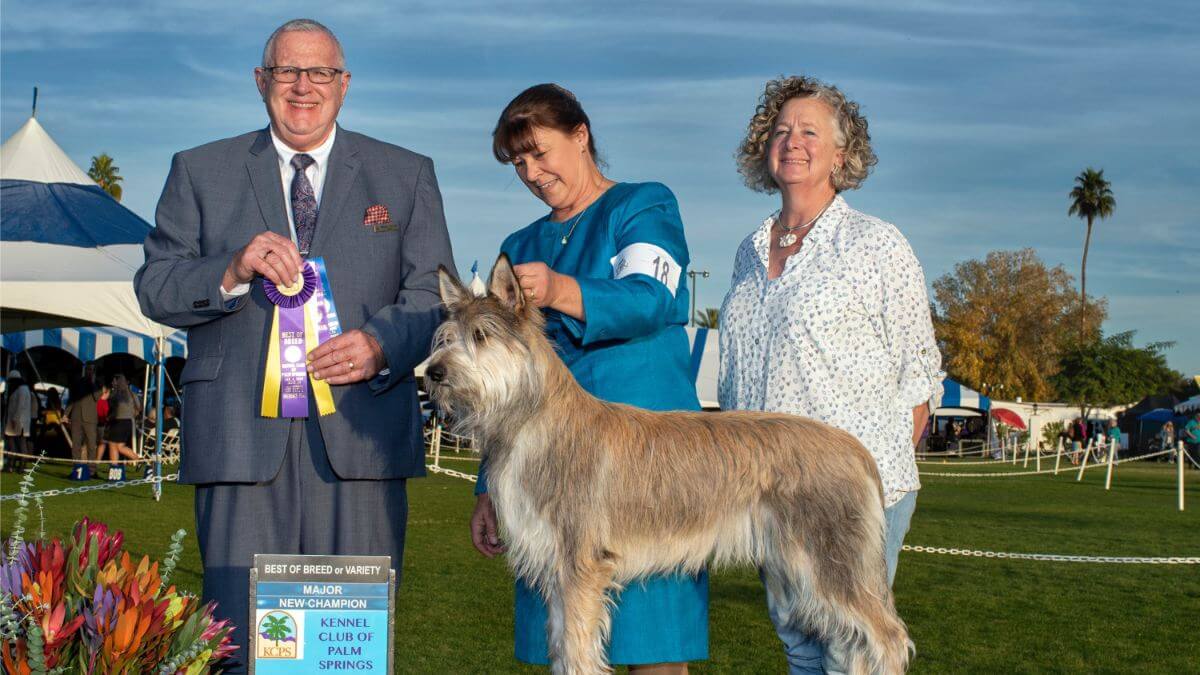
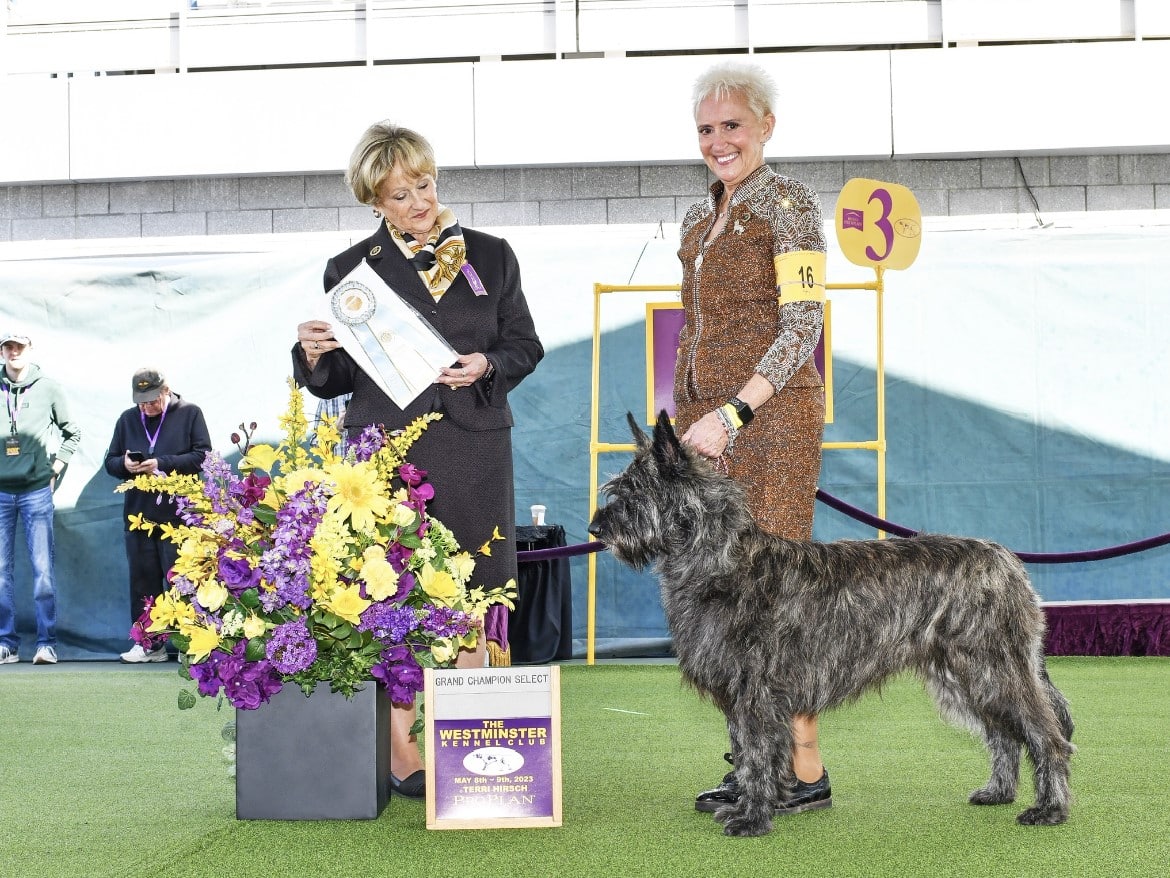
Conformation Shows: Berger Picards are a sight to behold at Conformation Shows, where their physical attributes and confident demeanor are judged against the Breed Standard. Participation in these events not only provides an opportunity to showcase the breed to the general public, it also promotes healthy breeding practices and responsible dog care.
Participating in dog sports not only provides physical stimulation for the Berger Picard, it also offers valuable mental engagement. Regardless of the chosen activity, it's essential to be certain it's enjoyable for both the dog and the handler, creating a bond that's rooted in trust and mutual respect.
Gallery
07/Standards
The Berger Picard is recognized by the world's leading registries and kennel organizations, which categorize the breed into a specific Group based on its unique characteristics. This breed is recognized worldwide under the following Group designations:
The ideal Berger Picard is described by a Breed Standard that is approved by each of the world’s leading registries and kennel organizations. The Breed Standards for this breed may be found in the following links:
08/Clubs
The Berger Picard, with its storied history and distinctive characteristics, has garnered the admiration of dog enthusiasts globally. This has led to the establishment of several breed clubs dedicated to the preservation, promotion, and welfare of the Berger Picard.In the United States, the Berger Picard Club of America is the primary organization that advocates for the breed. Established with a mission to preserve the Picard's integrity and heritage, this club conducts various events and educational programs, and provides resources to both potential and current caretakers of the breed.In Canada, the Berger Picard Club of Canada stands dedicated to the welfare of this French breed, emphasizing breed and breeder education, health testing and research, and responsible dog ownership.Membership or involvement in these clubs is beneficial for both novice and seasoned Berger Picard owners. These organizations provide a platform for networking, sharing experiences, and staying updated on the latest research and best practices related to the breed. Additionally, they serve as a hub for breed-specific events, including specialty shows, training camps, and seminars, further fostering a sense of community among Picard aficionados.
09/Rescue
The Berger Picard, with its loyal following, has fortunately spurred the establishment of rescue groups committed to assisting and rehoming Picards in need. These groups aim to help every Picard find a loving and appropriate home, regardless of circumstances.In the United States, rescue operations often collaborate with the Berger Picard Club of America to help rehome and rehabilitate dogs.Canada also has a supportive community for the Berger Picard, with rescue initiatives often working in tandem with the Berger Picard Club of Canada to ensure the well-being of these lively and loving dogs.It's important to note that while breed-specific rescue groups are an excellent resource, many dog rescue organizations and local shelters may have Berger Picards available for adoption.
10/Facts
Silver Screen Star
The Berger Picard may not be Hollywood's go-to breed, but it has experienced its share of the limelight. Most notably, a Berger Picard played the lead role in the 2005 family film, Because of Winn-Dixie.
Ancient Lineage
Genetic studies suggest that the Berger Picard shares a close ancestral link with the Briard and the Beauceron, underscoring its status as one of the most ancient French breeds.
Name's Origin
The breed's name is derived from the Picardy region in northern France, where it has been historically popular as a working farm dog.
Unique Ears
The Picard's prick and forward-turning ears, standing tall and alert, are a defining feature. Notably, no two Picards have the exact same ear set, making each one somewhat distinct in appearance.
Minimal Popularity
Despite its numerous qualities, the Berger Picard remains one of the lesser-known dog breeds. This is partly attributed to the devastation it faced during the World Wars, which nearly led to its extinction.
Natural Look
The Berger Picard breed has a rustic appearance, which is intentional. Breed Standards emphasize a natural, "ungroomed" look to retain its traditional herding dog aesthetics.
11/FAQ
Yes, Berger Picards shed, but their shedding is moderate and not excessive. Their coarse, wiry coat helps to trap some of the loose hair, making shedding less noticeable. Regular brushing can help to manage and reduce the amount of hair around the house.

Written by
Dan Sayers is the Executive Editor of SHOWSIGHT. He is a member of the World Dog Press Association and the Dog Writers Association of America, which recognized his illustrations in the award-winning Encyclopedia of K-9 Terminology. Dan is a longtime supporter of the sport of dogs and an advocate for the conservation of recognized breeds in all their forms and functions. He is a member of the Morris and Essex Kennel Club, and for 45 years, the Irish Water Spaniel Club of America where he serves as AKC Delegate, Archivist, and approved Breed Mentor. Dan breeds under the Quiet Storm prefix and has judged the IWSCA National Specialty Sweepstakes twice.
Official Standard of the Berger Picard
General Appearance: The Berger Picard is an ancient breed developed by the farmers and sheep herders of the Picardy region of northern France. They are medium-sized, sturdily built & well-muscled without being bulky, slightly longer than tall, with distinctive erect natural ears, wiry coat of moderate length, and a tail reaching to the hock and ending in a J-hook. Movement is free and easy, efficient, and tireless to allow them to work all day on the farm and in the fields. They are lively and alert, observant, quietly confident, and can be aloof with strangers, but should not be timid or nervous. This is a rustic, working shepherd’s dog, without exaggeration or refinement.
Size, Proportion, Substance: Size – Males 23½ to 25½ inches, females 21½ to 23½ inches at the highest point of the withers. Up to 1 inch above or below limits shall be faulted. Disqualification - males under 22½ or over 26½ inches, and females under 20½ or over 24½ inches. Proportion - Measured from the point of shoulder to point of rump, the Picard should be slightly longer than the height at the highest point of the withers. Bitches may be slightly longer than dogs. Body length should be about 10 percent more than height. The distance from the withers to the elbow equals the distance from the elbow to the ground. Substance - Bone should be sturdy and strong, and this framework is well-muscled without ever being bulky or ponderous. Must be sufficient to support work in the field all day, but not so massive as to interfere with free, efficient, light-footed movement.
Head: Head - Strong, without being massive; rectangular overall and narrowing slightly from ears to the eyes, and again from eyes to nose when viewed from above. The correct length of head, measured from occiput to nose, should be about the same length as the neck. Muzzle and topskull should be of equal length, and form parallel planes when viewed in profile, separated by a slight, sloping stop. Expression - Alert and observant, spirited, confident, pleasant. Eyes - Medium size, oval shaped and turned forward; neither round nor protruding. Eye color is medium to dark brown, but never lighter than hazel. Darker eye color is preferred. Eye rims are tight-fitting and fully pigmented. Disqualification - Yellow eyes. Ears - Moderately large (4 to 5 inches long), broad at the base, tapering to a slightly rounded tip, and set rather high on the skull. Always carried naturally erect, and turned forward. Viewed from the front, carriage should be perpendicular or turned slightly out from perpendicular, at the 11 & 1 o’clock position. Coat on the ears should be short to moderate in length, not obscuring the shape of the ears. Ears tipped forward are to be severely faulted. Disqualification - Ears not carried erect or not standing. Skull - Width is slightly less than the length, and very slightly rounded. Coat on the top of the skull is naturally shorter and gradually becomes longer at sides of skull and on cheeks, which makes the skull appear to be flat when viewed from the front. Cheek muscles are moderately strong and slightly rounded. There is a slight furrow between the bony arches over the eyes. The hair above the eyes falls forward, forming rough eyebrows that are not trimmed, nor are they so thick or long as to obscure the eyes. Stop - Slight, gradual stop between the parallel planes of the muzzle and skull. Furrow between brow ridges blends smoothly into upper plane of muzzle. Muzzle - Viewed from above, the muzzle tapers slightly from the stop to the nose, ending bluntly. It is powerful and never snipey. In profile, the bridge of the muzzle is straight, and parallel to the skull. Lips are thin and tight, with dark pigment. The hair on the muzzle forms a distinct moustache and beard, which is not overly long or bushy. Planes - Viewed from the side, the muzzle and skull are in parallel planes. Nose - Large, and always black. Bite & Teeth - A complete set of evenly spaced, white teeth set in strong jaws, and meeting in a scissors bite. Three or more missing molars or premolars is a severe fault. Disqualification - Undershot or overshot bite with loss of contact between upper and lower incisors.
Neck, Topline, Body: Neck - Strong and muscular, moderately long in length, blending smoothly into the shoulders and carried erect with a slight arch. Skin should fit cleanly without any dewlap. Topline - Strong; level to descending very slightly from the withers, over a well-developed loin, to a slightly sloping croup. Body - Chest deep but not exaggerated, reaching to the level of the elbow but not beyond. Prominent prosternum blends smoothly into the sternum. The lowest point of the sternum is at the level of the elbow, and from that point, the sternum slopes gradually up towards the loin to give good depth and length to the ribcage. Ribs are well sprung from the spine for the upper one-third, then flattening as they approach the sternum, neither slab-sided nor barrel-shaped. Belly slightly tucked up. Loin strong but not overly long. Tail - Strong at the base and tapering to the tip, flowing smoothly from the slightly sloping croup. At rest, hangs straight and reaches to the point of the hock, ending in a slight crook or "J" at the tip without deviating toward the right or left. When moving, carried as a natural extension of the topline. May be carried higher than the level of the topline, but never curled over the back. Coat is the same length and texture as the coat on the body. Tail curled over the back is a severe fault. Disqualification - Tail absent, docked, or kinked.
Forequarters: Shoulder blades are long and well laid back, covered by lean and strong muscle. The length of the upper arm balances the shoulder blade, placing the elbow well under and close in to the body. Forelegs are straight and strong, without being bulky. Viewed from the front, legs are parallel to each other with toes pointing straight forward. Pasterns slope slightly to a compact, rounded foot with well arched toes and strong, black nails. Pads are strong and supple. Dewclaws may be removed or left on.
Hindquarters: Angulation of the thigh and stifle balance the front assembly, and are well muscled, providing powerful, tireless, and effortless movement. Rear pasterns are parallel to each other and perpendicular to the ground. With a correctly angulated rear, the toes of the hind foot land just behind a perpendicular line dropped from the point of rump. Feet are rounded with well arched toes and strong black nails, as in front. There should be no dewclaws on the rear legs.
Coat: Harsh and crisp to the touch, neither flat nor curly, often with a slight wave. Undercoat is soft, short, and dense. The shaggy, rough coat of the Picard is distinctive, and should never be wooly, soft, or so profuse that it hides the outline of the dog. Ideal length is 2 to 3 inches over the entire dog, with coat naturally somewhat shorter on the top of the head. The coat accents on the head and neck which give the Picard its distinct look, known as "griffonage", include rough eyebrows, moderate beard and moustache, and a slight ruff on the front and sides of the neck, framing the head, all of moderate length. Coat length over 4 inches in any location should be penalized, with longer coats penalized more severely than those only slightly longer than ideal. Coat on the ears should never be so long as to obscure the outline, or create a fringed appearance. The Picard is shown in its rustic, rough, natural coat which is not to be sculpted, shaped, or scissored. Dogs whose coat has been altered by excessive grooming must be severely penalized.
Color: Fawn or brindle. Fawn may be a clear or true fawn with no dark markings, or fawn charbonné (fawn with charcoal), which is fawn with dark trim on the outer edge of the ears and a grey underlay on the head and body. Grey underlay should not be so prominent that it "muddies" the overall fawn color. Brindle may be any shade of base color from almost black to light grey or fawn, with stripes or small patches of black, brown, red, grey, or fawn distributed throughout. All allowed colors should be considered equally. A small white patch on the chest or tips of toes is allowed, but not ideal. Toes entirely white or a white patch anywhere on the body must be faulted. Disqualification - Solid black or white, pied, spotted, or harlequin; entirely white foot or white "bib" on chest.
Gait: Movement is fluid and effortless, easily covering a lot of ground with each smooth stride. Strong, supple, agile movement is essential for a working shepherd’s dog. Head carriage lowers to near the level of the topline when moving. Limbs move in parallel planes when gaiting slowly, converging slightly towards the centerline with increased speed.
Temperament: Lively and alert, observant, confident, even-tempered. May be aloof with strangers, but should not be timid or nervous. Aggressive or threatening behavior towards people or other dogs is a serious fault.
Faults: Any departure from the foregoing description should be considered a fault. Those faults that would interfere with the dog’s ability to function efficiently as a shepherd, guardian, and farmer’s helper should be considered more serious than deviations that are cosmetic or would not alter the dog’s ability to work.
Disqualifications: Males under 22½ inches or over 26½ inches, and females under 20½ inches or over 24½ inches. Yellow eyes. Undershot or overshot bite with loss of contact between upper and lower incisors. Ears not carried erect or not standing. Tail absent, docked, or kinked. Color solid black or white, pied, spotted, or harlequin; entirely white foot, or white “bib” on chest.
Approved December 13, 2011
Effective January 1, 2013


Meet the Judges
Sharon Ann Redmer reflects on judging Herding breeds at Westminster 2026, highlighting breed function, type, and standout winners.

Meet the Breeders
Donna Beadle of Eclipse Berger Picards shares 20 years of breeding insight, health advocacy, and views on breed standards.
Meet the Breeders
Erica Max is the breeder behind Des Montagnes Berger Picardy. Read about the kennel’s beginnings, puppies, and much more!
Berger Picard enters the Herding Group for the first time. Learn how to prepare your Picard for the show ring adventure!

Meet the Breeders
Meet Valerie Black: Breeder of La Vie en Rose Picards. Get insights into the breed, health, and more in this exclusive interview!
Meet the Breeders
Meet Donna Beadle, Eclipse Kennels’ Berger Picard breeder from Minnesota, her famous dogs, and breed insights.
Meet the Breeders
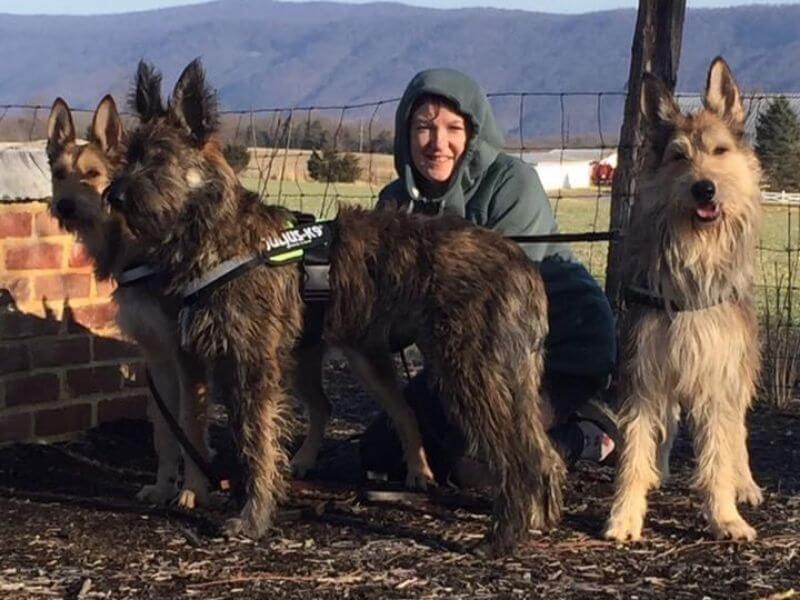
Berger Picard breeder Michele Fitzgerald discusses breed history, breeding practices, and community involvement in the USA.
Meet the Breeders
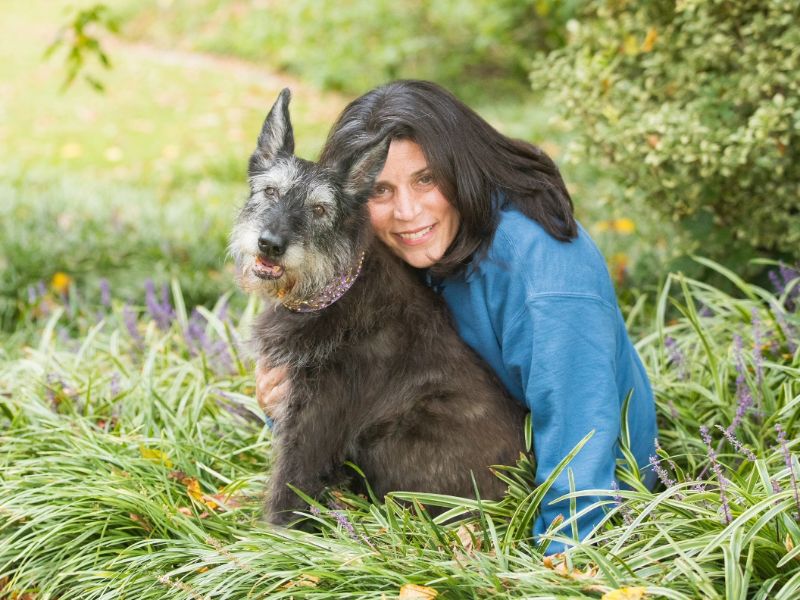
Explore Berger Picard breed insights and hear Jenn Cannon’s views on diversity and unity in the dog community.
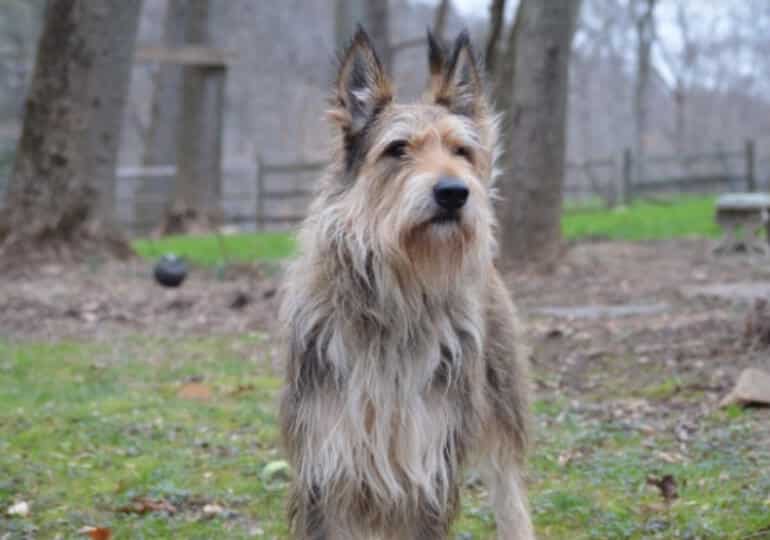
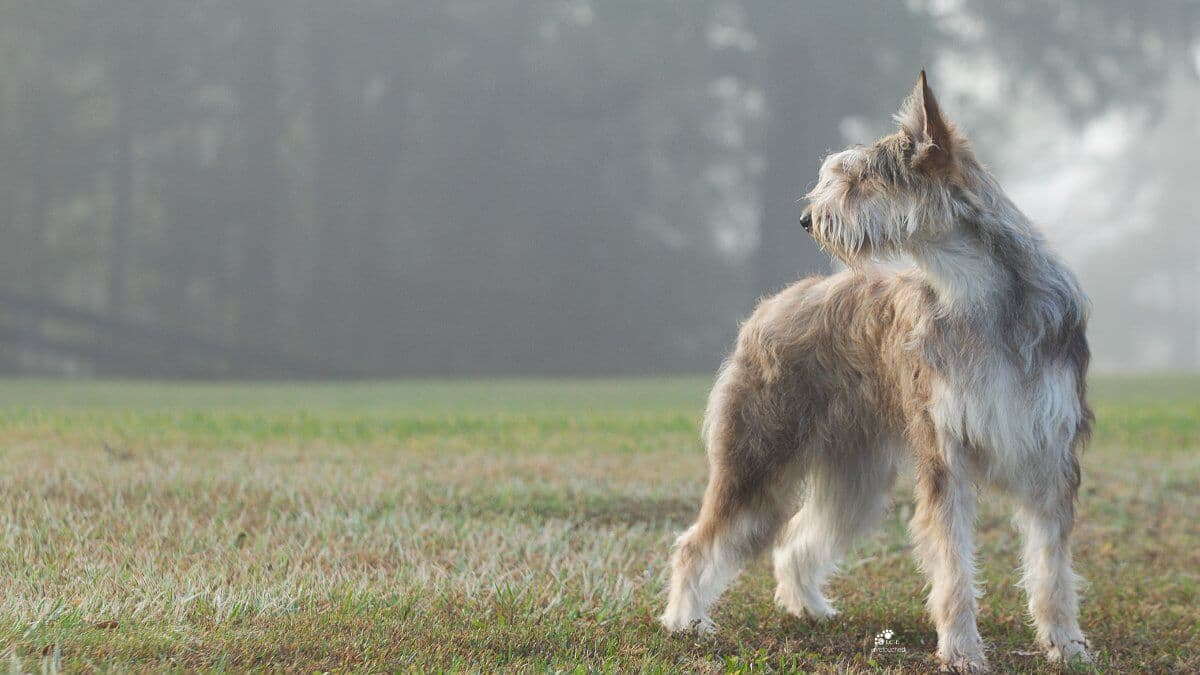
Berger Picard is an athletically built dog with a rustic appearance. The breed is naturally muscular but slim and ready to work all day.
The Berger Picard's tail is strong at the base and tapers towards the tip. When at rest, it hangs down and reaches the hocks. In action or when the dog is excited, the tail can be slightly curved, but it should never curl over the back. Instead, it moves in harmony with the dog's gait, reflecting the Picard’s mood and energy. The tail is left natural and is never docked. Its tip ends in a slight crook or “J” shape, never leaning to the right or left..
A Note About Color: The Berger Picard may be fawn or brindle in color. Fawn-colored dogs may be clear or have dark trim on the ears and a gray underlay on the head and body known as “charbonné.” A brindle coat can have a base color from black to light gray to fawn, with brindling that is black, brown, red, gray, or fawn. A small white patch on the chest or on the tips of the toes is acceptable. Solid black dogs or white, pied, spotted, or harlequin dogs are not acceptable in the breed.
Coat Type
Wiry
The structure of the coat this breed carries.
Coat Length
Medium
How long the breed's coat grows when kept in condition.
Adaptability Level
How easily a breed copes with changes in home, routine, noise and weather.
Mental Stimulation Needs
How much a breed needs a job, a puzzle or training to stay content.
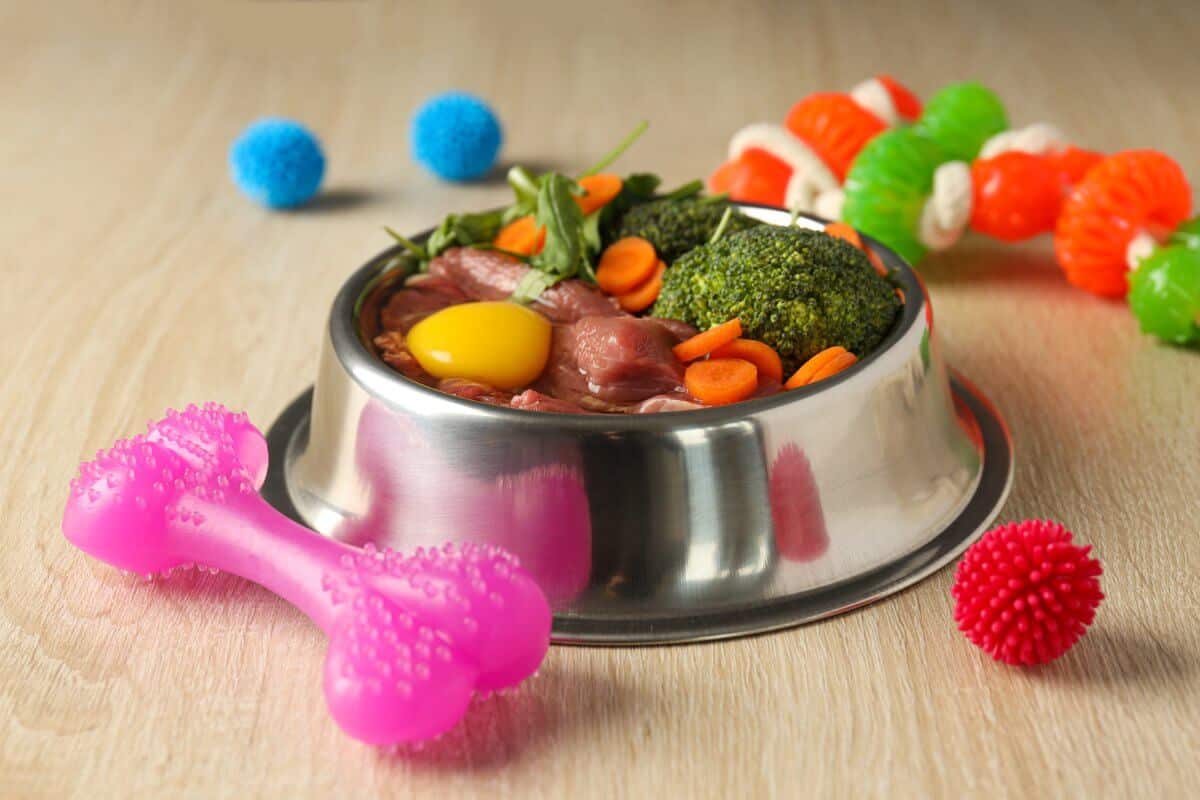
Feeding and nutrition are crucial aspects of caring for a Berger Picard, a breed known for its energy and vitality. The dietary needs of a Berger Picard vary at different stages of their life, from puppyhood to adulthood. As puppies, they require a diet rich in proteins and fats to support their rapid growth and development. High-quality puppy food, specifically formulated for medium to large breeds, is ideal to make sure that they receive the right balance of nutrients.
As they transition to adulthood, the dietary focus shifts to maintaining their health and energy levels. Adult Berger Picards typically do well on a balanced diet of high-quality adult dog food. The amount of food a Berger Picard requires can depend on their age, size, activity level, and metabolism. On average, an adult Berger Picard might consume 2 to 3 cups of dry dog food per day, divided into two meals. However, this can vary, and it's essential to monitor their weight and adjust food portions accordingly to avoid overfeeding.
Regular feeding schedules and controlled portion sizes are important to prevent obesity, a condition that can lead to health issues in the breed. Fresh water should always be available, and treats should be given in moderation.
Consultation with a veterinarian can provide tailored nutritional advice, especially considering that individual dogs may have specific dietary needs or sensitivities. Regular check-ups can help your Berger Picard maintain an optimal weight and receive the necessary nutrients for a healthy, active life.
Training a Berger Picard requires patience, consistency, and an understanding of their intelligent and somewhat independent nature. This breed, known for its quick learning ability, responds well to positive reinforcement techniques such as praise, treats, and play. Training should start early, as puppies are more receptive to learning and adapting to their environment.
Despite their intelligence, Berger Picards can sometimes exhibit a stubborn streak, making consistent and firm training essential. They do not respond well to harsh or punitive methods, which can lead to a lack of trust and cooperation. Instead, a calm and assertive approach, combined with patience, yields the best results.
Berger Picards have a moderate to high tendency to bark, which is a natural expression of their herding heritage and alert nature. Training can help manage excessive barking, especially when they understand that not every situation warrants an alarm.
Regarding intelligence, the Berger Picard ranks high. They are quick learners and enjoy mental stimulation, which can be provided through obedience training, agility courses, and interactive games. This mental engagement is as important as physical exercise in keeping them happy and well-adjusted.
Wanderlust potential in Berger Picards is moderate. While they may not be prone to running off at every opportunity, a securely fenced area is recommended for their safety. Their herding instincts may sometimes kick in, leading them to chase or wander if something catches their interest.
Lastly, their predation drive can vary from one individual to another. While some may show a strong prey drive typical of their herding heritage, others may be more subdued. Understanding and managing this trait is important, especially when they are around smaller animals or in off-leash areas.
Grooming Expectations
The Berger Picard's coat is rough and slightly wavy, giving them a rustic appearance. It does not require frequent bathing, and in fact, over-bathing can strip the coat of its natural oils, leading to dryness and irritation. Brushing their coat once or twice a week is sufficient to remove loose hair and minimize shedding. This routine brushing also helps to distribute natural oils throughout the coat, maintaining its health and sheen. When it comes to shedding, the Berger Picard is a moderate shedder. Regular grooming will help manage the amount of hair in your home and ensure the coat remains free of mats and tangles. During the shedding seasons, typically in the spring and fall, you may need to brush them more frequently to manage the increased shedding. Other grooming needs include regular nail trimming, as overly long nails can cause discomfort and issues with walking. Additionally, routine ear cleaning is important to prevent infections, especially considering their erect ear structure. Dental care, such as teeth brushing or dental chews, should also be part of their grooming routine to maintain oral health.