Members
01/Overview
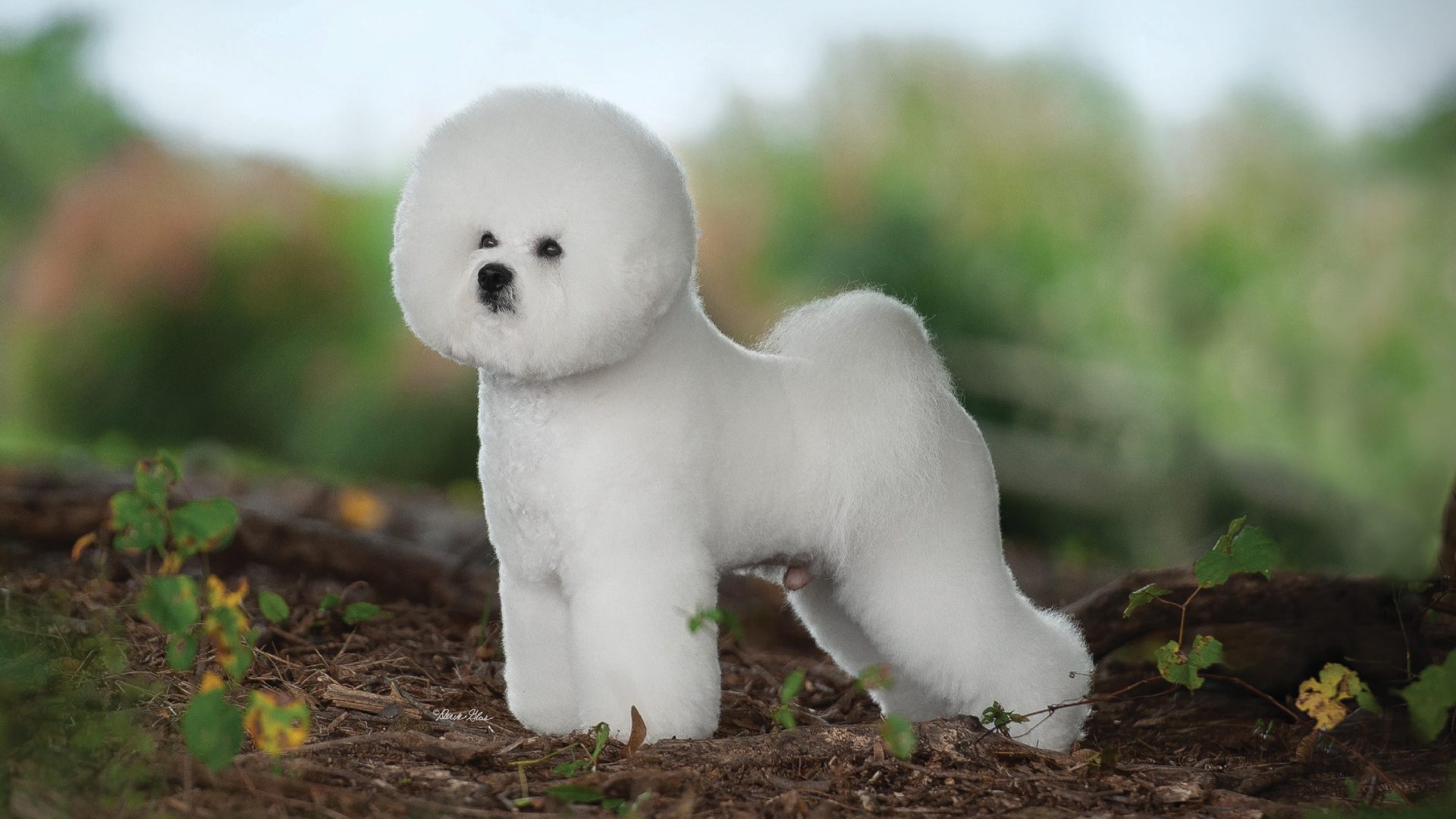
The Bichon Frise is a charming, affectionate, and cheerful breed, renowned for its distinctive fluffy coat and playful demeanor. These small dogs possess an air of elegance and confidence, which combined with their friendly nature, makes them a beloved companion in many households around the world. Their convenient size and adaptive qualities also render them well-suited for a variety of activities and dog sports.
Highlights
02/History
The Bichon Frise dog breed has a rich history that spans several centuries and continents. Originally developed in the Mediterranean region, these dogs are believed to have descended from water spaniels and were known by several names like the Barbichon, which was later shortened to Bichon. The breed was particularly favored by Italian nobility in the 1300s and was brought into France during the Renaissance under the patronage of King Francis I.
Their popularity soared in the French royal courts in the 16th century, especially under the reign of King Henry III, who was particularly fond of the breed. The Bichon Frise was not just a lapdog for the aristocracy; they also found a place among the common folk, performing as circus dogs due to their trainable nature and delightful antics.
However, by the late 19th century, the breed's popularity waned, and they were seen more on the streets than in the palaces, often accompanying street musicians or performing in fairs. This period, although a decline in their royal status, showcased their adaptability and resilience.
The breed's fortunes revived in the 20th century, especially post World War I, with efforts to define and preserve the breed standard. The official recognition of the Bichon Frise by the Fédération Cynologique Internationale (FCI) occurred in the 1930s, with France being acknowledged as the breed's country of patronage.
The Bichon Frise was introduced to the United States in the 1950s, and its endearing qualities quickly garnered a dedicated following. The American Kennel Club (AKC) granted recognition to the breed in 1972. Since then, the Bichon Frise has become a beloved pet in many American homes, known for its playful disposition and characteristic fluffy white coat. Their history, marked by rises and falls, reflects a breed adaptable to various roles, from royal companion to a beloved family pet.
03/Appearance
The adult Bichon Frise typically stands between 9.5 and 11.5 inches tall at the shoulder. In terms of weight, a Bichon Frise generally weighs between 12 and 18 pounds, embodying a sturdy build that belies its rather delicate appearance.
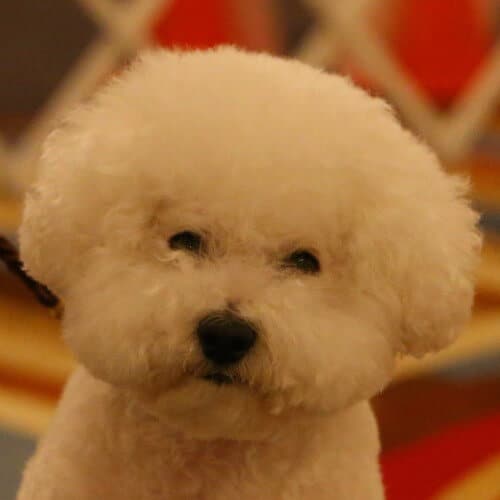
Skull: The Bichon Frise has a slightly rounded skull. The shape allows for the eyes to be placed in a forward-looking manner, thus contributing to the breed's soft and inquisitive expression.
Expression: The expression is one of the breed’s most captivating traits. It is often described as soft, yet there’s an unmistakable sense of intelligence and alertness. This lively expression is a key element of the breed's charm.
Eyes: The eyes are dark, round, and of medium size, set in the skull to look directly forward. The dark rims around the eyes enhance the soft expression and invite playful interaction.
Ears: The ears of the Bichon Frise are covered with long, flowing hair. They are set slightly above eye level and hang close to the head, framing the head in a most charming manner.
Muzzle: The muzzle of a Bichon Frise is not overly long. It is well-proportioned to the skull in the ratio of 3 to 5, with slight chiseling under the eyes and a strong lower jaw.
Nose: A hallmark of the breed is its black pigment, especially seen on a nose that stands out against the predominantly white coat. The nose is round, small, and distinctly pigmented.
Bite: A Bichon Frise typically has a scissors bite, where the upper incisors closely overlap the lower incisors. This functional bite is essential, and undershot or overshot bites, and any missing teeth, are unacceptable in the breed.
The Bichon Frise is characterized by a compact, well-proportioned body that is slightly longer than it is tall. The length of the body from the forward-most point of the chest to the point of the rump extends one-quarter longer than the height at the withers, emphasizing its well-balanced structure.
The breed exhibits moderate bone, which provides a sturdy yet elegant foundation that is without exaggeration. The overall impression is one of balance and refinement, with a distinctive silhouette.
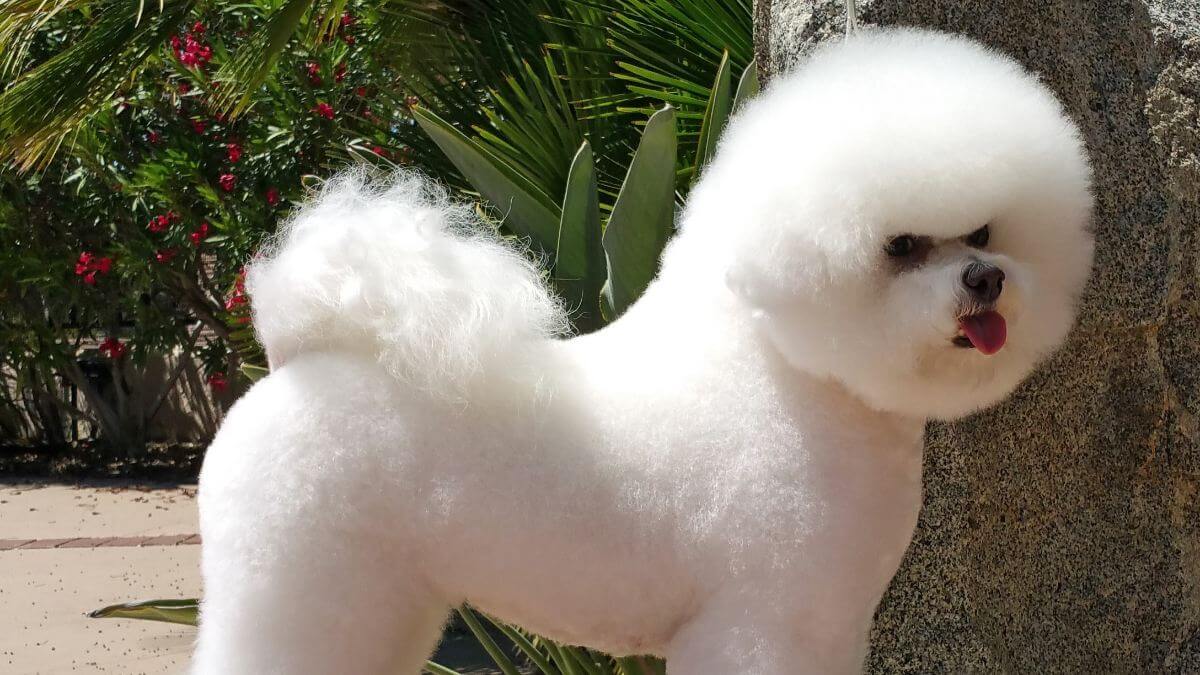
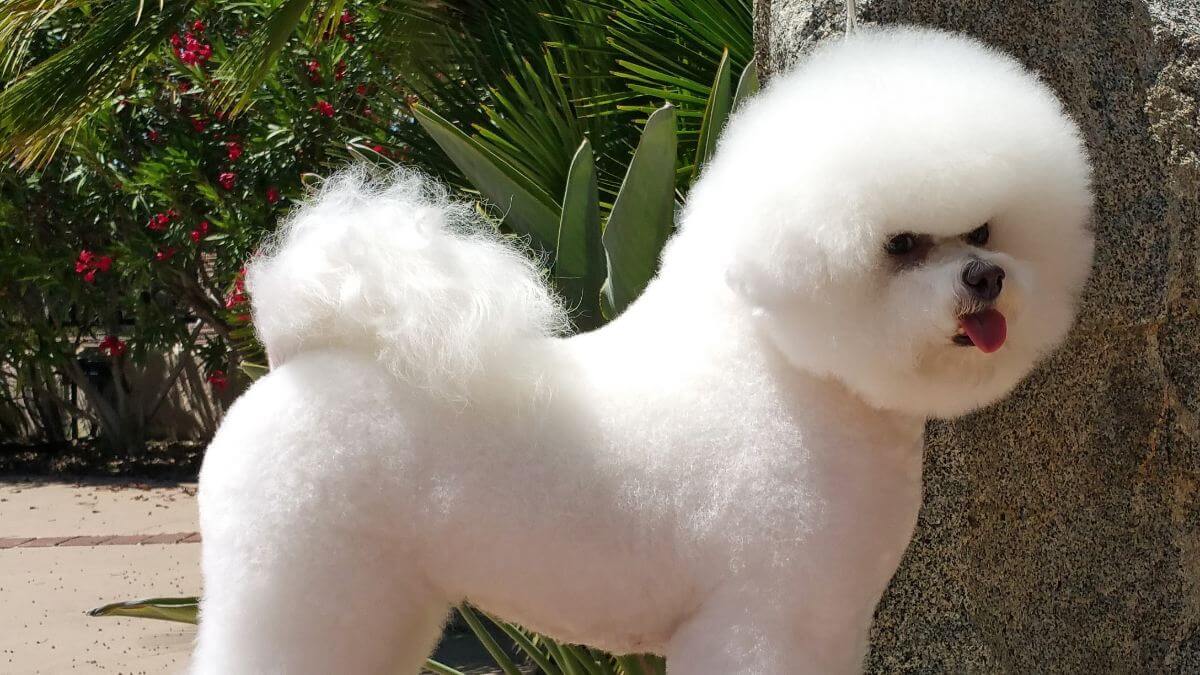
Texture: The Bichon Frise boasts a unique coat that significantly contributes to its charming appearance. The outer coat is curly and springy, standing off the body and giving a puffy look. It's paired with a soft, dense undercoat, which only adds to the plushness. This combination of textures is essential for the breed's distinctive, powder-puff appearance.
Standard Colors
04/Consider
Owning a Bichon Frise can be a highly rewarding experience, characterized by the breed's cheerful disposition and affectionate nature. These dogs are known for their playful personalities and strong bond with family members, making them excellent companions. However, potential Bichon Frise owners should be aware of the breed's specific needs, including grooming requirements, exercise, and social interaction, to make sure that they provide a nurturing environment for their pet.
Interaction With Family
The level of affection a breed typically shows towards family members and familiar individuals.
Good With Other Dogs
The innate friendliness of a dog towards other dogs can depend on its breed.
Good With Young Children
The degree to which a breed will typically be patient with young children.
Amount Of Shedding
How much hair a breed typically leaves behind on clothes, furniture and floors.
Frequency Of Grooming
How often a breed needs brushing, bathing or a professional trim to stay in condition.
Amount Of Drooling
How prone a breed is to drool — worth knowing before you keep a towel by the door.
Openness To Strangers
How openly a breed tends to greet new people, visitors and strangers.
Protective Nature
How likely a breed is to alert you to — and stand between you and — anything unfamiliar.
Playfulness Level
How enthusiastic a breed stays about games and play well past puppyhood.
Trainability Level
How readily a breed takes direction and works with you rather than around you.
Barking Level
How much a breed uses its voice, and how readily.
Energy Level
How much get-up-and-go a breed brings to an average day.
Health
Bichon Frises are generally healthy dogs, but they do have certain breed-specific health concerns that owners should be mindful of. Their fluffy coats require regular grooming to prevent matting and skin issues. Also, due to their small size, they may be prone to dental problems and should have regular dental check-ups. The average lifespan of a Bichon Frise is about 14 to 15 years. They tend to live a relatively long and healthy life when they receive proper care and attention. Preventive healthcare, including regular veterinary visits, vaccinations, and maintaining a healthy diet and exercise routine, is crucial for their long-term well-being.
Understanding the personality of the Bichon Frise is crucial for anyone considering this breed. These dogs are typically known for their affectionate, cheerful disposition, making them excellent companions. Bichon Frise's gentle and amiable nature often makes them a good fit for novice dog handlers. However, their sensitivity means they can react to their environment and the moods of their human companions, requiring a positive, nurturing household.
They generally cope well with being left alone for short periods, but like all dogs, they thrive on companionship and may become anxious if left alone for too long. Their friendly demeanor extends not only to their family but also to other dogs and strangers, often greeting people with enthusiastic affection.
Their interaction with young children is usually positive, making them a suitable choice for families. However, as with any breed, interactions with young children should be supervised to guarantee the safety and comfort of both the dog and the child. Despite their small size, Bichons are generally alert and may occasionally bark to alert their family to visitors or unusual noises, though they are not known as excessive barkers.
Their overall sociable and gentle temperament makes the Bichon Frise an enjoyable and loving addition to many households, bringing joy and liveliness to their human companions
Exercise Expectations
Their energy level is moderately high, but they are usually not overly intense. This makes them adaptable to the lifestyles of their human companions, whether it involves relaxed indoor activities or more energetic outdoor adventures. Playfulness is a significant trait of the Bichon Frise, and they often maintain a puppy-like demeanor well into their adult years. Incorporating exercise into their daily routine not only keeps them fit but also helps in preventing boredom and related behavioral issues. A Bichon Frise left without adequate physical and mental stimulation can develop destructive behaviors as an outlet for their energy. However, their exercise needs can be easily met with a balance of indoor play and outdoor activities, ensuring they lead a happy and healthy life.
Living with a Bichon Frise can be a delightful experience, adaptable to various lifestyles and environments. These dogs are known for their adaptable nature, making them suitable for both apartment living and homes with larger spaces. However, their energy levels and need for regular interaction should not be underestimated, regardless of the living space size.
In terms of climate adaptability, Bichon Frises generally do well in most climates. Their dense coat provides them with a fair amount of protection against colder temperatures. Nonetheless, they are primarily indoor dogs and should not be left outside for extended periods in extreme weather conditions. During hot weather, it’s important to make sure that they stay cool and hydrated, as their thick coat can make them prone to overheating.
Their small size and generally quiet nature make them a good fit for apartment living. They are less likely to be disruptive to neighbors, given their moderate barking tendency. However, their social nature means they thrive on human interaction and can suffer from separation anxiety if left alone for prolonged periods.
In a family setting, Bichons are a joyous addition. Their playful and affectionate demeanor makes them excellent companions for children, though interactions should always be supervised, especially with younger children. They typically get along well with other pets in the household, including cats, if properly introduced and socialized from a young age.
Overall, Bichon Frises are flexible and charming companions, fitting into various lifestyles with ease. Their primary requirements are regular grooming, sufficient daily exercise, and, most importantly, ample love and attention from their human families. Whether in a bustling city apartment or a spacious suburban home, a Bichon Frise can bring joy and liveliness to its environment.
05/Puppies
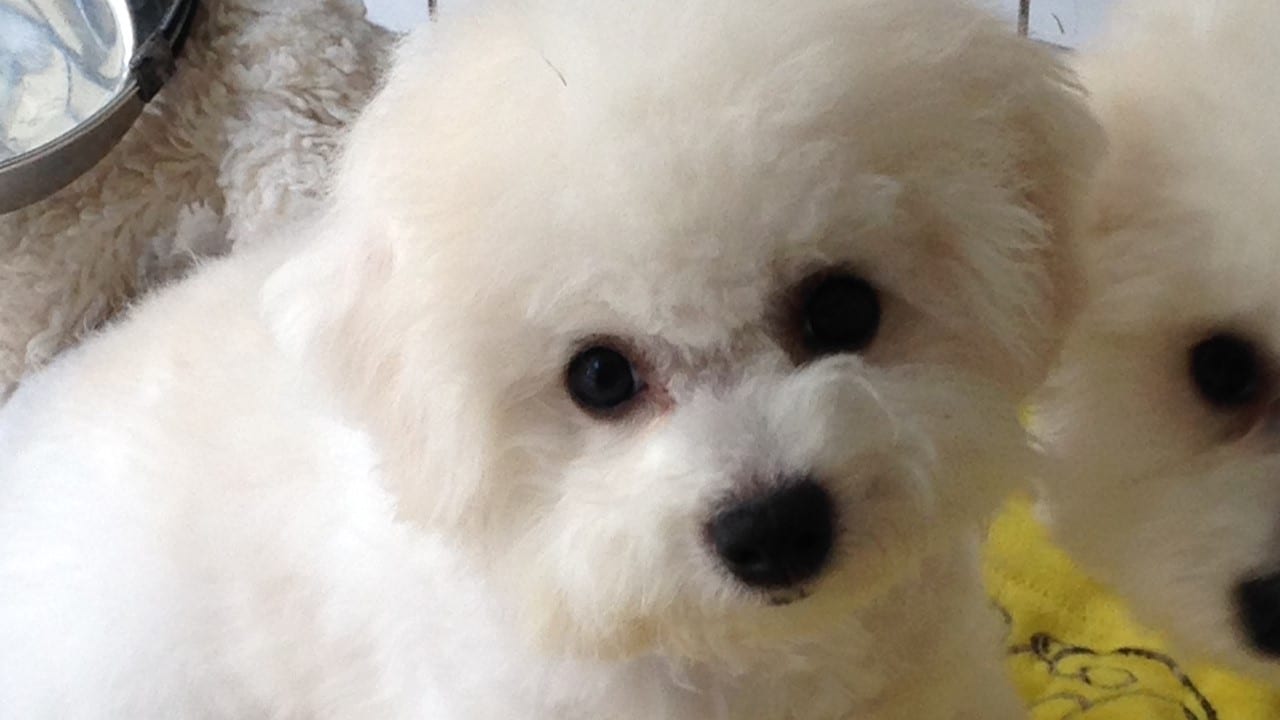
Raising a Bichon Frise puppy offers a blend of joy and responsibility. These puppies, with their fluffy coats and endearing personalities, quickly become beloved members of their families. It's important for future handlers to understand the unique needs of Bichon Frise puppies as they grow and develop. Their early months are critical for setting the foundation for a healthy, happy adult dog.
Caring for a Bichon Frise puppy involves several important aspects. Initially, providing a safe and nurturing environment is crucial for their physical and emotional development. Puppies of this breed are energetic and curious, necessitating close supervision and a safe play area. When it comes to nutrition, a diet specifically formulated for small-breed puppies will provide the necessary nutrients for growth.
Early socialization and training are paramount. Exposing Bichon Frise puppies to a variety of people, sounds, and experiences helps in developing a well-rounded temperament. Positive reinforcement training methods work best, focusing on consistency and patience. Regular veterinary check-ups are vital during this stage to monitor their health and administer necessary vaccinations.
Finally, as with any breed, Bichon Frise puppies require love, attention, and plenty of interactive playtime. Engaging with them through play and training not only strengthens the bond with their human companions but also aids in their overall development and well-being.
06/Activities
The Bichon Frise is not only a charming companion but also an enthusiastic participant in various dog sports and activities. Their intelligence and eagerness to please make them well-suited for these engaging pursuits:
Obedience: They respond well to training, making them strong contenders in Obedience competitions.
Agility: Their agility and speed allow them to navigate Agility courses with grace and efficiency.
Rally Obedience: This sport combines elements of Obedience and Agility, a field where the Bichon can truly shine due to their trainability and energy.
Trick Training: They enjoy learning and performing tricks, which can be a fun way to engage their minds and bond with their handlers.
Flyball and Dock Diving: While not as common, some Bichons might enjoy these sports, demonstrating their versatility and adaptability.
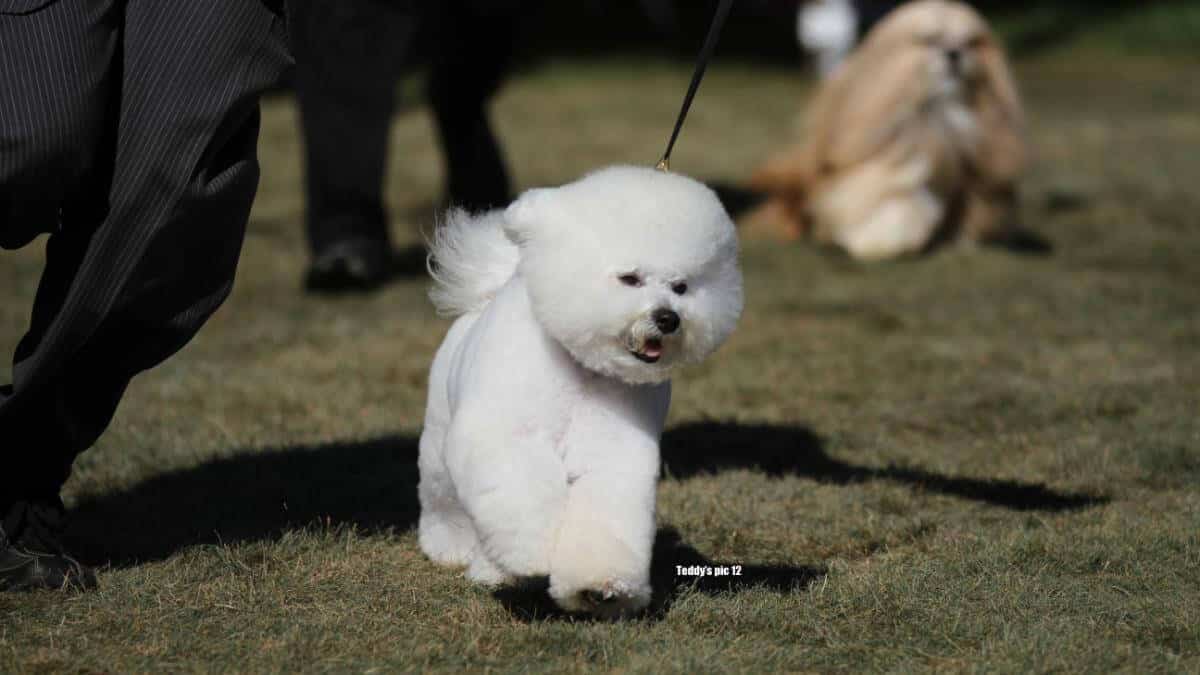
Conformation Shows: Bichons excel in the show ring, where their distinct appearance and lively demeanor are showcased.
Therapy Work: With their affectionate nature, Bichons make excellent therapy dogs, providing comfort and companionship in hospitals, nursing homes, and schools.
Participation in these activities fosters a deeper connection between the Bichon Frise and their handlers, while also providing valuable mental and physical stimulation for the dog.
Gallery
07/Standards
The Bichon Frise is recognized by the world's leading registries and kennel organizations, which categorize the breed into a specific Group based on its unique characteristics. This breed is recognized worldwide under the following Group designations:
The ideal Bichon Frise is described by a Breed Standard that is approved by each of the world’s leading registries and kennel organizations. The Breed Standards for this breed may be found in the following links:
08/Clubs
The Bichon Frise enjoys a strong and supportive community across various countries, with numerous clubs dedicated to the welfare and betterment of the breed. These clubs play a crucial role in preserving breed standards, promoting responsible breeding practices, and providing educational resources for both enthusiasts and prospective owners.In the United States, the Bichon Frise Club of America, Inc., founded in 1964, stands as a testament to the breed's enduring popularity and serves as a resource for breeders, handlers, and enthusiasts alike. It provides a platform for sharing information, organizing events, and fostering a community of Bichon Frise lovers.Canada is home to the Bichon Frise Club of Canada, a national club that provides a platform for Canadian enthusiasts to share their passion for the breed. The club focuses on the health and well-being of Bichons in Canada, offering support and information to owners and breeders alike.In the United Kingdom, the Bichon Frise Club of Great Britain, established in 1976, plays a similar role. It offers guidance and support to Bichon Frise owners and breeders in the UK and works to maintain the breed standards and health.
09/Rescue
Despite the best efforts of breeders and owners, there are instances where Bichon Frises may find themselves in need of assistance. Rescue groups are indispensable in such situations, providing crucial services in the rescue, rehabilitation, and rehoming of Bichon Frises who have faced abandonment, neglect, or require a new home due to unforeseen circumstances.In the USA, notable organizations include the Bichon Frise Club of America Charitable Trust, which offers support and resources for the rescue and welfare of Bichon Frises nationwide. Regionally, the Bichon Rescue Brigade, based in Southern California, and the Bichon Frise Rescue of Northern New Jersey, provide rescue services, fostering, and adoption opportunities specific to those areas.In the UK, Bichon Frise Rescue is a prominent organization dedicated to the breed. They work tirelessly to rescue, rehabilitate, and rehome Bichon Frises, ensuring that these dogs receive the care and love they need before finding their forever homes.In addition to these dedicated Bichon Frise rescue groups, local shelters and general animal rescue organizations can sometimes have Bichon Frises and mixed breeds available for adoption. These local shelters play a crucial role in providing temporary care and seeking out new homes for Bichon Frises.
10/Facts
Historical Companion
The Bichon Frise has a regal past. Originating in the Mediterranean, they were favored by Spanish sailors, and later became a favorite in the French royal courts in the 16th century.
Artistic Muse
This breed has been a popular subject in art, particularly in Spanish and French paintings. Their charming appearance has captured the attention of many artists throughout history.
Circus Performers
Due to their intelligence and trainability, Bichon Frises were once popular circus dogs. Their ability to learn tricks quickly made them stars in the performing arena.
Hypoallergenic Qualities
While no dog is truly hypoallergenic, Bichon Frises are often recommended for people with allergies because of their curly coat that tends to hold in dander.
Pop Culture Presence
The Bichon Frise has made notable appearances in movies and television shows, enchanting audiences with their adorable and expressive faces.
A Breed for All Ages
Due to their gentle nature, Bichon Frises are suitable for families with children as well as for seniors looking for a companion.
Worldwide Popularity
While their popularity soared in Europe, the Bichon Frise is now beloved all around the world, especially in the United States.
11/FAQ
Bichon Frises typically have a long lifespan but are prone to certain health conditions that can be life-limiting. Common causes of death in older Bichon Frises include cancer, heart disease, and kidney problems. Regular veterinary check-ups and a healthy lifestyle can help in early detection and management of these conditions, potentially extending their lifespan.
Official Standard of the Bichon Frise
General Appearance: The Bichon Frise is a small, sturdy, white powder puff of a dog whose merry temperament is evidenced by his plumed tail carried jauntily over the back and his darkeyed inquisitive expression. This is a breed that has no gross or incapacitating exaggerations and therefore there is no inherent reason for lack of balance or unsound movement. Any deviation from the ideal described in the standard should be penalized to the extent of the deviation. Structural faults common to all breeds are as undesirable in the Bichon Frise as in any other breed, even though such faults may not be specifically mentioned in the standard.
Size, Proportion, Substance: Size - Dogs and bitches 9½ to 11½ inches are to be given primary preference. Only where the comparative superiority of a specimen outside this range clearly justifies it should greater latitude be taken. In no case, however, should this latitude ever extend over 12 inches or under 9 inches. The minimum limits do not apply to puppies. Proportion - The body from the forward-most point of the chest to the point of rump is one-quarter longer than the height at the withers. The body from the withers to lowest point of chest represents half the distance from withers to ground. Substance - Compact and of medium bone throughout; neither coarse nor fine.
Head: Expression - Soft, dark-eyed, inquisitive, alert. Eyes are round, black or dark brown and are set in the skull to look directly forward. An overly large or bulging eye is a fault as is an almond shaped, obliquely set eye. Halos, the black or very dark brown skin surrounding the eyes, are necessary as they accentuate the eye and enhance expression. The eye rims themselves must be black. Broken pigment, or total absence of pigment on the eye rims produce a blank and staring expression, which is a definite fault. Eyes of any color other than black or dark brown are a very serious fault and must be severely penalized. Ears are drop and are covered with long flowing hair. When extended toward the nose, the leathers reach approximately halfway the length of the muzzle. They are set on slightly higher than eye level and rather forward on the skull, so that when the dog is alert they serve to frame the face. The skull is slightly rounded, allowing for a round and forward looking eye. The stop is slightly accentuated. Muzzle - A properly balanced head is three parts muzzle to five parts skull, measured from the nose to the stop and from the stop to the occiput. A line drawn between the outside corners of the eyes and to the nose will create a near equilateral triangle. There is a slight degree of chiseling under the eyes, but not so much as to result in a weak or snipey foreface. The lower jaw is strong. The nose is prominent and always black. Lips are black, fine, never drooping. Bite is scissors. A bite which is undershot or overshot should be severely penalized. A crooked or out of line tooth is permissible, however, missing teeth are to be severely faulted.
Neck, Topline and Body: The arched neck is long and carried proudly behind an erect head. It blends smoothly into the shoulders. The length of neck from occiput to withers is approximately one-third the distance from forechest to buttocks. The topline is level except for a slight, muscular arch over the loin. Body - The chest is well developed and wide enough to allow free and unrestricted movement of the front legs. The lowest point of the chest extends at least to the elbow. The rib cage is moderately sprung and extends back to a short and muscular loin. The forechest is well pronounced and protrudes slightly forward of the point of shoulder. The underline has a moderate tuck-up. Tail is well plumed, set on level with the topline and curved gracefully over the back so that the hair of the tail rests on the back. When the tail is extended toward the head it reaches at least halfway to the withers. A low tail set, a tail carried perpendicularly to the back, or a tail which droops behind is to be severely penalized. A corkscrew tail is a very serious fault.
Forequarters: Shoulders - The shoulder blade, upper arm and forearm are approximately equal in length. The shoulders are laid back to somewhat near a forty-five degree angle. The upper arm extends well back so the elbow is placed directly below the withers when viewed from the side. Legs are of medium bone; straight, with no bow or curve in the forearm or wrist. The elbows are held close to the body. The pasterns slope slightly from the vertical. The dewclaws may be removed. The feet are tight and round, resembling those of a cat and point directly forward, turning neither in nor out. Pads are black. Nails are kept short.
Hindquarters: The hindquarters are of medium bone, well angulated with muscular thighs and spaced moderately wide. The upper and lower thigh are nearly equal in length meeting at a well bent stifle joint. The leg from hock joint to foot pad is perpendicular to the ground. Dewclaws may be removed. Paws are tight and round with black pads.
Coat: The texture of the coat is of utmost importance. The undercoat is soft and dense, the outercoat of a coarser and curlier texture. The combination of the two gives a soft but substantial feel to the touch which is similar to plush or velvet and when patted springs back. When bathed and brushed, it stands off the body, creating an overall powder puff appearance. A wiry coat is not desirable. A limp, silky coat, a coat that lies down, or a lack of undercoat are very serious faults. Trimming - The coat is trimmed to reveal the natural outline of the body. It is rounded off from any direction and never cut so short as to create an overly trimmed or squared off appearance. The furnishings of the head, beard, moustache, ears and tail are left longer. The longer head hair is trimmed to create an overall rounded impression. The topline is trimmed to appear level. The coat is long enough to maintain the powder puff look which is characteristic of the breed.
Color: Color is white, may have shadings of buff, cream or apricot around the ears or on the body. Any color in excess of 10 percent of the entire coat of a mature specimen is a fault and should be penalized, but color of the accepted shadings should not be faulted in puppies.
Gait: Movement at a trot is free, precise and effortless. In profile the forelegs and hind legs extend equally with an easy reach and drive that maintain a steady topline. When moving, the head and neck remain somewhat erect and as speed increases there is a very slight convergence of legs toward the center line. Moving away, the hindquarters travel with moderate width between them and the foot pads can be seen. Coming and going, his movement is precise and true.
Temperament: Gentle mannered, sensitive, playful and affectionate. A cheerful attitude is the hallmark of the breed and one should settle for nothing less.
Approved October 11, 1988
Effective November 30, 1988


Meet the Judges
George Milutinovich reflects on judging multiple breeds at Westminster 2026, highlighting entry depth, Breed winners, and overall quality.

Meet the Breeders
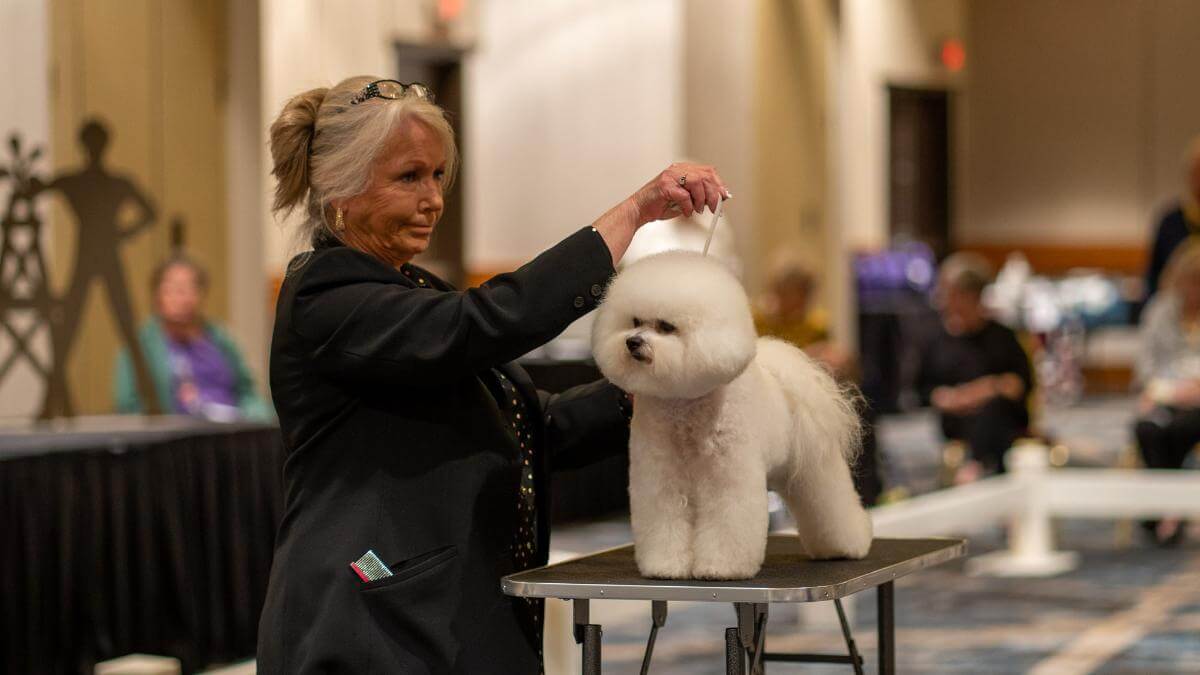
Kathie Vogel of Vogelflight Bichons Frises shares her journey in breeding, showing Bichons, and her passion for purebred dogs.

Dog Shows
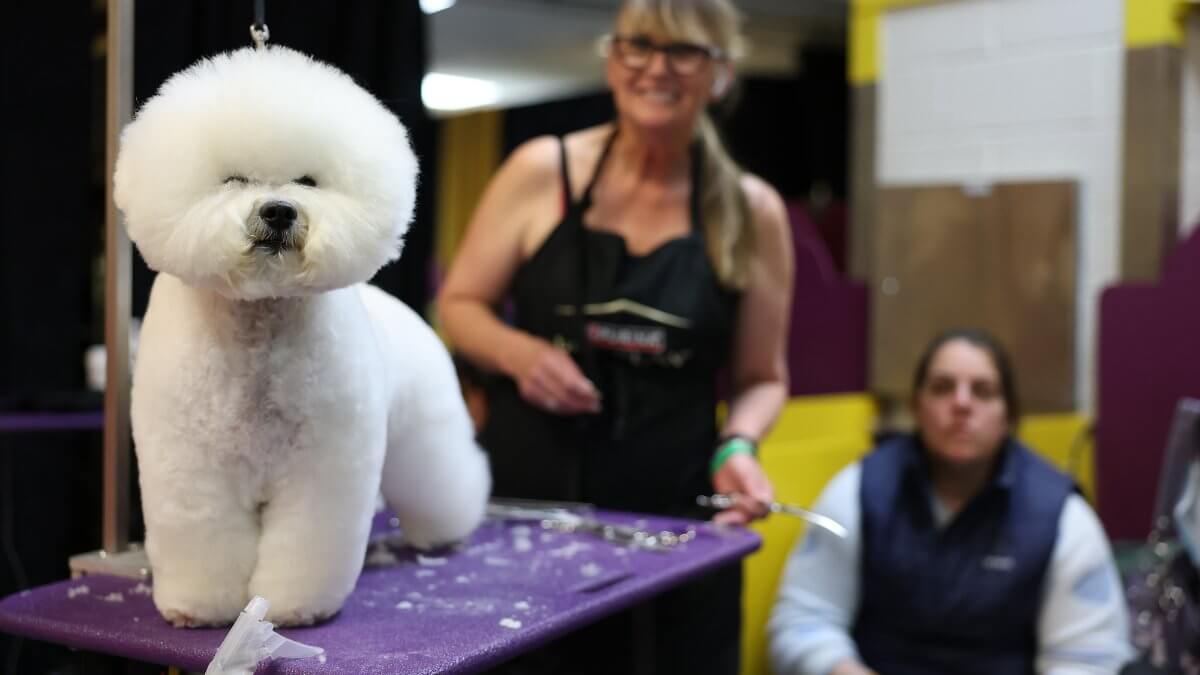
Mabank’s Bichon Frisé, Neal, wins the Non-Sporting Group at the 149th Westminster Kennel Club Dog Show under judge Vicki Seiler-Cushman.
All About Judging
Explore the history, ideal traits, and standards of the Bichon Frisé, from its origins to its evolution in the AKC.
All About Judging
Sturdy, fun-loving, and well-balanced, the Bichon Frisé is a happy companion with a signature powder puff coat.
Discover the charm of the Bichon Frise, a smart, kind breed with a signature plumed tail and a rich history in the USA.

All About Judging
Understanding the unique qualities and judging standards of Bichon Frises, from balance and proportions to head structure and coat texture.

Meet the Breeders
Dr. Elanie Rude is the breeder behind Lemerle Bichons Fries & Standard Poodles. Read about the kennel’s beginnings, puppies, and much more!
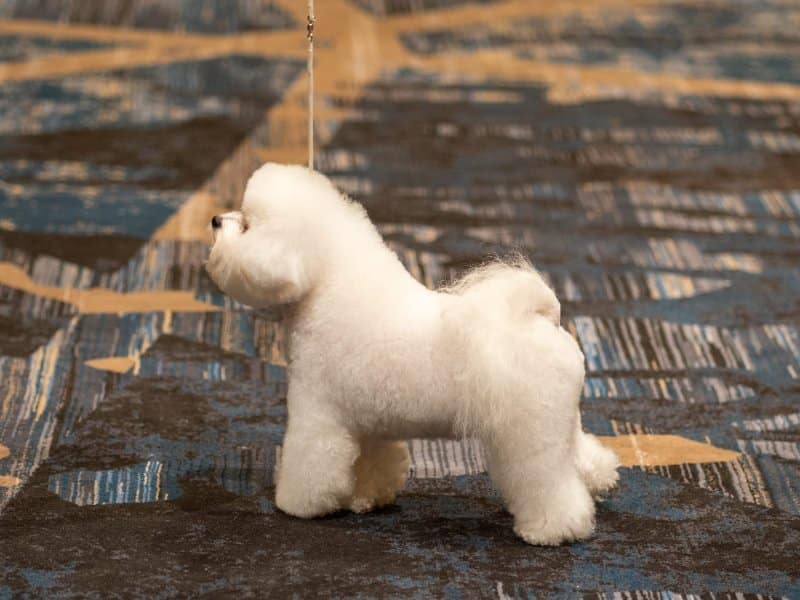
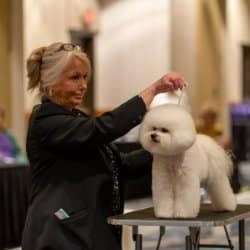
Summary of the Bichon Frise Breed Standard, detailing its grooming, movement & temperament. Learn about the breed’s key characteristics.
The natural tail of the Bichon Frise is a prominent feature that adds a flourish to the breed’s cheerful appearance. It is set on level with the topline and carried over the back, reaching midway to the withers. It is well plumbed with hair that rests casually on the back. A low tail set, drooping tail, or corkscrew tail is not acceptable in the breed. A correctly carried, plumed tail is unmistakable and is indicative of the breed's lively, happy nature.
A Note About Color: The Bichon Frise is essentially a white dog, but shadings of apricot, buff or cream may appear on the body and especially around the ears. An adult coat with more than 10 percent colored shading, however, is undesirable.
Coat Type
Double
The structure of the coat this breed carries.
Coat Length
Long
How long the breed's coat grows when kept in condition.
Adaptability Level
How easily a breed copes with changes in home, routine, noise and weather.
Mental Stimulation Needs
How much a breed needs a job, a puzzle or training to stay content.
Feeding a Bichon Frise requires careful consideration to make sure that they receive a balanced diet that supports their health and energy levels. Puppies of this breed, with their rapid growth and high energy, often need nutrient-rich food that's formulated specifically for small-breed puppies. This provides them with the correct balance of proteins, fats, carbohydrates, vitamins, and minerals essential for their development.
Transitioning to adult food typically occurs around the age of one year. The amount of food a Bichon Frise requires can vary based on age, activity level, and metabolism. An average adult Bichon Frise may need between 1/2 to 1 1/4 cups of high-quality dry food a day, divided into two meals. However, this can differ from dog to dog, and it's always best to consult with a veterinarian to determine the optimal feeding schedule and amount.
It's important to monitor their weight, as they can be prone to obesity if overfed. Treats should be given in moderation, and fresh water should always be available. Additionally, Bichon Frises, like many small breeds, can be picky eaters, so finding a nutritious and appealing diet may require some experimentation. Regularly scheduled meals, rather than free feeding, can help maintain their weight and health over time.
Training a Bichon Frise can be a delightful experience due to their intelligent and eager-to-please nature. These dogs respond well to positive reinforcement techniques, such as praise, play, and treats. Starting training early is key, as it helps in shaping a well-behaved and sociable dog. Bichon Frises are known for their quick learning ability, but consistency is crucial to reinforce good behaviors and discourage undesirable ones.
While they are smart, Bichon Frises can sometimes be stubborn, so patience and persistence are important. They excel in obedience training and can be taught a variety of commands and tricks. This breed also enjoys interactive play, which can be a fun and effective part of the training process.
Socialization is another critical aspect of training for a Bichon Frise. Exposing them to different people, environments, sounds, and experiences at a young age helps in developing a well-rounded and confident adult dog. Given their friendly disposition, they usually adapt well to new situations and people, making them ideal for families and active individuals. Regular training sessions not only stimulate their mind but also strengthen the bond between the dog and their human companion.
Grooming Expectations
While Bichons are known for being a low-shedding breed, their curly hair can trap loose fur, necessitating regular grooming to remove it. This characteristic makes them a popular choice for individuals with allergies, as they tend to release less hair and dander into the environment compared to many other breeds. However, it's important to note that no breed is completely hypoallergenic. Professional grooming every 4 to 6 weeks is often recommended to keep their coat trimmed and neat. This regular maintenance not only keeps the Bichon looking their best but also helps in preventing skin issues that can arise from an unkempt coat. Ear cleaning, nail trimming, and dental care are also important parts of the grooming routine for a Bichon Frise, contributing to their overall health and well-being.