Members
01/Overview
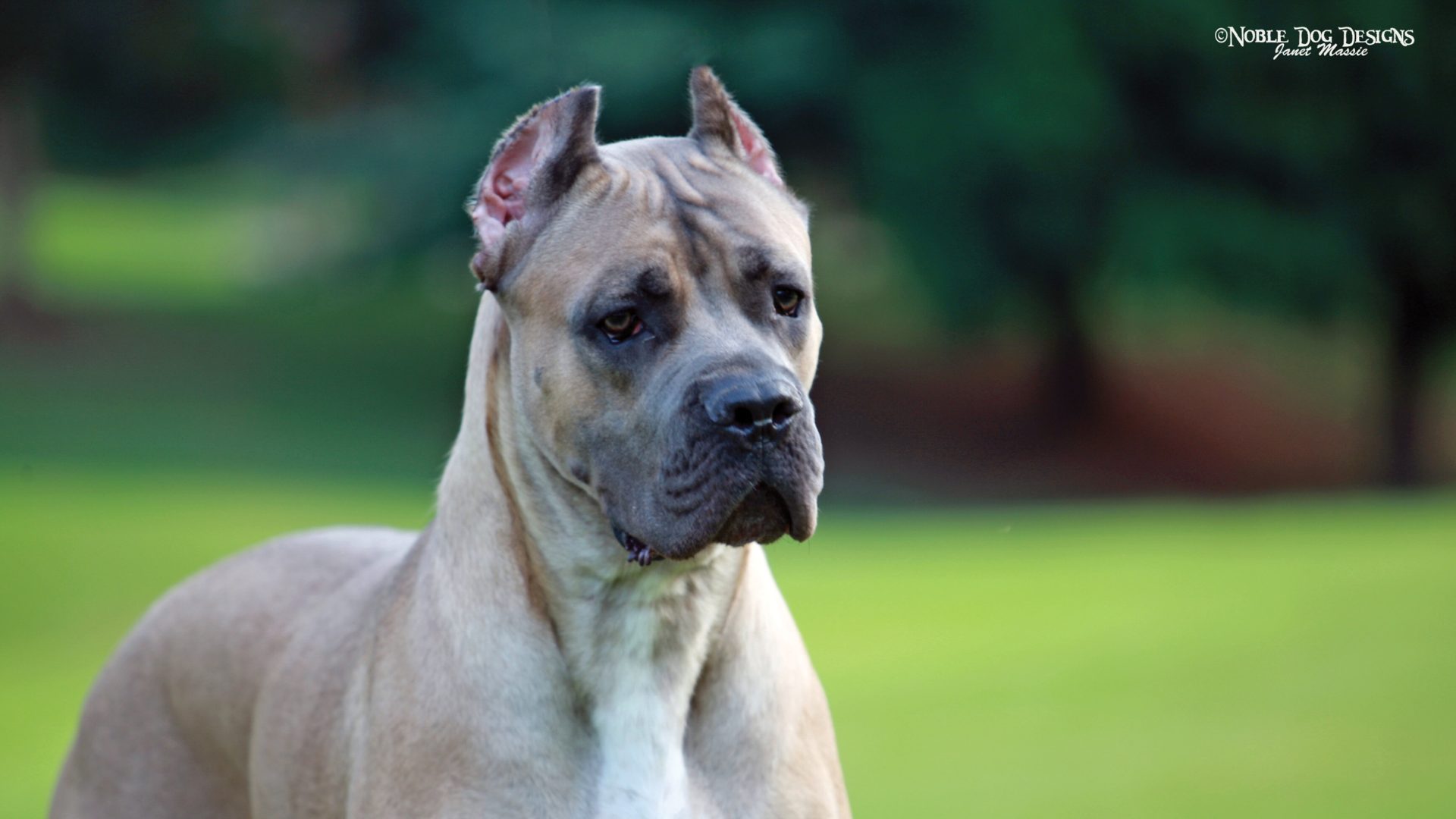
The Cane Corso (plural Cani Corsi) is a majestic and powerful breed that descends from ancient Roman war dogs. With a commanding presence and an impressive physique, this breed exudes both strength and confidence. Originally bred for hunting and guarding, the “Corso” is known for its intelligence, loyalty, and protective instincts. Despite its formidable appearance, these dogs are known to be affectionate with their families, showcasing their softer side within the household.
Highlights
02/History
The history of the Cane Corso is deeply intertwined with their Italian heritage, tracing back to the Molossers of ancient Rome. As descendants of Roman dogs of war, Cani Corsi were originally bred for battle, providing protection, and hunting large game animals such as wild boar. The breed’s name is derived from the Latin “cohors,” meaning guardian or protector, which aptly describes the dog's primary roles throughout history.
With the fall of the Roman Empire, the role of the Corso evolved. The dogs were adapted to life in rural Italy where they were used as farm dogs. Their tasks included herding cattle, guarding property, and protecting livestock from predators. The dogs' versatility and intelligence made them indispensable to Italian farmers and landowners.
Following World War II, the breed faced a decline in numbers and was on the brink of extinction due to industrialization and the decline of an agrarian lifestyle. Dedicated enthusiasts in Italy began a revival program in the 1970s to save the breed. They gathered the few remaining dogs and started a careful breeding program to preserve the breed's lineage and its unique characteristics.
The Cane Corso was officially recognized by the American Kennel Club (AKC) in 2010, marking a significant milestone in the breed's history. The breed's recognition in the United States and by major registries around the world acknowledge its many fine qualities as well as its historical significance.
Today, the “Italian Mastiff” is cherished not only in Italy but worldwide, revered for its loyalty, protective nature, and noble bearing. While the Corsi retain their protective instincts, these noble dogs are increasingly seen as family companions, known for their affectionate and gentle interactions with their loved ones.
The Cane Corso's journey from Roman battlefields to modern homesteads is a testament to the breed's adaptability and its enduring spirit, securing a place in the annals of Molosser history.
03/Appearance
An adult male Cane Corso typically stands between 25 and 27.5 inches tall at the shoulder, while mature females are slightly smaller, measuring from 23.5 to 26 inches tall.
In terms of weight, both males and females possess a muscular and athletic build, weighing between 90 and 110 pounds.
Skull: The skull of the Cane Corso is broad and slightly arched, with a width that’s equal to the length. A well-defined stop is caused by bulging frontal sinuses and a prominent arch above the eyes.
Expression: The expression is very attentive, yet has a calm nobility that is particular to the breed. Visible wrinkles on the forehead appear when the dog is alert, expressing the Corso's watchful intelligence.
Eyes: The eyes are medium-sized and almond-shaped, neither round nor bulging. Their color harmonizes with the color of the coat, adding to the breed's intense and penetrating gaze, but is never yellow or blue.
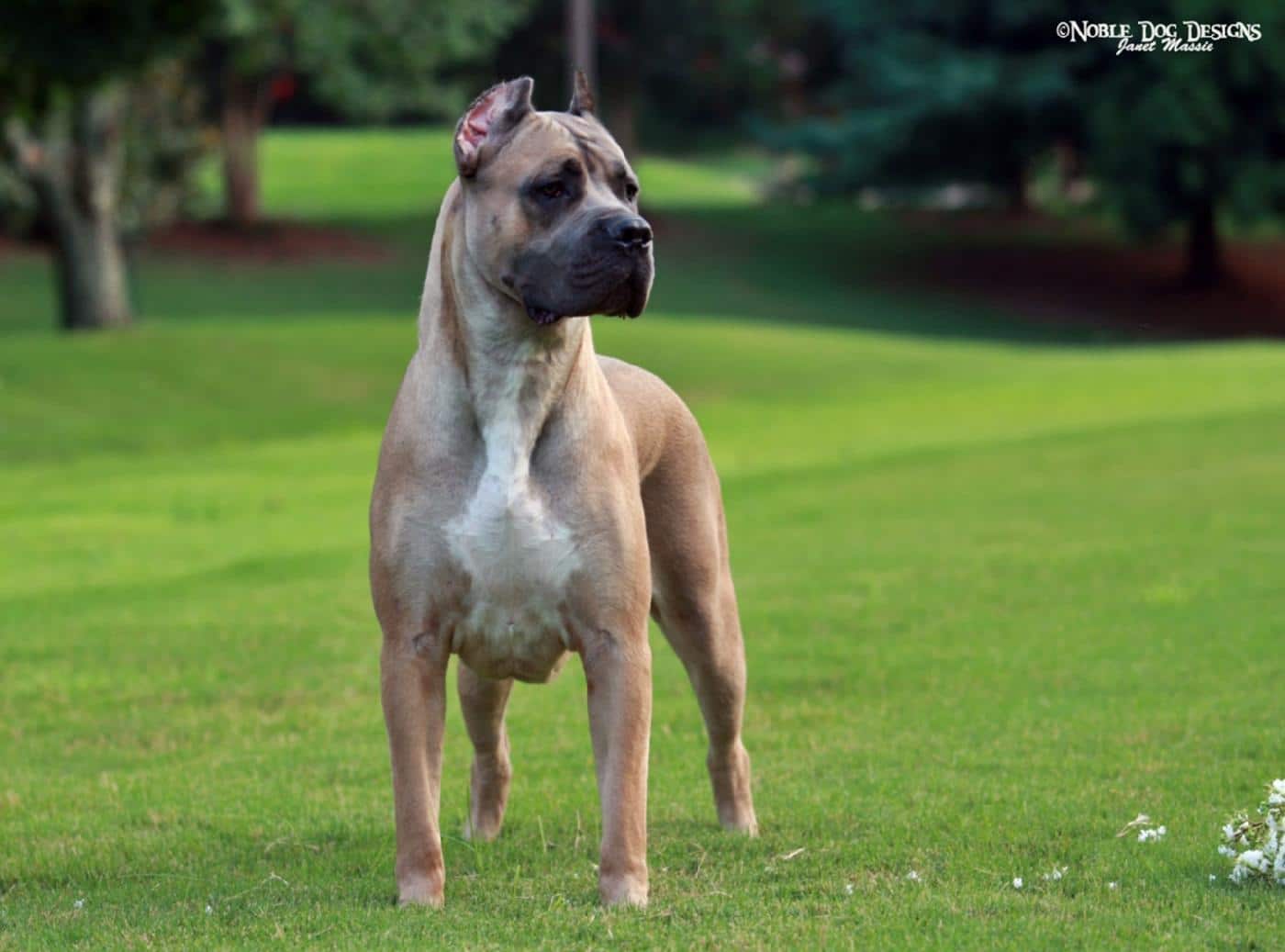
Ears: Traditionally, the ears have been cropped. Natural ears are of medium size and triangular in shape, hanging forward close to the cheeks and not extending below the lower jaw.
Muzzle: The muzzle is one-third the total length of the head. It is strong and wide and half as deep as it is long. The nose and chin form a perpendicular line, and the muzzle’s shape forms a trapezoid when viewed from the front.
Nose: The nose is typically the same color as the coat. It is an extension of the topline of the muzzle and neither protrudes nor recedes behind the front plane of the muzzle.
Bite: The Cane Corso has a level bite, although a slightly undershot bite is acceptable. Complete detention is preferred. Wry mouths, two or more missing teeth, and undershot bites exceeding one-quarter inch are unacceptable in the breed.
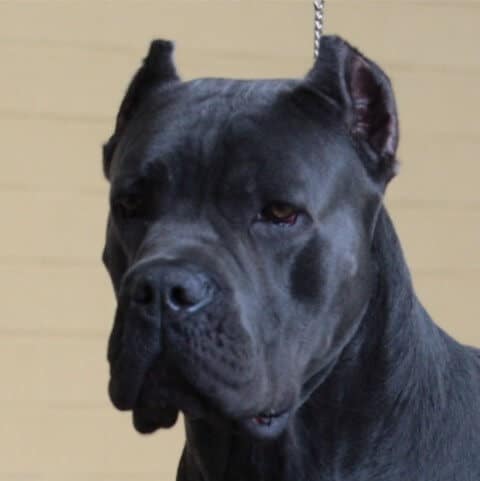
The Cane Corso is a muscular, well-balanced, and large-boned dog, known for its rectangular proportion. The breed's build is a striking blend of strength and agility, reflective of the historical roles that demanded power and endurance. The length of the breed, measured from the point of the shoulder to the point of the buttock, is approximately 10 percent greater than its height as measured from the highest point of the shoulder to the ground.
The sturdy frame of the Cane Corso, combined with its well-developed muscles, portrays a robust and formidable presence. Yet, despite the breed’s physical strength, Corsi possess a level of grace and fluidity in their movements that is indicative of both ease and elegance.
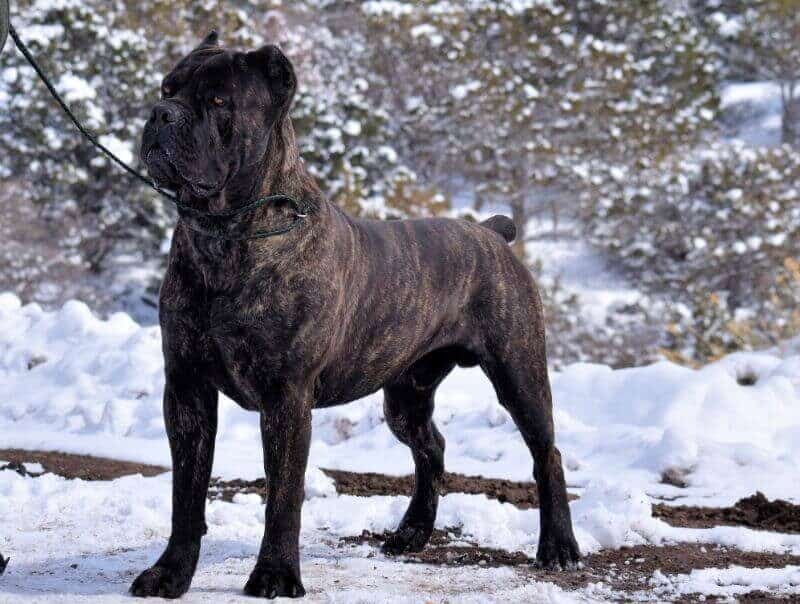
Texture: The coat of the Cane Corso is characteristically short, yet it distinguishes itself with a subtly, rough texture. This unique texture not only contributes to the breed's rugged and robust appearance, it also provides a practical layer of protection in various weather conditions. Beneath the outer coat lies a light undercoat that becomes more dense in response to colder climates, thus offering increased insulation. This adaptability of coat density allows the Corso to remain comfortable and protected in a variety of environments, highlighting the breed's resilience and versatility.
Standard Colors
04/Consider
The Cane Corso, known for its strength, loyalty, and protective instincts, is a distinguished choice for discerning dog enthusiasts. However, owning a Corso, as with any dog, entails specific responsibilities and considerations crucial for the well-being of both the dog and its owner.
Interaction With Family
The level of affection a breed typically shows towards family members and familiar individuals.
Good With Other Dogs
The innate friendliness of a dog towards other dogs can depend on its breed.
Good With Young Children
The degree to which a breed will typically be patient with young children.
Amount Of Shedding
How much hair a breed typically leaves behind on clothes, furniture and floors.
Frequency Of Grooming
How often a breed needs brushing, bathing or a professional trim to stay in condition.
Amount Of Drooling
How prone a breed is to drool — worth knowing before you keep a towel by the door.
Openness To Strangers
How openly a breed tends to greet new people, visitors and strangers.
Protective Nature
How likely a breed is to alert you to — and stand between you and — anything unfamiliar.
Playfulness Level
How enthusiastic a breed stays about games and play well past puppyhood.
Trainability Level
How readily a breed takes direction and works with you rather than around you.
Barking Level
How much a breed uses its voice, and how readily.
Energy Level
How much get-up-and-go a breed brings to an average day.
Health
The Cane Corso is typically a robust and sturdy breed, reflecting its heritage as a guardian and hunter. However, like all breeds and mixed breeds, Corsi can be susceptible to certain health conditions. Prospective owners should be aware of these potential issues and engage with reputable breeders and veterinarians to maintain their dog's health throughout its life. Lifespan: The average lifespan of a Cane Corso ranges from 9 to 12 years. With proper care, regular veterinary check-ups, and a balanced diet, many Corsi can enjoy a full and healthy life.
Owning a Cane Corso means understanding and catering to its unique personality traits and temperamental needs. Renowned for its loyalty and protective nature, the breed is deeply devoted to its family, often forming strong bonds with its owners. The Corso, while reserved and cautious around strangers, displays a remarkable level of affection and gentleness within the family circle.
Cani Corsi are generally suitable for experienced dog owners due to their strong personalities and great size. These dogs respond well to confident and consistent leadership, making them more manageable for those who are familiar with handling large, powerful breeds. Early and ongoing socialization is crucial for this breed so that the dogs become well-adjusted and comfortable in various situations.
Their sensitivity to their owners' emotions makes the Corso an intuitive companion, often responding to the mood and atmosphere of the home. While these dogs can adapt to being alone for reasonable periods, like all dogs they prefer the company of their family and can become anxious if left isolated for too long.
Cani Corsi typically get along with other pets, especially if raised with them from a young age. However, due to their protective instincts, they may be wary of unfamiliar animals. Introducing new pets should be done cautiously and under controlled conditions.
When it comes to children, the Corso can be a gentle and protective companion. However, interactions with young kids should always be supervised due to the breed's size and strength. Teaching children how to interact safely and respectfully with the dog is equally important.
Exercise Expectations
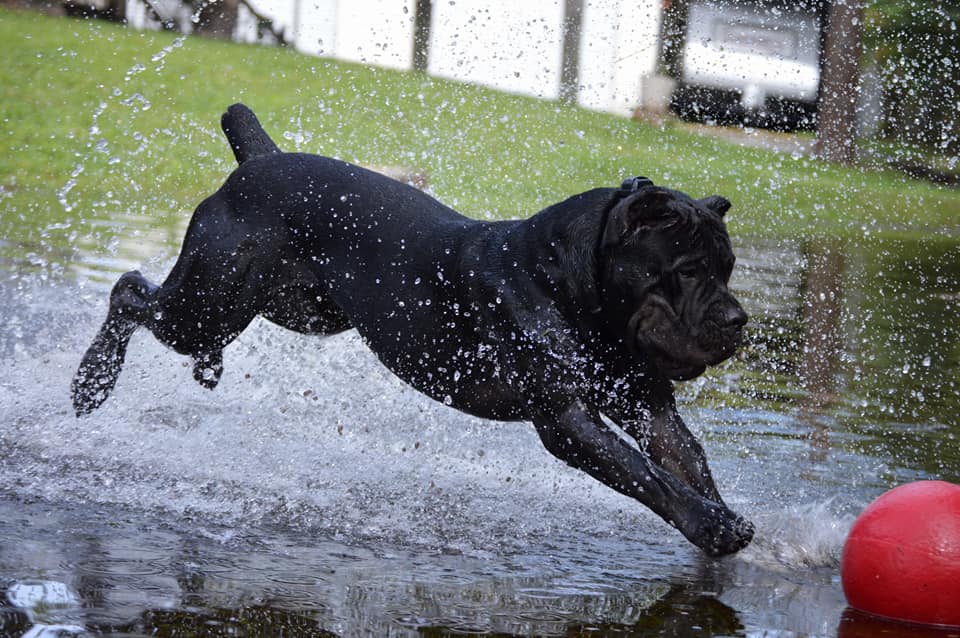
Cani Corsi require a substantial amount of exercise to keep them fit and content. This should include daily walks, play sessions, and opportunities for them to run and explore in a safe, enclosed area. Their exercise regimen should be vigorous enough to satisfy their high energy levels but also tailored to their size and build to avoid overexertion. Despite their large size, Cani Corsi possess a notable degree of agility and stamina. Engaging them in activities that challenge both their mind and body, such as obedience training, agility courses, and interactive games, can be highly beneficial. These activities not only provide physical exercise but also help to strengthen the bond between the dog and its owner. It's important to remember that, as a large and muscular breed, the exercise needs of the Cane Corso might be more demanding than those of smaller breeds. However, their exercise should be appropriately scaled during their puppyhood to avoid putting undue stress on their developing joints and bones. In addition to physical activities, mental stimulation is equally important for this intelligent breed. Puzzle toys, scent work, and training challenges can keep their minds active and engaged, preventing boredom and potential destructive behavior.
Living with a Cane Corso is a unique and rewarding experience that entails providing an environment and lifestyle suitable for their size, energy, and protective nature. Cani Corsi, with their large stature, require ample space for movement and exercise, making a home with a spacious yard ideal. However, they can adapt to various living conditions, such as larger apartments, as long as their exercise needs are met. Providing a secure environment is crucial due to their natural instinct to guard.
Cani Corsi have a short coat that offers some resistance to cold, but in extreme weather, additional measures like a warm coat may be necessary. In contrast, during warmer temperatures, it's important to provide cool, shaded areas and ample water to prevent overheating.
These dogs are known for their deep loyalty and affection towards their family, thriving on regular interaction and involvement in family activities. While generally good with children, supervision is advised during interactions due to the breed's size and strength.
Regular exercise is not just a physical requirement for a Cane Corso but also a mental one. Activities that challenge them physically and mentally are beneficial for their overall well-being. Alongside physical activities, mental stimulation is vital, which can be provided through training exercises and interactive play.
Considering their protective nature, socialization and consistent training from a young age are essential. This helps in developing a well-mannered and confident dog, capable of distinguishing between normal and threatening situations.
05/Puppies
Bringing a Cane Corso puppy into the home is a journey filled with excitement and challenges. These puppies, known for their robustness and spirited nature, quickly become integral members of the family. However, raising a Corso pup correctly requires commitment and understanding of the breed's specific needs during the puppy's formative months.
Caring for a Cane Corso puppy goes beyond providing basic necessities like food and shelter; it involves nurturing the pup's overall development. From a dietary perspective, the Corso puppy needs food that supports rapid growth, one that is particularly formulated for large breeds. It is essential to offer a balanced nutrition that fosters healthy bone and muscle development, usually divided into multiple meals to sustain a growing puppy's high energy levels.
Training and socialization should begin early for the Cane Corso puppy. Introducing the pup to a variety of experiences, environments, and people helps in molding its temperament and behavior. Housetraining, basic obedience, and social manners are fundamental aspects of this early education. Positive reinforcement techniques work well during training sessions, encouraging good behavior with treats and praise.
Regular veterinary check-ups are crucial to monitor the puppy's growth and health, keeping up with vaccinations and preventive care. Puppyhood is also the time to establish a grooming routine, getting the growing pup accustomed to being handled, brushed, and bathed, which is important for its long-term care.
Exercise for the Cane Corso pup should be age-appropriate. While the Corso puppy is typically energetic and playful, its exercise should not be too strenuous, to avoid stress on the developing joints. Short, gentle walks and play sessions are suitable for the pup's physical condition at this stage.
Providing a safe and loving environment is key to the Corso puppy's well-being. A secure space where it can explore and rest is essential, along with consistent interaction and affection. This early stage of life lays the foundation for the pup's future temperament and health as an adult.
Raising a Cane Corso puppy is a significant commitment that involves catering to the puppy's nutritional, health, training, and emotional needs. By providing a supportive and caring environment, the Corso puppy will grow into a well-rounded, healthy, and loyal companion.
06/Activities
Cani Corsi are adept at a variety of activities that provide these big dogs with the necessary physical exercise and mental stimulation they require. Some of the dog sports in which a Corso can excel include:
Agility: In Agility Trials, a Cane Corso can showcase its agility and quick reflexes. These trials involve navigating a course of obstacles, which tests the dog's physical dexterity and its responsiveness to handler cues.
Obedience: Obedience Trials are an excellent way for a Corso to demonstrate its trainability and discipline. These events test a dog's ability to perform various commands and tasks, highlighting its intelligence and eagerness to please.
Protection Sports (Schutzhund): Suited to the breed's protective nature, Cani Corsi often excel in Protection Sports, where they engage in activities that test their tracking, obedience, and protective skills.
Weight Pulling: This sport emphasizes the breed's power and determination. It involves the dog pulling a significant amount of weight on a harness in a show of physical strength.
Tracking Trials: The Corso's strong sense of smell makes it a natural at Tracking Trials. This activity provides mental stimulation as the dog follows a scent trail over various surfaces and in a variety of settings.
Conformation Shows: Participating in Conformation dog shows allows a Cane Corso to be assessed according to its Breed Standard, focusing on the dog's physical structure and movement, as well as its overall demeanor.
Therapy Work: Despite their robust appearance, Cani Corsi can be gentle and sensitive, making them suitable for Therapy Dog work. In this role, a dog can provide comfort and emotional support in carefully controlled therapeutic settings.
Engaging a Cane Corso in these activities can not only keep the dog physically fit, it can also encourage it to be mentally sharp. Choosing the right activities based on a dog's individual personality and abilities will guarantee a rewarding experience for both the dog and its handler.
Gallery
07/Standards
The Cane Corso is recognized by the world's leading registries and kennel organizations, which categorize the breed into a specific Group based on its unique characteristics. This breed is recognized worldwide under the following Group designations:
The ideal Cane Corso is described by a Breed Standard that is approved by each of the world’s leading registries and kennel organizations. The Breed Standards for this breed may be found in the following links:
08/Clubs
The Cane Corso has garnered a dedicated following, and its presence is strongly felt in several canine organizations around the world. These clubs serve as a crucial resource, offering breed-specific information, support, and events that cater to both experienced owners and those who are new to the breed.The Cane Corso Association of America (CCAA) is the official national club and AKC parent club for the Cane Corso in the United States. The CCAA is committed to enhancing the quality and welfare of the breed, providing educational resources and health information, as well as organizing breed-focused activities.The Canadian Cane Corso Association, founded in February 2010, is the national club for Cani Corsi in Canada. It operates under the rules of the Canadian Kennel Club (CKC) and focuses on the preservation and protection of the breed, offering extensive information and coordinating with regional clubs across the country.Joining these clubs offers a rewarding experience for Cane Corso enthusiasts, fostering a community where individuals can share, learn, and celebrate all aspects of this majestic breed.
09/Rescue
The Cane Corso may occasionally find itself in need of a new home due to a variety of circumstances, such as owner health issues, financial challenges, or behavioral difficulties. Thankfully, dedicated breed rescue organizations around the world are committed to the care, rehabilitation, and rehoming of any Corso in need. These volunteer groups play a vital role in providing support and care for these dogs and their caretakers.In the United States, one prominent organization is Cane Corso Rescue, Inc. This national rescue group is dedicated to placing Cani Corsi into the best possible forever homes and educating the public about the breed. Since its inception in 2005, the group has rescued and adopted over 1,500 Corsi. Another notable U.S. based rescue is Must Love Corsos Rescue, a community-based non-profit that is dedicated to saving neglected or abandoned Corsi.In Canada, the Canadian Cane Corso Association works in collaboration with Cane Corso Rescue, Inc. to place dogs in the United States and Canada. This group, based in Western Canada, is actively involved in the rescue and rehoming of Corsi, ensuring the welfare of each and every dog that comes into the organization's care.In the United Kingdom, the Cane Corso UK & Molosser Rescue is committed to rescuing Cani Corsi and other Molosser breeds. This small but dedicated rescue group focuses on rehoming dogs in need and rehabilitating them to become well-adjusted, happy dogs. The group operates in Bedfordshire, Milton Keynes, County Durham, and utilizes foster homes across the country. Additionally, the Cane Corso Appreciation Society UK supports Large Breed Dog Rescue in Kent, a registered charity that also helps with rescuing and rehoming Corsi.In addition to these dedicated Cane Corso rescue groups, local shelters and broader animal rescue organizations can also play a vital role in providing care and rehoming opportunities for individuals of the breed. These organizations provide a crucial service by offering dogs a second chance at finding a loving home. This include any Corso that might enter their system. Supporting these rescues groups through adoption, volunteering, or donations could make a positive impact on the life of a Corso that has found itself in need of assistance.
10/Facts
Ancient Origins
The Cane Corso is a descendant of the ancient Roman dogs of war, known for their strength and courage on the battlefield.
Name Meaning
The name Cane Corso translates to "guardian dog" in Italian, reflecting the breed's historical role as a protector.
Versatile Working Dog
Originally bred for hunting and guarding, Cani Corsi have also been used for herding cattle and as farm dogs.
Recognition by AKC
The American Kennel Club officially recognized the Cane Corso as a breed in 2010.
Impressive Size
Male Cani Corsi typically stand between 25 and 27.5 inches tall, while females measure 23.5 to 26 inches at the shoulder.
Strong Protective Instincts
The breed is known for its loyalty and protective nature, making it an excellent guard dog.
Intelligence and Trainability
Cani Corsi are highly intelligent and trainable, excelling in Obedience, Agility, and Protection sports.
Temperament
Despite their imposing appearance, Cani Corsi are known to be affectionate and gentle with their families.
11/FAQ
An adult male Cane Corso typically stands between 25 and 27.5 inches tall at the shoulder, while females are slightly smaller, measuring 23.5 to 26 inches in height. In terms of weight, both males and females possess a frame that is proportionate to their height, contributing to a well-balanced and powerful physique.
Official Standard of the Cane Corso
General Appearance: Ancient Italian breed medium-large size Molossus Dog. Sturdy, with a strong skeleton. Muscular and athletic, it moves with considerable ease and elegance. It has always been a property watchdog and hunter of difficult game such as the wild boar.
Size, Proportion, Substance: A muscular, balanced, large-boned dog, rectangular in proportion. The length of the dog, measured from the point of the shoulder to the point of buttock is approximately 10 percent greater than the height of the dog measured from the highest point of the shoulder to the ground. Height - Dogs 25 to 27½ inches; bitches 23½ to 26 inches. Weight - Proportionate to height.
Head: Molossus, large, its total length reaches approximately one third of the height at the withers. Planes of the skull and muzzle are slightly convergent; they are not parallel. The circumference of the head measured at the cheekbones is more than twice the total length of the head; skin is firm and smooth. Skull - Viewed from the front, skull is wide and slightly curved; width is equal to the length. From the side, a prominent arch begins above the eyes and then flattens backward toward the occiput. Viewed from the top, it has a square appearance due to the zygomatic arches and powerful muscles swathing it. Stop - Well-defined due to developed and bulging frontal sinuses and prominent arch above the eyes. Expression - Very alert and attentive. Some wrinkling on forehead occurs when alert. Eyes - Medium-size, almond-shaped, not round or bulging, tight fitting rims preferred with only a minimal amount of haw being visible. Eye color-Dogs with black muzzles (coat colors of black, fawn or red, and these colors brindled) dark brown eyes are preferred. Gray muzzles (coat colors of gray, fawn or red and these colors brindled), lighter shades are approved. Pigmentation of the eye rims is complete, pigmentation of eye rim matches pigment color of dog. Disqualification - Yellow bird of prey; blue eyes. Ears - Set well above the cheekbones. May be cropped or uncropped. If cropped, it is in an equilateral triangle. If uncropped, they are medium size, triangular in shape, held tight to the cheeks, and not extending beyond the jaw bone. Nose - Large with well-opened nostrils, pigment color to match pigment color of the dog. Dogs with black pigment have black noses; gray pigmented dogs have gray noses; pigmentation is complete. The nose is an extension of the topline of the muzzle and does not protrude beyond nor recede behind the front plane of the muzzle. Muzzle - Very broad and deep, width is almost equal to its length, which reaches approximately one third of the total length of the head; the depth of muzzle is more than 50 percent of the length of the muzzle. The top and bottom muzzle planes are parallel, and the nose and chin form a perpendicular line. Viewed from the front, the anterior face should look flat and form a trapezoid, wider at the bottom. Muzzle is not overly narrow or snipey. Lips - Rather firm. Upper lips moderately hanging, they join under the nostrils to form an inverted "U." Pigmentation matches color pigment of dog. Dogs with black pigment have black lips; gray pigmented dogs have gray lips. Bite - Slightly undershot (no more than ¼ inch) and level preferred. Scissor bite is acceptable, if parameters of the head and muzzle are correct. Dentition is complete. Incisors are in a straight line. No more than two missing teeth. Disqualification - More than two missing teeth; wry mouth. Undershot more than ¼ inch.
Neck, Topline, Body: Neck-Slightly arched, flowing smoothly into the shoulders with a small amount of dewlap. The length of the neck is approximately one third the height at the withers. Body - Depth of the ribcage is equal to half the total height of the dog, descending slightly below the elbow. Ribs are long and well sprung. Moderate tuck up. Chest - Broad, well-muscled, strong forefront. Back - Wide, strong, muscular. Highest part of shoulder blade slightly rising above the strong, level back. Loin - Well-muscled, and harmoniously joined to the back. Croup - Long, wide, slightly sloping. Rump should be quite round due to muscling. Tail - Tail set is an extension of the backline. It is thick at the root with not much tapering at the tip. When not in action, carried low, otherwise horizontal or slightly higher than back, not to be carried in a vertical position. It is docked at the fourth vertebrae. In the case of natural tails, the tip reaches the hock but not below. Carried low, it is neither broken nor kinked but supple. Hanging when the dog is in repose; generally carried level with the back or slightly above the level of the back when the dog is in action, without curving over the back or being curled. Disqualification - A natural tail that is atrophied or a natural tail that is knotted and laterally deviated or twisted.
Forequarters: Strong and muscular, well-proportioned to the size of the dog. Straight when viewed from the front or side; height of the limb at the elbow is equal to 50 percent of the height at the withers. Shoulders- Muscular, laid back. Upper arms - Strongly muscled, with good bone, powerful. Elbows - Held parallel to the ribcage, turning neither in nor out. Forelegs - Straight and with good bone, well muscled. Pasterns - Almost straight, strong but flexible. Feet - Round with well-arched toes (catlike). Lean, hard, dark pads and nails, except in the case of white toes. Front dewclaws - Can remain or be removed, if left intact should only be a single dewclaw on each leg.
Hindquarters: As a whole, they are powerful and strong, in harmony with the forequarters. Straight when viewed from the rear or front. Thighs - Long, wide, angulated and well-muscled. Stifle - Should be moderately angulated, strong. Legs - Strong bone and muscle structure. Hocks - Wide set, thick and clean, let down and parallel when viewed from behind. Rear pastern - straight and parallel. Rear dewclaws - Any rear dewclaws are removed. Hind feet - Slightly more oval-shaped and less-arched toes.
Coat: The coat is short, stiff, shiny, adherent and dense with a light undercoat that becomes thicker in cold weather.
Color: Acceptable colors are black, lighter and darker shades of gray, lighter and darker shades of fawn, and red. Brindling is allowed on all of these colors. Solid fawn and red, including lighter and darker shades, have a black or gray mask. The mask does not go beyond the eyes. There may be a white patch on the chest, throat, chin, backs of the pasterns, and on the toes. Disqualification - Any color with tan pattern markings as seen in black-and-tan breeds.
Gait: The movement is free flowing and powerful, yet effortless, with strong reach and drive. As the dog accelerates, the feet converge toward a center line of gravity in a near-single track. When viewed from the side, the topline remains level, with minimal roll or bounce.
Temperament: The Cane Corso as a protector of his property and owners is unequaled. Intelligent, he is easily trained. Noble, majestic and powerful his, presence is impressive. He is docile and affectionate to his owner, loving with children and family.
Summary: The overall conformation of the dog should be well-balanced and proportionate. The foregoing description is that of the ideal Cane Corso; any deviation from the above described dog is penalized to the extent of the deviation.
Disqualifications: Yellow bird of prey; blue eyes. More than two missing teeth; wry mouth. Undershot more than ¼ inch. Any color with tan pattern markings as seen in black-and-tan breeds. A natural tail that is atrophied or a natural tail that is knotted and laterally deviated or twisted.
Approved: October 20, 2009
Effective: June 30, 2010
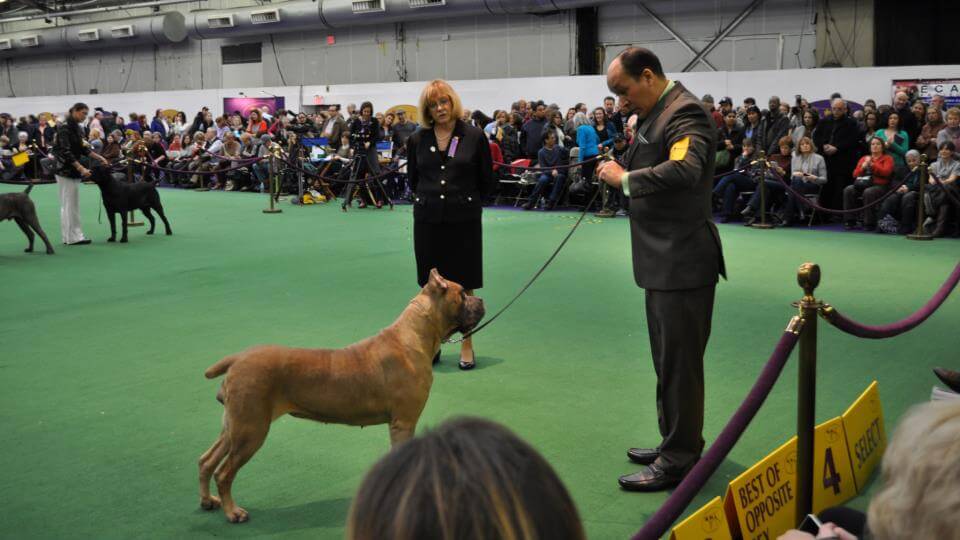

All About Judging
Explore the dramatic rise in Cane Corso popularity since 2010, insights into judging the Cane Corso, and tips for maintaining the standard.
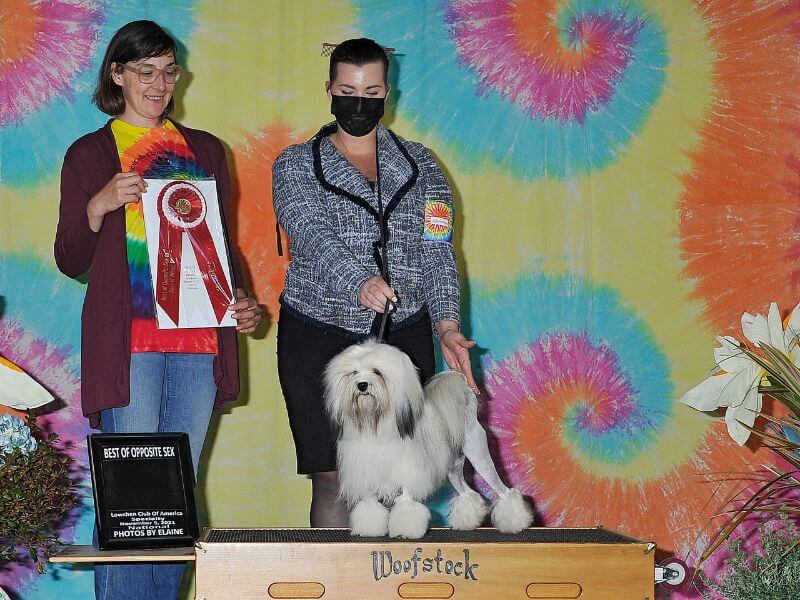

Meet the Breeders
Interview with Alexia Rodriguez on Cane Corsos and Lowchen breeding, mentors, and the state of the dog fancy.
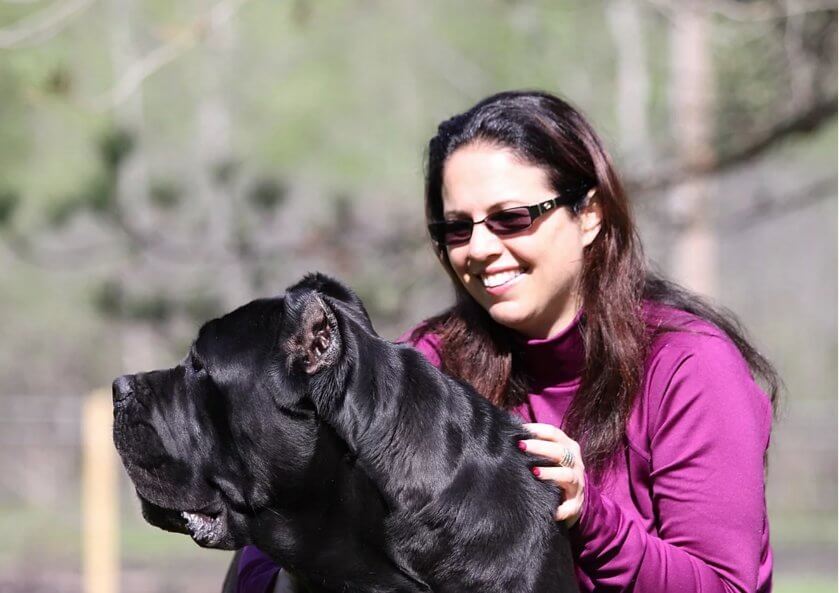

Meet the Breeders
Ayalla Ruvio is the breeder behind the Black Pearl Cane Corso. Read about the kennel’s beginnings, champion dogs, Cane Corso puppies and more!

Meet the Breeders
Shauna DeMoss is the breeder behind CastleGuard Cane Corsos. Read about the kennel’s beginnings, champion dogs, Cane Corso puppies and more!
All About Judging
Lack of consistency continues to be a major problem in the Cane Corso. Breed Education department of the CCAA points that may help judges.
The Cane Corso’s size debate continues—but function, balance, and Molossian type reveal what this powerful working breed truly demands.

Breeding with Intention
In this installment of the series, the remaining six Molossoid breeds of Mastiff type (Boerboel, Bullmastiff, Cane Corso, Dogue de Bordeaux
The tail of the Cane Corso is set high and is an extension of the topline. When the dog is alert or in motion, the tail is carried higher but never curls over the back. Traditionally, the tail has been docked, but this practice varies based on legal restrictions and personal preferences. When undocked, the tail's natural length complements the dog's balanced proportions and adds to the fluidity of its movement.
Standard Markings
A Note About Color: The Cane Corso’s coat color may be either black, red, shades of gray, or shades of fawn. Solid fawn or red-colored dogs have a black or gray mask, which does not extend beyond the eyes. Brindling of the coat is acceptable, as is white on the chin, throat, chest, backs of the pasterns, and on the toes. Tan pattern markings are unacceptable in the breed as are colors such as chocolate, liver, and straw (light cream without a mask).
Coat Type
Smooth
The structure of the coat this breed carries.
Coat Length
Short
How long the breed's coat grows when kept in condition.
Adaptability Level
How easily a breed copes with changes in home, routine, noise and weather.
Mental Stimulation Needs
How much a breed needs a job, a puzzle or training to stay content.
Friendly towards familiar faces but reserved with strangers, the Cane Corso is not overtly aggressive without cause. The breed tends to assess situations and responds based on a perceived threat level, showing its protective nature only when necessary.
Feeding and nutrition are key components in maintaining the health and vitality of a Cane Corso. Given their large size and active nature, Cani Corsi require a diet that adequately supports their energy needs and promotes overall well-being.
For Cane Corso puppies, a nutrient-rich diet formulated for large breeds is essential. Puppies have different nutritional requirements to support their rapid growth and development. It's important to feed them a balanced diet that promotes healthy bone and muscle development, typically divided into multiple meals throughout the day to support their metabolism and growth.
As Cani Corsi transition into adulthood, their dietary needs change. Adult Cani Corsi usually do well on two meals per day. The amount of food, typically measured in cups, varies based on the individual dog's size, age, and activity level. An average adult Cane Corso may require around 4 to 5 cups of dry dog food per day, but this can vary. It's crucial to monitor their weight and adjust food portions accordingly to prevent obesity, which can be a health concern for large breeds.
Proper hydration is also essential. Fresh water should be available at all times to make sure that the Cane Corso stays well-hydrated, especially after exercise or in hot weather.
Choosing high-quality dog food with appropriate ingredients is vital. Look for foods that list real meat as the first ingredient and avoid those with excessive fillers or artificial additives. Given that some Cani Corsi can have sensitivities to certain foods, it's important to be observant for signs of allergies or digestive issues and consult with a veterinarian for dietary advice.
Feeding a Cane Corso a balanced diet that meets their specific nutritional needs is essential for their health and longevity. Regular check-ins with a veterinarian can help ensure that your Cane Corso is receiving the right amount of nutrients for their age, size, and activity level.
Training a Cane Corso is an essential aspect of their care and should be approached with consistency, patience, and understanding of the breed's characteristics. Known for their intelligence and eagerness to please, Cani Corsi can be highly trainable with the right approach.
Due to their large size and protective nature, early socialization and obedience training are crucial for Cani Corsi. Exposing them to a variety of people, environments, and situations from a young age helps develop a well-rounded and confident dog. This breed responds best to positive reinforcement techniques, such as treats, praise, and affection, which encourage and reward good behavior.
Cani Corsi are recognized for their protective instincts, often appearing as a natural wariness towards strangers. This characteristic contributes to their effectiveness as guard dogs and highlights the necessity of training. Such training aids in helping them differentiate between normal and threatening scenarios. With appropriate training, their protective behavior is more manageable, promoting calmness and control.
While they are not known for excessive barking, Cani Corsi may bark to alert their owners of something unusual or if they perceive a threat. Training them to understand commands such as 'quiet' or 'enough' is important to manage their vocalizations effectively.
Cani Corsi's intelligence and physical prowess make them well-suited for advanced training and dog sports. Activities like obedience trials, agility, and tracking can provide mental stimulation and physical exercise, which are important for this active breed.
Despite their size and strength, Cani Corsi can be sensitive and respond poorly to harsh training methods. A firm, yet gentle approach is key, building a relationship based on mutual respect and trust. Consistency in training routines and expectations is essential in developing a well-behaved and happy Cane Corso.
Grooming Expectations
The coat of a Cane Corso is short and dense, requiring regular brushing to remove loose fur and reduce shedding. A weekly brushing session with a suitable bristle brush or a hound glove can help keep their coat shiny and healthy. This routine also helps in distributing natural skin oils throughout their coat, enhancing its sheen and vitality. Bathing a Cane Corso should be done as needed, typically every few months, unless they get particularly dirty or start to develop an odor. It's important to use a dog-specific shampoo that is gentle on their skin to avoid drying out their coat. Regular baths help to keep their skin clean and reduce the chance of skin infections, which can be common in larger breeds. In addition to coat care, other grooming essentials include nail trimming and ear cleaning. Their nails should be trimmed regularly to prevent discomfort and potential problems with walking. Their ears should also be checked and cleaned regularly to prevent the buildup of wax and debris, which can lead to infections, especially considering their floppy nature. Dental hygiene is another important aspect of grooming for the Cane Corso. Regular teeth brushing or the use of dental chews can help prevent dental issues, which are common in large breeds.