
01/Overview
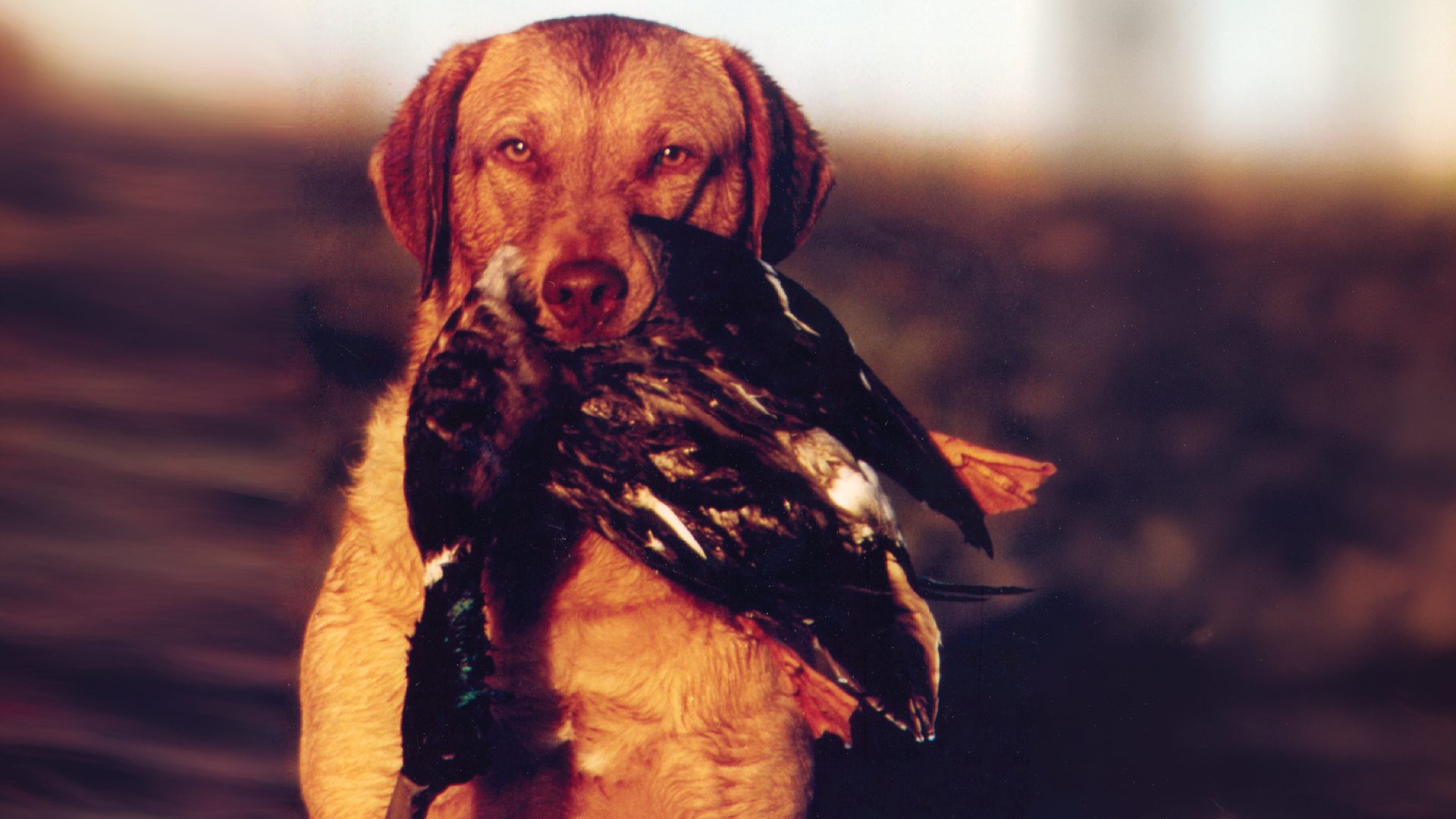
The Chesapeake Bay Retriever, often referred to as the "Chessie," is one of the most highly regarded water dogs in the United States and elsewhere. Originating from the shores of Maryland's Chesapeake Bay, this breed is celebrated for its exceptional stamina, intelligence, and loyalty. With a waterproof coat and unparalleled determination, the Chessie is not only a dedicated worker but also a loving family companion. Known for its distinctive "Chessie Smile," these retrievers carry a rich history of serving hunters and families alike.
Highlights
02/History
The Chesapeake Bay Retriever traces its origins to the shores of the Chesapeake Bay, stretching between Maryland and Virginia. The breed's unique history is a tale of shipwrecks, resilience, and a deep-rooted connection to the water.
In the early 19th century, two puppies, thought to be Newfoundland dogs, were rescued from a shipwrecked vessel off the coast of Maryland. Named "Sailor" and "Canton," these dogs quickly earned a reputation for their unparalleled retrieving abilities, especially in water. Local waterfowl hunters, impressed by the dogs’ endurance, keen sense of smell, and love for water, began integrating them into their hunting routines. Through selective breeding with local hounds, setters, and other retrievers, the distinct characteristics of the modern Chesapeake Bay Retriever began to emerge.
The breed was officially recognized by the American Kennel Club (AKC) in 1878, making it one of the oldest American breeds. Over time, the Chesapeake became renowned not just as an exceptional waterfowl retriever but also for its loyalty, intelligence, and naturally protective nature.
The Federation Cynologique Internationale (FCI) and The Royal Kennel Club (UK) also recognize the Chessie, further cementing the breed's status as a distinguished purebred on the global stage.
Today, while the Chesapeake Bay Retriever remains a favorite among hunters, but it is also cherished as a family companion, protective guard dog, and an active participant in many dog sports and field events.
03/Appearance
An adult male Chesapeake Bay Retriever usually stands between 23 and 26 inches tall at the shoulder, while mature females range from 21 to 24 inches.
In terms of weight, males generally range between 65 and 80 pounds, with females being generally lighter at 55 to 70 pounds. These figures can vary based on individual factors, but they do reflect the breed's typically robust and athletic build.
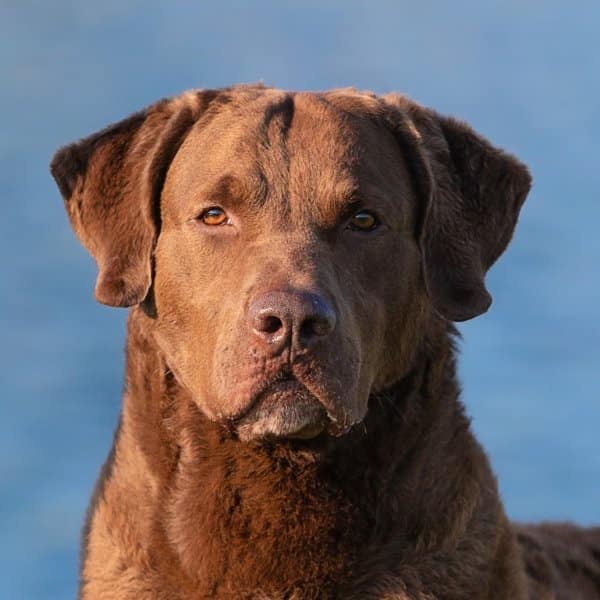
The head of the Chesapeake Bay Retriever is one of its defining features, demonstrating the breed's strength and its character.
Skull: Broad and rounded, the skull exhibits a slight but noticeable stop. The skull's breadth, in-line with the width of the body, is indicative of the breed's strength and intelligence.
Expression: Often described as bright, the breed's eyes radiate an alert and keen expression. This characteristic “Chessie” look gives an impression of determination and capability.
Eyes: The eyes are medium-sized, neither too deeply set nor protruding. Their color usually harmonizes with that of the coat, ranging from yellowish to a darker shade of amber.
Ears: Set high on the head but not too close together, the ears are of medium size and the hair on the leather has a slight wave. When the dog is alert, the ears are carried in a manner that gives the head a distinctive and pleasing appearance.
Muzzle: The muzzle is of medium length, showing strength without coarseness. It tapers slightly, but not sharply, from the skull to the nose.
Nose: The nose is broad with open nostrils, ensuring the keen sense of smell that is vital for a retriever. Its color should be either the same as the coat or slightly darker.
Bite: The Chesapeake Bay Retriever possesses a scissor bite where the upper incisors fit perfectly over the lower incisors. This ensures a firm grip, which is essential in a retriever.
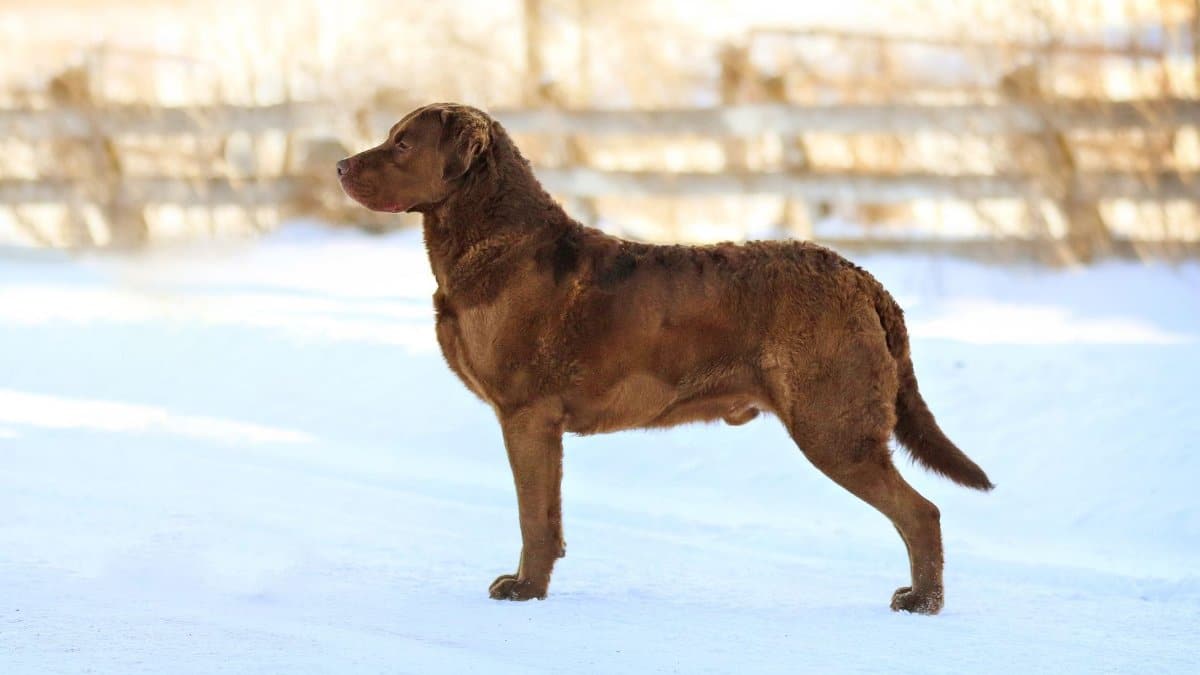
The Chesapeake Bay Retriever is a well-proportioned dog, with a body length that is slightly longer than its height at the withers. The breed presents a medium-to-large figure, emphasizing both strength and endurance. The Chessie's substance is solid without appearing cumbersome, supporting an agile retriever that remains ideal for waterwork and capable over challenging terrain.
Texture: The coat of the Chesapeake Bay Retriever is distinctive and serves a functional purpose. It consists of a dense, waterproof undercoat, which provides insulation from the cold, and a short, harsh outer coat that offers protection against brambles and brush. The coat's resilience is evident in its ability to shed water easily, helping the Chessie to excel in its water-retrieving duties.
Markings: Small white spots are permitted on the breast, belly, toes, or the backs of the feet (immediately above the large pad).
Standard Colors
04/Consider
Bringing a Chesapeake Bay Retriever into the home isn't just about acquiring a pet; it's about adding a devoted companion and a hard-working member to the family. The breed’s love for water, combined with its history as an esteemed hunter, makes the Chessie a unique breed that requires consistent care and proper management. While this retriever can be a great choice as a family companion, it's crucial to understand its specific needs and its unique characteristics in order to ensure a harmonious home life.
Interaction With Family
The level of affection a breed typically shows towards family members and familiar individuals.
Good With Other Dogs
The innate friendliness of a dog towards other dogs can depend on its breed.
Good With Young Children
The degree to which a breed will typically be patient with young children.
Amount Of Shedding
How much hair a breed typically leaves behind on clothes, furniture and floors.
Frequency Of Grooming
How often a breed needs brushing, bathing or a professional trim to stay in condition.
Amount Of Drooling
How prone a breed is to drool — worth knowing before you keep a towel by the door.
Openness To Strangers
How openly a breed tends to greet new people, visitors and strangers.
Protective Nature
How likely a breed is to alert you to — and stand between you and — anything unfamiliar.
Playfulness Level
How enthusiastic a breed stays about games and play well past puppyhood.
Trainability Level
How readily a breed takes direction and works with you rather than around you.
Barking Level
How much a breed uses its voice, and how readily.
Energy Level
How much get-up-and-go a breed brings to an average day.
Health
The health and well-being of a Chesapeake Bay Retriever are important for anyone who cares about the breed. Generally, Chessies are robust and hardy, benefitting from the breed's origin as a waterfowl retriever. Their active lifestyle certainly keeps them fit, but like any breed or mixed breed, individuals can encounter specific health concerns. Lifespan: On average, a Chesapeake Bay Retriever can expect to live between 10 and 13 years. This lifespan can be influenced by various factors, including genetics, diet, exercise, and regular veterinary care.
At the heart of the Chesapeake Bay Retriever lies a harmonious blend of dedication, intelligence, and loyalty. This breed, known for its strong-willed nature, can pose a challenge for novice dog owners. While Chessies are undoubtedly eager to please, understanding their temperament and responding with consistent guidance is key to fostering a meaningful bond.
Chessies have a sensitive side. They thrive on positive reinforcement and can often become withdrawn or even stubborn when faced with harsh treatment. Despite their deep attachment to their families, they have an innate ability to tolerate periods of solitude. However, like most breeds, they don't take well to prolonged isolation, which can lead to feelings of boredom and spur potentially destructive behavior.
When it comes to their interaction with other dogs, early socialization is of utmost importance for a Chessie. The breed’s territorial nature means that without appropriate introductions during the formative puppy months, a dog might develop aggressive tendencies, especially toward dogs of the same sex. However, many Chesapeake Bay Retrievers live harmoniously with other pets when well-socialized and brought up in an environment that fosters a respect for boundaries.
Families with young children may find that the Chessie often forms strong bonds with younger family members. While they are generally gentle and protective, interactions should always be supervised to ensure the safety of both the children and the dog.
Exercise Expectations
The Chesapeake Bay Retriever's exercise regimen should be reflective of its innate high energy and stamina. This breed is not the type of dog to be content with just a short walk around the block. Instead, Chessies thrive on more vigorous activities like running, swimming, and playing fetch. Incorporating regular play sessions into their daily routine not only helps in burning off their energy, it also strengthens the bond between the dog and its favorite person. The intensity of their exercise needs cannot be overstated. Without adequate physical stimulation, Chessies can become restless, leading to undesirable behaviors like digging, barking, or even chewing. Moreover, exercise is not just about tending to their physical health; it also plays a pivotal role in their mental stimulation. Activities that challenge their intelligence, such as Agility training or Scent Work, can be highly beneficial for this breed. Their playfulness is another characteristic that can be channeled positively. Engaging Chesapeake Bay Retrievers in games that mimic their natural retrieving instincts, like fetch or even water-based activities, can be particularly rewarding for them.
Living with a Chesapeake Bay Retriever offers a unique and rewarding experience, punctuated by the loyalty, intelligence, and protective nature for which these dogs are greatly admired. However, ensuring a harmonious coexistence requires understanding the breed’s specific needs and temperament.
When it comes to housing, while the Chessie can adapt to apartment living, these dogs thrive best in homes with ample outdoor space. The breed’s high energy levels and love for play mean that a yard can offer the Chesapeake with an outlet to expend some of its boundless energy. If in an apartment setting, it becomes even more critical to ensure the dog is provided ample exercise and mental stimulation daily.
Weather is another consideration for the Chesapeake. The breed’s dense double coat, designed to insulate the dog from cold water, also means it can handle colder climates quite well. In contrast, hot weather can be a challenge. During warmer months, it's crucial to provide the Chessie with shade and plenty of water, and to avoid strenuous activity during the hottest parts of the day.
The Chesapeake Bay Retriever’s natural protective instincts mean it can be wary of strangers. While this makes the breed an excellent watchdog, early socialization is essential to ensure it can differentiate between a benign visitor and a genuine threat. The Chessie’s loyalty to its family is unwavering, but this can also translate into a degree of reservation with outsiders.
05/Puppies
The allure of a Chesapeake Bay Retriever puppy is undeniable. With its soft coat, curious eyes, and playful demeanor, these pups can melt any heart. However, bringing a Chessie puppy into the home is a commitment that requires thorough preparation and understanding of the little one’s specific needs during this crucial developmental phase.
Caring for a Chesapeake Bay Retriever puppy goes beyond ensuring it has the basics of food, water, and shelter. It's a holistic approach that encompasses the pup’s physical, mental, and emotional needs.
Nutrition plays a pivotal role during this phase. Feeding a high-quality puppy-specific diet ensures Chessie puppies will receive all the essential nutrients for growth and development. The amount and frequency of feedings will change as they grow, but it's vital to always follow vet-recommended guidelines and monitor every puppy for any signs of obesity or malnutrition.
Socialization is another cornerstone of puppy care. Introducing your Chesapeake puppy to various experiences, sounds, sights, people, and other animals in a positive manner can lay the foundation for a well-adjusted adult dog. This period is a window of opportunity, and making the most of it can prevent behavioral issues down the line.
Training should start early, even if it's just the basic commands. A Chessie's intelligence and eagerness to please make this breed a fast learner, but consistency is key. Puppy training classes can be a valuable resource, offering both the puppy and the owner the tools and techniques needed for successful training.
Healthcare is also paramount. Regular vet check-ups, vaccinations, and preventive treatments for parasites ensure that the puppy will remain healthy and protected against potential diseases.
Lastly, providing a safe environment for the Chesapeake puppy to explore, play, and rest is essential. This includes puppy-proofing the house and yard, offering plenty of toys for stimulation, and ensuring the puppy has a comfortable place to relax and sleep.
In essence, caring for a Chesapeake Bay Retriever puppy is a journey. It requires patience, knowledge, and dedication, but the joy of watching the pup grow into a loyal and loving companion makes every effort worth it.
06/Activities
The Chesapeake Bay Retriever, known for its athleticism, intelligence, and natural instincts, is well-suited to a variety of dog activities and sports. Engaging in these events not only showcases the breed’s capabilities, it also strengthens the bond between the dog and its handler.
Field Trials and Hunt Tests: These activities align with Chessie's function as a waterfowl retriever. Challenges include tracking, marking, and retrieving game in diverse conditions, which mimic real-life hunting scenarios.
Agility: The Chesapeake Bay Retriever's speed, coordination, and obedience are put to the test as the dog navigates through obstacle courses.
Obedience Trials: These events are a platform to demonstrate the Chessie's discipline and responsiveness to commands. Success in these trials showcases both the dog's training and the handler's dedication.
Water Rescue and Dock Diving: Tapping into the breed's love for water, these events highlight the breed’s strong swimming abilities and passion for retrieving.
Conformation Shows: These social events highlight a Chesapeake Bay Retriever's adherence to its Breed Standard. Participation promotes the breed to the public and fosters the deep connection between handler and dog.
Gallery
07/Standards
The Chesapeake Bay Retriever is recognized by the world's leading registries and kennel organizations, which categorize the breed into a specific Group based on its unique characteristics. This breed is recognized worldwide under the following Group designations:
The ideal Chesapeake Bay Retriever is described by a Breed Standard that is approved by each of the world’s leading registries and kennel organizations. The Breed Standards for this breed may be found in the following links:
08/Clubs
The Chesapeake Bay Retriever, with its rich history and distinctive qualities, has garnered the admiration of countless enthusiasts over the years. As a result, several breed clubs have emerged to support, educate, and further the interests of this iconic American breed.In the United States, the premier organization dedicated to the Chesapeake Bay Retriever is the American Chesapeake Club (ACC). Established in 1918, the ACC endeavors to preserve the breed's written Standard, promote responsible breeding practices, and foster a community of passionate Chessie owners and breeders.In Canada, the Chesapeake Bay Retriever Club of Canada (CBRCC) plays a pivotal role in championing the breed. This organization focuses on both breed promotion and the well-being of Chesapeake Bay Retrievers throughout the country.In the United Kingdom, the Chesapeake Bay Retriever Club (UK) stands as a beacon for Chesapeake Bay Retriever admirers. With its dedication to the breed's preservation and enhancement, the club offers resources, events, and a community platform for UK-based Chesapeake owners and admirers.Membership in these clubs provides individuals with access to a wealth of information, social and competitive events, training resources, and a community of like-minded enthusiasts. For those passionate about the Chesapeake Bay Retriever, joining a breed club can be a fulfilling way to deepen the connection and commitment to these remarkable dogs.
09/Rescue
With its unique characteristics and captivating history, the Chesapeake Bay Retriever has captured the hearts of many people who appreciate a functional companion animal. However, like all dog breeds, there are times when a Chessie finds itself in need of a new home due to various circumstances. Thankfully, dedicated rescue groups work tirelessly to ensure that these wonderful dogs find loving, forever homes.In the US, Chesapeake Safe Harbor stands out as a notable organization. Committed to rescuing, rehabilitating, and rehoming Chesapeake Bay Retrievers, this organization extends a lifeline to Chessies in need, ensuring they receive the care and love they deserve.In Canada, the Chesapeake Bay Retriever Relief & Rescue plays a pivotal role. The group’s commitment to rescuing and rehoming Chessies is unwavering, providing a second chance to many retrievers.
10/Facts
Loyal Lifeguard
Chessie's intense loyalty is more than just emotional. Historically, there are numerous accounts of these dogs saving lives. Their powerful swimming ability and undeterred spirit have led them to rescue drowning people.
Double Duty Coat
The Chesapeake Bay Retriever's coat is not just for looks. Its unique, dense, double coat is designed to repel water and help to regulate body temperature, making it well-suited for waterfowl retrieving in cold waters.
Remarkable Scent Memory
While most retrievers are known for their keen sense of smell, the Chessie takes it up a notch. They're known to remember scents for years, showcasing an unparalleled marking ability.
Chessie Smile
This breed is known for what enthusiasts call the "Chessie Smile." It's a unique, endearing grin that these dogs like to demonstrate, especially when they're feeling playful or pleased.
Presidential Pooch
Several U.S. Presidents, including Theodore Roosevelt, have been proud owners of Chesapeake Bay Retrievers.
Maryland State Dog
The Chessie isn't just popular among dog enthusiasts; it's a state icon! The Chesapeake Bay Retriever is the Official State Dog of Maryland, a testament to its historical and cultural significance in the region.
Versatile Athlete
Apart from its prowess in waterfowl retrieving, the Chesapeake Bay Retriever excels in various dog sports. From Agility to Search and Rescue, there's hardly an activity in which this breed doesn't shine.
11/FAQ
Yes, Chesapeake Bay Retrievers do shed. Like many breeds, they experience a more pronounced shedding season, usually in the spring and fall. Regular brushing can help to manage and reduce the amount of hair found around your home.
Official Standard for the Chesapeake Bay Retriever
General Appearance: Equally proficient on land and in the water, the Chesapeake Bay Retriever was developed along the Chesapeake Bay to hunt waterfowl under the most adverse weather and water conditions, often having to break ice during the course of many strenuous multiple retrieves. Frequently the Chesapeake must face wind, tide and long cold swims in its work. The breed's characteristics are specifically suited to enable the Chesapeake to function with ease, efficiency and endurance. In head, the Chesapeake's skull is broad and round with a medium stop. The jaws should be of sufficient length and strength to carry large game birds with an easy, tender hold. The double coat consists of a short, harsh, wavy outer coat and a dense, fine, wooly undercoat containing an abundance of natural oil and is ideally suited for the icy rugged conditions of weather the Chesapeake often works in. In body, the Chesapeake is a strong, well-balanced, powerfully built animal of moderate size and medium length in body and leg, deep and wide in chest, the shoulders built with full liberty of movement, and with no tendency to weakness in any feature, particularly the rear. The power though, should not be at the expense of agility or stamina. Size and substance should not be excessive as this is a working retriever of an active nature. Distinctive features include eyes that are very clear, of yellowish or amber hue, hindquarters as high or a trifle higher than the shoulders, and a double coat which tends to wave on shoulders, neck, back and loins only. The Chesapeake is valued for its bright and happy disposition, intelligence, quiet good sense, and affectionate protective nature. Extreme shyness or extreme aggressive tendencies are not desirable in the breed either as a gun dog or companion. Disqualifications: Specimens that are lacking in breed characteristics should be disqualified.
Size, Proportion, Substance: Height - Males should measure 23 to 26 inches; females should measure 21 to 24 inches. Oversized or undersized animals are to be severely penalized. Proportion - Height from the top of the shoulder blades to the ground should be slightly less than the body length from the breastbone to the point of buttocks. Depth of body should extend at least to the elbow. Shoulder to elbow and elbow to ground should be equal. Weight - Males should weigh 65 to 80 pounds; females should weigh 55 to 70 pounds.
Head: The Chesapeake Bay Retriever should have an intelligent expression. Eyes are to be medium large, very clear, of yellowish or amber color and wide apart. Ears are to be small, set well up on the head, hanging loosely, and of medium leather. Skull is broad and round with a medium stop. Nose is medium short. Muzzle is approximately the same length as the skull, tapered, pointed but not sharp. Lips are thin, not pendulous. Bite-Scissors is preferred, but a level bite is acceptable. Disqualifications: Either undershot or overshot bites are to be disqualified.
Neck, Topline, Body: Neck should be of medium length with a strong muscular appearance, tapering to the shoulders. Topline should show the hindquarters to be as high as or a trifle higher than the shoulders. Back should be short, well coupled and powerful. Chest should be strong, deep and wide. Rib cage barrel round and deep. Body is of medium length, neither cobby nor roached, but rather approaching hollowness from underneath as the flanks should be well tucked up. Tail of medium length; medium heavy at the base. The tail should be straight or slightly curved and should not curl over back or side kink.
Forequarters: There should be no tendency to weakness in the forequarters. Shoulders should be sloping with full liberty of action, plenty of power and without any restrictions of movement. Legs should be medium in length and straight, showing good bone and muscle. Pasterns slightly bent and of medium length. The front legs should appear straight when viewed from front or rear. Dewclaws on the forelegs may be removed. Well webbed hare feet should be of good size with toes well-rounded and close.
Hindquarters: Good hindquarters are essential. They should show fully as much power as the forequarters. There should be no tendency to weakness in the hindquarters. Hindquarters should be especially powerful to supply the driving power for swimming. Legs should be medium length and straight, showing good bone and muscle. Stifles should be well angulated. The distance from hock to ground should be of medium length. The hind legs should look straight when viewed from the front or rear. Dewclaws, if any, must be removed from the hind legs. Disqualifications: Dewclaws on the hind legs are a disqualification.
Coat: Coat should be thick and short, nowhere over 1½ inches long, with a dense fine wooly undercoat. Hair on the face and legs should be very short and straight with a tendency to wave on the shoulders, neck, back and loins only. Moderate feathering on rear of hindquarters and tail is permissible. The texture of the Chesapeake's coat is very important, as the Chesapeake is used for hunting under all sorts of adverse weather conditions, often working in ice and snow. The oil in the harsh outer coat and wooly undercoat is of extreme value in preventing the cold water from reaching the Chesapeake's skin and aids in quick drying. A Chesapeake's coat should resist the water in the same way that a duck's feathers do. When the Chesapeake leaves the water and shakes, the coat should not hold water at all, being merely moist. Disqualifications: A coat that is curly or has a tendency to curl all over the body must be disqualified. Feathering on the tail or legs over 1¾ inches long must be disqualified.
Color: The color of the Chesapeake Bay Retriever must be as nearly that of its working surroundings as possible. Any color of brown, sedge or deadgrass is acceptable, self-colored Chesapeakes being preferred. One color is not to be preferred over another. A white spot on the breast, belly, toes, or back of the feet (immediately above the large pad) is permissible, but the smaller the spot the better, solid colored preferred. The color of the coat and its texture must be given every consideration when judging on the bench or in the ring. Honorable scars are not to be penalized.
Disqualifications: Black colored; white on any part of the body except breast, belly, toes, or back of feet must be disqualified Gait: The gait should be smooth, free and effortless, giving the impression of great power and strength. When viewed from the side, there should be good reach with no restrictions of movement in the front and plenty of drive in the rear, with good flexion of the stifle and hock joints. Coming at you, there should be no sign of elbows being out. When the Chesapeake is moving away from you, there should be no sign of cowhockness from the rear. As speed increases, the feet tend to converge toward a center line of gravity.
Temperament: The Chesapeake Bay Retriever should show a bright and happy disposition with an intelligent expression. Courage, willingness to work, alertness, nose, intelligence, love of water, general quality and, most of all, disposition should be given primary consideration in the selection and breeding of the Chesapeake Bay Retriever.
Disqualifications: 1. Specimens lacking in breed characteristics. 2. Teeth overshot or undershot. 3. Dewclaws on the hind legs. 4. Coat curly or with a tendency to curl all over the body. 5. Feathering on the tail or legs over 1¾ inches long. 6. Black colored. 7. White on any part of the body except breast, belly, toes, or back of feet.
The question of coat and general type of balance takes precedence over any scoring table which could be drawn up. The Chesapeake should be well proportioned, an animal with a good coat and well balanced in other points being preferable to one excelling in some but weak in others.
Positive Scale of Points
Head, including lips, ears and eyes 16
Neck 4
Shoulders and body 12
Hindquarters and stifles 12
Elbows, legs and feet 12
Color 4
Stern and tail 10
Coat and texture 18
General conformation 12
Total 100
Approximate Measurements Inches
Length head, nose to occiput 9½ to 10
Girth at ears 20 to 21
Muzzle below eyes 10 to 10½
Length of ears 4½ to 5
Width between eyes 2½ to 2¾
Girth neck close to shoulder 20 to 22
Girth at flank 24 to 25
Length from occiput to tail base 34 to 35
Girth forearms at shoulders 10 to 10½
Girth upper thigh 19 to 20
From root to root of ear, over skull 5 to 6
Occiput to top shoulder blades 9 to 9½
From elbow to elbow over the shoulders 25 to 26
Approved November 9, 1993
Effective December 31, 1993


Meet the Breeders
Breeder Adam Levy discusses Chesapeake Bay Retrievers, dual-purpose breeding, mentorship, and preserving the breed's working ability.
All About Judging
Chesapeake Bay Retrievers are no cookie-cutter breed. Learn to judge their profile, athleticism, coat, and gait with expert precision.
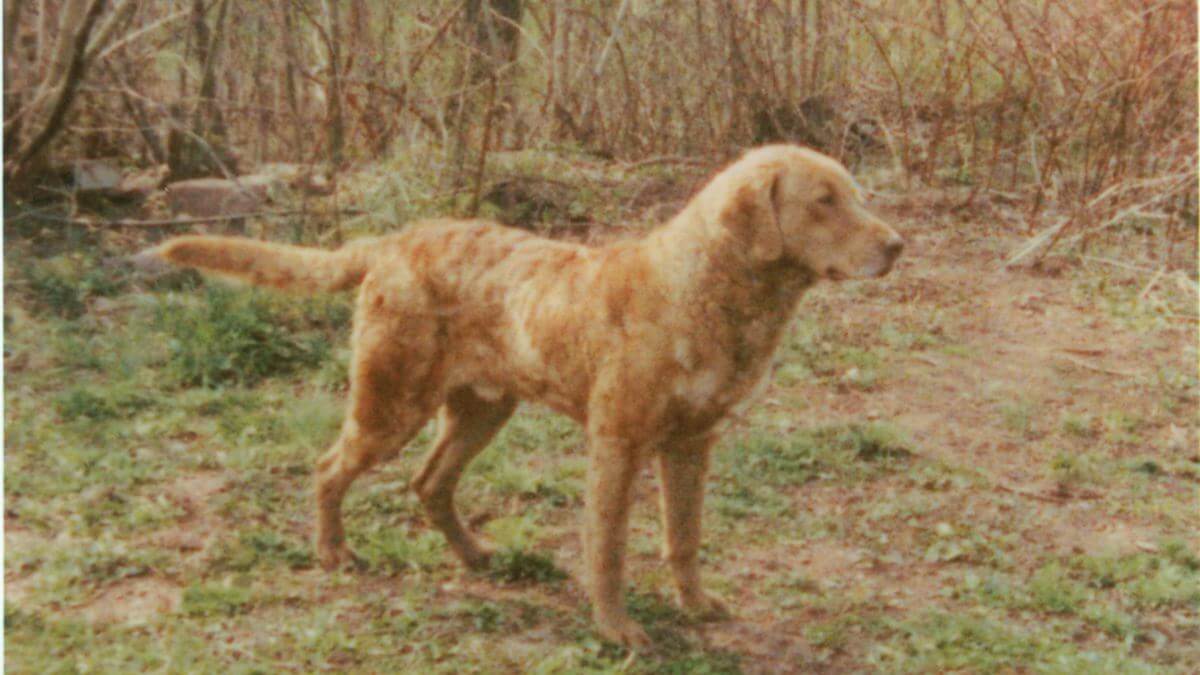
Discover the Chesapeake Bay Retriever, a strong, determined waterfowl dog bred for both hunting and show success since 1878.
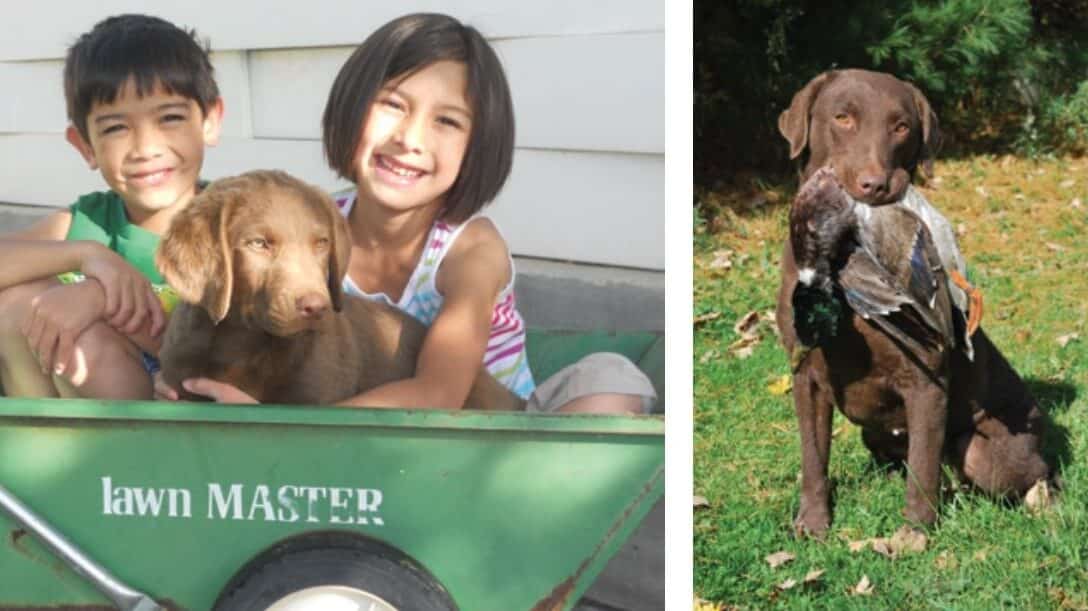
Discover the allure of the Chesapeake Bay Retriever, a versatile breed known for intelligence, power, and a deep bond with their families.
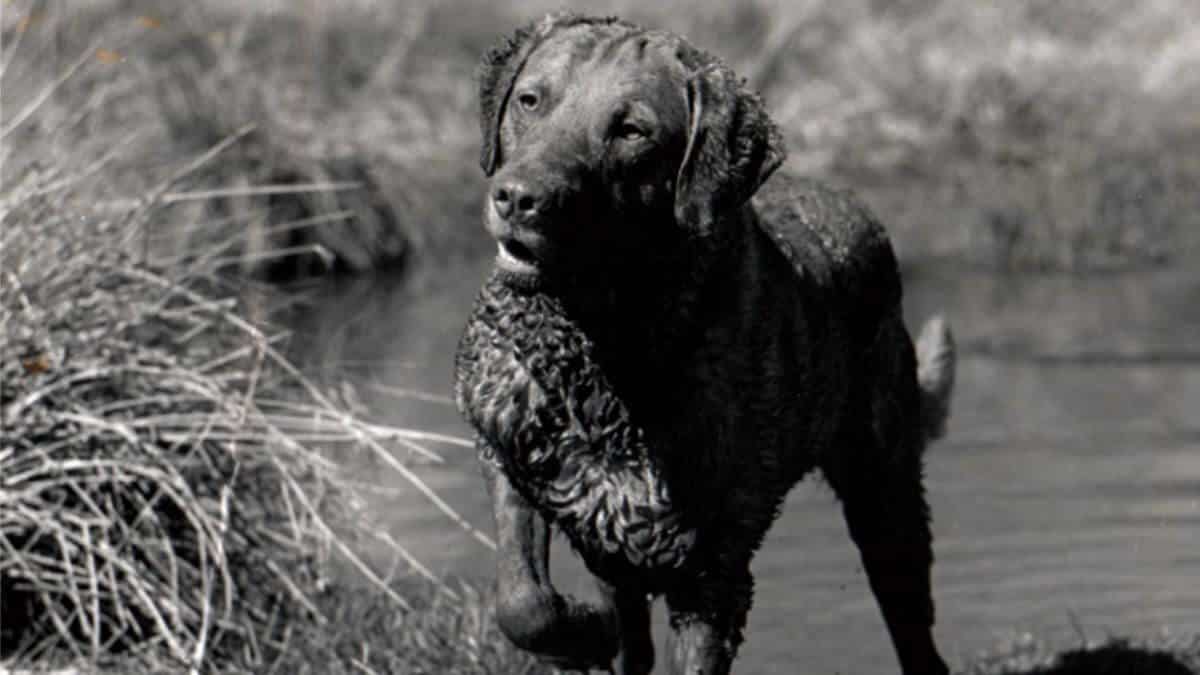

All About Judging
Explore essential guidelines for judging Chesapeake Bay Retrievers, focusing on breed type, moderation, and valuing merits over minor faults.
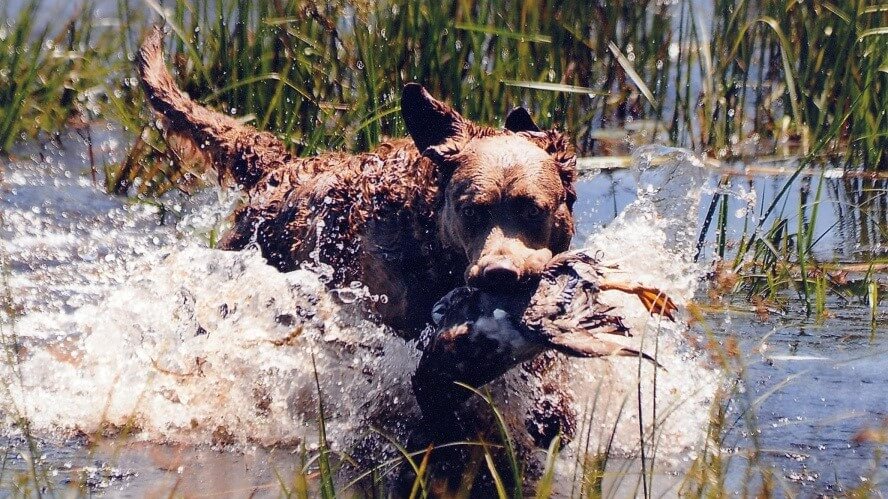
Explore the joys of living with a Chesapeake Bay Retriever, from training techniques to their strong family bonds and versatile nature.
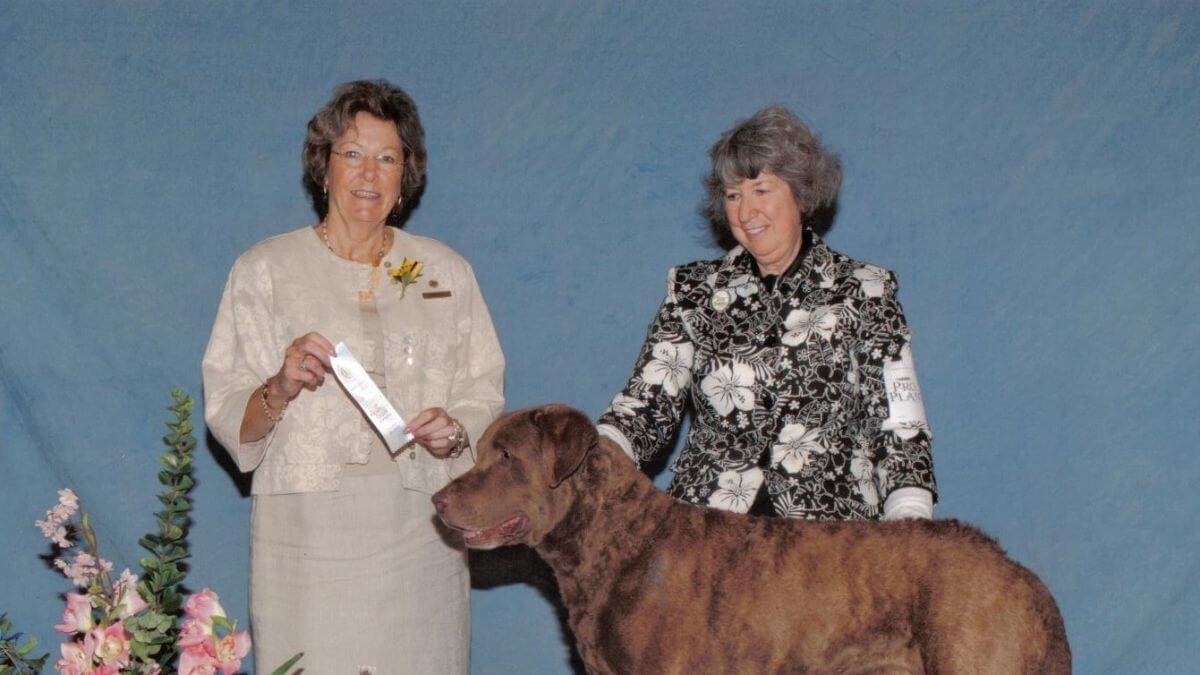

All About Judging
Explore the distinctive traits and judging standards of the Chesapeake Bay Retriever, focusing on their unique structure, movement, and coat.


Meet the Breeders
Maria Okolita is the breeder behind Three Horses Chesapeakes. Read about the kennel’s beginnings, puppies, and much more!

Meet the Breeders
Cat Martini-Rashid is the breeder behind Sleepy Hollow Chesapeakes. Read about the kennel’s beginnings, puppies, and much more!
The tail of the Chesapeake Bay Retriever serves as a rudder in the water. It is of medium length, either straight or gently curved but never curled over the back or to the side. As an extension of the hindquarters, which can be as high as or a trifle higher than the shoulders, the tail is broad at the base and tapers towards the end. The coat on the tail is dense and water-resistant, similar to that of the body but slightly shorter. It should not be feathered.
A Note About Color: Solid-colored dogs are preferred, although masking on the top skull, light and dark striping, and saddle markings are acceptable. Deeper coloration on the ears and muzzle is acceptable. Black hairs, or white hairs on any part of the body not specified, are unacceptable.
Coat Type
Wiry, Wavy
The structure of the coat this breed carries.
Coat Length
Medium
How long the breed's coat grows when kept in condition.
Adaptability Level
How easily a breed copes with changes in home, routine, noise and weather.
Mental Stimulation Needs
How much a breed needs a job, a puzzle or training to stay content.
One of the defining traits of the Chesapeake Bay Retriever is its reserved demeanor towards strangers. The breed’s natural inclination is to be protective of the family makes this dog an excellent watchdog. This inherent trait means newcomers might need to exercise patience, giving the Chessie ample time to warm up to unfamiliar faces.
Feeding a Chesapeake Bay Retriever requires an understanding of both the dog's activity level and its unique nutritional needs. Being a breed with origins in demanding physical work, the Chesapeake Bay Retriever often has a higher energy requirement than some other breeds.
For puppies, it's essential to provide a balanced diet that supports their rapid growth. Foods specifically formulated for large-breed puppies can be a good choice, ensuring they receive the right nutrients without promoting overly fast growth, which could strain their developing skeletal system.
As the Chesapeake Bay Retriever transitions to adulthood, the dietary needs will change. Active adult dogs will require a diet rich in protein and calories to support their energy levels. On average, a Chesapeake Bay Retriever might consume between 2.5 to 3.5 cups of high-quality dry dog food daily, split into two meals. However, the exact amount will vary depending on a dog's weight, age, metabolism, and activity level.
In terms of feeding charts, while they provide a useful guideline, it's crucial to monitor the dog's weight and adjust portion sizes based on activity levels and body condition. Overfeeding can lead to obesity, a concern that can exacerbate potential health issues in the breed.
Senior Chesapeake Bay Retrievers might see a decrease in activity levels, necessitating a reduction in caloric intake. Foods tailored for senior dogs can help to address their changing nutritional needs, ensuring they maintain a healthy weight in their golden years.
In any life stage, providing fresh water at all times is essential. Moreover, occasional treats can be a delightful addition, but they should be given in moderation to avoid excess weight gain.
Training a Chesapeake Bay Retriever demands an understanding of this breed's spirited and independent nature. Famed for their intelligence and determination, Chessies can excel in training sessions that employ consistency, positivity, and firmness.
The innate intelligence of the Chesapeake Bay Retriever can be both a gift and a challenge. While these dogs have the capacity to pick up commands quickly, their independent streak can sometimes make them appear stubborn. They are not always immediately compliant, often preferring to weigh the benefits of obeying a command. This is why it's crucial for trainers to be consistent and firm without being overly harsh.
Chessies often respond best to training methods rooted in positive reinforcement. Treats, praise, and play can motivate them effectively. Due to their sensitivity, negative or punishment-based techniques can lead to a withdrawn or unresponsive dog.
Regarding their vocal nature, while they are not known to be excessive barkers, Chessies will alert their family to unfamiliar sounds or possible intruders. Early training can help to modulate this behavior, ensuring they bark when necessary but can also be quieted on command.
Their intelligence and drive make the Chesapeake Bay Retriever an excellent candidate for advanced Obedience and other Dog Sports. However, these traits come with a double-edged sword; the breed’s potential for wanderlust and predation. Proper recall training and a secure environment are essential for any Chessie, ensuring it won't chase after interesting scents or smaller animals.
Grooming Expectations
The Chesapeake's coat is dense, with a fine, wooly undercoat that provides insulation, and a coarse, short outer coat that helps to repel water. While the coat is not as demanding as that of some long-haired breeds, it does have its own unique requirements. Regular brushing, about once a week, can help in removing loose hairs and keeping the coat healthy. It's essential, however, not to over-groom this breed, as excessive brushing can strip the coat of its natural oils, diminishing its water-resistant properties. Shedding is a natural part of Chessie's life, particularly during the shedding seasons in spring and fall. During these times, more frequent brushing might be necessary to manage the loose hairs. Baths for the Chesapeake Bay Retriever should be given sparingly. The natural oils in the coat make it resistant to dirt, and often, a simple rinse with water can remove any mud or debris. When baths are necessary, it's important to use a mild dog shampoo and ensure the coat is thoroughly rinsed and dried. Other grooming essentials include regular checks and cleaning of the ears, nail trimming, and dental care. Like all breeds, regular dental check-ups and at-home tooth brushing can help to prevent dental diseases.