01/Overview
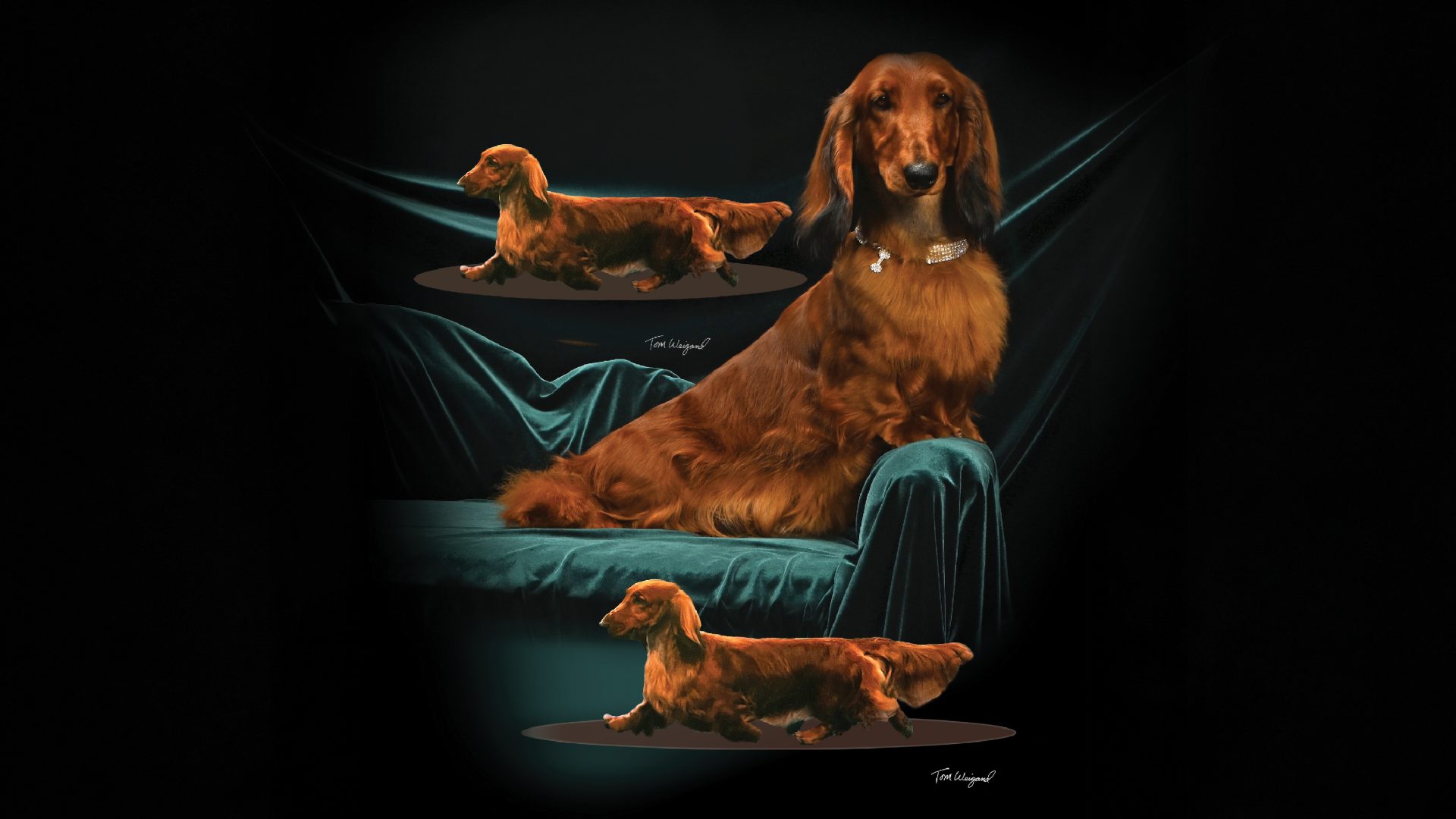
The Dachshund, affectionately referred to as the “doxie” (or "wiener dog" or “sausage dog” due to its unique and easily recognizable shape), has captivated hearts around the world. Originating from Germany, this breed was initially designed for hunting small to medium-sized game, particularly badgers. Its distinctive physique, characterized by a long back and short legs, served it well in navigating narrow burrows. Today, the Dachshund remains a beloved family companion, celebrated both for its unique appearance and its spirited demeanor.
Highlights
02/History
The Dachshund, with its distinctive physique and spirited demeanor, boasts a rich history that spans centuries. This breed's tale is woven with threads of courage, hunting prowess, and a unique physique, earning it the admiration of people around the world.
Originating in Germany, the Dachshund's name itself provides a clue to its primary function: Dachs translates to "badger" in German, while hund means "dog." Crafted for their fearless nature and agile build, these dogs were initially bred for badger hunting. The breed’s elongated body and short legs allowed the Dachshund to dig into badger dens, while its robust and courageous temperament equipped it to take on such a formidable opponent.
Over time, variations in the Dachshund's size were developed to suit different hunting needs. While the standard-sized dog pursued badgers and wild boar, the miniature version was used for hunting small game like hares.
The Dachshund wasn't solely confined to the forests and fields of Germany. By the 1800s, the breed had piqued the interest of dog enthusiasts in other parts of Europe and soon made its way to the United States. Its unique appearance, combined with its spirited nature, made the Dachshund popular both as a hunting partner and family companion.
The 20th century saw the Dachshund's popularity rise and fall. During the World Wars and in the years that followed, anti-German sentiment negatively impacted the breed’s popularity. However, its many charms were undeniable, and it wasn't long before the Doxie found itself back in the hearts of dog lovers everywhere.
The American Kennel Club (AKC) granted the breed official recognition in the early 1900s. Similarly, the Federation Cynologique Internationale (FCI) and The Royal Kennel Club (UK) have long recognized the Dachshund for its distinctive appearance and spirited demeanor.
Today, the Dachshund stands not just as a testament to specialized breeding for hunting but as a beloved companion in countless households. The breed’s journey from the dense forests of Germany to the cozy living rooms of families worldwide is a testimony to its adaptability, charisma, and enduring appeal.
03/Appearance
A Dachshund can be categorized based on its size: Miniature or Standard. A mature Standard Dachshund typically measures around 8 to 9 inches tall at the shoulder, with males weighing between 16 and 32 pounds and females usually ranging from 16 to 28 pounds. Adult Miniature Dachshunds are notably smaller, standing around 5 to 6 inches tall at the shoulder, with both males and females generally weighing less than 11 pounds at 12 months of age. In Germany, a third size is also recognized. Adult “Rabbit” Dachshunds generally weigh up to 7.7 pounds for males and 6.6 pounds for females.
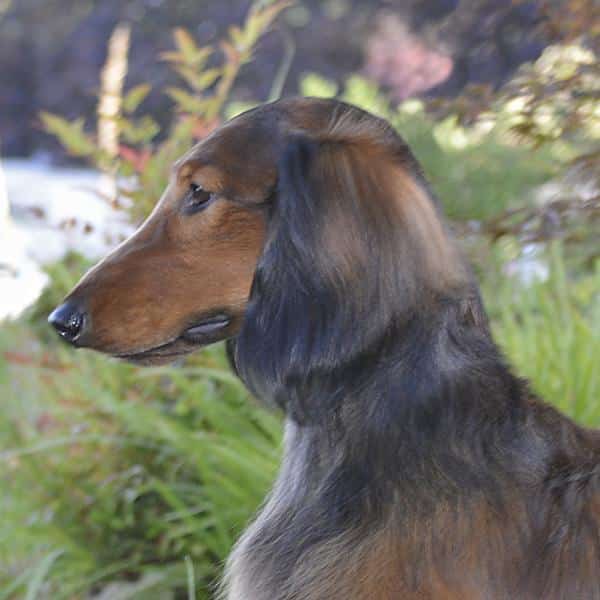
The head of the Dachshund is elegantly shaped and carried confidently, symbolizing the breed's keen sense of alertness and determination.
Skull: The skull is slightly arched, neither too broad nor too narrow. It tapers gradually towards the tip of the nose, with a barely perceptible stop.
Expression: The breed has an alert and intelligent expression, which characterizes its curiosity. The eyes gleam with a playful yet determined spirit.
Eyes: Medium in size and almond-shaped, the Dachshund's eyes are set obliquely. The color can vary, but it generally complements the coat's hue, giving a harmonious look. Wall eyes are a serious fault, except in Dappled dogs, and unacceptable in Piebald dogs.
Ears: Set near the top of the head, the ears are of moderate length and rounded at the tip. They hang close to the head, gracefully framing the face.
Muzzle: Strong and elongated, the muzzle provides the Dachshund with a powerful bite. It is finely formed, neither too long nor too short, with a slightly Roman appearance.
Nose: Depending on the color of the coat, the nose is either black or self-colored to match the coat. The nostrils are well open, emphasizing the breed's keen sense of smell.
Bite: The Dachshund has a scissors bite, where the upper incisors fit precisely over the lower, ensuring a strong and effective grip.
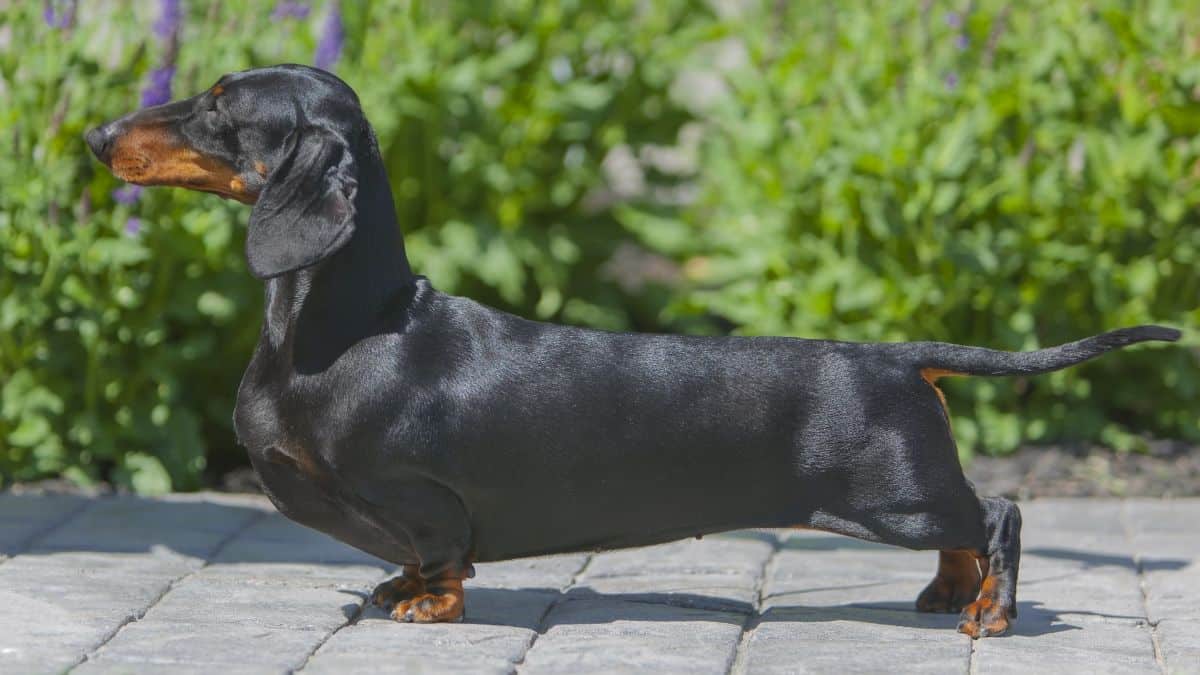
The Dachshund's elongated body and short legs are characteristics that are not produced merely for aesthetic appeal. They serve a functional purpose rooted in the breed's history as a hunting dog. The unique silhouette makes it immediately clear that this is a dog designed for function, and its well-balanced height-to-length ratio ensures that, even with a long and low to ground body, the Dachshund can move in a fluid and robust manner.
A well-muscled body is evidence of the Dachshund’s origins as a tenacious worker. Its compact yet robust form is sturdy, ensuring the ability to navigate tight spaces during hunting escapades. Substance, combined with the dog’s unique proportions, embodies the essence of the breed; a powerful hunter in a compact frame.
Texture: The Dachshund boasts three distinct coat varieties: Smooth, Longhaired, and Wirehaired. Each presents its own charms and texture:
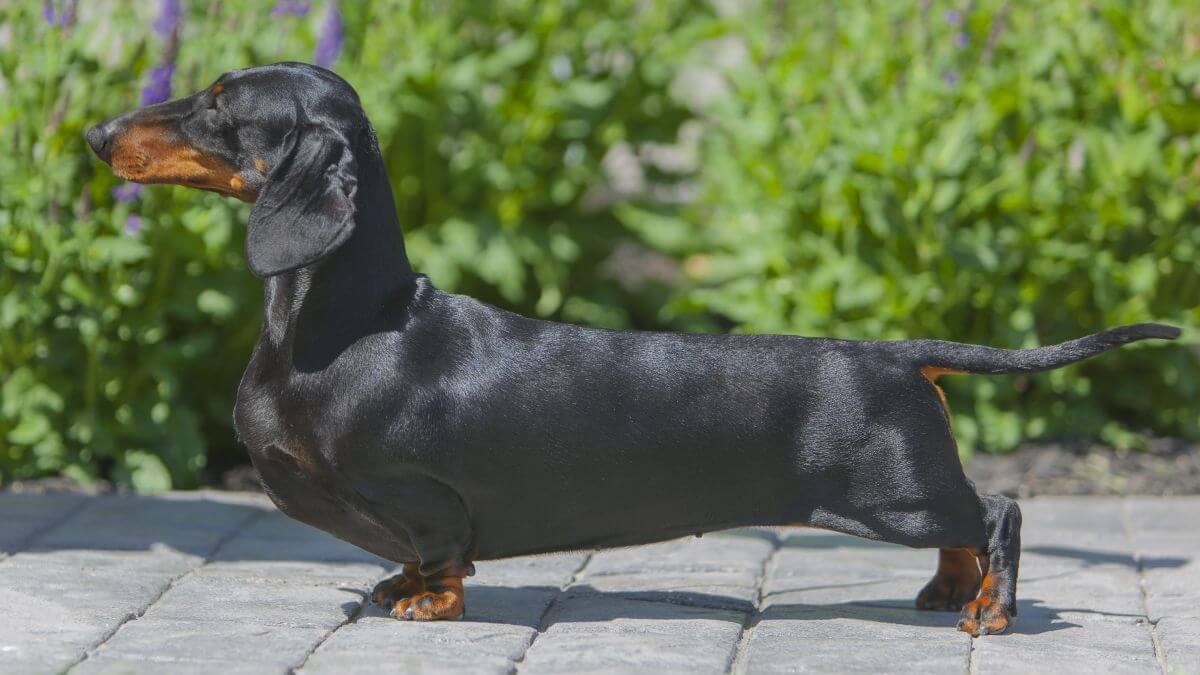
Smooth: This single coat is short, smooth, and shiny, hugging the body closely.
Longhaired: Characterized by a sleek, slightly wavy texture, this single coat is longer than the smooth variety, especially noticeable on the ears, neck, undersides, and tail.
Wirehaired (Teckel): The roughest of the three, this double coat is dense and short with a wiry texture. Often, Wirehaired Dachshunds have bushy eyebrows and a beard.
The Dachshund comes in a vibrant palette of colors:
Unacceptable (Fad) Color & Pattern: The following color/pattern is unacceptable in the Dachshund:
Double-Dapple: A dapple (merle) coat with white on the nose, neck, feet, and tail.
Standard Colors
04/Consider
Dachshunds, with their distinctive appearance and spirited nature, can be both a joy and a challenge for owners. The breed’s history as a tenacious hunter translates into a strong personality in the modern household setting. Owners should be prepared for a dog that is both fiercely loyal and sometimes stubborn. Before embarking on the journey of owning a Dachshund, it's crucial to consider the breed's unique needs and characteristics, thus ensuring a harmonious relationship for both person and pet.
Interaction With Family
The level of affection a breed typically shows towards family members and familiar individuals.
Good With Other Dogs
The innate friendliness of a dog towards other dogs can depend on its breed.
Good With Young Children
The degree to which a breed will typically be patient with young children.
Amount Of Shedding
How much hair a breed typically leaves behind on clothes, furniture and floors.
Frequency Of Grooming
How often a breed needs brushing, bathing or a professional trim to stay in condition.
Amount Of Drooling
How prone a breed is to drool — worth knowing before you keep a towel by the door.
Openness To Strangers
How openly a breed tends to greet new people, visitors and strangers.
Protective Nature
How likely a breed is to alert you to — and stand between you and — anything unfamiliar.
Playfulness Level
How enthusiastic a breed stays about games and play well past puppyhood.
Trainability Level
How readily a breed takes direction and works with you rather than around you.
Barking Level
How much a breed uses its voice, and how readily.
Energy Level
How much get-up-and-go a breed brings to an average day.
Health
Generally, Dachshunds are robust and healthy dogs, but like all breeds and mixed breeds, they can be prone to certain health issues. Regular check-ups with a veterinarian can help to detect and manage any potential problems early on. Lifespan: On average, a Dachshund will live between 12 to 16 years. With proper care, regular vet visits, and a balanced diet, many can live healthy and fulfilling lives well into their teens.
The Dachshund, affectionately nicknamed the "wiener dog" because of its distinctive shape, boasts a personality as unique as its appearance. Here's a glimpse into the multifaceted temperament of this delightful breed:
While Dachshunds are undeniably loving and loyal, their suitability for novice owners comes with a caveat. Their notorious stubbornness might present a challenge, but with patience and consistent training, first-time dog owners will find a rewarding companion in the breed.
At their core, Dachshunds are sensitive souls. They form profound attachments to their families, sometimes becoming wary of strangers and unfamiliar settings. This heightened sensitivity can lead to anxiety, particularly if they experience prolonged periods of solitude.
The idea of leaving a Dachshund alone for extended durations isn't ideal. These companions thrive in the presence of their loved ones and can show signs of separation anxiety, which might manifest as destructive behaviors or incessant barking.
Historically hunters, Dachshunds can display signs of aggression towards other dogs, especially if they feel threatened. However, with diligent socialization from a young age, they can often coexist peacefully with other household pets. They are, however, typically amicable with familiar dogs and, when raised together, form strong bonds with them.
When it comes to young children, Dachshunds are generally patient. However, due to their unique build, it's essential for children to understand the importance of gentle handling. Rough or careless play can inadvertently harm these small dogs.
Exercise Expectations
Dachshunds have a fair need for exercise, often surprising many with their stamina. Regular walks, play sessions, and even light agility activities can be excellent ways to keep them physically active and mentally stimulated. While Dachshunds possess a fair amount of energy, the intensity of their exercise sessions should be monitored. Due to their elongated backs, activities that put excessive strain on their spines, like jumping from high places or rough play, should be avoided. Instead, focusing on controlled activities like brisk walks, games of fetch on level ground, and even hide and seek can offer them the exercise they crave without the potential harm. The playful nature of the Dachshund is undeniable. Whether it's chasing a ball or engaging in a tug-of-war, play sessions offer not only physical activity but also provide an opportunity for bonding and training. However, while they love play and activity, Dachshunds can also be content with lounging and cuddling sessions, especially after they've had their dose of daily exercise. It's important to strike a balance that prevents them from becoming either overexerted or overweight.
The Dachshund, with its small size and adaptable nature, makes for a versatile companion suitable for various living conditions. However, understanding the breed’s specific needs can ensure every dog thrives in its environment.
Apartment living is generally well-suited for the Dachshund. The breed’s compact size means it can comfortably live in smaller spaces. However, regardless of the dwelling's size, regular exercise remains a must to keep the dog physically healthy and mentally stimulated.
When considering the climate, Dachshunds are relatively adaptable. The breed can manage in cold weather, especially the Longhaired and Wirehaired varieties which have a protective coat. However, precautions should be taken during extreme periods of cold, such as providing them with a warm doggy sweater or limiting their outdoor time. On the flip side, in hot weather, it's essential to provide them with a cool, shaded place to rest and avoid midday walks when the sun is at its peak.
Dachshunds, with their hunting lineage, have a natural curiosity. This means they can often be found exploring their surroundings. A safe, secure yard or garden can become paradise, allowing the dogs to sniff and roam freely. However, it's vital to guarantee that the area is escape-proof, as the Dachshund’s digging instincts and smaller size can lead them to find unexpected exit routes.
Inside the home, care should be taken to ensure the Dachshund’s safety, especially considering its elongated back. Avoid allowing these dogs to jump off high furniture, and make sure that stairways are always navigated safely. Some Dachshund owners opt for ramps or steps to assist their pets with accessing higher places without risk.
05/Puppies
There's a special kind of joy that Dachshund puppies bring. With their floppy ears, curious eyes, and playful antics, these lively little “weiners” have a way of quickly becoming the center of attention. However, as with all puppies, the early stages of a Doxie's life are crucial for their development and well-being.
Welcoming a Dachshund puppy into the home is an exciting experience filled with energetic play and heartwarming moments. Providing the spirited little one with proper care during the formative weeks and months is vital for its overall development and happiness.
Proper nutrition is essential for raising a healthy Dachshund puppy. The breed’s unique body structure demands a diet that promotes strong bone and joint development. Opting for specialized puppy formulas, particularly those tailored for small breeds, can provide each puppy with the right balance of nutrients that is crucial for steady growth.
As the Dachshund puppy begins to explore the world, early socialization becomes paramount. Introducing the pup to a variety of sights, sounds, people, and other animals in a positive manner helps to shape its temperament, making the youngster more confident and well-adjusted as it grows.
While every puppy is undeniably endearing, each comes equipped with a sharp mind and a touch of stubbornness. Starting basic obedience training early can help to channel the puppy’s intelligence in the right direction, laying the foundation for a well-behaved adult Dachshund.
Safety is another significant aspect of puppy care. The adventurous spirit of a Dachshund puppy can lead it into unexpected nooks and crannies. It's essential to puppy-proof the home, ensuring potential hazards, small objects, and toxic substances are always out of reach.
Consistent health checks play a crucial role in these early stages. Regular visits to the vet provide each puppy with vital vaccinations, deworming treatments, and overall health evaluations. These preventive measures set the stage for a long and healthy life.
Lastly, the importance of an early grooming routine can't be overstated. Introducing a Dachshund puppy to gentle brushing and occasional baths will not only keep it looking its best, it will also acclimatize the pup to the grooming process, making future sessions a pleasure for both dog and groomer.
06/Activities
The Dachshund, with its hunting origins and spirited nature, enjoys a variety of activities that not only keep it physically fit but also mentally stimulated. Here are some activities and dog sports in which the breed often excels:
Earthdog Trials: Given the Dachshund’s history as a badger hunter, these dogs have a natural inclination for Earthdog Trials. This sport tests the dog's ability to tunnel and navigate through underground pathways while in pursuit of quarry (usually rats that are safely secured in a cage and are never harmed).
Agility: Despite the breed’s small stature, Dachshunds can enjoy competing in Agility Trials. Navigating through tunnels, weaving through poles, and hopping over low jumps can provide both fun and exercise for them.
Scent Work: This breed typically has a keen sense of smell, and Scent Work activities allow Doxies to harness that innate skill. They can be trained to detect specific scents, making this a stimulating game for them.
Obedience Trials: With proper training, Dachshunds can compete in Obedience Trials. While they are known for their independent streak, consistent training can yield impressive results in Obedience competitions.
Conformation Shows: These competitive events spotlight the dog’s adherence to its Breed Standard, with a focus on its physical attributes, movement, and temperament. Dog shows are fun and a great place to connect with breeders.
Fetch and Play: At heart, Doxies are playful dogs. A simple game of fetch or an interactive toy can provide both entertainment and a good workout.
Walking and Exploration: Regular walks, especially in areas where they can explore and sniff, can be a source of joy for Dachshunds. The breed’s curiosity makes them eager and energetic explorers.
Dachshund Races: While it's essential to always ensure a dog’s safety, many communities hold playful Dachshund races. These events encourage camaraderie among the doggy enthusiasts rather than serious competition.
Engaging a Dachshund in these activities can provide a well-rounded exercise routine that caters to the dog’s physical and mental needs. It's essential to remember, however, that due to the breed’s unique body structure, activities should be approached with safety in mind, ensuring no undue stress is placed on the dog’s back and legs.
Gallery
07/Standards
The Dachshund is recognized by the world's leading registries and kennel organizations, which categorize the breed into a specific Group based on its unique characteristics. This breed is recognized worldwide under the following Group designations:
The ideal Dachshund is described by a Breed Standard that is approved by each of the world’s leading registries and kennel organizations. The Breed Standards for this breed may be found in the following links:
08/Clubs
Breed clubs play a pivotal role in promoting, preserving, and educating enthusiasts about the Dachshund. These organizations are committed to the breed’s health and well-being, and to upholding the Breed Standards, ensuring its rich history and distinctive qualities are celebrated for generations to come.In the United States, the most prominent organization dedicated to this breed is the Dachshund Club of America (DCA). Established with a commitment to advancing the interests of the breed, the DCA holds various events, provides education, and offers resources to breeders, exhibitors, and owners.In the United Kingdom, the Dachshund Club stands as one of the oldest breed clubs, having been established in the late 19th century. It remains an influential voice in matters concerning the breed, from sponsoring health initiatives to holding competitive events.Membership or affiliation with these clubs can be an invaluable resource for any Dachshund enthusiast. These organizations provide opportunities for networking, learning, and participating in events that celebrate the many facets of this remarkable breed.
09/Rescue
Rescue groups play a vital role in providing second chances to Dachshunds that have been displaced, abandoned, or surrendered. Their commitment goes beyond rehoming; they also focus on rehabilitation, medical care, and ensuring that each dog finds a loving and appropriate home.Across the United States, there are numerous rescue groups dedicated to the breed. Dachshund Rescue of North America (DRNA) is one of the foremost organizations committed to the rescue, rehabilitation, and rehoming of Dachshunds. Their network of volunteers stretches across the country, providing Dachshunds in need with loving homes.Another notable organization is the All American Dachshund Rescue (AADR). This group has made considerable strides in rehoming dogs across the country and also provides education and resources for prospective adopters.In addition to these national organizations, there are numerous local and state-specific rescue groups that tirelessly work for the well-being of the breed. Adopting a Dachshund not only provides a home for a dog in need, it also creates space for other Dachshunds in need of loving care as they transition to their forever homes.
10/Facts
Noble Companions
Dachshunds have found favor among royalty and famous personalities throughout history. Queen Victoria of England famously declared her love for the breed, while American writer E.B. White was charmed by a Dachshund named Fred.
Literary Inspiration
Dachshunds have been the subject and inspiration of several literary works. They've graced the pages of novels and children's books, and have been the muse for many poets.
Versatile Hunters
While primarily known for hunting badgers, the Dachshund's keen sense of smell and determined nature also made the breed efficient at hunting foxes, rabbits, and even trailing wounded deer.
Cultural Icons
The Dachshund's unique appearance has made it a popular symbol in art, advertising, and pop culture. The breed has been featured in movies and television commercials, and has even been the mascot for various cultural events.
Resilient Nature
Despite the breed’s smaller size, Dachshunds are known for their courageous and sometimes stubborn nature. Their determination was bred for hunting, and this often shines through even in domestic settings, making these dogs endearing, and occasionally challenging, companions.
11/FAQ
The Dachshund can be an excellent family dog when introduced to a home environment that understands the breed’s unique temperament. Dachshunds are often affectionate and playful, and they can get along well with children, especially if raised with them from a young age. However, it's crucial for families to make sure the children handle Dachshunds gently to avoid injuring the dogs’ long backs.
Official Standard of the Dachshund
General Appearance: Low to ground, long in body and short of leg, with robust muscular development; the skin is elastic and pliable without excessive wrinkling. Appearing neither crippled, awkward, nor cramped in his capacity for movement, the Dachshund is well-balanced with bold and confident head carriage and intelligent, alert facial expression. His hunting spirit, good nose, loud tongue and distinctive build make him well-suited for below-ground work and for beating the bush. His keen nose gives him an advantage over most other breeds for trailing. NOTE: Inasmuch as the Dachshund is a hunting dog, scars from honorable wounds shall not be considered a fault.
Size, Proportion, Substance: Bred and shown in two sizes, standard and miniature; miniatures are not a separate classification but compete in a class division for “11 pounds and under at 12 months of age and older." Weight of the standard size is usually between 16 and 32 pounds.
Head: Viewed from above or from the side, the head tapers uniformly to the tip of the nose. The eyes are of medium size, almond-shaped and dark-rimmed, with an energetic, pleasant expression; not piercing; very dark in color. The bridge bones over the eyes are strongly prominent. Wall eyes, except in the case of dappled dogs, are a serious fault. The ears are set near the top of the head, not too far forward, of moderate length, rounded, not narrow, pointed, or folded. Their carriage, when animated, is with the forward edge just touching the cheek so that the ears frame the face. The skull is slightly arched, neither too broad nor too narrow, and slopes gradually with little perceptible stop into the finely-formed, slightly arched muzzle, giving a Roman appearance. Lips are tightly stretched, well covering the lower jaw. Nostrils well open. Jaws opening wide and hinged well back of the eyes, with strongly developed bones and teeth. Teeth - Powerful canine teeth; teeth fit closely together in a scissors bite. An even bite is a minor fault. Any other deviation is a serious fault.
Neck: Long, muscular, clean-cut, without dewlap, slightly arched in the nape, flowing gracefully into the shoulders without creating the impression of a right angle.
Trunk: The trunk is long and fully muscled. When viewed in profile, the back lies in the straightest possible line between the withers and the short, very slightly arched loin. A body that hangs loosely between the shoulders is a serious fault. Abdomen - Slightly drawn up.
Forequarters: For effective underground work, the front must be strong, deep, long and cleanly muscled. Forequarters in detail: Chest - The breast-bone is strongly prominent in front so that on either side a depression or dimple appears. When viewed from the front, the thorax appears oval and extends downward to the mid-point of the forearm. The enclosing structure of the well sprung ribs appears full and oval to allow, by its ample capacity, complete development of heart and lungs. The keel merges gradually into the line of the abdomen and extends well beyond the front legs. Viewed in profile, the lowest point of the breast line is covered by the front leg. Shoulder blades – long, broad, well-laid back and firmly placed upon the fully developed thorax, closely fitted at the withers, furnished with hard yet pliable muscles. Upper Arm - Ideally the same length as the shoulder blade and at right angles to the latter, strong of bone and hard of muscle, lying close to the ribs, with elbows close to the body, yet capable of free movement. Forearm - Short; supplied with hard yet pliable muscles on the front and outside, with tightly stretched tendons on the inside and at the back, slightly curved inwards. The joints between the forearms and the feet (wrists) are closer together than the shoulder joints, so that the front does not appear absolutely straight. The inclined shoulder blades, upper arms and curved forearms form parentheses that enclose the ribcage, creating the correct "wraparound front." Knuckling over is a disqualifying fault. Feet - Front paws are full, tight, compact, with well-arched toes and tough, thick pads. They may be equally inclined a trifle outward. There are five toes, four in use, close together with a pronounced arch and strong, short nails. Front dewclaws may be removed.
Hindquarters: Strong and cleanly muscled. The pelvis, the thigh, the second thigh, and the rear pastern are ideally the same length and give the appearance of a series of right angles. From the rear, the thighs are strong and powerful. The legs turn neither in nor out. Rear pasterns - Short and strong, perpendicular to the second thigh bone. When viewed from behind, they are upright and parallel. Feet - Hind Paws - Smaller than the front paws with four compactly closed and arched toes with tough, thick pads. The entire foot points straight ahead and is balanced equally on the ball and not merely on the toes. Rear dewclaws should be removed. Croup - Long, rounded and full, sinking slightly toward the tail. Tail - Set in continuation of the spine, extending without kinks, twists, or pronounced curvature, and not carried too gaily.
Gait: Fluid and smooth. Forelegs reach well forward, without much lift, in unison with the driving action of hind legs. The correct shoulder assembly and well-fitted elbows allow the long, free stride in front. Viewed from the front, the legs do not move in exact parallel planes, but incline slightly inward. Hind legs drive on a line with the forelegs, with hock joints and rear pasterns (metatarsus) turning neither in nor out. The propulsion of the hind leg depends on the dog's ability to carry the hind leg to complete extension. Viewed in profile, the forward reach of the hind leg equals the rear extension. The thrust of correct movement is seen when the rear pads are clearly exposed during rear extension. Rear feet do not reach upward toward the abdomen and there is no appearance of walking on the rear pasterns. Feet must travel parallel to the line of motion with no tendency to swing out, cross over, or interfere with each other. Short, choppy movement, rolling or high-stepping gait, close or overly wide coming or going are incorrect. The Dachshund must have agility, freedom of movement, and endurance to do the work for which he was developed.
Temperament: The Dachshund is clever, lively and courageous to the point of rashness, persevering in above- and below-ground work, with all the senses well-developed. Any display of shyness is a serious fault.
Special Characteristics of the Three Coat Varieties: The Dachshund is bred with three varieties of coat: (1) Smooth; (2) Wirehaired; (3) Longhaired and is shown in two sizes, standard and miniature. All three varieties and both sizes must conform to the characteristics already specified. The following features are applicable for each variety:
Smooth Dachshund: Coat-Short, smooth and shining. Should be neither too long nor too thick. Ears not leathery. Tail -Gradually tapered to a point, well but not too richly haired. Long sleek bristles on the underside are considered a patch of strong-growing hair, not a fault. A brush tail is a fault, as is also a partly or wholly hairless tail. Color of Hair–Although base color is immaterial, certain patterns and basic colors predominate. One-colored Dachshunds include red and cream, with or without a shading of interspersed dark hairs. A small amount of white on the chest is acceptable, but not desirable. Nose and nails-black. Two-colored Dachshunds include black, chocolate, wild boar, gray (blue) and fawn (Isabella), each with deep, rich tan or cream markings over the eyes, on the sides of the jaw and underlip, on the inner edge of the ear, front, breast, sometimes on the throat, inside and behind the front legs, on the paws and around the anus, and from there to about one-third to one-half of the length of the tail on the underside. Undue prominence of tan or cream markings is undesirable. A small amount of white on the chest is acceptable but not desirable. Nose and nails–in the case of black dogs, black; for chocolate and all other colors, dark brown, but self-colored is acceptable. Dappled Dachshunds – The dapple (merle) pattern is expressed as lighter-colored areas contrasting with the darker base color, which may be any acceptable color. Neither the light nor the dark color should predominate. Nose and nails are the same as for one- and two-colored Dachshunds. Partial or wholly blue (wall) eyes are as acceptable as dark eyes. A large area of white on the chest of a dapple is permissible. Brindle is a pattern (as opposed to a color) in which black or dark stripes occur over the entire body although in some specimens the pattern may be visible only in the tan points. Piebald is a pattern (as opposed to a color) with clearly defined areas and/or patches of white on any allowed one-colored or two-colored dogs. Two-colored piebald patterned dogs may show tan markings on the face and around the anus. There are no patches of lighter shadings within the colored areas as in the dapple pattern. Ticking in the white areas is acceptable. Eye color, eye rims, nose and lips are well pigmented and in accordance with the base color; eyes are never partially or wholly blue as distinguished from the dapple pattern. Eyes partially or wholly blue is a disqualification. Head must not be more than 50 percent white and color(s) other than white must cover both ears, back and front, and extend without interruption from the ears over both eyes. A head of more than 50 percent white or white on any portion of either ear, back or front, or around the eyes is a disqualification. Pure white dogs with no body spots except on the head are to be disqualified. Nails may be partially or wholly white. Sable – the sable pattern consists of a uniform dark overlay on red dogs. The overlay hairs are double-pigmented, with the tip of each hair much darker than the base color. The pattern usually displays a widow’s peak on the head. Nose, nails and eye rims are black. Eyes are dark, the darker the better.
Colors or patterns other than those specified above are a disqualification.
Wirehaired Dachshund: Coat - With the exception of jaw, eyebrows, and ears, the whole body is covered with a uniform tight, short, thick, rough, hard outer coat but with finer, somewhat softer, shorter hairs (undercoat) everywhere distributed between the coarser hairs. The absence of an undercoat is a fault. The distinctive facial furnishings include a beard and eyebrows. On the ears the hair is shorter than on the body, almost smooth. The general arrangement of the hair is such that the wirehaired Dachshund, when viewed from a distance, resembles the smooth. Any sort of soft hair in the outercoat, wherever found on the body, especially on the top of the head, is a fault. The same is true of long, curly, or wavy hair, or hair that sticks out irregularly in all directions. Tail - Robust, thickly haired, gradually tapering to a point. A flag tail is a fault. Color of Hair - While the most common colors are wild boar, black and tan, and various shades of red, all colors and patterns listed above are admissible. Wild boar (agouti) appears as banding of the individual hairs and imparts an overall grizzled effect which is most often seen on wirehaired Dachshunds, but may also appear on other coats. Tan points may or may not be evident. Variations include red boar and chocolate-and-tan boar. Nose, nails and eye rims are black on wild-boar and red-boar Dachshunds. On chocolate-and tanboar Dachshunds, nose, nails, eye rims and eyes are self-colored, the darker the better. A small amount of white on the chest, although acceptable, is not desirable. Nose and nails same as for the smooth variety.
Longhaired Dachshund: Coat - The sleek, glistening, often slightly wavy hair is longer under the neck and on forechest, the underside of the body, the ears and behind the legs. The coat gives the dog an elegant appearance. Short hair on the ear is not desirable. Too profuse a coat which masks type, equally long hair over the whole body, a curly coat, or a pronounced parting on the back are faults. Tail - Carried gracefully in prolongation of the spine; the hair attains its greatest length here and forms a veritable flag. Color of Hair - Same as for the smooth Dachshund. Nose and nails - same as for the smooth. The foregoing description is that of the ideal Dachshund. Any deviation from the above described dog must be penalized to the extent of the deviation keeping in mind the importance of the contribution of the various features toward the basic original purpose of the breed.
Disqualifications:
Knuckling over of front legs.
In the piebald pattern:
eyes partially or wholly blue, or
a head of more than 50 percent white, or
white covering any portion of the ears, back and front, or around the eyes, or
pure white with no body spots except on the head.
Colors or patterns other than those specified above.
Approved November 14, 2017
Effective January 1, 2018
Corrected December 29, 2017

Breeding with Intention
Breed Conservation
Using the Dachshund as a case study, Lexa Richmond explores how breeding decisions, mentorship, and education shape breed preservation.
Breed Conservation
A closer look at Dachshunds and why popularity alone doesn’t guarantee long-term breed preservation or protection of breed type.

Meet the Judges
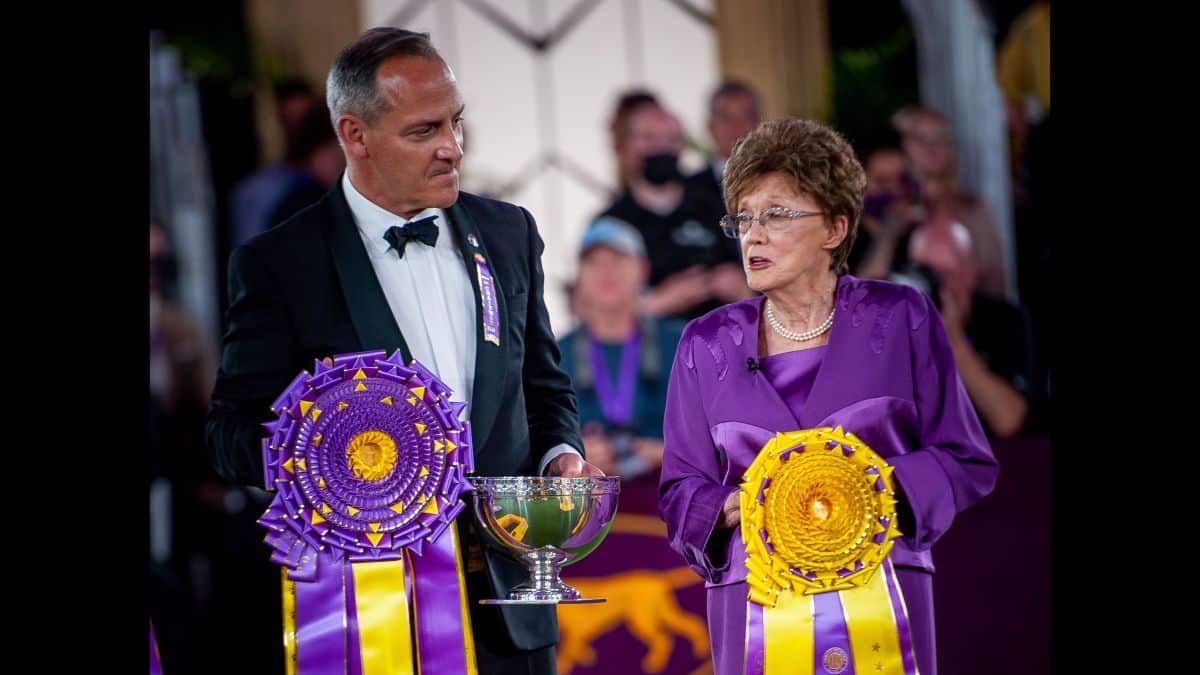
Patricia Trotter shares her experience judging Dachshunds at Westminster 2026, focusing on quality dogs and thoughtful breeding choices.

Dog Sports
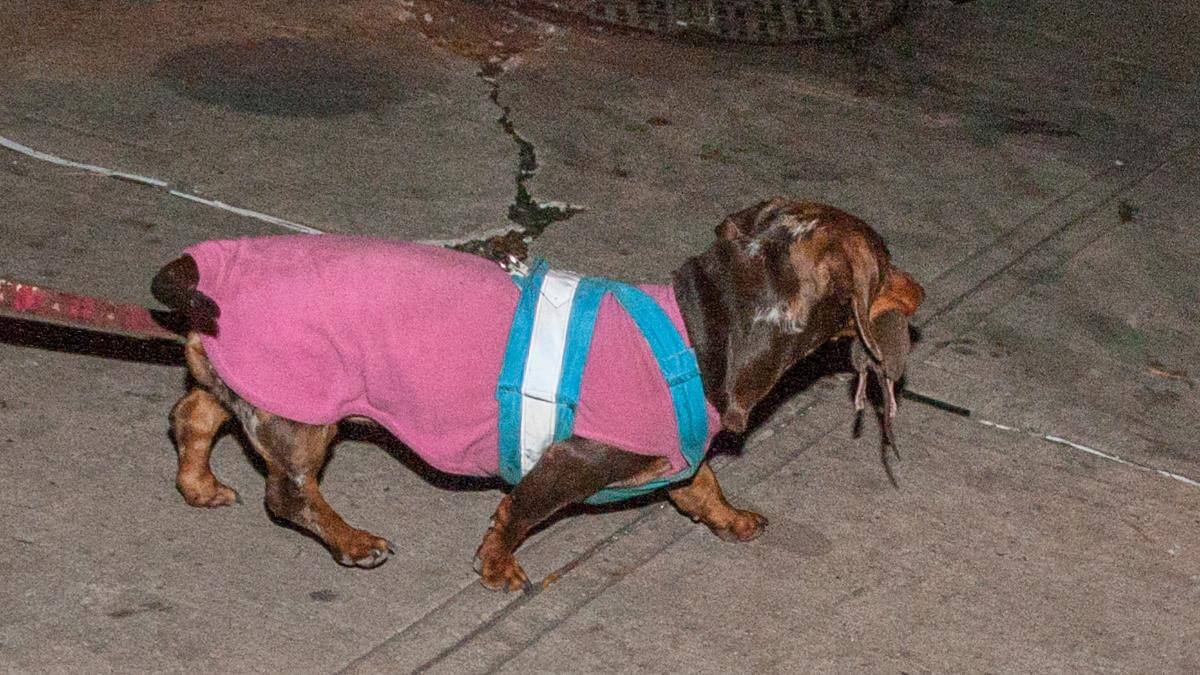
Versatility in dog breeds is valuable, but preserving purpose and breed standards is vital to maintain true breed integrity.

Explore the Dachshund’s three coats, two sizes, and one bold breed built for hunting – with structure, movement, and heart.
Legislative Alerts
A cautionary tale about trusting dog handlers – why due diligence, documentation, and communication are essential to protect your dog.


All About Judging
Explores the philosophy of dog show judging—balancing ideal standards, real faults, and the weight of breeding decisions.
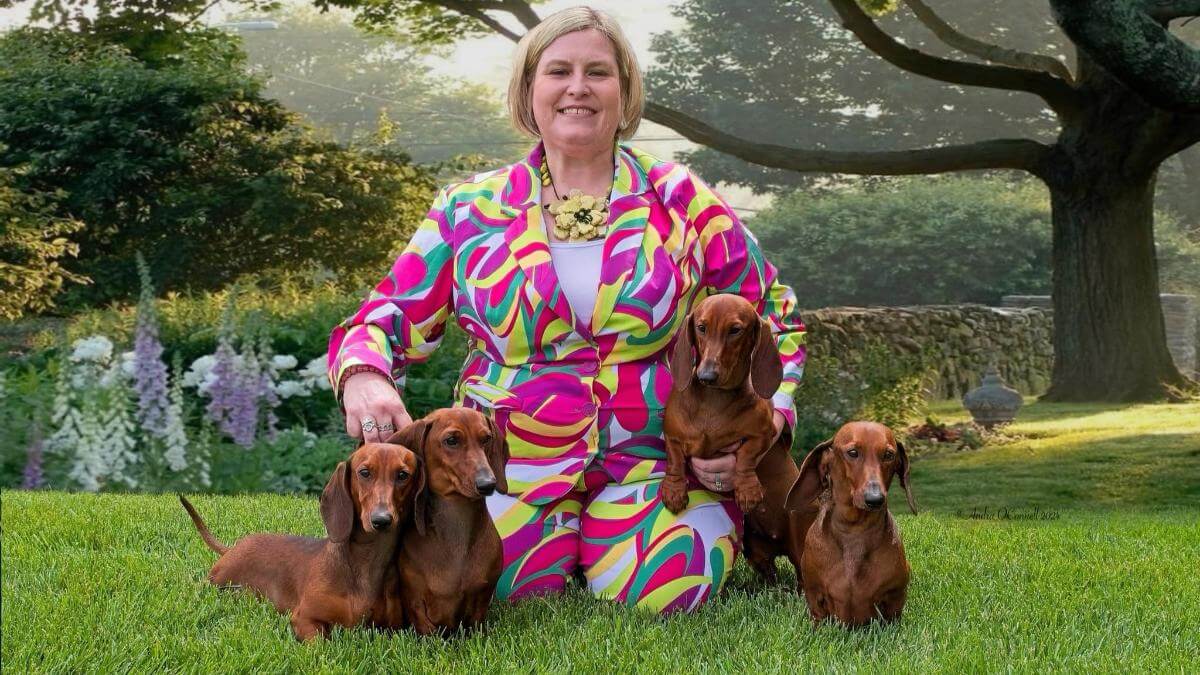

Meet the Breeders
Breeder Lexa Richmond shares insights on Dachshunds, judging, ethics, breeding trends, and the future of the sport.
The Dachshund's tail is a continuation of its spine, extending without any pronounced curvature. It's set and carried in line with the topline, neither drooping nor raised. The tail is well-balanced, not too thick or thin, and tapers towards the tip. Its length reaches the hock joints when extended.
Covered uniformly with the same coat type as the rest of the body, the tail can display markings or patterns that match the body’s coloration. The Dachshund’ tail is a distinctive breed feature, providing balance and adding length to the breed’s unique silhouette.
Standard Markings
A Note About Color: The most common Dachshund colors are wild boar, black & tan, and various shades of red. Wild boar, also called agouti, has banding of the individual hairs and is most common on the Wirehaired variety. Tan points may or may not be evident, and variations include red boar and chocolate-and-tan boar. The nose, nails, and eye rims are black on these colors and self-colored on chocolate-and tanboar dogs. Except for Piebalds, white hair may appear only on the chest, although it is not desirable.
Coat Type
Smooth
The structure of the coat this breed carries.
Coat Length
Short, Medium
How long the breed's coat grows when kept in condition.
Adaptability Level
How easily a breed copes with changes in home, routine, noise and weather.
Mental Stimulation Needs
How much a breed needs a job, a puzzle or training to stay content.
As for their reception of strangers, Dachshunds are naturally protective. Their initial reaction might involve barking or cautious behavior. But with proper introductions and repeated positive interactions, most dogs will eventually warm up, showcasing the breed’s affectionate and playful nature.
Feeding a Dachshund properly is paramount, not just for the dog’s health but also in terms of managing its predisposition to certain conditions, like obesity which can further exacerbate spinal issues.
When considering feeding a Dachshund puppy, it's essential to provide a diet that supports the breed’s growth. Puppies usually need a formula specifically designed for small breeds, one that is rich in proteins, fats, and essential nutrients to ensure they develop strong muscles and bones.
Transitioning from a puppy food to an adult diet should be done gradually and typically starts at around the age of 12 months. An adult Dachshund's diet should be balanced, emphasizing lean proteins, healthy fats, and complex carbohydrates. It's also vital to monitor the puppy’s weight closely, as this breed can quickly become overweight, leading to additional health concerns.
Regarding the amount of food, the specific quantity can vary based on the Dachshund's size, activity level, and age. Generally, an average adult Dachshund might consume anywhere from one-half to one and a half cups of high-quality dog food daily, divided into two meals. It’s best to consult with a veterinarian to determine the exact amount suited for the individual dog.
For those interested in a feeding chart, many premium dog food brands offer specific guidelines based on the dog's weight. This can serve as a starting point, but it's essential to monitor each Dachshund's weight individually and adjust portions as necessary.
Training a Dachshund presents a unique set of challenges and rewards. While the breed’s intelligence is undeniable, its independent nature, combined with a hint of stubbornness, requires a specific approach to training.
The Dachshund's intelligence is evident in its ability to pick up commands quickly. However, the ease with which a Dachshund learns also means these dogs can be adept at picking up unwanted behaviors if not guided correctly. Positive reinforcement, consistency, and patience are key when training this breed.
A frequent question raised by potential Dachshund owners is the breed’s tendency to bark. While it's true that Dachshunds are alert dogs with a pronounced bark for their size, this trait can be managed. Early training, to differentiate between perceived threats and general occurrences, can help with reducing unnecessary barking.
Another aspect to consider is the breed’s wanderlust potential. Historically bred for hunting, the Dachshund's keen sense of smell can lead these dogs on scent-driven adventures if not supervised. A secure yard and leashed walks are essential to prevent them from wandering off.
In terms of predation, the breed’s hunting heritage is often evident. Smaller animals like rodents might trigger their chase instinct. Early socialization, especially with other household pets, can mitigate this behavior to some extent.
Given the breed’s independent streak, some people might wonder if Dachshunds are easy to train. While they aren't inherently defiant, their intelligence, combined with a certain willfulness, means they might occasionally test boundaries. However, with a firm, consistent approach that's also filled with praise and rewards, Dachshunds can become well-trained and obedient companions.
Grooming Expectations
One of the unique aspects of the Dachshund is that the breed’s coat can come in three varieties: Smooth, Longhaired, and Wirehaired. Each variety has its own specific grooming requirements. For Smooth Dachshunds, grooming is relatively straightforward. This variety’s short, sleek coat benefits from regular brushing, ideally once a week, to remove loose hair and distribute natural oils. This not only keeps the coat shiny, it also reduces the amount of shedding. Longhaired Dachshunds, on the other hand, have a silky, flowing coat that requires more attention. To prevent tangles and matting, this variety should be brushed several times a week. Additionally, occasional trims, especially around the ears, legs, and tail, can help to maintain an elegant appearance. Wirehaired Dachshunds present a unique grooming challenge. This variety’s coarse coat is dense and needs regular brushing to remove dead hair and prevent matting. Moreover, Wires benefit from a process called "hand-stripping" to maintain the coat's texture and color. This involves plucking out the old, dead hair, thus making way for new growth. Regardless of the coat type, other grooming essentials for the Dachshund include regular nail trims, ear cleaning, and dental care. Keeping the nails short will prevent potential foot problems, and clean ears will ward off a variety of infections. As with all breeds, oral hygiene is crucial, so regular tooth brushing or dental chews can help to support healthy teeth and gums.