Members
01/Overview
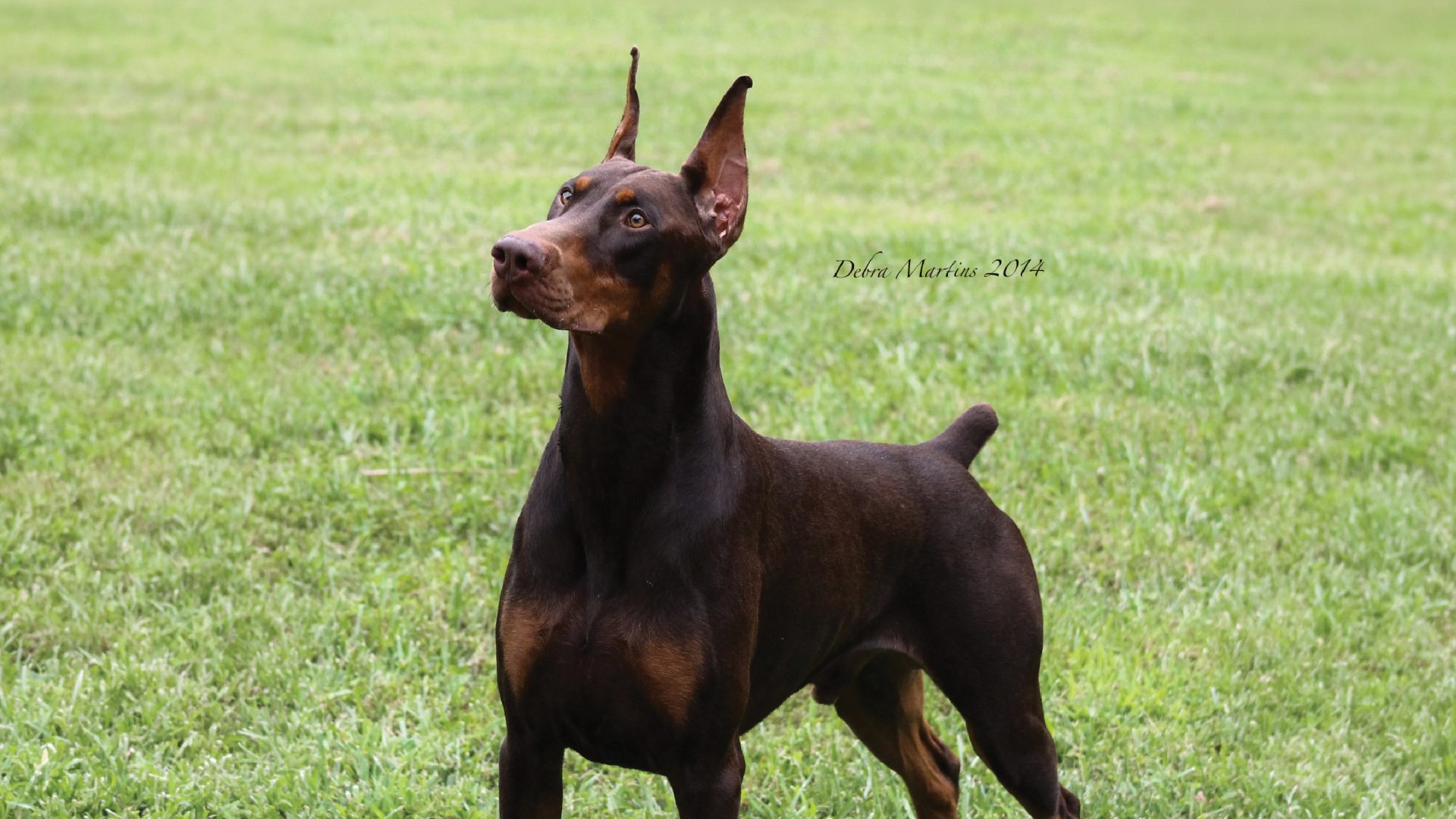
The Doberman Pinscher is a sleek and athletic working breed known for its intelligence, loyalty, and versatility. Originally bred for personal protection, this energetic and courageous dog has since excelled in a variety of roles, from law enforcement to family companionship.
Highlights
02/History
The Doberman Pinscher’s origins trace back to late 19th-century Germany, where a tax collector named Karl Friedrich Louis Dobermann sought to create a breed that could provide him with both companionship and protection during his rounds. Dobermann, who also served as a dogcatcher, had access to various breeds and selectively combined traits to achieve the ideal guardian.
Although the exact combinations are undocumented, it is widely believed that the Doberman Pinscher was developed using the German Pinscher, Rottweiler, Weimaraner, and possibly other breeds like the Greyhound and Manchester Terrier. These selections contributed to the Doberman’s hallmark traits: intelligence, agility, strength, and loyalty.
The breed quickly gained recognition for its utility, excelling as a personal protector and working dog. Its prowess in guarding and service tasks led to its adoption by law enforcement and military forces worldwide. Dobermans were notably used during World War I and World War II for tasks such as sentry duty, message delivery, and locating wounded soldiers on the battlefield. Their keen intelligence and bravery earned them the reputation as "Devil Dogs" during their military service.
In 1900, the Doberman Pinscher was officially recognized by the German Kennel Club (Deutscher Hundestammbuch), solidifying its place as a distinct breed. The American Kennel Club (AKC) followed suit in 1908, recognizing the Doberman as a member of the Working Group. The breed has since become a favorite in both Conformation shows and Performance events, showcasing its elegance and versatility.
In the United Kingdom, the Doberman Pinscher was officially recognized by The Kennel Club in 1948. The Fédération Cynologique Internationale (FCI), which consolidates Breed Standards internationally, recognizes the “Dobermann” as well, following the Breed Standard established in its country of origin, Germany.
While the breed was originally known as the "Dobermann," the name underwent slight changes as it spread to English-speaking countries. In the United States, the name was shortened to "Doberman Pinscher," with "Pinscher" referring to its somewhat terrier-like qualities. However, in other parts of the world, such as Europe, the breed is commonly referred to simply as the "Dobermann."
03/Appearance
The Doberman Pinscher is a medium to large breed, with males standing between 26 and 28 inches tall at the shoulder and weighing approximately 75 to 99 pounds. Females are slightly smaller, measuring 24 to 26 inches in height and weighing around 60 to 77 pounds.
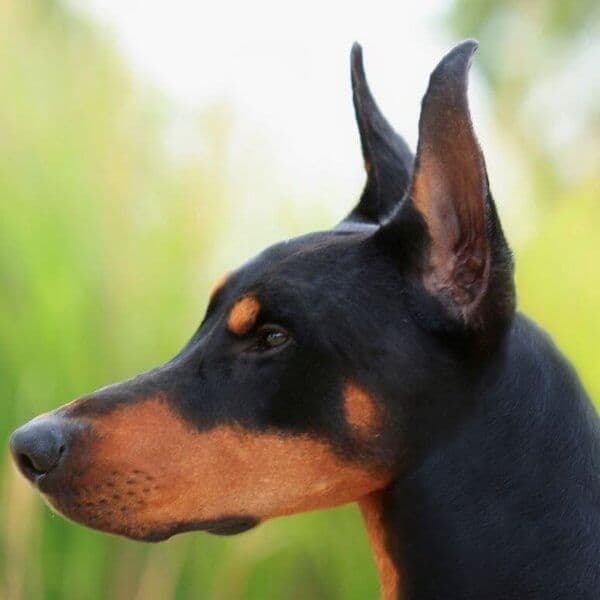
The Doberman Pinscher is a well-balanced dog, with a square build that conveys both power and elegance. The body is compact, with a strong, muscular frame that allows for agility and endurance. Its neck is firm and well-arched, blending smoothly into a level topline, which slopes slightly from the withers to the croup. Proportion and substance are essential to the breed's functional and aesthetic appeal, reflecting its origins as a stylish and versatile working dog.
Texture: The Doberman Pinscher’s coat is smooth, short, and lies close to the body, giving the breed a sleek and polished appearance. The coat is firm to the touch and requires minimal grooming to maintain its natural shine.
Standard Markings
04/Consider
The Doberman Pinscher is a loyal, intelligent, and protective breed that thrives in active households. Understanding its health, training, and exercise needs is essential to raising a happy and well-adjusted companion.
Interaction With Family
The level of affection a breed typically shows towards family members and familiar individuals.
Good With Other Dogs
The innate friendliness of a dog towards other dogs can depend on its breed.
Good With Young Children
The degree to which a breed will typically be patient with young children.
Amount Of Shedding
How much hair a breed typically leaves behind on clothes, furniture and floors.
Frequency Of Grooming
How often a breed needs brushing, bathing or a professional trim to stay in condition.
Amount Of Drooling
How prone a breed is to drool, worth knowing before you keep a towel by the door.
Openness To Strangers
How openly a breed tends to greet new people, visitors and strangers.
Protective Nature
How likely a breed is to alert you to anything unfamiliar, and stand between you and it.
Playfulness Level
How enthusiastic a breed stays about games and play well past puppyhood.
Trainability Level
How readily a breed takes direction and works with you rather than around you.
Barking Level
How much a breed uses its voice, and how readily.
Energy Level
How much get-up-and-go a breed brings to an average day.
Health
The Doberman Pinscher is a reasonably healthy breed with a lifespan of 10 to 12 years. However, like all dogs, individuals may experience certain breed-specific health concerns.
The Doberman Pinscher is known for its intelligence, loyalty, and protective nature, making it an exceptional family companion and watchdog. This breed is highly sensitive and thrives in homes where it can form strong bonds with its human companions. While Dobermans are generally affectionate with their favorite people, they may be reserved or cautious around strangers, showcasing their natural guarding instincts.
Dobermans are typically good with children when properly socialized, displaying patience and a playful demeanor. They can get along well with other dogs, but early socialization is crucial to prevent assertive or combative tendencies. Due to their loyal and people-oriented nature, they do not do well when left alone for long periods and may develop separation anxiety.
Exercise Expectations
Dobermans have a high energy level and a particular intensity, making them well-suited for active and experienced families or individuals. Without sufficient exercise, they can become bored and engage in destructive behaviors. Regular outdoor activities combined with games of mental stimulation help to keep this elegant athlete physically fit and mentally satisfied.
Grooming Expectations
Doberman Pinschers are adaptable dogs, but their size and energy make them better suited for homes with space to run around and play. They can live in apartments if given enough daily exercise, but a home with a securely fenced yard is ideal.
This breed is sensitive to extreme temperatures. Dobermans tolerate cold weather poorly due to their short coat and may require a sweater or jacket in cooler climates. In hot weather, they should be provided with shade and water to avoid overheating.
Dobermans are highly people-oriented and thrive when included in family activities. Their loyalty, intelligence, and protective instincts make them excellent companions for the right household, but they require a committed and attentive owner to meet their physical and emotional needs.
05/Puppies
Doberman Pinscher puppies are curious, energetic, and quick learners. Early socialization and consistent training are key to shaping their behavior, while proper puppy nutrition supports healthy growth.
Caring for a Doberman Pinscher puppy starts with providing a safe and structured environment. The Dobie pup is naturally inquisitive and can easily get into mischief, so it's essential to puppy-proof the home to protect the puppy from hazards and discourage destructive behaviors.
Socialization is a top priority for the Doberman puppy. Exposing the newest family member to a variety of people, environments, and animals during the early weeks helps to prevent fearfulness or aggression later in life. Puppy classes or structured playdates are excellent opportunities to build confidence and reinforce positive behaviors.
Feeding a high-quality puppy food specifically designed for large-breed puppies is crucial to support rapid growth. Meals should be given in measured portions to prevent overfeeding, which can lead to joint problems. A puppy typically needs three to four small meals a day, transitioning to two meals as it matures.
Housetraining is an essential early step in a Doberman puppy's development, as is introducing a crate as a safe place to rest and sleep. Consistency and patience are key to teaching proper behavior, and positive reinforcement methods work best for this intelligent breed. Regular veterinary checkups and communication with the puppy’s breeder are also vital during the first year.
06/Activities
Gallery
07/Standards
The Doberman Pinscher is recognized by the world's leading registries and kennel organizations, which categorize the breed into a specific Group based on its unique characteristics. This breed is recognized worldwide under the following Group designations:
The ideal Doberman Pinscher is described by a Breed Standard that is approved by each of the world’s leading registries and kennel organizations. The Breed Standards for this breed may be found in the following links:
08/Clubs
09/Rescue
10/Facts
Created by a Tax Collector
Karl Friedrich Louis Dobermann, a German tax collector, developed the breed for protection and companionship while performing his demanding job.
Military Heroes
Dobermans served in World War II as messengers, sentries, and scouts, earning the nickname "Devil Dogs" for their bravery.
Ranked Among the Smartest Dogs
Dobermans are the fifth most intelligent dog breed, making them one of the easiest to train and highly responsive to commands.
The Controversial White Doberman
White Dobermans are a rare, genetically controversial variation not officially recognized due to associated health concerns.
Velcro Dogs
Dobermans are famously affectionate and can be clingy with their owners, often referred to as "velcro dogs" because they love staying close to their human companions.
11/FAQ
Yes, Doberman Pinschers shed, but their short, sleek coat makes the shedding less noticeable compared to breeds with longer hair. Regular brushing helps to minimize the loose hair and keeps the coat shiny.

Written by
Dan Sayers is the Executive Editor of SHOWSIGHT. He is a member of the World Dog Press Association and the Dog Writers Association of America, which recognized his illustrations in the award-winning Encyclopedia of K-9 Terminology. Dan is a longtime supporter of the sport of dogs and an advocate for the conservation of recognized breeds in all their forms and functions. He is a member of the Morris and Essex Kennel Club, and for 45 years, the Irish Water Spaniel Club of America where he serves as AKC Delegate, Archivist, and approved Breed Mentor. Dan breeds under the Quiet Storm prefix and has judged the IWSCA National Specialty Sweepstakes twice.
Obedience
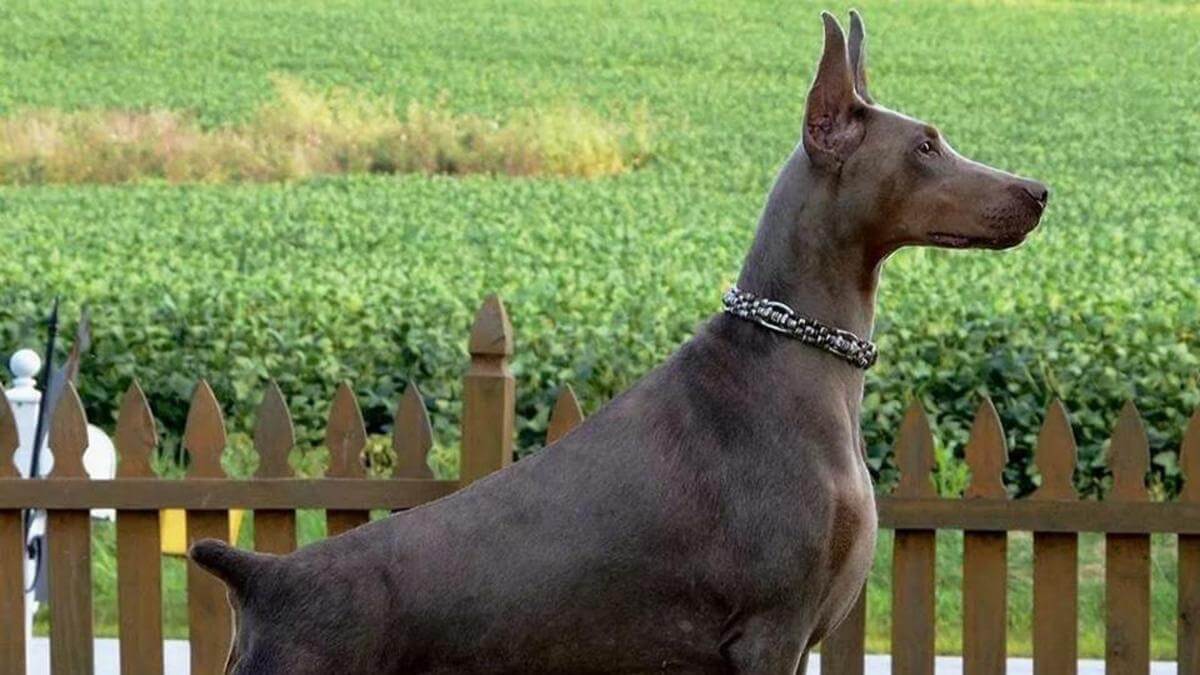
The Doberman Pinscher is a loyal hero, serving in WWII, therapy roles, and more, with unwavering devotion to its people.

Dog Shows
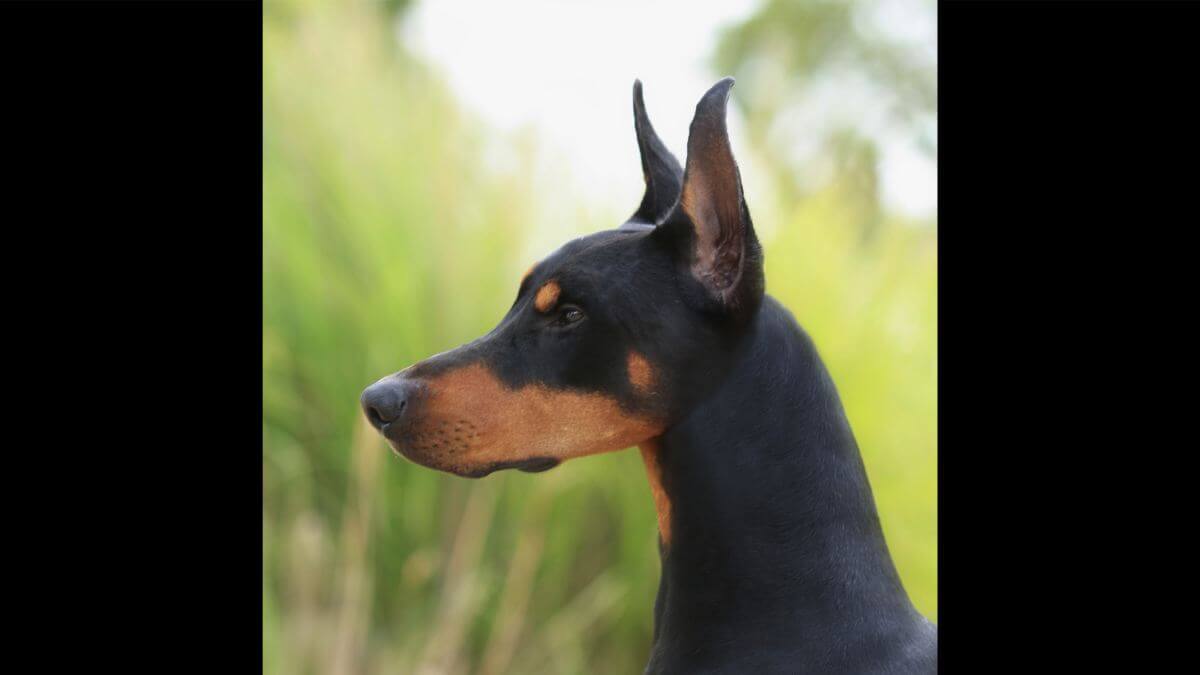
Learn the proper method to evaluate the Doberman’s mouth, including teeth count, occlusion, and disqualification criteria.
All About Judging
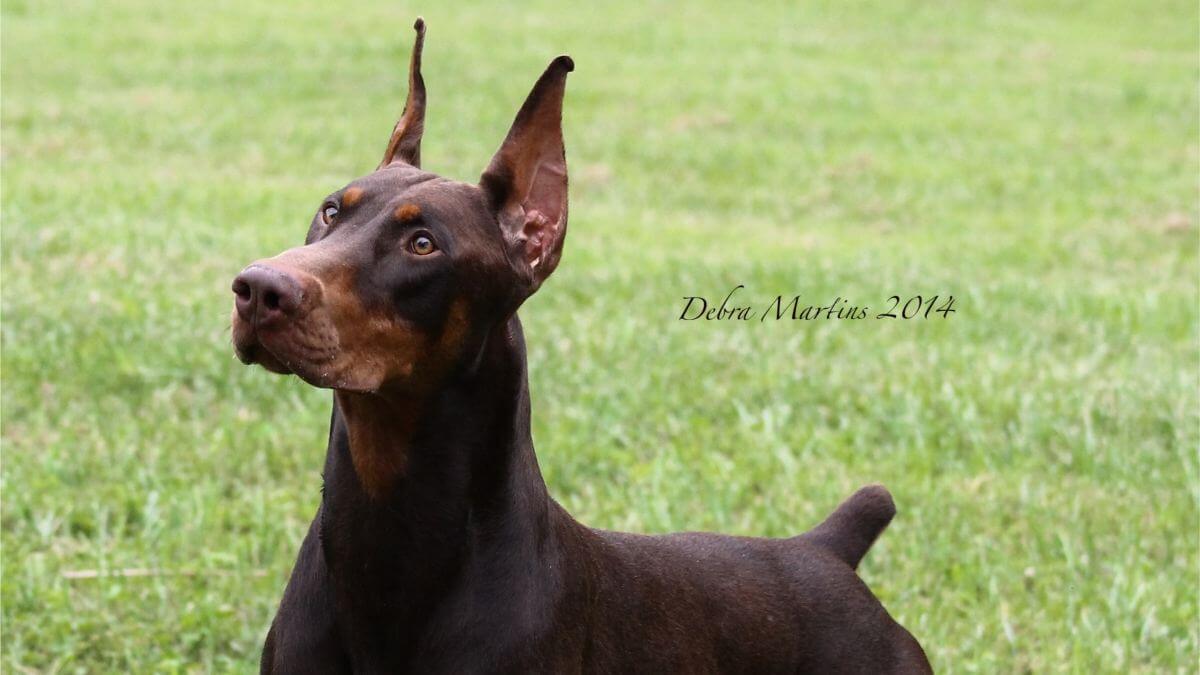
Master the art of judging Dobermans: learn breed history, standards, and key traits for a balanced, ideal companion and guard.

All About Judging
Understanding Doberman judging essentials: why focusing on one attribute, like “square,” may miss the full picture of breed excellence.
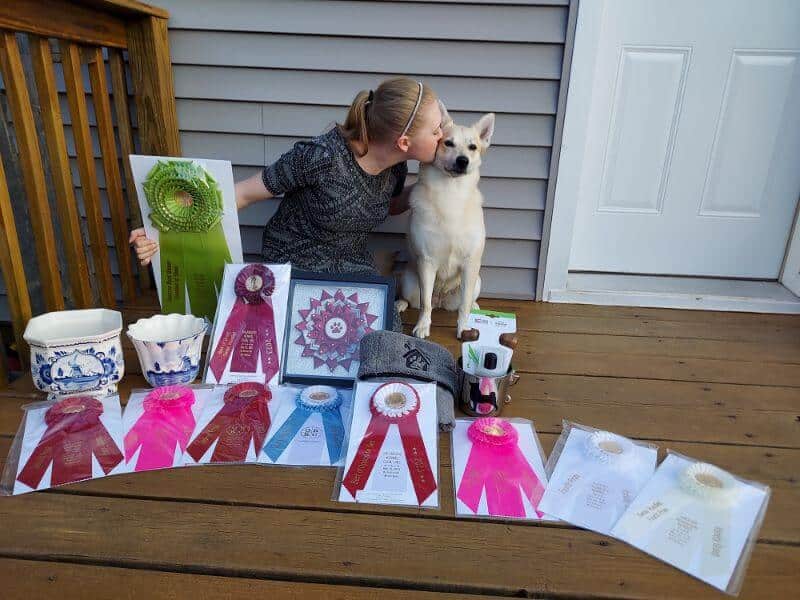

Meet the Junior Handlers
Interview with a Junior Handler, Micaela Kenyon. Micaela shares her thoughts on various topics regarding the Junior Showmanship ring.
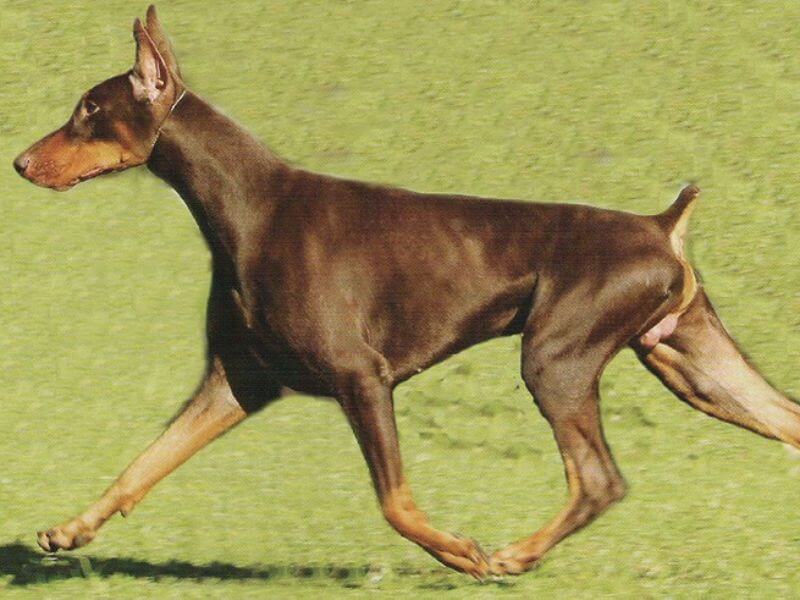
All About Judging
Judging the Doberman: a comprehensive guide to assessing breed type and temperament for expert judges and enthusiasts.
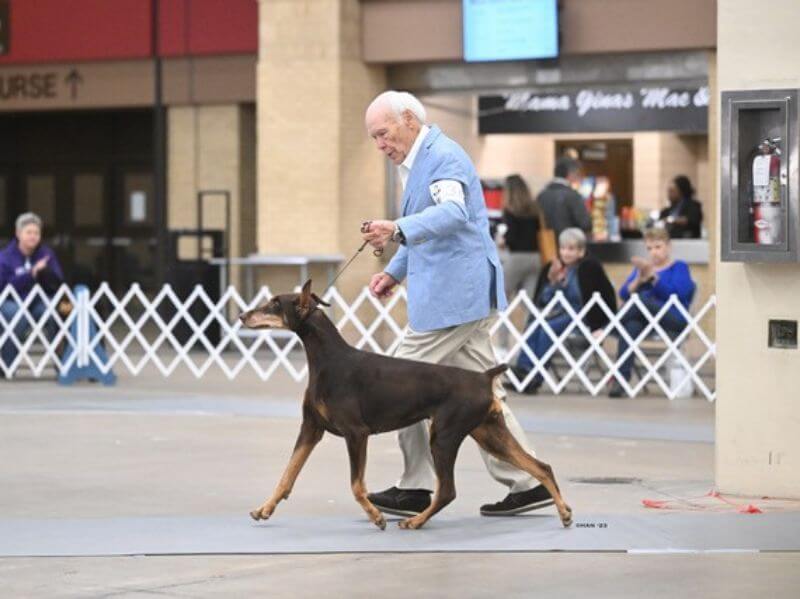
Meet the Breeders
Jim & Ann White are breeders behind Cambria Doberman Pinschers. Read about the kennel’s beginnings, Doberman Pinscher puppies, and much more!
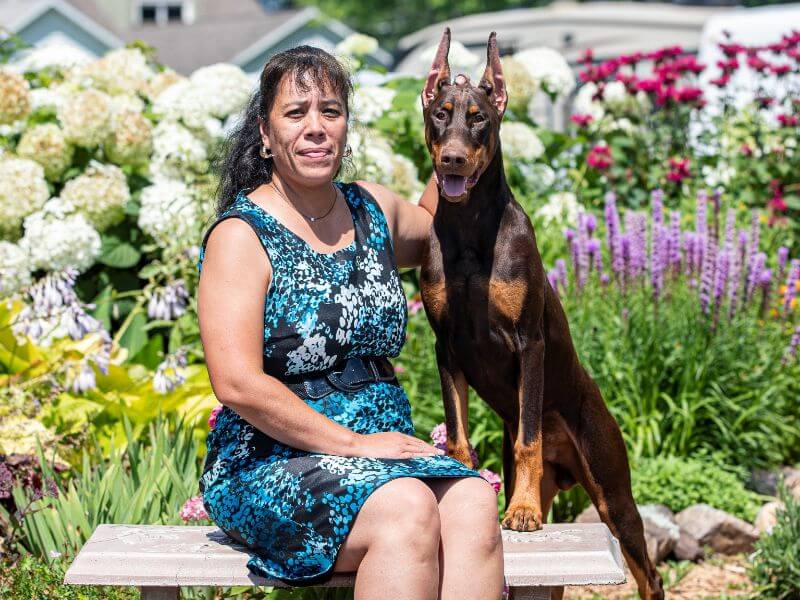
Meet the Breeders
Linda Vinson is breeder behind Rockhill Dobermans. Read about the kennel’s beginnings, the puppies, and much more!
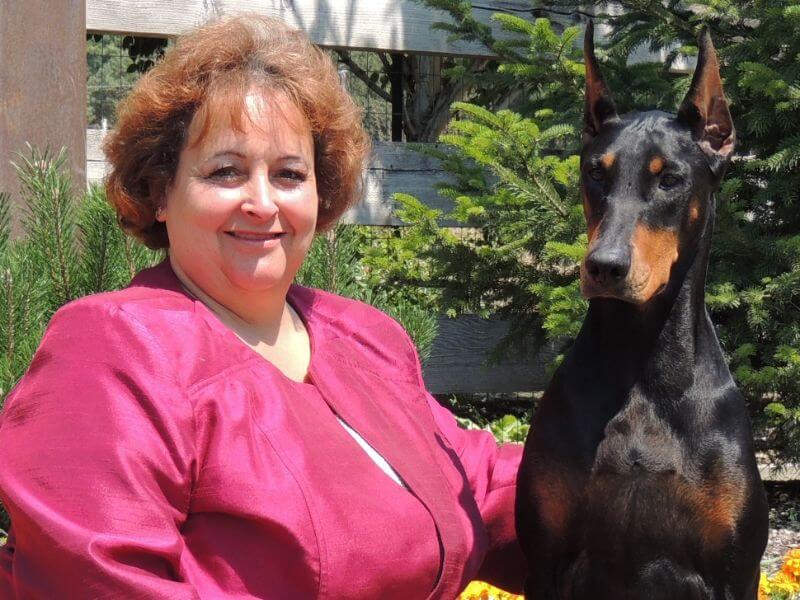
Meet the Breeders
Michelle Santana is breeder behind Foxfire Doberman Pinschers. Read about the kennel’s beginnings, the puppies, and much more!
The Doberman Pinscher’s tail is typically docked at about the second joint, creating a short and distinct appearance that enhances the breed's sleek and athletic outline. It is carried only slightly above the horizontal when the dog is alert. In countries where tail docking is prohibited, the tail is left natural, ideally carried high in a slight curve.
A Note About Color: On black, red, blue, and fawn-colored Dobermans, the markings are sharply defined and appear above both eyes and on the muzzle, throat, and forechest, on all legs and feet, and below the tail. A white patch on the chest, not exceeding one-half inch is acceptable, but white dogs, and dogs of any other color, are not.
Coat Type
Smooth
The structure of the coat this breed carries.
Coat Length
Short
How long the breed's coat grows when kept in condition.
Adaptability Level
How easily a breed copes with changes in home, routine, noise and weather.
Mental Stimulation Needs
How much a breed needs a job, a puzzle or training to stay content.
Doberman Pinschers require a high-quality, well-balanced diet to maintain their athletic build and high energy levels. Puppies should be fed a specially formulated puppy food to support their growth and development. It’s important to monitor portion sizes to prevent overfeeding, as rapid weight gain can put undue stress on developing joints.
Adult Dobermans typically require 2 to 3 cups of food per day, divided into two meals. The exact amount depends on their age, size, metabolism, and activity level. Feeding schedules should be consistent, and access to fresh water should always be provided. Owners should avoid feeding Dobermans immediately before or after vigorous exercise to minimize the risk of gastric dilatation-volvulus (bloat).
The Doberman Pinscher is highly intelligent and eager to please, making it one of the most trainable of all breeds. Early and consistent training is essential to shape behavior, and positive reinforcement techniques, such as treats and praise, work particularly well.
Dobermans are quick learners but can become bored with repetitive tasks, so training sessions should be engaging and varied. They have a strong protective instinct and need to be socialized early to differentiate between normal and threatening situations. While they tend to bark when alerting to perceived threats, excessive barking can be managed with proper training.
This breed has a high prey drive and may chase small animals if not properly trained to focus. The intelligence and drive of these dogs allow them to excel in advanced Obedience, Agility, and other dog sports. With firm yet gentle guidance, the Doberman Pinscher can develop into a well-mannered, obedient, and accomplished companion.
Dobermans are considered easy to groom, requiring only occasional baths to keep their coat clean. Routine care also includes trimming nails, cleaning ears, and brushing teeth to prevent dental issues.