Members
01/Overview
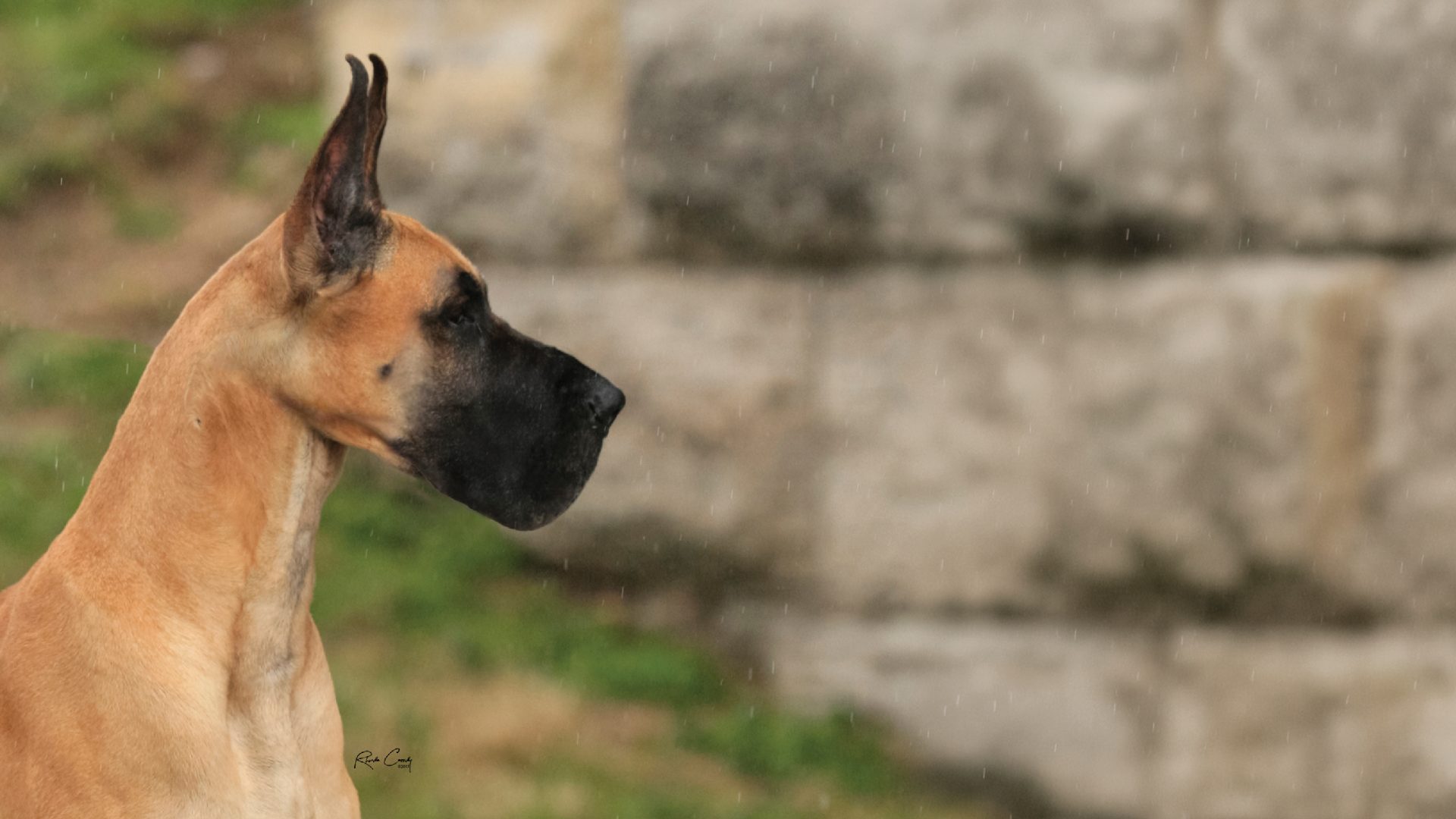
The Great Dane, often called the "Apollo of Dogs," is one of the tallest and most dignified of all breeds. Known for its majestic stature and noble expression, the “Dane” combines strength with an affectionate and loyal temperament. Originally bred for hunting large game animals such as bear and wild boar, the breed today is a devoted companion that excels as a dependable watchdog and family companion.
Highlights
02/History
The Great Dane’s origins trace back thousands of years, with early depictions of similar dogs appearing in ancient Egyptian, Greek, and Roman art. Large mastiff-type dogs were commonly used in Medieval Europe for hunting and guarding, but the breed as it is known today was developed primarily in Germany.
By the 16th century, European nobility selectively bred these powerful dogs to hunt wild boars, bears, and other formidable prey. These early Great Danes were called “Boar Hounds” due to their primary function as hunters. German breeders refined the dog further, selecting for both size and temperament, resulting in a breed that was not only a skilled hunter but also a loyal household guardian.
By the late 19th century, the breed's role had shifted from hunting to that of a companion and estate guardian. In 1876, Germany officially named the breed “Deutsche Dogge” (German Mastiff), a name still used in some parts of the world today. However, English-speaking countries have referred to the breed as the “Great Dane,” a name that originated from the French naturalist Georges-Louis Leclerc, Comte de Buffon, who mistakenly associated the breed with Denmark.
The Great Dane gained international recognition when the breed was exhibited at European dog shows in the late 1800s. The American Kennel Club (AKC) officially recognized the breed in 1887, making it one of the earliest breeds accepted by the organization. The breed is also recognized by the Fédération Cynologique Internationale (FCI) and The Kennel Club (UK), among other registries worldwide.
03/Appearance
Adult male Great Danes stand at a minimum of 30 inches tall at the shoulder, though many reach 32 inches or more. Mature females are typically shorter, with a minimum height of 28 inches, though often exceeding 30 inches.
Males generally weigh between 140 and 175 pounds, while females are usually lighter, ranging from 110 to 140 pounds.
The Great Dane has a square silhouette in profile, though females may be somewhat longer in body. The breed is muscular and strong without being bulky or clumsy. Males should appear more substantial than females, which are slightly more refined. Maintaining proper substance is essential, as excess weight or weak construction can impact both health and mobility.
A broad and deep chest extends to the elbows, with well-sprung ribs that are not barrel-shaped. The back is level and firm, leading to a slightly arched loin and a broad and very slightly sloping croup. Well-angulated forequarters and hindquarters ensure easy and efficient movement and balance.
Texture: The Great Dane has a short, smooth, and dense coat that lies close to the body. The texture is fine yet strong, providing a sleek, glossy appearance. The coat offers some protection from the elements but is not suited for extreme weather conditions. Grooming needs are minimal.
Standard Colors
Standard Markings
04/Consider
Owning a Great Dane comes with unique challenges and responsibilities due to the breed’s massive size and specific health concerns, and the need for proper training and socialization. While the Dane is affectionate and gentle, its large frame requires careful management in both the home and in public settings.
Interaction With Family
The level of affection a breed typically shows towards family members and familiar individuals.
Good With Other Dogs
The innate friendliness of a dog towards other dogs can depend on its breed.
Good With Young Children
The degree to which a breed will typically be patient with young children.
Amount Of Shedding
How much hair a breed typically leaves behind on clothes, furniture and floors.
Frequency Of Grooming
How often a breed needs brushing, bathing or a professional trim to stay in condition.
Amount Of Drooling
How prone a breed is to drool, worth knowing before you keep a towel by the door.
Openness To Strangers
How openly a breed tends to greet new people, visitors and strangers.
Protective Nature
How likely a breed is to alert you to anything unfamiliar, and stand between you and it.
Playfulness Level
How enthusiastic a breed stays about games and play well past puppyhood.
Trainability Level
How readily a breed takes direction and works with you rather than around you.
Barking Level
How much a breed uses its voice, and how readily.
Energy Level
How much get-up-and-go a breed brings to an average day.
Health
The Great Dane has a relatively short lifespan of 7 to 10 years, with its large size contributing to a few health concerns. As a giant breed, it requires proactive veterinary care to monitor potential joint, heart, and digestive issues. Controlled nutrition and moderate exercise play key roles in maintaining long-term health.
Great Danes are affectionate, loyal, and gentle despite their imposing size. They form strong bonds with their human companions and thrive on companionship, making them unsuitable for prolonged periods of isolation. While generally well-mannered and patient, they can be sensitive and may not respond well to harsh training methods.
Their friendly nature typically makes them good with children, though their size requires supervision around small kids to prevent accidents. Danes usually get along well with other dogs and can coexist peacefully with smaller pets if properly socialized. While friendly toward strangers, they can be protective when necessary, making them natural watchdogs. Their intelligence and eagerness to please contribute to their trainability, but early socialization and consistent training are essential to prevent unwanted behaviors.
Exercise Expectations
Puppies should avoid excessive running, jumping, or stair climbing, as their fast-growing bones and joints can be prone to injury. Controlled exercise, such as leash walks and play in a fenced area, is ideal. Adult Great Danes benefit from brisk walks, off-leash play in enclosed spaces, and interactive activities. They are not built for endurance sports and should avoid strenuous exercise, especially before or after meals. Mental engagement, such as training sessions and puzzle toys, helps to prevent boredom-related behaviors that can lead to damage or injury..
Grooming Expectations
Great Danes can adapt to various living situations, but their large size requires ample space. While they can live in apartments if properly exercised, they are best suited to homes with room to move about comfortably. Their long legs and tails can easily knock over furniture or objects in smaller spaces.
Danes are not well-suited for extreme weather conditions due to their short coat. In colder climates, they require warm shelter and may benefit from a dog coat or sweater. In warmer weather, they should avoid excessive heat exposure and have access to shade and fresh water at all times.
Despite their size, Great Danes crave human companionship and prefer to be indoors with their family. They are not well-suited to being left alone for long periods, as they thrive on interaction. Their gentle nature makes them excellent housedogs, but their large frame requires consideration in homes with small children, elderly individuals, or fragile pets.
05/Puppies
Great Dane puppies grow rapidly, reaching full size by 18 months and filling out through their second and third years. Their large size and fast growth require a balanced diet, controlled exercise, and early training to ensure healthy development. Proper socialization is also crucial to prevent shyness or overprotectiveness.
The Great Dane puppy requires specialized care due to its rapid growth. The pup should be fed a high-quality large-breed puppy formula, with meals divided into three to four portions per day to prevent bloat and digestive issues. Overfeeding should be avoided to reduce the risk of skeletal disorders.
Exercise should be gentle and controlled, avoiding long-distance running and excessive stair climbing that can harm developing joints. Short walks and supervised play sessions are recommended.
Early training and socialization are essential. Basic obedience, leash training, and crate training should begin early to ensure good manners before the puppy becomes too large to handle. Positive reinforcement works best, as Great Danes are sensitive to harsh corrections.
Regular veterinary check-ups, vaccinations, and parasite prevention are necessary to ensure healthy growth and development.
06/Activities
Gallery
07/Standards
The Great Dane is recognized by the world's leading registries and kennel organizations, which categorize the breed into a specific Group based on its unique characteristics. This breed is recognized worldwide under the following Group designations:
The ideal Great Dane is described by a Breed Standard that is approved by each of the world’s leading registries and kennel organizations. The Breed Standards for this breed may be found in the following links:
08/Clubs
09/Rescue
10/Facts
Apollo of Dogs
The Great Dane is often referred to as the "Apollo of Dogs" due to its noble appearance, impressive size, and graceful movement.
One of the Tallest Breeds
The tallest dog ever recorded was a Great Dane named Zeus, who stood 44 inches (111.8 cm) tall at the shoulder and measured over seven feet tall when standing on his hind legs.
German, Not Danish
Despite the breed’s name, the Great Dane originated in Germany, not Denmark. The name was popularized by a French naturalist in the 18th century.
Once Boar Hunters
Originally bred for hunting wild boar, the early dogs were stronger and more aggressive than today’s gentle giants.
Scooby-Doo's Breed
The famous cartoon character Scooby-Doo was modeled after a Great Dane, though his exaggerated features are more cartoonish than correct.
State Dog of Pennsylvania
In 1965, the Great Dane was designated the official state dog of Pennsylvania, recognizing its historical presence in the Keystone State.
11/FAQ
Great Danes have an average life expectancy of 7 to 10 years. This shorter lifespan, not uncommon in larger dogs, emphasizes the need for attentive care, including a proper diet, regular veterinary visits, and moderate exercise.
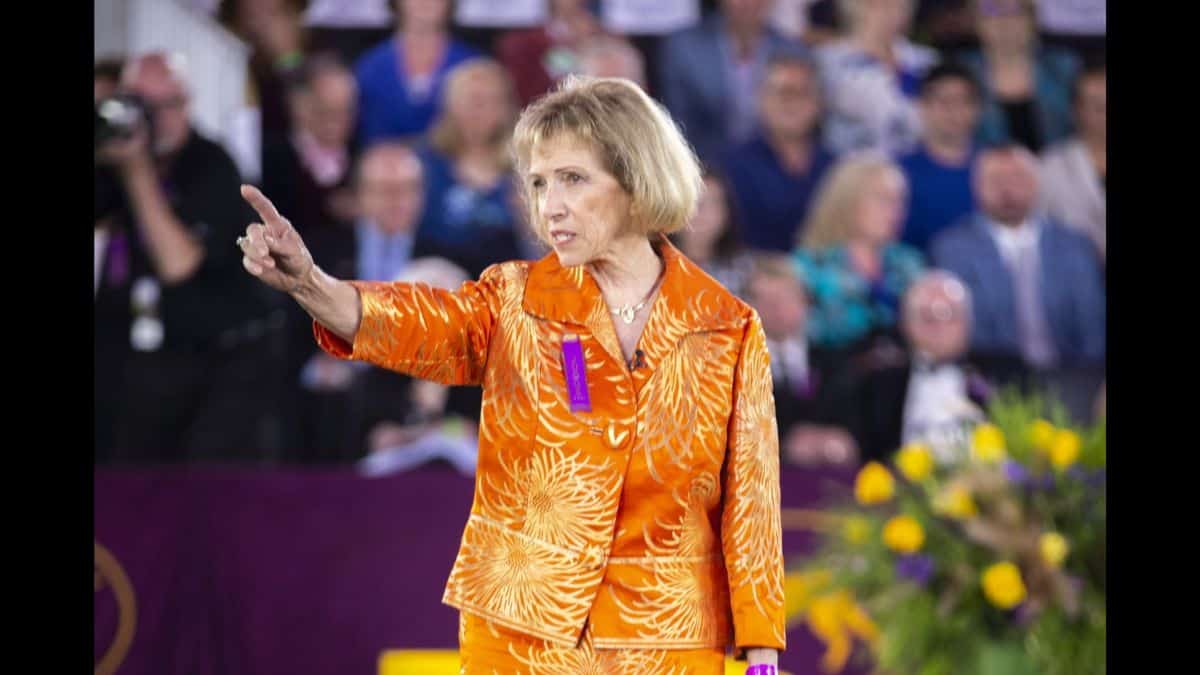

Meet the Judges
Judy Harrington reflects on judging at Westminster 2026, sharing insights on her assignments and the quality of the entries.


Meet the Breeders
Preservation breeders Dreyer & Haltmeier share their passion for Great Danes, breed integrity, public outreach, and dog show trends.
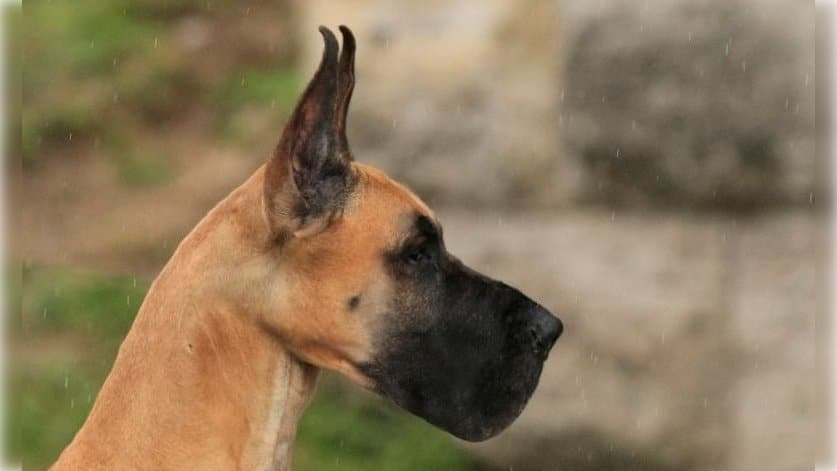
Explore the rich history of the Great Dane, tracing its origins from ancient civilizations to modern breeding.
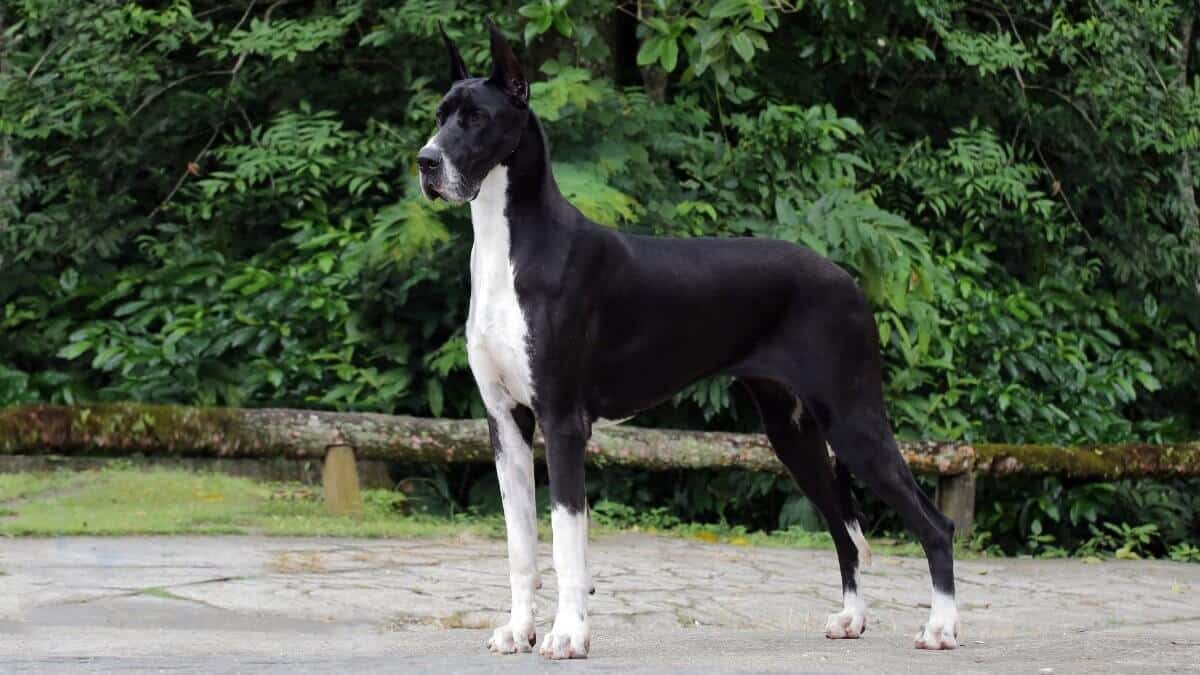

Discover the history and living experience with Great Danes, from their ancient origins to their role as noble companions today.
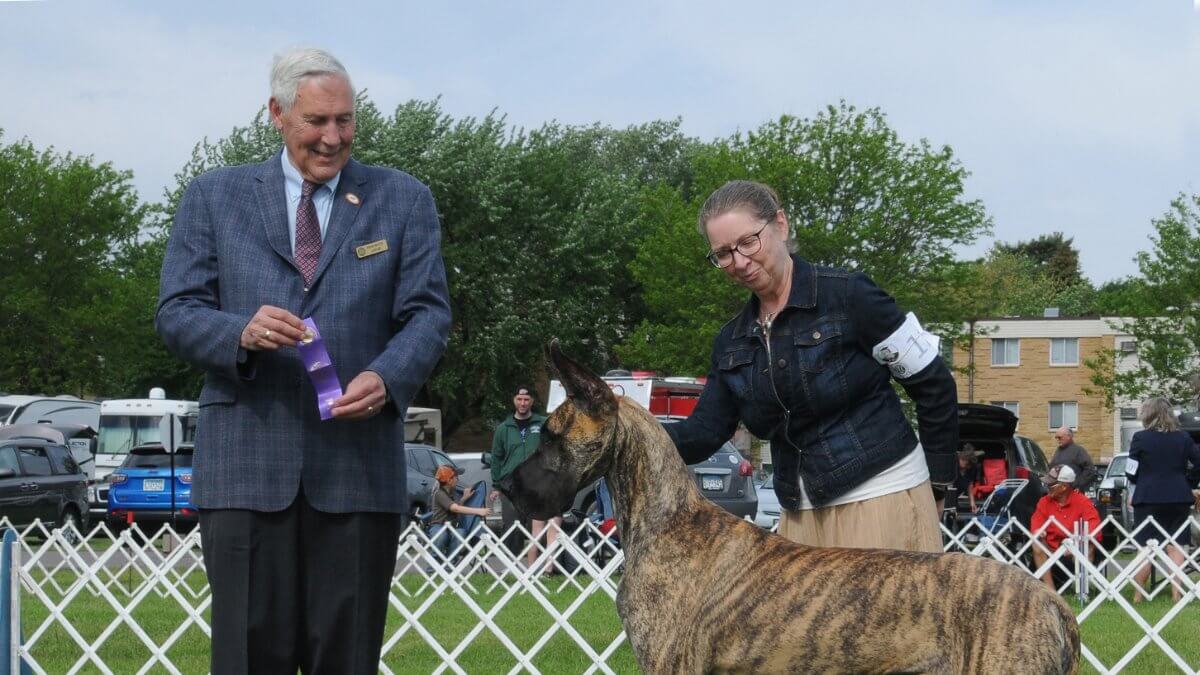
Meet the Breeders
Sandy Mauck is the breeder behind BNB Danes, DiolaDanes & Hi-Class Danes. Read about the kennel’s beginnings, puppies, see photos & more!


Meet the Breeders
Paula Johnson is the breeder behind Rocky Creek Danes. Read about the kennel’s beginnings, the puppies, and much more!
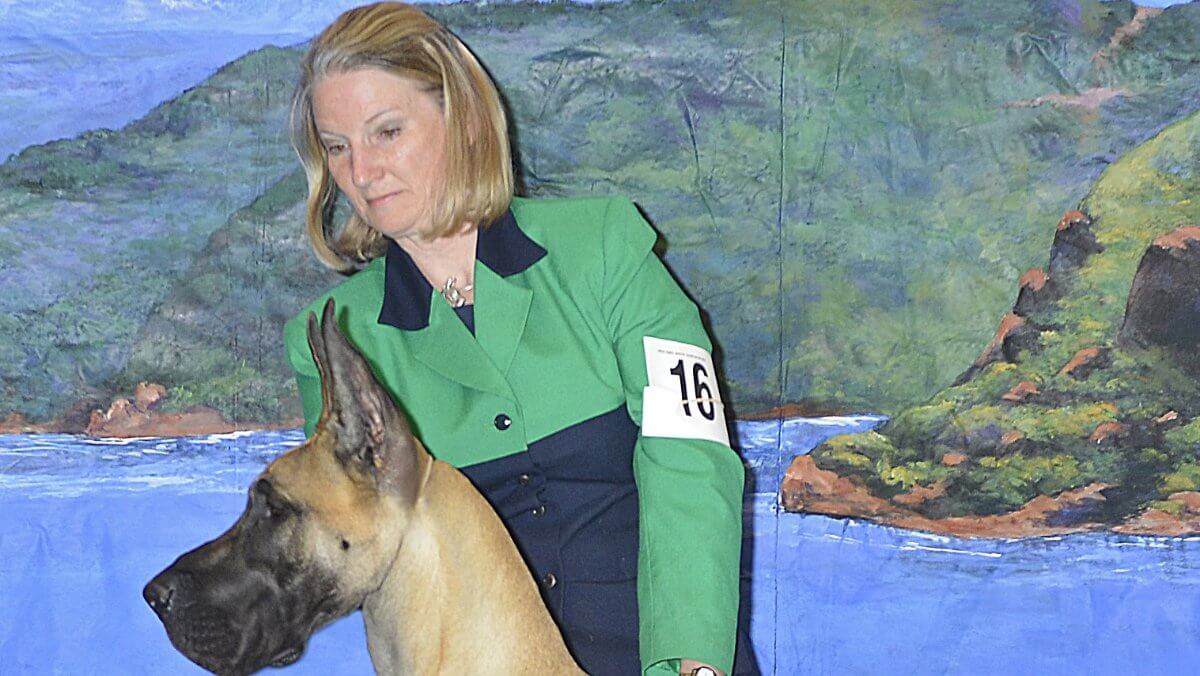
Meet the Breeders
Katie Edwards is the breeder behind Laurado Kennels Great Danes. Read about the kennel’s beginnings, puppies, photos & more!
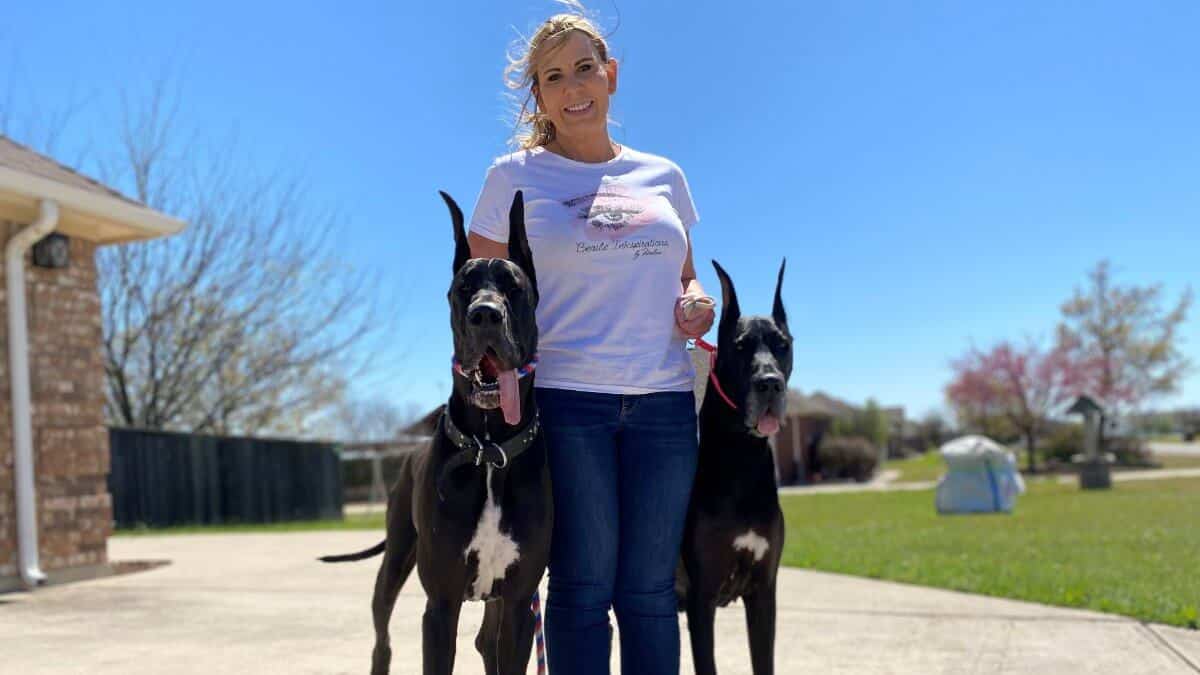
Meet the Breeders
Discover insights from Great Dane breeders Melissa Dreyer and Pat Haltmeier on puppy selection, breed trends, and challenges in dog shows.
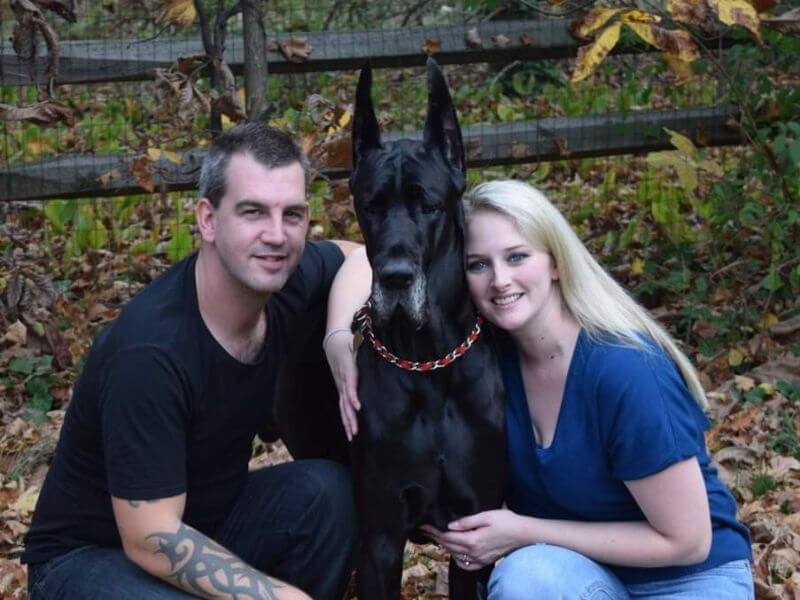
Meet the Breeders
Jackie van Delft is breeder behind VanDelft Danes. Read about the kennel’s beginnings, the puppies, and much more!
The Great Dane's tail is long, set high, and reaches the hock joint when relaxed. It is set high and smoothly into the croup, and tapers toward the tip. It should be neither excessively thick nor thin. When in motion, the tail is carried with a natural curve but does not curl over the back. It may have a slight upward lift when the dog is excited or alert, but a tightly curled ring tail or a hooked tail is a serious fault. A docked tail is a disqualification in the show ring.
A Note About Color: The Great Dane has seven recognized coat colors, either solid-colored or with specific patterns and markings. Brindle is a yellow-gold base color with black cross stripes in a chevron pattern and a black mask. Black should appear on the eye rims and eyebrows and may appear on the ears and tail tip. Fawn is yellow-gold in color with a black mask. Black should appear on the eye rims and eyebrows and may appear on the ears and tail tip. Blue is a pure steel blue. White markings on the chest or toes are undesirable. Black is a glossy black. White markings on the chest or toes are undesirable. Harlequin is white with black torn patches well distributed over the body, with a whole or partial white neck. Merle patches are normal and black pigment may be seen on the skin in white areas. Mantle is black and white with a black blanket extending over the body. The skull is black with an optional white blaze. The neck is white, in whole or in part, as is the chest and the tip of the tail. The forelegs and hind legs are also white, in whole or in part. A small white break in the blanket is acceptable, and black pigment may be seen on the skin in white areas. Merle is a pale gray to dark gray base color with black torn patches within. It may be solid or with a Mantle pattern. A “Merlequin,” a white dog with only patches of Merle, is a disqualification in the show ring as is any color other than the seven described.
Coat Type
Smooth
The structure of the coat this breed carries.
Coat Length
Short
How long the breed's coat grows when kept in condition.
Adaptability Level
How easily a breed copes with changes in home, routine, noise and weather.
Mental Stimulation Needs
How much a breed needs a job, a puzzle or training to stay content.
Great Danes require a carefully regulated diet to support their large frame and prevent health issues.
Puppies must be fed a large-breed puppy formula designed for slow, controlled growth to reduce the risk of joint and bone disorders. Overfeeding or excess protein can lead to skeletal problems.
Adult Great Danes typically eat 6 to 10 cups of dry food per day, divided into at least two meals to prevent bloat (GDV). Portion size should vary based on age, activity level, and metabolism. Free-feeding is discouraged to avoid obesity.
Water should always be available, and some owners use elevated food bowls, though their effectiveness in preventing bloat remains debated. Consultations with a dog’s breeder and veterinarian are recommended for individualized feeding plans.
Great Danes are intelligent and eager to please, but they require firm and consistent training due to their large size. Positive reinforcement methods, such as treats and praise, work best, as the breed can be sensitive to harsh corrections. Early socialization is crucial to prevent timidity or overprotectiveness.
The Dane’s size makes leash training essential from an early age to prevent pulling and ensure manageable walks. While not prone to excessive barking, some dogs will vocalize to alert their owners of unfamiliar activity. A moderate prey drive can encourage individuals to chase smaller animals if not trained to control these impulses.
Obedience training is highly recommended to establish good manners, as an untrained Great Dane can be difficult to manage due to its physical strength. Teaching basic commands such as "sit," "stay," and "heel" from an early age helps to ensure the dog grows into a well-behaved adult. Mental stimulation through interactive toys and training exercises is beneficial to keep the Dane engaged and prevent boredom-related behaviors.
Bathing is only necessary as needed, typically every few months unless the dog gets particularly dirty. The large ears should be checked and cleaned regularly to prevent wax buildup and infections, and nail trimming is essential, as overgrown nails can cause discomfort and affect movement. Due to their somewhat droopy jowls, Great Danes can drool, especially after mealtime and drinking water. Regular cleaning of the face and wiping the mouth can be helpful. Dental care is also important, and regular brushing or dental chews will help to maintain good oral health.