01/Overview
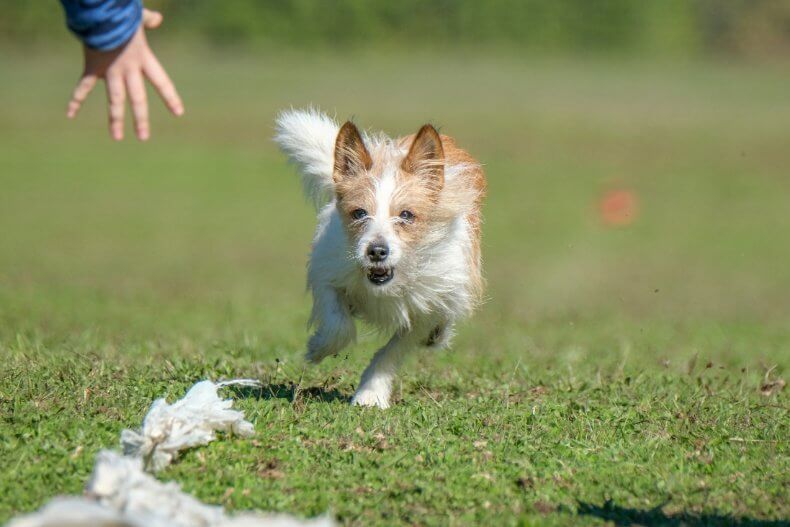
The Portuguese Podengo Pequeno is the smallest of three size varieties of Portuguese Podengos. Known for its alert and lively nature as well as its diminutive size, this lively dog has a rich history as a skilled rabbit hunter in its native Portugal. The breed’s unique triangular ears and wedge-shaped head, combined with its small and athletic build, distinguish it in appearance as well as function.
Highlights
02/History
The Portuguese Podengo Pequeno, as its name suggests, hails from Portugal and is the smallest of three Podengo sizes, the others being Medio and Grande. With a history that traces back several centuries, the Podengo Pequeno holds a significant place in Portuguese culture and heritage.
This breed's origins are believed to be tied to the ancient dogs brought to the Iberian Peninsula by Phoenician traders from the Middle East around 1000 BCE. Those early canines likely interbred with local dogs, leading to the development of the various Podengos. The Pequeno, specifically, was bred to excel at hunting rabbits across the rugged terrain of Portugal, leveraging its small size as well as its agility and keen senses.
Throughout its history, the Podengo Pequeno has been highly valued by farmers and hunters for its adeptness in assisting in hunting expeditions and controlling local vermin populations. The breed's size made them particularly suited for chasing prey into burrows and tight spaces, and their sharp senses ensured they rarely missed their mark.
The breed, over time, became an integral part of rural Portuguese life. The dogs' efficiency as hunters, combined with their amiable nature, made them popular not just as working dogs but also as companions.
In terms of official recognition, the Portuguese Podengo Pequeno was first recognized by the Fédération Cynologique Internationale (FCI). Later, The Royal Kennel Club (UK) granted them recognition, solidifying the breed's position in the canine world outside of Portugal. In the United States, the American Kennel Club (AKC) recognized the breed in 2013, further elevating its status among dog enthusiasts globally.
Today, the Portuguese Podengo Pequeno enjoys a growing popularity worldwide both as a show dog and as a beloved family companion. Its rich history and endearing qualities will likely ensure that it remains a cherished breed in the hearts of many for years to come.
03/Appearance
At the withers, both male and female Portuguese Podengo Pequenos typically measure between 8 and 12 inches tall.
Regarding weight, both males and females usually weigh in the range of 9 to 13 pounds.
Portuguese Podengo Pequenos are well-proportioned little dogs with a harmonious build that indicates their agility, stamina, and robustness. The Podengo Pequeno’s body is slightly longer than the dog's height, giving this small rabbit hunter a rectangular shape. The breed is sturdy and solid without appearing heavy, emphasizing its origins as an agile hunter in rocky crevices, dense thickets, and even aboard ships.
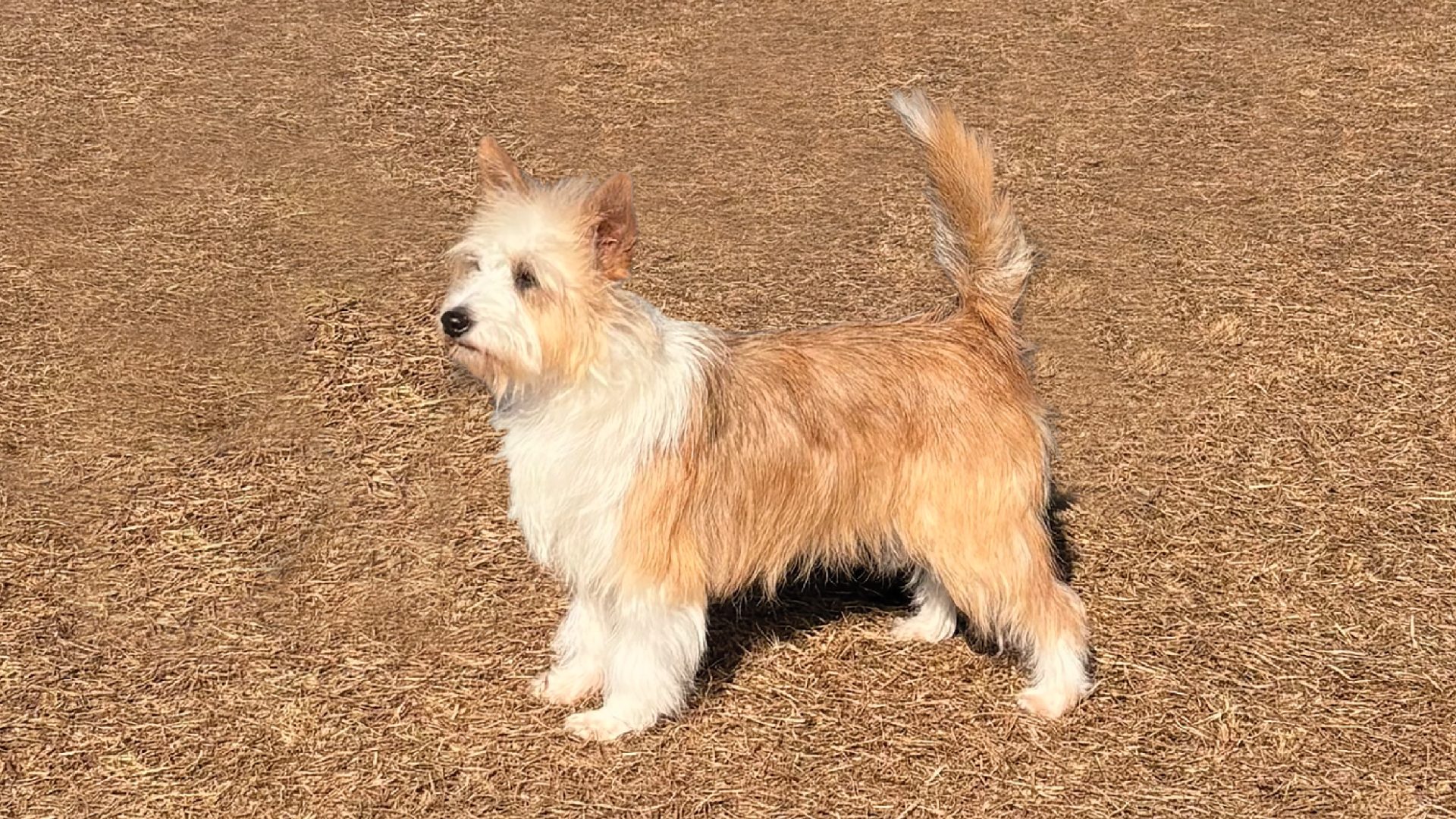
Texture: The coat of the Portuguese Podengo Pequeno can be one of two types: smooth or wire. The smooth coat is short and very dense, whereas the wire coat is long and harsh, with a rough texture. Both varieties are without undercoat and both are adapted to the varied conditions of the breed’s native Portugal. Soft, silky coats are unacceptable, and wire coats require no trimming or sculpting.
Markings: White Markings
Standard Colors
04/Consider
The Portuguese Podengo Pequeno is a lively and energetic breed that thrives in a variety of environments, from small apartments to homes with yards. The breed's alert and playful nature, combined with its compact size, makes this dog an ideal choice for many families. Before deciding to acquire a Podengo Pequeno, it is essential to understand the breed's characteristics, health considerations, and emotional and physical needs.
Interaction With Family
The level of affection a breed typically shows towards family members and familiar individuals.
Good With Other Dogs
The innate friendliness of a dog towards other dogs can depend on its breed.
Good With Young Children
The degree to which a breed will typically be patient with young children.
Amount Of Shedding
How much hair a breed typically leaves behind on clothes, furniture and floors.
Frequency Of Grooming
How often a breed needs brushing, bathing or a professional trim to stay in condition.
Amount Of Drooling
How prone a breed is to drool — worth knowing before you keep a towel by the door.
Openness To Strangers
How openly a breed tends to greet new people, visitors and strangers.
Protective Nature
How likely a breed is to alert you to — and stand between you and — anything unfamiliar.
Playfulness Level
How enthusiastic a breed stays about games and play well past puppyhood.
Trainability Level
How readily a breed takes direction and works with you rather than around you.
Barking Level
How much a breed uses its voice, and how readily.
Energy Level
How much get-up-and-go a breed brings to an average day.
Health
The Portuguese Podengo Pequeno is generally a healthy breed with a robust constitution. The breed's compact size and active lifestyle contribute to the its overall good health and vitality. However, like all breeds and mixed breeds, individuals may be susceptible to certain conditions and health concerns. Lifespan: The average lifespan of a Portuguese Podengo Pequeno is around 12 to 15 years. With proper care, regular check-ups, and a balanced diet, many can live long and fulfilling lives.
The Portuguese Podengo Pequeno is characterized by its lively and spirited temperament. Originally bred as a hunting dog, the breed's alertness, curiosity, and keen sense of its surroundings remain evident in the Podengo Pequeno's behavior today. This zest for life makes these dogs an enjoyable companion for many families.
For novice dog owners, the Podengo Pequeno can be a suitable choice. These hounds are relatively adaptable and can thrive under consistent training and established boundaries. That said, prospective owners should be prepared to understand and manage their need for activity.
The responsive nature of the Portuguese Podengo Pequeno means these dogs often react to changes in their environment or routine. This sensitivity demonstrates how they value consistency and can be slightly reserved when faced with unfamiliar situations or people. Despite their need for companionship, with the right training and mental engagement the Podengo Pequeno can manage short durations alone. However, extended periods of solitude are not ideal, as they might develop unwanted behaviors stemming from boredom or anxiety.
Socially, the Podengo Pequeno generally interacts well with other dogs, especially when properly introduced and socialized from an early age. Their playful and gentle demeanor also makes them a compatible match for families with children, although supervision during these interactions is vital to safeguard both the kids and the dog. When it comes to strangers, their inherent alertness makes them somewhat wary. They aren't typically aggressive, but they may take a moment to assess the situation or to become accustomed to unfamiliar faces.
Exercise Expectations
A typical Podengo Pequeno thrives on regular play sessions and brisk walks. Incorporating a mix of activities is beneficial for this breed. While they enjoy a casual stroll through the neighborhood, they also appreciate opportunities to sprint, play fetch, and engage in interactive games. Due to their size, they can be more versatile in their exercise routines, making them suitable for both outdoor adventures and indoor play. Their energy level is notably consistent throughout their life, though it might decrease slightly as they transition into their senior years. However, even older Podengo Pequenos will appreciate a daily dose of activity to keep their joints limber and their spirits high. In terms of intensity, while they're undoubtedly spirited, they don't necessarily require the same level of rigorous exercise as some larger or working breeds. However, without adequate physical activity, they might channel their energy into less desirable behaviors, such as chewing or digging. Playfulness is another defining characteristic of the breed. They enjoy engaging with their human companions, and their alert and curious nature means they're often up for a game or a new challenge. This trait can be leveraged to introduce them to various dog sports or agility courses, both of which can provide excellent physical and mental stimulation.
Adopting a Portuguese Podengo Pequeno into one's home is to invite in a bundle of energy, curiosity, and affection. However, accommodating this lively breed requires a few considerations to ensure they thrive in their living environment.
Given their size, the Portuguese Podengo Pequeno is adaptable to a variety of living situations, including apartments. While they don't demand expansive spaces, they do need their exercise and mental stimulation. This means even in smaller living quarters, provisions for regular play and activity are essential. A home with a securely fenced yard can be a bonus, offering them a safe space to explore, play, and release their pent-up energy.
Being a robust breed with a dense coat, the Podengo Pequeno can handle a variety of weather conditions. However, like all dogs, they need protection from extreme weather. In colder climates, their coat provides some insulation against the chill, but prolonged exposure to freezing temperatures isn't advisable. On the flip side, in hot weather, it's vital to provide them with plenty of shade, fresh water, and avoid strenuous exercise during peak temperatures.
Their curious and alert nature makes them excellent watchdogs. They'll often alert their owners to unfamiliar sounds or movements around the home. While this can be advantageous, it's also essential to provide proper socialization to ensure they don't become overly wary or aggressive towards visitors or unfamiliar stimuli.
Bonding and companionship are significant aspects of living with this breed. They thrive on human interaction and can become deeply attached to their family members. Leaving them alone for extended periods can result in feelings of loneliness or anxiety. If you have a busy lifestyle or are away from home regularly, it's a good idea to have provisions in place, like interactive toys or possibly a companion animal, to keep them company.
05/Puppies
The arrival of a Portuguese Podengo Pequeno litter is a joyful event, accompanied by the little ones' delightful antics and boundless energy. These puppies, with their expressive eyes and playful demeanor, can easily melt the hearts of their new family members. However, caring for puppies is a significant responsibility, and the early stages of their lives are critical in shaping them into well-adjusted adults.
Caring for a Podengo Pequeno puppy requires a mix of patience, consistency, and understanding. These puppies are naturally curious and eager to explore their surroundings, making it vital to create a safe and stimulating environment for them. Puppy-proofing the home by removing potential hazards and providing a range of suitable toys can help to channel a pup's energy and satisfy its need for mental stimulation.
Nutrition is fundamental at this life stage. Feeding a high-quality puppy-specific formula ensures the puppy receives the right balance of nutrients to support its growth and development. It is essential to adhere to the recommended feeding guidelines and to monitor the pup's weight to avoid overfeeding, which can lead to obesity-related health issues later in life.
Early socialization is crucial for the Podengo Pequeno puppy. Exposing it to various people, pets, sounds, and experiences during the formative weeks and months can foster a more confident and well-adjusted temperament. Positive reinforcement during these encounters reinforces good behavior and helps the puppy build a positive association with new experiences.
Training should commence as early as possible, focusing on basic obedience commands like "sit," "stay," and "come." Given the breed's intelligence and eagerness to please, the Podengo Pequeno puppy often responds well to consistent training methods that use rewards and praise. However, it is important to be patient and to avoid harsh corrections, as negative experiences can have a lasting impact on the pup's temperament.
Routine veterinary check-ups are essential during puppyhood. These visits ensure the Portuguese Podengo Pequeno puppy receives the necessary vaccinations, deworming treatments, and health screenings needed to set them on a path towards a healthy adulthood.
06/Activities
The Portuguese Podengo Pequeno, with its keen senses and lively nature, is well-suited to various activities and dog sports. Participating in such activities not only provides physical exercise, it also offers mental stimulation, strengthening the bond between the dog and its handler. Here are some recommended activities and dog sports that are suitable for this spirited breed:
While the above activities and sports are commonly participated in by the breed, it's essential to note the individual preferences and limitations of each dog. Always prioritize their well-being and ensure any activity is safe, enjoyable, and suited to their capabilities.
Gallery
07/Standards
The Portuguese Podengo Pequeno is recognized by the world's leading registries and kennel organizations, which categorize the breed into a specific Group based on its unique characteristics. This breed is recognized worldwide under the following Group designations:
The ideal Portuguese Podengo Pequeno is described by a Breed Standard that is approved by each of the world’s leading registries and kennel organizations. The Breed Standards for this breed may be found in the following links:
08/Clubs
09/Rescue
10/Facts
National Symbol
The Portuguese Podengo Pequeno is one of Portugal's national symbols and is highly esteemed within its homeland.
Ancient Breed
This breed has ancient origins, with its ancestors believed to have arrived in the Iberian Peninsula with Phoenician traders as far back as 1000 B.C.
Rabbit Hunter
Traditionally, the Portuguese Podengo Pequeno was used primarily for hunting rabbits, due to its agility, keen sense of smell, and a size that allowed it to chase prey in tight spaces.
Two Coat Varieties
This breed comes in two distinct coat types - smooth and wire-haired. Both are weather-resistant and serve to protect the dog in different terrain.
Highly Vocal
The Portuguese Podengo Pequeno is known to be a vocal breed. These dogs often communicate through a range of sounds, from barks to yips and howls, especially when they sense something unfamiliar in their environment.
Adaptable Companions
Though historically working dogs, today's Portuguese Podengo Pequenos are adaptable and can thrive both in city apartments and country homes, as long as their exercise and mental stimulation needs are met.
Rare Outside of Portugal
While the breed is relatively well-known in Portugal, it is still considered a rare breed in many other parts of the world.
11/FAQ
The Portuguese Podengo Pequeno can make an excellent family dog. They are known for their lively, affectionate nature and can form close bonds with family members, including children. However, as with all dogs, early socialization and consistent training are essential to ensure they fit seamlessly into a family setting.
Official Standard of the Portuguese Podengo Pequeno
General Appearance: A wedge shaped head (a four sided pyramid) with erect ears, a sickle shaped tail, a sound skeleton, well muscled: very lively and intelligent, sober and rustic. This is a breed of moderation.
Size and Proportion: Size- The height is 8 to 12 inches and the weight is 9 to 13 pounds. Proportions - The distance from the withers to the bottom of the chest is one half the total height. The length from the point of shoulder to the point of buttocks is 20 percent longer than the height.
Head: Lean broad based wedge shaped as a four-sided pyramid when viewed from the top or in profile. A large base and a definite pointed muzzle. Skull - Flat, almost straight in profile. Prominent brow bone. Barely perceptible frontal furrow. Relatively flat between the ears. Prominent occiput. Planes: The plane of the muzzle very slightly diverges downward from the plane of the skull. Stop - Barely defined. Eyes - Very lively expression with small almond shape set slightly oblique. Not rounded or prominent. Eye color ranges from honey to dark brown in accordance with the coat. Muzzle - Curved, when seen from the top. A straight profile which is shorter than the skull, broader at the base, and narrowing to the tip. Cheeks - Lean and obliquely set. Nose - Tapered, obliquely truncated, and prominent at the tip; black or darker colored than the coat. Lips - Close fitting, thin, firm and well pigmented. Jaw/Teeth - Scissor bite. Normal occlusion of both jaws. Ears - Set obliquely at the level of the eyes, straight, with high mobility, upright or tilted forward when attentive. Pointed, triangular and wider at the base, thin, longer than the width at the base.
Neck, Topline, Body: Neck - A harmonious transition from head to body. Straight with a slight arch at the nape. Medium in length, well proportioned, strong and muscled. Very dry without dewlaps. Topline - Level. Withers - Only slightly visible. Back - Straight and long. Loin - Level, broad and well muscled. Croup - Straight or very slightly sloping and medium size. Well muscled. Chest - The chest reaches to the elbow. It is long and of medium width. The ribcage is slightly sprung. Moderate fore chest. Underline - The belly is lean and slightly tucked up. Tail -Medium high set and of medium length. Strong, thick, and tapered with a lightly feathered underside. At rest it falls curved and reaches to the hock joint. In action it rises to the horizontal slightly curved or vertical in the shape of a sickle. A curled tail is a serious fault.
Forequarters: Shoulder - Blade moderately laid back. Shoulder and upper arm angle is moderate. Elbow -Well tucked in. Forearm - Straight, long, muscled. Pastern - Short, lean, strong and slightly sloping. Feet - Oval, strong, tight, slightly arched. Strong nails and tough firm pads.
Hindquarters: Upright when seen from the back and side. Well muscled and lean. Upper thigh -Long and of medium width, muscled. Stifle joint - Moderate angulation. Second thigh - Long, lean, strong, and well muscled. Hock joint - Medium height, lean, strong, moderately angled. Rear pastern - Strong, short, straight. Without dewclaws. Hind feet - As in front.
Coat: There are two varieties; Smooth coat which is short and very dense. Wire coat (rough) is long and harsh. The hair on the muzzle is longer (bearded) on the wire coat variety. The wire coat is not as dense as the smooth variety. Both varieties are without undercoat. Skin on both varieties is thin and close fitting. A very rustic breed shown naturally. Groomed but not trimmed or sculpted. Dogs whose coat has been altered by excessive sculpting, clipping or artificial means shall be penalized as to be effectively eliminated from competition. A silky coat is a fault.
Color: Yellow or Fawn. Light, medium or dark shades are acceptable. The color can be solid or with white markings or white with markings of the above colors. The following colors are accepted but not preferred. Black or brown, as solid colors or with white markings. White with markings of the accepted colors.
Skin: Mucus membranes are preferably dark pigmented or always darker than the coat. Skin is thin and tight.
Gait: Light trot, easy and agile movements.
Temperament: Very lively and intelligent. A natural rabbit hunter either alone or in a small pack. They seek rabbits among rocks and thick shrub. A companion who willingly serves as a watchdog.
Faults: Behavior - Signs of shyness. Back skull/muzzle - Parallel planes. Jaws - Level bite. Nose - Partial lack of pigment. Neck - Ewe necked or severely arched. Body - Arched topline. Croup -Excessive slope. Coat - Silky and/or with undercoat.
Serious Faults: Skull/Muzzle - Convergent planes. Nose - Total lack of pigment. Ears – Rounded. Belly - Excessive tuckup. Tail – Curled.
Disqualifications: Behavior - Aggressive or overly shy. Eyes - Of different color. Jaws -Undershot or overshot. Ears - Folded or hanging. Color - Brindle, Black and Tan, Tricolor, Solid White.
Approved May 11, 2010
Effective January 01, 2011
The tail of the Portuguese Podengo Pequeno is set medium-high on the topline, thick at the base, and tapering towards the tip. It is lightly feathered on the underside. In movement, the tail is curved and carried upwards, though it should never curl over the back. When relaxed, it hangs down, reaching the hocks. The tail is an expressive part of the Podengo Pequeno, often wagging vigorously when the dog is excited or alert.
A Note About Color: The color of the Portuguese Podengo Pequeno’s coat may be yellow or fawn in shades ranging from light to medium to dark. Both colors and all shades offer protection from the blistering Portuguese sun. Solid-colored dogs are common as are those with white markings and white dogs with colored markings. Although Podengo Pequenos with black or brown coats are acceptable, they are not preferred.
Coat Type
Wiry, Smooth
The structure of the coat this breed carries.
Coat Length
Short
How long the breed's coat grows when kept in condition.
Adaptability Level
How easily a breed copes with changes in home, routine, noise and weather.
Mental Stimulation Needs
How much a breed needs a job, a puzzle or training to stay content.
In essence, the Portuguese Podengo Pequeno offers a rich blend of enthusiasm, intelligence, and loyalty. With appropriate guidance and social experiences, these hounds are most likely to integrate effortlessly into various home settings, providing endless moments of camaraderie and joy.
Proper nutrition is foundational for maintaining the health and vitality of the Portuguese Podengo Pequeno. While their dietary needs may vary based on factors such as age, activity level, and health status, some general guidelines can assist owners in offering optimal nutrition.
For Podengo Pequeno puppies, it's essential to provide a balanced diet that supports their rapid growth phase. Many choose specially formulated puppy foods that contain essential nutrients for developing bones, muscles, and organs. As these puppies transition to adulthood, their dietary requirements will change, and it's vital to make this transition smoothly to avoid any gastrointestinal issues.
Adult Podengo Pequenos typically need fewer calories per pound than their younger counterparts. However, their activity level heavily influences their caloric needs. Active adults might require more energy-dense foods, while less active or older dogs might benefit from a diet with fewer calories to prevent unwanted weight gain. On average, an adult Podengo Pequeno might consume between 1/2 to 1 cup of high-quality dry dog food daily, split into two meals. But it's essential to adjust this based on the dog's individual needs and the specific recommendations of the chosen food brand.
When determining the amount of food, it's also crucial to consider treats and additional snacks, as these can add significant calories to the dog's daily intake. For a balanced approach, treats should constitute no more than 10% of the dog's daily caloric intake.
As always, it's beneficial to consult with a veterinarian or a pet nutritionist to determine the most appropriate feeding regimen for your Podengo Pequeno. Regular weight checks and body condition assessments can also guide any necessary adjustments to the feeding routine, ensuring your dog remains at a healthy weight and optimal condition throughout their life.
Training a Portuguese Podengo Pequeno can be a rewarding experience given their keen intelligence and eager-to-please nature. However, this breed also possesses a degree of independence, which can sometimes translate to stubbornness during training sessions.
From an early age, it's beneficial to introduce the Podengo Pequeno to basic obedience training. Consistency is key, and positive reinforcement methods work exceptionally well with this breed. Using treats, praise, and toys as rewards can be effective in motivating them and reinforcing desired behaviors.
One characteristic of the Podengo Pequeno is their alertness, which means they can be vocal. While this makes them excellent watchdogs, it can also mean a tendency to bark at unfamiliar sounds or sights. Early training can help manage excessive barking, teaching them to alert their owner without becoming overly noisy.
Their intelligence and active nature mean they're quick learners, but it also implies they require mental stimulation. Incorporating puzzle toys, agility training, and trick training can be beneficial in keeping their minds engaged and preventing boredom.
Another aspect to consider is their inherent prey drive, given their history as hunting dogs. This means that they might be inclined to chase after small animals. Training them with a strong recall command and ensuring safe, enclosed spaces for off-leash play can mitigate potential risks associated with this trait.
Lastly, while the Podengo Pequeno is generally sociable, early and continuous socialization is essential. Exposing them to various environments, people, and other animals during their formative months can help cultivate a well-rounded and confident adult dog.
Grooming Expectations
The Podengo Pequeno can have two types of coats: smooth and wirehaired. The smooth coat is short and very dense, while the wirehaired coat is longer and rougher. Each coat type has its own specific grooming needs. For those with a smooth coat, a weekly brushing using a soft-bristle brush or a grooming mitt is typically sufficient to remove loose hair and distribute the natural oils of the skin. This helps to give the coat a healthy sheen and reduces the amount of hair that might be shed around your home. In contrast, wirehaired Podengo Pequenos require a bit more attention. While they don't shed as noticeably, their rough coat can trap dirt and debris. Regular brushing, every few days or so, using a slicker brush or a pin brush can help in removing these, preventing matting, and keeping the coat tidy. Occasionally, they might also benefit from hand-stripping to maintain the coat's texture and appearance. Bathing is only necessary when the dog becomes particularly dirty or has an unpleasant odor. Overbathing can strip the coat of its natural oils, leading to dry skin and potential irritation. When baths are given, it's crucial to use a dog-specific shampoo that suits their skin type. Apart from coat care, regular nail trimming is essential, especially if they don't naturally wear down their nails through activity. Check their ears periodically for signs of infection or wax buildup, cleaning them gently with a dog-approved ear cleaner when necessary. Dental care, through brushing or dental chews, will also contribute to their overall health and reduce the risk of dental issues.