Members

01/Overview
The Saint Bernard is a breed of immense strength and size, a gentle giant renowned for its rescuing instincts and a rich history as an invaluable companion in Alpine rescue missions. Esteemed for their kind demeanor and a patient approach to life, Saint Bernards have transitioned from diligent workers to affectionate members of the family, all the while retaining a noble bearing that reflects their storied past.
Highlights
02/History
The Saint Bernard is a breed steeped in rich history and tradition, originating in the Swiss Alps and the Italian-Swiss border region. These majestic canines are named after the Hospice Saint Bernard, a traveler's refuge that was founded by St. Bernard of Menthon in the 11th century. The monks of this hospice initially bred these dogs for companionship and as working dogs, but they soon discovered the breed's innate ability for mountain rescue.
Saint Bernard's reputation as a rescue dog was solidified over centuries as they were credited with saving the lives of many travelers caught in treacherous alpine conditions. Their incredible sense of direction and resistance to cold made them indispensable to the monks. It's said that a Saint Bernard named Barry became legendary for his heroic rescues, saving over 40 lives during his lifetime.
Official recognition of the breed has been bestowed by various kennel clubs around the world. The American Kennel Club (AKC), the Fédération Cynologique Internationale (FCI), and The Kennel Club (UK) all recognize the Saint Bernard as a distinct breed, with the AKC formally doing so in the late 19th century. The breed standards set forth by these organizations ensure that Saint Bernard's noble and distinct characteristics are preserved.
The breed's purpose has evolved over the years. While their role in mountain rescue may have diminished, they have found new purpose in the show ring, as family companions, and as participants in dog sports. Saint Bernard's benevolent nature has also made them popular as therapy dogs, providing comfort to those in need with their serene presence.
The breed's journey from alpine rescuer to beloved pet and show dog is a testament to their versatility, temperament, and the enduring bond between dogs and humans. These gentle giants, with their storied past and versatile abilities, continue to be an emblem of loyalty and bravery.
03/Appearance
In terms of stature, male Saint Bernards are imposing figures, standing at an average height of 28 to 30 inches at the shoulder. Females are slightly more petite, typically ranging from 26 to 28 inches.
It is the breed's considerable mass that complements their height, with males weighing between 140 to 180 pounds, while females generally tip the scales at a slightly lesser range of 120 to 140 pounds.
Skull: The breed's skull is powerful and wide, with well-developed cheeks and a clear furrow dividing the forehead. It's proportionate to the body, neither too coarse nor too fine, contributing to the breed's striking profile.
Expression: Saint Bernard's eyes, often described as 'friendly,' convey the breed's famous gentle disposition. The eyes are complemented by a set of naturally furrowed brows, giving them a look of depth
and wisdom.
Eyes: Their eyes are of medium size, dark and deep-set, with an intelligent and soft expression that is captivating and kind. The eyelids are tight and contribute to the dog's alert yet friendly demeanor.
Ears: Medium in size, the ears lie close to the head, and when drawn forward, they reach at least to the corner of the mouth. They are high-set, which balances the head's proportions and contributes to the breed's attentive outlook.
Muzzle: The muzzle is short, wider at the base, and ends in a well-defined, but not abrupt, stop. The bridge of the nose is straight, and despite the short length, the muzzle is not upturned, maintaining the breed's dignified appearance.
Nose: The nose is typically black, large with well-opened nostrils, essential for the breed's keen sense of smell, especially in rescue operations.
Bite: A Saint Bernard has a strong jaw with a complete set of teeth that meet in a scissors or level bite. The strength of the bite is a nod to their heritage as working dogs, capable of carrying out rescue missions in challenging environments.
The Saint Bernard is a paragon of balance and proportion, with a body that is slightly longer than it is tall, giving them a robust and muscular look without compromising agility. Their substance is matched by bone strength appropriate to their size, ensuring they are neither cumbersome nor delicate. This harmonious blend of size and strength equips them well for their traditional roles that demand both power and endurance.
Texture: Saint Bernard's coat comes in two distinct varieties: smooth and rough. The smooth coat is dense and lies flat, providing ample warmth and resistance to the elements. In contrast, the rough coat is longer and displays a slight wave, offering a more pronounced protection against harsh weather. Both types possess a thick and durable underlay that ensures the breed is well-insulated.
Standard Colors
04/Consider
The Saint Bernard is a compassionate and gentle giant, renowned for its role as a steadfast companion and rescuer. Those looking to welcome a Saint Bernard into their lives must recognize the commitment required to nurture such a sizable and devoted breed. Prospective handlers should consider the breed's space requirements, grooming needs, and the importance of early socialization and training to ensure the development of well-mannered behavior.
Interaction With Family
The level of affection a breed typically shows towards family members and familiar individuals.
Good With Other Dogs
The innate friendliness of a dog towards other dogs can depend on its breed.
Good With Young Children
The degree to which a breed will typically be patient with young children.
Amount Of Shedding
How much hair a breed typically leaves behind on clothes, furniture and floors.
Frequency Of Grooming
How often a breed needs brushing, bathing or a professional trim to stay in condition.
Amount Of Drooling
How prone a breed is to drool — worth knowing before you keep a towel by the door.
Openness To Strangers
How openly a breed tends to greet new people, visitors and strangers.
Protective Nature
How likely a breed is to alert you to — and stand between you and — anything unfamiliar.
Playfulness Level
How enthusiastic a breed stays about games and play well past puppyhood.
Trainability Level
How readily a breed takes direction and works with you rather than around you.
Barking Level
How much a breed uses its voice, and how readily.
Energy Level
How much get-up-and-go a breed brings to an average day.
Health
Saint Bernards are generally robust dogs, bred for hard work in challenging environments. Nonetheless, they can be susceptible to certain breed-specific health issues that potential caretakers should be aware of. It's crucial to maintain an ongoing relationship with a trusted veterinarian who can provide regular health screenings and timely interventions. Saint Bernard typically enjoys a lifespan of 8 to 10 years, but with proper care, regular check-ups, and a balanced diet, many can live beyond these years.
Saint Bernards are cherished for their gentle, friendly, and loving nature, particularly towards their family. Despite their considerable size, these dogs are known for their patience and are typically cautious around children, making them excellent family companions. Their loyalty and protective instincts are commendable, yet they are not overly aggressive, balancing their strong presence with a calm demeanor.
Their intelligence is paired with a tendency towards stubbornness, necessitating consistent and patient training from an early age to manage their independent streak. The breed's social nature means they thrive on interaction and affection, often seeking to be involved in family activities.
Saint Bernards are known to be adaptable to different living environments, but due to their large size, they need ample space to move and regular exercise to maintain their health. Their patience and tolerance make them particularly suitable for families with children, as they can handle the energy and unpredictability of kids well. These dogs exhibit a calm and easygoing temperament, often mirroring the energy levels of their household, which makes them active when encouraged but also content to relax with their owners.
In general, Saint Bernards get along well with other dogs, often doing well with much smaller pets as well, such as cats. They are not typically aggressive or territorial, and their good relationships with other animals are largely due to their mellow and kind nature. However, like any breed, they can exhibit more assertive behavior in certain situations, especially if not properly socialized. Socialization from a young age is critical to ensure they are well-behaved and do not develop tendencies to assert dominance, particularly for male Saint Bernards.
Exercise Expectations
It's crucial to balance the intensity of their activities, ensuring they are engaged without becoming overexerted. Play sessions should be interspersed with rest, particularly important for a breed that can be prone to overheating and exhaustion. Their playfulness, while not as high-spirited as smaller breeds, is expressed through their love for gentle games and companionship. A well-exercised Saint Bernard is a content and well-behaved dog. Structured physical activities can help mitigate potential behavioral issues stemming from boredom. Providing a Saint Bernard with consistent, suitable exercise will result in a harmonious household and a truly happy dog.
When considering a Saint Bernard as a companion, prospective caretakers should be mindful of their sizable stature and the environment in which they will thrive. Despite their considerable bulk, Saint Bernards can adapt to apartment living if their space needs and exercise requirements are met diligently. They are typically placid indoors but will need ample space to rest comfortably without feeling cramped.
Saint Bernards are well-equipped for cold climates, thanks to their dense, insulating coat, which offers them protection against frigid temperatures. In fact, they often display a notable fondness for snow and colder weather, harking back to their heritage as Alpine rescuers. Conversely, their thick fur makes them more susceptible to overheating, so handlers should provide a cool, shaded retreat during warmer months, and exercise should be limited to cooler parts of the day.
As for hotter climates, extra caution is necessary. Ensuring that a Saint Bernard has access to air conditioning and plenty of fresh water is vital to prevent heatstroke. Their exercise regime in such weather should include regular breaks and might even necessitate a shallow pool or a sprinkler to help them keep cool.
05/Puppies
Welcoming a Saint Bernard puppy into your life is an adventure filled with both joy and responsibility. These affectionate, oversized bundles of fur grow rapidly, and their development during the puppy stage is critical to their future health and temperament. Ensuring they receive proper nutrition, socialization, and training from the outset will lay the groundwork for a well-adjusted adult dog.
Caring for Saint Bernard puppies demands a thoughtful approach from their human companions. Early socialization is key; exposing them to a variety of people, sights, sounds, and experiences helps to ensure that they grow into sociable and well-mannered adults. Gentle handling and positive reinforcement will foster a trusting bond between the puppy and their caretaker.
Nutrition is paramount in this early stage. Puppyhood is when a Saint Bernard experiences the most significant growth, so a diet formulated for large-breed puppies is essential to support their rapid development and to help prevent bone and joint issues as they age. Consultation with a veterinarian can provide a feeding plan tailored to the puppy's individual needs.
Training should begin early, focusing on basic commands and house manners. Saint Bernards are eager to please and respond well to patient, consistent training sessions. Due to their size and strength, it's important to instill good leash behavior early on to ensure that they can be managed safely when fully grown.
In terms of health, scheduling regular veterinary check-ups is crucial to monitor their growth and to keep up with vaccinations and parasite control. These early visits to the vet are also the opportune time to discuss spaying or neutering and to identify any potential health concerns specific to the breed.
06/Activities
Saint Bernard dogs, renowned for their strength and gentle nature, can participate in a variety of activities and dog sports that capitalize on their physical attributes and temperament. It is important for handlers to engage these dogs in activities that not only stimulate their minds but also provide an outlet for their energy. Here are some activities and dog sports in which Saint Bernards can excel:
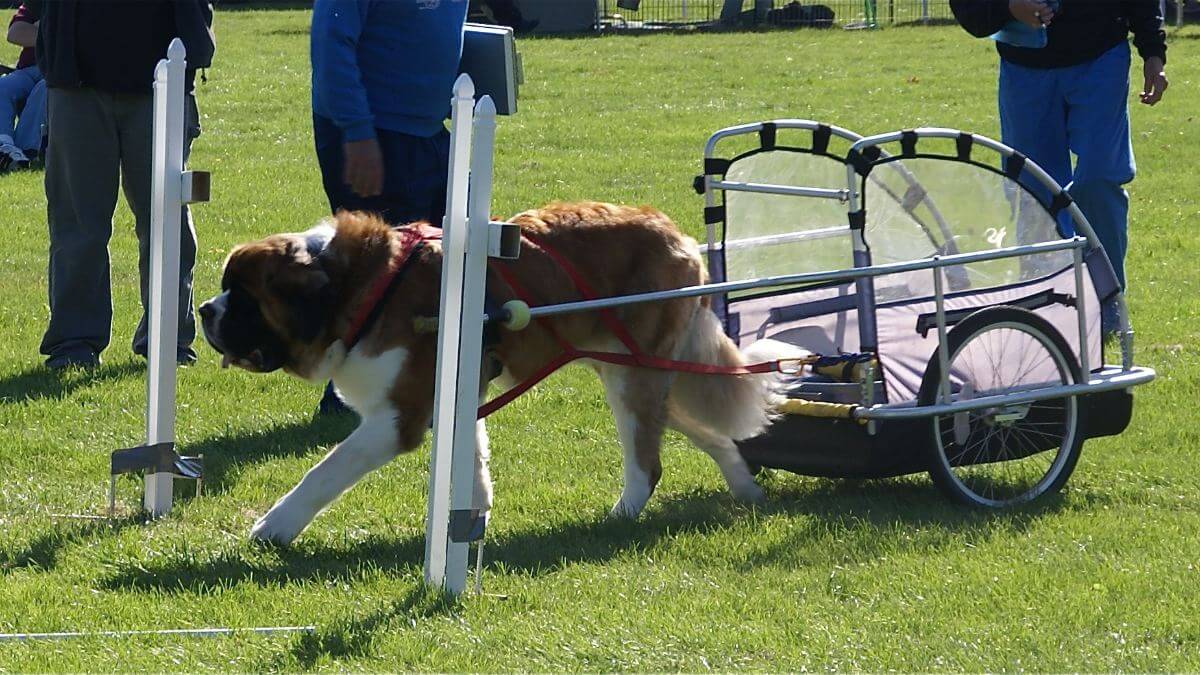
Carting: Also known as Draft Work, this is a historical and practical sport for Saint Bernards, reflecting their heritage as working dogs.
Weight Pulling: This sport showcases their strength and is conducted with proper guidance and equipment to ensure the dog's safety.
Obedience: Saint Bernards can show off their training and obedience in a competitive setting.
Tracking: Leveraging their strong sense of smell, Saint Bernards can compete in Tracking events where they locate scents over various terrains.
Agility: While not as agile as some smaller breeds, with proper training, Saint Bernards can enjoy and compete in Agility courses adapted to their size.
Conformation Shows: These events allow Saint Bernards to demonstrate their breed standards in terms of appearance, movement, and temperament.
Therapy Work: Their calm demeanor makes them excellent therapy dogs, providing comfort to those in hospitals, schools, and nursing homes.
Search and Rescue: With training, their historical role in alpine rescues can be applied in modern search and rescue operations.
Participation in these activities requires consistent training and socialization, as well as a consideration of the physical demands on the breed. Engaging a Saint Bernard in these sports not only promotes physical health but also strengthens the bond between dog and handler, offering both mental stimulation and mutual enjoyment.
Gallery
07/Standards
The Saint Bernard is recognized by the world's leading registries and kennel organizations, which categorize the breed into a specific Group based on its unique characteristics. This breed is recognized worldwide under the following Group designations:
The ideal Saint Bernard is described by a Breed Standard that is approved by each of the world’s leading registries and kennel organizations. The Breed Standards for this breed may be found in the following links:
08/Clubs
The Saint Bernard is a breed cherished by many, with clubs worldwide dedicated to their preservation and appreciation.In the United States, the Saint Bernard Club of America was incorporated in 1888 with a mission to protect and promote the breed. It serves as a hub for education, providing resources for current and potential owners and breeders, as well as judges at dog shows. The club organizes events, offers a breeder referral system, and supports rescue efforts, all aimed at fostering a community around this noble breed.Canada has the Saint Bernard Fanciers of Canada which was accredited by the Canadian Kennel Club in 2010. Their goals include the protection of the breed, promoting selective breeding in accordance with the CKC breed standard, and the organization of specialty shows. They advocate for the breed's welfare through continuing education and host their National Specialty conformation show to celebrate and evaluate the breed against these standards.In the United Kingdom, The English St. Bernard Club boasts a long history, having been registered with the Kennel Club in 1922, although records suggest its founding dates back to 1891. The club owns historic silver trophies from the late 1800s, indicating a longstanding tradition of excellence and celebration of the breed. They organize a variety of events, including championship shows, educational seminars, and the St Bernard of the Year competition, providing opportunities for members to engage and share their passion for Saint Bernards.These clubs are testament to the enduring legacy of the Saint Bernard, uniting enthusiasts and breeders in their dedication to the health, well-being, and legacy of this distinguished breed.
09/Rescue
Despite their size and loving nature, Saint Bernards can find themselves in need of new homes due to various circumstances. Rescue organizations are pivotal in providing these gentle giants with the care and compassion they need during such transitions.In the United States, the Saint Bernard Rescue Group is dedicated to improving the lives of Saint Bernards that require permanent homes. Established in 2010, they have a broad network of volunteers across North America working towards public education about the breed, reducing overbreeding, and combating inhumane treatment. Based in Westminster, MD, the rescue group operates with the support of donations and aims for the permanent placement of Saint Bernards into loving homes.The United Kingdom is home to the St. Bernard Trust, the original and longest-established non-profit charity for the breed in the country. Established in 1975, they gained charitable status in 1988 and are entirely financed through voluntary donations. Their mission is to rescue and rehome previously unwanted, often neglected, and abandoned Saint Bernards.
10/Facts
Rescue Heritage
Saint Bernards have a storied past as Alpine rescue dogs, assisting travelers in the Swiss Alps.
Barrel Myth
The iconic image of a Saint Bernard with a barrel around its neck is a piece of folklore, not a historical fact.
Gentle Giants
Despite their imposing size, Saint Bernards are known for their gentle and patient demeanor.
Nanny Dogs
Their protective nature around children has earned them the affectionate nickname "nanny dogs."
Keen Senses
They possess a strong sense of smell, which was invaluable in their historical role as rescue dogs.
11/FAQ
The iconic image of a Saint Bernard with a barrel is a myth popularized by entertainment and folklore. Historically, these rescue dogs did not carry barrels around their necks. The myth suggests that the barrels contained brandy to warm victims trapped in the snow, but this is not based on fact.

Explore the rich history and enduring qualities of the Saint Bernard, from rescue heroics to a loyal companion’s gentle nature.

All About Judging
Learn how to judge the Saint Bernard by focusing on power, proportion, and temperament. Understand the breed’s essence with key guidelines.


Meet the Breeders
Marty Glover is the breeder behind Lasuite, Kris’s Kountry, Skydancer & Sandcastle Saint Bernards. Read about the puppies, see photos & more!


All About Judging
Discover the importance of the proportionately tall Saint Bernard breed. Learn about its historical tasks and the traits that matter most.


Meet the Breeders
Martin Glover is the breeder behind Sandcastle Saints. Read about the kennel’s beginnings, the puppies, and much more!


Meet the Breeders
Interview with Working Group Breeders Stacy Pagel & Pam Brandau – Where do we live? How many years in dog? How many years as a breeder?
The Saint Bernard sports a long tail that is carried low when at rest, extending the line of the back. In action, the tail may be elevated and is often seen with a slight curve, but it does not curl over the back. It serves as a rudder of sorts when the breed is in motion, aiding in balance. Historically, the tail has been an important tool for these dogs in their rescue work, helping them to maintain stability in treacherous conditions. While some working breeds have a history of tail docking, Saint Bernard's tail is typically left in its natural state, undocked, allowing the dog to express its emotions and intentions clearly through its carriage and movement.
Standard Markings
Coat Type
Smooth, Rough, Double
The structure of the coat this breed carries.
Coat Length
Short
How long the breed's coat grows when kept in condition.
Adaptability Level
How easily a breed copes with changes in home, routine, noise and weather.
Mental Stimulation Needs
How much a breed needs a job, a puzzle or training to stay content.
While they are naturally tolerant, calm, and well-behaved, Saint Bernards will protect their owners if they perceive a real threat. Training and proper socialization are essential to prevent any misinterpretation of situations that could lead to aggressive responses. The key to a well-mannered Saint Bernard is ensuring they spend time with other dogs during their formative puppy years, fostering their inherently sociable and friendly nature.
When considering the feeding and nutrition of a Saint Bernard, it's important to recognize that their dietary requirements will change as they grow from puppies to adults, and later into their senior years. Saint Bernard puppies, during their rapid growth phase, require about 1 ½ to 7 ½ cups of dry dog food daily, depending on their age and size. Adult Saint Bernards typically need about 6 ½ to 8 cups, and seniors slightly less, around 6 to 6 ½ cups of kibble each day.
The dietary needs of each Saint Bernard can be quite individualized, influenced by their health status, lifestyle, weight, and metabolism. This makes it crucial for owners to collaborate with a veterinarian to determine the optimal feeding regimen for their specific dog. During the early stages, it is also essential to manage the amount of protein a Saint Bernard puppy consumes, avoiding high levels (more than 25%) that can lead to an imbalance affecting their growth. Instead, they should receive puppy food rich in DHA for proper brain and eye development.
Owners must be mindful not to overfeed their Saint Bernard puppies, as excessive food does not translate to fat but can instead lead to growth at a rate that their skeleton cannot support. Regular check-ins with a veterinarian will help ensure that your Saint Bernard is on the right track nutritionally, supporting their overall well-being throughout each stage of life.
Training a Saint Bernard requires patience and consistency due to their intelligent but sometimes stubborn nature. These dogs are capable of learning a wide variety of commands and tasks, and they generally have a gentle demeanor. They are not particularly known for excessive barking, but like any dog, they may vocalize to alert their family of something out of the ordinary or if they are bored or anxious.
Saint Bernards are intelligent, which can aid in training, but they also have an independent streak that may require a firm yet gentle hand in training. Their intelligence means they can learn quickly, but their size and strength necessitate proper training to ensure they can be managed safely.
Their potential for wanderlust is moderate; they may be inclined to explore if given the chance, but they are also quite content to stay at home with their family. Predatory tendencies are not high on the list of breed characteristics, as Saint Bernards were bred for rescue and companionship, not for hunting.
Grooming Expectations
Due to their size and the abundance of their coat, the grooming sessions provide an excellent opportunity for human companions to check for any skin issues, such as hot spots or parasites, which can hide beneath the thick fur. Regular ear checks are also crucial to prevent infections, considering their ears can trap moisture and debris. Bathing a Saint Bernard doesn't need to be a frequent activity; every few months is generally adequate unless they find themselves exceptionally dirty. It's crucial to thoroughly dry their coat after each bath to prevent any cold or skin problems. Caring for their nails is another aspect of grooming that should not be overlooked. These should be trimmed regularly to ensure comfort in their paws, particularly since their heavy build can put more pressure on their feet. A partner in grooming can find this task easier with a Saint Bernard, ensuring the dog's ease and safety during the nail clipping.