01/Overview
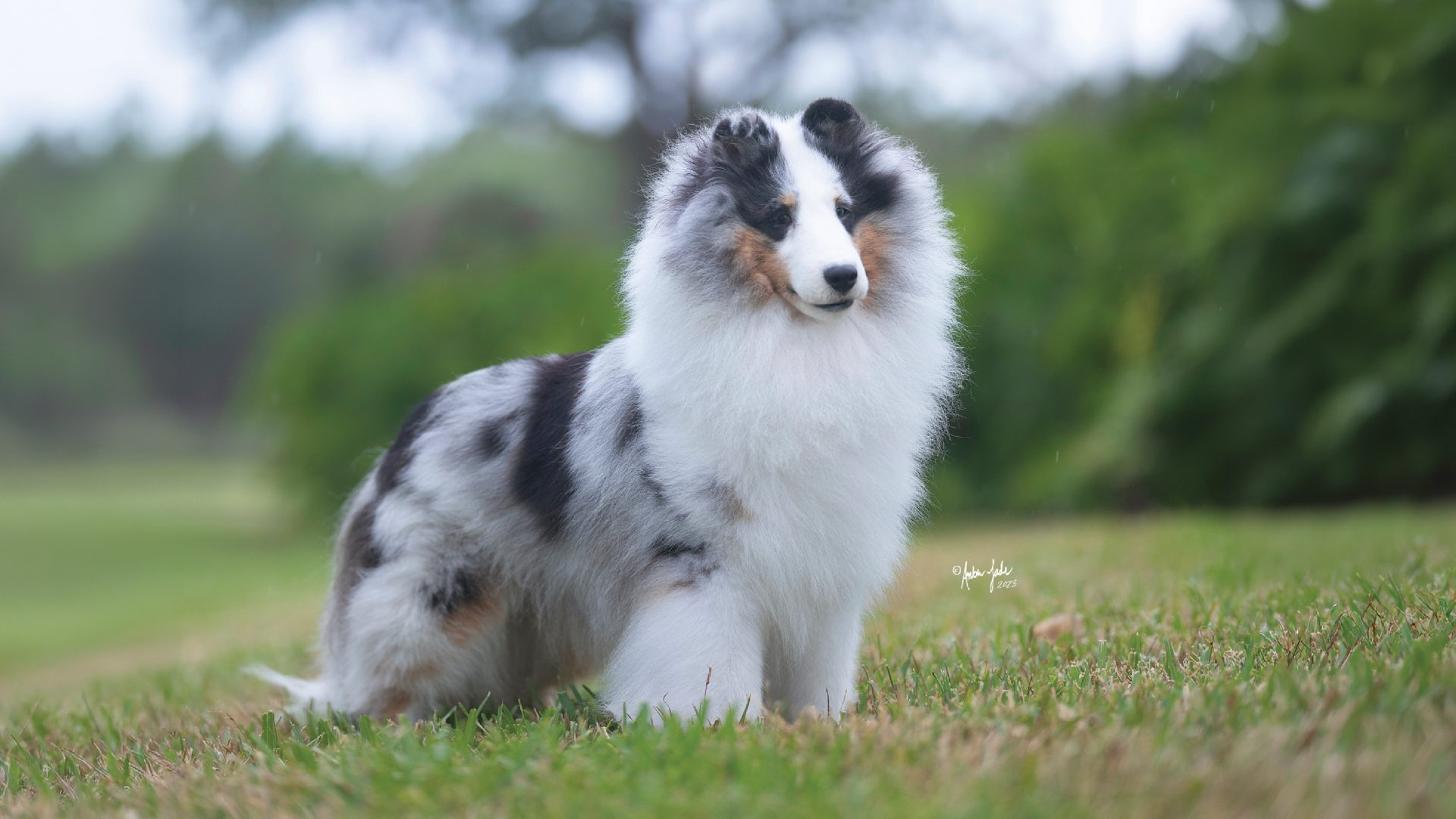
The Shetland Sheepdog, affectionately known as the Sheltie, is a small to medium-sized Herding breed known for its intelligence, agility, and loyal disposition. These dogs possess a striking resemblance to their larger cousin, the Rough Collie, but are distinct in both size and temperament. Shelties are highly trainable, excel in Obedience and Agility competitions, and are well-suited for active singles and families. They have a dense double coat, a mane and frill of hair around their neck, and a plume of hair on their tail, all of which contribute to the breed’s signature appearance and unmistakable style.
Highlights
02/History
The Shetland Sheepdog has a history that is intertwined with the rugged and remote Shetland Islands of Scotland. Originating from these barren and windswept landscapes, the breed was primarily used for herding sheep, poultry, and ponies. Its ancestors include the Rough Collie, the Icelandic Sheepdog, and possibly, some small Scandinavian breeds. The resultant sheepdog was an intelligent, hardworking, and agile dog, capable of handling the challenging terrain and weather conditions of Scotland's famous islands.
The breed’s journey to official recognition began in the early 20th century. In 1909, the first Shetland Sheepdogs were registered in England. However, those early Shelties were quite varied in appearance, and it took several decades of selective breeding to establish the consistency of type that is seen in the breed today. The American Kennel Club (AKC) recognized the Shetland Sheepdog in 1911, providing a significant boost to the breed’s popularity in the United States. The Royal Kennel Club (UK) also recognized the breed, further solidifying its status as a distinct purebred.
One of the notable characteristics of the Shetland Sheepdog is its resemblance to the Rough Collie. This is due to the influence of Rough Collies in the breed’s development, with some breeders aiming to "miniaturize" the Collie while retaining its herding abilities and general appearance. Despite their similarities, the Sheltie is most assuredly a separate breed, distinguished by its smaller size and unique personality traits.
The Shetland Sheepdog quickly gained popularity for its beauty, intelligence, and versatility. Today, the breed excels in various canine sports and extracurricular activities, showcasing its agility, obedience, and herding capabilities. Beyond the competition rings, Shelties are cherished as family companions, known for their loyalty, affection, and protective instincts.
The Shetland Sheepdog’s long history as a herding and working dog on the Shetland Islands has left a lasting legacy on its lively temperament and undeniable abilities. These intelligent and energetic dogs continue to thrive in active households, bringing joy and companionship to those who welcome them into their lives.
03/Appearance
The adult Shetland Sheepdog typically stands between 13 and 16 inches tall at the shoulders. In terms of weight, a mature Shetland Sheepdog generally weighs between 15 and 25 pounds.
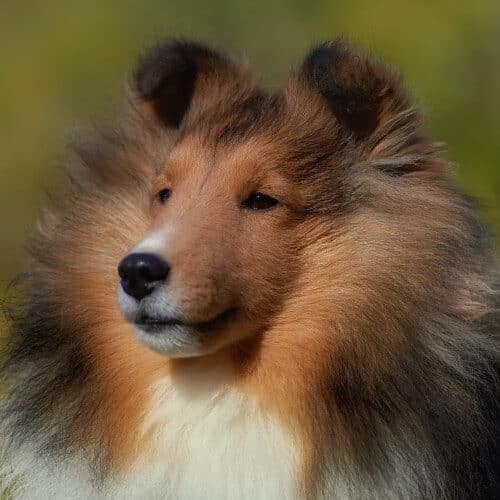
The Shetland Sheepdog is known for its well-balanced and symmetrical appearance. These dogs display a strong and agile physique, essential for their use as a herder and all-purpose farm dog. Their body length, from the chest to the buttocks, is slightly longer than their height at the shoulder, giving them a slightly elongated appearance despite the breed having a relatively short back. The Sheltie possesses sturdy bone yet is not not bulky, maintaining a refined and graceful look. The substance and proportion of the body contribute significantly to the breed's agility and endurance, traits that are vital for dogs that compete in Herding Trials and other dog sports.
Texture: The Shetland Sheepdog’s double coat is a hallmark of the breed. The outer coat is long, straight, and harsh, and the undercoat is short and dense enough so that the entire coat has a “standoff” quality. The hair is smooth on the face, tips of the ears, and feet, and abundant on the mane and frill as well as on the tail.
Standard Colors
04/Consider
Owning a Shetland Sheepdog introduces a blend of intelligence, enthusiasm, and devotion into a household. These dogs are known for their agility and energetic demeanor, necessitating owners who can accommodate their level of activity and engagement. Shelties possess a sharp intellect and are receptive to training, although they can also exhibit a resolute nature that demands consistent and authoritative handling.
The Shetland Sheepdog thrives when integrated into the daily happenings of the family, establishing strong bonds with their human partners. They are recognized for their loyalty and protective nature, making them excellent watchdogs for the home. Nonetheless, their protective instincts necessitate proper socialization from a young age to ensure their good behavior around strangers and other animals.
Interaction With Family
The level of affection a breed typically shows towards family members and familiar individuals.
Good With Other Dogs
The innate friendliness of a dog towards other dogs can depend on its breed.
Good With Young Children
The degree to which a breed will typically be patient with young children.
Amount Of Shedding
How much hair a breed typically leaves behind on clothes, furniture and floors.
Frequency Of Grooming
How often a breed needs brushing, bathing or a professional trim to stay in condition.
Amount Of Drooling
How prone a breed is to drool — worth knowing before you keep a towel by the door.
Openness To Strangers
How openly a breed tends to greet new people, visitors and strangers.
Protective Nature
How likely a breed is to alert you to — and stand between you and — anything unfamiliar.
Playfulness Level
How enthusiastic a breed stays about games and play well past puppyhood.
Trainability Level
How readily a breed takes direction and works with you rather than around you.
Barking Level
How much a breed uses its voice, and how readily.
Energy Level
How much get-up-and-go a breed brings to an average day.
Health
Lifespan: The Shetland Sheepdog is generally considered a healthy breed, boasting an average lifespan of 12 to 14 years. However, like all breeds and mixed-breed dogs, they are susceptible to specific health conditions. Prospective caretakers should be mindful of these conditions and seek reputable breeders who perform necessary health clearances to qualify the health of their breeding stock.
A Shetland Sheepdog is a bundle of energy, intelligence, and affection. This active and intelligent reed is known for its playful and lively nature, making these dogs a delight to have around. However, their energetic demeanor also means they require adequate mental stimulation and exercise to prevent boredom and potential behavior issues.
Shelties are typically great with children, showcasing a gentle and patient temperament. Their innate herding instincts, however, can manifest as gentle nudging or herding behaviors, particularly around younger kids. Early socialization and training can help with managing these instincts and ensuring harmonious interactions.
When it comes to living with other dogs, Shelties generally get along well with their canine companions. Their friendly and sociable nature makes them good playmates, although proper introductions and socialization are key, as with any dog. Shelties can be reserved or even shy around strangers, a trait that makes them excellent watchdogs. Nevertheless, early and consistent socialization helps in building their confidence and ensuring they are well-adjusted and polite around new people and in new situations.
Shelties have a moderate to high sensitivity level. They are in tune with their environment and can pick up on changes in mood and atmosphere, making them responsive to their owners’ needs. However, this also means they can be prone to stress in chaotic or high-tension situations. Therefore, providing a stable and calm environment is crucial for their well-being.
Exercise Expectations
In terms of its exercise needs, Shelties require a considerable amount of physical activity each day. A combination of walks, play sessions, and mental stimulation activities works best to keep these dogs in optimal condition. Engaging them in activities like fetch, agility training, or even herding exercises can help to burn off their energy and satisfy their instinctual needs. This breed's energy level is significantly high, making these dogs well-suited for active families or individuals who enjoy outdoor activities. Shelties love to be involved in family activities and will gladly join in on hikes, runs, or any adventurous outing. The intensity of the Sheltie's play and work ethic is notable, reflecting the breed's herding background. These dogs approach activities with enthusiasm and dedication, always ready to participate and give their best. This intensity, however, also means they require downtime to prevent overexertion. Playfulness is another characteristic trait of the Shetland Sheepdog. These dogs enjoy interactive games and toys, which also serve as excellent outlets for their mental energy. Puzzle toys, treat-dispensing games, and hide-and-seek activities are great options to keep their minds sharp and engaged. Despite its high energy and exercise requirements, the Shetland Sheepdog can adapt to various living situations, including apartment living, as long as its exercise needs are met. Making sure that the Sheltie has sufficient outlets for its boundless energy helps in preventing behavioral issues and keeps the dog happy and healthy.
Living with a Shetland Sheepdog can be a delightful experience, thanks to the breed's intelligence, loyalty, and affectionate nature. However, it’s crucial to consider all of the dog's characteristics and needs to ensure a harmony in the home.
Shelties are adaptable and can thrive in various living environments, including apartments, as long as their exercise needs are met. They are an active breed, requiring regular physical and mental stimulation to stay happy and healthy. Making sure they have enough space to play and can access stimulating toys makes apartment living more comfortable for them.
When it comes to weather adaptability, Shelties have a thick double coat that provides them with good insulation, making them quite resilient in cold weather. However, it is essential to provide them with a warm shelter and limit their exposure to extreme cold. During hotter weather, their thick coat can make them prone to overheating. Providing access to shade, fresh water, and a cool place to rest is crucial, and avoiding strenuous exercise during the hottest parts of the day is essential.
The Shetland Sheepdog tends to be vocal, and this characteristic can be more pronounced in apartment settings or in close living quarters. Training the Sheltie to respond to commands to stop barking, and providing adequate mental stimulation, can help to manage any tendency to vocalize. It’s crucial for potential owners who live in apartments or condos to consider their ability to manage the breed’s signature "voice."
05/Puppies
A litter of Shetland Sheepdog puppies provides an exciting and rewarding experience for their breeder. Those energetic and intelligent pups quickly become a cherished part of the family, forming strong bonds with their mother and siblings. Sheltie pups are known for their playful nature and eagerness to learn, so the puppy phase an important time for socialization and training.
When a Shetland Sheepdog puppy arrives in its new home, the commitment to providing it with the care and attention it needs to grow begins. It starts with creating a safe and nurturing environment in which the pup can thrive. Making sure the home is puppy-proofed, with any potential hazards out of reach, is a critical first step.
Feeding the Sheltie puppy a balanced and nutritious diet is crucial for its growth and development. It may be necessary to consult with the pup's breeder or with a veterinarian to find a high-quality puppy food and to determine the best feeding guidelines.
Socialization is a vital part of a Shetland Sheepdog puppy’s development. Exposing the pup to a variety of people, places, and experiences in a positive and controlled manner is essential in the early months. This helps to ensure the pup will grow up to become a well-rounded and confident adult.
Training should start early, utilizing positive reinforcement techniques to teach the puppy basic commands and manners. The Sheltie pup is intelligent and eager to please, making it highly trainable from the jump. Consistency and patience are key during the training process.
Regular veterinary check-ups are essential to monitor the puppy’s health and development. It is important to make sure it receives all the necessary vaccinations as well as the preventive care needed to protect it from parasites and common puppyhood illnesses.
Grooming is another important aspect of caring for a Shetland Sheepdog puppy. Grooming sessions should start early, getting the little one accustomed to being brushed and handled. This not only helps to keep its coat in top condition, it also strengthens the bond between the puppy and its groomer.
06/Activities
The Shetland Sheepdog is a breed that thrives when engaged in a wide variety of activities. The Sheltie's intelligence, agility, and eagerness to please make these dogs excellent candidates for various Companion and Performance events. Here’s a list of dog sports that are suitable for almost any Sheltie:
Participating in these and other activities not only helps to burn off the Shetland Sheepdog's excess energy, it also strengthens the bond between the dog and its human companion, creating fulfilling and enriching memories for both.
Gallery
07/Standards
The Shetland Sheepdog is recognized by the world's leading registries and kennel organizations, which categorize the breed into a specific Group based on its unique characteristics. This breed is recognized worldwide under the following Group designations:
The ideal Shetland Sheepdog is described by a Breed Standard that is approved by each of the world’s leading registries and kennel organizations. The Breed Standards for this breed may be found in the following links:
08/Clubs
09/Rescue
10/Facts
Origin and Versatility
Originally from the Shetland Islands, the Shetland Sheepdog has been used for herding sheep, poultry, and ponies, showcasing the breed's adaptability and intelligence.
Resemblance to Rough Collie
The Sheltie bears a striking resemblance to the Rough Collie but is significantly smaller, often leading to the dog tp be mistaken for a "miniature" Collie.
High Intelligence
Shelties are renowned for their intelligence, ranking among the top breeds for trainability and making them favorites in Obedience Trials and dog sports.
Vocal Nature
Known for being vocal, the Sheltie's tendency to bark stems from its herding and watchdog instincts, although this can be managed with proper training.
Energy Levels
Shelties have high energy levels, requiring regular exercise and activities such as Fetch Dog, Agility, and Herding Trials.
Popularity
Consistently ranking as one of the more popular dog breeds in the United States, Shelties have a dedicated following of enthusiasts.
Adaptability
Shetland Sheepdogs are adaptable to various living environments, as long as their exercise and mental stimulation needs are met.
11/FAQ
Shetland Sheepdogs possess a thick double coat that sheds year-round, with increased shedding during seasonal changes, particularly in spring and fall. Regular grooming, including brushing several times a week, can help to manage the shedding and prevent matting. Owners of this breed should be prepared for the commitment required to groom the dog and manage hair in the home.
Official Standard of the Shetland Sheepdog
General Appearance: Preamble - The Shetland Sheepdog, like the Collie, traces to the Border Collie of Scotland, which, transported to the Shetland Islands and crossed with small, intelligent, longhaired breeds, was reduced to miniature proportions. Subsequently crosses were made from time to time with Collies. This breed now bears the same relationship in size and general appearance to the Rough Collie as the Shetland Pony does to some of the larger breeds of horses. Although the resemblance between the Shetland Sheepdog and the Rough Collie is marked, there are differences which may be noted. The Shetland Sheepdog is a small, alert, rough-coated, longhaired working dog. He must be sound, agile and sturdy. The outline should be so symmetrical that no part appears out of proportion to the whole. Dogs should appear masculine; bitches feminine.
Size, Proportion, Substance: The Shetland Sheepdog should stand between 13 and 16 inches at the shoulder. Note: Height is determined by a line perpendicular to the ground from the top of the shoulder blades, the dog standing naturally, with forelegs parallel to line of measurement. Disqualifications - Heights below or above the desired size range are to be disqualified from the show ring. In overall appearance, the body should appear moderately long as measured from shoulder joint to ischium (rearmost extremity of the pelvic bone), but much of this length is actually due to the proper angulation and breadth of the shoulder and hindquarter, as the back itself should be comparatively short.
Head: The head should be refined and its shape, when viewed from top or side, should be a long, blunt wedge tapering slightly from ears to nose. Expression - Contours and chiseling of the head, the shape, set and use of ears, the placement, shape and color of the eyes combine to produce expression. Normally the expression should be alert, gentle, intelligent and questioning. Toward strangers the eyes should show watchfulness and reserve, but no fear. Eyes medium size with dark, almond-shaped rims, set somewhat obliquely in skull. Color must be dark, with blue or merle eyes permissible in blue merles only. Faults - Light, round, large or too small. Prominent haws. Ears small and flexible, placed high, carried three-fourths erect, with tips breaking forward. When in repose the ears fold lengthwise and are thrown back into the frill. Faults - Set too low. Hound, prick, bat, twisted ears. Leather too thick or too thin. Skull and Muzzle - Top of skull should be flat, showing no prominence at nuchal crest (the top of the occiput). Cheeks should be flat and should merge smoothly into a well-rounded muzzle. Skull and muzzle should be of equal length, balance point being inner corner of eye. In profile the top line of skull should parallel the top line of muzzle, but on a higher plane due to the presence of a slight but definite stop. Jaws clean and powerful. The deep, well-developed underjaw, rounded at chin, should extend to base of nostril. Nose must be black. Lips tight. Upper and lower lips must meet and fit smoothly together all the way around. Teeth level and evenly spaced. Scissors bite. Faults - Two-angled head. Too prominent stop, or no stop. Overfill below, between, or above eyes. Prominent nuchal crest. Domed skull. Prominent cheekbones. Snipy muzzle. Short, receding, or shallow underjaw, lacking breadth and depth. Overshot or undershot, missing or crooked teeth. Teeth visible when mouth is closed.
Neck, Topline, Body: Neck should be muscular, arched, and of sufficient length to carry the head proudly. Faults - Too short and thick. Back should be level and strongly muscled. Chest should be deep, the brisket reaching to point of elbow. The ribs should be well sprung, but flattened at their lower half to allow free play of the foreleg and shoulder. Abdomen moderately tucked up. Faults - Back too long, too short, swayed or roached. Barrel ribs. Slab-side. Chest narrow and/or too shallow. There should be a slight arch at the loins, and the croup should slope gradually to the rear. The hipbone (pelvis) should be set at a 30-degree angle to the spine. Faults - Croup higher than withers. Croup too straight or too steep. The tail should be sufficiently long so that when it is laid along the back edge of the hind legs the last vertebra will reach the hock joint. Carriage of tail at rest is straight down or in a slight upward curve. When the dog is alert the tail is normally lifted, but it should not be curved forward over the back. Faults - Too short. Twisted at end.
Forequarters: From the withers, the shoulder blades should slope at a 45-degree angle forward and downward to the shoulder joints. At the withers they are separated only by the vertebra, but they must slope outward sufficiently to accommodate the desired spring of rib. The upper arm should join the shoulder blade at as nearly as possible a right angle. Elbow joint should be equidistant from the ground and from the withers. Forelegs straight viewed from all angles, muscular and clean, and of strong bone. Pasterns very strong, sinewy and flexible. Dewclaws may be removed. Faults - Insufficient angulation between shoulder and upper arm. Upper arm too short. Lack of outward slope of shoulders. Loose shoulders. Turning in or out of elbows. Crooked legs. Light bone. Feet should be oval and compact with the toes well arched and fitting tightly together. Pads deep and tough, nails hard and strong. Faults - Feet turning in or out. Splay feet. Hare feet. Cat feet.
Hindquarters: The thigh should be broad and muscular. The thighbone should be set into the pelvis at a right angle corresponding to the angle of the shoulder blade and upper arm. Stifle bones join the thighbone and should be distinctly angled at the stifle joint. The overall length of the stifle should at least equal the length of the thighbone, and preferably should slightly exceed it. Hock joint should be clean-cut, angular, sinewy, with good bone and strong ligamentation. The hock (metatarsus) should be short and straight viewed from all angles. Dewclaws should be removed. Faults - Narrow thighs. Cow-hocks. Hocks turning out. Poorly defined hock joint. Feet as in forequarters.
Coat: The coat should be double, the outer coat consisting of long, straight, harsh hair; the undercoat short, furry, and so dense as to give the entire coat its "standoff" quality. The hair on face, tips of ears and feet should be smooth. Mane and frill should be abundant, and particularly impressive in males. The forelegs well feathered, the hind legs heavily so, but smooth below the hock joint. Hair on tail profuse. Note: Excess hair on ears, feet, and on hocks may be trimmed for the show ring. Faults - Coat short or flat, in whole or in part; wavy, curly, soft or silky. Lack of undercoat. Smooth-coated specimens.
Color: Black, blue merle, and sable (ranging from golden through mahogany); marked with varying amounts of white and/or tan. Faults - Rustiness in a black or a blue coat. Washed-out or degenerate colors, such as pale sable and faded blue. Self-color in the case of blue merle, that is, without any merling or mottling and generally appearing as a faded or dilute tri-color. Conspicuous white body spots. Specimens with more than 50 percent white shall be so severely penalized as to effectively eliminate them from competition. Disqualification - Brindle.
Gait: The trotting gait of the Shetland Sheepdog should denote effortless speed and smoothness. There should be no jerkiness, nor stiff, stilted, up-and-down movement. The drive should be from the rear, true and straight, dependent upon correct angulation, musculation, and ligamentation of the entire hindquarter, thus allowing the dog to reach well under his body with his hind foot and propel himself forward. Reach of stride of the foreleg is dependent upon correct angulation, musculation and ligamentation of the forequarters, together with correct width of chest and construction of rib cage. The foot should be lifted only enough to clear the ground as the leg swings forward. Viewed from the front, both forelegs and hindlegs should move forward almost perpendicular to ground at the walk, slanting a little inward at a slow trot, until at a swift trot the feet are brought so far inward toward center line of body that the tracks left show two parallel lines of footprints actually touching a center line at their inner edges. There should be no crossing of the feet nor throwing of the weight from side to side. Faults - Stiff, short steps, with a choppy, jerky movement. Mincing steps, with a hopping up and down, or a balancing of weight from side to side (often erroneously admired as a "dancing gait" but permissible in young puppies). Lifting of front feet in hackney-like action, resulting in loss of speed and energy. Pacing gait.
Temperament: The Shetland Sheepdog is intensely loyal, affectionate, and responsive to his owner. However, he may be reserved toward strangers but not to the point of showing fear or cringing in the ring. Faults - Shyness, timidity, or nervousness. Stubbornness, snappiness, or ill temper.
Scale of Points General Appearance Symmetry 10 Temperament 10 Coat 5 25 Head Skull and stop 5 Muzzle 5 Eyes, ears and expression 10 20 Body Neck and back 5 Chest, ribs and brisket 10 Loin, croup and tail 5 20 Forequarters Shoulder 10 Forelegs and feet 5 15 Hindquarters Hip, thigh and stifle 10 Hocks and feet 5 15 Gait Gait -smoothness and lack of wasted 5 5 motion when trotting Total 100
Disqualifications: Heights below or above the desired size range, i.e., 13 to 16 inches. Brindle color.
Approved May 12, 1959
Reformatted July 18, 1990
The tail of the Shetland Sheepdog is set low and carried straight down or slightly curved when the dog is at rest, showcasing a graceful silhouette. The tail reaches to the hock joint, providing an ample canvas for the long, abundant hair that covers it. When the dog is alert or in motion, the tail may be lifted, but it is never carried over the back.
The Sheltie’s tail is never docked and its profuse coat adds to the overall impression of grandeur created by the mane and frill around the neck and chest. As on the body’s coat, the hair on the tail is harsh, straight, and stands out from the body, further enhancing the breed’s classic appearance.
A Note About Color: The Shetland Sheepdog’s coloration may be either black, blue merle, or sable, with varying degrees of white and/or tan markings. Washed-out colors, faded blue and dilute tri-colors, rusty black coats, and coats with more than 50 percent white on the body are not desired. Brindle coats are unacceptable in the Sheltie.
Coat Type
Double
The structure of the coat this breed carries.
Coat Length
Short
How long the breed's coat grows when kept in condition.
Adaptability Level
How easily a breed copes with changes in home, routine, noise and weather.
Mental Stimulation Needs
How much a breed needs a job, a puzzle or training to stay content.
The breed's intelligence and eagerness to please make the Shetland Sheepdog a highly trainable companion. These dogs excel in Obedience Trials and are quick learners, but they also appreciate variety and mental challenges. Keeping training sessions engaging and positive provides the best results.
In terms of being alone, Shelties can adapt to spending some time by themselves, but they thrive when they're a part of family activities. Long periods of solitude can lead to boredom and potential behavioral outbursts, so it's crucial to provide adequate companionship and stimulation.
Proper nutrition is paramount when caring for a Shetland Sheepdog, ensuring the dog remains healthy, energetic, and thrives throughout its lifespan. And when it comes to feeding a Sheltie, it’s crucial to consider each dog's age, size, activity level, and overall health.
Puppies have different nutritional requirements compared to adult dogs. For a Sheltie puppy, it’s recommended to provide high-quality puppy food, divided into three to four meals per day. This helps to support the pup's rapid growth and development, ensuring it receives all the necessary nutrients.
As puppies transition into adulthood, Shelties typically do well on two meals per day. The amount of food required can vary based on age, activity level, and metabolism. An average adult Sheltie, weighing around 15-25 pounds, may require about 1 to 1.5 cups of dry dog food per day. However, this is a general guideline, and it’s important to monitor the dog's weight and body condition, adjusting its food intake as necessary.
Shelties are generally not prone to obesity, but like all dogs, it’s important to keep an eye on their calorie consumption and weight. Treats should be given in moderation, and it's best to remember that giving too many can contribute to obesity. Also, fresh water always needs to be available.
When it comes to the type of food that's given, it’s advisable to choose a high-quality dog food that lists meat as the first ingredient, with no artificial colors, flavors, or preservatives. The food should meet the nutrient standards established by the American Feed Control Officials (AAFCO).
Consulting with the Shetland Sheepdog's breeder or a veterinarian can offer personalized advice that suits a dog’s unique health requirements. This should all but guarantee it receives balanced nutrition. Regular veterinary check-ups are also vital for keeping track of a Sheltie's weight and for determining if any dietary modifications should be made.
Training a Shetland Sheepdog is often a rewarding experience due to the breed's high intelligence and eagerness to please. These traits make these dogs one of the more trainable canine partners, often excelling in Obedience, Agility, and other dog sports. However, the Sheltie's intelligence also means it requires mental stimulation and variety in its training to prevent boredom.
Shelties have a moderate tendency to bark, which is a trait that can be managed with careful training and socialization. These dogs are vocal creatures and will alert to anything out of the ordinary, making them excellent watchdogs. Training a Sheltie to follow commands like "quiet" can be beneficial in managing the barking tendencies.
The Shetland Sheepdog's intelligence and problem-solving skills mean these dogs will pick up commands quickly, but it also means they can get bored if not mentally stimulated. Providing a variety of training exercises, along with interactive toys and games, can help to keep their minds active and engaged.
While Shelties are not particularly known for having wanderlust, their herding instincts can sometimes kick in, leading them to chase after moving objects or running animals. This makes recall training particularly important, guaranteeing that they return to when called, regardless of the distraction.
Overall, Shetland Sheepdogs respond best to positive reinforcement training methods. They are sensitive dogs and do not respond well to harsh corrections or training methods. Using treats, praise, and play as rewards for good behavior helps to build a strong bond and all but guarantees that each training session will be successful.
Grooming Expectations
When it comes to ease of grooming, Shetland Sheepdogs fall into the category of breeds that require a significant amount of grooming. The breed's thick coat is prone to mats and tangles, especially in the areas around the neck, behind the ears, and at the base of the tail. Regular brushing sessions, at least a couple times a week, are essential to remove any debris and to prevent the coat from becoming damaged by neglect. The amount of shedding can be substantial, particularly during the changing of the seasons when Shelties "blow" their undercoat. During these periods, daily brushing is usually necessary to manage the shedding and to help accelerate the process. It's also beneficial for distributing the natural oils throughout the coat and to promote a healthy shine. Grooming sessions provide an excellent opportunity to check the Sheltie's skin for any signs of irritation, pests, or abnormalities. Paying attention to the ears, teeth, and nails during these sessions guarantees that these areas are kept clean and healthy. While Shetland Sheepdogs do require a fair amount of grooming, their owners often find grooming sessions to be an enjoyable bonding experience. The Sheltie's typically gentle and patient temperament usually means the dog is willing to stand still and enjoy the time spent together.