Members
01/Overview
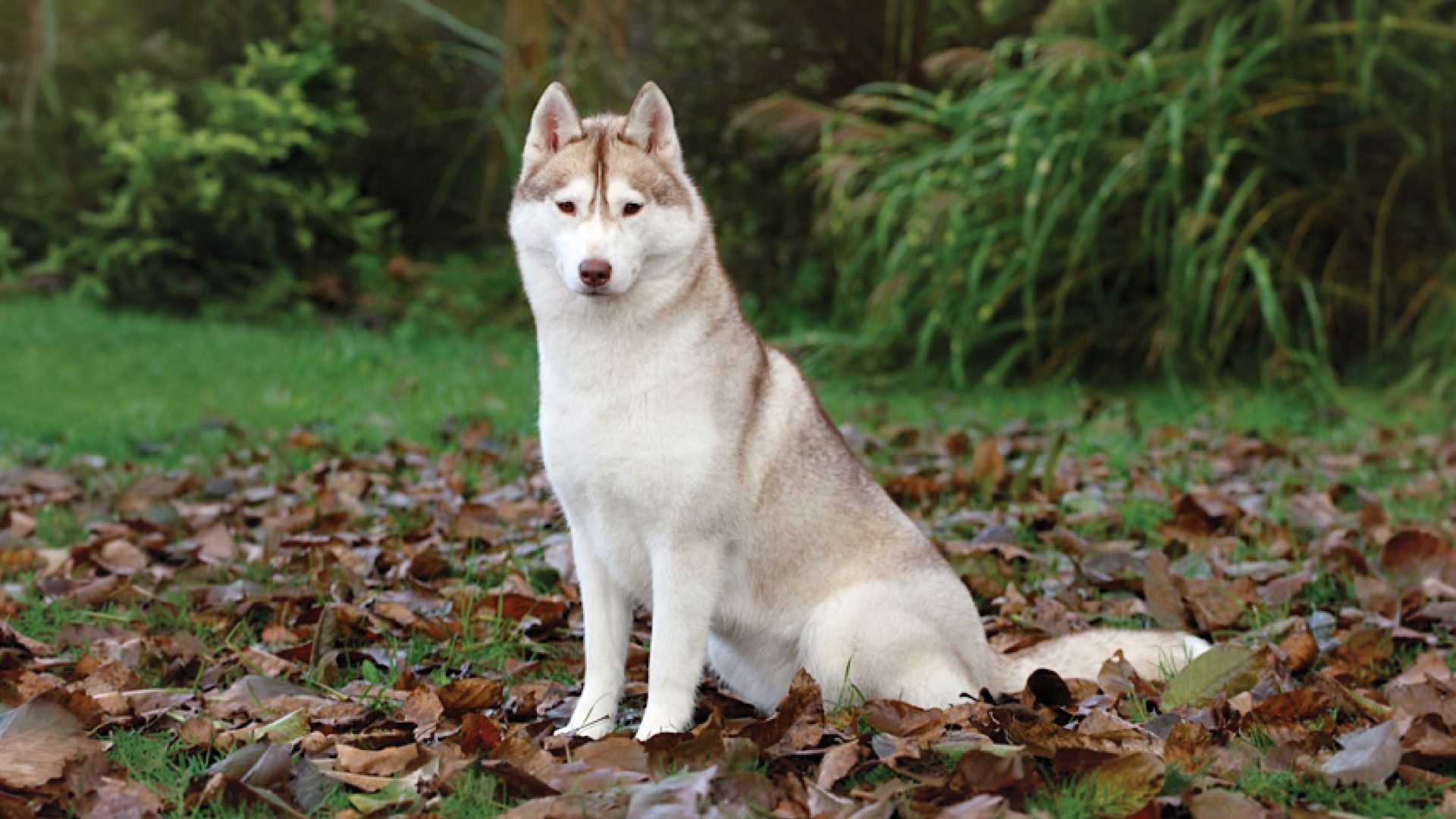
The Siberian Husky, a thickly coated, compact sled dog of medium size and great endurance, was developed to work in packs, pulling light loads at moderate speeds over vast frozen expanses. This northern breed is friendly, fastidious, and dignified.
Highlights
02/History
Originating from the harsh, cold environment of Siberia, the Siberian Husky was initially bred by the Chukchi people, a community of indigenous nomads. The Chukchi specifically developed this breed to pull heavy sleds across vast frozen expanses. The necessity for a hardy, enduring dog shaped the Siberian’s physical and temperamental attributes, making it one of the most resilient and enduring of all breeds.
The early 20th century marked a pivotal moment in the breed's history when Siberian Huskies were introduced to Alaska during the gold rush. The dogs quickly garnered attention and acclaim for their sledding capabilities, especially in long-distance sled races. The most notable event in their racing history was the 1925 serum run to Nome, also known as the "Great Race of Mercy." A team of Siberians, led by the famous dog named Balto, traveled nearly 700 miles to deliver life-saving diphtheria serum to the residents of Nome, thus showcasing their extraordinary endurance and determination. This event brought the breed into the public eye.
The Siberian Husky soon gained in popularity. The American Kennel Club (AKC) officially recognized the breed in 1930. This recognition was a significant milestone, marking the breed's transition from a working sled dog to a recognized purebred. The Fédération Cynologique Internationale (FCI) and the Royal Kennel Club (UK) also recognized the breed, further cementing its status in the dog world.
As the Siberian Husky spread across the globe, its role diversified beyond sledding. Today, while still excellent at sled racing, Siberians have also found roles in search and rescue, as therapy dogs, and most notably, as beloved family pets. Their friendly nature, combined with their striking appearance, has made them one of the most recognizable breeds worldwide.
03/Appearance
An adult male Siberian Husky typically stands about 21 to 23.5 inches at the withers, while a female is slightly smaller, usually measuring from 20 to 22 inches.
In terms of weight, an adult male generally weighs between 45 and 60 pounds, while a mature female will range from 35 to 50 pounds.
Skull: The skull is slightly rounded on top and tapers from the widest point to the eyes.
Expression: Keen but friendly, interested and even mischievous, the expression is often seen as friendly and outgoing, reflecting the breed's sociable nature.
Eyes: Almond-shaped and moderately spaced, the eyes of a Siberian Husky can be blue, brown, or even one of each color or parti-colored.
Ears: Medium in size, triangular, and set close together, the ears are thick, well-furred, and erect, giving the dog a state of continual alertness.
Muzzle: The Siberian’s muzzle is of medium width and length, tapering gradually to the nose, with the tip neither too pointed nor too square.
Nose: The nose may be black, liver, or flesh-colored, depending on the color of the coat.
Bite: The Siberian Husky has a scissors bite, where the upper incisors closely overlap the lower incisors.
In terms of proportion, the Siberian Husky exhibits a distinctive profile where the length of the body, from the point of the shoulder to the rear point of the croup, is slightly longer than its height from the ground to the top of the withers.
As for substance, the Siberian possesses a medium build, striking a perfect balance between strength and agility. Neither too heavy to appear cumbersome nor too light to seem delicate, this breed showcases well-defined musculature that speaks to its heritage as a resilient and enduring sled dog. This moderate and well-proportioned construction is fundamental to the breed’s endurance, making it adept for its traditional role in cold, challenging environments.
Texture: The coat of a Siberian Husky is of a medium length, with a straight outer coat and a soft undercoat. This dual-layer coat is dense, providing insulation against harsh weather conditions. The outer coat is straight and somewhat smooth-lying while the undercoat is soft and dense, offering the necessary warmth and protection.
Standard Colors
04/Consider
The Siberian Husky is an active, intelligent breed with high exercise needs and a strong desire to run. Prospective caretakers should be prepared for regular activity, consistent training, secure containment, and the demands of a thick double coat.
Interaction With Family
The level of affection a breed typically shows towards family members and familiar individuals.
Good With Other Dogs
The innate friendliness of a dog towards other dogs can depend on its breed.
Good With Young Children
The degree to which a breed will typically be patient with young children.
Amount Of Shedding
How much hair a breed typically leaves behind on clothes, furniture and floors.
Frequency Of Grooming
How often a breed needs brushing, bathing or a professional trim to stay in condition.
Amount Of Drooling
How prone a breed is to drool — worth knowing before you keep a towel by the door.
Openness To Strangers
How openly a breed tends to greet new people, visitors and strangers.
Protective Nature
How likely a breed is to alert you to — and stand between you and — anything unfamiliar.
Playfulness Level
How enthusiastic a breed stays about games and play well past puppyhood.
Trainability Level
How readily a breed takes direction and works with you rather than around you.
Barking Level
How much a breed uses its voice, and how readily.
Energy Level
How much get-up-and-go a breed brings to an average day.
Health
Siberian Huskies are generally hearty and robust, reflecting their origins in the challenging Arctic environment. However, they do have specific health considerations that potential caretakers should be aware of. Understanding these health issues is critical, and collaborating with a reputable breeder and veterinarian can help support the well-being of a Siberian Husky. The average lifespan of a Siberian Husky is typically between 12 and 14 years. With attentive care, regular health check-ups, and a balanced diet, Siberian Huskies can often enjoy a full and healthy life, sometimes even exceeding the upper limit of their average lifespan.
Siberian Huskies are generally friendly and outgoing, making them excellent family pets. They are known for their sociable nature, often enjoying the company of humans and other dogs. However, their friendly demeanor doesn't necessarily make them good watchdogs, as they are more likely to greet strangers with enthusiasm rather than suspicion.
This breed is known for its high energy levels and needs for regular exercise, making them less suited for novice dog owners who might not be prepared for the commitment this breed requires. They thrive in environments where they can get plenty of physical and mental stimulation. Without adequate exercise, Siberian Huskies can become bored and may exhibit destructive behaviors.
Sensitivity is another trait of the Siberian Husky. They respond best to positive reinforcement training methods, as harsh techniques can lead to distrust and stubbornness. Early socialization and training are essential to harness their intelligence and independent streak positively.
Siberian Huskies are generally good with children, displaying a gentle and playful nature. However, like with any breed, interactions with young children should always be supervised. Their high energy and size can be overwhelming for very small children.
In terms of dog friendliness, Siberian Huskies usually get along well with other dogs, especially if they have been socialized from a young age. Their pack mentality means they often enjoy the company of other dogs, but potential owners should be aware of their strong prey drive, which might not make them suitable for households with smaller pets.
Exercise Expectations
The intensity of the exercise should match the dog’s age, health, and physical condition. Puppies and senior dogs may not require as much intense exercise as adult dogs, but all age groups benefit from regular physical activity. It's important to provide a variety of exercise options to keep the Husky engaged and interested. Playfulness is a prominent trait in Siberian Huskies. They enjoy interactive games such as fetch, tug-of-war, or hide-and-seek, which not only provide physical exercise but also offer mental stimulation. Activities that engage their natural instincts, like scent work or agility training, can be particularly rewarding for them. Due to their high energy levels, Siberian Huskies often do not fare well in sedentary or confined environments. Lack of sufficient exercise can lead to destructive behaviors, as they will seek out ways to expend their unutilized energy. This can manifest in digging, chewing, or escape attempts, emphasizing the importance of meeting their exercise requirements. Siberian Huskies also enjoy the company and can benefit from play sessions with other dogs. This provides them with social interaction and an additional outlet for their energy.
Living with a Siberian Husky can be an immensely rewarding experience, bringing energy, joy, and companionship into a household. However, it's important to understand the unique needs and characteristics of this breed to promote a harmonious living environment.
Siberian Huskies are adaptable and can live in various settings, including apartments, but this comes with certain challenges. Due to their high energy and need for regular exercise, apartment living requires a commitment to providing daily, vigorous exercise. Long walks, runs, and play sessions in a secure area are essential. Without adequate physical and mental stimulation, a Siberian Husky in confined spaces may develop undesirable behaviors such as excessive howling or chewing.
The breed's adaptability extends to varying weather conditions, thanks to their thick double coat. Siberian Huskies are famously resilient in cold weather, a trait inherited from their days as sled dogs in harsh Arctic climates. However, this same coat can make them vulnerable to overheating in hot weather. Owners living in warmer climates should provide their Huskies with access to shade, air conditioning, and plenty of fresh water. Exercise routines might need adjusting to avoid the hottest parts of the day.
While Siberian Huskies are generally social and well-behaved, they are known for their strong prey drive and love of exploration. This means homes with small animals should take precautions, and secure fencing is a must to prevent escape attempts. Their intelligence and problem-solving skills can turn into a challenge, as they might find clever ways to bypass barriers or escape enclosures.
05/Puppies
Bringing a Siberian Husky puppy into your home is an exciting journey filled with challenges and rewards. These puppies, with their boundless energy and curious nature, require careful nurturing to grow into well-adjusted and healthy adult dogs. Understanding the unique requirements of Siberian Husky puppies is key to providing them with a strong start in life.
Caring for a Siberian Husky puppy begins with creating a safe and nurturing environment. Puppies are naturally curious and will explore their surroundings, so it's important to puppy-proof your home, removing any objects that could be harmful if chewed or swallowed.
Proper nutrition is crucial for a growing Husky puppy. Feeding them high-quality puppy food designed for medium to large breeds will help them receive the right balance of nutrients to support their development. Puppies have smaller stomachs, so feeding them several small meals throughout the day is better than one or two large meals. Always have fresh water available for them.
Socialization and training should start early. Exposing your Siberian Husky puppy to various people, environments, sounds, and experiences is essential for developing a well-socialized dog. Positive reinforcement training methods work best for this breed, rewarding good behavior with treats, praise, or play.
Exercise is important, even for puppies, but it should be appropriate for their age and size. Short walks and play sessions are good ways to start, gradually increasing the duration and intensity as they grow. Be careful not to over-exercise them, as their bones and joints are still developing.
Regular veterinary check-ups are crucial during this stage. Puppies need a series of vaccinations in their first few months, as well as routine deworming and checks for common health issues. Discuss with your vet about the best vaccination schedule and preventive care for your Husky puppy.
Grooming should also be part of their routine from an early age. Regular brushing will help them get used to being handled and will keep their coat in good condition. It's also a good opportunity to check for any signs of skin problems, fleas, or ticks.
06/Activities
Sport activities provide Siberian Huskies with necessary physical and mental stimulation while also strengthening the bond between the dog and its handler. Here are some activities and dog sports in which Siberian Huskies commonly participate:
Sled Dog Racing: Sled Dog Racing is a natural fit for Siberian Huskies. They excel in this sport due to their endurance and love for running.
Weight Pulling: This sport tests a dog's strength and power. Siberian Huskies, known for their pulling abilities, often do well in Weight Pulling competitions.
Agility: Agility courses, which involve navigating a variety of obstacles, are great for Siberian Huskies. They get to use their speed, agility, and intelligence to complete the courses.
Obedience: Competitive Obedience allows Siberian Huskies to showcase their training and responsiveness to commands, although their independent nature can be a fun challenge in this discipline.
Rally Obedience: A variation of traditional Obedience, Rally Obedience is a bit more relaxed and involves a course with signs indicating different exercises to perform.
Canicross: Essentially cross-country running with dogs, Canicross is a great way for both the dog and owner to get exercise and enjoy the outdoors.
Flyball: This team sport involves dogs racing over hurdles to retrieve a ball and return it to their handler. It's a high-energy activity that many Siberian Huskies enjoy.
Skijoring: A winter sport where a dog pulls a person on skis, Skijoring is a perfect fit for their love of running and cold-weather resilience.
Conformation Shows: While not a performance sport, participating in Conformation Shows can be a rewarding activity, showcasing the breed's beauty and adherence to breed standards.
Therapy Work: Many Siberian Huskies serve as Therapy dogs, providing comfort and companionship in settings like hospitals, schools, and nursing homes.
Search and Rescue: Some Siberian Huskies are trained for Search and Rescue missions, using their keen sense of smell and endurance to locate missing persons.
Gallery
07/Standards
The Siberian Husky is recognized by the world’s leading registries and kennel organizations, which categorize the breed into a specific Group based on its unique characteristics. This breed is recognized worldwide under the following Group designations:
The ideal Siberian Husky is described by a Breed Standard that is approved by each of the world’s leading registries and kennel organizations. The Standards for this breed may be found in the following links:
08/Clubs
Siberian Husky clubs play a vital role in fostering a community for the breed, providing support and resources to both experienced and prospective Siberian Husky owners. They offer extensive information on breed standards, health concerns, rescue operations, and various club-sponsored events.
In the United States, the Siberian Husky Club of America has been a central organization since its establishment in 1938. The SHCA is deeply committed to the welfare of Siberian Huskies, organizing a range of activities, shows, and providing educational resources specifically tailored for the breed.
Founded in 1939, the Siberian Husky Club of Canada is dedicated to the promotion and protection of Siberian Huskies within the country. This club offers valuable resources on health, training, and care, along with organizing breed-specific activities that cater to the unique attributes of Siberian Huskies.
The Siberian Husky Club of Great Britain, founded in 1971, is committed to the improvement and welfare of the breed. The club offers guidance on responsible breeding, ownership, and suitable activities for Siberian Huskies, significantly contributing to the breed's popularity and well-being in the region.
Membership in these Siberian Husky clubs can be incredibly enriching for enthusiasts of the breed. It provides opportunities to connect with fellow Siberian Husky lovers and engage in breed-specific events and activities, further enhancing the understanding and appreciation of this majestic breed.
09/Rescue
Regrettably, Siberian Huskies sometimes find themselves in need of new homes due to unforeseen circumstances such as owner illnesses, financial hardships, or behavioral challenges. In these situations, Siberian Husky rescue groups play an essential role, stepping in to help these remarkable dogs find loving forever homes.
In the United States, a number of dedicated organizations take the lead in these rescue efforts. The Free Spirit Siberian Rescue, established in 1999, has a long history of rescuing and rehoming over 3000 dogs. Similarly, Northern Exposure Siberian Husky Rescue in New Jersey, operational since 2013, focuses on the welfare of Huskies in its region. Organizations like Forever Husky, founded in 2009, and MaPaw Siberian Husky Rescue offer comprehensive care, including medical attention and finding suitable families for Siberian Huskies.
In Canada, rescue groups such as Smart Rescue extend their support to Siberian Huskies in need. These groups are involved in every aspect of rescue, from providing essential care to facilitating adoptions into loving homes.
In the United Kingdom, organizations like the Siberian Husky Welfare Association, operating since 2007, and S.H.A.R.E - Siberian Husky Aid Rescue and Education, started in 2011, are dedicated to the welfare of Siberian Huskies. Their efforts include rescuing, rehoming, and providing support to owners and dogs alike.
In addition to these specialized rescue organizations, local animal shelters and broader animal rescue operations also play a crucial role in supporting Siberian Huskies and other breeds. These local shelters often represent the first point of rescue for dogs in distress and serve as vital resources for adoption and care.
10/Facts
Origin in Siberia
The Siberian Husky originates from Northeast Asia and was bred by the Chukchi people of Siberia for sled pulling and companionship.
Balto
One of the most famous Siberians was Balto, who led a sled team in 1925 to deliver serum from Anchorage to Nome, Alaska, saving the town during a diphtheria outbreak.
Distinctive Eyes
Siberian Huskies are known for their striking eyes, which can be blue, brown, or heterochromia (one eye of each color).
Incredible Endurance
Siberians are renowned for their endurance and ability to travel long distances, making them exceptional sled dogs.
Pack Mentality
Siberian Huskies have a strong pack mentality and generally enjoy the company of other dogs and humans, making them great companions in the right home.
Vocal Breed:
The Siberian is known to be a vocal breed, often howling rather than barking, a trait that harkens back to its pack-oriented nature.
11/FAQ
Siberian Huskies have a life expectancy of around 12 to 14 years. Factors such as genetics, health conditions, and overall care can influence their lifespan.

Meet the Breeders
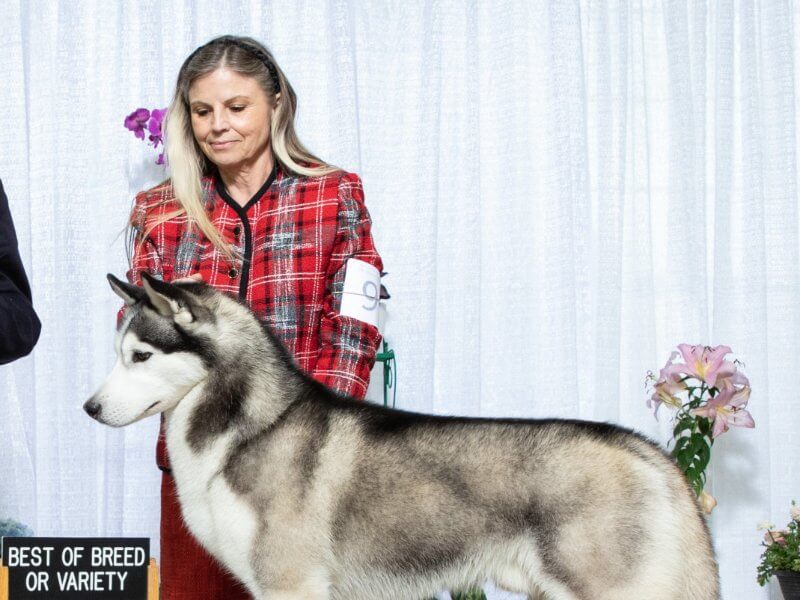
Interview With Breeder/Owner Handler Denise Hummel How were you first introduced to the sport of purebred dogs? To your breed? Denise Hummel: In 2013, I visited my mother at a dog show where she was showing her Chow Chows. We both used to show horses when I was a teenager. I wanted to join […]
American Kennel Club (AKC)
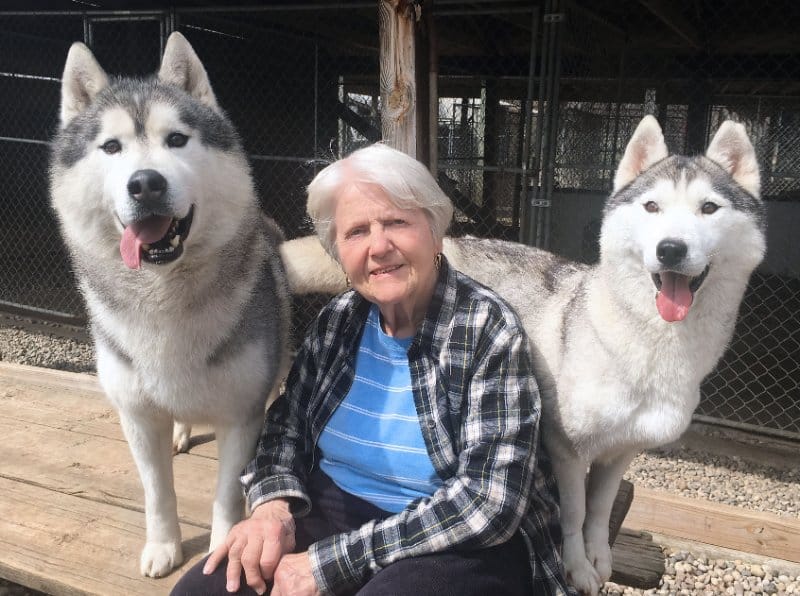
Interview with 2022 AKC Breeder of the Year, Judith M Russell of Karnovanda Kennels, Reg. Siberian Huskies.

American Kennel Club (AKC)
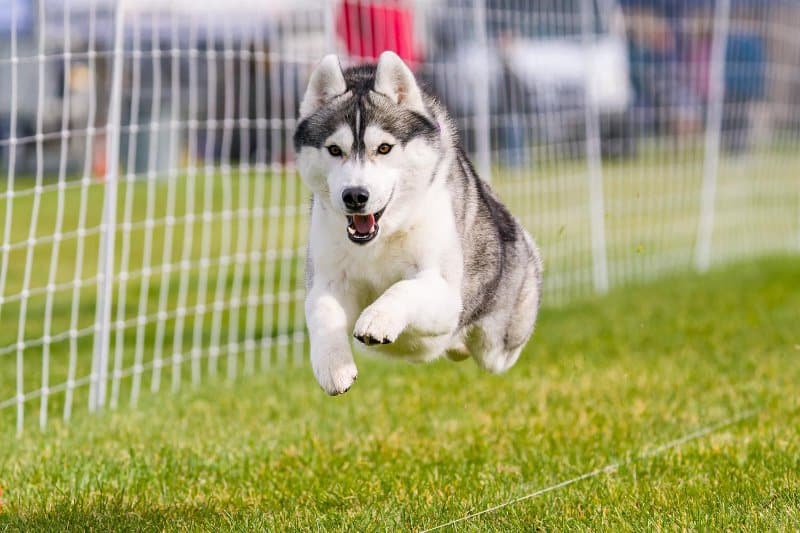
Judith M. Russell was presented with the 2022 AKC Breeder of the Year award for Karnovanda Kennels, Reg. Siberian Huskies. Read more.
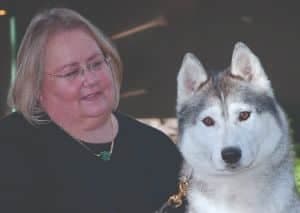
Meet the Breeders
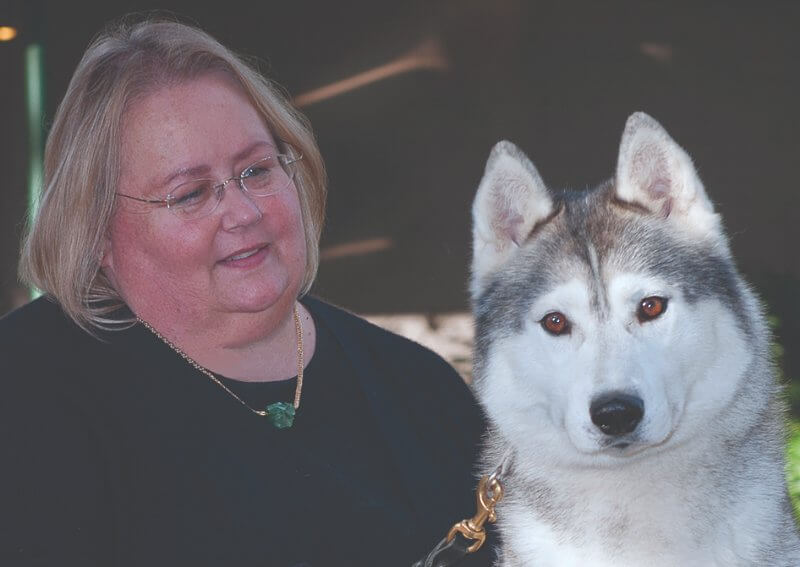
Donna Beckman is the breeder behind Mistral Siberian Huskies. Read about the kennel’s beginnings, champions, puppies, photos and more!
The tail of the Siberian Husky is another distinctive breed feature. It is set just below the level of the back and, when the dog is at attention, is carried in a graceful sickle curve; however, it is not to be curled over the back or to either side. In repose, the tail may trail behind. The hair on the tail is approximately the same length on top, sides, and bottom, giving it a round fox-brush shape.
Standard Markings
A Note About Color: All ranges of the allowable colors are acceptable. The Siberian Husky may be solid colored, or may have multiple shades or white markings. A variety of symmetrical or asymmetrical markings and patterns is common. No preference should be given to any allowable color, marking, or pattern. Merle (marbling) or Brindle (striped) patterns are to be disqualified in the show ring.
Coat Type
Double
The structure of the coat this breed carries.
Coat Length
Medium
How long the breed's coat grows when kept in condition.
Adaptability Level
How easily a breed copes with changes in home, routine, noise and weather.
Mental Stimulation Needs
How much a breed needs a job, a puzzle or training to stay content.
Proper feeding and nutrition are essential for maintaining the health and vitality of a Siberian Husky. These dogs, known for their endurance and high energy levels, require a well-balanced diet that meets their specific nutritional needs.
When feeding a Siberian Husky puppy, it's important to provide a diet that supports their rapid growth and development. Puppies typically require more calories and nutrients than adult dogs, and it's often recommended to feed them high-quality puppy food specially formulated for medium to large breeds. The food should be divided into several smaller meals throughout the day to aid in digestion and prevent issues like gastric torsion, commonly known as bloat.
As the Siberian Husky matures into adulthood, their dietary needs change. Adult Siberian Huskies generally do well on high-quality commercial dog food, which can be supplemented with healthy, dog-safe fruits and vegetables for variety. The amount of food required depends on the dog's age, size, activity level, and metabolism. On average, an adult Siberian Husky might consume about 2 to 3 cups of dry dog food per day, divided into two meals. However, this can vary, and it's important to monitor the dog's weight and adjust the food intake accordingly to avoid overfeeding.
While Siberian Huskies are not typically picky eaters, they do best on a diet with a good balance of protein, fats, and carbohydrates. High-quality protein sources like chicken, beef, or fish help support their muscular build, while fats provide them with the energy they need for their active lifestyle. Carbohydrates offer dietary fiber and help in maintaining a healthy digestive system.
It's also important to make sure that the Husky has access to fresh water at all times, especially considering their thick coat and potential for overheating.
Siberian Huskies are intelligent and capable of learning a wide range of commands and behaviors. However, their intelligence is often accompanied by a strong-willed and independent streak, which can make training a test of patience and skill. They respond best to training that is engaging, consistent, and positive. Harsh or punitive training methods are not effective with this breed and can lead to a breakdown in trust.
Early socialization and obedience training are vital for Siberian Huskies. Exposing them to a variety of people, environments, and situations when they are young can help in developing a well-adjusted and sociable dog. Training should include basic commands like sit, stay, come, and heel, as well as leash training, given their propensity to run.
The tendency to bark is generally low in Siberian Huskies, but they are known for being vocal in other ways, such as howling. This behavior can be managed with training, but it's also part of their natural communication. Owners should be prepared for a dog that may express itself vocally.
Intelligence and problem-solving are hallmarks of the breed, and they can become bored with repetitive tasks. Keeping training sessions short, fun, and varied can help maintain their interest and focus. Activities that challenge them mentally, like puzzle toys or agility training, can be particularly beneficial.
The wanderlust potential in Siberian Huskies is high. They have an innate desire to roam and explore, making it essential to have a secure, fenced area for them. Training them to respond to recall commands is crucial, but owners should always be cautious about letting them off-leash in unsecured areas.
Predatory instincts are also strong in Siberian Huskies, and they may chase small animals. This trait should be considered during training, especially in multi-pet households or areas with wildlife.
Grooming Expectations
Siberian Huskies are moderate to heavy shedders, especially during the shedding seasons in spring and fall. During these times, they require more frequent brushing to remove loose fur and prevent matting. A thorough brushing several times a week with a suitable brush, such as an undercoat rake or a de-shedding tool, can help manage the shedding and keep the coat healthy. Regular brushing not only helps to remove and control the amount of hair shed but also distributes skin oils throughout the coat, keeping it shiny and healthy. Despite the amount of fur they shed, Siberian Huskies are relatively clean dogs and do not typically have a strong odor. They do not require frequent bathing, and over-bathing can strip their coat of natural oils, leading to dry skin. Bathing every few months, or when the dog becomes particularly dirty, is usually sufficient. In addition to coat care, other grooming tasks are essential. Nail trimming should be done regularly to prevent discomfort and potential health issues. Checking and cleaning their ears regularly is important to prevent ear infections, especially considering their love for outdoor activities. Oral hygiene is another important aspect of grooming. Regular teeth brushing or providing dental chews can help maintain good dental health and prevent gum disease and other dental problems. Eye care is also crucial for Siberian Huskies, given their propensity for certain eye conditions. Regularly checking their eyes for any signs of irritation or abnormality and keeping the fur around their eyes trimmed can help prevent problems.
Living with a Siberian Husky also means embracing their sociable nature. They thrive on human companionship and interaction with other dogs. Isolation or long periods of solitude can lead to frustration and destructive behavior. Integrating a Husky into family activities and making them a part of daily life is key to their well-being.