Members
01/Overview
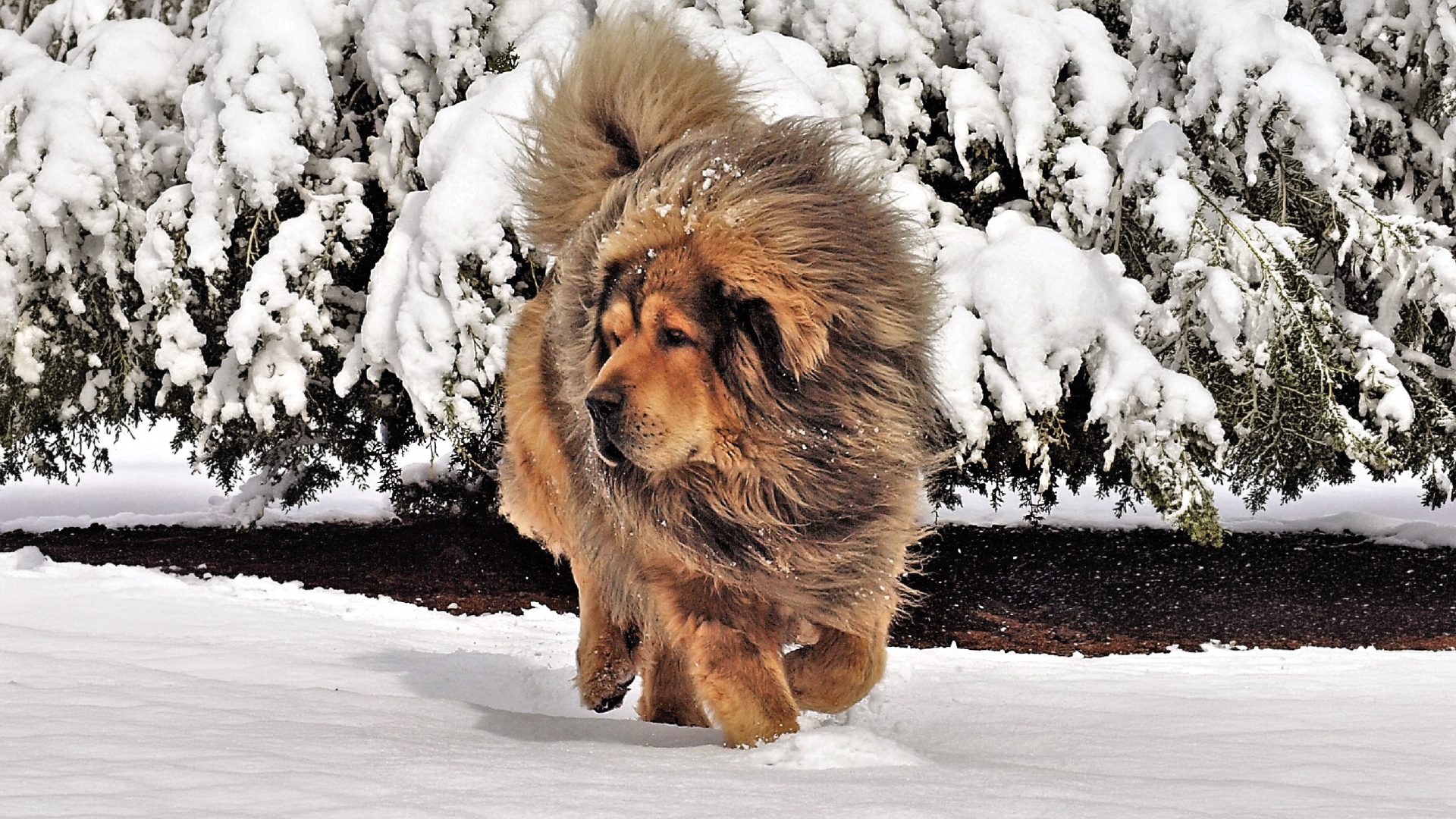
The Tibetan Mastiff (TM) is a primitive breed of great size and substance that has a dense, stand-off coat. This breed is very devoted to its family, but usually chooses one person who is their best friend.
The Tibetan Mastiff is a guardian breed that often acted independently with nomadic herders and outside monastery walls. They were often tied out in grasslands with yaks or goats, or placed near entrances to chase off predators like snow leopards. Thus, the TM may appear to be stubborn and aloof; needing to believe that training is his own idea rather than that of its owner/s.
Highlights
02/History
The Tibetan Mastiff has a history steeped in legend. It is thought by some to be one of the most ancient breeds and the forbearer of all mastiff-type dogs. Ancient records from around 1100 BC mention large dogs in China, and these ancestors likely accompanied armies of the Assyrians, Persians, Greeks, and Romans.
Since few Westerners were permitted into Tibet before the 1800s, the Western world was largely unaware of this breed's existence. The early British explorers brought attention to a giant breed of dog in the Himalayas. In 1873, the Royal Kennel Club officially recognized the breed. In the late 1950s, the President of the United States received two Tibetan Mastiffs, which were subsequently sent to the Midwest; however, despite research, further information has yet to become available. Since the 1970s, more dogs have been imported to the United States, and numerous litters are being whelped every year.
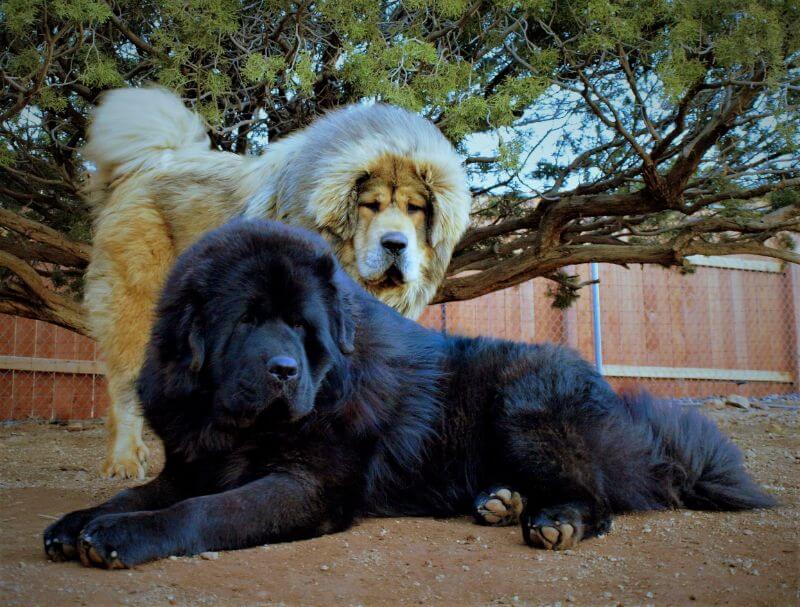
Their long history with humans has given Tibetan Mastiffs an almost uncanny “human” understanding. Unlike some breeds that are bred for their function, the TM evolved as a result of its function. Their role as guardians for thousands of years made them into loyal companions, unafraid to defend the herders they accompanied or the monasteries where they resided. Their role as guardians has shaped them into dogs with controlled strength, fearlessness, patience, loyalty, and gentleness. Their dense, double, stand-off coat gave them protection from the harsh elements of the Himalayas. Today, they are popular as companions and protectors around the world.
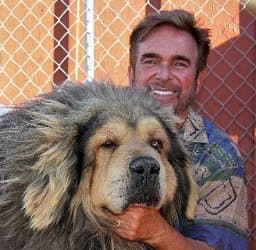
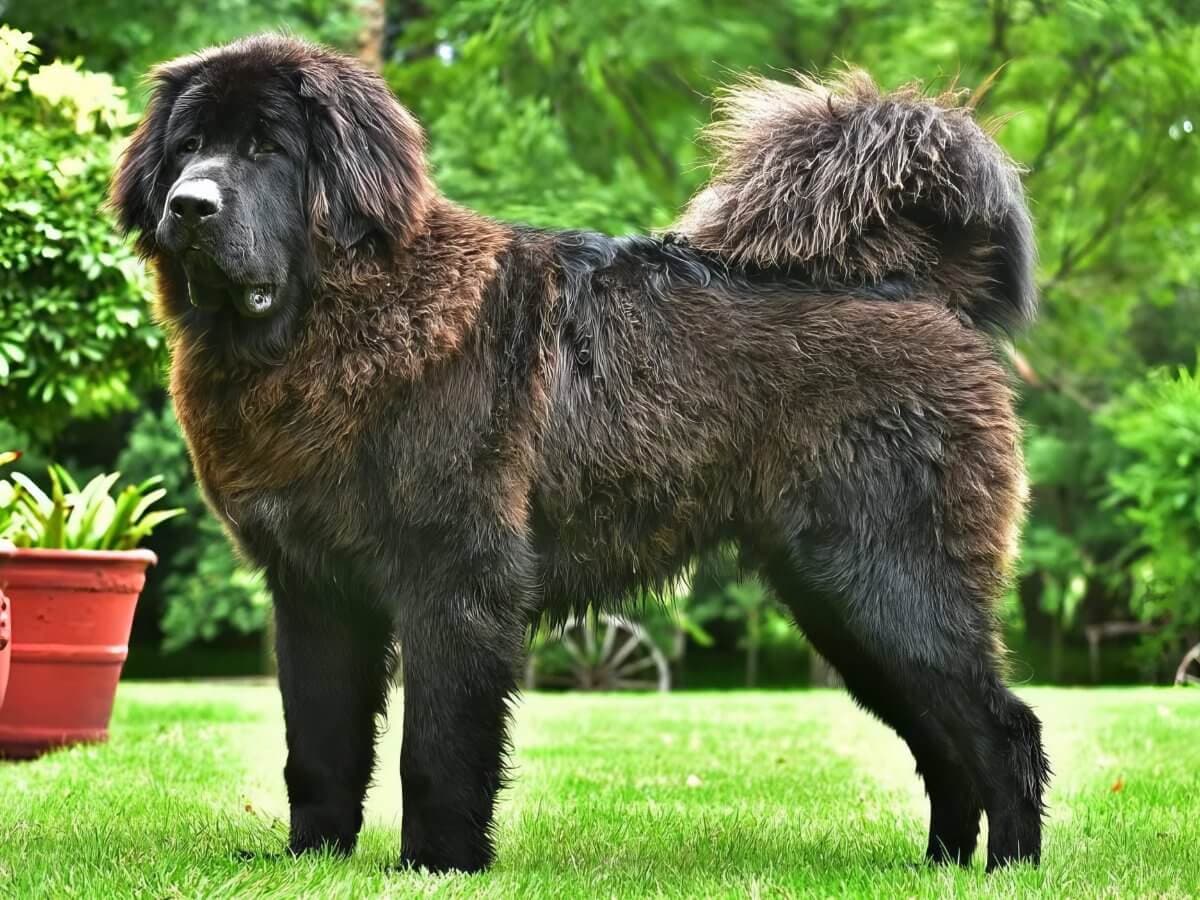 Dan Nechemias & Lois Claus[/caption]
03/Appearance
The size of the Tibetan Mastiff is an essential characteristic of the breed. This fearless guardian must be at least 25 inches tall at the withers for males and 23 inches for females. Under this size is a disqualification in the American Breed Standard. The preferred range is 26 to 29 inches for males and 24 to 27 inches for females. Although there is no specified weight range, this breed can weigh well over 100 pounds.
The Tibetan Mastiff head and expression are hallmarks of the breed. The head is broad, strong with heavy brow ridges. The mature dog may have a single wrinkle from above the eyes around to the mouth. More wrinkle than that is severely faulted.
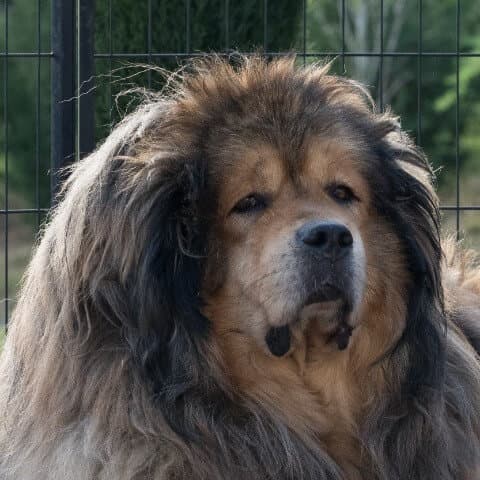
The breed should measure slightly longer than tall (10-9), (i.e., the length to height, measured from front to rear, is greater than the withers to ground). The Tibetan Mastiff should have remarkable substance in relation to its size, in bone, body, and muscle.
Texture: Many Tibetan Mastiff owners were first attracted to the dense, double, stand-off coat. It is made up of fairly long, thick, coarse guard hair, with a heavy, soft undercoat. Hair is fine but hard and straight; never silky, curly or wavy. The heavy coat around the neck and shoulders gives a mane-like appearance. The tail has especially heavy feathering.
Disqualifications - All other coat colors (e.g., white, cream, wolf sable, brindle and particolors) and markings other than those specifically described.
Standard Colors
04/Consider
Choosing a Tibetan Mastiff as a companion requires extensive socialization for a longer period of time compared to other breeds. Regular walks and trips to various places take time and dedication.
The TM is highly intelligent and is easily bored, leading to destructive behaviors. Chewing and digging are his favorite activities as a youngster. With their strong jaws, they enjoy chewing and digging, often creating large holes that some owners humorously refer to as “new landscaping.”
New puppy owners should not be discouraged if their Tibetan Mastiff doesn't sit, stay, or come like other puppies in class. Tibetan Mastiffs are not naturally obedient! These classes are as much for socialization as they are for training.
Interaction With Family
The level of affection a breed typically shows towards family members and familiar individuals.
Good With Other Dogs
The innate friendliness of a dog towards other dogs can depend on its breed.
Good With Young Children
The degree to which a breed will typically be patient with young children.
Amount Of Shedding
How much hair a breed typically leaves behind on clothes, furniture and floors.
Frequency Of Grooming
How often a breed needs brushing, bathing or a professional trim to stay in condition.
Amount Of Drooling
How prone a breed is to drool, worth knowing before you keep a towel by the door.
Openness To Strangers
How openly a breed tends to greet new people, visitors and strangers.
Protective Nature
How likely a breed is to alert you to anything unfamiliar, and stand between you and it.
Playfulness Level
How enthusiastic a breed stays about games and play well past puppyhood.
Trainability Level
How readily a breed takes direction and works with you rather than around you.
Barking Level
How much a breed uses its voice, and how readily.
Energy Level
How much get-up-and-go a breed brings to an average day.
Health
Information from the Orthopedic Foundation for Animals (OFA) and from breeders indicates that the Tibetan Mastiff is a relatively healthy breed. Their AKC parent club, the American Tibetan Mastiff Association, recommends only four health tests are needed, and the breed’s longevity extends into the double digits. This is quite good for a breed of such great size. Lifespan: The Tibetan Mastiff can easily enjoy life for ten to twelve years. Although some succumb earlier, others enjoy more time well into their senior years.
Tibetan Mastiffs make their own decisions, displaying a high level of cognitive ability that you will come to appreciate over time. They do not seek or need your approval. They will communicate when they need attention and when they desire it.
The TM is typically not always eager to please their owners. This trait is rooted in their development over thousands of years as guardians. They have learned survival instincts and how to read situations. When they are extremely determined to get their own way, it's likely because they perceive something you don't.
Due to centuries of being bred to guard flocks, homesteads, and monasteries, Tibetan Mastiffs tend to be "night barkers." This behavior should be considered before making the commitment to own one, and whether it will sleep indoors or outdoors at night.
Exercise Expectations
Grooming Expectations
Socialization is essential and ongoing for this breed. A beautiful and well-behaved Tibetan Mastiff is a treat to have around and an excellent advertisement for the breed.
The Tibetan Mastiff has a few unique traits. In spite of numerous success stories regarding formal Obedience training and competition, they are not always willing to please their owners.
The TM may be very determined to get its own way. The breed has cat-like behaviors; think big cat.
The Tibetan Mastiff was bred to guard, and guard he will. However, the owner must be the one to decide who comes and goes in the home. The Tibetan Mastiff tends to make decisions on his own, deciding who to guard and when, so be prepared to monitor friends and visitors entering the property that your dog thinks is his territory.
05/Puppies
The arrival of a litter of Tibetan Mastiff puppies is always thrilling for a preservation breeder. With their fluffy coats and playful behavior, these puppies can captivate anyone for hours as they interact with each other and their mother. With joy comes the responsibility to place the puppies in homes that understand the need for setting boundaries and socialization. Full of energy, TM puppies are eager to explore their environment and form strong bonds with their human families.
Socialization: It's crucial to socialize your Tibetan Mastiff. Without proper socialization, including trips to town, playgrounds, and dog parks, your TM may become overly protective and difficult to manage by the age of two or three.
06/Activities
The Tibetan Mastiff can enjoy participation in dog sports just as much as the next breed. Training should consider the breed’s independence as well as its intelligence. It is not naturally obedient or social. The Tibetan Mastiff is a fast learner, but strong-willed and sometimes stubborn.
Not all AKC activities are appropriate from the standpoint of a TM’s natural temperament. Most do well in Rally, advanced Obedience is challenging, but a growing number have been trained and compete successfully in AKC Obedience Trials. Many TMs enjoy Fast CAT, but avoid the temptation to start before they are fully mature.
Engaging a Tibetan Mastiff in various activities and organized sports satisfies the dog’s desire to share experiences with its favorite person. Once the TM is given the “why,” he will provide the “how.”
Gallery
07/Standards
The Tibetan Mastiff is recognized by the world's leading registries and kennel organizations, which categorize the breed into a specific Group based on its unique characteristics. This breed is recognized worldwide under the following Group designations:
The ideal Tibetan Mastiff is described by a Breed Standard that is approved by each of the world’s leading registries and kennel organizations. The Breed Standards for this breed may be found in the following links:
08/Clubs
09/Rescue
10/Facts
Ancient Origins
From Aristotle's references (384-322 BC) to the renowned accounts of Marco Polo, who traveled to Asia in 1271, historical records consistently highlight the Tibetan Mastiff's impressive physical and mental strength.
Name that Dog
Do-Khyi is the breed’s official name in FCI Countries.
A Bark Out Loud
The TM's deep bark has been described as a unique and highly treasured feature of the breed.
Bred to Guard
The Tibetan Mastiff is considered the official guardian of the outer walls of monasteries in Tibet.
Knows More Than You
Your dog may not listen to you when you say, “It’s okay.” S/he knows more than you!
Popularity
Between 2014 and 2018, the Tibetan Mastiff has been between 131 and 135 on the AKC list ranking breed popularity.
Famous Friends
Mastiff breeds may have acted as guardians of the armies of the Assyrians, Persians, Greeks, and Romans, and later, traveled with Attilla the Hun and Genghis Khan.
11/FAQ
Yes, Tibetan Mastiffs shed. The breed’s double, stand-off coat sheds in the spring or early summer. The coat that is glorious most of the year requires weekly brushing and regular baths.

Written by
As the founder of Dog Show Mentor, Lee Whittier helps owner handlers become more knowledgeable, confident, and competitive through education, mentorship, and a strategic approach to showing dogs. Her work encourages exhibitors to look beyond the ribbon, better understand their dogs and the judging process, and continually improve their skills both inside and outside the ring. Lee brings more than three decades of experience in purebred dogs to her mentoring, writing, and judging. An experienced Best in Show breeder and exhibitor, former AKC Executive Field Representative, and internationally respected judge, she now judges multiple Groups at prestigious dog shows throughout the United States and internationally. A regular contributor to SHOWSIGHT, Lee received the 2026 Dog Writers Association of America Award for Op-Ed or Commentary, taking top honors in the category for her SHOWSIGHT article. Lee lives in Vancouver, Washington, where she enjoys her Tibetan Terriers, gardening, and hiking. To learn more about expanding your dog show horizons, contact Lee at: Lee@DogShowMentor.com.
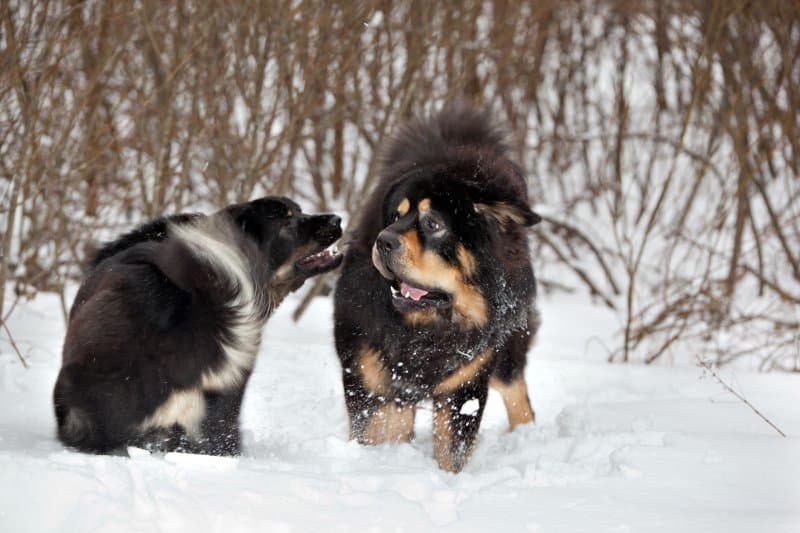

Discover the nature of the Tibetan Mastiff and why we must respect their centuries-old breeding. Learn how to honor these magnificent dogs.
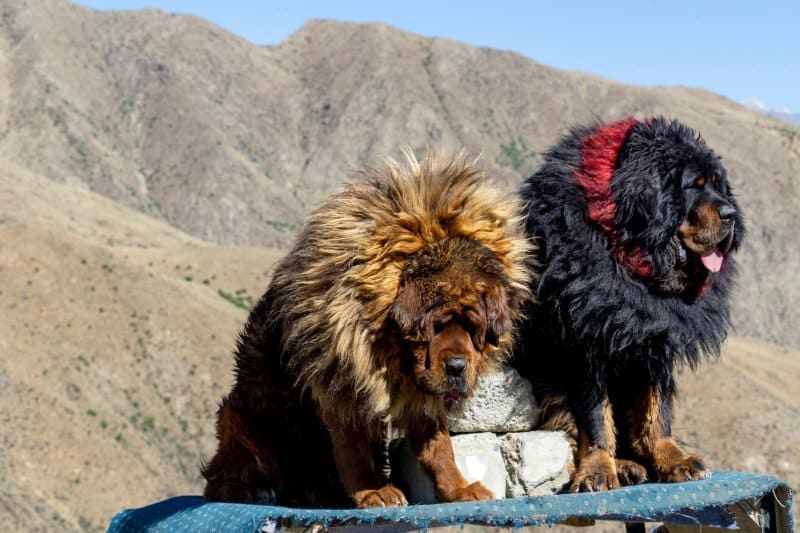
Explore the history and nature of Tibetan Mastiff dogs and learn why they may not be the best choice for a livestock guardian dog.
All About Judging
Discover the defining head features of the Tibetan Mastiff: the broad and massive skull, almond-shaped eyes, thick mane, and square muzzle.

Meet the Breeders
Dan Nechemias & Lois Claus from Dawa Tibetan Mastiffs, breeder interview by Allan Reznik. Where did each of you grow up? Lois grew up in
Balancing the head, the tail is well feathered, medium to long, not reaching below the hock. It is set high on the line of the back. When alert or in motion, the tail is always carried curled over the back, but it may be carried down when the dog is relaxed.
Standard Markings
A Note About Color: Colors include Black, Brown, and Blue/Grey, all with or without tan markings, ranging from light silver to a rich mahogany, and Gold, with shades ranging from a pure golden to a rich red gold. White markings on the chest and feet are acceptable. Undercoat may be lighter shades of the dominant color. The undercoat on black and tan dogs also may be grey or tan. Sabling, other than wolf sable and sabling in a saddle-marked color pattern, is acceptable on gold dogs. Large white markings are to be faulted. Tan markings may appear at any or all of the following areas on all but Gold dogs: above eyes as spots, around eyes (including spectacle markings), on each side of the muzzle, on throat, on lower part of front forelegs and extending up the inside of the forelegs, on inside of rear legs showing down the front of the stifle and broadening out to the front of the rear legs from hock to toes, on breeches, and underside of tail.
Coat Type
Double
The structure of the coat this breed carries.
Coat Length
Medium
How long the breed's coat grows when kept in condition.
Adaptability Level
How easily a breed copes with changes in home, routine, noise and weather.
Mental Stimulation Needs
How much a breed needs a job, a puzzle or training to stay content.
Primitive breeds that evolved in difficult conditions survived in spite of not eating for four or even five days. Many Tibetan Mastiffs, particularly the males, are poor eaters.
Thyroid disease may contribute to eating issues in the breed. If the test results are normal, you can be relatively sure that your dog is a survivalist and will stay healthy despite a low food intake.
Proper nutrition is not just important, but essential for the TM's vitality and longevity. A balanced and nutritious diet is the foundation of good health, so it's crucial to feed a high-quality commercial dog food or a well-balanced homemade diet.
A healthy weight is crucial for the TM's overall well-being. Portion sizes should be based on the dog's age, activity level, and overall health.
The Tibetan Mastiff's thick coat makes it susceptible to overheating. Fresh water should always be readily available, especially after meals and following any physical activity. In warmer climates, providing clean drinking water and a cool place to rest after mealtimes is particularly crucial.
The Tibetan Mastiff is a fast learner. However, it's crucial to understand that they need to know "why" before they will follow commands. They aren’t particularly motivated by food, so using treats as a training method might not be very effective.
Although obedience is not natural to the temperament of the TM, more and more of them successfully show in Obedience competitions. When training, begin with small, daily tasks such as nail trimming. This seemingly simple task not only accomplishes an essential grooming function, it also establishes an ongoing relationship of coexistence and cooperation between owner and companion.
Routine ear cleaning, daily or weekly nail trimming, and daily tooth brushing are all part of keeping your dog healthy in all ways. [caption id="attachment_140684" align="aligncenter" width="640"] Dan Nechemias & Lois Claus[/caption]