Members
Elanie Giannelli is the breeder behind Baystar Beaucerons & Lancashire Heelers. Read about the kennel’s beginnings, puppies, and much more!
The Weekly Brief
The best of SHOWSIGHT editorials, weekly wins, and breeder commentary — delivered to your inbox every Sunday morning.
Elanie Gianneli
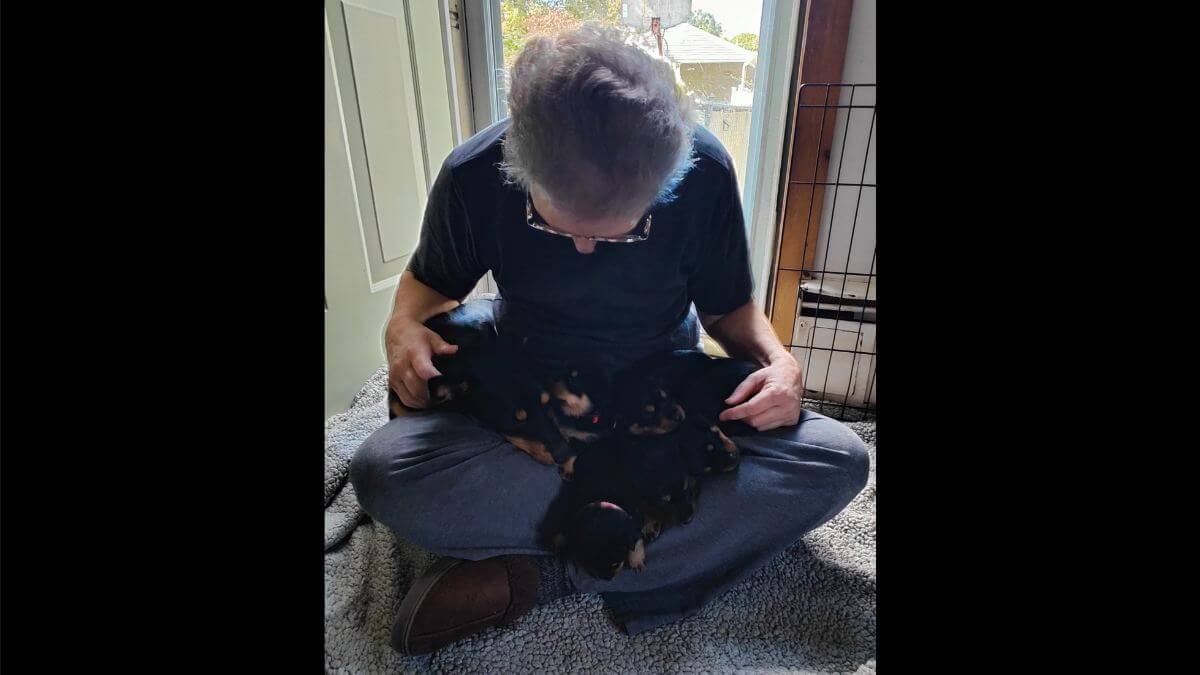
1. My name is Elaine Giannelli, and I live in Foxboro, Massachusetts. I got my first purebred dog when I was in high school, in the early 1970s—a German Shepherd Dog. I owned Rottweilers in the ’80s and ’90s and did every sport imaginable—Schutzhund, Herding, Carting, Agility, Obedience, Tracking, and even Therapy Work. I have owned Beaucerons for over 20 years now, and have been breeding for about 15 years.
In 2019, I met my first Lancashire Heeler, which is now my breeding focus under the Baystar kennel name. Though I’ve downsized breeds, I continue to uphold temperament, soundness, and health as paramount in my breeding program.
2. Overall, I think Lancashire Heelers are a healthy breed. They do have Luxating Patella and eye issues that come up—Collie Eye Anomaly and Primary Lens Luxation. I’d like to see an eye exam added as a requirement for the CHIC.
The breed is listed as a vulnerable breed with The Kennel Club in the UK, due to their low numbers. I am very concerned about the lack of genetic diversity in Lancashire Heelers. As a low-population breed, most of the dogs in the United States are closely related—that may not be a problem today, but 5 or 10 years from now we’ll see issues. I hope that American breeders will start to incorporate more European dogs to diversify the lines over here.
3. Having a rare breed that has just been recognized, it can be hit or miss whether our judge that day will have even seen a Lancashire Heeler before, let alone have a full understanding of the breed and its history. As judges become more acquainted with the Lancashire Heeler and develop an eye for proper type, I look forward to seeing quality Heelers being rewarded. We are fortunate to have several shows in the Northeast, and our breed is well represented in this region.
4. I think Performance and Companion sports are very important, because form follows function. A dog must be sound in structure and temperament to perform the duties for which he was created. In my breeds—Beaucerons and Lancashire Heelers—a fearful or aggressive dog is not suitable to work stock.
Herding Trials are not always accessible, but high levels of Agility and Obedience can demonstrate correct temperament, too—these sports require high intelligence, focus, and a strong bond between dog and handler.
5. Social media can build community, inform people of upcoming events, and allow you to develop relationships with fanciers worldwide. Social media can also be very toxic. It’s important to remember that good sportsmanship extends beyond the ring and onto our computers and phones.
6. I would love to see an amateur division and a professional division within dog shows—as there is with any other sport—to encourage and motivate new exhibitors who may feel intimidated by professionals. It is slowly becoming a “professional only” sport. The National Owner-Handled Series was a good attempt, but it is not a truly amateur competition since judges and professional handlers can participate. The Bred-by-Exhibitor competition does not carry the clout it once had.
7. Having a low-population breed, I like that class dogs can earn points and majors by earning any Group placement. This encourages those of us with low-entry breeds to enter shows even when we’re the only representative of our breed.

All About Judging