Members
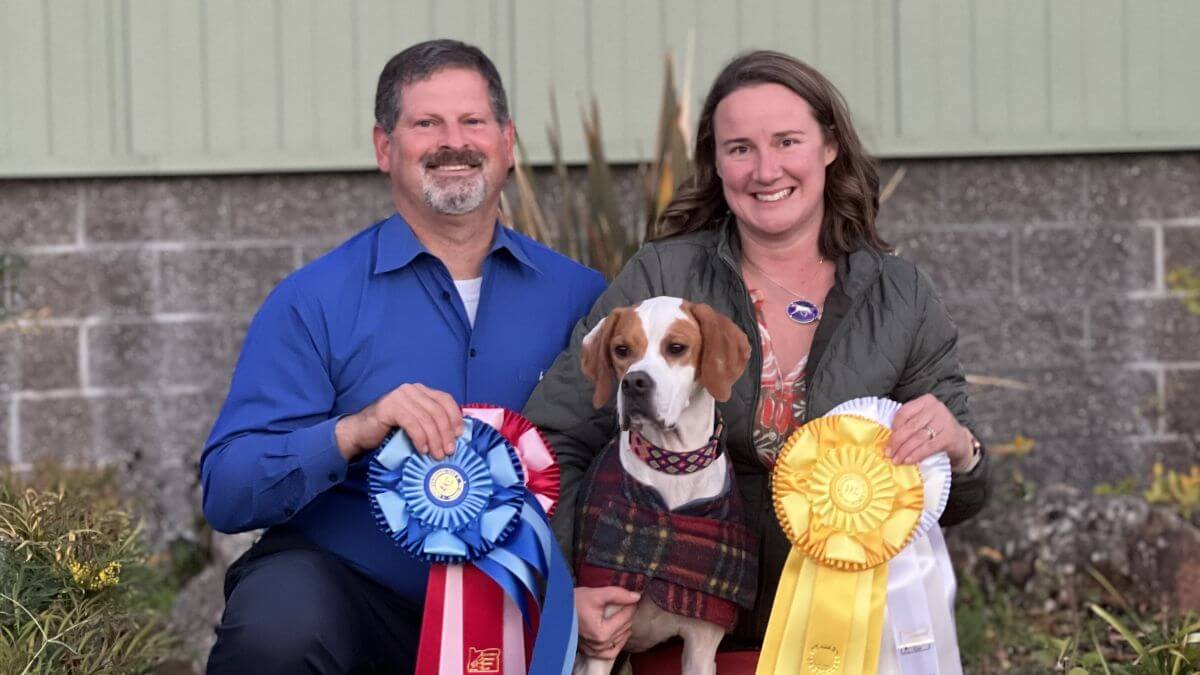
Anthony and Darcie Cantor discuss professional handling, dog care, mentorship, changing show culture, and the future of the sport.
The Weekly Brief
The best of SHOWSIGHT editorials, weekly wins, and breeder commentary — delivered to your inbox every Sunday morning.
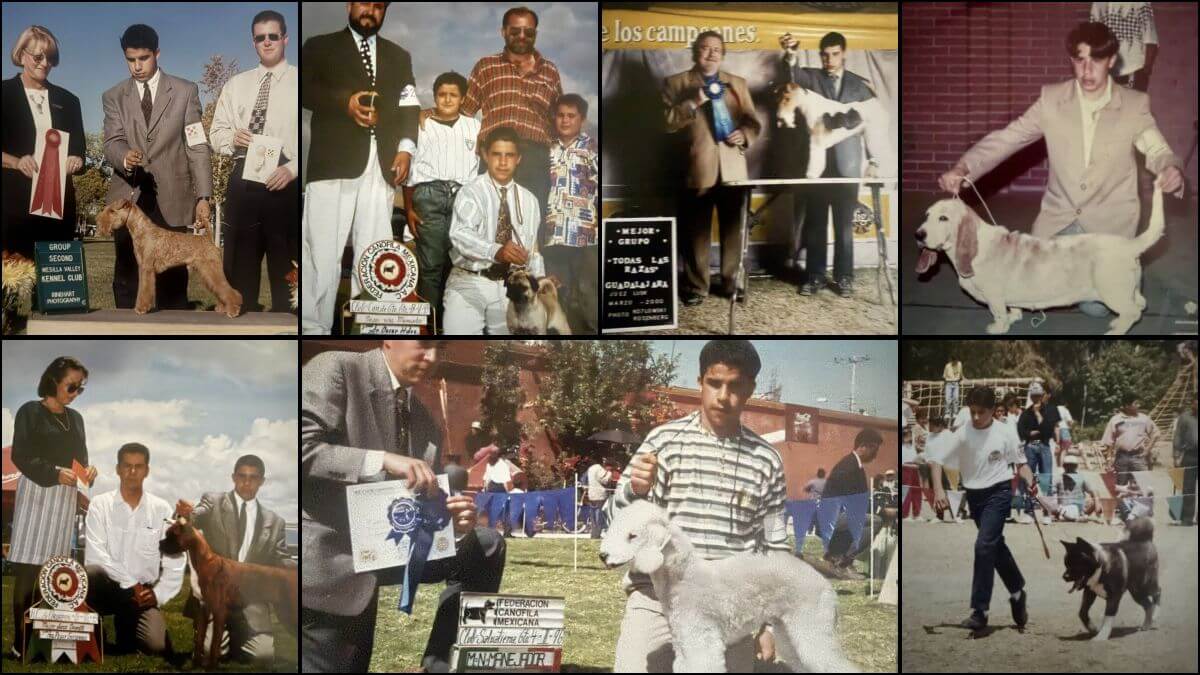
Anthony Cantor: My journey as a professional began at 14 when the Dalmatian I was showing, both in Juniors as well as in Conformation, was struggling to win her majors. My family sought out a professional handler, Joe Napolitano, for help. He achieved her majors/championship easily. But more than that, every time my bitch walked past him, it was obvious that she remembered him and liked him. It made an impression on me and I wanted to learn more. I began assisting him at shows shortly after and I was hooked. Going to more shows meant observing other handlers as well. I became interested in other breeds and worked for other handlers along the way: Carlos Rojas, Fred Rossen, and ultimately, full-time for Bill and Patty Pace.
Darcie Cantor: I am a second-generation breeder/owner handler. My mother was a veterinary technician for 30-plus years, and my father worked in sales. While neither were professional handlers, we went to the local dog shows as a family and showed our Gordon Setters and Pembroke Welsh Corgis. I grew up showing our family dogs in AKC shows and was actively involved in 4-H. Growing up, I was taught that the dogs always came first. I learned this not only at AKC shows but through the 4-H dog program and all my time at the veterinary clinic where I worked. I spent all my extra time at the clinic, first volunteering, then starting out as the cleaning girl and moved up from there. I worked many summers at the veterinary clinic, not only learning about the health and well-being of dogs but also cats, lizards, rats, and other creatures that people like to keep as pets. I think my true love for dogs is what keeps me passionate as a handler. More than being in the ring with them, I enjoy spending quality time with them... hiking, swimming, going to dog-friendly restaurants, and just doing things with them that requires nothing but enjoyment.
I have been blessed with some great people in my life who have shaped who I am as a professional handler. Like most handlers, I have worked for some wonderful people; however, when I was still in high school, my parents insisted I did not miss school for dog shows, so I helped multiple handlers on the weekends only. Because of my parents’ rule, I truly believe it made me a more well-rounded person. I played competitive high school sports and was team captain, and I participated in leadership and other school activities. When I got to college, I had more freedom to miss classes and go to more dog shows. I worked for Rick and Dinah Baggenstos throughout my four years at college, and I remember that one night each weekend they would do the dogs so that I could study, write papers, or just catch up on my classes. This is a policy that Anthony and I also do now with our assistants. Along with working for handlers, I also continued my employment at the veterinary clinic as well as taking interest in other dog sports.
Anthony Cantor: To me, being a professional, first and foremost, means giving dogs and their owners the care that I would expect as a client. This means doing my best to give each dog the type of individualized, breed-specific care it requires in order to prosper, both mentally and physically. All breeds are different, and individuals within a breed differ as well. Dogs also come to you at different stages in life and learning. Learning the breed and its function helps give each animal the best care, and in return, achieve the best results. I can’t stress enough, though, the basics. Paying attention to each animal enough to recognize when things just aren’t right. Acting proactively and keeping owners in the loop when situations arise that require attention. Owners may be seeking championships, grand championships, or rankings, but ultimately they and their dogs deserve excellent care and honesty.
Darcie Cantor: To me, being a professional means treating both dogs and humans with respect, and giving them the best possible care. Doing my best to reach each client’s goals, no matter how big or small. Asking for help when needed, whether it be about conditioning a “new to me” breed or with situations that may arise. Always learning, always asking questions, and never taking the status quo as law. Safety of the dogs in our care is first and foremost! While we have all the latest and greatest technology installed in our van, nothing is better than us being there for the dogs.
Anthony Cantor: Almost all dogs need to be “warmed up” before entering the ring, but this looks different for each breed and dog. Sometimes the warm-up is as much about getting myself in the right frame of mind for that dog or even for that particular judge. Some dogs need to be calmed, some revved up. Some need a moving reminder of proper speed, and some need to be reminded where their feet go or just to keep them still. Sometimes I need to remind myself of a judge’s routine that differs from the norm. Preparedness will always lead to better results in the long run.
Darcie Cantor: Preparing for the ring starts at home. Conditioning looks different for each dog. Some run on the treadmill, some swim. We do wobble pad work with most. Everyone (us included) sees a chiropractor every other week, laser, acupuncture, and beyond. Most importantly, they get to be dogs when at home; they dig, chew, and get house time as if they were our own dogs. At the dog show, each dog has a routine, from grooming to a particular leash, to wet coats and fans. Our top specials all have their own routine, and this is often changed and adapted as their career goes forward.
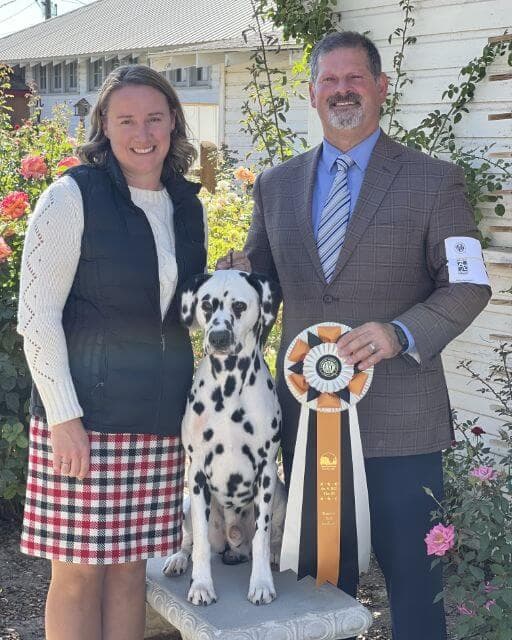
Anthony Cantor: To me, probably the biggest change that influences the sport is the Internet. Live media, social media, online catalogues, instant results… they all affect, both positively and negatively, the way we breed, show, and judge dogs.
I love being able to watch dogs be shown in other parts of the country. Seeing the quality, or sometimes lack of, helps people decide on dogs to use at stud as well as which shows to attend or which judges to seek out. Alternatively, giving judges the ability to see which dogs they are judging is wrong and can’t possibly lead to anything positive. I also believe that prospective judges need to get their hands on more animals of a breed before being licensed to judge them. I feel like fewer and fewer judges understand the essence and nuances of the breeds they judge.
Darcie Cantor: The sport has changed in so many ways—some good, some bad. Social media is a big one; it has created great change and great damage, sometimes all in the same day. Lots of people complain that there are no more fun matches, that people don’t stick around and watch the Groups, and that people just show and leave. While I believe all those statements to be true, I don’t always think it’s a bad thing. Some families have multiple children and only one of them wants to show dogs, while the other children may play sports or ride horses, etc. With all the opportunities out in the world today, dog shows are now just one of many things to do on a weekend.
Anthony Cantor: I think there should be some sort of animal husbandry or care and custody classes, both for Juniors as well as professionals. I think these classes should be taught by professionals, maybe even veterinarians. Teaching them would give some sort of credit toward judging credentials. Offer breed-specific classes on handling and care of different breeds at more advanced levels. I think Juniors need to understand how easily the lack of proper knowledge and action can lead to a dog’s demise.
Darcie Cantor: I think we need to meet Juniors where they are. Gone are the days that kids come and work/shadow handlers to learn different breeds. Most times, kids are involved in 2-3-4 things. I feel that programs like 4-H or FFA should be better utilized, and maybe with the support of AKC that could happen.
Anthony Cantor: I think the sport today faces many challenges, including large kennels being a thing of the past, affordable dog show venues becoming harder to find and hold on to, and certainly declining entries are both a cause and an effect. I think the AKC has missed out on advertising our sport and the importance of purebred dogs. This is definitely a place where action could and should still be taken. I am still encouraged every time I stumble upon new kids who come into the sport and are talented and passionate. It still happens plenty. We just need to retain them and turn them into breeders, not just handlers, before there is nothing left to handle.
Darcie Cantor: One of the biggest challenges that dog shows face today is the disconnect between regions of the United States. The East Coast has so many shows, the South and Midwest deal with weather, and here on the West Coast we do a lot of driving and have limited options in show choice. I don’t think there is one solution for all the problems, but multiple solutions based on regions. We as a dog community don’t struggle with the same problems. People on the East Coast complain about too many dog shows, while here on the West Coast, when October rolls around, our closest dog show is 10.5 hours and a time zone away, which is the local dog show for people in Washington or Oregon.
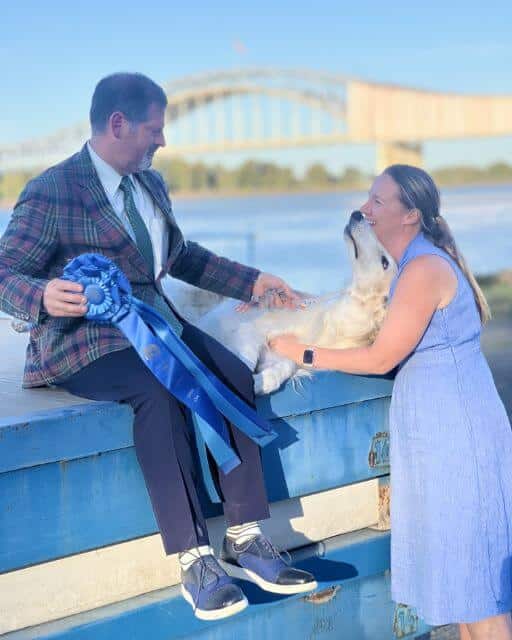
Anthony Cantor: Most people know that besides dogs, I enjoy cooking and certainly eating. But, I also enjoy zoos and aquariums. I was raised around a lot of different animals, including horses (which actually led me to dogs), reptiles, large cats, monkeys, birds, and rodents. And I enjoy traveling both for food as well as seeing some of my favorite animals in their natural habitats.
Darcie Cantor: Things I like to do outside of dog shows… work in my yard, grow vegetables, hike, travel, and explore. However, there is nothing better than sitting on our beautiful patio with a good glass of wine, enjoying all my pretty flowers.
Anthony Cantor: As far as plans for the year ahead, much still depends on how this year evolves. Next year’s plans will take shape closer to the end of this one.
Darcie Cantor: We are more than halfway through the year, and honestly, I am trying to slow down and be more present in each moment. Remembering to be grateful for everything I have in this life. Anthony and I have some goals left for this year and we will continue to strive to reach them. As far as next year, we will see what happens.

Meet the Professional Handlers
Christopher Keith and Dylan Kipp-Keith discuss mentorship, breed preservation, dog conditioning, and the future of dog shows.