Members
Christopher Keith and Dylan Kipp-Keith discuss mentorship, breed preservation, dog conditioning, and the future of dog shows.
The Weekly Brief
The best of SHOWSIGHT editorials, weekly wins, and breeder commentary — delivered to your inbox every Sunday morning.
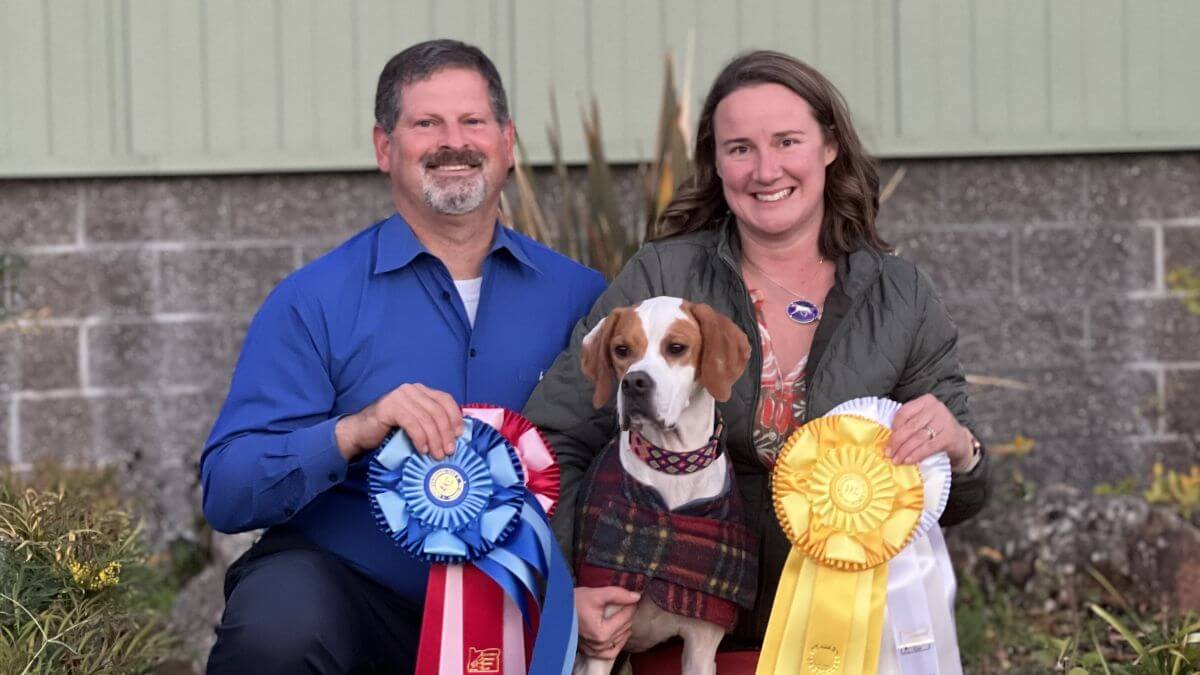
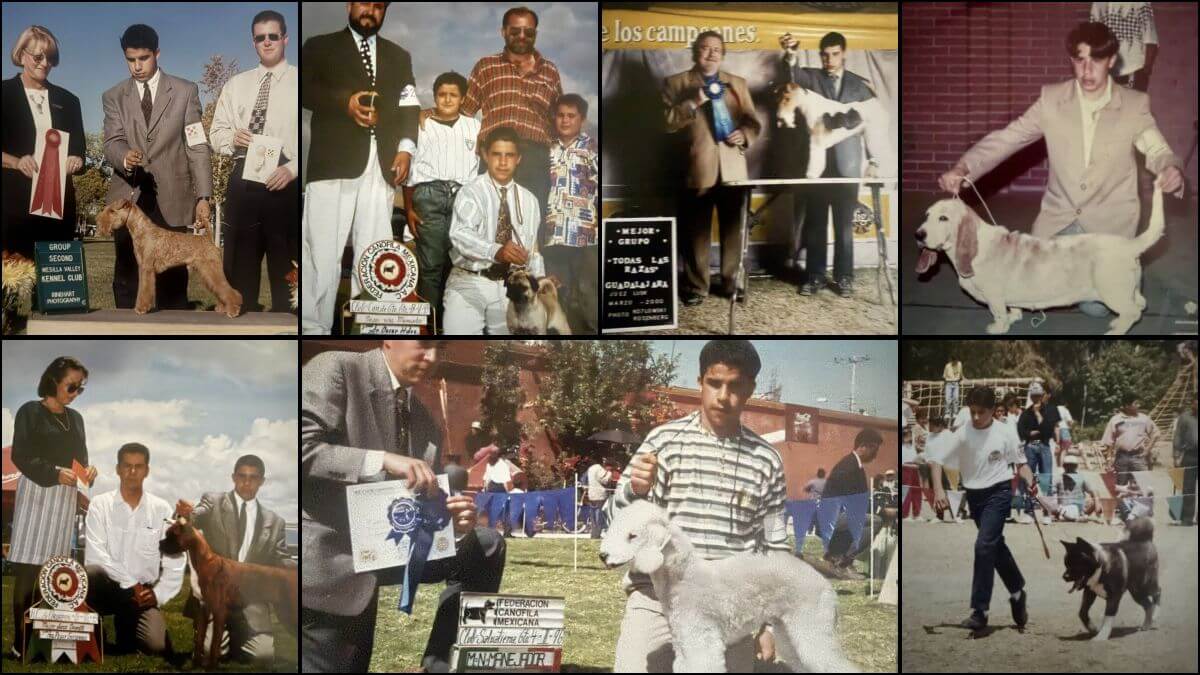
Both Chris and Dylan were born into families with purebred dogs. Chris’ mother bred and showed Irish Setters and English Springer Spaniels; and Dylan’s parents were active professional handlers. Both participated in Junior Showmanship and actively went to shows. Both were in college seeking other professions, but eventually came back to pursue handling professionally. Dylan credits mainly her parents as her mentors along with some other breeders and handlers she looks up to. Chris, in his youth, worked for various Professional Handlers: Scott Sommer, Jackie Breazeale, and Brian Livingston.
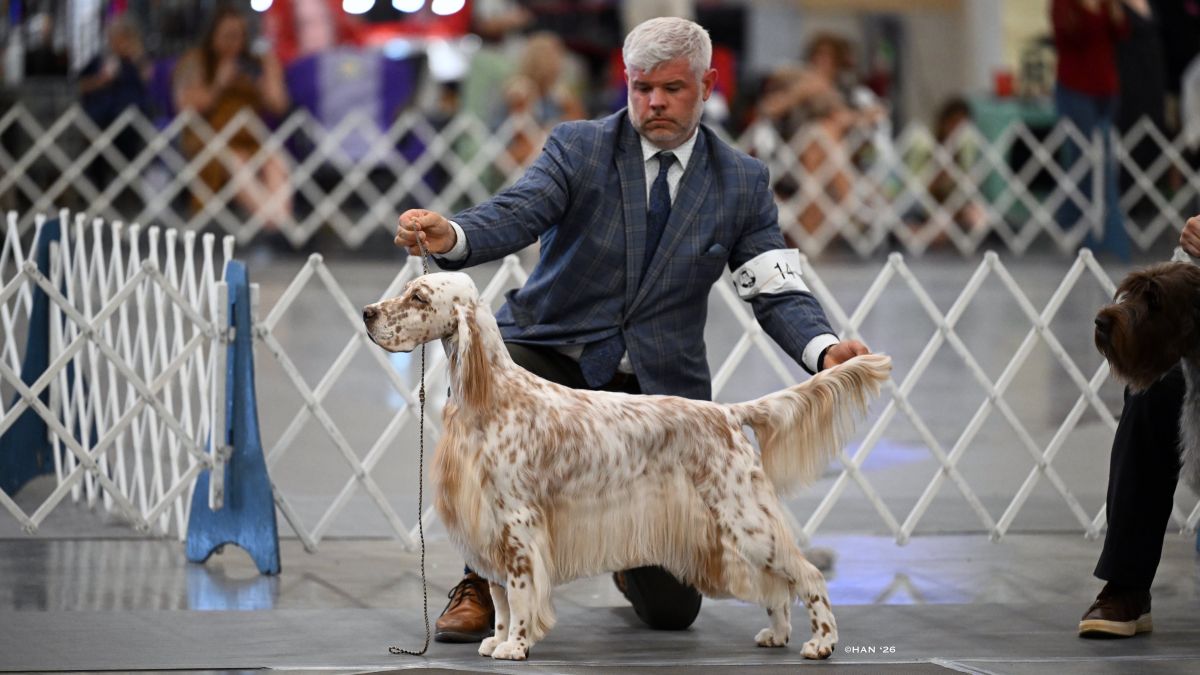
What we were both taught on “day one” is the dogs’ health and safety come first. Without the dogs there is no occupation, and keeping them healthy is of equal importance as the point of the sport is to preserve the breeding stock. We love nothing more than seeing worthy, accomplished dogs go on and make beautiful babies. We joke that we have no lives or all the luxurious things we could have, but instead, for example, we’ve invested into having three different show vehicles to ensure we will always have a safe vehicle for our dogs to travel in. Especially where we live and have extreme heat in the summer, we are always on our toes and aware of each dog to ensure they are happy and safe. With also having a family, we train and depend on reliable assistants with the same priorities as we share. The biggest compliment to us isn’t necessarily the ribbons won but the condition and presentation of our dogs. Sometimes, bringing dogs to the spotlight that others may have overlooked because they could not recognize the qualities that dog had. With the shrinking number of judges with true dog knowledge or experience in the whelping box and show ring, it is up to the professionals to help continue presenting breeds true to their Standards, so the skills we were taught will carry on and not get lost in future generations.
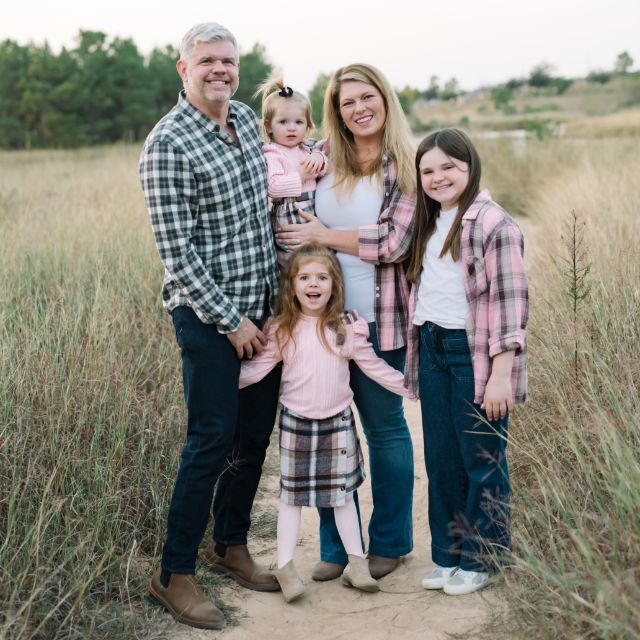
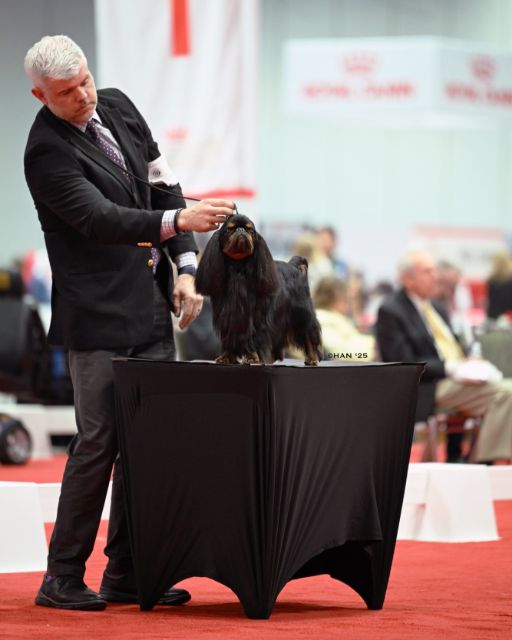
There are no days off when it comes to maintaining a show dog’s mind, body, and soul. Each dog’s diet is measured and adjusted daily to maintain their body and internal health. No dog is conditioned or prepared the same; when each dog arrives, we assess their strengths and weaknesses. With that, we determine what conditioning tools are needed, from road working, swimming, jumps, cavalettis, and fit paws to free-running. And at least once a week, taking care and maintaining their skin and coats. The hardest thing for handlers is keeping dogs pristine while also just letting them be dogs; whether it be chasing squirrels, digging a hole, or rolling in a mud puddle because that’s what makes some of them happy. Shows are demanding and draining, that’s why the dogs’ happiness is so important. When they want to please you is when we see those amazing performances in the ring, and they consistently “show up” and keep loving being a show dog.
Since beginning as children, the sport then to now has changed drastically. The first thing that comes to mind is we are losing breeders; it is often seen now that the biggest class at shows is almost always Best of Breed, and there are more champions than class dogs entered. So, now finding majors becomes more difficult; the point scale continues to drop, making it easier for dogs to finish so that now we have dogs finishing their championships that probably wouldn’t have back when the class level was much more competitive. The sport overall, in our opinion, has become diluted in size and quality. And not just the exhibits but the judges as well. With more shows, the clubs need more judges and there are many being hired with very little experience breeding or handling. How can we better the breeding stock when we rarely show to a judge with a breeder’s mentality? Today, it’s all about performance or amount of hair rather than searching for the dog with excellent type or one that has a great quality desperately needed in the whelping box. There are still great mentors out there, but to truly learn, it isn’t going to be a 15-minute conversation with one of them. Whether you are a new exhibitor, beginner breeder, or new judge, to truly learn and understand a breed it takes time and seeing as many examples of that breed as one can. The Internet has really helped with that and provided so many tools to learn now, but nothing is better than going and seeing the dogs live. I’m always shocked at National Specialties by how small the turnouts are for Breeder and Judges Education seminars.
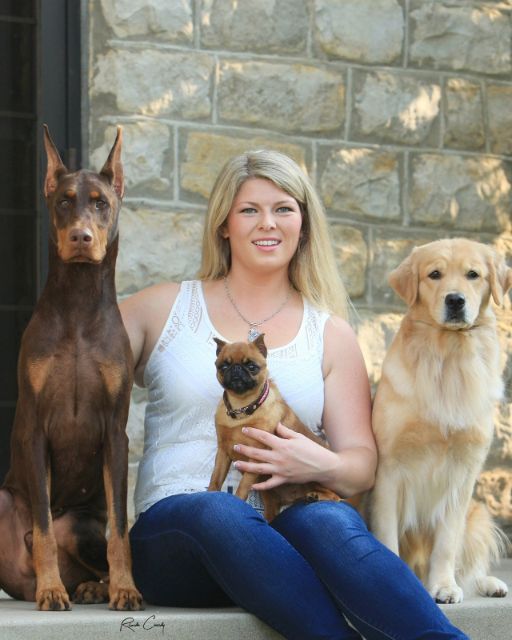
This is a hard question as both of us had parents who were breeders, so from childhood, we understood the real purpose and values of the sport. I like to tell the Juniors I meet with to attend all the seminars they can, whether it’s a breed they associate with or not. It’s hard for small clubs to provide extra seminars or workshops for Juniors, but any time they are put on or provided it is so beneficial for them. I will say that as a kid, friends and I would go in the rings or even elsewhere on the show grounds and we would swap dogs and practice showing each other’s dogs. This is where Dylan’s love for Dobermans first blossomed.
The biggest challenge to the support is the economy currently and the time consumption. You can go to a 4-5-day dog show every weekend; there are more shows now than ever before. And while conserving purebred dogs is the main focus, it’s not the focus for all anymore. Rankings and the competition are what keeps some going, and nowadays, unless you are there from the beginning of the weekend, it is difficult to show up halfway through the weekend and achieve success. With the ability to attend 20 (sometimes more) shows a month, it is wearing on everyone rather than encouraging people to go. For rankings, it’s turning more so into simply who can attend the most shows and “out effort” the competition.
Our girls are what keep us grounded; outside the shows our lives evolve around them and their hobbies and interests. Balancing shows and their schedules is nothing short of a challenge, but seeing them thrive is what motivates us to continue to work and provide for them.
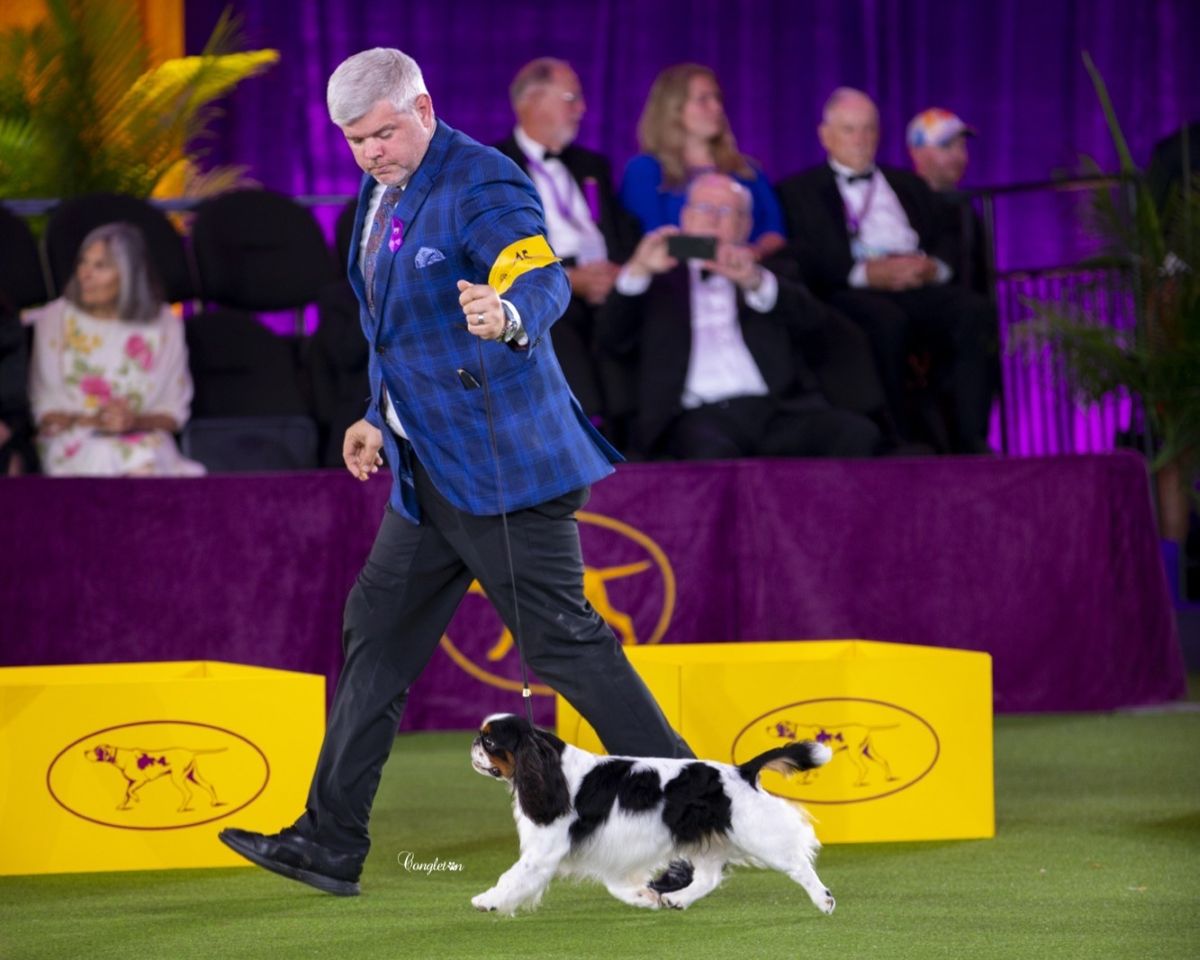
Currently this year, we have some exciting dogs we truly believe in, with some closing out their careers and others that are just getting started. We are blessed to work with some amazing owners and breeders who hold the same values as we do. Our goals are the same each year: Bring each dog to their full potential and hope the judges see the quality we see. Then, when they have achieved all they will, off to the whelping box they go to hopefully make an even prettier version of themselves.

Meet the Professional Handlers
Anthony and Darcie Cantor discuss professional handling, dog care, mentorship, changing show culture, and the future of the sport.