Members
Crate training gives dogs a safe space, builds confidence, and prevents bad habits. It’s a gift, not a punishment, for every dog.

The Weekly Brief
The best of SHOWSIGHT editorials, weekly wins, and breeder commentary — delivered to your inbox every Sunday morning.
Crate training often gets a bad rap from people who see it as restrictive or unnatural, but when done correctly, crate training is one of the most valuable skills you can teach your dog. It’s not about punishment. It’s about giving your dog a safe space, setting clear boundaries, and creating a foundation for better behavior throughout their life.
Whether you’re raising a puppy or helping an older dog adjust to a new home, crate training offers benefits that go far beyond convenience. Here’s why every dog should be crate trained—regardless of age, breed, or lifestyle.
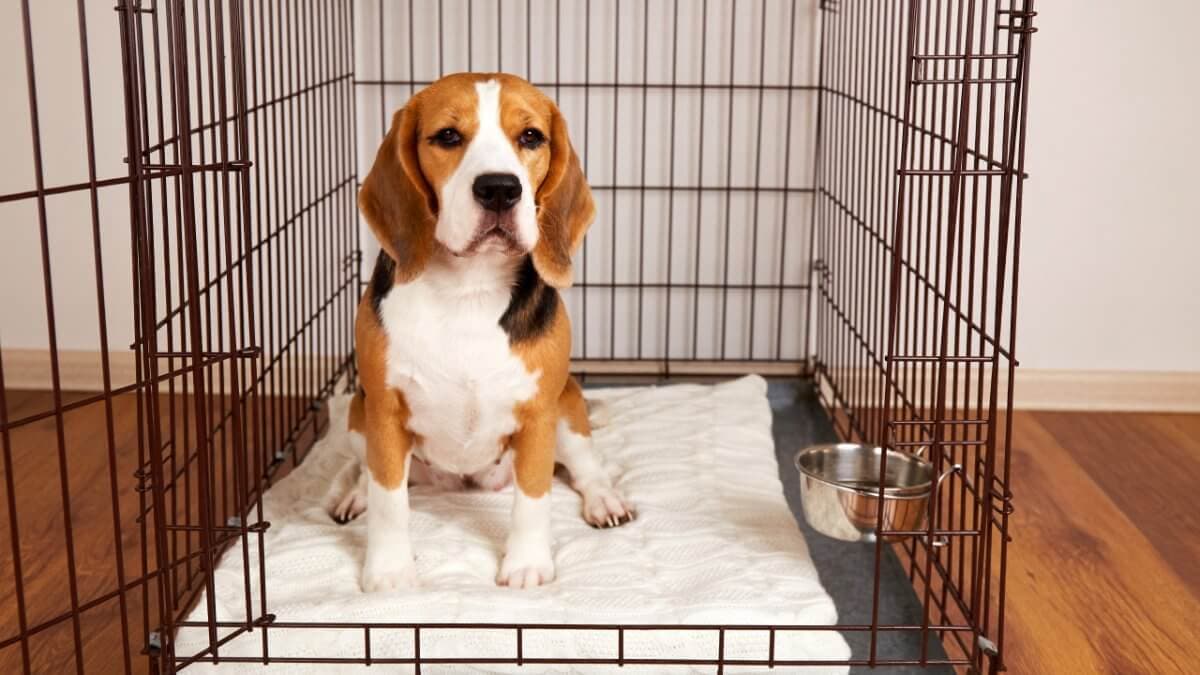
At its core, a crate is a den—a secure, cozy place where a dog can retreat, rest, or decompress. Dogs are natural den animals. In the wild, dogs seek enclosed spaces to sleep and feel safe. A properly sized crate mimics this instinct by giving your dog a place of their own.
This becomes especially important during chaotic situations like thunderstorms, fireworks, visiting guests, or medical recovery. A crate can be a literal refuge, helping your dog manage stress by giving them a spot to self-soothe.
One of the most common reasons people start crate training is for potty training, and for good reason. Dogs instinctively avoid soiling the place where they sleep. When used properly, a crate teaches bladder control, establishes a routine, and drastically reduces accidents in the house.
Consistency is key. Puppies learn quickly that being let out of the crate means it’s time to go outside. This predictable structure not only reinforces good habits but also helps build your dog’s confidence and trust in you.

Left alone in the house, especially when young or under-stimulated, many dogs will chew furniture, get into garbage, or otherwise explore in all the wrong ways. A crate keeps your dog safe and your belongings intact while you’re away or unable to supervise.
Rather than reprimanding a dog for chewing a shoe after the fact, crate training prevents the behavior from happening in the first place. It also reduces stress for owners who worry about what they’ll come home to.
Crate training teaches dogs that it’s okay to be alone, which can be a lifesaver for dogs prone to separation anxiety. Many behaviorists use crate time to help dogs build emotional resilience, learning that being apart from their humans isn’t a crisis.
By gradually increasing crate time, you help your dog develop independence and the ability to settle on their own. This can prevent whining, pacing, or destructive behavior when you leave the house.
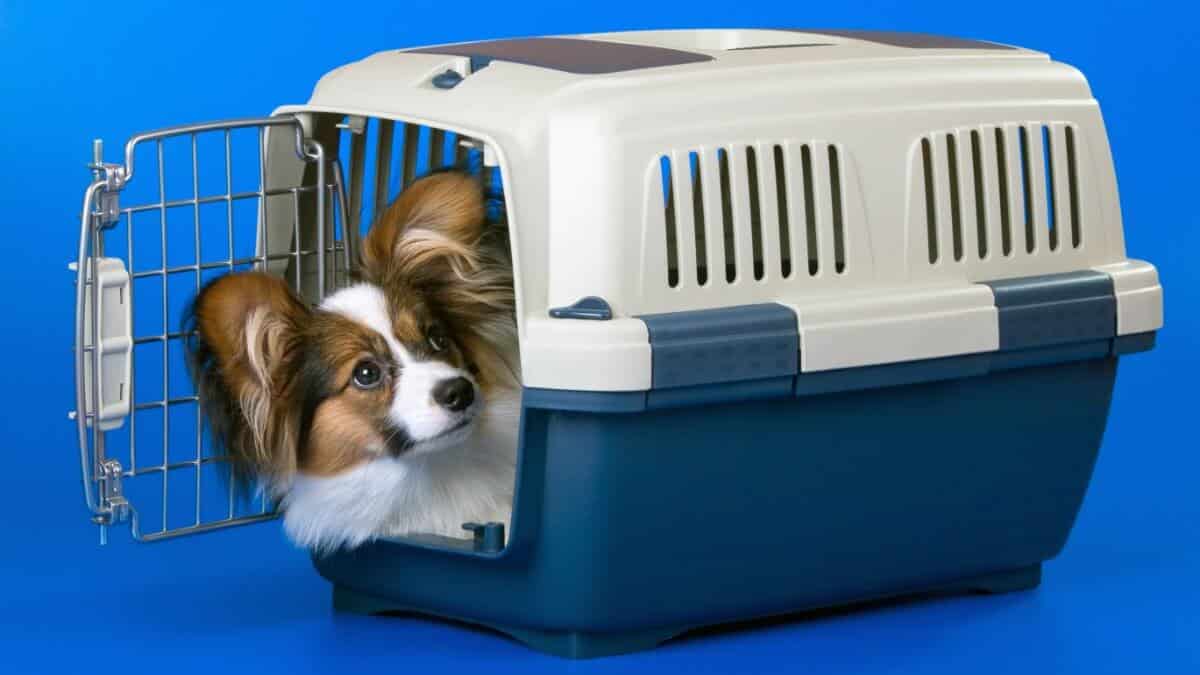
Whether you’re taking your dog on a road trip or boarding them at a facility, crate training makes transitions smoother. Dogs who are comfortable in a crate experience less stress during travel, vet visits, and overnight stays.
In the car, a crate can prevent dangerous distractions and protect your dog in case of sudden stops or accidents. At the vet, a crate-trained dog is more likely to stay calm in a kennel or holding area. And if you ever need to evacuate during an emergency, having a crate-trained dog makes relocation safer and more manageable.
Emergencies happen—whether it’s a natural disaster, a medical issue, or a temporary rehoming situation. A crate-trained dog is easier to house temporarily, easier to transport, and far less likely to suffer from anxiety in unfamiliar surroundings.
Animal shelters, rescue organizations, and foster homes all rely on crates for safety and space management. A dog who already sees a crate as a calm, secure place is at a huge advantage if they ever need to adapt quickly to a new environment.

When dogs sleep in a crate, they settle faster, stay asleep longer, and are less likely to roam or bark during the night. For new puppy owners, a crate next to the bed can ease nighttime crying while still reinforcing structure. For adult dogs, it creates a bedtime routine that promotes calm and predictability.
Owners sleep better, too, knowing their dog is safe and not getting into mischief. And for multi-dog households, separate crates can prevent squabbles and allow each dog their own personal downtime.
The key to successful crate training is using the crate as a positive space, not a punishment. It should never be used as a time-out or isolation tool after bad behavior. With patience, treats, and consistency, your dog will come to see their crate as a safe, restful retreat, not a cage.
Start with short periods, leave the door open at first, and always pair the crate with something your dog loves—like a chew toy, a treat-stuffed puzzle, or a comfy blanket. Over time, many dogs begin going to their crates on their own, especially when they want to nap or relax.
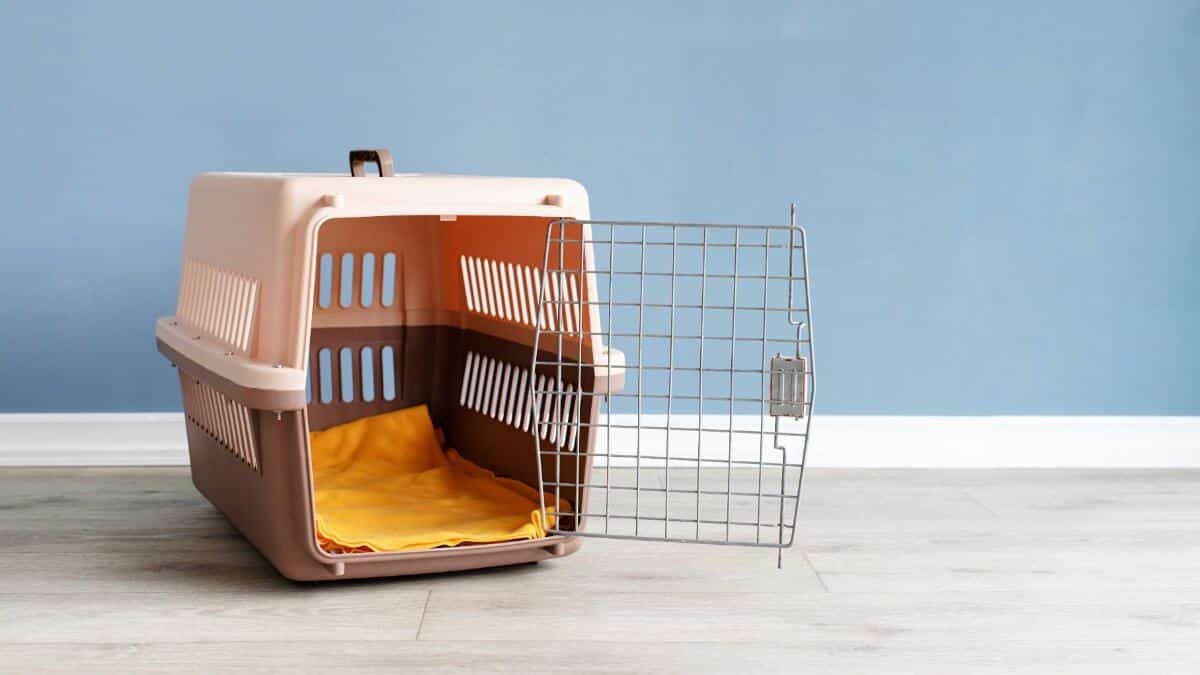
When we crate train our dogs, we’re not taking something away—we’re giving them structure, safety, and a coping tool for life’s unpredictable moments. It’s one of the simplest ways to build trust, support behavior training, and make both your dog’s life and yours more manageable.
So, if you haven’t already, give crate training a try. Your dog may just discover it’s their favorite place in the house—and you’ll gain peace of mind knowing that they have a safe spot to call their own.
Canine Health