Members
01/Overview
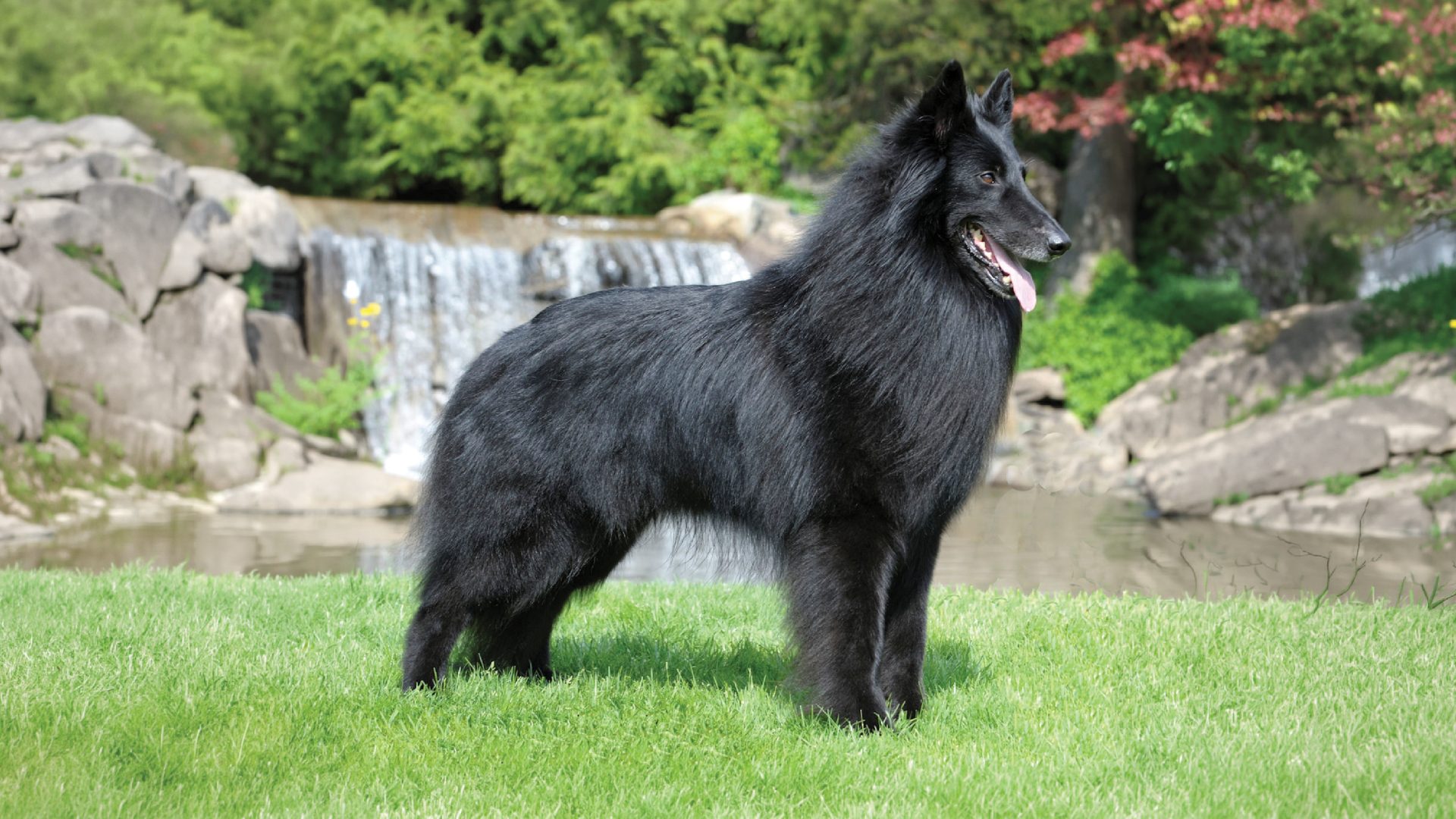
The Belgian Sheepdog, known in its homeland as the Groenendael, is one of four distinct breeds/varieties of Belgian shepherd dogs, distinguished by its striking black coat. Revered for its loyalty, intelligence, and versatility, this breed has not only served as a herding dog but has also played a vital role during wartime and in modern-day services like search and rescue missions.
Highlights
02/History
The Belgian Sheepdog, commonly known as the "Groenendael" in many parts of the world, holds a unique position among the many recognized types of herding dogs. It is one of four varieties of the Belgian Shepherd, with the other three being the Belgian Laekenois, Belgian Malinois, and Belgian Tervuren. While they all share a common ancestry that is rooted in Belgium, their distinguishing coat types and colors have led to various classifications in different countries.
Delving into its origins, the Belgian Sheepdog emerged in the late 19th century in the country from which it gets its name. Local shepherds sought a dependable and robust dog capable of herding and safeguarding their flocks amid the diverse landscapes of Belgium; from the expansive plains to the challenging terrain of the Ardennes hills. The breed's initial purpose was herding, but the canine's agility, intelligence, and relentless work ethic soon became evident, extending its role beyond that of pastoral duties. The versatility of the breed/variety became even more apparent when it took on police duties, and most notably, it was utilized as a messenger and ambulance dog during the trying days of World War I.
The journey to official recognition began with the establishment of the Belgian Shepherd Dog Club in 1891. Shortly after this milestone, Professor Adolphe Reul of the Cureghem Veterinary Medical School initiated the standardization of the breed, a crucial step towards its formal acknowledgment. The American Kennel Club gave its official nod to the Belgian Sheepdog in 1912. It's interesting to note the varying classifications across kennel clubs; while the AKC treats the Belgian Sheepdog (Groenendael) as a distinct breed, other prominent kennel organizations, such as the Fédération Cynologique Internationale and The Royal Kennel Club in the UK, regard the four varieties as a single breed, and differentiate only based on the coat's type and color.
As the years progressed, the Groenendael's appeal expanded, not solely resting on its herding prowess or utility in work-oriented tasks. The Belgian Sheepdog's unwavering loyalty and affectionate temperament have endeared it as a treasured family companion for more than a century. Through the annals of time, this Belgian's compelling history has reflected its adaptability and resilience, making it a cherished breed for enthusiasts and households around the globe.
Adult male Belgian Sheepdogs typically stand between 24 and 26 inches tall at the shoulder, while mature females are typically shorter, ranging from 22 to 24 inches tall.
When considering weight, males usually weigh between 55 and 75 pounds, whereas females have a weight range of 45 to 60 pounds. These figures can vary slightly based on individual genetics and overall health. Females, it should be noted, have a distinctly feminine appearance.
The Belgian Sheepdog presents a harmonious silhouette, which gives an impression of elegance combined with strength. This breed/variety possesses a square proportion—meaning its length, measured from the prosternum to the rear of the buttock, is roughly equal to the height at the withers. The breed’s overall substance is neither coarse nor light, but is well-balanced, ensuring the agility and endurance that are crucial for any herding task.
Texture: The Belgian Sheepdog boasts a long, straight, and abundant coat. Its texture is somewhat harsh to the touch, giving it the ability to protect the dog from a variety of weather conditions. Underneath the guard hairs, the dog has a dense, soft undercoat which provides additional insulation.
A Note About Color: The Belgian Sheepdog may present a reddening of the black coat due to sun exposure. White hair should only appear as follows: on the chin and/or muzzle; on the forechest; between the pads of the feet; and on the tips of the rear toes. White on the tips of the front toes is acceptable but is not preferred. White anywhere else on the body is unacceptable.
Skull: The skull of the Belgian Sheepdog is neither excessively broad nor overly narrow and is relatively flat, with a slight median line. It is in proportion with the length of the muzzle, showing a moderate stop (the point where the muzzle meets the skull).
Expression: The expression is one of intelligence and alertness, indicative of the dog's attentive nature and readiness for action.
Eyes: Medium in size and almond-shaped, the eyes are set obliquely. Their color typically ranges from brown to dark brown, with darker shades being preferred. The rims of the eyes are black.
Ears: The ears are set high, triangular in shape, and stand erect. They are in proportion to the size of the head, accentuating the breed's alert demeanor.
Muzzle: The muzzle is straight and parallel to the topline of the skull, tapering gently toward the nose without being pointy.
Nose: Black in color and well-developed, the nose stands out, providing a harmonious relationship with the coat. The color is solid, with no spots or areas of discoloration.
Bite: The Belgian Sheepdog has a set of strong, white teeth that meet in an even or scissors bite, where the upper incisors closely overlap the lower incisors. Undershot and overshot bites are unacceptable.
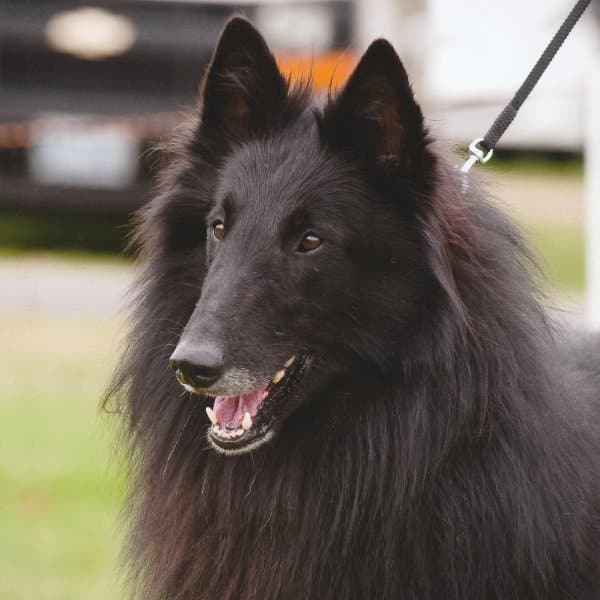
The Belgian Sheepdog's tail is a defining feature, showcasing both the dog's elegance and its useful purpose.
The tail is strong at the base and reaches at least to the hock. In its resting position, it hangs down, with the tip slightly curved backward at the level of the hock. When the Belgian Sheepdog is in motion or alert, the tail is raised, but it never curls over the back.
The tail's length and its strength are crucial for balance and agility, especially when the dog is herding and moving swiftly across various terrain. It is important to note that this breed/variety’s tail is never docked, maintaining its natural length and usefulness.
03/Appearance
Standard Colors
Standard Markings
04/Consider
Embracing the Belgian Sheepdog into any household is a journey of loyalty, intelligence, and spirited companionship. However, it also comes with certain responsibilities and considerations to ensure the well-being of this magnificent dog.
Interaction With Family
The level of affection a breed typically shows towards family members and familiar individuals.
Good With Other Dogs
The innate friendliness of a dog towards other dogs can depend on its breed.
Good With Young Children
The degree to which a breed will typically be patient with young children.
Amount Of Shedding
How much hair a breed typically leaves behind on clothes, furniture and floors.
Frequency Of Grooming
How often a breed needs brushing, bathing or a professional trim to stay in condition.
Amount Of Drooling
How prone a breed is to drool — worth knowing before you keep a towel by the door.
Openness To Strangers
How openly a breed tends to greet new people, visitors and strangers.
Protective Nature
How likely a breed is to alert you to — and stand between you and — anything unfamiliar.
Playfulness Level
How enthusiastic a breed stays about games and play well past puppyhood.
Trainability Level
How readily a breed takes direction and works with you rather than around you.
Barking Level
How much a breed uses its voice, and how readily.
Energy Level
How much get-up-and-go a breed brings to an average day.
Health
The Belgian Sheepdog, like all breeds and mixed breeds, can have specific health requirements and potential challenges. Regular veterinary check-ups, a balanced diet, and consistent exercise are all pivotal for ensuring a healthy life for any canine companion. Lifespan: On average, a Belgian Sheepdog enjoys a lifespan of 12 to 14 years. This range can vary based on factors such as genetics, healthcare, diet, and overall lifestyle.
The Belgian Sheepdog stands out as a beacon of intelligence, loyalty, and an unwavering work ethic. Delving deeper into their character, one finds a captivating blend of keen alertness paired with an affectionate nature.
For those stepping into the world of dog ownership for the first time, the Belgian Sheepdog can pose certain challenges. The breed’s high intelligence and vibrant energy require an understanding yet capable hand. With dedication and the right training approach,however, even novice owners can find in them a loyal companion.
One of the defining traits of the Belgian Sheepdog is its sensitivity. These dogs bond deeply with their families, often mirroring their owner's emotions. This profound connection means they are not fans of harsh training methods and can become unsettled with abrupt changes in their environment.
Loneliness isn't a friend to the Belgian Sheepdog. They thrive in the company of their human companions, and long durations of solitude can lead them down the path toward separation anxiety.
Socialization early can open the door to harmonious coexistence with other dogs. The breed’s innate herding instincts can, at times, urge these dogs to assert themselves or even attempt herding other household pets, but with the right guidance they can be the best of friends with other dogs.
In households with the laughter of young children, the Belgian Sheepdog often fits right in. The breed’s innate patience and protective streak make these dogs dependable companions for kids. However, interactions between the two should always be under a watchful eye to ensure safety for both parties.
Exercise Expectations
The exercise requirements of the Belgian Sheepdog are notably high. These dogs thrive on activities that not only challenge them physically but also stimulate them mentally. Simple backyard play, while enjoyable, might not suffice for this breed. Belgians prefer engaging activities such as long walks, jogging, or hiking. Given their herding background, they are known to excel in Agility Trials, making these events an excellent exercise option for them. Energy levels in the typical Belgian Sheepdog are consistent and enduring. These dogs are not the kind to tire quickly or be content with short bursts of play. Regular, extended exercise sessions are essential to keep them in peak condition and to prevent potential behavioral problems. Without proper outlets for their energy, they might become restless, anxious, or even destructive. The intensity with which Belgian Sheepdogs approach activities is commendable. They are always active participants, and enthusiastic ones at that. Whether it's a game of fetch, a training session, or herding exercises, they engage with a focus and fervor that's hard to match. Playfulness is another inherent trait. Belgian Sheepdogs love interactive games and toys. Playing fetch or tug-of-war not only offers them physical exertion but also strengthens the bond between the dog and its person.
Owning and living with a Belgian Sheepdog can be an enriching experience filled with joy, loyalty, and activity. However, adapting one's lifestyle to accommodate the unique needs and characteristics of this breed/variety is crucial for a harmonious coexistence.
The first consideration when living with a Belgian Sheepdog is its living space. While adaptable, these dogs were bred to work and, as such, possess an innate energy that requires ample space to dissipate. Therefore, while it's not impossible for them to adjust to apartment living, they would be more comfortable in homes with spacious yards where they can run and play freely. For people who reside in an apartment, daily trips to a park or long walks become essential to meet their exercise requirements.
The Belgian Sheepdog's dense double coat means it can handle colder weather quite well. These dogs enjoy frolicking in the snow, and their coat provides natural insulation. However, during extremely cold conditions, some added protection, like a dog coat or sweater, might be beneficial. Conversely, in hot and humid conditions, they can become uncomfortable quickly. It's crucial, therefore, to be certain they have access to shade and fresh water, and it’s preferable for them to stay indoors during peak heat hours.
The breed's protective and sometimes aloof nature, especially towards strangers, means that early socialization and continuous training are vital. This ensures that while remaining alert and protective, a Belgian doesn't become overly aggressive or fearful. As a result, introducing this dog to various environments, people, and experiences during the formative months is key.
05/Puppies
Welcoming a Belgian Sheepdog puppy into the home is both an exciting adventure and a commitment. These puppies, with their boundless energy and inquisitive nature, are a bundle of joy, offering affection and loyalty in spades. However, their formative months are crucial in shaping their temperament, health, and behavior as they transition into adulthood.
The initial weeks after bringing a Belgian Sheepdog puppy home are pivotal. It's a period of adjustment, learning, and bonding for both the pup and its new family. Ensuring the puppy's well-being during this phase lays the foundation for a healthy and happy adult dog.
Feeding high-quality puppy food ensures the puppy will receive all the essential nutrients to support its growth and development. The feeding amounts and frequency should be based on the puppy's age, weight, and activity level. It’s best to always consult with a veterinarian or the breeder for specific feeding recommendations.
Socialization of a Belgian Sheepdog starts early. Introducing the puppy to different environments, sounds, people, and other animals in a controlled and positive manner can help to shape a well-rounded and confident adult. The experiences during these initial months can significantly influence behavior and reactions later in life.
Training, too, begins from day one. While they might be too young for advanced training, teaching basic commands and house rules to Belgian babies is vital. Positive reinforcement methods work best, rewarding puppies for good behavior with treats, praise, or play. This early training not only instills good behavior, it also strengthens the human-canine bond.
Regular visits to the veterinarian for vaccinations, deworming, and general health assessments will ensure that the puppy grows into a healthy adult. These visits are also an opportunity to discuss any concerns or queries about the puppy's growth, behavior, or health.
Lastly, providing a safe and nurturing environment is essential. Belgian Sheepdog puppies, with their curiosity, can sometimes get themselves into precarious situations. Puppy-proofing the home, providing a safe space like a comfortable crate, and monitoring interactions with other animals and people ensures their safety and comfort.
06/Activities
The Belgian Sheepdog is a breed known for its intelligence, agility, and work ethic. Originating as a herding dog, it is no surprise that the breed/variety excels in various activities and dog sports. Engaging these dogs in fun pursuits not only provides physical exercise, it also allows for mental stimulation, thus ensuring a well-balanced and happy dog.
Herding Trials: A natural fit for the Belgian Sheepdog, these trials simulate the tasks that the breed was initially developed to perform. They showcase the dog's ability to control, move, and pen livestock based direction provided by their handler.
Agility: Given their quick reflexes and high intelligence, Belgian Sheepdogs are standouts in Agility Trials. Navigating through a timed obstacle course, which includes jumps, tunnels, and weave poles, the dog’s agility, speed, and obedience are put to the test.
Obedience: These events assess the dog's ability to perform a series of commands and exercises with precision. The Belgian Sheepdog, with its eagerness to please and high trainability, often excels in these trials.
Rally: A blend of Obedience and Agility, Rally involves the dog and handler navigating a course together that’s set up with a variety of stations, each requiring a specific obedience exercise. The bond and communication between the handler and dog are a big part of the Rally experience.
Tracking: Tapping into the dog’s keen sense of smell, tracking events allow the Belgian Sheepdog to showcase its ability to follow a scent trail. Tracking often simulates Search and Rescue scenarios.
Flyball: A relay race that combines speed, agility, and obedience, Flyball is an exciting sport where the dog must jump over hurdles, trigger a spring-loaded mechanism to release a ball, and then race back with the ball before its teammate does the same.
Protection Sports: Given their protective nature, Belgian Sheepdogs can be trained for protection sports like Schutzhund, where they are tested on obedience, tracking, and protection.
Conformation Shows: This is the primary platform where the Belgian Sheepdog's beauty, structure, and temperament can be showcased. Participating in Conformation Shows allows breeders and breed enthusiasts an opportunity to present their dogs to judges whose job is to ensure the Breed Standard is being upheld.
Engaging Belgian Sheepdogs in these activities and sports not only provides them with physical exercise, it also strengthens the bond between the dogs and their handlers. Participation offers an outlet for the dogs’ energy and intelligence too, ensuring a content and well-adjusted companion at home and out in public. Whether competing at a high level or just for fun, these pursuits support a Belgian Sheepdog that enjoys being active, engaged, and happy.
Gallery
07/Standards
The Belgian Sheepdog is recognized by the world's leading registries and kennel organizations, which categorize the breed into a specific Group based on its unique characteristics. This breed is recognized worldwide under the following Group designations:
The ideal Belgian Sheepdog is described by a Breed Standard that is approved by each of the world’s leading registries and kennel organizations. The Breed Standards for this breed may be found in the following links:
08/Clubs
Breed clubs play a pivotal role in the preservation, promotion, and education of specific breeds and varieties. These organizations bring together breeders, breed enthusiasts, and owners to foster a community committed to the well-being and advancement of a single breed or variety within a breed.For the Belgian Sheepdog, several notable breed clubs in different countries have been instrumental in its development and recognition.In the United States, the primary organization dedicated to the Belgian Sheepdog is the Belgian Sheepdog Club of America (BSCA). Established in 1949, this club has been at the forefront of promoting the Breed Standard, organizing events, and providing resources to its members.In Canada, the Belgian Shepherd Dog Club of Canada (BSDCC) takes on a similar role. This club not only focuses on the Groenendael variety, it also encompasses the other Belgian Shepherd varieties. The BSDCC is an excellent resource for Canadians interested in breed-specific information, events, and contacting reputable breeders.In the United Kingdom, the Belgian Shepherd Dog Association of Great Britain stands out. Recognized by The Royal Kennel Club, it is committed to the promotion and welfare of all four varieties of the Belgian Shepherd Dog in the UK.Joining a breed club offers numerous benefits. Members often gain access to exclusive events, training seminars, and a network of experienced breeders and handlers. More importantly, these clubs serve as a bastion for the breed/variety, ensuring that its legacy continues with passion and integrity.
09/Rescue
Rescue groups play an essential role in providing second chances to dogs that may have been abandoned, mistreated, or simply find themselves in need of a new home. These organizations work tirelessly to ensure these animals receive the care, love, and attention they deserve. For the Belgian Sheepdog, several rescue groups specialize in the dogs’ care and rehoming.In the United States, the Belgian Sheepdog Rescue Trust stands out as a primary organization dedicated to the rescue and rehabilitation of Belgian Sheepdogs. The organization is committed to ensuring that each dog is placed in a loving home, suited to its specific needs. The dedicated team of volunteers work tirelessly throughout the year to rescue and rehome any Belgian Sheepdog in need.Canada has its share of rescue organizations, and while not breed-specific, several all-breed rescues are known to have assisted a Belgian Sheepdog in need. Potential adopters are always encouraged to reach out to local shelters and rescue groups to inquire about the availability of a Belgian Sheepdog or any of the other Belgian Shepherd varieties.Similarly, in the United Kingdom, while there might not be a rescue dedicated solely to the Belgian Sheepdog, organizations like the Belgian Shepherd Rescue UK cater to the needs of all four Belgian Shepherd varieties. Their network offers care and rehabilitation to any Belgian Shepherd in distress, as well as the chance to find a new, loving home.
10/Facts
Versatility in Service
The Belgian Sheepdog's intelligence and agility made it a popular choice for various roles during World War I, ranging from messenger to ambulance dog. The breed/variety’s valor on the battlefield is well-documented and greatly appreciated.
Name Variations
While it's known as the Belgian Sheepdog in the US, the breed is commonly referred to as "Groenendael" in many parts of the world, named after the Belgian village where the variety was first developed.
A Breed of Many Talents
Beyond herding, Belgian Sheepdogs have excelled in a myriad of canine activities, including Obedience, Agility, and Protection Work. The high trainability and keen intelligence of this breed/variety make them stand out in various disciplines.
Loyal Protector
Historically used to guard livestock, the Belgian Sheepdog has a natural protective instinct. These dogs are known to be particularly loyal to their families, often serving as watchful guardians for their loved ones.
Distinct Coat
The Belgian Sheepdog's lush, long black coat is one of its distinguishing features. The coat not only gives these dogs a majestic appearance, it also serves a functional purpose, protecting them from harsh weather conditions.
Social Creatures
While they might have a serious work ethic, Belgian Sheepdogs are also known for their sociable nature. They thrive on human interaction and often prefer to be involved in family activities.
Energetic Companion
Owing to their herding lineage, Belgian Sheepdogs are energetic and require regular exercise. They love to be engaged, be it through play, training, or hard work.
11/FAQ
Yes, Belgian Sheepdogs shed. They possess a thick double coat that undergoes a more substantial shedding, often referred to as "blowing coat," typically once or twice a year. Regular brushing can help to manage this shedding and keep the coat in top condition.
Official Standard of the Belgian Sheepdog
General Appearance: The first impression of the Belgian Sheepdog is that of a well balanced, square dog, elegant in appearance, with an exceedingly proud carriage of the head and neck. He is a strong, agile, well muscled animal, alert and full of life. His whole conformation gives the impression of depth and solidity without bulkiness. The male dog is usually somewhat more impressive and grand than his female counterpart. The bitch should have a distinctly feminine look. Faults - Any deviation from these specifications is a fault. In determining whether a fault is minor, serious, or major, these two factors should be used as a guide: 1. The extent to which it deviates from the standard. 2. The extent to which such deviation would actually affect the working ability of the dog.
Size, Proportion, Substance: Males should be 24 to 26 inches in height and females 22 to 24 inches, measured at the withers. Males under 22½ or over 27½ inches in height and females under 20½ or over 25½ inches in height shall be disqualified. The length, measured from point of breastbone to point of rump, should equal the height. Bitches may be slightly longer. Bone structure should be moderately heavy in proportion to his height so that he is well balanced throughout and neither spindly or leggy nor cumbersome and bulky. The Belgian Sheepdog should stand squarely on all fours. Side view - The topline, front legs, and back legs should closely approximate a square.
Head: Clean-cut and strong, overall size should be in proportion to the body. Expression indicates alertness, attention, readiness for activity. Gaze should be intelligent and questioning. Eyes brown, preferably dark brown. Medium size, slightly almond shaped, not protruding. Ears triangular in shape, stiff, erect, and in proportion to the head in size. Base of the ear should not come below the center of the eye. Ears hanging (as on a hound) shall disqualify. Skull - Top flattened rather than rounded. The width approximately the same, but not wider than the length. Stop moderate. Muzzle moderately pointed, avoiding any tendency to snipiness, and approximately equal in length to that of the topskull. The jaws should be strong and powerful. Nose black without spots or discolored areas. The lips should be tight and black, with no pink showing on the outside. Teeth - A full complement of strong, white teeth, evenly set. Should not be overshot or undershot. Should have either an even bite or a scissors bite.
Neck, Topline, Body: Neck round and rather outstretched, tapered from head to body, well muscled, with tight skin. Topline - The withers are slightly higher and slope into the back, which must be level, straight, and firm from withers to hip joints. Chest not broad, but deep. The lowest point should reach the elbow, forming a smooth ascendant curve to the abdomen. Abdomen - Moderate development. Neither tucked up nor paunchy. The loin section, viewed from above, is relatively short, broad and strong, but blending smoothly into the back. The croup is medium long, sloping gradually. Tail strong at the base, bone to reach hock. At rest the dog holds it low, the tip bent back level with the hock. When in action he raises it and gives it a curl, which is strongest toward the tip, without forming a hook. Cropped or stump tail shall disqualify.
Forequarters: Shoulder long and oblique, laid flat against the body, forming a sharp angle (approximately 90 degrees) with the upper arm. Legs straight, strong and parallel to each other. Bone oval rather than round. Development (length and substance) should be well proportioned to the size of the dog. Pastern medium length, strong, and very slightly sloped. Feet round (cat footed), toes curved close together, well padded. Nails strong and black, except that they may be white to match white toe tips.
Hindquarters: Legs - Length and substance well proportioned to the size of the dog. Bone oval rather than round. Legs are parallel to each other. Thighs broad and heavily muscled. The upper and lower thigh bones approximately parallel the shoulder blade and upper arm respectively, forming a relatively sharp angle at stifle joint. The angle at the hock is relatively sharp, although the Belgian Sheepdog does not have extreme angulation. Metatarsus medium length, strong and slightly sloped. Dewclaws, if any, should be removed. Feet slightly elongated. Toes curved close together, well padded. Nails strong and black, except that they may be white to match white toe tips.
Coat: The guard hairs of the coat must be long, well fitting, straight and abundant. They should not be silky or wiry. The texture should be a medium harshness. The undercoat should be extremely dense, commensurate, however, with climatic conditions. The Belgian Sheepdog is particularly adaptable to extremes of temperature or climate. The hair is shorter on the head, outside of the ears, and lower part of the legs. The opening of the ear is protected by tufts of hair. Ornamentation - Especially long and abundant hair, like a collarette, around the neck; fringe of long hair down the back of the forearm; especially long and abundant hair trimming the hindquarters, the breeches; long, heavy and abundant hair on the tail.
Color: Black. May be completely black, or may be black with white, limited as follows: Small to moderate patch or strip on forechest. Between pads of feet. On tips of hind toes. On chin and muzzle (frost may be white or gray). On tips of front toes - allowable, but a fault. Disqualification - Any color other than black, except for white in specified areas. Reddening due to climatic conditions in an otherwise correct coat should not be grounds for disqualification.
Gait: Motion should be smooth, free and easy, seemingly never tiring, exhibiting facility of movement rather than a hard driving action. He tends to single track on a fast gait; the legs, both front and rear, converging toward the center line of gravity of the dog. The backline should remain firm and level, parallel to the line of motion, with no crabbing. He shows a marked tendency to move in a circle rather than a straight line.
Temperament: The Belgian Sheepdog should reflect the qualities of intelligence, courage, alertness and devotion to master. To his inherent aptitude as a guardian of flocks should be added protectiveness of the person and property of his master. He should be watchful, attentive, and always in motion when not under command. In his relationship with humans, he should be observant and vigilant with strangers, but not apprehensive. He should not show fear or shyness. He should not show viciousness by unwarranted or unprovoked attack. With those he knows well, he is most affectionate and friendly, zealous of their attention, and very possessive. Viciousness is a disqualification.
Disqualifications:
Males under 22½ or over 27½ inches in height and females under 20½ or over 25½ inches in height.
Ears hanging (as on a hound).
Cropped or stump tail.
Any color other than black.
Viciousness.
Approved December 11, 1990
Effective January 30, 1991


Meet the Breeders
Interview with Sherri Swabb, Belgian Sheepdog Breeder, insights on breed, challenges, and community changes.

Meet the Breeders
Delve into Belgian Sheepdog breeding with Lisa Leffingwell: 35 years of expertise, famous dogs, and insights on the dog show community.
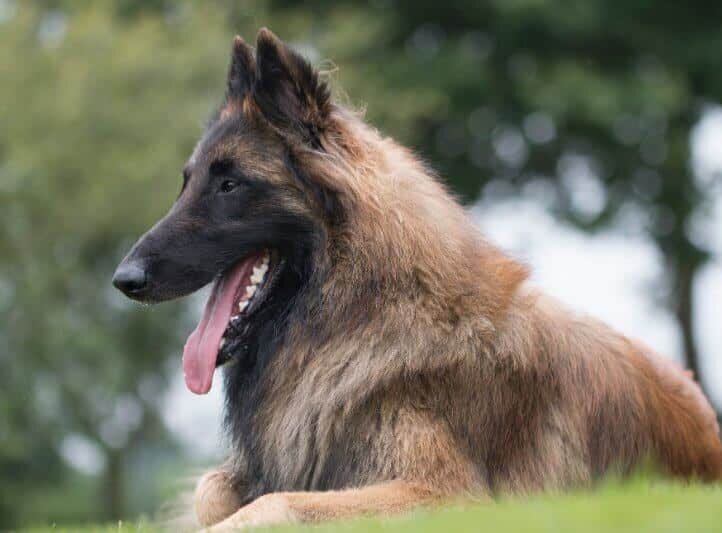

Canine Health
Idiopathic epilepsy is the most common medical neurologic disorder in dogs. It is defined as seizures with no identifiable cause. Learn more.
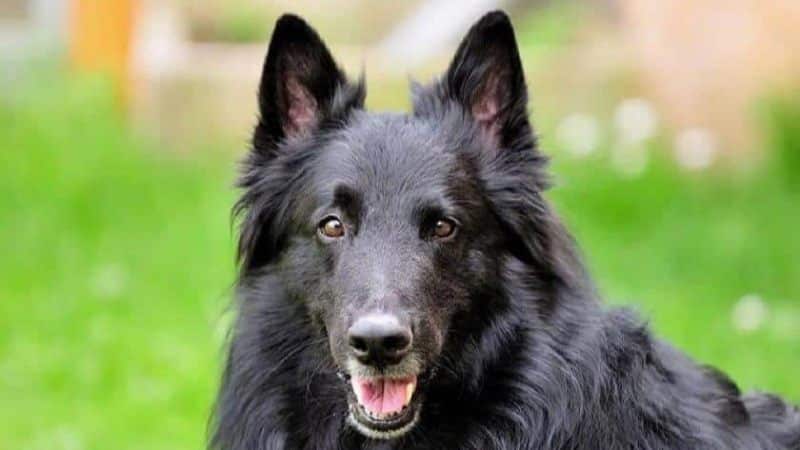
Dive into the world of Purebred Belgian Sheepdogs. Discover their versatility, intelligence, and surprising facts!
Coat Type
Double
The structure of the coat this breed carries.
Coat Length
Medium
How long the breed's coat grows when kept in condition.
Adaptability Level
How easily a breed copes with changes in home, routine, noise and weather.
Mental Stimulation Needs
How much a breed needs a job, a puzzle or training to stay content.
The Belgian Sheepdog’s loyalty to the family can sometimes translate into wariness around strangers. This protective instinct means that while these dogs will stand by their family's side, they might take a moment to warm up to unfamiliar faces. However, early exposure to varied settings and various people can mold them into more sociable creatures.
Feeding the Belgian Sheepdog adequately is pivotal for ensuring its health, energy, and longevity. Nutrition plays a crucial role in its overall well-being, and thus, understanding the dog's dietary needs is essential.
When you have a Belgian Sheepdog puppy in the house, it's a time of growth and development for everyone. It’s important to remember that puppies have unique nutritional requirements, necessitating a balanced diet rich in proteins, fats, and essential minerals. It's recommended to feed them high-quality puppy food that caters specifically to the needs of medium to large breeds. The frequency of meals is greater with puppies, typically divided into three to four meals a day. This will guarantee they receive all the necessary nutrients without overloading their small stomachs.
As Belgian Sheepdogs transition into adulthood, their dietary needs evolve. Adult Belgians typically require fewer calories per pound than puppies, so it's essential to switch them to premium adult dog food that satisfies their energy requirements while keeping them lean and fit. Depending on the dog’s activity level, the general guideline for feeding an adult will vary. However, most will thrive on two well-portioned meals a day.
The exact amount of food varies based on factors such as age, activity level, metabolism, and overall health. For instance, a highly active Belgian Sheepdog may need more food than a more sedentary one. Consulting with a veterinarian or a pet nutritionist can offer valuable insights into determining the precise amount that’s needed.
Additionally, treats can be an effective training tool with a Belgian Sheepdog, but they should only be given in moderation. Overindulgence can lead to obesity, which comes with a host of health concerns. Fresh water should always be available too, as this allows the dog to stay well-hydrated throughout the day.
Training a Belgian Sheepdog is both a rewarding experience and a responsibility. Renowned for their intelligence and eagerness to please, these dogs often stand out in Obedience and Agility Trials, a testament to their quick-witted nature.
Despite the breed’s smart disposition, the key to effectively training a Belgian Sheepdog is using consistency, patience, and positive reinforcement. These dogs respond well to praise, treats, and play, making reward-based training particularly effective. Harsh methods or punishments can be counterproductive, potentially causing the sensitive Belgian to become reserved or fearful.
The breed's intelligence can sometimes manifest as stubbornness, especially if the dog senses a lack of leadership from their handler. Therefore, it's crucial for everyone in the house to establish themselves in a leadership role early on, setting clear boundaries and being consistent with both commands and expectations.
While they are alert and attentive, Belgian Sheepdogs have a pronounced protective instinct. Early socialization is essential to ensure they are well-rounded and comfortable in various situations. Exposing them to different environments, people, and other animals can help to mitigate potential aggressive or overly protective behaviors.
Barking is another characteristic of the Belgian Sheepdog. While the breed’s vigilant nature makes it an excellent watchdog, it's essential to train these dogs to understand when to bark and when to be quiet. This understanding ensures they will alert you to potential dangers without becoming a nuisance.
The breed's high energy and drive means it also has a penchant for activities that engage its mind and body. Without proper outlets or stimulation, the Belgian may resort to undesirable behaviors, like digging or chewing. Training sessions can also include activities that tap into the dog’s natural herding and protective instincts.
Lastly, the Belgian Sheepdog’s independent streak means it might occasionally entertain the idea of wandering. While these dogs are generally loyal and tend to stick by their owner's side, it's wise to always have them on a leash or in a securely fenced area whenever they’re outdoors.
Grooming Expectations
The Belgian Sheepdog's coat, while beautiful, is prone to tangling and matting, especially around the areas of the neck, behind the ears, and under the legs. To prevent this, it's advisable to brush this dog’s coat at least two to three times a week. Using a pin brush or a slicker brush works effectively in removing loose hairs and detangling any knots. Regular brushing not only helps to keep the coat clean, it also distributes the natural oils, ensuring the coat remains glossy and healthy. Shedding is a natural process for the Belgian Sheepdog, especially during seasonal changes. During these peak shedding times, daily brushing can greatly reduce the amount of hair around the house while ensuring the dog's comfort. While the Belgian’s coat doesn't need frequent trimming, it's essential to keep the areas around the feet and between the pads neatly trimmed to avoid accumulation of dirt or debris. Bathing a Belgian Sheepdog doesn't have to be a frequent affair. Given the coat's tendency to repel dirt, baths can be reserved for when these dogs get particularly dirty or start to have an odor. Always use a dog-specific shampoo to ensure their skin's natural pH balance is maintained. In addition to coat care, their nails should be trimmed regularly, ideally every month, to prevent overgrowth and splitting. Dental hygiene is equally important; brushing the teeth a few times a week will help to prevent tartar buildup and oral diseases. Ear care is another crucial aspect of grooming. Due to their erect ears, Belgian Sheepdogs are less prone to ear infections, but it's still essential to check and clean them regularly to prevent any potential issues.
Lastly, it's essential to remember that the Belgian Sheepdog thrives on companionship. This breed/variety is incredibly loyal and forms a deep bond with its family. Being left alone for extended periods can result in feelings of anxiety or loneliness. For those who have a busy lifestyle, it’s best to consider involving doggy daycare or hiring a dog walker to ensure the Belgian remains active and engaged during the day.