Members
01/Overview
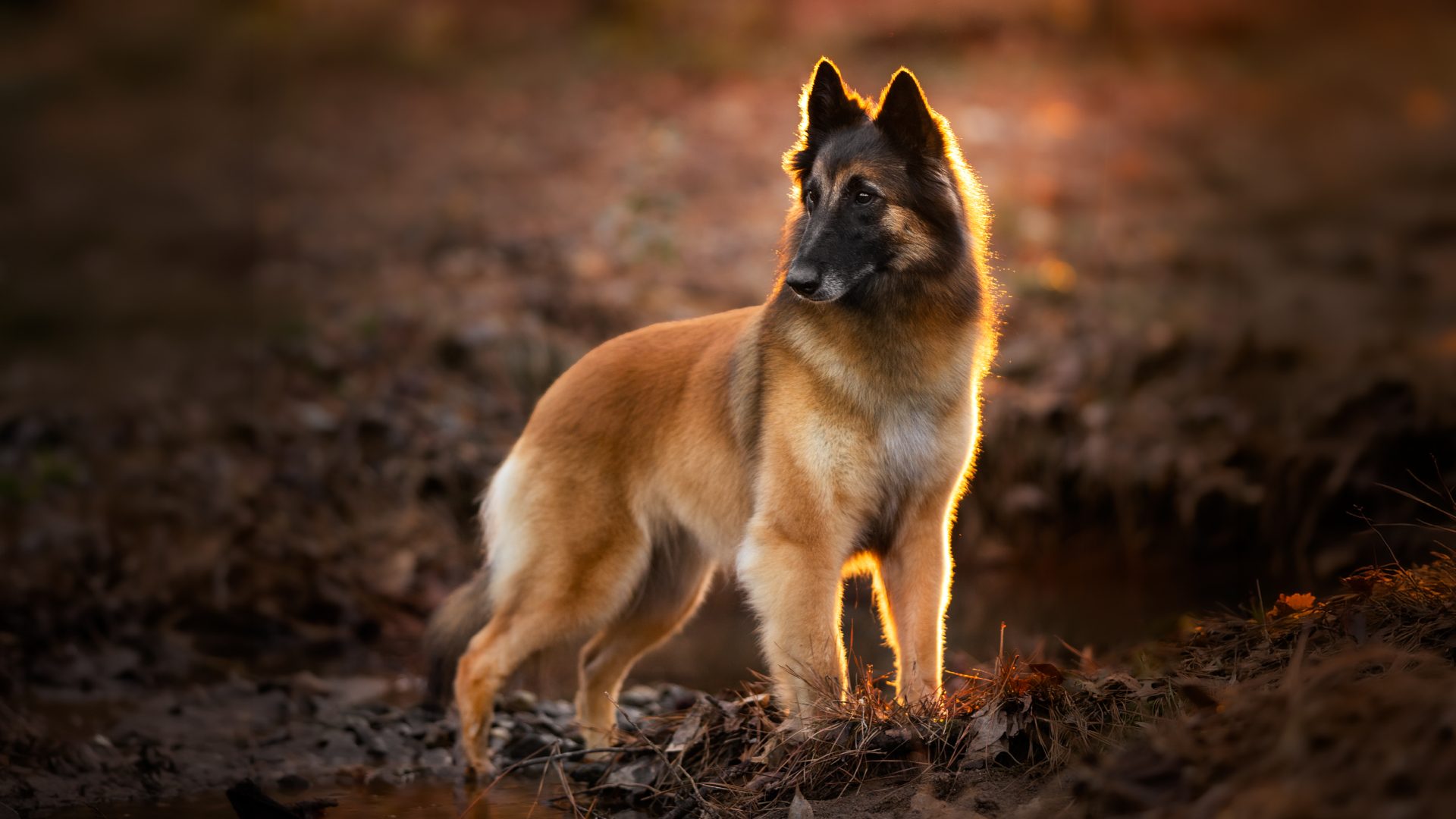
The Belgian Tervuren, often referred to simply as the Tervuren or “Terv,” is one of four Belgian sheepdog breeds/varieties that is distinguished by its long, flowing coat and dynamic presence. Known for its versatility, the Tervuren excels in a wide variety of roles, from a reliable working dog to a much loved companion in the home.
Highlights
02/History
The Belgian Tervuren, one of the four varieties of Belgian Shepherd, boasts a rich and storied history. Originating from the Tervuren region of Belgium, hence its name, this breed/variety has been a cherished herding companion for centuries.
The Tervuren, like its cousins (the Belgian Laekenois, Belgian Malinois, and Belgian Sheepdog), was primarily developed as a working dog, designed to herd livestock and protect the animals from potential threats. Given the varying regions of Belgium and the specific needs of local farmers, the dogs naturally diverged in coat type and color, eventually leading to the distinct breeds/varieties that are recognized by registries today.
While the primary function of the Belgian Tervuren was herding, the dog’s intelligence, loyalty, and versatility soon saw it serving in other roles, such as police work, search and rescue operations, and even as messengers and draft animals during wartime. World Wars I and II saw a decline in the breed's population due to the devastations of war, but dedicated breed enthusiasts worked diligently to revive and preserve it during the mid-20th century.
Official recognition of the Belgian Tervuren varies across different kennel clubs. The American Kennel Club (AKC) officially recognized the Belgian Tervuren as a distinct breed, separate from the other Belgian Shepherds, in 1959. On the other hand, the Fédération Cynologique Internationale (FCI) recognizes all the four Belgian Shepherds as variants of a single breed. The Royal Kennel Club (UK) recognizes the Belgian Tervuren under the collective name of "Belgian Shepherd Dog," but distinguishes the dogs by coat type and color.
Over time, the Tervuren has also made its mark in the Conformation show ring, not just as a working dog. With its elegant appearance, intelligence, and agility, the breed soon gained popularity in many countries, including the United States, where it has developed a devoted following.
Today, the Belgian Tervuren stands as a testament to the dedication of breed enthusiasts. Its enduring qualities of intelligence, loyalty, and versatility, have made it a favorite of many both at home and in the pasture.
03/Appearance
Adult male Belgian Tervuren typically stand between 24 and 26 inches tall at the shoulder, while mature females tend to be slightly smaller, ranging from 22 to 24 inches in height.
As for weight, males generally weigh between 55 and 75 pounds, with females usually weighing in the 45- to 60-pound range.
Skull: The Belgian Tervuren's skull is medium-sized, neither excessively broad nor narrow, with a moderate stop halfway between the tip of the nose and the occiput. The forehead is more flat than rounded.
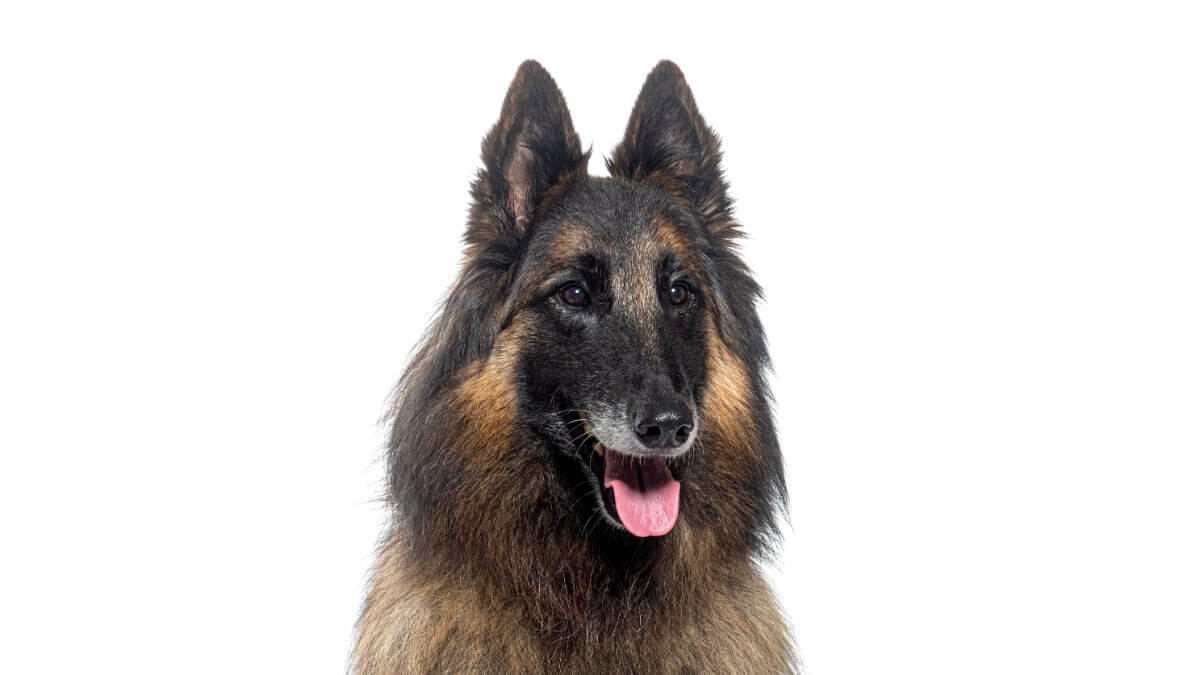
Expression: A hallmark of the breed, the expression is watchful, alert, and attentive. The eyes and ears play a pivotal role in conveying this dog's keen intelligence.
Eyes: Almond-shaped and of medium size, the eyes are set slightly obliquely. The preferred color is dark brown, although the exact shade will always harmonize with the coat color. Light-colored eyes are unacceptable.
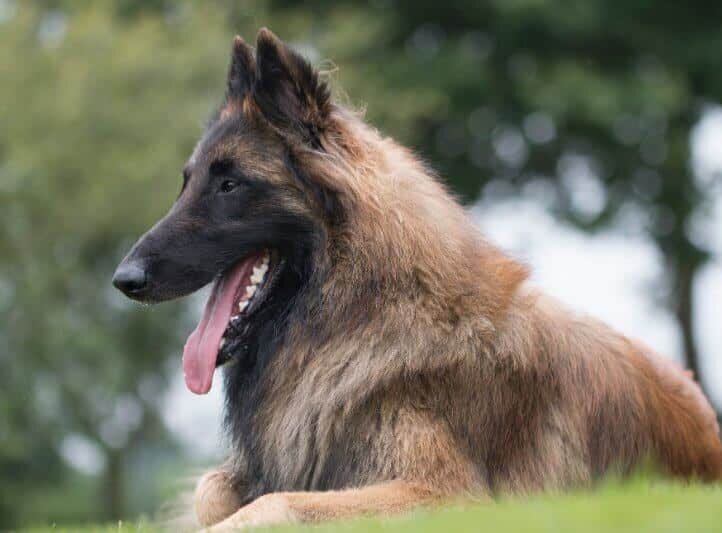
Ears: Erect and triangular, the ears are set high on the head, giving the breed its characteristic vigilant look. The ears are proportional to the head's size and come to a sharp point at the tip.
Muzzle: The muzzle is straight and parallel to the topline of the skull, tapering gradually to the nose. It is of equal length to the skull, creating a harmonious balance to the dog's profile.
Nose: The nose is always black in color, adding to the breed's striking appearance. It should not be spotted or discolored.
Bite: The Belgian Tervuren possesses strong jaws with a bite that is level or scissors. A scissors bite is where the upper incisors fit neatly over the lower incisors. Overshot and undershot bites are unacceptable.
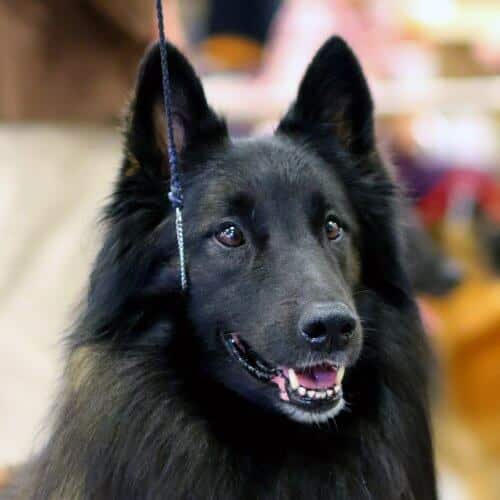
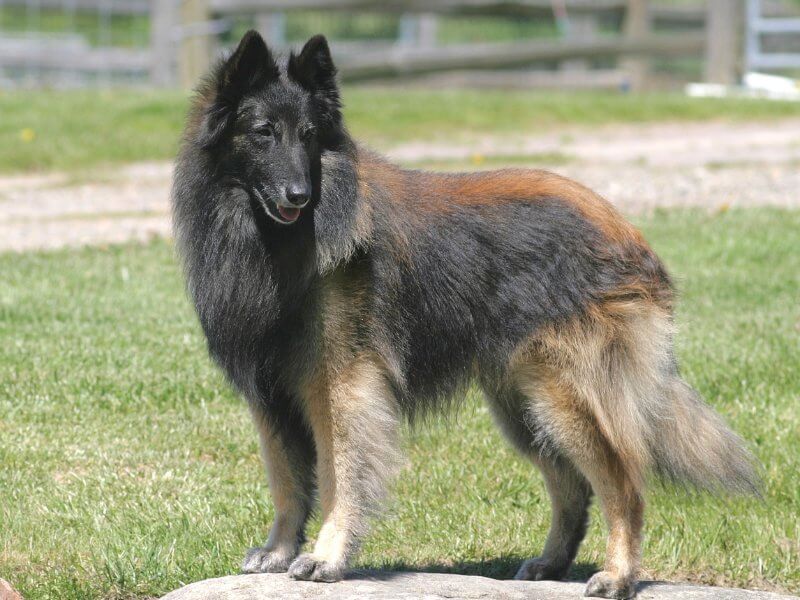
The Belgian Tervuren boasts a well-proportioned and robust body. The dog's length, measured from the point of the shoulder to the point of the buttocks, is roughly equal to the height at the withers, giving the Terv a nearly square profile. This breed/variety has strong bone, yet it doesn't appear heavy. Substance and elegance are both vital characteristics of the Tervuren, thus creating a harmonious balance of strength and agility.
Texture: The Belgian Tervuren boasts a double coat, designed to shield these dogs in various weather conditions. The outer coat is straight, abundant, and of medium length, aligning naturally with the body. The texture is neither silky nor rough. Instead, the texture lies somewhere in between, offering protection as well as creating the breed’s signature elegance. The undercoat, on the other hand, is dense and soft, ensuring insulation against harsh weather.
Standard Colors
Standard Markings
04/Consider
Choosing to welcome a Belgian Tervuren into the home is a rewarding experience, but like all breeds and mixed breeds, the Terv has its own unique requirements and characteristics. Potential owners should be aware of the breed's specific needs, temperament, and health considerations before commiting to the responsibilities that come with ownership.
Interaction With Family
The level of affection a breed typically shows towards family members and familiar individuals.
Good With Other Dogs
The innate friendliness of a dog towards other dogs can depend on its breed.
Good With Young Children
The degree to which a breed will typically be patient with young children.
Amount Of Shedding
How much hair a breed typically leaves behind on clothes, furniture and floors.
Frequency Of Grooming
How often a breed needs brushing, bathing or a professional trim to stay in condition.
Amount Of Drooling
How prone a breed is to drool, worth knowing before you keep a towel by the door.
Openness To Strangers
How openly a breed tends to greet new people, visitors and strangers.
Protective Nature
How likely a breed is to alert you to anything unfamiliar, and stand between you and it.
Playfulness Level
How enthusiastic a breed stays about games and play well past puppyhood.
Trainability Level
How readily a breed takes direction and works with you rather than around you.
Barking Level
How much a breed uses its voice, and how readily.
Energy Level
How much get-up-and-go a breed brings to an average day.
Health
The Belgian Tervuren is generally a healthy and robust breed/variety, one that is blessed with a long lineage of working dogs that have been bred for function as well as form. Lifespan: A well-cared-for Belgian Tervuren has an average lifespan of 12 to 14 years, although many have been known to live even longer.
The Belgian Tervuren is renowned not just for its physical allure, but also for its captivating personality. A dog imbued with both intelligence and a strong work ethic, the Terv is versatile and adaptable. However, these traits also mean that they have specific needs in terms of interaction and stimulation.
Tervuren, while incredibly loyal, forming deep bonds with their families, presents a unique set of challenges due to this dog’s intelligence and high energy levels. For novice dog owners, it's essential to be prepared to invest time into training and to maintain consistent boundaries that will harness the breed's full potential and ensure a harmonious relationship in the home.
When considering the sensitivity level of the Tervuren, one can note that this dog is deeply intuitive. Tervs are attuned to the emotions of their family members and will often act as mirrors, reflecting the mood of their environment. This makes them excellent companions, but it also means they will thrive best in a stable, loving environment.
Leaving a Tervuren alone for extended periods is not recommended. These dogs are social animals and benefit from consistent interaction and activity. Extended isolation can lead to anxiety or unwanted behaviors.
When it comes to socializing with other dogs, Tervuren generally fares well, especially if introduced appropriately. However, early socialization is key to ensure they're comfortable and confident around other canines.
Exercise Expectations
The exercise regimen for a Belgian Tervuren should be multifaceted. Tervs don't just require physical exertion, they also need mental stimulation. A simple walk around the block is insufficient for these dynamic dogs. Extended play sessions, jogging, hiking, and regular trips to a safe and secure dog park can help to channel the Terv’s energy productively. In terms of energy level, the Belgian Tervuren is on the higher end of the spectrum. Without the proper outlets for their energy, they can become restless or even develop behavioral issues. As such, it's crucial for potential owners to recognize and commit to the dog’s exercise needs. The intensity of their exercise sessions should be relatively high. Incorporating training sessions, agility courses, or fetch can ensure they're fully engaged both mentally and physically. It's worth noting that exercise isn't just about expending energy; it's also an opportunity for Belgian Tervuren to bond with their owners. Playfulness is another intrinsic trait of the Tervuren. This dog revels in interactive games and thrives in environments where it can engage in activities with their human counterparts. Whether it's a game of tug-of-war or frisbee, the Terv is always an eager participant. However, while ensuring they get ample exercise, it's essential to monitor Belgian Tervuren for signs of exhaustion or overexertion, especially in extreme weather conditions.
The experience of sharing a home with a Belgian Tervuren is both enriching and demanding. This dog’s intelligence, loyalty, and active nature shape the daily life of its families in many ways.
When considering apartment living, while the Belgian Tervuren is adaptable, the confined space of an apartment might not always be ideal for such an active breed. Tervs benefit from having a spacious yard where they can expend their energy and play. However, if ample exercise and engagement are provided, they can adjust to apartment life. Still, potential owners should be prepared to spend significant time outdoors with their Tervuren to meet their exercise requirements.
The Belgian Tervuren fares well in cold weather, given its thick double coat. This coat acts as insulation against colder temperatures, making these dogs more tolerant of chilly conditions. On the flip side, in hot weather, Tervs can be more susceptible to overheating. It's essential to provide them with shade, fresh water, and limit their physical activities during peak hours of heat or humidity.
05/Puppies
The allure of a Belgian Tervuren puppy is undeniable. With its fluffy coat and inquisitive eyes, these pups are guaranteed to captivate hearts instantly. However, behind that adorable facade is a bundle of energy and intelligence that requires nurturing guidance to mature into a well-adjusted adult.
From the moment they are brought home, Belgian Tervuren puppies demand attention, care, and consistent training. Their sharp minds are eager to learn, making early socialization and obedience training crucial. Introducing them to various environments, people, and other animals can shape their temperament and prevent undesired behaviors in the future.
Feeding Tervuren puppies a balanced diet is paramount. Puppy-specific formulas that cater to their growth needs are recommended. It's also important to monitor their food intake and make adjustments based on their activity levels, ensuring they maintain a healthy weight. Overfeeding during these formative months can lead to obesity and other health issues.
As with any puppy, a Belgian Tervuren's teething phase can be challenging. Offering chew toys will help to alleviate their discomfort and protect household items from their gnawing curiosity.
Establishing a routine early on – for feeding, potty breaks, playtime, and rest – can help the puppy feel secure and aid in smoother housebreaking.
Lastly, regular vet check-ups during the puppy phase will ensure the Belgian Tervuren puppy is on track with vaccinations and general health, setting a foundation for a long and happy life.
06/Activities
The Belgian Tervuren is not just a beautiful dog, it is also a versatile athlete, known for its intelligence, agility, and drive. These characteristics make the breed a perfect fit for various activities and dog sports.
Agility: With their quick reflexes and eagerness to please, Belgian Tervuren excel in Agility Trials. Their nimbleness and keen understanding of commands make them a favorite in this fast-paced, obstacle-based sport.
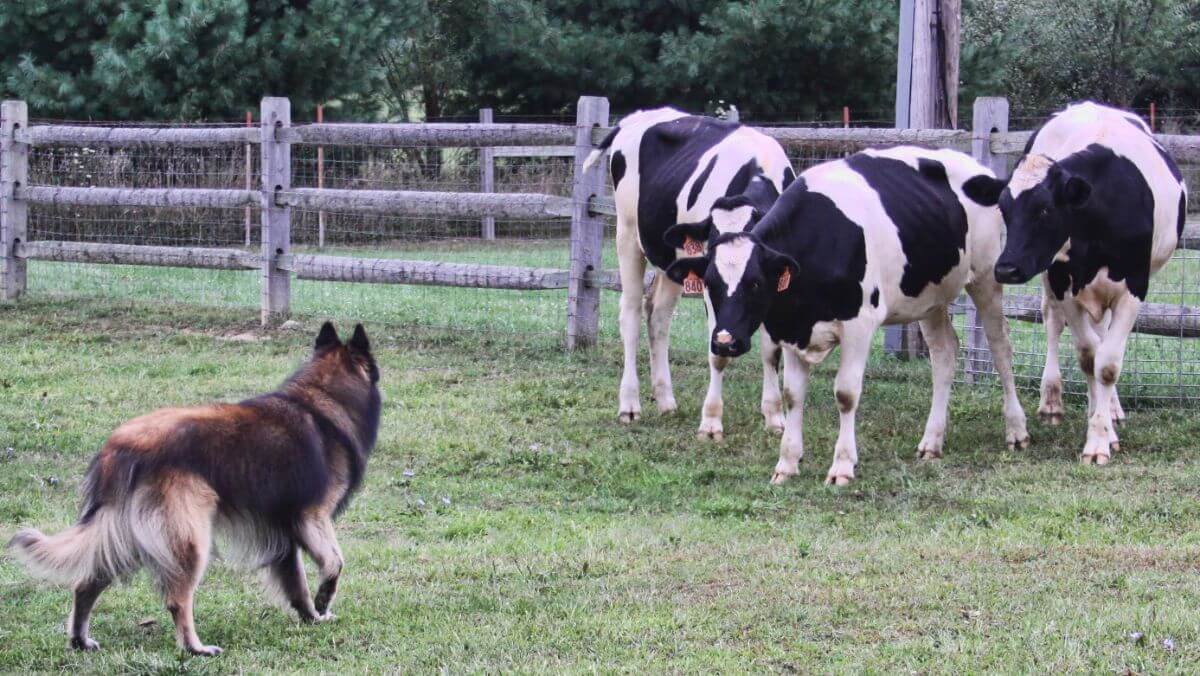
Herding Trials: Originally bred for herding, the Belgian Tervuren retains its natural instincts. This makes these dogs top contenders in Herding Trials, where they can demonstrate their skills in moving and controlling livestock.
Obedience: The breed's intelligence and trainability come to the forefront in Obedience Trials. Belgian Tervuren are known to perform commands with consistency and control, making them formidable competitors in this precision-based event.
Tracking: With a sharp nose and a keen sense of direction, many Belgian Tervuren are ideal candidates for Tracking events where they are tasked with following a scent trail and locating a specific item or person.
Flyball: Combining their love for fetching and their agility, Flyball is another sport offering the Belgian Tervuren an opportunity to shine. In this relay race, dogs must leap over hurdles, trigger a spring-loaded mechanism, catch a ball, and race back to a teammate that’s ready to do the same.
Rally: A more recent dog sport, Rally Obedience (or Rally-O) combines elements of Agility and Obedience. Belgian Tervuren often enjoy this sport as it keeps them mentally engaged and physically active.
Protection Sports: Given their heritage as working dogs, some Belgian Tervuren are trained for protection sports like Schutzhund, where they demonstrate their skills in tracking, obedience, and protection.
The Belgian Tervuren's versatility makes it one of the most well-rounded breeds in the world of dog sports. Whether they're showing off their beauty in the Conformation ring or herding sheep in a field, these dogs bring dedication and enthusiasm to every task they undertake.
Gallery
07/Standards
The Belgian Tervuren is recognized by the world's leading registries and kennel organizations, which categorize the breed into a specific Group based on its unique characteristics. This breed is recognized worldwide under the following Group designations:
The ideal Belgian Tervuren is described by a Breed Standard that is approved by each of the world’s leading registries and kennel organizations. The Breed Standards for this breed may be found in the following links:
08/Clubs
Being part of a dedicated community can be invaluable for Belgian Tervuren enthusiasts, breeders, and owners. Breed clubs often provide resources, educational materials, events, and support to those who share a passion for the Terv.In the United States, the American Belgian Tervuren Club (ABTC) stands out as a prominent organization. Established in the 1950s, the ABTC serves as the official parent club for the Belgian Tervuren under the auspices of the AKC. The club is deeply committed to the welfare and promotion of the breed, providing a platform for events, educational resources, and overall support for its members.In Canada, the Belgian Shepherd Dog Club of Canada (BSDCC) has taken up the mantle for not just the Tervuren but all four Belgian Shepherd varieties. This inclusive approach allows the club to cater to a broader audience, emphasizing responsible breeding and showcasing the diverse skills of the Belgian breeds.In the United Kingdom, the Belgian Shepherd Dog Association of Great Britain stands as a testament to the breed's enduring popularity and significance. Having been active since the early 20th century, this association encompasses all Belgian Shepherd varieties, emphasizing the breed's versatility from show rings to working trials.For anyone who is passionate about the Belgian Tervuren, these clubs offer a gateway into a community of fellow enthusiasts, providing invaluable resources, opportunities for engagement, and a shared love for this remarkable and hardworking herder.
09/Rescue
The beauty and grace of the Belgian Tervuren often lead to its admiration, but like all breeds, there are instances where these dogs may need a second chance at finding a loving home. This is where rescue groups play an invaluable role.In the United States, numerous rescue groups are affiliated with the American Belgian Tervuren Club (ABTC). These organizations work diligently to provide care and support for Tervurens that have been abandoned, mistreated, or surrendered. Their mission is to ensure that each dog finds a suitable forever home where they will be cherished and cared for.Canada, too, sees its fair share of Tervurens in need. Affiliates of the Belgian Shepherd Dog Club of Canada often have rescue arms dedicated to the breed, ensuring the dogs in need receive the specialized attention and care they require.In the United Kingdom, while specific Belgian Tervuren rescue groups might be uncommon, the Belgian Shepherd Dog Association of Great Britain frequently steps in. This group and its volunteers will assist in providing care for any Tervuren, or their Belgian Shepherd counterparts, who finds itself in need of rehabilitation and rehoming.
10/Facts
Unique Coat
The Belgian Tervuren's double coat is not just for show. It serves a practical purpose, protecting the dog from harsh weather conditions. This coat can also change colors slightly with the seasons and as the dog ages.
Versatile Worker
While the Tervuren is best known for its herding abilities, it has also been employed in a variety of roles, from police work to therapy work and even as service dogs, showcasing its adaptability and intelligence.
Name Origin
The breed's name, “Tervuren,” is derived from the village of Tervuren in Belgium, where the breed was notably developed.
Close Relations
The Belgian Tervuren is one of four Belgian Shepherd varieties, the others being the Malinois, Laekenois, and Groenendael. Each is named after the area in Belgium where they were predominantly developed.
Royal Connection
In the past, the Belgian Tervuren has found favor in royal circles. King Leopold II of Belgium was known to have been particularly fond of the breed/variety.
Mystical Appearance
Due to their striking and sometimes almost wolf-like appearance, Tervuren have sometimes been cast in movies and on TV shows as mystical or magical creatures, adding to their allure.
Sensitive Souls
While they are formidable in appearance and capability, Belgian Tervuren are known to be incredibly sensitive. They often form strong bonds with their families and can be deeply affected by significant changes or stress.
11/FAQ
Belgian Tervuren can make excellent pets for the right households. They are known for their intelligence, loyalty, and deep bond with their families. However, they do require consistent training, socialization, and ample physical and mental stimulation, making them better suited for active households or those familiar with the needs of working breeds.

Written by
Dan Sayers is the Executive Editor of SHOWSIGHT. He is a member of the World Dog Press Association and the Dog Writers Association of America, which recognized his illustrations in the award-winning Encyclopedia of K-9 Terminology. Dan is a longtime supporter of the sport of dogs and an advocate for the conservation of recognized breeds in all their forms and functions. He is a member of the Morris and Essex Kennel Club, and for 45 years, the Irish Water Spaniel Club of America where he serves as AKC Delegate, Archivist, and approved Breed Mentor. Dan breeds under the Quiet Storm prefix and has judged the IWSCA National Specialty Sweepstakes twice.
Official Standard of the Belgian Tervuren
General Appearance: The first impression of the Belgian Tervuren is that of a well-balanced, medium-size dog, elegant in appearance, standing squarely on all fours, with proud carriage of head and neck. He is strong, agile, well-muscled, alert and full of life. He gives the impression of depth and solidity without bulkiness. The male should appear unquestionably masculine; the female should have a distinctly feminine look and be judged equally with the male. The Belgian Tervuren is a natural dog and there is no need for excessive posing in the show ring. The Belgian Tervuren reflects the qualities of intelligence, courage, alertness and devotion to master. In addition to his inherent ability as a herding dog, he protects his master's person and property without being overtly aggressive. He is watchful, attentive, and usually in motion when not under command. The Belgian Tervuren is a herding dog and versatile worker. The highest value is to be placed on qualities that maintain these abilities, specifically, correct temperament, gait, bite and coat.
Size, Proportion, Substance: The ideal male is 24 to 26 inches in height and female 22 to 24 inches in height measured at the withers. Dogs are to be penalized in accordance to the degree they deviate from the ideal. Males under 23 inches or over 26½ inches or females under 21 inches or over 24½ inches are to be disqualified. The body is square; the length measured from the point of shoulder to the point of the rump approximates the height. Females may be somewhat longer in body. Bone structure is medium in proportion to height, so that he is wellbalanced throughout and neither spindly or leggy nor cumbersome and bulky.
Head: Well-chiseled, skin taut, long without exaggeration. Expression intelligent and questioning, indicating alertness, attention and readiness for action. Eyes dark brown, mediumsize, slightly almond shape, not protruding. Light, yellow or round eyes are a fault. Ears triangular in shape, well-cupped, stiff, erect; height equal to width at base. Set high, the base of the ear does not come below the center of the eye. Hanging ears, as on a hound, are a disqualification. Skull and muzzle measuring from the stop are of equal length. Overall size is in proportion to the body, top of skull flattened rather than rounded, the width approximately the same as but not wider than the length. Stop moderate. The topline of the muzzle is parallel to the topline of the skull when viewed from the side. Muzzle moderately pointed, avoiding any tendency toward snipiness or cheekiness. Jaws strong and powerful. Nose black without spots or discolored areas. Nostrils well defined. Lips tight and black, no pink showing on the outside when mouth is closed. Teeth - Full complement of strong white teeth, evenly set, meeting in a scissors or a level bite. Overshot and undershot teeth are a fault. An undershot bite such that there is a complete loss of contact by all the incisors is a disqualification. Broken or discolored teeth should not be penalized. Missing teeth are a fault. Four or more missing teeth are a serious fault.
Neck, Topline, Body: Neck round, muscular, rather long and elegant, slightly arched and tapered from head to body. Skin well-fitting with no loose folds. Withers accentuated. Topline level, straight and firm from withers to croup. Body - Croup medium long, sloping gradually to the base of the tail. Chest not broad without being narrow, but deep; the lowest point of the brisket reaching the elbow, forming a smooth ascendant curve to the abdomen. Abdomen moderately developed, neither tucked up nor paunchy. Ribs well-sprung but flat on the sides. Loin section viewed from above is relatively short, broad and strong, but blending smoothly into the back. Tail strong at the base, the last vertebra to reach at least to the hock. At rest the dog holds it low, the tip bent back level with the hock. When in action, he may raise it to a point level with the topline giving it a slight curve, but not a hook. Tail is not carried above the backline nor turned to one side. A cropped or stump tail is a disqualification.
Forequarters: Shoulders long, laid back 45 degrees, flat against the body, forming a right angle with the upper arm. Top of the shoulder blades roughly two thumbs width apart. Upper arms should move in a direction exactly parallel to the longitudinal axis of the body. Forearms long and well-muscled. Legs straight and parallel, perpendicular to the ground. Bone oval rather than round. Pasterns short and strong, slightly sloped. Dewclaws may be removed. Feet rounded, cat footed, turning neither in nor out, toes curved close together, well-padded, strong nails.
Hindquarters: Legs powerful without heaviness, moving in the same pattern as the limbs of the forequarters. Bone oval rather than round. Thighs broad and heavily muscled. Stifles clearly defined, with upper shank at right angles to hip bones. Hocks moderately bent. Metatarsi short, perpendicular to the ground, parallel to each other when viewed from the rear. Dewclaws are removed. Feet slightly elongated, toes curved close together, heavily padded, strong nails.
Coat: The Belgian Tervuren is particularly adaptable to extremes of temperature or climate. The guard hairs of the coat must be long, close-fitting, straight and abundant. The texture is of medium harshness, not silky or wiry. Wavy or curly hair is a fault. The undercoat is very dense, commensurate, however, with climatic conditions. The hair is short on the head, outside the ears, and on the front part of the legs. The opening of the ear is protected by tufts of hair. Ornamentation consists of especially long and abundant hair, like a collarette around the neck, particularly on males; fringe of long hair down the back of the forearm; especially long and abundant hair trimming the breeches; long, heavy and abundant hair on the tail. The female rarely has as long or as ornamented a coat as the male. This disparity must not be a consideration when the female is judged against the male.
Color: Body rich fawn to russet mahogany with black overlay is ideal and preferred. Predominate color that is pale, washed out cream or gray is a fault. The coat is characteristically double pigmented whereby the tips of fawn hairs are blackened. Belgian Tervuren characteristically become darker with age. On mature males, this blackening is especially pronounced on the shoulders, back and rib section. Blackening in patches is a fault. Although allowance should be made for females and young males, absence of blackening in mature dogs is a serious fault. Chest is normally black, but may be a mixture of black and gray. White is permitted on the chest/sternum only, not to extend more than 3 inches above the prosternum, and not to reach either point of shoulder. Face has a black mask and the ears are mostly black. A face with a complete absence of black is a serious fault. Frost or white on chin or muzzle is normal. The underparts of the body, tail, and breeches are cream, gray, or light beige. The tail typically has a darker or black tip. Feet - The tips of the toes may be white. Nail color may vary from black to transparent. Solid black, solid liver or any area of white except as specified on the chest, tips of the toes, chin and muzzle are disqualifications.
Gait: Lively and graceful, covering the maximum ground with minimum effort. Always in motion, seemingly never tiring, he shows ease of movement rather than hard driving action. He single tracks at a fast gait, the legs both front and rear converging toward the centerline of gravity of the dog. Viewed from the side he exhibits full extension of both fore and hindquarters. The backline should remain firm and level, parallel to the line of motion. His natural tendency is to move in a circle, rather than a straight line. Padding, hackneying, weaving, crabbing and similar movement faults are to be penalized according to the degree with which they interfere with the ability of the dog to work.
Temperament: In his relationship with humans he is observant and vigilant with strangers, but not apprehensive. He does not show fear or shyness. He does not show viciousness by unwarranted or unprovoked attack. He must be approachable, standing his ground and showing confidence to meet overtures without himself making them. With those he knows well, he is most affectionate and friendly, zealous for their attention and very possessive.
Faults: Any deviation from these specifications is a fault. In determining whether a fault is minor, serious, or major, these two factors should be used as a guide: 1. The extent to which it deviates from the standard. 2. The extent to which such deviation would actually affect the working ability of the dog.
Disqualifications: Males under 23 inches or over 26½ inches or females under 21 inches or over 24½ inches. Hanging ears, as on a hound. An undershot bite such that there is a complete loss of contact by all the incisors. A cropped or stump tail. Solid black, solid liver or any area of white except as specified on the chest, tips of the toes, chin, and muzzle.
Approved January 9, 2007
Effective March 1, 2007


Meet the Judges
Sharon Ann Redmer reflects on judging Herding breeds at Westminster 2026, highlighting breed function, type, and standout winners.

Meet the Breeders
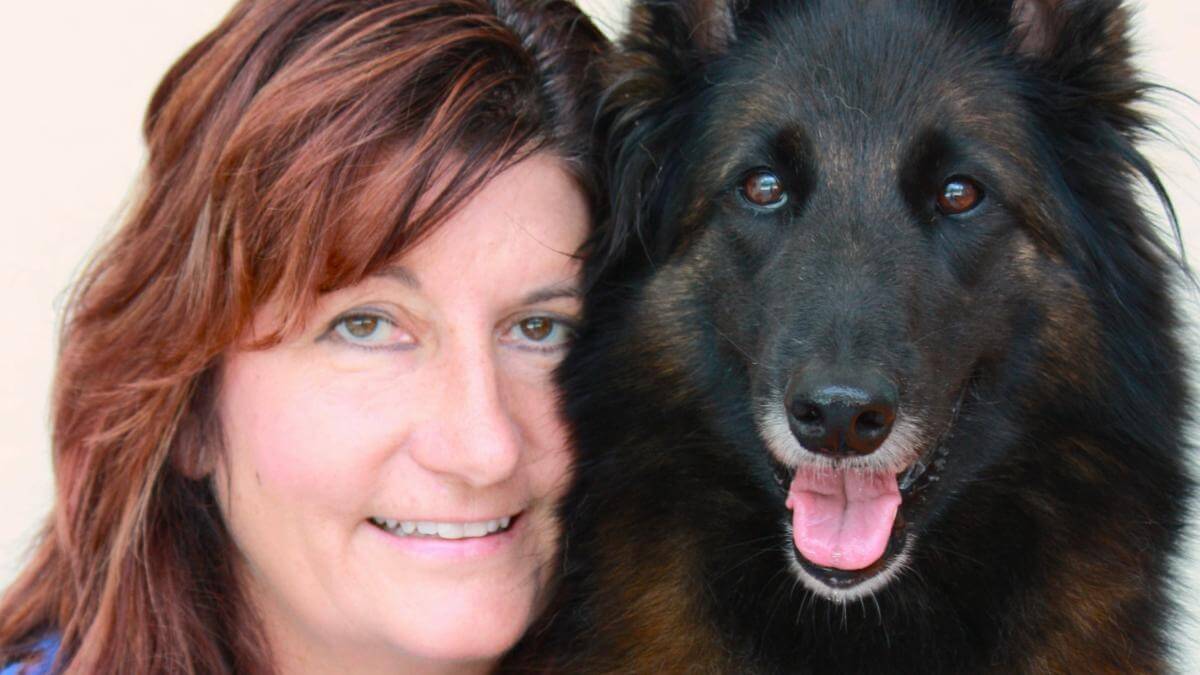
Robyn Cosenza of CoKo Belgian Tervuren shares her breeding journey, focus on genetics, and hopes for the sport’s evolving future.
Meet the Breeders
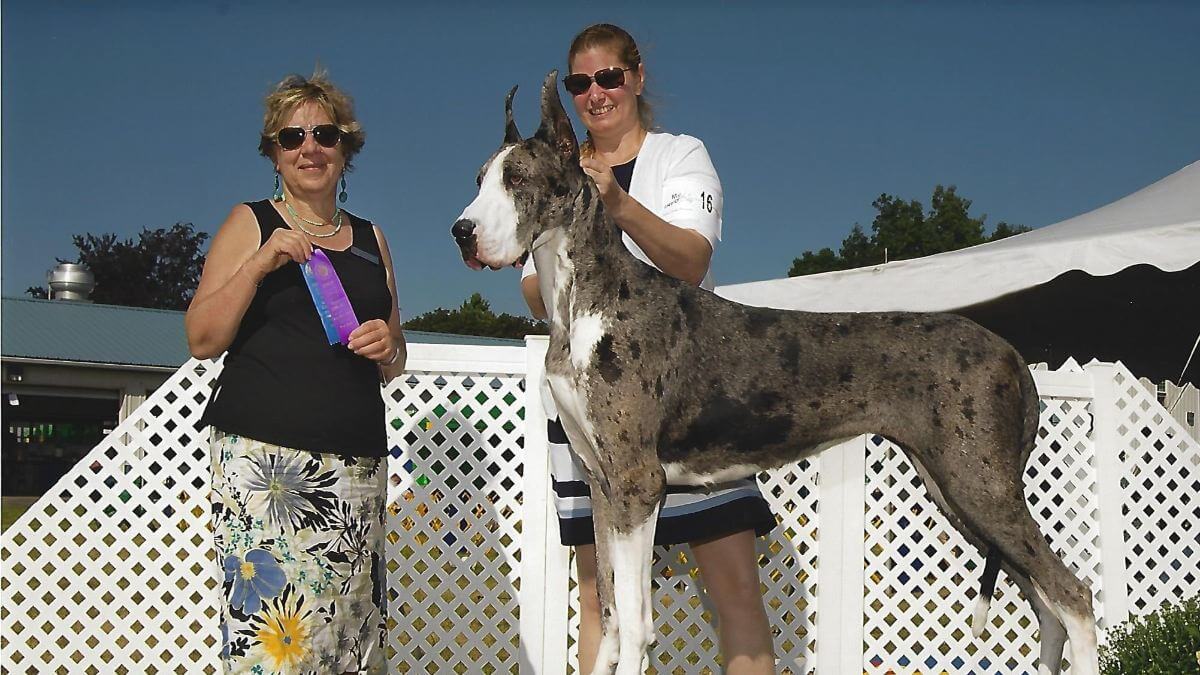
Interview with Herding Group Breeder Janina Laurin – I live in Connecticut. I am a second generation dog owner/breeder/judge, so I always

Canine Health
Discover how understanding genetic mutations helps Belgian Tervuren breeders reduce epilepsy and improve the breed’s overall health.
Discover the versatile, intelligent, and agile Belgian Tervuren! Ideal for active owners, they bond deeply and excel in various roles.

Meet the Breeders
Belgian Tervuren breeder Michelle Edling discusses breed, challenges, and positive changes in the dog show community.
Meet the Breeders
Belgian Tervuren breeder Alleyne Dickens discusses breed, challenges, and positive changes in the dog show community.

All About Judging
Learn how to judge Belgian Tervuren dogs. Explore key factors like type, temperament, and movement for a comprehensive understanding.
Canine Health
Idiopathic epilepsy is the most common medical neurologic disorder in dogs. It is defined as seizures with no identifiable cause. Learn more.
The Belgian Tervuren's tail is a continuation of the dog's elegant silhouette, further accentuating the dog’s graceful presence and agile demeanor.
The tail of the Tervuren is strong at its base and gradually tapers towards the end. When the dog is at rest, the tail hangs down and reaches at least to the hock. The tip may curve slightly upward, but it does not form a hook. In action, or when the dog is excited, the tail is raised but should never curl over the back.
The tail is well-covered with thick, long hair, forming a plume. This luxurious fringe is not only a sight to behold, it also reflects the breed's adaptability to various weather conditions, as it provides an additional layer of protection against the elements.
It is worth noting that the Belgian Tervuren's tail is never docked, thus allowing it to express a full range of emotions, from alertness to relaxation. The natural tail further contributes to the dog's natural beauty.
A Note About Color: The coat of the Belgian Tervuren consists of double-pigmented hairs that are black-tipped, giving an overlay appearance. This blackening is most pronounced on the shoulders, back, and ribs; it does not appear in patches. The ears are black, as is the face where it forms a mask. The coat’s color on the underside of the body, breeches, and tail may be cream, gray, or light beige. White is acceptable only on the chest and/or the tips of the toes. Otherwise, white markings are a serious offense, as are solid black- or solid liver-colored dogs.
Coat Type
Double
The structure of the coat this breed carries.
Coat Length
Medium
How long the breed's coat grows when kept in condition.
Adaptability Level
How easily a breed copes with changes in home, routine, noise and weather.
Mental Stimulation Needs
How much a breed needs a job, a puzzle or training to stay content.
Their disposition towards young children is typically gentle and protective. However, like with all breeds and mixed breeds, it's crucial to teach children how to approach and interact with the dog, ensuring a harmonious relationship.
In terms of being dog-friendly, the Tervuren is generally accepting of other canines, especially when raised together or when they've undergone proper introductions.
Lastly, when it comes to strangers, the Belgian Tervuren is naturally protective and might be reserved initially. Proper introductions and early socialization can help them to discern between genuine threats and benign visitors.
Feeding the Belgian Tervuren properly is vital to support its active lifestyle and maintain its radiant coat. These dogs thrive on a balanced diet tailored to their age, size, and activity level.
For a Belgian Tervuren puppy, it's crucial to provide a diet specifically formulated for large breed puppies. This helps in promoting steady growth and preventing issues like hip dysplasia in the future. Puppies typically require more frequent meals, often divided into three or four portions throughout the day.
Once the Tervuren transitions into adulthood, the dietary needs will change. An adult Belgian Tervuren, depending on its activity level, may require about 2 to 3 cups of high-quality dog food daily. This amount should be divided into two meals to promote better digestion and to prevent the risk of bloat, a condition to which large breeds can be susceptible.
It's worth noting that the exact amount of food may vary based on the dog's weight, metabolism, and daily activities. Therefore, regular consultation with a veterinarian or a pet nutritionist is recommended to determine an optimal feeding chart and for adjusting portions as necessary.
For those Tervuren involved in high-intensity activities or dog sports, their calorie intake might need to be increased. It's essential to monitor their weight and condition, adjusting the food quantity to be sure they remain lean and fit, rather than overweight.
In all cases, access to fresh and clean water is paramount. Regularly checking and refilling the water dish guarantees that the Belgian Tervuren remains hydrated, especially after periods of rigorous activity.
The Belgian Tervuren is recognized for its keen intellect and eagerness to work, making it both a joy and a challenge to train. With a heritage deeply rooted in herding, this breed brings a high level of enthusiasm and energy to tasks, requiring a handler who can match its vigor.
Ease of training is one of the Belgian Tervuren's strong suits, but it's not to be confused with simplicity. The intelligence of this dog means it catches on quickly, but it can also easily pick up bad habits if not correctly guided. Consistency, positive reinforcement, and early socialization are the cornerstones of successful training for this breed/variety.
While they are alert and attentive, Belgian Tervuren do have a tendency to bark, especially when guarding or herding. Proper training from a young age can help to control excessive barking, ensuring they bark for a reason and not just out of habit.
Regarding intelligence, the Belgian Tervuren ranks highly among dog breeds. Tervs thrive on mental stimulation, and training sessions often double as brain workouts for them. Puzzle toys and advanced obedience classes can keep their minds sharp and engaged.
Wanderlust potential is relatively low for the Belgian Tervuren when compared to some breeds. However, given their herding background, Tervs might chase after moving objects, including cars or bicycles. Proper recall training and a secure fence are essential to keep them safe at all times.
Lastly, the prey drive or predation instinct is inherent in many herding breeds, including the Belgian Tervuren. While these dogs might not necessarily want to harm smaller animals, their instinct to chase can be strong. Early training and socialization can help to manage this instinct, ensuring they can coexist peacefully with other household pets.
Grooming Expectations
The Belgian Tervuren's grooming is somewhat demanding due to its double coat that experiences seasonal shedding, especially in the spring and fall. These periods call for increased grooming sessions to handle the abundant hair and to avoid matting. Regular brushing, at least a couple of times a week with a pin brush or slicker brush, is essential to eliminate loose hair and for distributing the coat's natural oils. Additionally, periodic baths will ensure the Terv’s coat remains clean and shines with vitality. When discussing the amount of shedding, it's safe to say that the Belgian Tervuren is not a light shedder. Potential owners should be prepared for a fair amount of hair around the house, especially during the shedding seasons. Investing in a good vacuum cleaner and having lint rollers on hand can be beneficial. Beyond just the coat, other grooming essentials include regular nail trimming, ear cleaning to prevent infections, and dental care to ensure optimal oral health.