Members
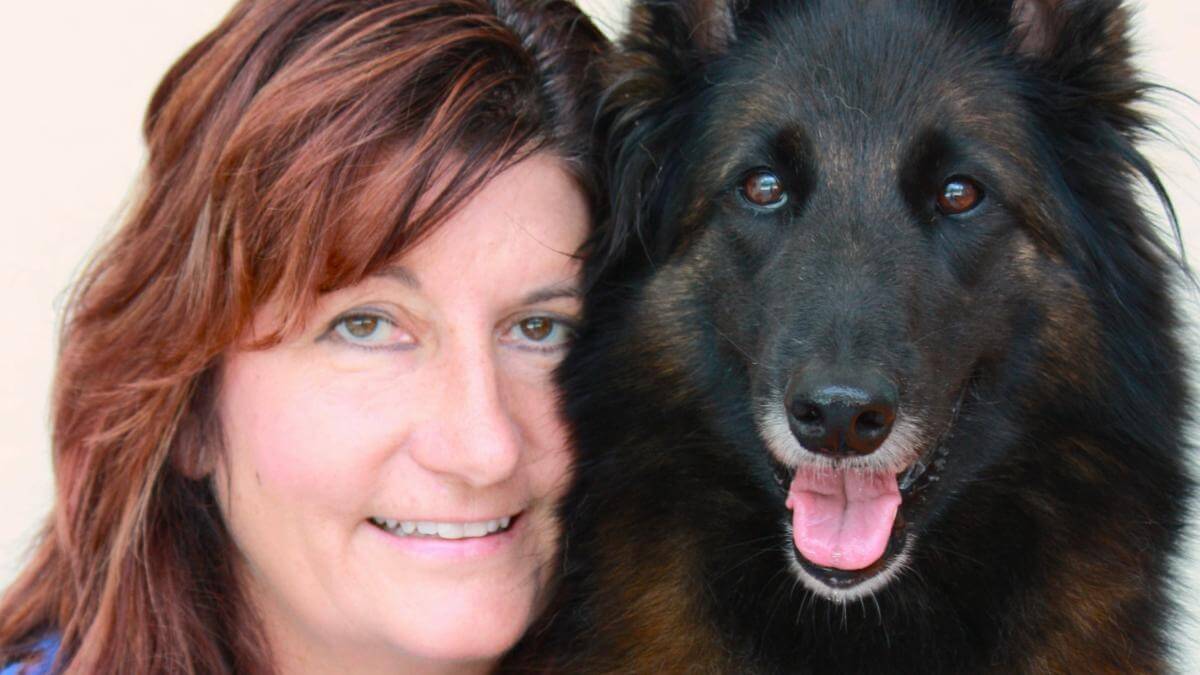
Robyn Cosenza of CoKo Belgian Tervuren shares her breeding journey, focus on genetics, and hopes for the sport’s evolving future.
The Weekly Brief
The best of SHOWSIGHT editorials, weekly wins, and breeder commentary — delivered to your inbox every Sunday morning.
Robyn Cosenza
1. My name is Robyn Cosenza and I’ve been living in Central Florida for almost 10 years now, but I originally hail from Central Connecticut. My family has a history with dogs; my dad and grandfather raised and bred Champion German Shepherd Dogs, and I grew up with a Shetland Sheepdog. I have had Belgian Tervuren for 17 years and the first of several litters, under the CoKo Belgian Tervuren Kennel name, was born in 2013.
2. In my opinion, the Tervuren is a dog of unique beauty. When you see the silhouette of a Belgian, it cannot be denied. Length of neck, head carriage, and standing firm on all fours all contribute to the square, medium-sized breed that they are.
While they are sometimes described as aloof, I find them to be very alert and watchful of their surroundings, and they can be quite focused. They have a need to work.
All of these characteristics are central for their original purpose, guarding and moving farmers’ flocks of sheep, and are just as important today, especially given the various roles we ask them to play.
3. When evaluating potential homes for our puppies, the type of home we’re looking for significantly influences availability. I believe there are more companion homes available than show or breeding homes at this time.
4. While I have had my dog’s DNA tested, I’ve found that the limited adoption of this practice by others in the breeding community makes it challenging to fully leverage the newer scientific technologies available to us. It’s comparable to checking the air pressure on only two tires of a car and neglecting the other two.
For my last three litters, artificial insemination was used for conception, with the most recent two utilizing frozen semen imported from Europe. My aim is to incorporate more genetically diverse dogs into my breeding program. This is particularly relevant given that, in other countries, the Belgian Tervuren is considered a variety rather than a distinct breed, allowing them to be bred with the other three varieties (Belgian Malinois, Groenendael [also known as the Belgian Sheepdog], and Laekenois). This is not permissible here in the US.
I believe that broader adoption of DNA testing could greatly benefit our breeding practices by providing a more comprehensive understanding of our dogs’ genetic makeup.
5. Unfortunately, based on what I’ve seen in the media and in discussions, it seems that the prevailing public opinion still favors adopting dogs rather than purchasing from a responsible breeder. I believe changing the public’s perception of purebred dogs will continue to be an uphill battle.
6. I’ve noticed that if there are three similar-looking dogs in the ring alongside two that are different, the similar dogs tend to place, even if they don’t conform to the correct Breed Standard as well as the other two. Judges should revisit their education of the Standard to ensure they can recognize the dogs that conform to it versus those that look alike, then, must be correct.
I believe the sport as a whole needs to be reevaluated. I’m not sure what that would entail, but with everything around us changing, this sport should also adapt to ensure its future.
7. I believe the recent changes in Junior Showmanship will be instrumental in attracting younger participants to the sport. This is a vital step to the sports’ continued growth and success. We should continue to explore ways to support our Junior exhibitors, to ensure their continued engagement and development in the sport.

Meet the Breeders