01/Overview
The English Springer Spaniel is renowned for its agility, intelligence, and affable demeanor. Traditionally used as a working gundog, this outgoing and attractive breed has since won the hearts of many as a beloved family companion. With an eager-to-please personality and a love for outdoor activities, the “Springer” has continued to gain popularity among hunting enthusiasts and urban dwellers alike.
Highlights
02/History
The English Springer Spaniel boasts a rich history that stretches back to the 19th century and the advent of dog shows and field trials. Known for its exceptional flushing and retrieving skills, the breed's origins are deeply rooted in the British Isles.
The name "spaniel" is believed to have derived from the Spanish word "Espanol," indicating that these dogs could have a Spanish connection. However, it was in England that they were refined and developed into the breeds that are recognized today. Historical records, including art and literature from the Renaissance, depict dogs that closely resemble today's English Springer Spaniel.
During the 17th and 18th centuries, spaniels in England were primarily categorized based on their size and hunting functions. The larger ones, adept at flushing game out of dense vegetation, were termed "springers" because of their ability to "spring" game for the falcon or nets. As individual breeds began to emerge, selective breeding started to focus on specific traits, leading to the distinction between the English Springer Spaniel and its close cousins, the Field Spaniels and Cocker Spaniels.
The late 19th and early 20th centuries marked significant milestones for the Springer. In 1902, The Royal Kennel Club in the UK distinguished it as a separate breed. Recognition soon crossed the Atlantic, with the American Kennel Club (AKC) officially acknowledging the breed in 1910.
Through subsequent years, in both the field and in the show ring, the Springer has garnered considerable acclaim. The breeds’ versatility and endearing temperament have solidified its reputation as both a exceptional gun dogs and an extraordinary show dog.
Today, the English Springer Spaniel enjoys widespread admiration, reflecting its innate abilities and its outgoing disposition. Whether in a show ring, a suburban backyard, or a country estate, the breed's legacy lives on.
03/Appearance
Adult male English Springer Spaniels ideally stand 20 inches tall at the shoulder, while mature females tend to be slightly smaller, measuring around 19 inches in height.
In terms of weight, males average about 50 pounds, with females weighing closer to 40 pounds.
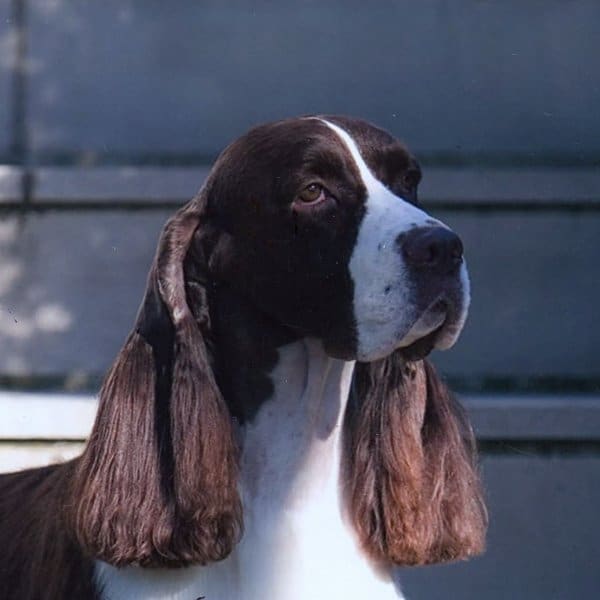
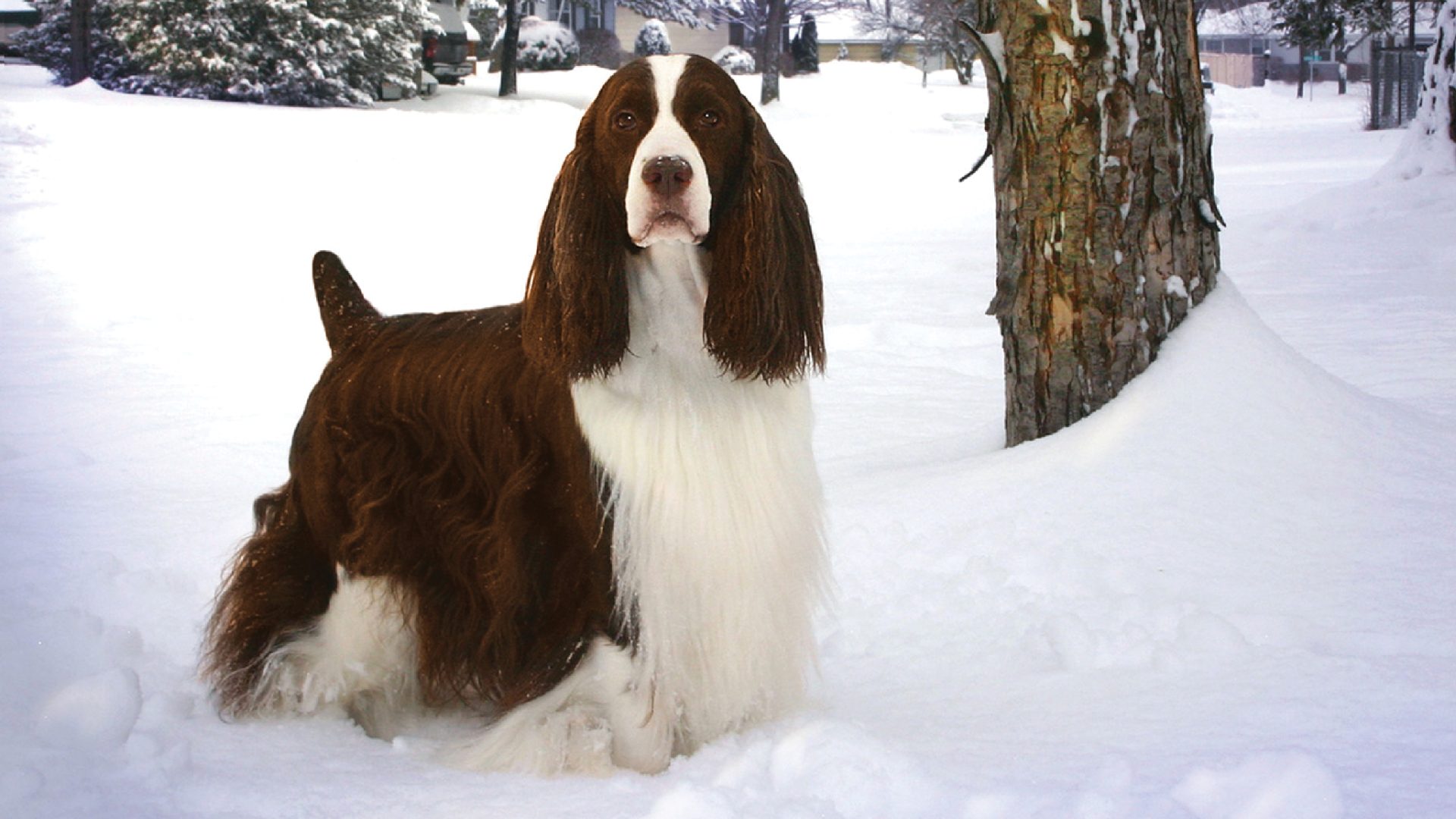
The English Springer Spaniel presents a balanced and useful form. Medium-sized and sturdy, this breed is robust without appearing bulky. In profile, the Springer’s back is level from the withers to a slightly sloping croup. The body, when measured from the shoulder to the buttocks, is a bit longer than the dog's height at the withers. This proportionality ensures the breed's agility and fluid movement, reflective of its working origins as a top-flight bird dog.
Texture: The English Springer Spaniel boasts a double coat that provides insulation and protection on land and in water. It is medium in length, flat or wavy, and lies close to the body. Its texture is neither too coarse nor too silky. The hair is short and fine on the head, on the front of the forelegs, and on the front of the rear legs below the hocks. The ears, chest, belly, and legs are feathered with longer fringe. The coat is typically trimmed, but it should not be excessively stylized.
Standard Colors
04/Consider
Owning an English Springer Spaniel can be a delightful experience. Renowned for its cheerful disposition and boundless energy, these dogs bring joy to any household and easily fit it in as loyal companions. However, as with any dog, potential owners should be well-informed about the breed's characteristics, needs, and potential challenges.
Interaction With Family
The level of affection a breed typically shows towards family members and familiar individuals.
Good With Other Dogs
The innate friendliness of a dog towards other dogs can depend on its breed.
Good With Young Children
The degree to which a breed will typically be patient with young children.
Amount Of Shedding
How much hair a breed typically leaves behind on clothes, furniture and floors.
Frequency Of Grooming
How often a breed needs brushing, bathing or a professional trim to stay in condition.
Amount Of Drooling
How prone a breed is to drool — worth knowing before you keep a towel by the door.
Openness To Strangers
How openly a breed tends to greet new people, visitors and strangers.
Protective Nature
How likely a breed is to alert you to — and stand between you and — anything unfamiliar.
Playfulness Level
How enthusiastic a breed stays about games and play well past puppyhood.
Trainability Level
How readily a breed takes direction and works with you rather than around you.
Barking Level
How much a breed uses its voice, and how readily.
Energy Level
How much get-up-and-go a breed brings to an average day.
Health
The English Springer Spaniel, when well cared for, is generally a healthy and robust breed. However, like all breeds and mixed breeds, they can be prone to certain health conditions. It is crucial for owners to be proactive in their pet's health, maintaining a regular veterinary schedule and being observant of any behavioral or physical changes. Lifespan: On average, a well-cared-for Springer can live between 12 and 14 years, although many have been known to surpass this with proper care, lots of love, and a bit of luck.
The English Springer Spaniel boasts a temperament that’s often described as affable and eager to please. The breed’s cheerful disposition allows these dogs to form strong bonds with their families and thrive on human interaction. These traits make them a suitable choice for first-time dog owners, as they're accommodating and tend to respond positively to gentle guidance and training. Their sensitivity means they resonate best with positive reinforcement training methods; harsh treatment or scolding can potentially lead them to become timid and mistrustful.
Although they cherish their independence to a certain degree, Springers are not fans of solitude. Extended periods of being alone can trigger feelings of separation anxiety. As such, potential owners should be prepared to offer them consistent companionship or at least ensure they aren't left isolated for long durations.
Socially, they typically get along splendidly with their canine counterparts. With proper socialization from a young age, most Springers become quite overjoyed around other dogs. Their gentle and playful demeanor also makes them ideal companions for children. However, as with any breed, interactions between dogs and young kids should always be supervised to guarantee the safety of both parties.
The English Springer Spaniel’s warm nature usually extends to strangers as well. While these dogs might approach unfamiliar faces with a hint of caution initially, with proper introductions, they're often welcoming and friendly to the people they meet. In essence, the Springer, with its delightful personality and adaptable nature, can integrate smoothly into a variety of households, offering affection and joy in abundance.
Exercise Expectations
While they might adjust to shorter walks on occasion, Springer Spaniels generally benefit from long walks, off-leash playtime in secure areas, and interactive games like fetch. Their agility and energetic movements make them great companions for more rigorous activities like hiking or jogging, always taking care to ensure it's a safe environment for the dog. The Springer’s energy levels are often described as above average, which means this breed isn't the type to lounge around all day. Without adequate exercise, these dogs might resort to unwanted behaviors out of boredom or pent-up energy. It's not just physical exercise that these spaniels crave; their sharp minds need stimulation too. Integrating puzzle toys, obedience training, or even agility courses can be an excellent way to engage both their bodies and minds. Yet, despite their energetic nature, Springer Spaniels are equally content spending downtime with their families. After a day of play and activity, they'll relish the opportunity to relax by their favorite person’s side, proving once again their adaptability and desire for companionship. In terms of playfulness, English Springer Spaniels are known to retain a puppy-like enthusiasm well into their adult years. Their spirited and fun-loving nature makes them delightful playmates, whether it's with humans or other dogs. However, it’s always necessary to be certain that their exercise regimen aligns with their age, health, and individual needs.
Living with an English Springer Spaniel is a delightful experience marked by affection, energy, and loyalty. The breed’s versatile nature means these dogs can adapt to various living situations, but there are certain aspects to consider that will support a comfortable and fulfilling life.
In terms of housing, while they are adaptable to apartment living, Springer Spaniels thrive best in homes with a yard or access to open spaces. Their inherent energy levels require space to roam, play, and exercise. However, if residing in an apartment, it becomes even more vital to provide them with regular outdoor activities and daily walks to compensate for the limited space.
Climate considerations are also essential. Springers have a medium-length coat that provides them with some protection against the cold. They can tolerate cold weather reasonably well, but it's always wise to monitor them during extreme weather conditions, ensuring they aren't exposed for extended periods. Their coat also offers some protection in warmer climates, but like all dogs, they can be susceptible to overheating. In hot weather, it's crucial to provide plenty of water and shade, and limit their exposure during peak heat hours.
The breed is known for its sociable nature, meaning Springer Spaniels cherish time spent with their families. Extended periods of isolation or loneliness can lead to anxiety or undesirable behaviors. They fare best in environments where they have consistent interaction, be it with humans or other pets.
The English Springer Spaniel’s intelligence and curiosity might sometimes lead them to explore, so it's essential to have a secure fence or boundary if they're playing outside unsupervised. This all but guarantees they don't wander off or chase after potential distractions.
05/Puppies
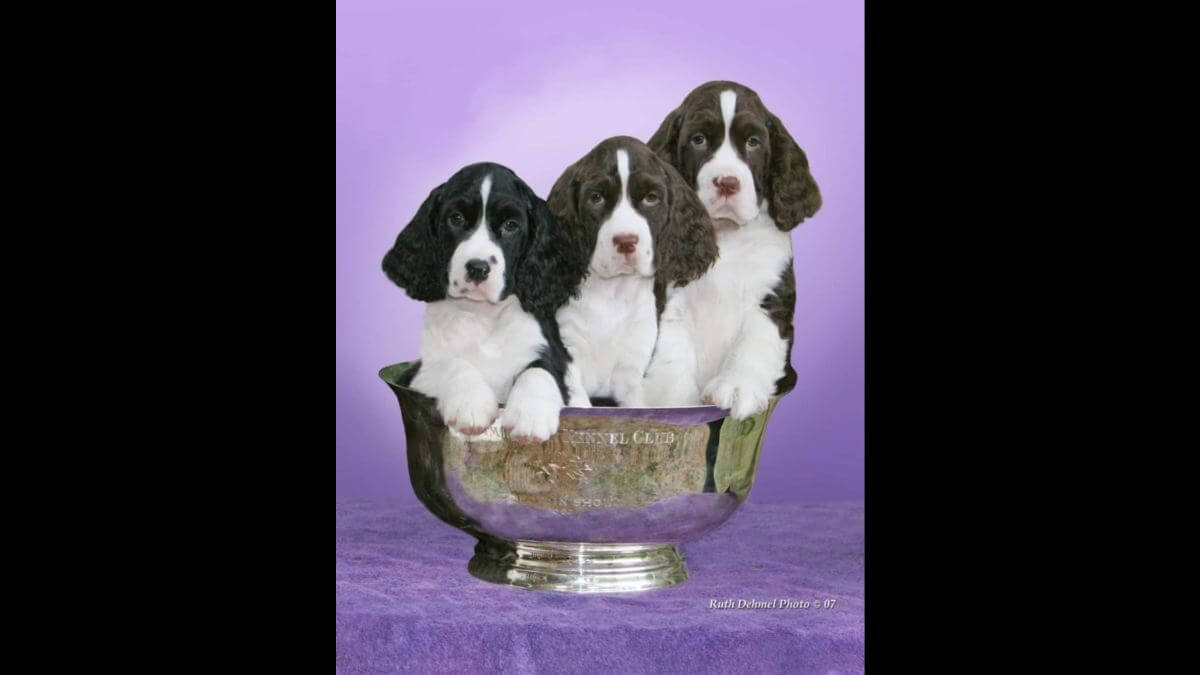
The arrival of English Springer Spaniel puppies is an event filled with excitement and anticipation. These little bundles of joy, with their boundless energy and heart-melting expressions, are sure to bring delight to any household. However, it's essential to remember that puppies are in their formative stages, and the environment and care they receive now will significantly influence their temperament and health as adults.
Raising an English Springer Spaniel puppy is both a privilege and a responsibility. During their first few weeks, these puppies require a lot of care, attention, and patience.
Diet is of paramount importance. Puppies have specific nutritional needs to support their growth and development, so it's crucial to feed them high-quality puppy food that meets all their dietary requirements. Consultation with a vet or breeder can provide guidance on the best brands and feeding schedules.
Socialization during the early stages is also vital. Introducing puppies to various people, pets, sounds, and environments can significantly influence their temperament as adults. Positive encounters during this phase can result in well-adjusted, confident adult dogs. However, remember that until puppies have their full set of vaccinations, it's essential to be cautious about where they're taken and which animals they interact with.
Training should begin early, using positive reinforcement techniques. Springer Spaniels are eager to please and respond well to consistent and gentle guidance. Housetraining, basic commands, and crate training can start in the puppy stage, laying the foundation for good behavior in the future.
Regular vet check-ups during the Springer’s first year are crucial to monitor the puppy’s growth and to be sure it receives all the necessary vaccinations and treatments. This preventative care can help to identify and address potential health issues before they become severe.
Lastly, playtime and affection play a pivotal role in the life of an English Springer Spaniel puppy. These moments and interactions not only strengthen the bond between puppy and owner, they also contribute to everyone’s overall well-being and happiness.
06/Activities
The English Springer Spaniel's inherent energy and keen intelligence make these dogs naturally inclined towards a range of physical activities and dog sports. Rooted in their hunting origins, these traits provide them an edge in various competitions and events.
Engaging an English Springer Spaniel in these activities and sports supports their physical and mental well-being, fostering a closer bond between the dog and its handler. Whether it's formal dog sports or casual play, keeping these dogs active is paramount to their happiness and health.
Gallery
07/Standards
The English Springer Spaniel is recognized by the world's leading registries and kennel organizations, which categorize the breed into a specific Group based on its unique characteristics. This breed is recognized worldwide under the following Group designations:
The ideal English Springer Spaniel is described by a Breed Standard that is approved by each of the world’s leading registries and kennel organizations. The Breed Standards for this breed may be found in the following links:
08/Clubs
09/Rescue
10/Facts
Name Origins
The term "Springer" in the breed's name originates from its historical job in the field. The dogs were used to "spring" or flush game out of hiding spots, primarily for the hunter’s table.
Versatile Workers
Beyond their primary role as a hunting companion, English Springer Spaniels have been employed in various capacities, including search and rescue operations and as sniffer dogs, thanks to their keen sense of smell.
Starring Roles
The breed has made cameo appearances in various films and TV shows over the years. The Springer’s charm and distinct appearance make it a favorite in several entertainment mediums.
Oldest Spaniel Breed
The English Springer Spaniel is often considered the foundation for the English hunting spaniels. Its history dates back over 500 years, making it one of the oldest gundog breeds.
High Intelligence
The Springer is renowned for its intelligence. These dogs are quick learners, which has made them valuable companions in the field and at home. However, this intelligence also means they require engaging activities and mental stimulation to prevent boredom.
Swimming Affinity
English Springer Spaniels are natural swimmers. Originating in an era of waterfowl hunting, many Springers still retain a love of water and are excellent swimmers.
11/FAQ
Yes, English Springer Spaniels shed. They have a double coat, with a soft, insulating undercoat and a longer outer coat. Regular grooming, including combing and brushing several times a week, can help to manage and reduce the amount of loose hair.
Official Standard of the English Springer Spaniel
General Appearance: The English Springer Spaniel is a medium-sized sporting dog, with a compact body and a docked or undocked tail, both are given equal consideration. His coat is moderately long, with feathering on his legs, ears, chest and brisket. His pendulous ears, soft gentle expression, sturdy build and friendly wagging tail proclaim him unmistakably a member of the ancient family of Spaniels. He is above all a well-proportioned dog, free from exaggeration, nicely balanced in every part. His carriage is proud and upstanding, body deep, legs strong and muscular, with enough length to carry him with ease. Taken as a whole, the English Springer Spaniel suggests power, endurance and agility. He looks the part of a dog that can go, and keep going, under difficult hunting conditions. At his best, he is endowed with style, symmetry, balance and enthusiasm, and is every inch a sporting dog of distinct spaniel character, combining beauty and utility.
Size, Proportion, Substance: The Springer is built to cover rough ground with agility and reasonable speed. His structure suggests the capacity for endurance. He is to be kept to medium size. Ideal height at the shoulder for dogs is 20 inches; for bitches, it is 19 inches. Those more than one inch under or over the breed ideal are to be faulted. A 20 inch dog, well-proportioned and in good condition, will weigh approximately 50 pounds; a 19 inch bitch will weigh approximately 40 pounds. The length of the body (measured from point of shoulder to point of buttocks) is slightly greater than the height at the withers. The dog too long in body, especially when long in the loin, tires easily and lacks the compact outline characteristic of the breed. A dog too short in the body for the length of his legs, a condition which destroys balance and restricts gait, is equally undesirable. A Springer with correct substance appears well-knit and sturdy with good bone, however, he is never coarse or ponderous.
Head: The head is impressive without being heavy. Its beauty lies in a combination of strength and refinement. It is important that its size and proportion be in balance with the rest of the dog. Viewed in profile, the head appears approximately the same length as the neck and blends with the body in substance. The stop, eyebrows and chiseling of the bony structure around the eye sockets contribute to the Springer’s beautiful and characteristic expression, which is alert, kindly and trusting. The eyes, more than any other feature, are the essence of the Springer’s appeal. Correct size, shape, placement and color influence expression and attractiveness. The eyes are of medium size and oval in shape, set rather well-apart and fairly deep in their sockets. The color of the iris harmonizes with the color of the coat, preferably dark hazel in the liver and white dogs and black or deep brown in the black and white dogs. Eyerims are fully pigmented and match the coat in color. Lids are tight with little or no haw showing. Eyes that are small, round or protruding, as well as eyes that are yellow or brassy in color, are highly undesirable. Ears are long and fairly wide, hanging close to the cheeks with no tendency to stand up or out. The ear leather is thin and approximately long enough to reach the tip of the nose. Correct ear set is on a level with the eye and not too far back on the skull. The skull is medium-length and fairly broad, flat on top and slightly rounded at the sides and back. The occiput bone is inconspicuous. As the skull rises from the foreface, it makes a stop, divided by a groove, or fluting, between the eyes. The groove disappears as it reaches the middle of the forehead. The amount of stop is moderate. It must not be a pronounced feature; rather it is a subtle rise where the muzzle joins the upper head. It is emphasized by the groove and by the position and shape of the eyebrows, which are well-developed. The muzzle is approximately the same length as the skull and one half the width of the skull. Viewed in profile, the toplines of the skull and muzzle lie in approximately parallel planes. The nasal bone is straight, with no inclination downward toward the tip of the nose, the latter giving an undesirable downfaced look. Neither is the nasal bone concave, resulting in a “dish-faced” profile; nor convex, giving the dog a Roman nose. The cheeks are flat, and the face is well-chiseled under the eyes. Jaws are of sufficient length to allow the dog to carry game easily; fairly square, lean and strong. The upper lips come down full and rather square to cover the line of the lower jaw, however, the lips are never pendulous or exaggerated. The nose is fully-pigmented, liver or black in color, depending on the color of the coat. The nostrils are well-opened and broad. Teeth are strong, clean, of good size and ideally meet in a close scissors bite. An even bite or one or two incisors slightly out of line are minor faults. Undershot, overshot and wry jaws are serious faults and are to be severely penalized.
Neck, Topline, Body: The neck is moderately long, muscular, clean and slightly arched at the crest. It blends gradually and smoothly into sloping shoulders. The portion of the topline from withers to tail is firm and slopes very gently. The body is short-coupled, strong and compact. The chest is deep, reaching the level of the elbows, with well-developed forechest; however, it is not so wide or round as to interfere with the action of the front legs. Ribs are fairly long, springing gradually to the middle of the body, then tapering as they approach the end of the ribbed section. The underline stays level with the elbows to a slight upcurve at the flank. The back is straight, strong and essentially level. Loins are strong, short and slightly arched. Hips are nicely-rounded, blending smoothly into the hind legs. The croup slopes gently to the set of the tail, and tail-set follows the natural line of the croup. The tail is carried horizontally or slightly elevated and displays a characteristic lively, merry action, particularly when the dog is on game. A clamped tail (indicating timidity or undependable temperament) is to be faulted, as is a tail carried at a right angle to be the backline in Terrier Fashion. An undocked tail may have a slight upward curve but never curled over the back.
Forequarters: Efficient movement in front calls for proper forequarter assembly. The shoulder blades are flat and fairly close together at the tips, molding smoothly into the contour of the body. Ideally, when measured from the top of the withers to the point of the shoulder to elbow, the shoulder blade and upper arm are of apparent equal length, forming an angle of nearly 90 degrees; this sets the front legs well under the body and places the elbows directly beneath the tips of the shoulder blades. Elbows lie close to the body. Forelegs are straight with the same degree of size continuing to the foot. Bone is strong, slightly flattened, not too round or too heavy. Pasterns are short, strong and slightly sloping, with no suggestion of weakness. Dewclaws are usually removed. Feet are round or slightly oval. They are compact and well-arched, of medium size with thick pads, and well-feathered between the toes.
Hindquarters: The Springer should be worked and shown in hard, muscular condition with well-developed hips and thighs. His whole rear assembly suggests strength and driving power. Thighs are broad and muscular. Stifle joints are strong. For functional efficiency, the angulation of the hindquarter is never greater than that of the forequarter, and not appreciably less. The hock joints are somewhat rounded, not small and sharp in contour. Rear pasterns are short (about 1/3 the distance from the hip joint to the foot) and strong, with good bone. When viewed from behind, the rear pasterns are parallel. Dewclaws are usually removed. The feet are the same as in front, except that they are smaller and often more compact.
Coat: The Springer has an outer coat and an undercoat. On the body, the outer coat is of medium length, flat or wavy, and is easily distinguishable from the undercoat, which is short, soft and dense. The quantity of undercoat is affected by climate and season. When in combination, outer coat and undercoat serve to make the dog substantially waterproof, weatherproof and thorn proof. On ears, chest, legs and belly the Springer is nicely furnished with a fringe of feathering of moderate length and heaviness. On the head, front of the forelegs, and below the hock joints on the front of the hind legs, the hair is short and fine. The coat has the clean, glossy, “live” appearance indicative of good health, It is legitimate to trim about the head, ears, neck and feet, to remove dead undercoat, and to thin and shorten excess feathering as required to enhance a smart, functional appearance. The tail may be trimmed or fringed and may have wavy feathering. Above all, the appearance should be natural. Over-trimming, especially the body coat, or any chopped, barbered or artificial effect is to be penalized in the show ring, as is excessive feathering that destroys the clean outline desirable in a sporting dog. Correct quality and condition of coat is to take precedence over quantity of coat.
Color: All the following combinations of colors and markings are equally acceptable: (1) Black or liver with white markings or predominantly white with black or liver markings; (2) Blue or liver roan; (3) Tricolor: black and white or liver and white with tan markings, usually found on eyebrows, cheeks, inside of ears and under the tail. Any white portion of the coat may be flecked with ticking. Off colors such as lemon, red or orange are not to place.
Gait: The final test of the Springer’s conformation and soundness is proper movement. Balance is a prerequisite to good movement. The front and rear assemblies must be equivalent in angulation and muscular development for the gait to be smooth and effortless. Shoulders which are well laid-back to permit a long stride are just as essential as the excellent rear quarters that provide driving power. Seen from the side, the Springer exhibits a long, ground-covering stride and carries a firm back, with no tendency to dip, roach or roll from side to side. From the front, the legs swing forward in a free and easy manner. Elbows have free action from the shoulders, and the legs show no tendency to cross or interfere. From behind, the rear legs reach well under the body, following on a line with the forelegs. As speed increases, there is a natural tendency for the legs to converge toward a center line of travel. Movement faults include high-stepping, wasted motion; short, choppy stride; crabbing; and moving with the feet wide, the latter giving roll or swing to the body.
Temperament: The typical Springer is friendly, eager to please, quick to learn and willing to obey. Such traits are conducive to tractability, which is essential for appropriate handler control in the field. In the show ring, he should exhibit poise and attentiveness and permit himself to be examined by the judge without resentment or cringing. Aggression toward people and aggression toward other dogs is not in keeping with sporting dog character and purpose and is not acceptable. Excessive timidity, with due allowance for puppies and novice exhibits, is to be equally penalized.
Summary: In evaluating the English Springer Spaniel, the overall picture is a primary consideration. One should look for the type, which includes general appearance and outline, and also for soundness, which includes movement and temperament. In as much as the dog with a smooth easy gait must be reasonably sound and well-balanced, he is to be highly regarded, however, not to the extent of forgiving him for not looking like an English Springer Spaniel. An atypical dog, too short or long in leg length or foreign in head or expression, may move well, but he is not be preferred over a good all-round specimen that has a minor fault in movement. It must be remembered that the English Springer Spaniel is first and foremost a sporting dog of the Spaniel family, and he must look, behave and move in character.
Approved August 8, 2023
Effective November 1, 2023

American Kennel Club (AKC)
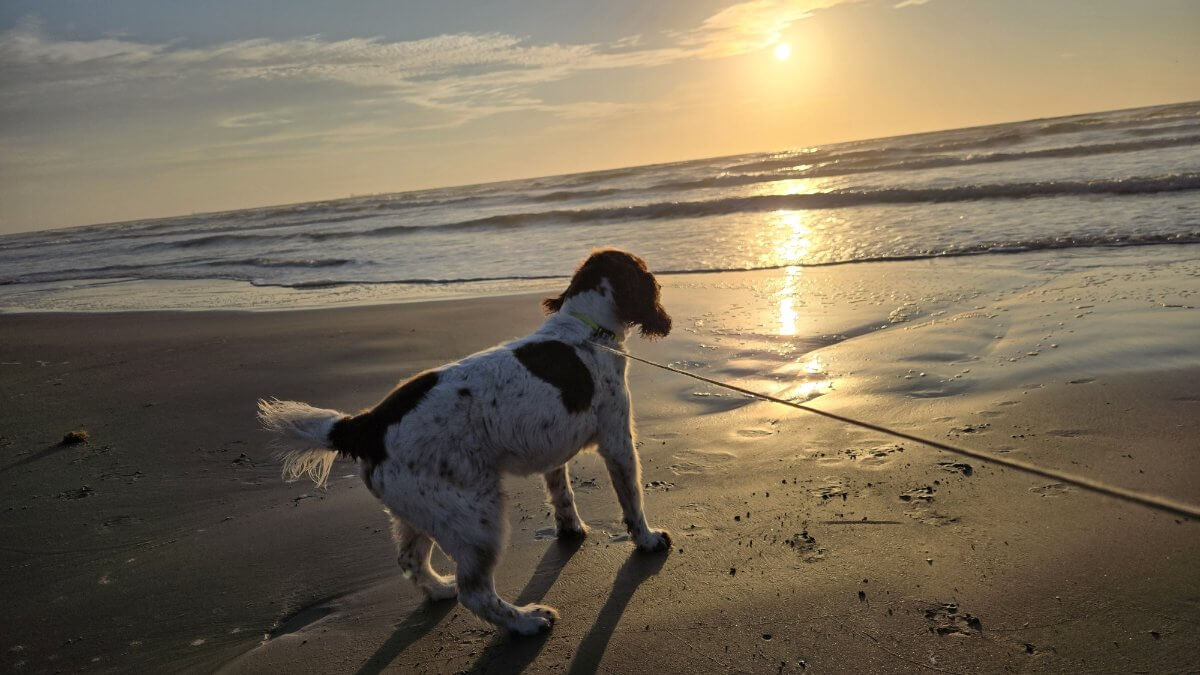
Maple the English Springer Spaniel earns the AKC Humane Fund ACE Award for Search & Rescue Human Detection with handler Sue Stejskal.

Meet the Professional Handlers
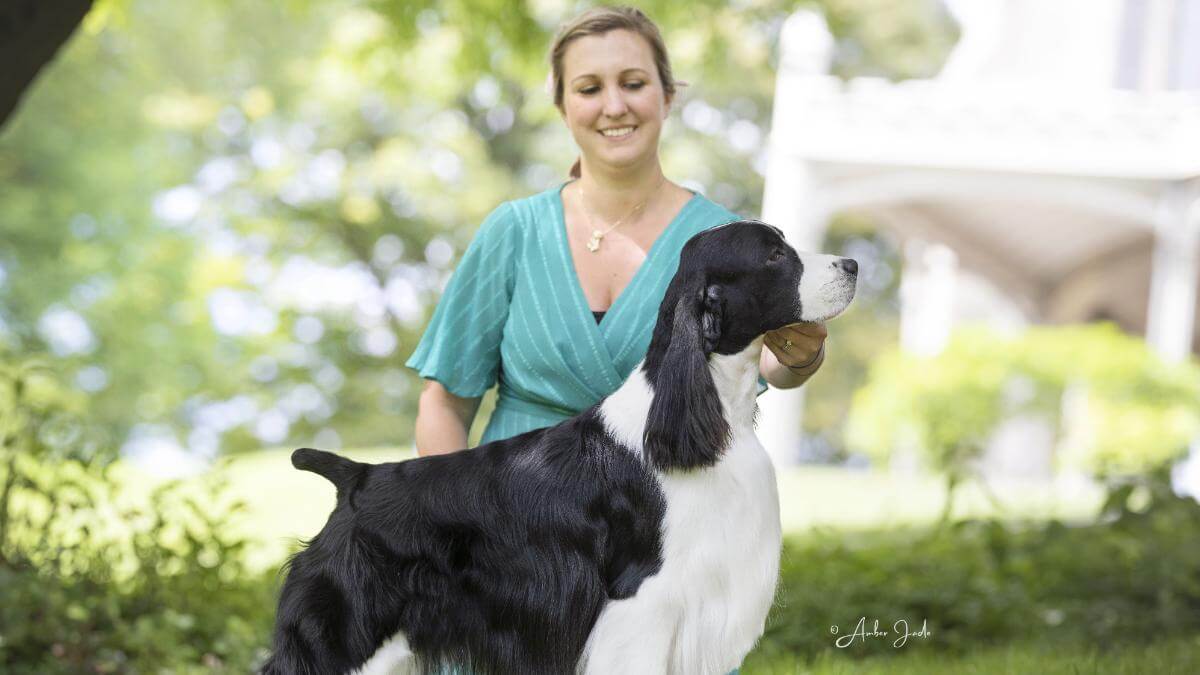
Kellie Williams shares her journey from Junior Showmanship to professional handler, offering insights on the sport and mentorship.


Dog Shows
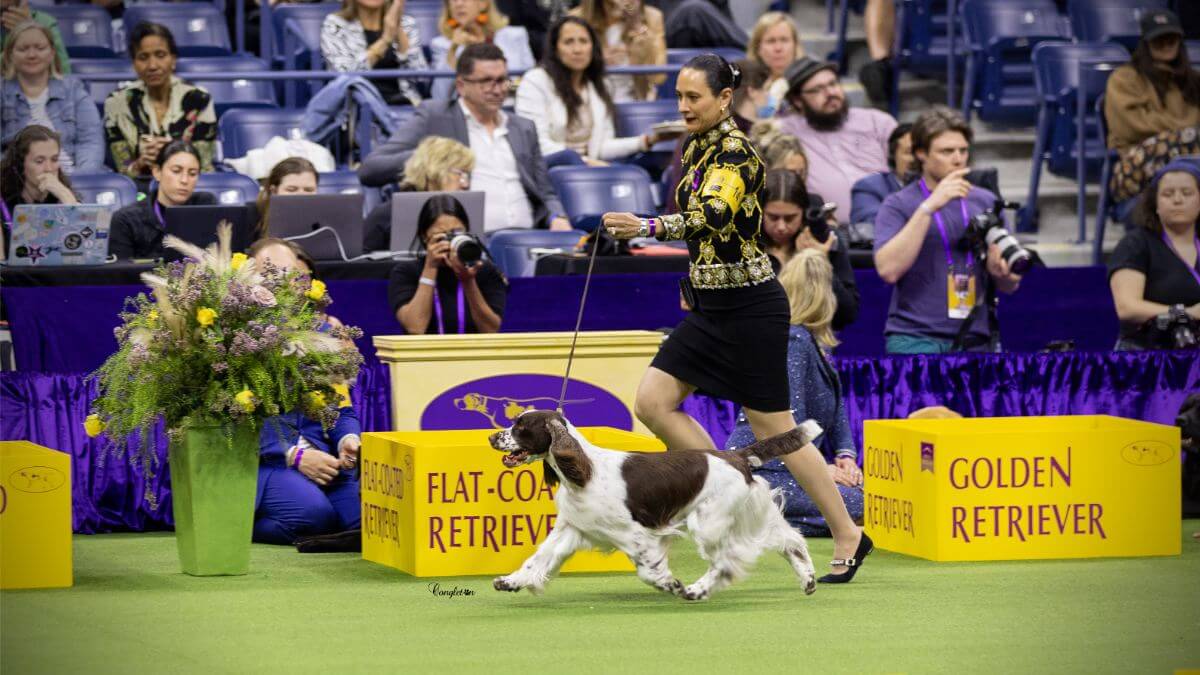
Milan’s English Springer Spaniel, Freddie, wins the Sporting Group at the 149th Westminster Kennel Club Dog Show under judge Virginia Murray.
Dog Sports
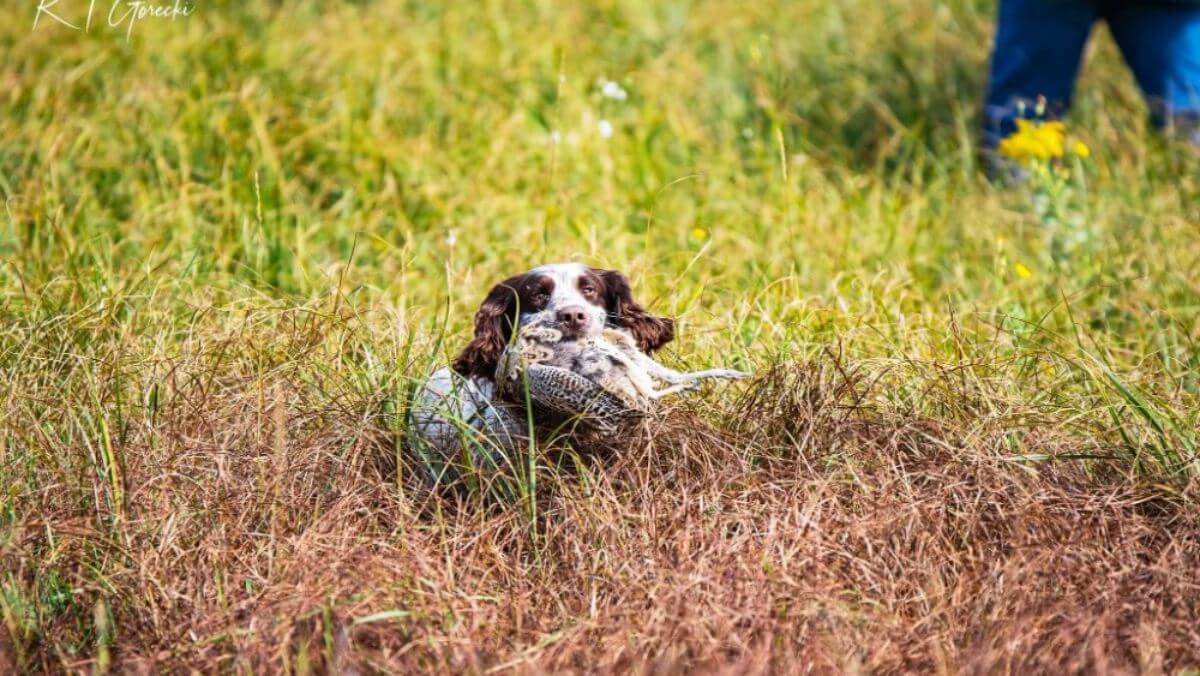
Explore the English Springer Spaniel: a versatile, energetic Sporting dog, equally fit for show, field, and family life.

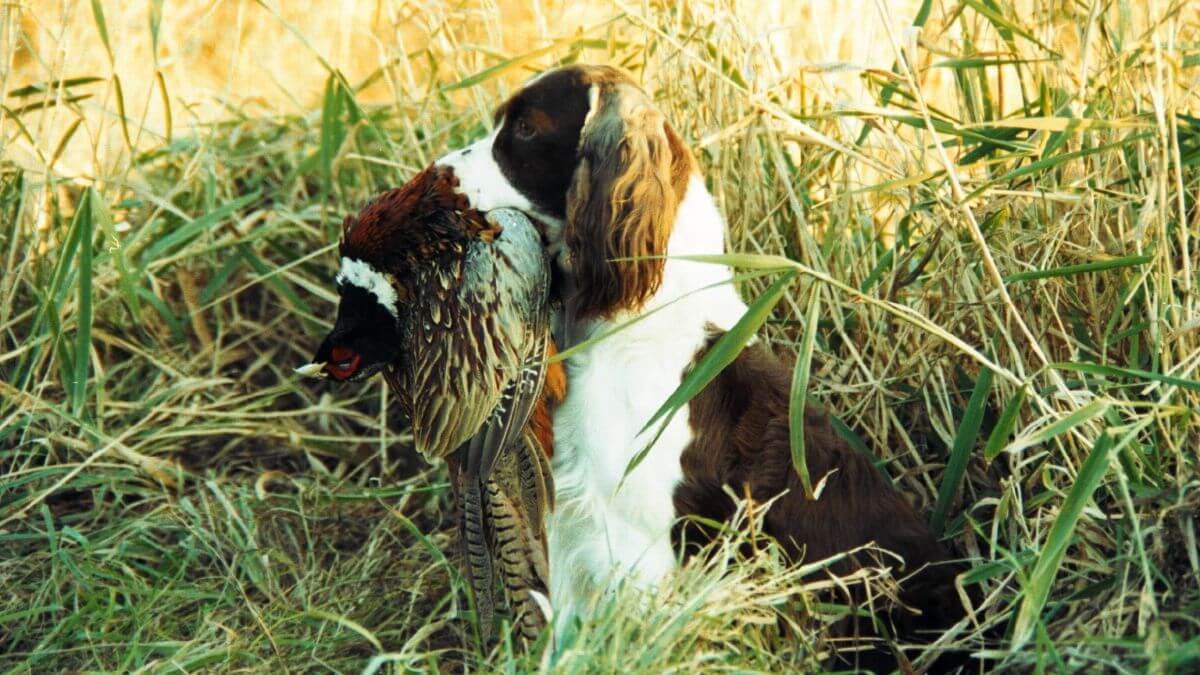
Reflection and hope for the future of the English Springer Spaniel as a dual-purpose dog, honoring its heritage in field and show.
Explore the history of the English Springer Spaniel, a friendly companion and show dog known for its exceptional performance.
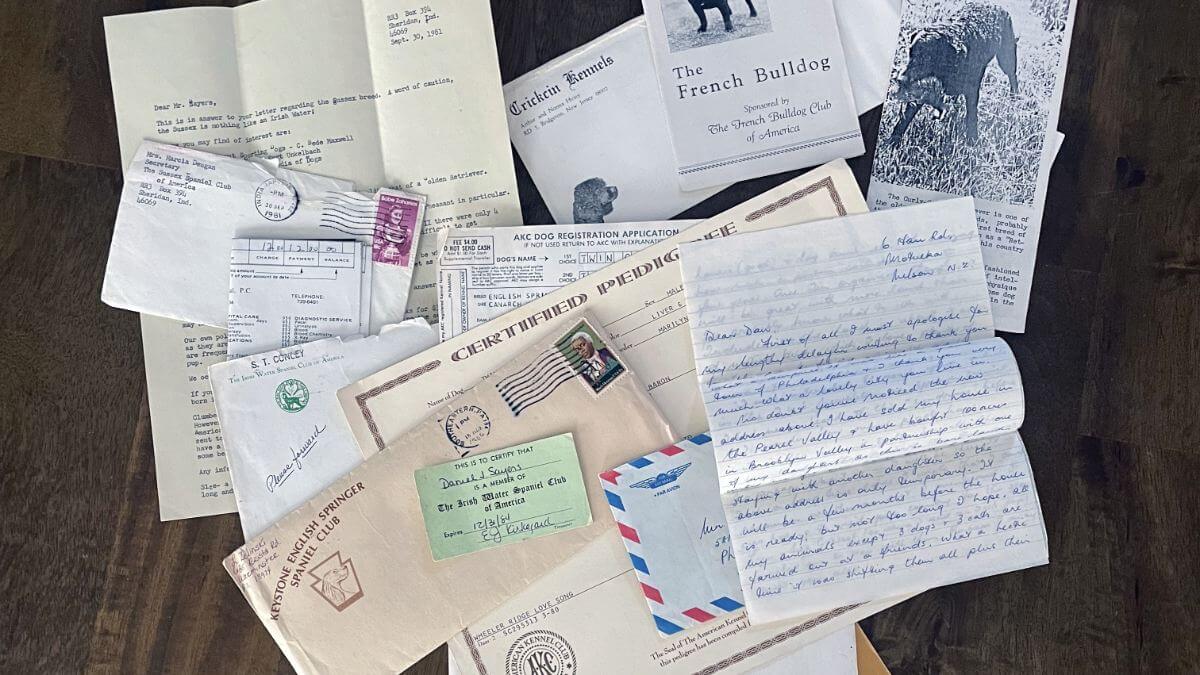

Dog Shows
Explore a journey through nostalgia as spring cleaning unveils forgotten treasures from a lifetime in the world of dogs. Memories await!
Meet the Breeders
Clemencia Saavedra is the breeder behind Wallylama English Springer Spaniels. Read about the kennel’s beginnings, puppies, and more!
Meet the Breeders
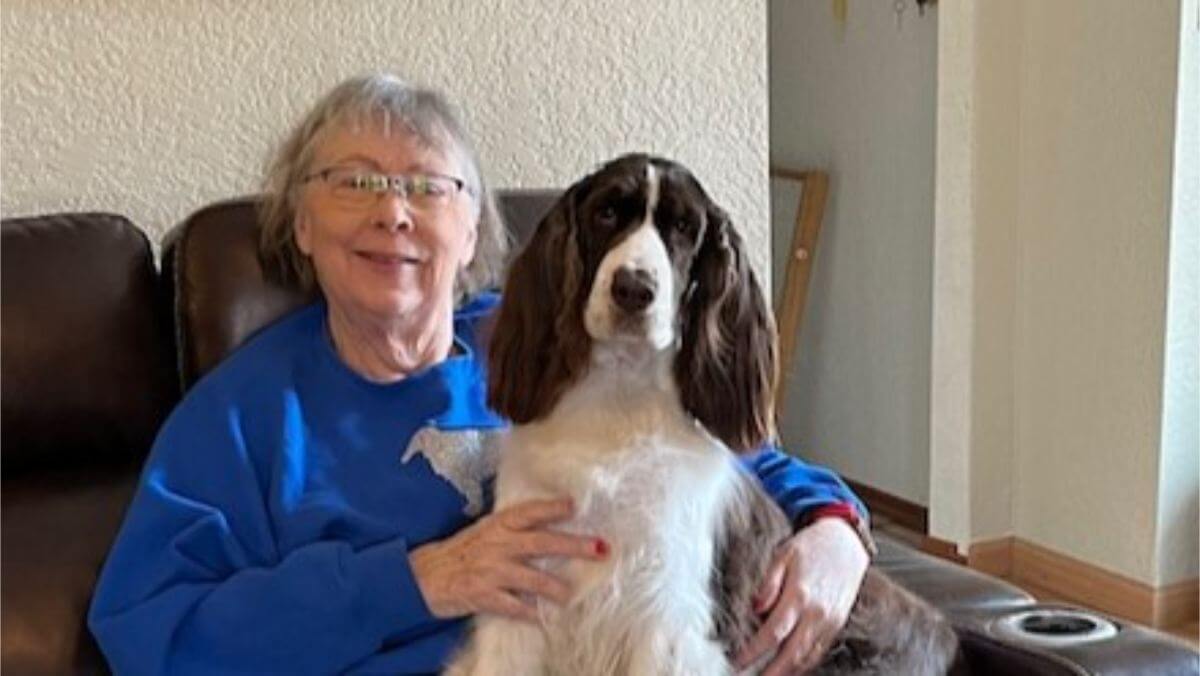
Linda Riedel is the breeder behind Ramblewood English Springer Spaniels. Read about the kennel’s beginnings, puppies, and more!
The tail of the English Springer Spaniel is an embodiment of the breed's lively spirit and eager character. It is set as an extension of the topline and is typically docked to prevent injury while working in thick brush. When the Springer is in motion, especially when working, the tail is carried horizontally, wagging rhythmically with each stride. The tail should not be carried upright or curled forwards, nor should it be clamped down tightly.
Contemporary views on tail docking vary, so it's essential for owners of this breed to be aware of local regulations regarding the practice.
Whether docked or undocked, the Springer's tail always exhibits the breed's characteristic enthusiasm and exuberance, especially when these sporting spaniels are on the move or particularly excited.
Standard Markings
A Note About Color: Color may be black or liver with white markings; white with black or liver markings; blue or liver roan; or tricolor (black and white or liver and white with tan markings on the eyebrows and cheeks, inside the ears, and under the tail). Any areas of white may present ticking or spots. Red, Orange, and lemon are not acceptable colors in this spaniel breed.
Coat Type
Double
The structure of the coat this breed carries.
Coat Length
Medium
How long the breed's coat grows when kept in condition.
Adaptability Level
How easily a breed copes with changes in home, routine, noise and weather.
Mental Stimulation Needs
How much a breed needs a job, a puzzle or training to stay content.
The dietary needs and nutritional habits of the English Springer Spaniel play a pivotal role in ensuring the dog’s well-being and vitality. These dynamic canines require a balanced diet that complements their energy levels and supports their overall health.
For Springer Spaniel puppies, it's essential to provide them with a high-quality puppy formula that meets the unique nutritional requirements of their growth phase. Puppies can grow rapidly, so their diet should account for their developing muscles, bones, and overall health. The portion size and feeding frequency can vary based on age, but generally, puppies are fed more often than adults to support their growth — typically three to four times a day.
Transitioning into adulthood, the nutritional needs of the Springer will change. Adult dogs require a balanced diet that offers a mix of proteins, fats, and essential vitamins and minerals. Proteins help to maintain muscle tone, while fats provide the necessary energy. The amount of food required can vary based on the dog's activity level, age, and overall health. On average, an adult Springer Spaniel might consume between 1.5 to 2.5 cups of high-quality dog food daily, split into two meals. However, always consult a veterinarian or a pet nutritionist to determine the exact portion size suitable for the specific dog.
Overfeeding or underfeeding can have adverse effects on the health and longevity of an English Springer Spaniel. Monitoring their weight, ensuring they have a consistent feeding schedule, and adjusting portion sizes based on activity levels can contribute to the dog’s overall health and happiness.
English Springer Spaniels are renowned for their intelligence and willingness to please, traits that make them relatively straightforward to train. Their history as hunting dogs means they're hardwired to respond well to tasks and commands, although their gentle nature means positive reinforcement methods work best.
Training should begin early, ideally during puppyhood. Socialization is a crucial component of any puppy’s training regime. Exposing Springer pups to various environments, people, and other animals helps to foster well-adjusted adult dogs that are comfortable in diverse settings. While they are generally eager to please their owners, it's essential to maintain consistency in training sessions to reinforce learned behaviors and to prevent the development of unwanted habits.
Given the Springer’s intelligence, the breed has a moderate tendency to bark, especially if the dog senses something amiss or if it gets bored. Regular training and mental stimulation can help to manage this trait. The curious nature of this breed, paired with its bird dog background, means these dogs might occasionally exhibit a potential for wanderlust. It's wise to be sure they're always in a secure area or on a leash during outdoor excursions.
Predatory instincts aren't particularly high in the English Springer Spaniel compared to some other breeds, but these dogs still possess a natural urge to chase. Regular recall training can be beneficial in managing this instinct, especially in environments where the Springer might encounter wildlife or other distractions.
Grooming Expectations
The coat is medium in length and may have a slight wave, making it prone to tangling and matting if not maintained. Regular brushing, at least two to three times a week, can help to prevent these issues and reduce the amount of hair that’s shed around the house. A pin brush or slicker brush is often ideal for detangling and removing loose hair. In addition to brushing, occasional trims are necessary, especially around the ears, paws, and hindquarters. This not only accentuates the dog’s natural shape but also reduces the chance of burrs or other debris getting caught in their feathering during outdoor excursions. The Springer’s ears, being floppy and covered in hair, can trap moisture, making them susceptible to infections. It's vital to check and clean the ears weekly, ensuring they're dry and free from debris. Use a veterinarian-recommended ear cleaning solution and a cotton ball for this purpose. Like all breeds, Springer Spaniel’s benefit from regular dental care. Brushing the teeth a few times a week, if not daily, can help to prevent tartar buildup and gum disease. Nails should be trimmed periodically, or as needed, to prevent overgrowth and the complications that can arise from it. While English Springer Spaniels aren't necessarily high maintenance in terms of grooming, they do require consistent care. A well-groomed spaniel not only looks stunning, it also stays healthier and is more comfortable in any environment. Regular grooming sessions also offer a wonderful bonding opportunity between the dog and the groomer.