01/Overview
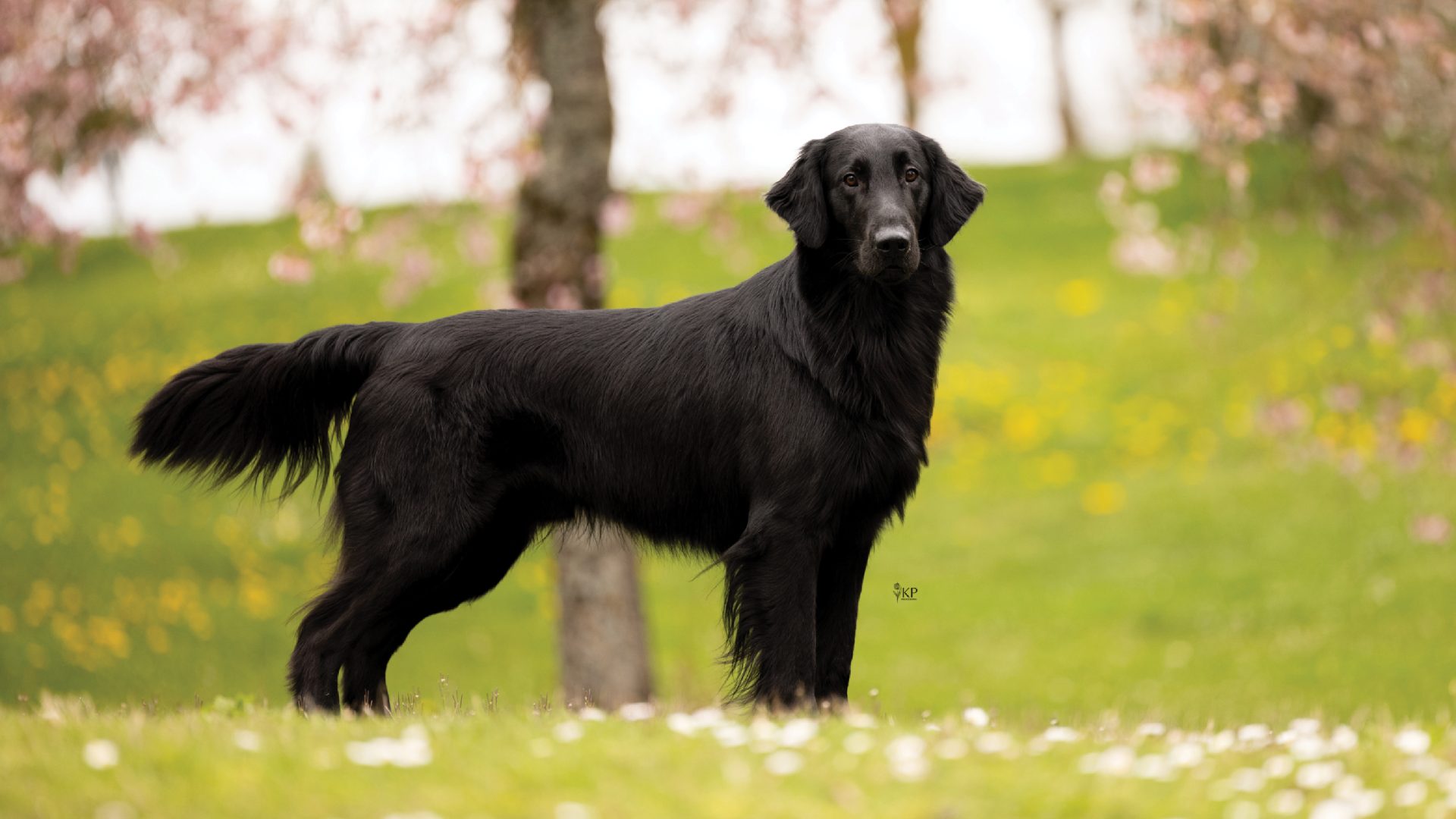
The Flat-Coated Retriever is a versatile and cheerful sporting dog known for its glossy solid black or liver-colored coat, balanced conformation, and perpetually wagging tail. Bred as a dual-purpose hunting companion, these dogs are renowned for their retrieving skills both on land and in water. With a playful, outgoing personality and an eagerness to please, the “Flat-Coat” is a beloved member of active households, excelling equally in the field and as a family companion.
Highlights
02/History
The Flat-Coated Retriever traces its origins to the United Kingdom in the mid-19th century, where it was developed to meet the growing demand for reliable and versatile hunting dogs. During this era, advancements in firearms increased the popularity of bird hunting, creating a need for dogs that were capable of retrieving both upland birds and waterfowl. The breed is believed to have descended from a mix of the now-extinct St. John’s Water Dog of Newfoundland, which provided retrieving abilities; Irish Setters, which contributed elegance and energy; and perhaps Collies, well-known for their intelligence and trainability.
Initially referred to as the "Wavy-Coated Retriever," the breed’s coat evolved into a flatter, more streamlined texture through selective breeding. This coat not only enhanced the breed’s appearance but also offered practical advantages in the field, such as repelling water and providing protection against harsh conditions.
The Flat Coat’s popularity surged in the late 19th and early 20th centuries, especially among gamekeepers and hunters who valued its eagerness to work, natural retrieving instincts, and friendly disposition. During this period, the breed was a prominent figure in both hunting circles and early dog shows, earning accolades for its beauty and utility.
The American Kennel Club (AKC) officially recognized the Flat-Coated Retriever in 1915, further cementing its reputation as a reliable working dog and family companion in America. However, the breed faced a decline in popularity during the mid-20th century as other retriever breeds, such as the Labrador Retriever and Golden Retriever, gained prominence. This decline was exacerbated by the breed’s relatively smaller gene pool, leading to concerns about its future.
03/Appearance
Male Flat-Coated Retrievers typically stand between 23 and 24.5 inches tall at the shoulder, while females measure slightly smaller, ranging from 22 to 23.5 inches. In terms of weight, Flat-Coats generally weigh between 60 and 70 pounds.
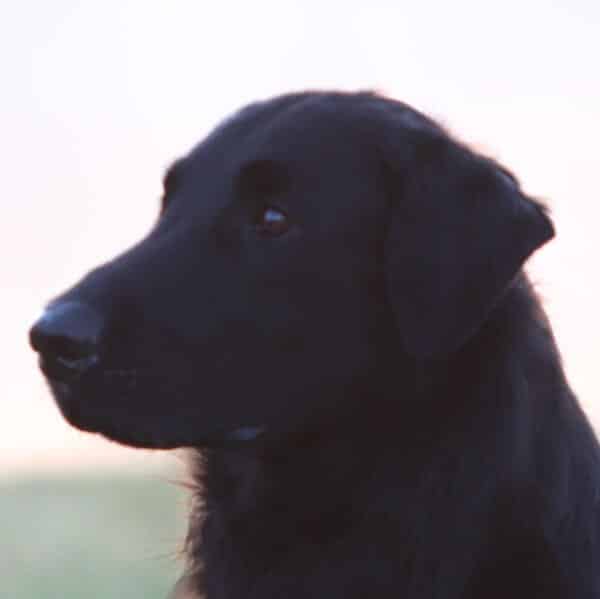 Photo: Liv Calabrese[/caption]
Flat-Coated Retrievers are well-balanced and exhibit a medium-sized, symmetrical build that emphasizes both power and elegance. Their bodies are slightly longer than tall, contributing to their flowing movement and efficiency in the field. Bone structure is strong yet never heavy, allowing the dog to maintain agility and stamina during long hours of retrieving.
Texture: The Flat-Coated Retriever's coat is dense, weather-resistant, and lies flat against the body, with feathering adding elegance to its medium-length hair. The coat should always appear natural and should never be over-groomed or trimmed.
Markings: No markings are recognized.
Standard Colors
04/Consider
The Flat-Coated Retrievers is a joyful, active dog requiring a dedicated, active caretaker. Due to the breed’s puppy-like demeanor, which lasts a lifetime, this dog thrives in a home where it is included in daily family activities.
Interaction With Family
The level of affection a breed typically shows towards family members and familiar individuals.
Good With Other Dogs
The innate friendliness of a dog towards other dogs can depend on its breed.
Good With Young Children
The degree to which a breed will typically be patient with young children.
Amount Of Shedding
How much hair a breed typically leaves behind on clothes, furniture and floors.
Frequency Of Grooming
How often a breed needs brushing, bathing or a professional trim to stay in condition.
Amount Of Drooling
How prone a breed is to drool — worth knowing before you keep a towel by the door.
Openness To Strangers
How openly a breed tends to greet new people, visitors and strangers.
Protective Nature
How likely a breed is to alert you to — and stand between you and — anything unfamiliar.
Playfulness Level
How enthusiastic a breed stays about games and play well past puppyhood.
Trainability Level
How readily a breed takes direction and works with you rather than around you.
Barking Level
How much a breed uses its voice, and how readily.
Energy Level
How much get-up-and-go a breed brings to an average day.
Health
The Flat-Coated Retriever is a generally healthy breed, but like all dogs, individuals may be prone to certain genetic and environmental health conditions. The breed’s average lifespan ranges from 8 to 10 years, although some dogs may live longer with proper care and attention. Routine veterinary check-ups, a balanced diet, and regular exercise play critical roles in maintaining overall health.
Flat-Coated Retrievers are cheerful, friendly, and affectionate dogs, well-known for their "forever young" personalities. They form strong bonds with their families and thrive on human companionship, making them excellent family pets.
The breed’s playful nature makes it a wonderful choice for children, and it typically gets along well with other dogs. While Flat-Coats are welcoming to strangers, their social nature means they are better suited as greeters than guard dogs. Early socialization is key to ensuring good manners and confidence as an adult.
Exercise Expectations
The breed’s natural retrieving instincts and love of water make outdoor adventures especially enjoyable. Regular exercise not only keeps these dogs physically fit but also prevents the kind of boredom that can lead to destructive behaviors.
Grooming Expectations
Flat-Coated Retrievers adapt well to various living environments but are best suited for homes with outdoor space where they can run and play. While these dogs can live in apartments, their high energy levels require regular outdoor exercise to keep them happy and healthy.
The social and affectionate nature of the breed means these dogs thrive as part of an active family. They need to be included in daily activities, as they don’t do well when left alone for long periods.
05/Puppies
Flat-Coated Retriever puppies are bundles of energy and curiosity, bringing joy and excitement to their new homes. Their playful and friendly personalities make them a pleasure to raise, but consistent care, training, and socialization are essential for them to grow uo to become well-behaved adults.
Caring for a Flat-Coated Retriever puppy begins with creating a safe and structured environment. Puppy-proofing the home by removing potential hazards, such as small objects and toxic plants, will ensure the little one’s safety.
Socialization during the puppy stage is vital to help the puppy become confident and well-adjusted as it matures. Introducing new people and dogs in controlled environments will nurture the pup’s natural friendliness.
Early training using positive reinforcement helps to channel the young Flat-Coat’s intelligence and eagerness to learn. Sessions should be kept short and engaging, focusing on basic commands and impulse control. Gentle play and short walks are ideal for exercise and support developing joints.
A high-quality large-breed puppy food, divided into three to four meals daily, supports growth and development. Monitor weight gain to avoid overfeeding, as rapid growth can lead to joint issues.
Introduce grooming routines early on to familiarize the puppy with brushing, nail trimming, and ear cleaning. With attentive care, the puppy will blossom into a loyal and loving companion that looks forward to its weekly grooming regimen.
06/Activities
Gallery
07/Standards
The Flat-Coated Retriever is recognized by the world's leading registries and kennel organizations, which categorize the breed into a specific Group based on its unique characteristics. This breed is recognized worldwide under the following Group designations:
The ideal Flat-Coated Retriever is described by a Breed Standard that is approved by each of the world’s leading registries and kennel organizations. The Breed Standards for this breed may be found in the following links:
08/Clubs
09/Rescue
10/Facts
The “Peter Pan” of Dogs
Flat-Coated Retrievers are often called the "Peter Pan" of the dog world due to their perpetual puppy-like energy and cheerful demeanor that lasts well into their senior years.
A Versatile Working Dog
Originally bred as a dual-purpose retriever, the Flat-Coat excels in retrieving both waterfowl and upland game, making them a favorite among hunters since the 19th century.
A Distinctive Tail Wag
They are known for their constantly wagging tails, which perfectly reflect their cheerful and outgoing personalities. This trait has earned them a reputation as one of the happiest breeds in the dog world.
Revival of the Breed
The Flat-Coat nearly faced extinction in the mid-20th century due to the rising popularity of Labradors and Golden Retrievers. Dedicated enthusiasts worked tirelessly to preserve the breed and bring it back from the brink.
Multi-Talented Competitors
In addition to excelling in hunting and retrieving, they are stars in dog sports like Agility, Obedience, Rally, and Tracking, as well as being highly effective Therapy and Search and Rescue dogs.
11/FAQ
Yes, Flat-Coated Retrievers shed moderately throughout the year, with heavier shedding during seasonal changes. Regular brushing helps to control loose hair and keeps their glossy coat in top condition.
Official Standard for the Flat-Coated Retriever
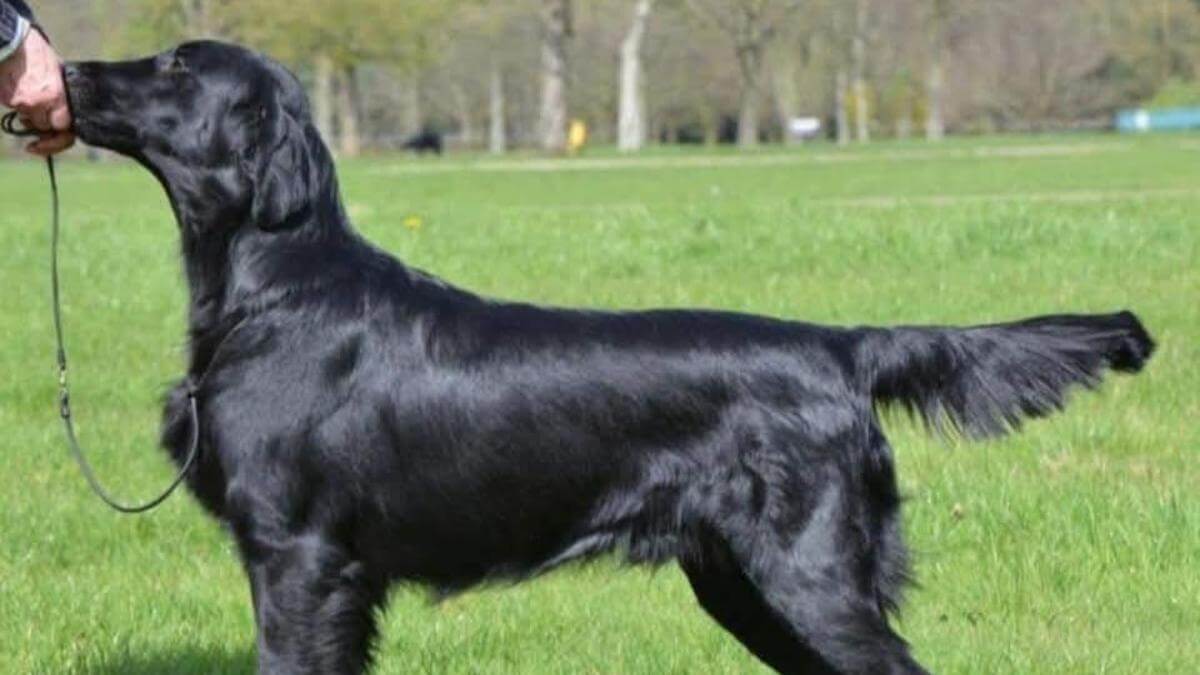
General Appearance: The Flat-Coated Retriever is a versatile family companion hunting retriever with a happy and active demeanor, intelligent expression, and clean lines. The Flat-Coat has been traditionally described as showing "power without lumber and raciness without weediness." The distinctive and most important features of the Flat-Coat are the silhouette (both moving and standing), smooth effortless movement, head type, coat and character. In silhouette the Flat-Coat has a long, strong, clean, "one piece" head, which is unique to the breed. Free from exaggeration of stop or cheek, the head is set well into a moderately long neck which flows smoothly into well laid back shoulders. A level topline combined with a deep, long rib cage tapering to a moderate tuck-up create the impression of a blunted triangle. The brisket is well developed and the forechest forms a prominent prow. This utilitarian retriever is well balanced, strong, but elegant; never cobby, short legged or rangy. The coat is thick and flat lying, and the legs and tail are well feathered. A proud carriage, responsive attitude, waving tail and overall look of functional strength, quality, style and symmetry complete the picture of the typical Flat-Coat. Judging the Flat-Coat moving freely on a loose lead and standing naturally is more important than judging him posed. Honorable scars should not count against the dog.
Size, Proportion, Substance: Size-Individuals varying more than an inch either way from the preferred height should be considered not practical for the types of work for which the Flat-Coat was developed. Preferred height is 23 to 24½; inches at the withers for dogs, 22 to 23½ inches for bitches. Since the Flat-Coat is a working hunting retriever he should be shown in lean, hard condition, free of excess weight. Proportion-The Flat-Coat is not cobby in build. The length of the body from the point of the shoulder to the rearmost projection of the upper thigh is slightly more than the height at the withers. The female may be slightly longer to better accommodate the carrying of puppies. Substance- Moderate. Medium bone is flat or oval rather than round; strong but never massive, coarse, weedy or fine. This applies throughout the dog.
Head: The long, clean, well molded head is adequate in size and strength to retrieve a large pheasant, duck or hare with ease. Skull and Muzzle-The impression of the skull and muzzle being "cast in one piece" is created by the fairly flat skull of moderate breadth and flat, clean cheeks, combined with the long, strong, deep muzzle which is well filled in before, between and beneath the eyes. Viewed from above, the muzzle is nearly equal in length and breadth to the skull. Stop-There is a gradual, slight, barely perceptible stop, avoiding a down or dish-faced appearance. Brows are slightly raised and mobile, giving life to the expression. Stop must be evaluated in profile so that it will not be confused with the raised brow. Occiput not accentuated, the skull forming a gentle curve where it fits well into the neck. Expression alert, intelligent and kind. Eyes are set widely apart. Medium sized, almond shaped, dark brown or hazel; not large, round or yellow. Eye rims are self-colored and tight. Ears relatively small, well set on, lying close to the side of the head and thickly feathered. Not low set (houndlike or setterish). Nose-Large open nostrils. Black on black dogs, brown on liver dogs. Lips fairly tight, firm, clean and dry to minimize the retention of feathers. Jaws long and strong, capable of carrying a hare or a pheasant. Bite- Scissors bite preferred, level bite acceptable. Broken teeth should not count against the dog. Severe Faults: Wry and undershot or overshot bites with a noticeable gap must be severely penalized.
Neck, Topline, Body: Neck strong and slightly arched for retrieving strength. Moderately long to allow for easy seeking of the trail. Free from throatiness. Coat on neck is untrimmed. Topline strong and level. Body-Chest (Brisket)-Deep, reaching to the elbow and only moderately broad. Forechest-Prow prominent and well developed. Rib cage deep, showing good length from forechest to last rib (to allow ample space for all body organs), and only moderately broad. The foreribs fairly flat showing a gradual spring, well arched in the center of the body but rather lighter towards the loin. Underline-Deep chest tapering to a moderate tuck-up. Loin strong, well muscled and long enough to allow for agility, freedom of movement and length of stride, but never weak or loosely coupled. Croup slopes very slightly; rump moderately broad and well muscled. Tail fairly straight, well set on, with bone reaching approximately to the hock joint. When the dog is in motion, the tail is carried happily but without curl as a smooth extension of the topline, never much above the level of the back.
Forequarters: Shoulders long, well laid back shoulder blade with upper arm of approximately equal length to allow for efficient reach. Musculature wiry rather than bulky. Elbows clean, close to the body and set well back under the withers. Forelegs straight and strong with medium bone of good quality. Pasterns slightly sloping and strong. Dewclaws-Removal of dewclaws is optional. Feet oval or round. Medium sized and tight with well arched toes and thick pads.
Hindquarters: Powerful with angulation in balance with the front assembly. Upper thighs powerful and well muscled. Stifle-Good turn of stifle with sound, strong joint. Second thighs (Stifle to hock joint)-Second or lower thigh as long as or only slightly longer than upper thigh. Hock-Hock joint strong, well let down. Dewclaws-There are no hind dewclaws. Feet oval or round. Medium sized and tight with well arched toes and thick pads.
Coat: Coat is of moderate length density and fullness, with a high lustre. The ideal coat is straight and flat lying. A slight waviness is permissible but the coat is not curly, wooly, short, silky or fluffy. The Flat-Coat is a working retriever and the coat must provide protection from all types of weather, water and ground cover. This requires a coat of sufficient texture, length and fullness to allow for adequate insulation. When the dog is in full coat the ears, front, chest, back of forelegs, thighs and underside of tail are thickly feathered without being bushy, stringy or silky. Mane of longer heavier coat on the neck extending over the withers and shoulders is considered typical, especially in the male dog, and can cause the neck to appear thicker and the withers higher, sometimes causing the appearance of a dip behind the withers. Since the Flat-Coat is a hunting retriever, the feathering is not excessively long. Trimming -The Flat-Coat is shown with as natural a coat as possible and must not be penalized for lack of trimming, as long as the coat is clean and well brushed. Tidying of ears, feet, underline and tip of tail is acceptable. Whiskers serve a specific function and it is preferred that they not be trimmed. Shaving or barbering of the head, neck or body coat must be severely penalized.
Color: Solid black or solid liver. Disqualification-Yellow, cream or any color other than black or liver.
Gait: Sound, efficient movement is of critical importance to a hunting retriever. The Flat-Coat viewed from the side covers ground efficiently and movement appears balanced, free flowing and well coordinated, never choppy, mincing or ponderous. Front and rear legs reach well forward and extend well back, achieving long clean strides. Topline appears level, strong and supple while dog is in motion.
Summary: The Flat-Coat is a strong but elegant, cheerful hunting retriever. Quality of structure, balance and harmony of all parts both standing and in motion are essential. As a breed whose purpose is of a utilitarian nature, structure, condition and attitude should give every indication of being suited for hard work.
Temperament: Character is a primary and outstanding asset of the Flat-Coat. He is a responsive, loving member of the family, a versatile working dog, multi-talented, sensible, bright and tractable. In competition the Flat-Coat demonstrates stability and a desire to please with a confident, happy and outgoing attitude characterized by a wagging tail. Nervous, hyperactive, apathetic, shy or obstinate behavior is undesirable. Severe Fault-Unprovoked aggressive behavior toward people or animals is totally unacceptable.
Character: Character is as important to the evaluation of stock by a potential breeder as any other aspect of the breed standard. The Flat-Coat is primarily a family companion hunting retriever. He is keen and birdy, flushing within gun range, as well as a determined, resourceful retriever on land and water. He has a great desire to hunt with self-reliance and an uncanny ability to adapt to changing circumstances on a variety of upland game and waterfowl. As a family companion he is sensible, alert and highly intelligent; a lighthearted, affectionate and adaptable friend. He retains these qualities as well as his youthfully good-humored outlook on life into old age. The adult Flat-Coat is usually an adequate alarm dog to give warning, but is a good-natured, optimistic dog, basically inclined to be friendly to all. The Flat-Coat is a cheerful, devoted companion who requires and appreciates living with and interacting as a member of his family. To reach full potential in any endeavor he absolutely must have a strong personal bond and affectionate individual attention.
Disqualification: Yellow, cream or any color other than black or liver.
Approved September 11, 1990
Effective October 30, 1990


Meet the Judges
Gerardo Bernard shares his experience judging at the 2025 National Dog Show, reflecting on prestige, history, and excellence.

Meet the Judges
Christine Calcinari on judging at the 2025 Morris & Essex Kennel Club, her breed assignments, and why tradition drives today’s exhibitors!
Dog Sports
Explore the Flat-Coated Retriever’s hallmark head, working build, and joyful spirit that define this enduring breed.
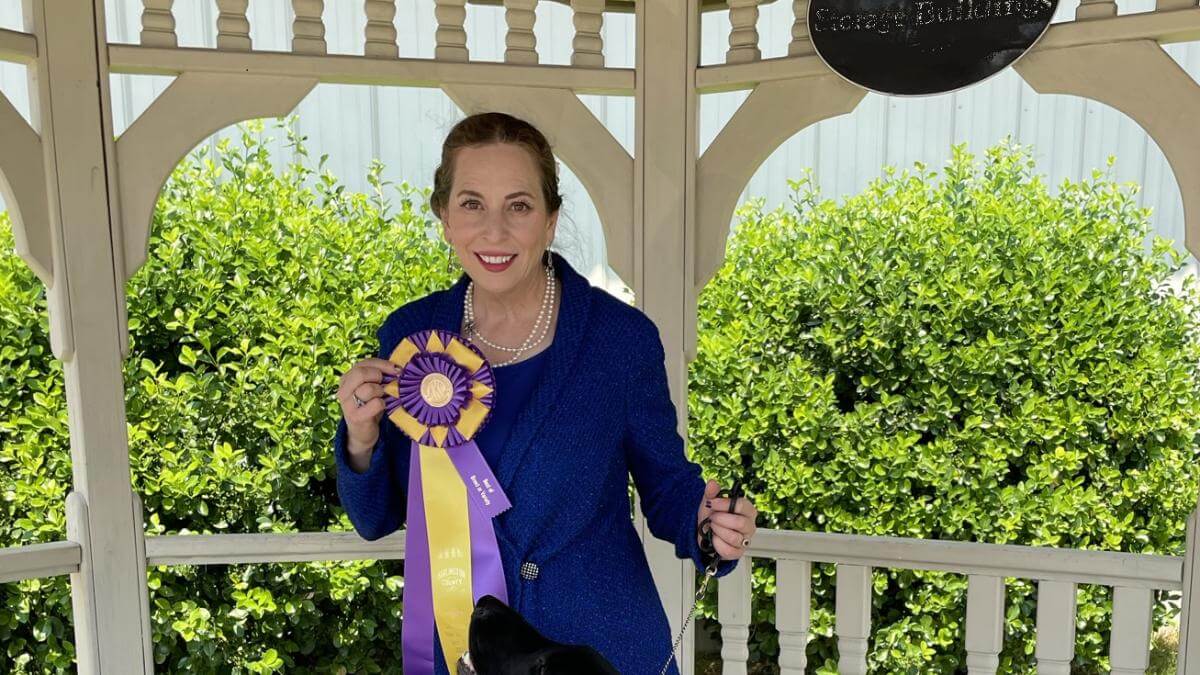

Meet the Breeders
Sue Sommerfield shares 48 years of insight into Flat-Coats, Dalmatians, breeding, training, and the future of purebred dogs.

Meet the Breeders
Carolee Anita Boyles shares her journey in Flat-Coats, breeding ethics, judging, and the evolving culture of the dog show world.
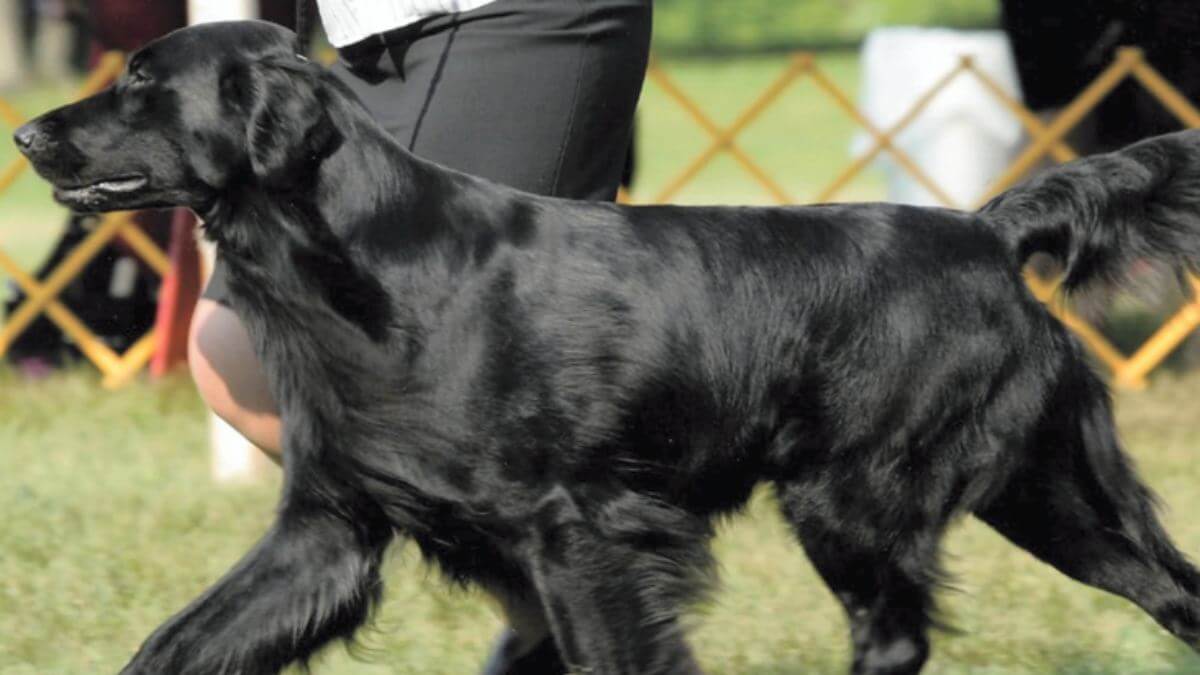
Explore the history, purpose, and versatile traits of the Flat-Coated Retriever, a breed renowned for its elegance and work ethic.
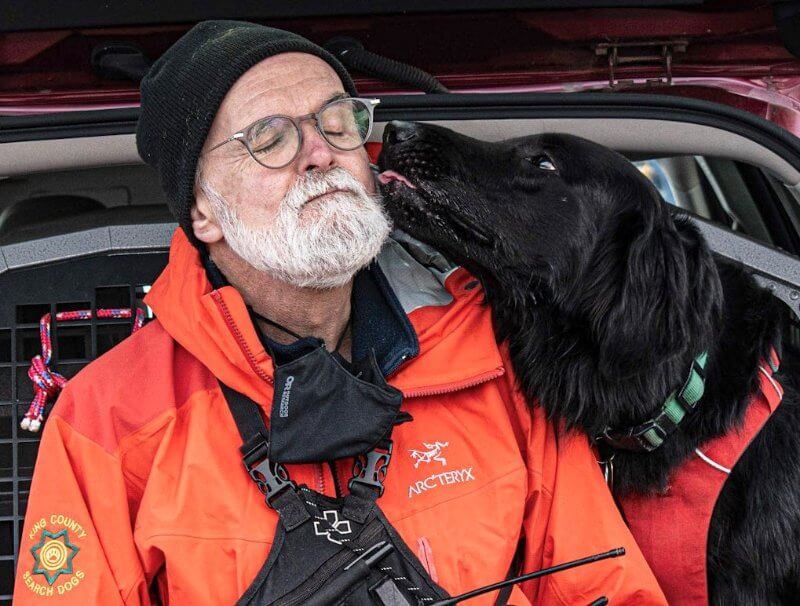
American Kennel Club (AKC)
Interview with Jonathan Izant, handler of a Search and Rescue Dog known as “Lincoln,” the 2022 AKC Humane Fund ACE Award Winner.
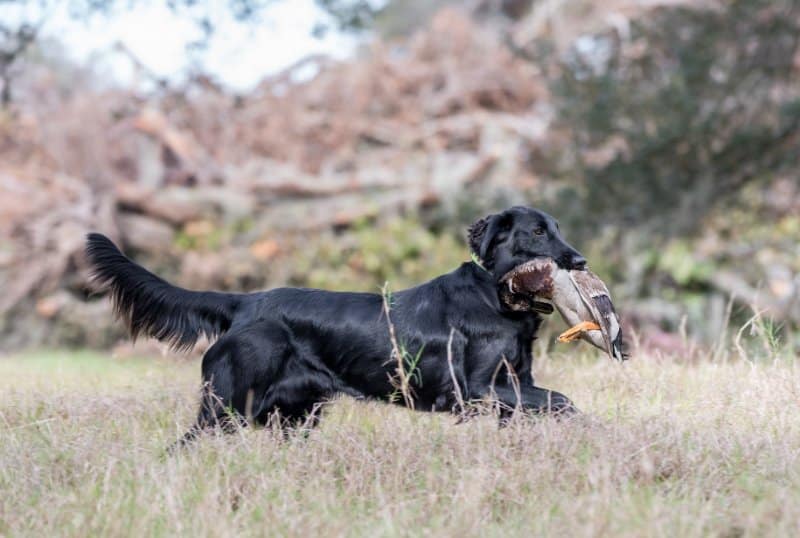

Comprehensive look into the rich history of the Flat-Coated Retriever, including the breed’s beginnings and its original function.
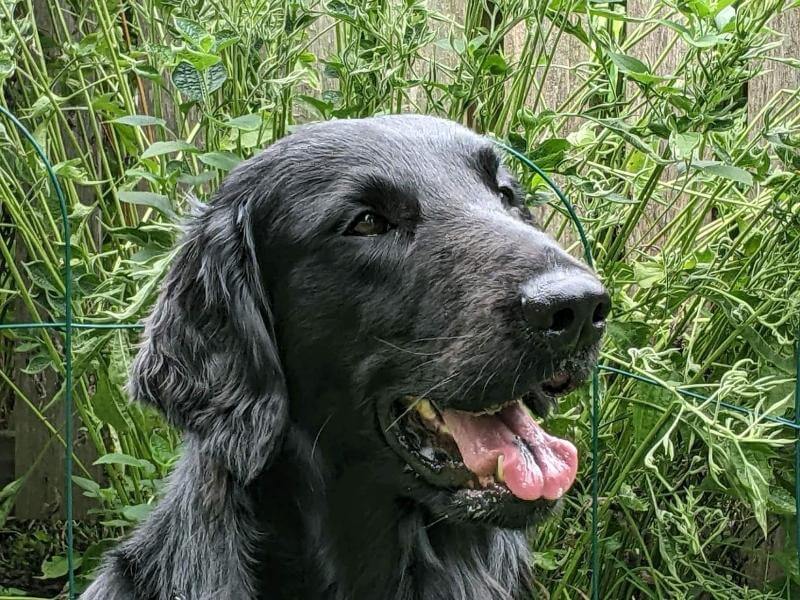
All About Judging
In-depth explanation of what the head and silhouette of the Flat-Coated Retriever (referred to as the Flat-Coat) should ultimately look like.
The tail of the Flat-Coated Retriever is a natural and essential part of the breed’s silhouette. It is carried straight and level with the back, neither too high nor too low, and extends to a moderate length, reaching the hock. The tail is thick at the base, tapering slightly towards the tip, and is covered with dense feathering that matches the coat’s texture. The breed's tail is never docked.
A Note About Color: The color of the Flat-Coated Retriever’s coat is either solid black or a solid liver. Yellow, cream, or any color other than black or liver are unacceptable in the breed.
Coat Type
Smooth
The structure of the coat this breed carries.
Coat Length
Medium
How long the breed's coat grows when kept in condition.
Adaptability Level
How easily a breed copes with changes in home, routine, noise and weather.
Mental Stimulation Needs
How much a breed needs a job, a puzzle or training to stay content.
Flat-Coated Retrievers thrive on a high-quality diet tailored to the dog’s age, size, and activity level. To support steady growth and joint health, puppies benefit from a large-breed puppy formula divided into three to four small meals daily.
Adult Flat-Coats typically require 2.5 to 3.5 cups of dry kibble per day, split into two meals. Monitoring their weight and adjusting portions as needed helps to prevent obesity, a common issue for this food-loving breed. To reduce the risk of bloat, avoid feeding immediately before or after exercise.
Flat-Coated Retrievers are intelligent and eager to please, making them highly trainable with the right approach. Positive reinforcement methods, like treats and praise, are most effective, as these dogs respond poorly to harsh corrections.
The breed’s playful nature can sometimes lead to moments of distraction, particularly during adolescence, so patience and consistency are key. Early socialization and recall training are essential to manage a dog’s energy, prey drive, and tendency to bark when excited. Keeping training sessions engaging and varied helps to maintain a Flat-Coat’s interest and encourages good behavior.
Since the coat of this breed is naturally water-resistant, bathing is only required when absolutely necessary. Routine care, including nail trimming, ear cleaning, and teeth brushing, help to maintain overall health and good hygiene.