Members
01/Overview
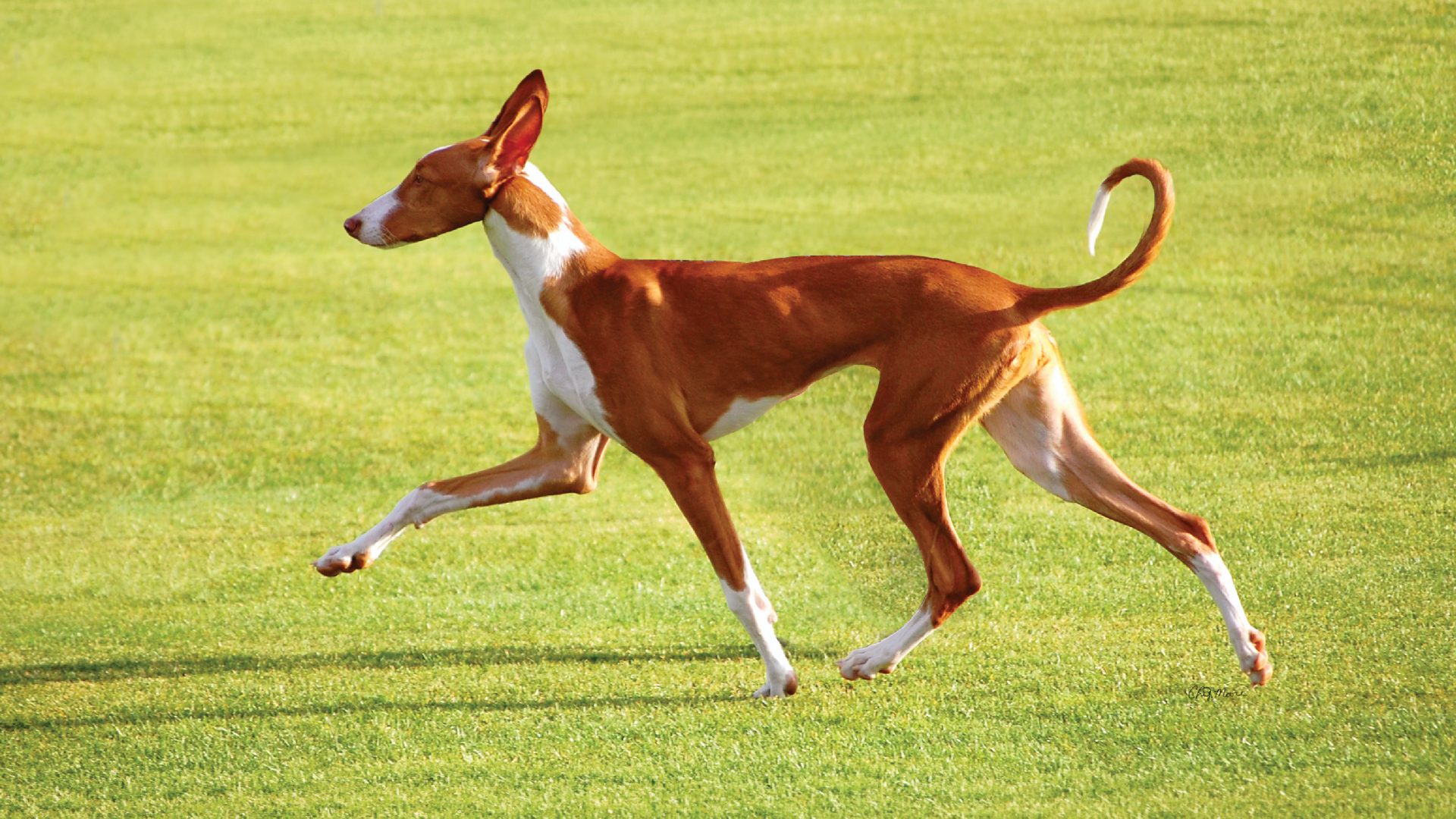
The Ibizan Hound, often referred to as the Ibizan or "Beezer," is a graceful and primitive sighthound known for its striking appearance and rich history. Native to the Balearic Islands of Spain, especially the Island of Ibiza, this breed boasts an ancient lineage, with origins that trace back to over 3,000 years ago. Recognized for its keen hunting skills, agility, and speed, the breed has long been cherished as both a hunting partner and a beloved companion.
Highlights
02/History
The Ibizan Hound, often recognized for its elegance and grace, possesses a rich history that spans thousands of years. Tracing its roots back to ancient Egypt, depictions of dogs bearing a striking resemblance to the breed can be found on tomb walls, artifacts, and various scripts from the era. These images depict the dogs engaged in hunting alongside their human counterparts, underscoring the breed's age-old association with the hunt.
The breed's journey from ancient Egypt to the island of Ibiza, Spain, is the subject of speculation. It's believed that Phoenician traders, known for their vast maritime networks, played a pivotal role in introducing these dogs to the Balearic Islands around 700-900 BCE. Once on Ibiza, the hounds adapted to the island's terrain and climate, gradually evolving into today's Ibizan Hound.
In its new homeland, the dogs were primarily used for hunting rabbits. Their keen sight and hearing, combined with their agile bodies and useful nose, made them perfectly suited for this role. Working in packs or in tandem with other hounds, they showcased their prowess by chasing, cornering, and retrieving game over the rough and rocky terrain of Ibiza.
Despite the breed’s long-standing history, the Ibizan Hound remained relatively secluded on the Balearic Islands until the mid-20th century. It was only in the 1950s that the breed began to gain attention outside of Spain. Its introduction to the United States, and subsequent recognition by the American Kennel Club in 1979, marked a significant milestone in the breed's history.
The Ibizan Hound's legacy isn't limited to its hunting abilities, however. Over the years, the breed has also made its mark in various dog sports and canine activities, proving its versatility. Furthermore, the Beezer's poised demeanor and distinctive appearance have made it a favorite in the field and among dog show participants alike.
03/Appearance
Adult male Ibizan Hounds typically stand between 23.5 and 27.5 inches tall at the shoulder, while mature females usually measure from 22.5 to 26 inches. tall
Male Ibizan Hounds typically weigh around 50 pounds, while females average 45 pounds in weight.
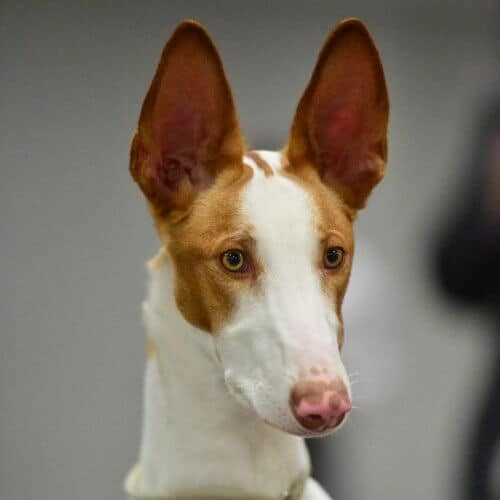
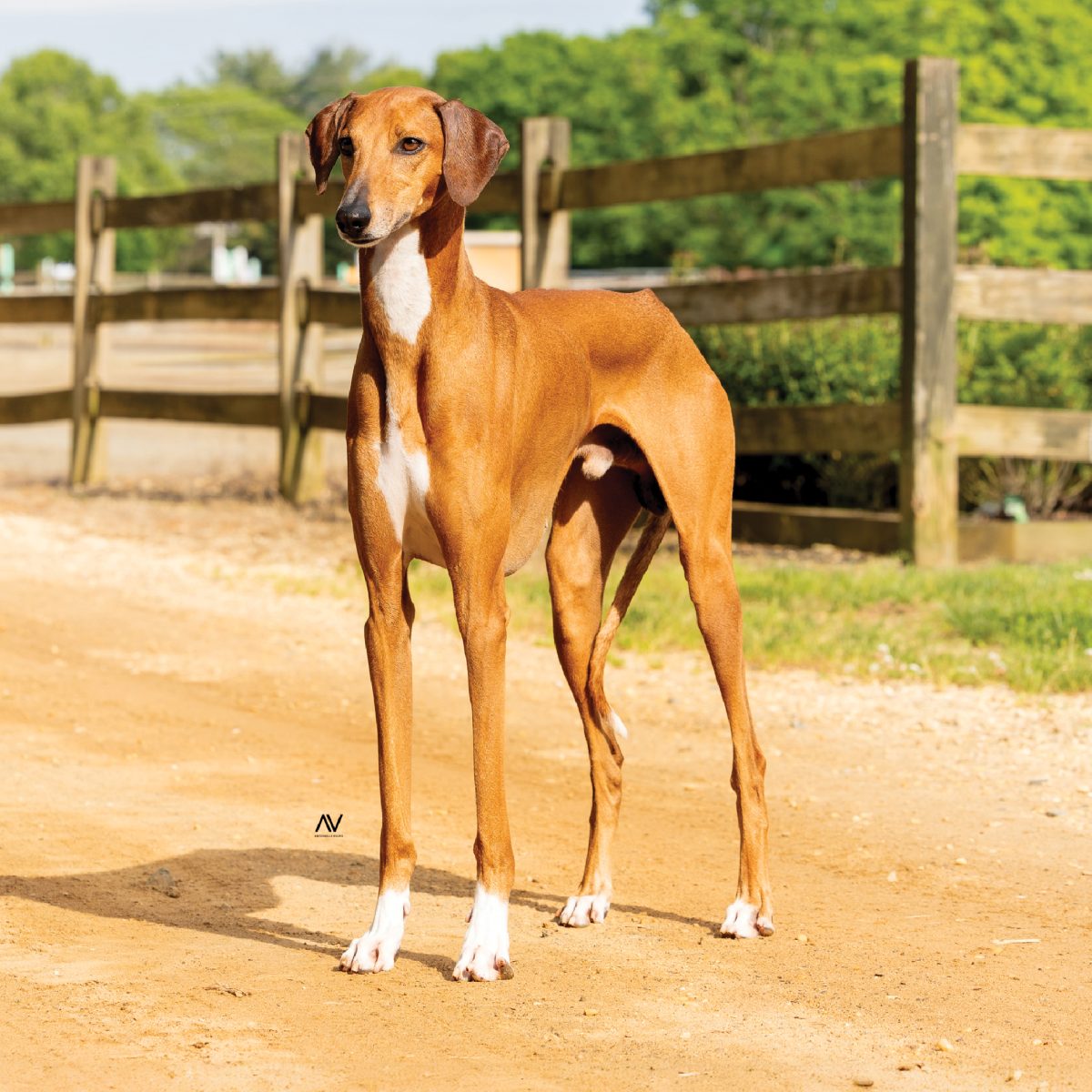
The Ibizan Hound embodies a harmonious balance between strength and elegance. The breed possesses a lean and sturdy frame, built for stamina and agility rather than for bulk. Its build is slightly longer than it is tall, and its deep chest and slender waist are indicative of a breed designed for speed and endurance. These traits are essential for a hound that has historically been used for hunting over rugged terrain.
Texture: The Ibizan Hound sports a coat that can be either short and smooth or long and wiry, with the latter being referred to as the "wire-haired" type. Both coats are dense and have a hard texture that serves to protect the dog, especially while hunting in rough environments. The short coat is especially smooth on the head and ears, longer on the back of the thighs and on the underside of the tail. The wire-haired coat measures from one to three inches in length, with an unkempt appearance and an often generous moustache. In the United States, the two coat types may be interbred.
Markings: White Markings
Standard Colors
04/Consider
When considering an Ibizan Hound for the home, it's crucial to understand the breed's unique characteristics, needs, and temperament. As descendants of ancient hunting hounds, Beezers carry traits that can be both delightful and challenging for potential owners. The breed's elegance, intelligence, and agility are countered with its strong prey drive, independence, and occasional stubbornness. Before embarking on the rewarding journey of Ibizan Hound ownership, one must weigh the breed's specific requirements against the lifestyle and living situation of the prospective owner.
Interaction With Family
The level of affection a breed typically shows towards family members and familiar individuals.
Good With Other Dogs
The innate friendliness of a dog towards other dogs can depend on its breed.
Good With Young Children
The degree to which a breed will typically be patient with young children.
Amount Of Shedding
How much hair a breed typically leaves behind on clothes, furniture and floors.
Frequency Of Grooming
How often a breed needs brushing, bathing or a professional trim to stay in condition.
Amount Of Drooling
How prone a breed is to drool, worth knowing before you keep a towel by the door.
Openness To Strangers
How openly a breed tends to greet new people, visitors and strangers.
Protective Nature
How likely a breed is to alert you to anything unfamiliar, and stand between you and it.
Playfulness Level
How enthusiastic a breed stays about games and play well past puppyhood.
Trainability Level
How readily a breed takes direction and works with you rather than around you.
Barking Level
How much a breed uses its voice, and how readily.
Energy Level
How much get-up-and-go a breed brings to an average day.
Health
Generally, Ibizan Hounds are healthy and robust dogs, often displaying fewer hereditary health problems than many other dogs. However, like all breeds and mixed breeds, they are not exempt from potential health concerns. Regular veterinary check-ups and a balanced diet can go a long way towards ensuring any dog's well-being and longevity. Lifespan: The average lifespan of an Ibizan Hound ranges between 11 and 14 years, but with proper care, regular check-ups, a balanced diet, and regular exercise, many can thrive beyond these years.
The Ibizan Hound, traces its roots back to ancient times. It embodies a unique blend of a regal character and great intelligence, combined with an exuberant playness. The breed radiates a gentleness, but it can also be a formidable hunter. This combination typically makes the Beezer an opportunistic and enchanting companion. Potential owners, however, should acquaint themselves with the intricacies of the breed's temperament before taking on the responsibility of welcoming one (or two) into the home.
Ibizan Hounds are inherently friendly and good-natured, but they do possess an independent streak. This trait might make them a tad challenging for novice owners who are not familiar with the nuances of dog behavior. A consistent training approach, complemented by an understanding of canine idiosyncrasies, tends to yield the best results with this breed.
One standout trait of the Ibizan Hound is its sensitivity. These dogs have a penchant for forming deep bonds with their families, making them highly responsive to household dynamics. Their emotional tuning means that positive reinforcement during training sessions tends to resonate deeply with them.
Companionship ranks high on the list of the Beezer's needs. Extended periods of solitude can lead to throes of separation anxiety at times. To avoid bouts of depression or destructiveness, these hounds are best matched with families that can offer regular interaction each and every day.
While Ibizan Hounds have the capacity to get along well with other dogs, especially if raised with them, the breed’s inherent prey drive can cause these hounds to view smaller animals as potential prey. It is therefore crucial for owners to always make sure proper introductions are made and maintain vigilant supervision during interactions between members of the household menagerie.
Exercise Expectations
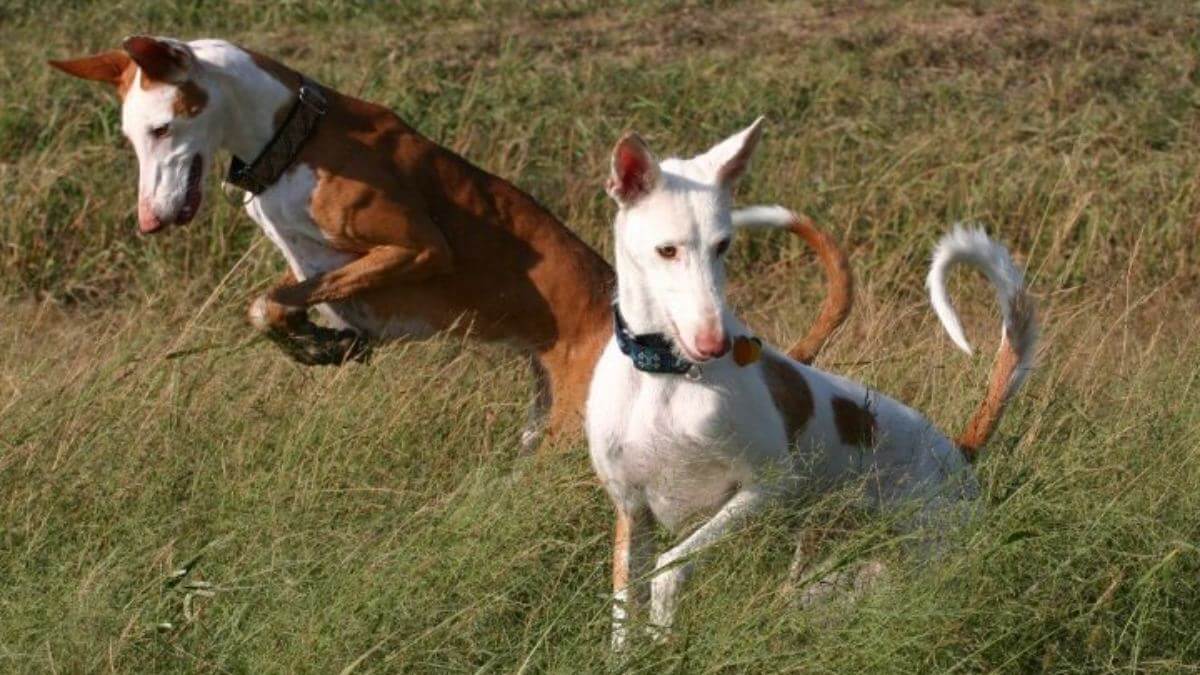
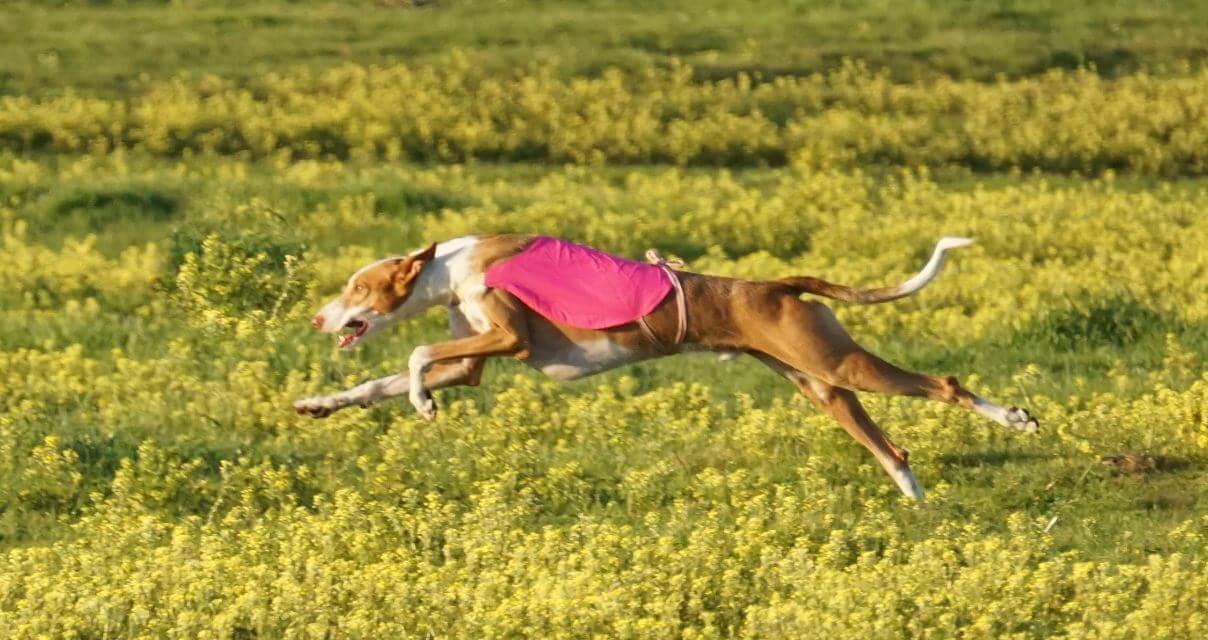
With their origins in hunting, Ibizans are naturally energetic dogs. They flourish in open spaces where they can stretch their legs, run, and jump. Regular play sessions in a securely fenced yard or park can be immensely beneficial. Their agile nature and keen senses also make them excellent candidates for activities such as Lure Coursing or Agility Trials. However, their energy is not just about physical intensity. Ibizan Hounds are also playful, often displaying puppy-like antics well into their adult years. Games that challenge their intelligence, like puzzle toys or hide-and-seek, can be just as satisfying for them as physical play. While they are active dogs, Ibizans are also known for their elegance and grace. Their movements can sometimes seem almost cat-like, with a mix of spirited dashes and poised moments of pause. This blend of energy and elegance means that while they cherish their playtime, they also value moments of relaxation and will often be found basking in the sun or enjoying a quiet moment with their family. It's essential for owners of Ibizan Hounds to strike a balance in their dog’s exercise routine. While it's crucial to ensure they get their daily dose of activity, it's equally important not to over-exert them, especially in extreme weather conditions. This hound’s sleek coat doesn't offer much protection against harsh elements, so care should be taken during very hot or cold days.
Living with an Ibizan Hound is an engaging experience that reflects the breed's unique blend of elegance, energy, and loyalty. These dogs adapt well to various living conditions, but there are specific considerations to guarantee their well-being and happiness.
When it comes to apartment living, an Ibizan can make adjustments, provided its exercise needs are consistently met. These hounds don't require vast expanses to roam, but they do need daily physical activity to maintain their overall health and even temperament. If residing in an apartment, regular walks combined with some playtime can suffice.
Their coat, as sleek and short as it is, doesn't offer Ibizan Hounds substantial protection against extreme weather conditions. In colder climates, Beezers might require a doggy sweater or jacket to keep them warm during outdoor activities. Conversely, in hot weather, it's imperative to protect them from direct sun exposure for prolonged periods and ensure they have ample fresh water always available.
The breed's gentle and affectionate nature makes the Ibizan a great companion. These dogs are generally calm indoors, often content lounging on a comfortable spot after their exercise needs have been met. However, they are known to have a mischievous side, and their heightened senses, especially their hearing, can sometimes make them alert or reactive to noises. A quiet and predictable home environment is generally more suitable for them.
Safety is paramount, especially given the Ibizan Hound’s hunting instincts and agility. A securely fenced yard or outdoor area provides space where these hounds can play without risk of chasing after something or wandering off. Their innate curiosity and athleticism makes every Beezer an adept jumper, so providing barriers of adequate height is essential.
05/Puppies
The arrival of a litter of Ibizan Hound puppies brings with it a whirlwind of energy, curiosity, and sheer joy. These little hounds, with their sharp senses and agile bodies, are a delight to observe as they navigate their new world. From tender moments of bonding to teaching basic manners in the house, raising a Beezer puppy is a journey filled with rewards and responsibilities.
From the moment they are born, Ibizan Hound puppies are alert and inquisitive. Their early days are crucial for both the physical and mental development of each pup, and the care each receives during this time sets the foundation for its adult life.
One of the first considerations is nutrition. A Beezer puppy grows rapidly, and its diet should support this growth. A high-quality puppy food, rich in essential nutrients and tailored to medium and large breed puppies, is vital. Feeding guidelines provided on pet food packages or recommendations from a veterinarian can guide the quantity and frequency of meals.
Socialization is another pivotal aspect of an Ibizan puppy's upbringing. Between the ages of 3 to 14 weeks, youngsters are especially receptive to new experiences. Exposing the pup to a variety of environments, people, and other animals in a positive and controlled manner during this window can help to shape both temperament and behavior as an adult.
Training should commence early, capitalizing on a puppy's malleable nature. While Ibizan Hound pups are intelligent, their independent streak can sometimes pose training challenges. Positive reinforcement techniques, using treats, praise, and toys, are generally the most effective.
Regular health check-ups are essential to monitor the Ibizan pup’s development and to catch any potential health concerns early on. Routine vaccinations, deworming, and flea and tick preventatives play a crucial role in safeguarding overall health.
Lastly, the Ibizan Hound puppy's living environment needs to be puppy-proofed. A young Beezer’s curiosity means it will likely explore every nook and cranny. Ensuring a safe environment, one that is devoid of harmful objects and choking hazards, is paramount in the early weeks and months.
06/Activities
The Ibizan Hound, with its vibrant energy and keen senses, is tailor-made for a multitude of dog sports. Engaging these hounds in strenuous pursuits will not only capitalize on a hound's natural talents, it can also strengthen the bond between hound and handler. A few of the dog sports that provide a great outlet for the Beezer include:
Incorporating these activities and dog sports into an Ibizan Hound’s routine will all but assure the dog remains stimulated, healthy, and happy, thus fortifying the special bond it shares with its favorite person.
Gallery
07/Standards
The Ibizan Hound is recognized by the world's leading registries and kennel organizations, which categorize the breed into a specific Group based on its unique characteristics. This breed is recognized worldwide under the following Group designations:
The ideal Ibizan Hound is described by a Breed Standard that is approved by each of the world’s leading registries and kennel organizations. The Breed Standards for this breed may be found in the following links:
08/Clubs
09/Rescue
10/Facts
Origins in Antiquity
The Ibizan Hound is believed to have ancient origins, with similar-looking dogs depicted on Egyptian artifacts dating back nearly 5,000 years.
Island Namesake
The breed takes its name from the island of Ibiza, one of Spain's Balearic Islands. The Phoenicians likely brought the ancestors of today's Ibizan Hounds to Ibiza around 700-900 BC.
Unique Ears
One of the breed's most distinctive features is its large, upright ears. These unmistakable appendages not only add to the breed's overall appeal, they also serve to amplify distant sounds while hunting.
Sensitive Nature
Ibizan Hounds are known for their sensitive and gentle demeanor. They often form close bonds with their families and can otherwise be reserved with strangers.
Rare Breed
Despite its long history and distinct appearance, the Ibizan Hound remains a relatively rare breed, especially outside of its native Spain.
Health Advantage
The breed boasts a relatively low incidence of inherited health issues, making it one of the healthier purebred dog breeds.
Sight and Scent
Ibizan Hounds are generally considered primitive sighthounds, hunting primarily by sight. However, they also have a keen sense of smell, which they also utilize to great effect, and it’s impossible to forget the breed’s signature ears, which also aid throughout the hunt.
11/FAQ
Ibizan Hounds are generally known for their reserved and calm demeanor. While they are not excessively vocal, they may bark or alert their owners to unfamiliar sounds or strangers. Like all dogs, their noise level can vary based on individual temperament and training.

Written by
Dan Sayers is the Executive Editor of SHOWSIGHT. He is a member of the World Dog Press Association and the Dog Writers Association of America, which recognized his illustrations in the award-winning Encyclopedia of K-9 Terminology. Dan is a longtime supporter of the sport of dogs and an advocate for the conservation of recognized breeds in all their forms and functions. He is a member of the Morris and Essex Kennel Club, and for 45 years, the Irish Water Spaniel Club of America where he serves as AKC Delegate, Archivist, and approved Breed Mentor. Dan breeds under the Quiet Storm prefix and has judged the IWSCA National Specialty Sweepstakes twice.
Official Standard of the Ibizan Hound
General Appearance: The Ibizan's clean-cut lines, large prick ears and light pigment give it a unique appearance. A hunting dog whose quarry is primarily rabbits, this ancient hound was bred for thousands of years with function being of prime importance. Lithe and racy, the Ibizan possesses a deerlike elegance combined with the power of a hunter. Strong, without appearing heavily muscled, the Ibizan is a hound of moderation. With the exception of the ears, he should not appear extreme or exaggerated. In the field the Ibizan is as fast as top coursing breeds and without equal in agility, high jumping and broad jumping ability. He is able to spring to great heights from a standstill.
Size, Proportion, Substance: Size - The height of dogs is 23½ to 27½ inches at the withers. Bitches are 22½ to 26 inches at the withers. There is no preference for size within this range. Sizes slightly over or under the norms are not to be regarded as demerits when other qualities are good. Weight - Average weight of dogs is 50 pounds; bitches, 45 pounds. Proportion - Slightly longer than tall. Substance - The Ibizan possesses clean, fine bone. The muscling is strong, yet flat, with no sign of heaviness.
Head: Long and narrow in the form of a sharp cone truncated at its base. Finely chiseled and extremely dry fleshed. Expression - The Ibizan has an elegant, deer-like look. The eyes are oblique and small, ranging in color from clear amber to caramel. The rims are the color of the nose and are fully or partially pigmented. The appearance of the eye is intelligent, alert and inquisitive. The ears are large, pointed, and natural. On alert the ear should never droop, bend, or crease. The ears are more wide open than just a tall triangle. The inner edge of each ear is not a straight line but has an obtuse angle or curve between the base and tip which gives the ear a slight inside corner. The overall shape resembles an elongated geometric rhomboid with its bottom third cut-off. Highly mobile, the ear can point forward, sideways, or be folded backward, according to mood. Ears that do not show the ability to be erect are a serious fault. On alert, the lowest point of the base is at level of the eye so the ears are positioned above the eyes, neither off the side of the head nor too high set and coming close to each other. On frontal examination, the height of the ear is approximately 2½ times that of the widest point of the base. Skull - Long and flat, prominent occipital bone, little defined stop; narrow brow. The muzzle is elongated, fine, and slender with a very slight Roman convex. The length from the eyes to point of nose is equal to the distance from eyes to occiput. The muzzle and skull are on parallel planes. The nose is prominent, extending beyond the lower jaw. It is of a rosy flesh color, never black or liver, and tends to harmonize with that of the coat. Pigment is solid or butterfly. Any pigment color which is not as described is a disqualification. Nostrils are open. Lips are thin and tight and the color of the nose. Flews are tight and dry fleshed. Bite - The teeth are perfectly opposed in a scissors bite; strong and well set.
Neck, Topline, Body: The neck is long, slender, slightly arched and strong, yet flat muscled. The topline, from ears to tail, is smooth and flowing. The back is level and straight. Body -The chest is deep and long with the breastbone sharply angled and prominent. The ribs are slightly sprung. The brisket is approximately 2½ inches above the elbow. The deepest part of the chest, behind the elbow, is nearly to or to the elbow. The abdomen is well tucked up, but not exaggerated. The loin is very slightly arched, of medium breadth and well muscled. The croup is well-sloped with bone structure visible. The tail is set low, highly mobile, and reaches at least to the hock. It is carried in a sickle, ring, or saber position, according to the mood and individual specimen.
Forequarters: Angulation is moderate. The shoulders are elastic but never loose with moderate breadth at the withers. The shoulder blades are well laid back. At the point of the shoulder they join to a rather upright upper arm. The elbow is positioned in front of the deepest part of the chest. It is well held in but not so much as to restrict movement. Legs -The forearms are very long, strong, straight, and close, lying flat on the chest and continuing in a straight line to the ground. Bone is clean and fine. The pasterns are strong and flexible, slightly sloping, with well developed tendons. Dewclaw removal is optional. Feet: hare-foot. The toes are long, closed and very strong. Interdigital spaces are well protected by hair. Pads are durable. Nails are white or red.
Hindquarters: Angulation is moderate with the hindquarters being set under the body. Legs: The thighs are very strong with flat muscling. The hocks are straight when viewed from the rear. Bone is clean and fine. There are no rear dewclaws. The feet are as in front.
Coat: There are two types of coat; both untrimmed. Short-shortest on head and ears and longest at back of the thighs and under the tail. Wire-haired can be from one to three inches in length on all or part of the body with a possible generous moustache. Both types of coat are hard in texture and neither coat is preferable to the other.
Color: White or red, (from light, yellowish-red called "lion" to deep red), solid or in any combination. No color or pattern is preferable to the other. Disqualify any color other than white or red.
Gait: An efficient, light and graceful single tracking movement. A suspended trot with joint flexion when viewed from the side. The Ibizan exhibits smooth reach in front with balanced rear drive, giving the appearance of skimming over the ground.
Temperament: The Ibizan Hound is even-tempered, affectionate and loyal. Extremely versatile and trainable, he makes an excellent family pet, and is well suited to the breed ring, obedience, tracking and lure-coursing. He exhibits a keen, natural hunting instinct with much determination and stamina in the field.
Disqualification: Any color other than white or red and any pigment color which is not as described.
Approved February 8, 2022
Effective May 4, 2022

Meet the Breeders
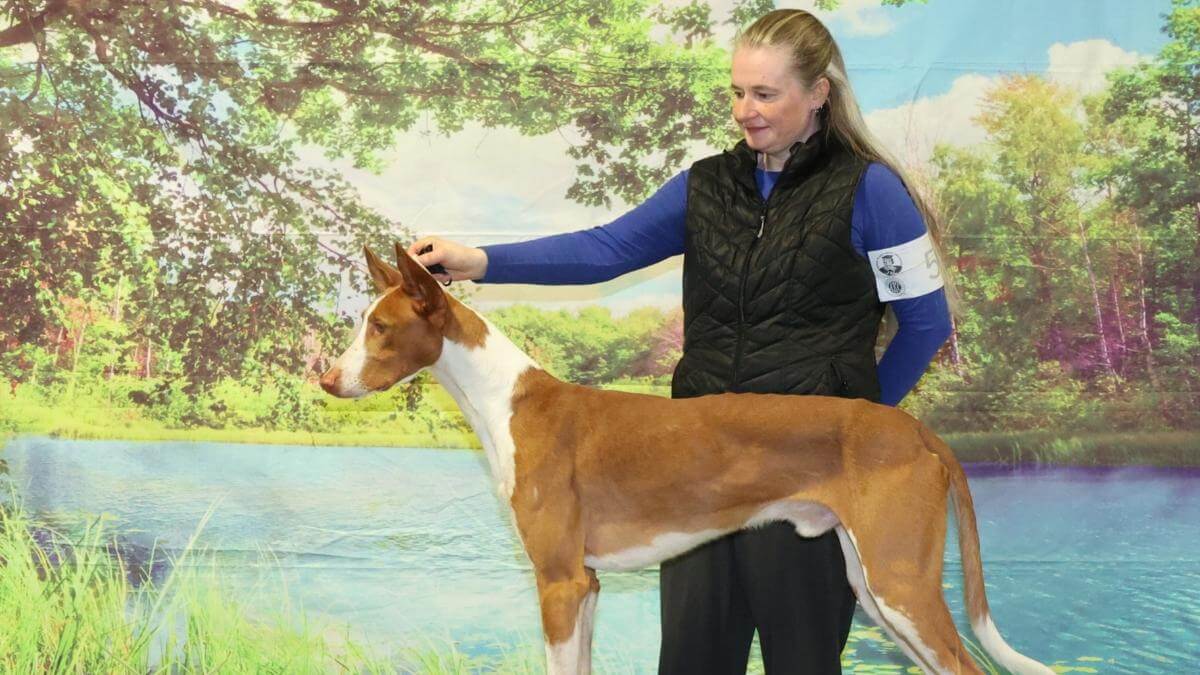
Veterinarian Katie Belz shares her journey with Ibizan Hounds, breeding, health, and promoting performance and community in the breed.
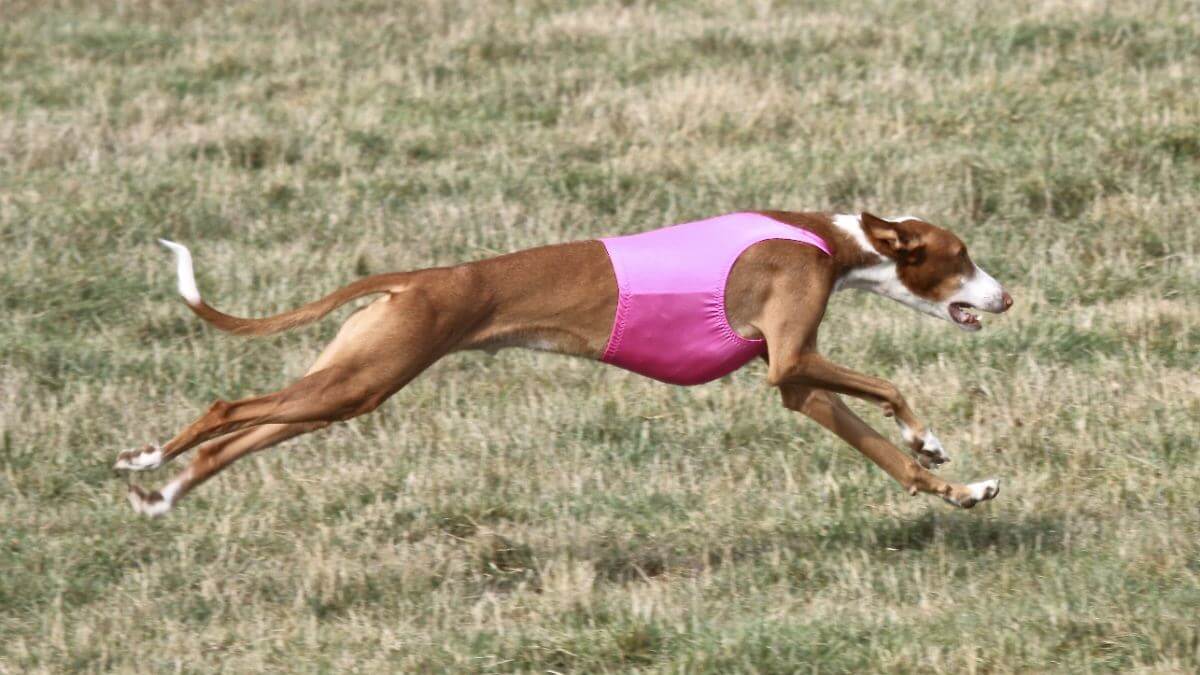

Living with an Ibizan Hound: A high-energy, intelligent breed that thrives with active owners, social interaction, and care.

All About Judging
Judging Ibizan Hounds: focus on balance, joint flexion, ear shape, and function as a lithe, elegant, powerful hunting breed.
All About Judging
Uncover the timeless allure of the Ibizan Hound, from ancient origins to modern breed standards. Expert insights await.
All About Judging
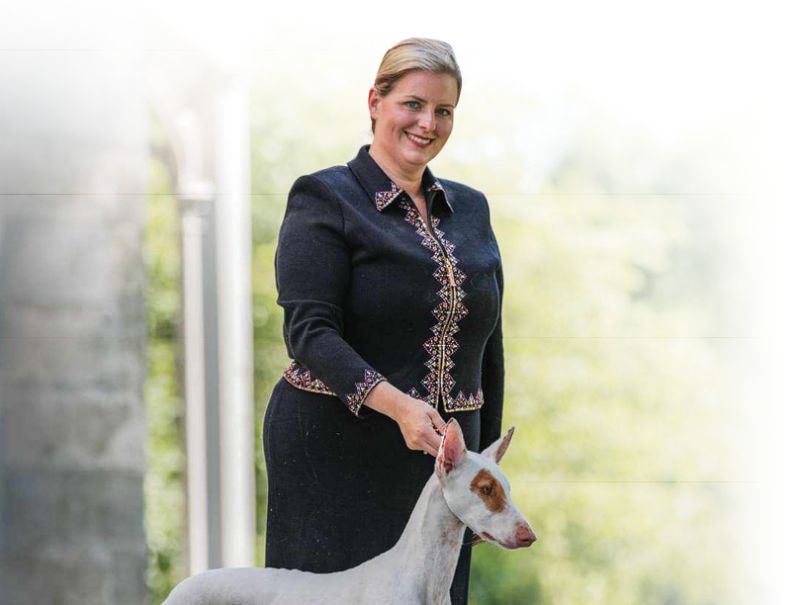
Mastering the art of Ibizan Hound presentation: expert tips and insights for showcasing their natural grace and beauty.


Meet the Breeders
Jessica Stover is the breeder behind Dugualla Ibizan Hounds. Read about the kennel’s beginnings, the dogs, the puppies, and much more!

Dog Sports
Beezer Bash: Ibizan Hound Club of the United States held a Regional Specialty at Kominek Farms in Limestone, TN, on 12/27/2022. Read more.

Meet the Owner Handlers
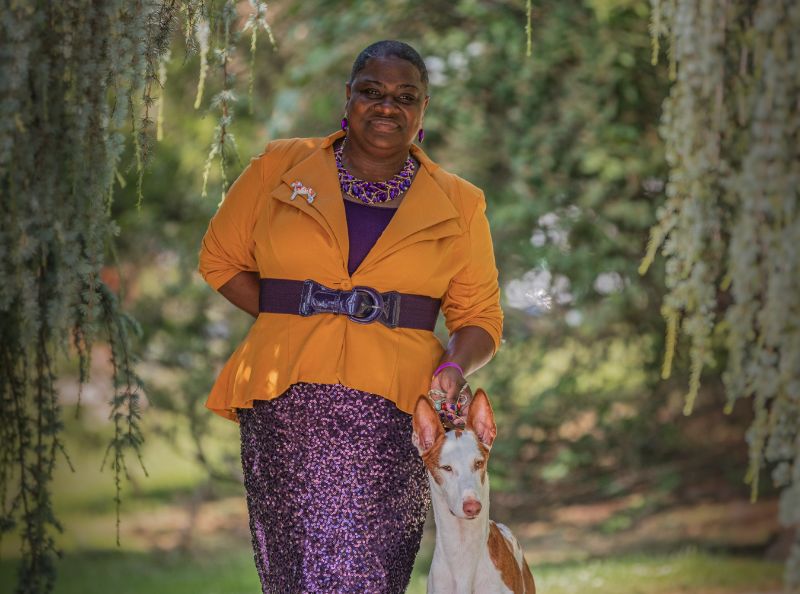
Insights from an Owner Handler, Alexandria Mitchell-Lynch. Read about her opinions on various topics about dog handling in the show ring.
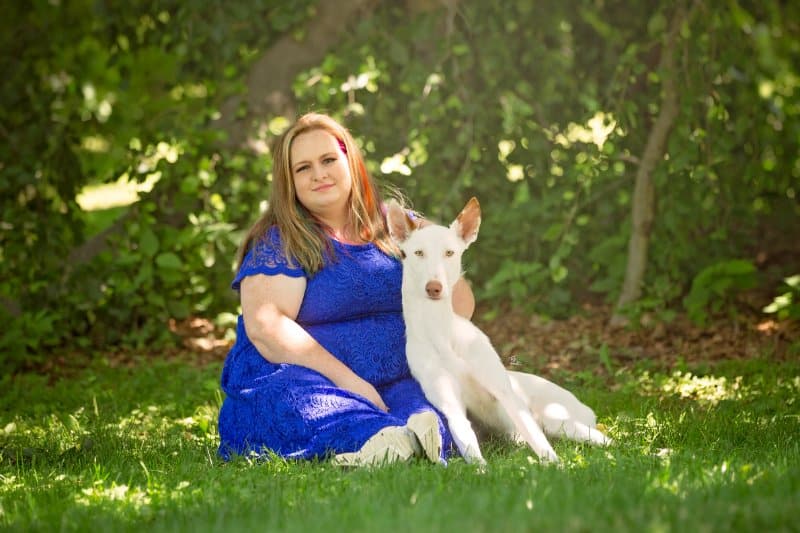

Meet the Owner Handlers
Insights from Owner Handler Sarah Wade. Read about her opinions on various topics about dog handling in the modern show ring.
The tail of the Ibizan Hound is a striking extension of its elegant silhouette, adding to the breed's distinctive appearance. Long, slender, and tapering, the tail is set low and reaches down to the hocks. In moments of excitement or alertness, the tail may be raised but is generally carried low, particularly so when the dog is at rest.
When in motion, the Ibizan's mobile tail can be seen gently curving, but it never curls over the back. The tail not only contributes to the breed's aesthetic appearance, it also serves as a rudder during high-speed chases, providing counter-balance and assisting with direction.
A Note About Color: The coat’s color is white and/or red, either solid or in any combination. The red ranges from a yellowish red, referred to as “lion,” to a deep red. No color or pattern is preferred.
Coat Type
Wiry, Smooth
The structure of the coat this breed carries.
Coat Length
Short
How long the breed's coat grows when kept in condition.
Adaptability Level
How easily a breed copes with changes in home, routine, noise and weather.
Mental Stimulation Needs
How much a breed needs a job, a puzzle or training to stay content.
Some children will find a gentle and patient companion in the Ibizan Hound. As is the norm with all dogs, however, it is imperative for adults to see that all interactions are made under watchful supervision, and to instill in young kids the correct manner for approaching and handling a dog.
Initially reserved around unfamiliar faces due to the breed's history as a vigilant hunting dog, the Ibizan Hound tends to warm up and become more welcoming with time. Any initial wariness with strangers can be eased with early and consistent socialization, which supports that typically friendly Beezer demeanor.
Feeding an Ibizan Hound requires an understanding of the breed's specific nutritional needs and energy levels. As an agile and active breed, this hound’s dietary needs might differ slightly from other dogs of their size.
When it comes to feeding an Ibizan puppy, it's essential to provide a nutrient-rich diet that supports rapid growth and development. Puppies usually have higher energy demands, so a diet that is tailored for high energy and growth is recommended. As they transition into adulthood, their dietary needs will change.
An adult Ibizan Hound will require a balanced diet that caters to the individual’s energy levels while preventing any unnecessary weight gain. High-quality commercial dog foods, especially those formulated for active breeds, often provide the right balance of nutrients. The amount of food an Ibizan requires can vary based on activity level, age, and metabolism. On average, these dogs might consume about 2 to 3 cups of good quality dry dog food per day, divided into two meals. However, this is a general guideline, and it's always best to consult with a veterinarian to determine the exact feeding amount suitable for a particular dog.
It's essential to monitor a Beezer’s weight and adjust the feeding amount as needed. Overfeeding or providing a diet lacking in essential nutrients can lead to health issues. Offering a mix of dry kibble with occasional wet food or wholesome homemade treats can provide variety and keep the hound interested in its meals.
It’s essential to always have fresh water readily available for the Ibizan Hound. Hydration is just as crucial as nutrition, especially for such an active breed.
Training an Ibizan Hound offers a unique experience, colored by the breed's intelligence, independence, and hunting heritage. The journey to training these elegant hounds requires patience, consistency, and an understanding of their intrinsic nature.
Ibizans are smart, which can sometimes be a double-edged sword. On one hand, they pick up on commands and cues quickly, but on the other, their intelligence can make them a bit self-willed, often figuring out ways to outsmart their owners. This trait underlines the importance of starting early on training and being consistent throughout the journey.
Despite their poised appearance, Ibizan Hounds can be surprisingly vocal. Their tendency to bark, especially when they spot something intriguing or feel the need to alert their family, can be managed with proper training. Teaching them commands like "quiet" or "enough" can be particularly beneficial in curbing excessive barking.
The breed's hunting lineage is evident in the Ibizan’s keen sense of smell and strong prey drive. These hounds are always on the alert, and anything that moves swiftly, be it a squirrel in the backyard or a leaf blowing in the wind, can capture their attention. This implies that while they may excel in activities that harness their hunting instincts, they might also be prone to chasing, making recall training essential.
Additionally, their intelligence shines in various dog sports and activities, where their problem-solving skills and agility come to the forefront. However, it's also essential to understand the Ibizan Hound’s potential for wanderlust. Given a chance, a Beezer might decide to go on an exploratory adventure, emphasizing the importance of a secure yard and proper leash training.
In all training endeavors with an Ibizan Hound, positive reinforcement methods yield the best results. These versatile hounds respond well to praise, treats, and play, each a useful tool that is effective in shaping desired behaviors.
Grooming Expectations
The coat of an Ibizan Hound can be smooth or wire-haired. Regardless of the type, the coat is left untrimmed. This means that shedding does occur, but it is minimal compared to other breeds. However, a regular brushing session once a week can help to remove any loose hairs and will ensure the coat maintains its natural vitality. For those with the wire-haired variety, occasional hand-stripping might be needed in order to maintain the coat's texture. Bathing an Ibizan Hound doesn't have to be a frequent affair. Given the breed’s modest coat and generally clean nature, baths can be reserved for when the dog gets particularly dirty or starts to emit a doggy odor. Using a dog-specific shampoo can help to maintain the coat's natural oils and safeguards the skin from drying out. Beyond coat care, other grooming essentials include regular cleaning of the ears, as their erect shape can be a magnet for debris and dirt. Dental hygiene is another vital aspect, with regular brushing or dental chews helping to prevent tartar build-up while maintaining good oral health. The Ibizan Hound’s nails, if not naturally worn down through activity, will need periodic trimming. It's essential to ensure they aren't too long, as overly long nails can lead to discomfort and even injury.