Members
01/Overview
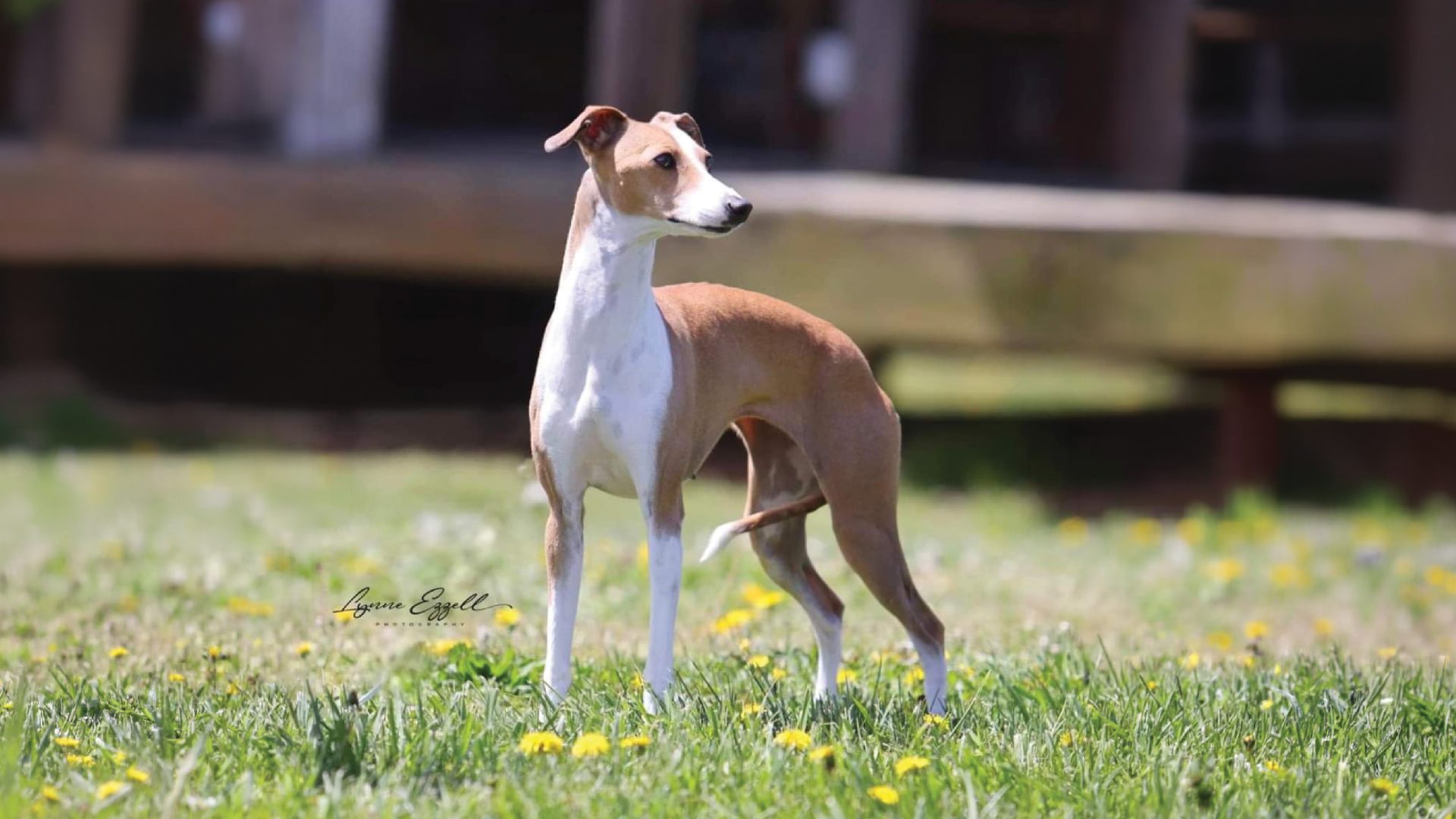
The Italian Greyhound is a small, elegant sighthound known for its fine-boned figure, graceful movement, short coat, and affectionate personality. Often called the “Iggy”or “IG,” the breed combines the sleek appearance and athletic ability of a larger sighthound with the size and temperament of a devoted companion.
Highlights
02/History
The Italian Greyhound is an ancient breed whose history stretches back more than 2,000 years. Small sighthounds resembling the modern Italian Greyhound have been depicted in artwork and found in archaeological remains from areas around the Mediterranean.
The breed became especially popular in Italy during the Renaissance, where it was favored by members of the nobility and wealthy households. Its refined appearance, small size, and affectionate nature made it highly valued as a companion dog, while its sighthound heritage contributed speed, agility, and a strong instinct to chase.
Italian Greyhounds appeared frequently in paintings alongside aristocrats and members of royal families. Their association with European courts helped spread the breed throughout the continent, including England and other parts of Western Europe.
Although primarily kept as companions, IGs retained many characteristics of larger sighthounds. They were capable of chasing small game and were admired for their speed, light movement, and athletic ability.
The breed became established in the United States during the nineteenth century. The American Kennel Club recognized the Italian Greyhound in 1886, and the breed is now part of the Toy Group.
The Italian Greyhound Club of America serves as the breed’s AKC Parent Club. The Fédération Cynologique Internationale also recognizes the breed and places it in Group 10, Sighthounds.
03/Appearance
A mature Italian Greyhound stands 13 to 15 inches tall at the withers and typically weighs between 7 and 14 pounds.
Skull: The Italian Greyhound has a long, narrow skull that is almost flat on top and tapers gradually toward the muzzle. The head should appear refined and well proportioned to the body.
Expression: The expression is alert, intelligent, and gentle, with a soft and attentive appearance.
Eyes: The eyes are medium in size, dark, and expressive. They should be bright and well set without appearing overly prominent.
Ears: The ears are small, fine in texture, and folded back along the neck or head when at rest. When the dog is alert, they may be carried partly erect.
Muzzle: The muzzle is long, fine, and tapered, with a clean outline and no coarseness.
Nose: The nose is dark, with pigmentation generally black or corresponding appropriately with the coat color.
Bite: The Italian Greyhound has strong teeth that meet in a scissors bite.
The Italian Greyhound is slender, fine-boned, and elegant, with a body that is slightly longer than tall. The outline should appear graceful and balanced, with smooth curves and no suggestion of coarseness.
The chest is deep and narrow, the back is slightly arched over the loin, and the abdomen is distinctly tucked up. Bone is light but sufficient for an athletic sighthound, supporting speed and agility while preserving the breed’s refined appearance.
The overall impression should be one of symmetry, grace, and lightness, with the structure clearly reflecting the Italian Greyhound’s sighthound heritage.
Texture: The Italian Greyhound has a short, smooth, fine coat that lies close to the body. The hair should have a soft, glossy appearance and requires little trimming or shaping. The skin is fine and supple.
Standard Colors
04/Consider
The Italian Greyhound is affectionate, sensitive, athletic, and closely attached to its family. Anyone considering the breed should be prepared for gentle handling, consistent training, regular exercise, dental care, and extra attention to preventing injuries because of the breed’s fine-boned build.
Interaction With Family
The level of affection a breed typically shows towards family members and familiar individuals.
Good With Other Dogs
The innate friendliness of a dog towards other dogs can depend on its breed.
Good With Young Children
The degree to which a breed will typically be patient with young children.
Amount Of Shedding
How much hair a breed typically leaves behind on clothes, furniture and floors.
Frequency Of Grooming
How often a breed needs brushing, bathing or a professional trim to stay in condition.
Amount Of Drooling
How prone a breed is to drool, worth knowing before you keep a towel by the door.
Openness To Strangers
How openly a breed tends to greet new people, visitors and strangers.
Protective Nature
How likely a breed is to alert you to anything unfamiliar, and stand between you and it.
Playfulness Level
How enthusiastic a breed stays about games and play well past puppyhood.
Trainability Level
How readily a breed takes direction and works with you rather than around you.
Barking Level
How much a breed uses its voice, and how readily.
Energy Level
How much get-up-and-go a breed brings to an average day.
Health
The Italian Greyhound is generally a healthy and long-lived breed with a typical lifespan of 14 to 15 years. Preventive veterinary care, balanced nutrition, regular exercise, good dental hygiene, and maintenance of a healthy weight can help support long-term health.
The Italian Greyhound is affectionate, sensitive, intelligent, and closely bonded with its family. Many individuals enjoy staying physically close to their people and can be especially devoted to one or two household members.
The breed is playful and lively, but it can also be reserved with unfamiliar people. Early socialization helps the Italian Greyhound become more comfortable with different environments, visitors, dogs, sounds, and everyday experiences.
Because of its sensitive nature, the Italian Greyhound usually responds best to calm handling and predictable routines. Harsh corrections or rough treatment can make the breed timid or reluctant to engage.
Exercise Expectations
A healthy adult generally benefits from about 30 to 60 minutes of activity each day, divided into manageable sessions. Walks, secure running opportunities, play, and training can provide both physical and mental stimulation. Because of the breed’s fine-boned structure, rough play, uncontrolled jumping, and collisions with larger dogs should be avoided. Off-leash exercise should take place only in securely enclosed areas because the breed may chase moving animals.
Grooming Expectations
The Italian Greyhound is well suited to apartment or house living as long as it receives regular exercise and companionship. The breed generally prefers being indoors with its family and is not suited to spending long periods outside.
Its fine coat and low body fat make it sensitive to cold weather, while its slender legs require care around high furniture, stairs, slippery floors, and rough play. Secure fencing is also important because an Italian Greyhound may quickly chase wildlife or other moving animals.
The breed usually does best with people who appreciate a gentle, affectionate, and athletic companion. Regular interaction, consistent routines, and a safe home environment help the Italian Greyhound thrive.
05/Puppies
Italian Greyhound puppies are affectionate, playful, curious, and often very energetic. They benefit from gentle handling, early socialization, consistent routines, and careful supervision because their fine-boned legs are especially vulnerable to injury while they are growing.
An Italian Greyhound puppy should have a predictable daily schedule that includes regular meals, potty breaks, naps, play, training, and quiet time. A crate or secure puppy area can provide a safe place to rest and can also support housetraining.
Early socialization should introduce the puppy to different people, well-mannered dogs, household sounds, surfaces, vehicles, and unfamiliar environments. These experiences should remain positive and appropriate for the puppy’s age.
Training can begin as soon as the puppy arrives home. Short sessions can focus on name response, recall, leash walking, house training, basic manners, and calm behavior around visitors. Because Italian Greyhounds are sensitive, patient and reward-based methods are usually the most effective.
A puppy should receive a complete and balanced diet formulated for growth. Young puppies generally do best with several small meals throughout the day before gradually transitioning to an adult feeding schedule.
Exercise should focus on supervised play, short walks, and gentle exploration. Jumping from furniture, rough play, slippery surfaces, and uncontrolled interaction with larger dogs should be limited because developing Italian Greyhounds can be prone to leg injuries.
Regular veterinary visits are important during the first year. Grooming routines such as nail trimming, ear checks, coat care, and especially tooth brushing should also begin early so that the puppy becomes comfortable with regular handling.
06/Activities
Italian Greyhounds are athletic, intelligent, and responsive dogs that often enjoy activities involving speed, agility, and close cooperation with a handler. Here are some of the dog sports and activities in which Italian Greyhounds may participate:
Lure Coursing: Italian Greyhounds can use their natural sighthound instincts to chase a mechanically operated lure across an open course.
Fast CAT: This timed 100-yard dash allows the Italian Greyhound to demonstrate its speed and enthusiasm for chasing.
Agility: Italian Greyhounds can use their balance, coordination, and quick reactions while navigating obstacle courses.
Obedience: Obedience Trials allow the breed to demonstrate focus, responsiveness, and reliable performance with a handler.
Rally: Rally Obedience combines obedience exercises with movement through a designated course and can provide both mental and physical stimulation.
Conformation Shows: Italian Greyhounds compete in Conformation Shows, where judges evaluate each dog according to the Breed Standard, including structure, movement, coat, expression, temperament, and overall type.
Scent Work: Italian Greyhounds can use their sense of smell to locate specific odors hidden in containers, indoor spaces, outdoor areas, or vehicles.
Trick Dog: Trick training provides mental stimulation and gives the Italian Greyhound an enjoyable way to use its intelligence and responsiveness.
Therapy Work: A calm, friendly, and well-socialized Italian Greyhound may participate in therapy visits to hospitals, schools, assisted living facilities, and other settings.
Canine Good Citizen: Italian Greyhounds may participate in programs that evaluate everyday manners, social behavior, and reliability around people and other dogs.
Gallery
07/Standards
The Italian Greyhound is recognized by the world’s leading registries and kennel organizations, which categorize the breed into a specific Group based on its unique characteristics. This breed is recognized worldwide under the following Group designations:
The ideal Italian Greyhound is described by a Breed Standard that is approved by each of the world’s leading registries and kennel organizations. The Standards for this breed may be found in the following links:
08/Clubs
Italian Greyhound clubs support breed education, responsible breeding, health initiatives, Conformation shows, Performance events, and adherence to the Breed Standard.
Italian Greyhound Club of America: Established in 1954, this is the national breed club for the Italian Greyhound in the United States and the breed’s AKC parent club.
Italian Greyhound Club of Canada: Canada’s national organization for IGs welcomes breeders, exhibitors, and breed enthusiasts.
The Italian Greyhound Club: Founded in 1990, this is the breed club in the UK whose members are dedicated to promoting and preserving the Italian Greyhound through dog shows and educational initiatives.
09/Rescue
Breed-specific rescue organizations help Italian Greyhounds that have been surrendered, abandoned, or found in shelters. These groups may provide foster care, veterinary treatment, behavioral evaluation, and placement with an appropriate adoptive family.
Italian Greyhound Club of America Rescue Resources: The breed’s AKC parent club can provide rescue contacts, referrals, or guidance for Italian Greyhounds needing placement.
Italian Greyhound Rescue Foundation: A nonprofit organization dedicated to rescuing, rehabilitating, and rehoming IGs throughout the United States.
Italian Greyhound Club of Canada: Canada’s national breed club may provide information or referrals for Italian Greyhounds needing rescue or rehoming.
Italian Greyhounds may also be found through local shelters, sighthound rescue organizations, and national adoption databases. These resources can provide additional options for people interested in adopting an Italian Greyhound or IG mix.
10/Facts
An Ancient Sighthound
Dogs resembling the Italian Greyhound have appeared in Mediterranean art and archaeological remains dating back more than 2,000 years.
A Favorite of European Nobility
The breed became especially popular among aristocratic families during the Renaissance and was frequently featured in paintings alongside members of royal and noble households.
Known as the “Iggy”
Italian Greyhound enthusiasts sometimes use the affectionate nickname “Iggy” for the breed.
Fast Despite Its Size
The Italian Greyhound is capable of impressive bursts of speed and often enjoys running, Fast CAT, and Lure Coursing.
11/FAQ
Italian Greyhounds can make excellent pets for people who want an affectionate, sensitive, and athletic companion. They usually do best with gentle handling, regular companionship, and a predictable daily routine.

Written by
Dan Sayers is the Executive Editor of SHOWSIGHT. He is a member of the World Dog Press Association and the Dog Writers Association of America, which recognized his illustrations in the award-winning Encyclopedia of K-9 Terminology. Dan is a longtime supporter of the sport of dogs and an advocate for the conservation of recognized breeds in all their forms and functions. He is a member of the Morris and Essex Kennel Club, and for 45 years, the Irish Water Spaniel Club of America where he serves as AKC Delegate, Archivist, and approved Breed Mentor. Dan breeds under the Quiet Storm prefix and has judged the IWSCA National Specialty Sweepstakes twice.
Official Standard of the Italian Greyhound
Description: The Italian Greyhound is very similar to the Greyhound, but much smaller and more slender in all proportions and of ideal elegance and grace.
Head: Narrow and long, tapering to nose, with a slight suggestion of stop. Skull - Rather long, almost flat. Muzzle - Long and fine. Nose - Dark. It may be black or brown or in keeping with the color of the dog. A light or partly pigmented nose is a fault. Teeth - Scissors bite. A badly undershot or overshot mouth is a fault. Eyes - Dark, bright, intelligent, medium in size. Very light eyes are a fault. Ears - Small, fine in texture; thrown back and folded except when alerted, then carried folded at right angles to the head. Erect or button ears severely penalized.
Neck: Long, slender and gracefully arched.
Body: Of medium length, short coupled; high at withers, back curved and drooping at hindquarters, the highest point of curve at start of loin, creating a definite tuck-up at flanks. Shoulders - Long and sloping. Chest - Deep and narrow.
Forelegs: Long, straight, set well under shoulder; strong pasterns, fine bone.
Hindquarters: Long, well-muscled thigh; hind legs parallel when viewed from behind, hocks well let down, well-bent stifle.
Feet: Harefoot with well-arched toes. Removal of dewclaws optional.
Tail: Slender and tapering to a curved end, long enough to reach the hock; set low, carried low. Ring tail a serious fault, gay tail a fault.
Coat: Skin fine and supple, hair short, glossy like satin and soft to the touch.
Color: Any color and markings are acceptable except that a dog with brindle markings and a dog with the tan markings normally found on black-and-tan dogs of other breeds must be disqualified. Action: High stepping and free, front and hind legs to move forward in a straight line. Size: Height at withers, ideally 13 to 15 inches.
Disqualifications: A dog with brindle markings. A dog with the tan markings normally found on black-and-tan dogs of other breeds.
Approved December 14, 1976

Meet the Breeders
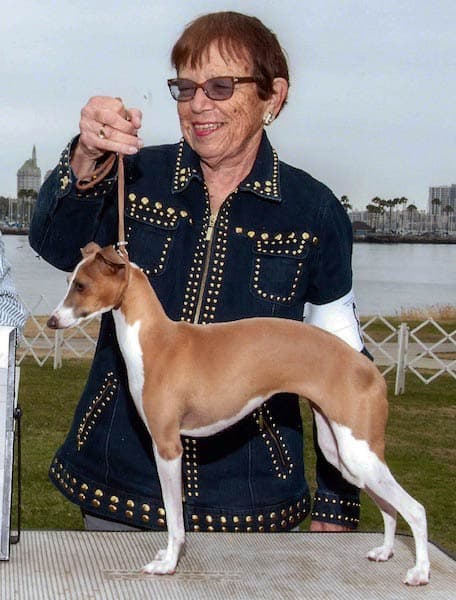
Interview with Hound Group Breeder D. Scott Pfeil – Wynsyr Kennels Where do I live? How many years in dogs? How many years as a breeder? D. Scott Pfeil: We live in Ingleside, Illinois, about forty miles northwest of Chicago on 10 beautiful acres with a pond. I have been involved in the […]
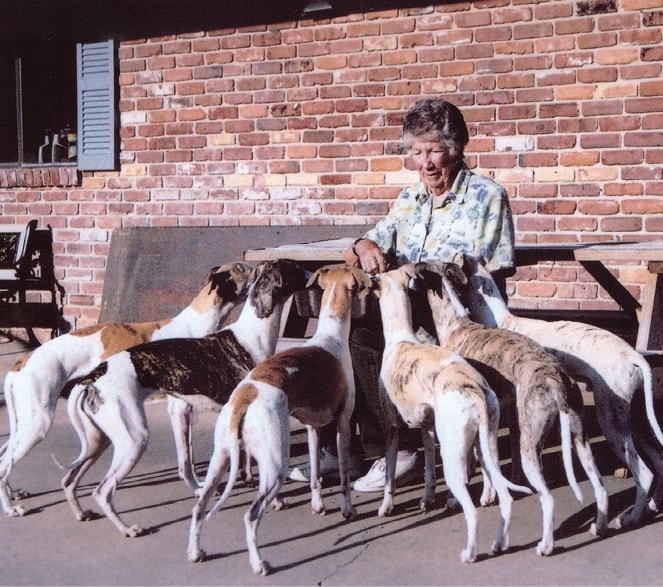

An Interview with Carol Harris | Bo-Bett Farm – Carol Harris of the Ocala, Florida, area passed away on August 7, 2021 at age 98.
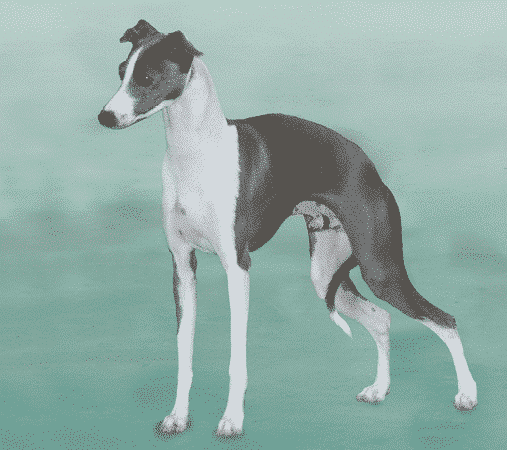
All About Judging
I decided to go through the Italian Greyhound standard and make a comment or two about each point, especially the sections that seem a little unclear to some. Here is the result:
The tail is slender, set low, and tapers gradually toward the tip. It is carried low and slightly curved, extending to approximately the hock when relaxed and contributing to the breed’s graceful sighthound outline.
Standard Markings
A Note About Color: Any color and markings are acceptable, except that a dog with brindle markings and a dog with the tan markings normally found on black-and-tan dogs of other breeds must be disqualified from the show ring.
Coat Type
Smooth
The structure of the coat this breed carries.
Coat Length
Short
How long the breed's coat grows when kept in condition.
Adaptability Level
How easily a breed copes with changes in home, routine, noise and weather.
Mental Stimulation Needs
How much a breed needs a job, a puzzle or training to stay content.
An Italian Greyhound should receive a complete and balanced diet appropriate for the dog’s age, activity level, and body condition. Portions should be measured carefully so the dog remains lean without becoming underweight.
Most adults do well with two measured meals per day, while puppies may need three or four smaller meals during growth. Treats can be useful during training but should remain a limited part of the dog’s total daily calorie intake.
Fresh water should always be available. Most importantly, maintaining a healthy body condition helps support joint health, mobility, and overall fitness.
The Italian Greyhound is intelligent and capable of learning quickly, but its sensitive and sometimes independent personality can make training challenging if sessions become repetitive or overly forceful.
Short, positive sessions using food, praise, toys, or play generally work best. Early training should include recall, leash manners, house training, basic cues, and calm behavior around visitors and other dogs.
House training can require patience, especially during cold or wet weather when some Italian Greyhounds may be reluctant to go outdoors. Consistent routines and frequent opportunities to eliminate can help build reliable habits.
Bathing is needed only when the dog becomes dirty or develops an odor. The breed has little protection from cold weather, so many Italian Greyhounds benefit from a sweater or coat during low temperatures. Nails should be trimmed regularly, ears should be checked for debris or irritation, and teeth should be brushed routinely. Dental care is especially important in this breed and should begin early in life.