Members
01/Overview
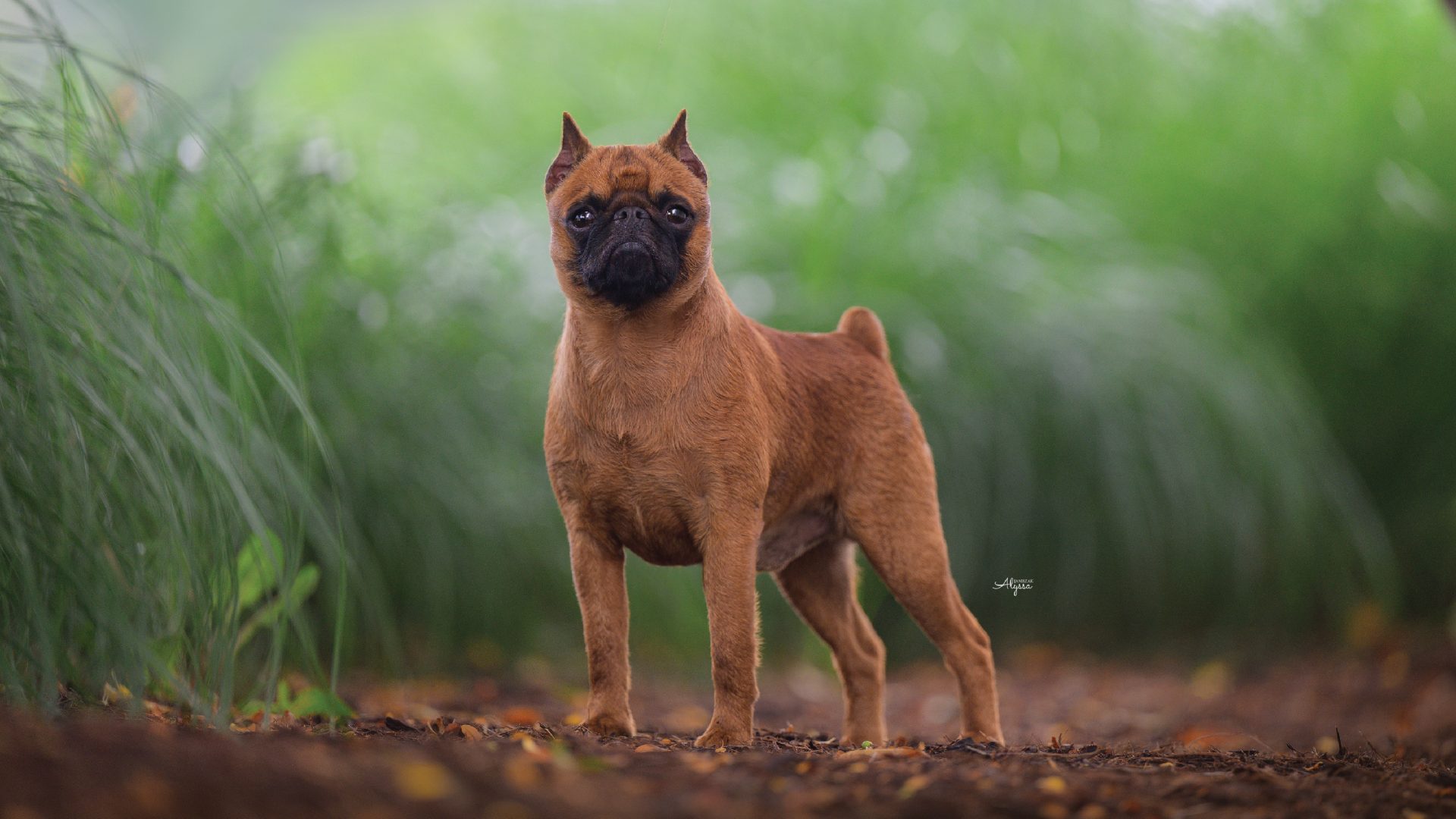
The Brussels Griffon is a small companion breed known for its expressive face, compact build, and confident personality. Often described as almost human in expression, the breed is affectionate, intelligent, alert, and typically forms very close bonds with its family.
The breed comes in two coat types, Rough and Smooth, with the Smooth variety also known as the Petit Brabançon in some countries.
Highlights
02/History
The Brussels Griffon originated in Belgium, where its ancestors were small rough-coated dogs kept around stables to control rats and other vermin. These early dogs were commonly associated with coachmen and were valued for their alertness, toughness, and compact size.
During the nineteenth century, Belgian breeders began crossing these small stable dogs with other toy-sized breeds to refine their appearance and temperament. Breeds believed to have contributed to the development of the Brussels Griffon include the Pug, English Toy Spaniel, and Affenpinscher.
These crosses helped to create the breed’s distinctive short muzzle, large expressive eyes, domed head, and compact body. They also produced both Rough and Smooth coat varieties.
The breed gained popularity in Belgium and attracted the attention of members of the royal family. Queen Marie Henriette of Belgium became especially interested in the breed, increasing its visibility and popularity during the late nineteenth century.
As interest in the breed grew, Brussels Griffons were exported to other European countries and to the United States. Organized breeding and dog shows helped establish a more consistent type and formal Breed Standard.
The American Kennel Club recognized the Brussels Griffon in 1910 and placed the breed in the Toy Group. The American Brussels Griffon Association serves as the breed’s AKC parent club.
The Fédération Cynologique Internationale recognizes three closely related Belgian breeds: the Griffon Bruxellois, Griffon Belge, and Petit Brabançon.
03/Appearance
A mature Brussels Griffon typically stands 7 to 10 inches tall at the withers and weighs between 8 and 10 pounds.
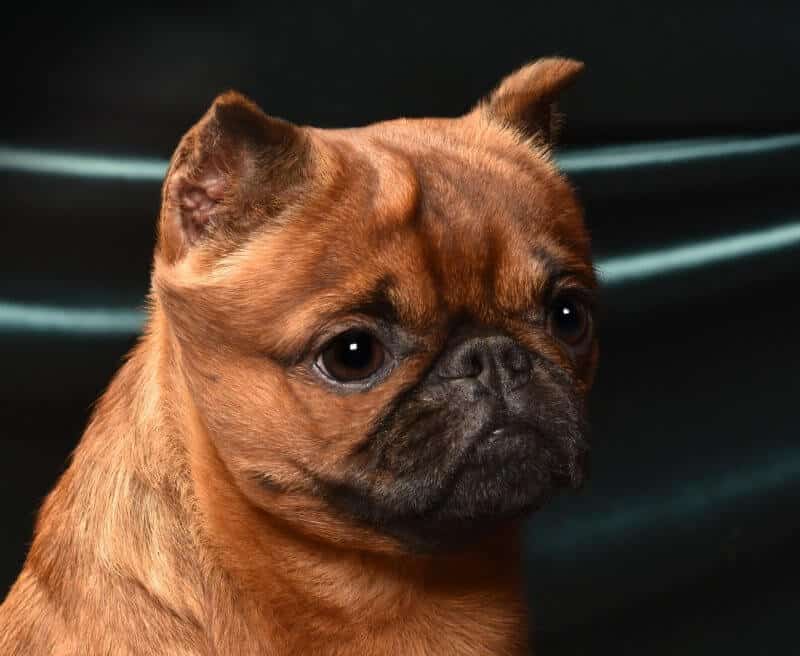
Skull: The Brussels Griffon has a large, round head with a broad skull and a well-domed forehead. The head is prominent in proportion to the body and contributes strongly to the breed’s distinctive appearance.
Expression: The expression is alert, intelligent, and almost human-like, with a curious and self-important look.
Eyes: The Griffon’s eyes are very large, dark, round, and set well apart. They should be prominent without appearing excessively protruding.
Ears: The ears are small and set high on the head. They may be left natural and carried semi-erect or may be cropped where permitted.
Muzzle: The muzzle is very short and broad, with a well-padded appearance and a prominent chin. The nose is set high and positioned close to the level of the eyes.
Nose: The nose is black, broad, and set well back between the eyes, with open nostrils.
Bite: The Brussels Griffon has an undershot bite, with the lower jaw projecting beyond the upper jaw, contributing to the breed’s characteristic expression.
The Brussels Griffon is a small, compact, square-proportioned toy breed with good bone and a sturdy build. The body should appear well balanced and substantial for its size without looking coarse or heavy.
The back is short and level, the chest is broad and deep, and the ribs are well sprung. The breed should have enough substance to appear solid and athletic while still maintaining the refined proportions expected of a companion dog.
Texture: The Brussels Griffon comes in two coat types. The Rough Coat has a dense, wiry texture with a distinctive beard and facial furnishings, while the Smooth Coat has short, straight, glossy hair that lies close to the body.
Standard Colors
Standard Markings
04/Consider
Interaction With Family
The level of affection a breed typically shows towards family members and familiar individuals.
Good With Other Dogs
The innate friendliness of a dog towards other dogs can depend on its breed.
Good With Young Children
The degree to which a breed will typically be patient with young children.
Amount Of Shedding
How much hair a breed typically leaves behind on clothes, furniture and floors.
Frequency Of Grooming
How often a breed needs brushing, bathing or a professional trim to stay in condition.
Amount Of Drooling
How prone a breed is to drool, worth knowing before you keep a towel by the door.
Openness To Strangers
How openly a breed tends to greet new people, visitors and strangers.
Protective Nature
How likely a breed is to alert you to anything unfamiliar, and stand between you and it.
Playfulness Level
How enthusiastic a breed stays about games and play well past puppyhood.
Trainability Level
How readily a breed takes direction and works with you rather than around you.
Barking Level
How much a breed uses its voice, and how readily.
Energy Level
How much get-up-and-go a breed brings to an average day.
Health
The Brussels Griffon is generally a healthy breed with a typical lifespan of 12 to 15 years. Preventive veterinary care, balanced nutrition, regular exercise, dental care, and maintenance of a healthy weight can help support long-term health.
The Brussels Griffon is affectionate, intelligent, sensitive, and usually very attached to its family. Many individuals prefer staying close to their people and can develop especially strong bonds with one person.
The breed is lively, alert, and often full of personality. Brussels Griffons can be playful and entertaining, but they may also be sensitive to changes in routine or harsh treatment.
Early socialization helps the Griffon become more comfortable with unfamiliar people, dogs, sounds, and environments. Calm handling and positive experiences are especially important because some Brussels Griffons can be reserved or cautious.
Exercise Expectations
A healthy adult generally benefits from about 30 to 45 minutes of activity each day, divided into manageable sessions. Games, scent work, trick training, and secure opportunities to explore can provide additional mental stimulation. Because of the breed’s short muzzle, strenuous exercise should be limited in hot or humid weather. Activity should also be adjusted to the dog’s age, fitness level, and breathing comfort.
Grooming Expectations
The Brussels Griffon can adapt well to apartment or house living as long as it receives regular exercise, companionship, and mental stimulation. The breed generally prefers being indoors and staying close to its family.
Griffons often do best in homes where they are not left alone for long periods. Their small size and sensitive nature also mean that interactions with young children or much larger dogs should be supervised carefully.
The breed usually does best with people who appreciate an affectionate, alert, and expressive companion. Consistent routines, gentle handling, and regular interaction help the Brussels Griffon thrive.
05/Puppies
Brussels Griffon puppies are affectionate, curious, playful, and often very closely attached to their families. They benefit from gentle handling, early socialization, consistent routines, and positive training from an early age.
A Brussels Griffon puppy should have a predictable daily schedule that includes regular meals, potty breaks, naps, play, training, and quiet time. A crate or secure puppy area can provide a safe place to rest and can also support housetraining.
Early socialization should introduce the puppy to different people, well-mannered dogs, household sounds, surfaces, vehicles, and unfamiliar environments. These experiences should remain positive and appropriate for the puppy’s age.
Training can begin as soon as the puppy arrives home. Short sessions can focus on name response, recall, leash walking, house training, basic manners, and calm behavior around visitors. Because the breed is sensitive, patient and reward-based methods are generally the most effective.
A puppy should receive a complete and balanced diet formulated for growth. Young puppies generally do best with several small meals throughout the day before gradually transitioning to an adult feeding schedule.
Exercise should focus on supervised play, short walks, and gentle exploration. Strenuous activity should be limited in hot or humid weather because the breed’s short muzzle can make overheating and breathing difficulties more likely.
Regular veterinary visits are important during the first year. Grooming routines such as brushing, nail trimming, ear checks, facial care, and tooth brushing should also begin early so that the puppy becomes comfortable with regular handling.
06/Activities
Brussels Griffons are intelligent, lively, and responsive dogs that often enjoy activities involving movement, problem-solving, and close cooperation with a handler. Here are some of the dog sports and activities in which Brussels Griffons may participate:
Agility: Brussels Griffons can use their balance, coordination, and quick reactions while navigating obstacle courses.
Obedience: Obedience Trials allow the breed to demonstrate focus, responsiveness, and reliable performance with a handler.
Rally: Rally Obedience combines obedience exercises with movement through a designated course and can provide both mental and physical stimulation.
Fast CAT: This timed 100-yard dash gives the Brussels Griffon an opportunity to use its speed and enthusiasm for running.
Scent Work: Brussels Griffons can use their sense of smell to locate specific odors hidden in containers, indoor spaces, outdoor areas, or vehicles.
Conformation Shows: Brussels Griffons compete in Conformation Shows, where judges evaluate each dog according to the Breed Standard, including structure, movement, coat, expression, temperament, and overall type.
Trick Dog: Trick training provides mental stimulation and gives the Brussels Griffon an enjoyable way to use its intelligence and eagerness to learn.
Therapy Work: A calm, friendly, and well-socialized Brussels Griffon may participate in therapy visits to hospitals, schools, assisted living facilities, and other settings.
Canine Good Citizen: Brussels Griffons may participate in programs that evaluate everyday manners, social behavior, and reliability around people and other dogs.
Gallery
07/Standards
The Brussels Griffon is recognized by the world’s leading registries and kennel organizations, which categorize the breed into a specific Group based on its unique characteristics. This breed is recognized worldwide under the following Group designations:
The ideal Brussels Griffon is described by a Breed Standard that is approved by each of the world’s leading registries and kennel organizations. The Standards for this breed may be found in the following links:
08/Clubs
Brussels Griffon clubs support breed education, responsible breeding, health initiatives, Conformation shows, Performance events, and adherence to the Breed Standard.
American Brussels Griffon Association: Established in 1945, this is the national breed club for the Brussels Griffon in the United States and the breed’s AKC parent club.
National Brussels Griffon Club of Canada: Canada’s national organization for the Brussels Griffon welcomes breeders, exhibitors, and breed enthusiasts.
Griffon Bruxellois Club: Founded in 1897, this is the breed club in the UK, dedicated to promoting and preserving the Brussels Griffon through dog shows and educational initiatives.
09/Rescue
Breed-specific rescue organizations help Brussels Griffons that have been surrendered, abandoned, or found in shelters. These groups may provide foster care, veterinary treatment, behavioral evaluation, and placement with an appropriate adoptive family.
National Brussels Griffon Rescue, Inc.: A nonprofit rescue organization dedicated to helping Brussels Griffons and related small companion breeds in need through foster care, rehabilitation, and adoption.
National Brussels Griffon Club of Canada: Canada’s national breed club may provide information or referrals for Brussels Griffons needing rescue or rehoming.
Brussels Griffons may also be found through local shelters, toy breed rescue organizations, and national adoption databases. These resources can provide additional options for people interested in adopting a Brussels Griffon or Griffon mix.
10/Facts
Developed in Belgium
The Brussels Griffon originated in Belgium, where its ancestors were small stable dogs used to control rats and other vermin.
Known for a Human-Like Expression
The breed’s large eyes, short muzzle, prominent chin, and expressive face often give it an almost human appearance.
Once Favored by Belgian Royalty
Queen Marie Henriette of Belgium helped to increase the breed’s popularity during the nineteenth century.
Recognized by the AKC in 1910
The American Kennel Club recognized the Brussels Griffon in 1910, and the breed is part of the Toy Group.
11/FAQ
Brussels Griffons can make excellent pets for people who want an affectionate, intelligent, and expressive companion. They usually do best with regular interaction, gentle handling, and consistent routines.

Written by
Dan Sayers is the Executive Editor of SHOWSIGHT. He is a member of the World Dog Press Association and the Dog Writers Association of America, which recognized his illustrations in the award-winning Encyclopedia of K-9 Terminology. Dan is a longtime supporter of the sport of dogs and an advocate for the conservation of recognized breeds in all their forms and functions. He is a member of the Morris and Essex Kennel Club, and for 45 years, the Irish Water Spaniel Club of America where he serves as AKC Delegate, Archivist, and approved Breed Mentor. Dan breeds under the Quiet Storm prefix and has judged the IWSCA National Specialty Sweepstakes twice.
Official Standard for the Brussels Griffon
General Appearance: A toy dog, intelligent, alert, sturdy, with a thickset, short body, a smart carriage and set-up, attracting attention by an almost human expression. There are two distinct types of coat: rough or smooth. Except for coat, there is no difference between the two.
Size, Proportion, Substance: Size-Weight usually 8 to 10 pounds, and should not exceed 12 pounds. Type and quality are of greater importance than weight, and a smaller dog is sturdy and well proportioned should not be penalized. Proportion- Square, as measured from point of shoulder to rearmost projection of upper thigh and from withers to ground. Substance-Thickset, compact with good balance. Well boned.
Head: A very important feature. An almost human expression. Eyes set well apart, very large, black, prominent, and well open. The eyelashes long and black. Eyelids edged with black. Ears small and set rather high on the head. May be shown cropped or natural. If natural they are carried semi-erect. Skull large and round, with a domed forehead. The stop deep. Nose very black, extremely short, its tip being set back deeply between the eyes so as to form a lay-back. The nostrils large. Disqualifications-Dudley or butterfly nose. Lips edged with black, not pendulous but well brought together, giving a clean finish to the mouth. Jaws must be undershot. The incisors of the lower jaw should protrude over the upper incisors. The lower jaw is prominent, rather broad with an upward sweep. Neither teeth nor tongue should show when the mouth is closed. A wry mouth is a serious fault. Disqualifications-Bite overshot. Hanging tongue.
Neck, Topline, Body: Neck medium length, gracefully arched. Topline- Back level and short. Body- A thickset, short body. Brisket should be broad and deep, ribs well sprung. Short-coupled. Tail- set and held high. If docked, it is docked to 1/3. If undocked the tail is carried upwards with the tip towards the back without ever reaching the back or being curled. This is a gracefully held saber type tail.
Forequarters: Forelegs medium length, straight in bone, well muscled, set moderately wide apart and straight from the point of the shoulders as viewed from the front. Pasterns short and strong. Feet round, small, and compact, turned neither in nor out. Toes well arched. Black pads and toenails preferred.
Hindquarters: Hind legs set true, thighs strong and well muscled, stifles bent, hocks well let down, turning neither in nor out.
Coat: The rough coat is wiry and dense, the harder and more wiry the better. On no account should the dog look or feel woolly, and there should be no silky hair anywhere. The coat should not be so long as to give a shaggy appearance, but should be distinctly different all over from the smooth coat. The head should be covered with wiry hair, slightly longer around the eyes, nose, cheeks, and chin, thus forming a fringe. The rough coat is hand-stripped and should never appear unkempt. Body coat of sufficient length to determine texture. The coat may be tidied for neatness of appearance, but coats prepared with scissors and/or clippers should be severely penalized. The smooth coat is straight, short, tight and glossy, with no trace of wiry hair.
Color: Either 1) Red: reddish brown with a little black at the whiskers and chin allowable; 2) Belge: black and reddish brown mixed, usually with black mask and whiskers; 3) Black and Tan: black with uniform reddish brown markings, appearing under the chin, on the legs, above each eye, around the edges of the ears and around the vent; or 4) Black: solid black. Any white hairs are a serious fault, except for “frost” on the muzzle of a mature dog, which is natural. Disqualification- White spot or blaze anywhere on coat.
Gait: Movement is a straightforward, purposeful trot, showing moderate reach and drive, and maintaining a steady topline. Temperament: Intelligent, alert and sensitive. Full of self-importance.
Scale of Points
Head
Skull 5
Nose and stop 10
Eyes 5
Bite, chin and jaw 10
Ears 5 35
Coat
Color 12
Texture 13 25
Body and General Conformation
Body (brisket and rib) 15
Gait 10
Legs and feet 5
General appearance (neck, Topline and tail carriage) 10 40
Total 100
Disqualifications:
Dudley or butterfly nose.
Bite overshot.
Hanging tongue.
White spot or blaze anywhere on coat.
Approved November 8, 2022
Effective February 1, 2023


Meet the Judges
George Milutinovich reflects on judging multiple breeds at Westminster 2026, highlighting entry depth, Breed winners, and overall quality.

Meet the Judges
John Constantine-Amodei reflects on judging at the 2025 Morris & Essex Kennel Club, his breed assignments, and the show’s timeless tradition.
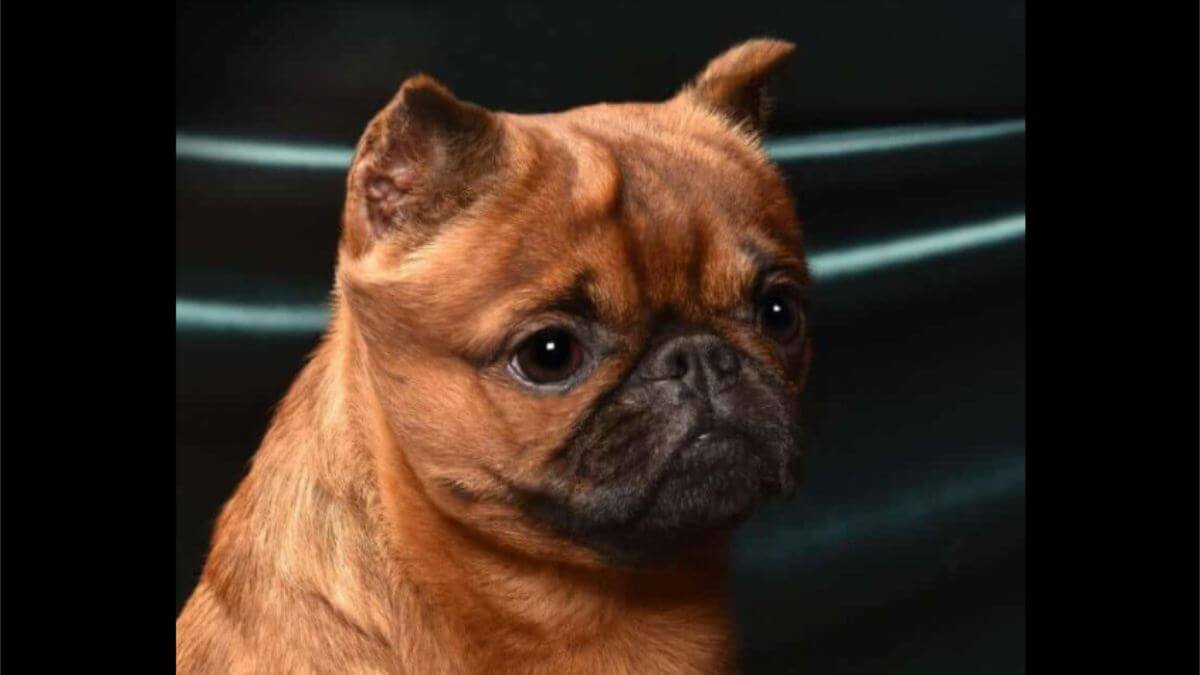
Explore the fascinating history of the Brussels Griffon, its unique origins, and the breeds that shaped its distinctive features.
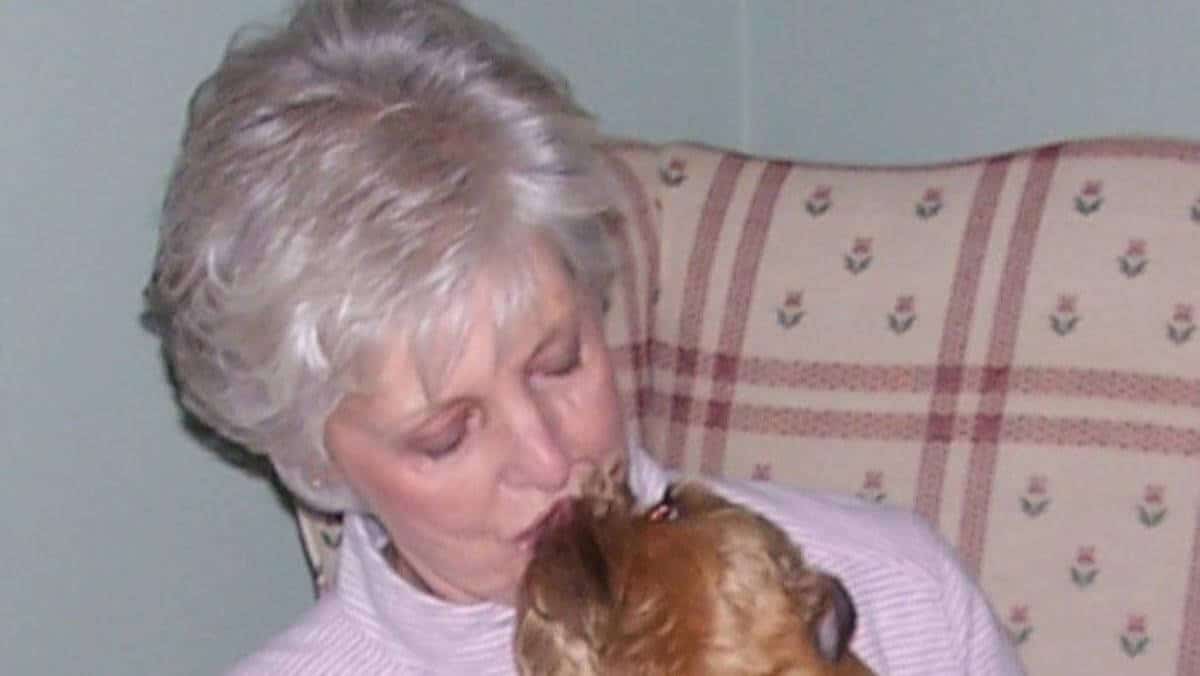

Meet the Breeders
Patricia from Belleterre shares insights on Brussels Griffon breeding, health, show standards, judging, social media, and dog sports.
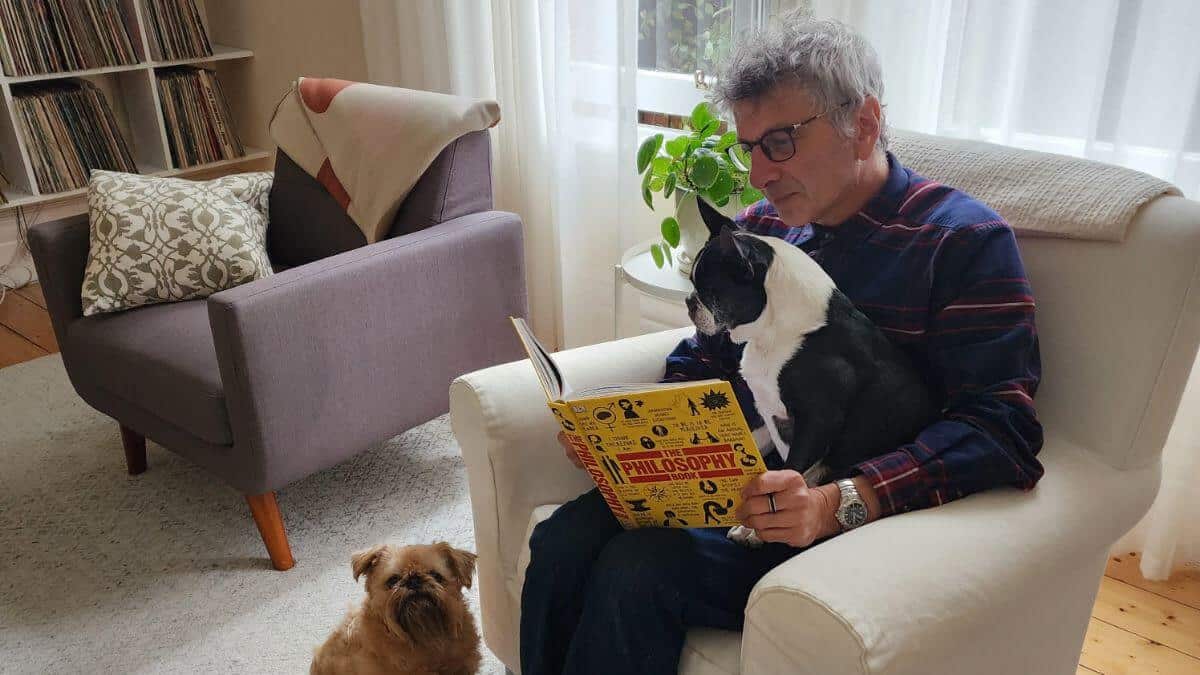

Preventive Medicine
Transform your breeding with genetic testing! From show preparation to interpreting results, ensure your dog’s success in the ring.
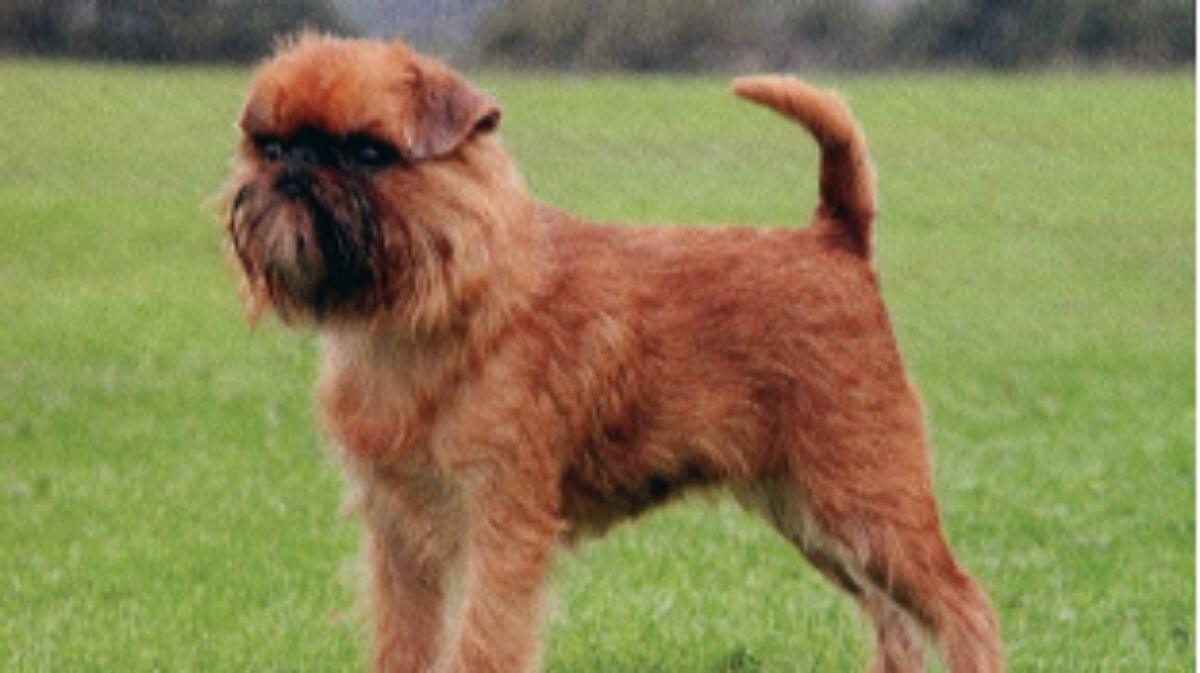

Dog Shows
Explore key updates in Brussels Griffon breeding: unacceptable colors, health concerns, and breed standard changes, including undocked tails.
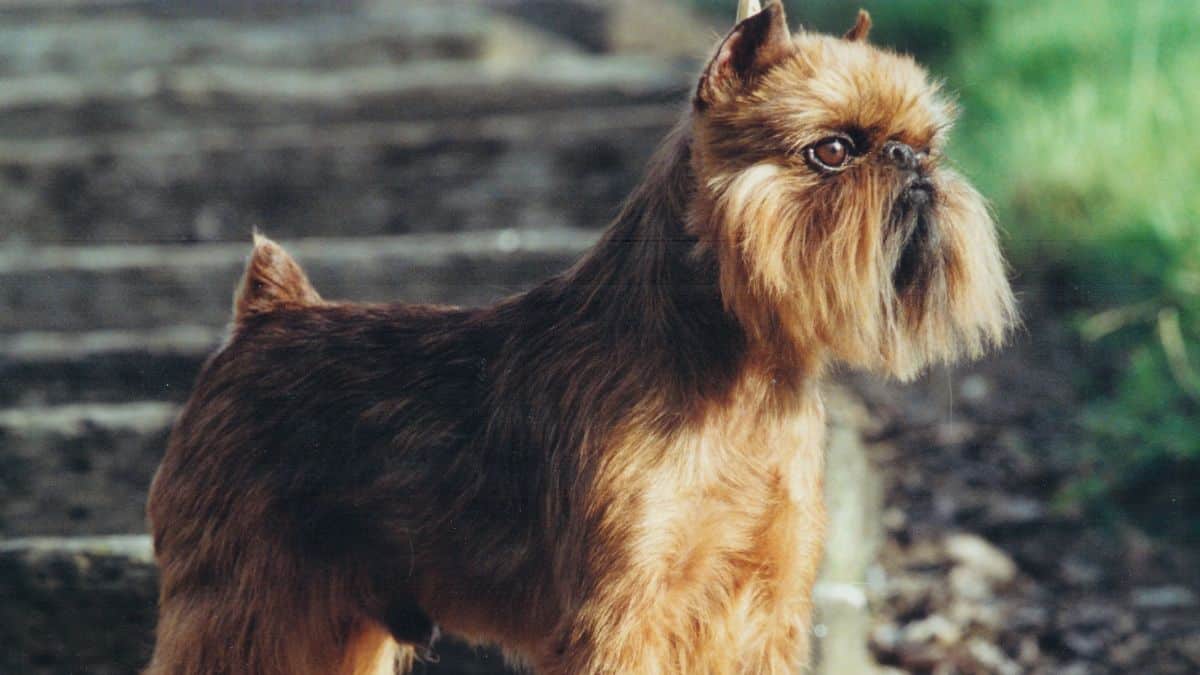
All About Judging
Carole Ross delves into the intricate art of judging Brussels Griffons, emphasizing the significance of their distinct head features, body structure, and movement.

I will endeavor to write about the Brussels Griffon’s “almost human expression.” I have searched out mention of this in our American Brussels
The salient points of the purebred Brussels Griffon head need to be firmly imprinted in the mind of the judge, because therein lies the
The tail is set high and carried upward, contributing to the Brussels Griffon’s compact and confident outline. It is traditionally docked where the practice is permitted, or it may be left natural and remain well balanced with the rest of the body.
A Note About Color: The coat of the Brussels Griffon may be 1) Red: reddish brown with a little black at the whiskers and chin allowable; 2) Belge: black and reddish brown mixed, usually with black mask and whiskers; 3) Black and Tan: black with uniform reddish brown markings, appearing under the chin, on the legs, above each eye, around the edges of the ears and around the vent; or 4) Black: solid black. Any white hairs are a serious fault, except for “frost” on the muzzle of a mature dog, which is natural. A white spot or blaze anywhere on the coat is a disqualification in the show ring.
Coat Type
Wiry, Smooth, Double
The structure of the coat this breed carries.
Coat Length
Short, Medium
How long the breed's coat grows when kept in condition.
Adaptability Level
How easily a breed copes with changes in home, routine, noise and weather.
Mental Stimulation Needs
How much a breed needs a job, a puzzle or training to stay content.
A Brussels Griffon should receive a complete and balanced diet appropriate for the dog’s age, activity level, and body condition. Portions should be measured carefully because excess weight can place additional strain on the joints and respiratory system.
Most adults do well with two measured meals per day, while puppies may need three or four smaller meals as they grow. Treats can be useful during training but should remain a modest part of the dog’s total daily calorie intake.
Fresh water should always be available. Maintaining a lean body condition can help support mobility, breathing comfort, and overall health.
The Brussels Griffon is intelligent and capable of learning quickly, but the breed can be sensitive and sometimes independent. Short, positive training sessions generally work best.
Food rewards, praise, toys, and play can help maintain motivation. Early lessons should include recall, leash manners, house training, basic cues, impulse control, and calm behavior around visitors and other dogs.
Because Brussels Griffons can be sensitive to pressure, patient and reward-based methods are usually more effective than harsh corrections. Consistency is important, especially when teaching household rules and reliable responses.
The beard and facial furnishings of Rough Coats should be checked regularly for food, debris, and tangles. Bathing can be done as needed, followed by thorough drying. Nails should be trimmed regularly, ears should be checked for debris or irritation, and teeth should be brushed routinely. Dental care is especially important because of the breed’s small mouth and shortened jaw.