Members
01/Overview
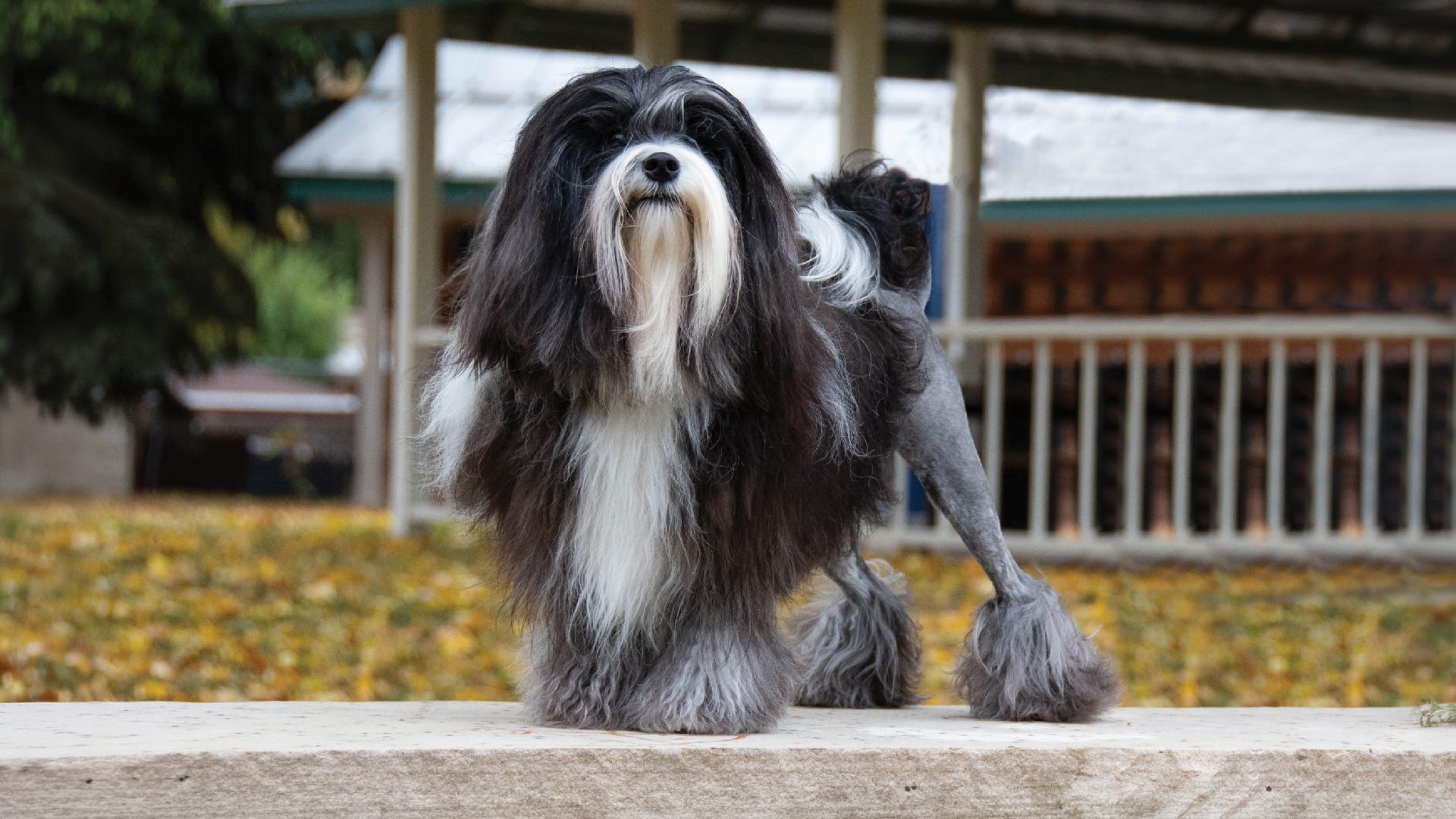
The Löwchen is a small companion breed known for its lively personality, balanced proportions, and traditional lion trim. Often called the “Little Lion Dog,” the breed is affectionate, intelligent, and confident, with an alert nature and a strong desire to remain close to its family.
Highlights
02/History
The exact origin of the Löwchen is not fully documented, although the breed has long been associated with continental Europe. France, Germany, Belgium, the Netherlands, and Spain have all been linked to its development. Small dogs resembling the modern Löwchen appear in European artwork dating back several centuries.
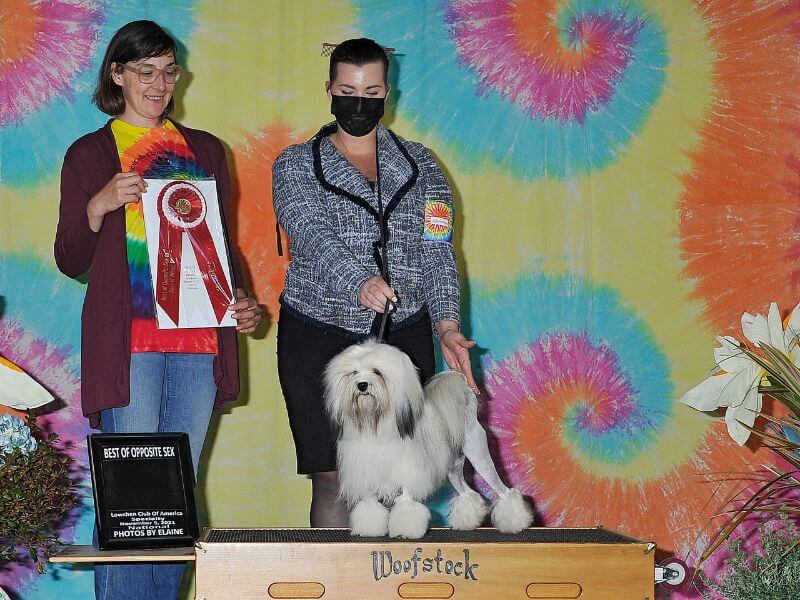
The breed’s name comes from the German word Löwchen, meaning “little lion.” Its traditional lion trim leaves the front of the body fully coated while the hindquarters, part of the tail, and portions of the legs are clipped. This distinctive presentation became one of the breed’s defining features.
Löwchens were kept primarily as companion dogs in noble and affluent households. Their small size and affectionate temperament made them well suited to indoor life, while their alertness allowed them to serve as attentive household watchdogs.
By the late nineteenth and early twentieth centuries, the breed had become increasingly rare. Its population declined further during the first half of the twentieth century, placing the Löwchen at risk of disappearing.
A Belgian breeder, Madame M. Bennert, is widely credited with helping to preserve the breed after World War II. She located some of the remaining dogs and used them to rebuild the population. Other breeders in Europe and the United Kingdom later helped to expand the gene pool and establish a more consistent modern type.
The Fédération Cynologique Internationale recognizes the breed as the Petit Chien Lion and places it in Group 9, Companion and Toy Dogs. The Royal Kennel Club recognizes the Löwchen in the Utility Group.
The American Kennel Club officially recognized the Löwchen in 1996. The breed became eligible to compete in the Non-Sporting Group in 1999. Today, the Löwchen remains relatively uncommon but is valued as a companion, show dog, and participant in a variety of dog sports.
03/Appearance
An adult Löwchen ideally stands 11 to 13 inches tall at the withers, with one inch above or below allowed in the show ring. The breed typically weighs around 15 pounds.
The Löwchen is slightly longer than tall, with the distance from the point of the shoulder to the point of the buttocks greater than the height at the withers in a ratio of 11 to 10. The body remains balanced and compact, without appearing long, low, or heavy.
The chest is broad and well developed, reaching approximately to the elbows. The ribs are well sprung, and the loin is short and strong. Bone is substantial enough to support the dog’s sturdy frame while preserving the agility, lightness, and freedom of movement expected of the breed.
The tail is set high and carried in a well-arched curve over the back when the Löwchen is moving. Its long plume falls gracefully over the back or to either side, completing the breed’s characteristic outline. In the traditional lion trim, part of the tail is clipped while a plume is left at the tip.
Skull: The Löwchen has a broad skull that is relatively flat between the ears. The stop is moderately well defined, and the head is carried proudly.
Expression: The expression is bright, alert, and lively.
Eyes: The eyes are large, round, and set well apart. They are dark in color, although lighter eyes may accompany dogs with brown pigmentation.
Ears: The ears are pendant, moderately long, and well fringed. They are set slightly above the level of the eyes and hang close to the sides of the head.
Muzzle: The muzzle is broad and relatively short, with sufficient depth and strength. It should not appear narrow or pointed.
Nose: The nose is completely pigmented and typically black, although brown pigmentation may occur in dogs with brown coats.
Bite: The Löwchen has strong teeth that meet in a scissors bite.
Texture: The Löwchen has a long, dense, moderately soft coat with a slight to moderate wave. The coat should not be overly harsh, woolly, or tightly curled. Its texture allows the breed to be presented in the traditional lion trim, with the natural coat left full over the forequarters and clipped over the hindquarters, part of the tail, and portions of the legs.
Standard Colors
04/Consider
The Löwchen is an affectionate and adaptable companion that generally prefers to remain close to its family. Although small, the breed is lively and athletic, requiring regular exercise, mental stimulation, consistent training, and routine coat care. Its social nature can make prolonged periods alone difficult for some individuals.
Interaction With Family
The level of affection a breed typically shows towards family members and familiar individuals.
Good With Other Dogs
The innate friendliness of a dog towards other dogs can depend on its breed.
Good With Young Children
The degree to which a breed will typically be patient with young children.
Amount Of Shedding
How much hair a breed typically leaves behind on clothes, furniture and floors.
Frequency Of Grooming
How often a breed needs brushing, bathing or a professional trim to stay in condition.
Amount Of Drooling
How prone a breed is to drool, worth knowing before you keep a towel by the door.
Openness To Strangers
How openly a breed tends to greet new people, visitors and strangers.
Protective Nature
How likely a breed is to alert you to anything unfamiliar, and stand between you and it.
Playfulness Level
How enthusiastic a breed stays about games and play well past puppyhood.
Trainability Level
How readily a breed takes direction and works with you rather than around you.
Barking Level
How much a breed uses its voice, and how readily.
Energy Level
How much get-up-and-go a breed brings to an average day.
Health
The Löwchen is generally considered a healthy and long-lived breed. Responsible breeders evaluate their dogs for hereditary conditions known to occur in the breed, particularly concerns involving the eyes, hips, and kneecaps. A Löwchen typically has a lifespan of 13 to 15 years. Balanced nutrition, regular exercise, preventive veterinary care, dental hygiene, and maintenance of a healthy weight can support the dog throughout life.
The Löwchen is affectionate, lively, and strongly attached to its family. This companion breed usually enjoys taking part in daily activities and often seeks attention from familiar people.
A Löwchen can suit a first-time dog caretaker who is prepared to provide regular grooming, training, and companionship. The breed is intelligent and responsive, although inconsistent boundaries can encourage demanding behavior.
Löwchens are generally friendly with children and can live successfully with other dogs when properly introduced. Many are welcoming toward strangers, though their alert nature may lead them to announce visitors.
Because the breed was developed for close companionship, some Löwchens dislike being left alone for long periods. Gradual training can help the dog become comfortable with short absences.
Exercise Expectations
A healthy adult generally benefits from about 30 to 60 minutes of activity each day. Puzzle toys, Scent Work games, and Trick Dog training can provide additional mental stimulation.
Grooming Expectations
The Löwchen adapts well to apartment living when given daily exercise, mental stimulation, and regular companionship. Its small size is convenient, but the breed’s alert nature and tendency to bark should be managed with early training.
Löwchens generally prefer mild indoor conditions and close contact with their families. Their long coat provides some protection in cooler weather, but they should not remain outside for extended periods in severe cold or heat.
Because the breed is highly social, a Löwchen may struggle in a home where it is left alone for long hours. A household that can provide regular attention, structured activity, and consistent grooming is usually the best fit.
05/Puppies
Löwchen puppies are lively, affectionate, and eager to explore their surroundings. Early routines, positive socialization, gentle training, and regular handling will help each puppy develop into a confident and well-mannered adult.
A Löwchen puppy benefits from a predictable schedule that includes regular meals, potty breaks, sleep, play, training, and quiet time. A crate or secure puppy area can provide a safe place to rest and help with housetraining when direct supervision is not possible.
Early socialization should introduce the puppy to different people, well-mannered dogs, household sounds, surfaces, vehicles, and unfamiliar environments. These experiences should remain positive and appropriate for the puppy’s age.
Training can begin as soon as the puppy arrives in its new home. Short sessions can introduce name response, recall, leash walking, basic manners, and calm behavior.
A Löwchen puppy should receive a complete and balanced diet formulated for growth. Exercise should focus on supervised play, short walks, and gentle exploration rather than forced running or repetitive jumping.
Regular veterinary visits are important during the first year. Grooming should also begin early so that the puppy becomes comfortable with brushing, combing, nail trimming, ear checks, tooth brushing, and general handling.
06/Activities
Löwchens are intelligent, athletic, and responsive dogs that can enjoy a variety of organized activities. Their small size, quick movement, and willingness to work closely with a handler make them well suited to both Performance sports and Companion events.
Agility: Löwchens can use their speed, balance, and enthusiasm while navigating jumps, tunnels, weave poles, and other obstacles.
Obedience: Obedience Trials allow the breed to demonstrate attention, accuracy, and cooperation with a handler.
Rally: Rally combines a course of numbered stations with varied exercises that can keep training interesting for this intelligent, companionable breed.
Scent Work: Löwchens can search for specific odors hidden in containers, indoor spaces, outdoor areas, or vehicles.
Tracking: In Tracking, the dog follows a scent trail across different types of terrain, using concentration and persistence in the process.
Fast CAT: This timed 100-yard dash gives the Löwchen an opportunity to run in a controlled setting.
Conformation Shows: Löwchens compete in Conformation Shows, where judges evaluate each dog according to the Breed Standard, including structure, movement, coat, temperament, and presentation in the traditional lion trim.
Trick Dog: Trick training provides mental stimulation and encourages communication between the dog and handler.
Therapy Work: A calm, friendly, and well-socialized Löwchen may visit hospitals, schools, assisted living facilities, and other settings to provide much-needed moments of connection.
Canine Good Citizen: Löwchens may participate in programs that evaluate everyday manners, social behavior, and reliability around people and other dogs.
Gallery
07/Standards
The Löwchen is recognized by the world’s leading registries and kennel organizations, which categorize the breed into a specific Group based on its unique characteristics. This breed is recognized worldwide under the following Group designations:
The ideal Löwchen is described by a Breed Standard that is approved by each of the world’s leading registries and kennel organizations. The Breed Standards for this breed may be found in the following links:
08/Clubs
Löwchen clubs support breed education, responsible breeding, health initiatives, rescue work, and participation in Conformation shows and Performance events.
The Löwchen Club of America: Founded in 1971, this is the national breed club for the Löwchen in the United States and the breed’s AKC parent club.
Löwchen Club of Canada: Canada’s national organization for the Löwchen welcomes breeders, exhibitors, companion dog families, and other breed enthusiasts.
The Löwchen Club: Founded in 1978, this United Kingdom breed club promotes the Löwchen through dog shows and educational initiatives.
09/Rescue
Breed-specific rescue options for the Löwchen are limited because the breed is relatively uncommon. National breed clubs may help to connect people with available dogs, foster contacts, or rehoming assistance.
Local shelters and broader animal rescue organizations may occasionally receive a Löwchen or Löwchen mix. Prospective adopters can also search national adoption databases and contact nearby breed clubs for current rehoming information.
10/Facts
Little Lion Dog
The name Löwchen comes from the German word for “little lion,” referring to the breed’s traditional lion trim.
Traditional Lion Trim
In the show ring, the hindquarters, part of the tail, and portions of the legs are clipped, while the front of the body remains fully coated.
Ancient European Companion
Small dogs resembling the Löwchen appear in European paintings and decorative art dating back several centuries.
Rare Breed History
The Löwchen became extremely uncommon during the twentieth century and was preserved through the efforts of dedicated European breeders.
Madame Bennert
Belgian breeder Madame M. Bennert played an important role in rebuilding the breed’s population after World War II.
Many Coat Colors
Löwchens can appear in a wide range of colors and markings, including solid, brindle, sable, parti-color, and combinations with tan or silver points.
11/FAQ
Löwchens can make excellent pets for families, singles, and seniors who want an affectionate and lively companion. They enjoy close contact with their families and do best when given regular attention, exercise, and grooming.

Written by
Dan Sayers is the Executive Editor of SHOWSIGHT. He is a member of the World Dog Press Association and the Dog Writers Association of America, which recognized his illustrations in the award-winning Encyclopedia of K-9 Terminology. Dan is a longtime supporter of the sport of dogs and an advocate for the conservation of recognized breeds in all their forms and functions. He is a member of the Morris and Essex Kennel Club, and for 45 years, the Irish Water Spaniel Club of America where he serves as AKC Delegate, Archivist, and approved Breed Mentor. Dan breeds under the Quiet Storm prefix and has judged the IWSCA National Specialty Sweepstakes twice.
Official Standard of the Löwchen
General Appearance: A small, bright, and lively dog that originated as a companion breed in pre-Renaissance Europe where ladies of the court groomed it in the likeness of a little lion. Breed characteristics are a compact, balanced body; a relatively short, broad topskull and muzzle; and a proud, lively gait that accentuates the lion cut with a long flowing mane. These quintessential features, combined with an outgoing and positive attitude, result in a dog of great style.
Size, Proportion, Substance: Size - Ideally, mature dogs and bitches are between 11 to 13 inches at the withers. Height may vary 1 inch above or below this ideal. Only where the comparative superiority of a specimen outside this range clearly justifies it should greater latitude be taken. Absolute height at the withers should not take precedence over correct proportion and substance. Proportion - The body is just off-square when properly balanced. The distance from the prosternum to the point of buttocks is slightly greater than the distance from the withers to the ground in an 11 to 10 ratio. The distance from the ground to the elbow is slightly greater than the distance from the elbow to the withers. The Löwchen should never be low stationed. Substance - The mature Löwchen is sturdily built with strong bone and muscular hindquarters, but never coarse.
Head: The head is a hallmark breed characteristic. The expression is bright, alert, and lively. The eyes are set well into the skull, round in shape, large, set well apart, and forward looking. Eyes are dark brown in color; lighter colored dogs may have lighter brown eyes but darker eyes are preferred. The ears are pendant, moderate in length, well fringed, and set on slightly above the level of the eye. The backskull is broad and relatively flat from ear to ear on an adult. The stop is moderately well defined. The length from nose to base of stop is two-thirds of the length from base of stop to occiput. The muzzle is well filled and relatively broad with moderate depth of underjaw resulting in a slightly rounded finish to the muzzle. The jaw is wide enough to accommodate all incisors in a straight row. Coloration of pigment is in accordance with coat color. Nose and eye rims are completely pigmented. The lips are tight with color the same as the nose. The bite is scissors and the teeth are large and well-spaced, with ideally complete dentition.
Neck, Topline, Body: The neck is of good length with a slight arch, fitting smoothly into the shoulders and topline. The head is carried high when the dog is moving. The topline is level from withers to tailset. The body is slightly off-square when properly balanced. The loin is short and strong. The ribs are well sprung. The brisket is moderate in width and extends approximately to the elbows. The underline has a slight tuck-up at the loin. The tail is set high and carried in a well-arched cup-handle fashion with the plume touching the back when the dog is moving. A dropped tail while standing is not to be penalized.
Forequarters: The shoulders are strong and well laid back with smooth musculature. The upper arm is of equal length to the shoulder blade and the two meet in a near 90 degree angle. The elbows are held close to the body. Forearms are of good length and the distance from the withers to the elbow is slightly less than the distance from the elbow to the ground. From the front the legs are perfectly parallel from the elbows to the feet. The bone is more round than oval and of medium size with only a slight decrease in size at the pasterns. The pasterns are short, parallel from the front, and very slightly bent when viewed from the side. The forefeet point straight ahead and are tight and well arched with deep pads, and the two center toes are slightly in advance of the two outer toes. Dewclaws may be removed. The nails are relatively short.
Hindquarters: The pelvic bone projects beyond the set of the tail and is at an approximate 30 degree angle from a perfectly horizontal line. The upper and lower thighs are well muscled and of approximately equal length with medium bone. The stifles are well bent. The hocks are well let down and perpendicular to the ground from any angle. The hindfeet point straight ahead, are slightly smaller than the forefeet, and are well arched with deep pads.
Coat: The Löwchen must be shown in the traditional Lion Clip. The unclipped areas of the coat are long, rather dense and moderately soft in texture. The unique Löwchen coat consists of hairs of varying diameters with a more noticeable collection of denser hair around the neck and withers. The coat may fall to either side but must never be artificially parted. It has a slightly to moderately wavy appearance. Wiry, woolly, curly, and flat coat textures are not correct and are to be penalized to the degree of severity. Puppies typically have a softer coat. Lion Clip - the coat is clipped to approximately ⅛ inch on the following parts of the body: from the last rib back to and including the hindquarters; the hindquarters to the hock joints; the front legs from the elbows to a point on the legs which is equal to the same distance from the ground to the hock joints leaving cuffs of hair on all four legs; the tail from the base to approximately one-half way to the tip leaving a plume at the end of the tail; and the feet are entirely clipped. The unclipped areas must be natural and untrimmed. Appearance should not be sculpted or scissored. No other trimming or sculpting of the coat is warranted and is to be severely penalized as to preclude placement.
Color: All colors and color combinations are acceptable with no preference given to any.
Gait: Movement at a trot is effortless with good reach in front and full extension in the rear. From the front the forelegs move in almost parallel lines converging slightly as the speed increases. From the rear the legs move in almost parallel lines and in the same line of motion as the forelegs, converging slightly as the speed increases. From the side movement is efficient and ground covering. The forelegs reach well out in front and the rear legs come well under the body and extend behind to maximize propulsion. The body remains nearly square in outline and the topline is held firm and level, with the tail being carried curved over the back and the head held above the level of the back.
Temperament: The Löwchen is alert, intelligent, and affectionate with the overall qualities of a loving companion dog. It has a lively, outgoing, and inquisitive personality.
Faults: The forgoing description is that of the ideal Löwchen. Any deviation from the above described dog must be penalized to the extent of the deviation.
Disqualifications: Any cut/trim/pattern other than what is listed in this standard.
Approved October 11, 2021
Effective January 1, 2022


Meet the Judges
Edna González reflects on judging Non-Sporting breeds at Westminster 2026, sharing insights on her assignments and overall impressions.
Meet the Judges
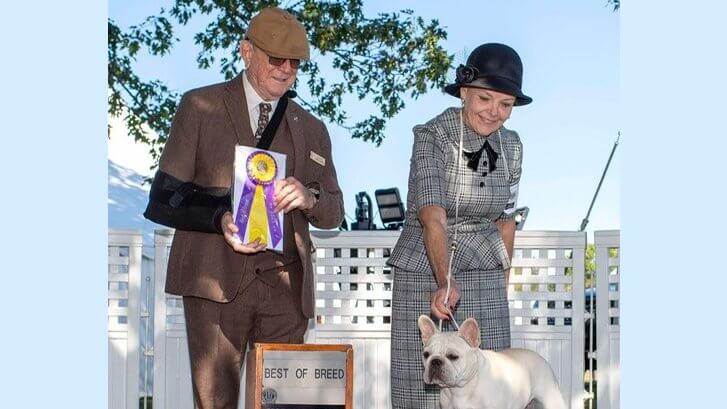
Robin Stansell shares insights on judging Bulldogs, French Bulldogs, and Löwchen at the 2025 Morris & Essex Kennel Club Dog Show.

Meet the Breeders
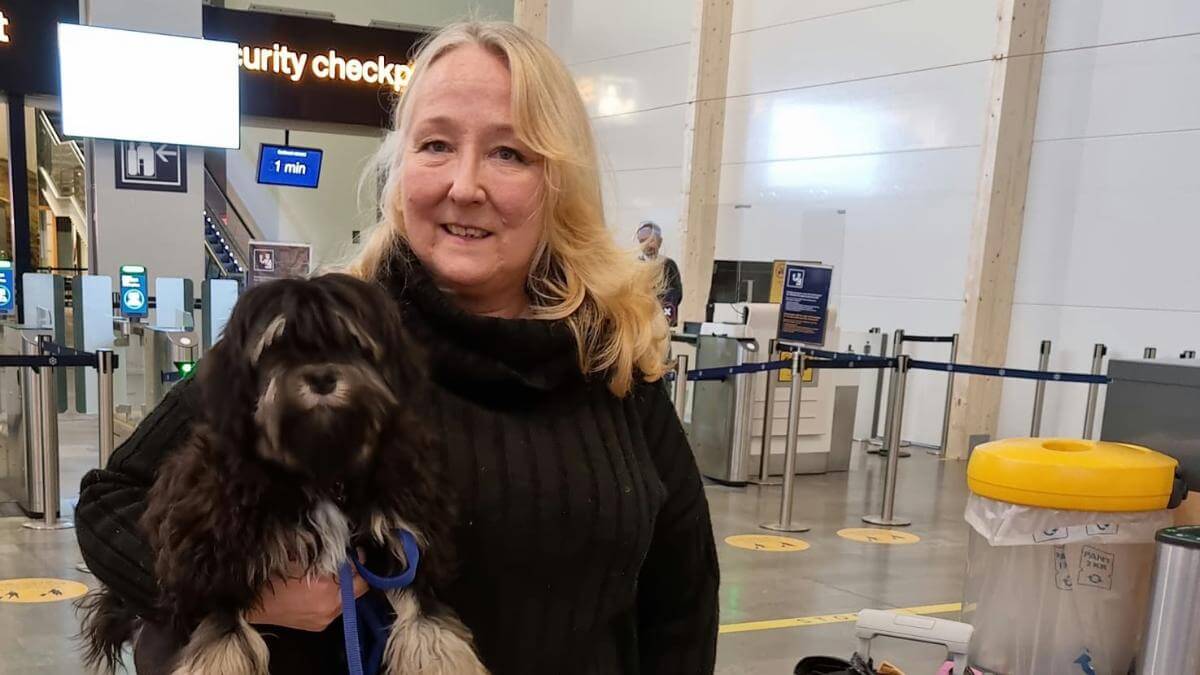
Gini Denninger of Ashford LÖwchen shares her experience with LÖwchen breeding, genetics, and promoting purebred dogs.
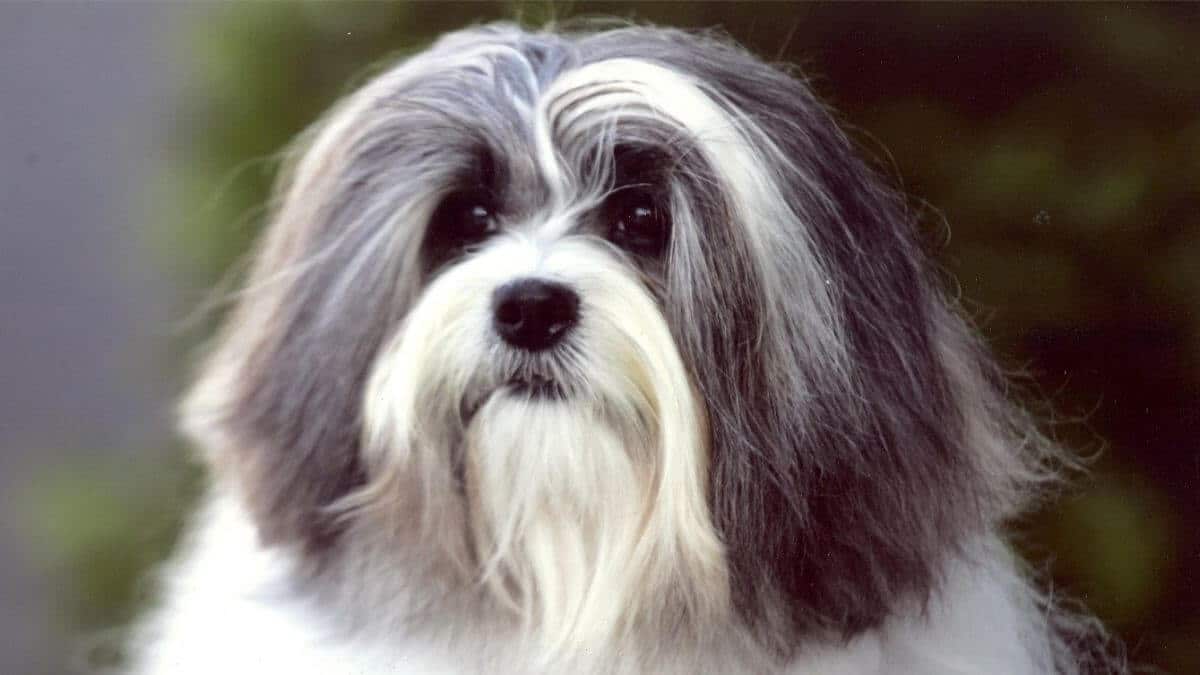
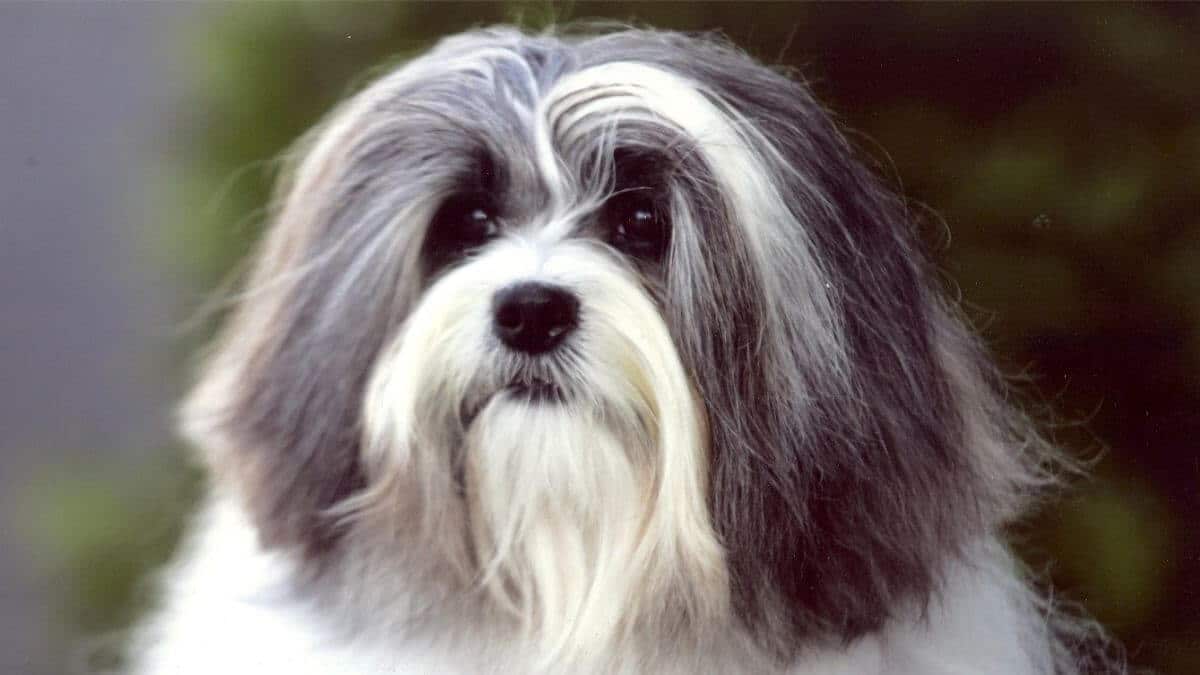
Löwchen: A playful, intelligent breed with a rich history, a sense of humor, and a love for fun and family life.

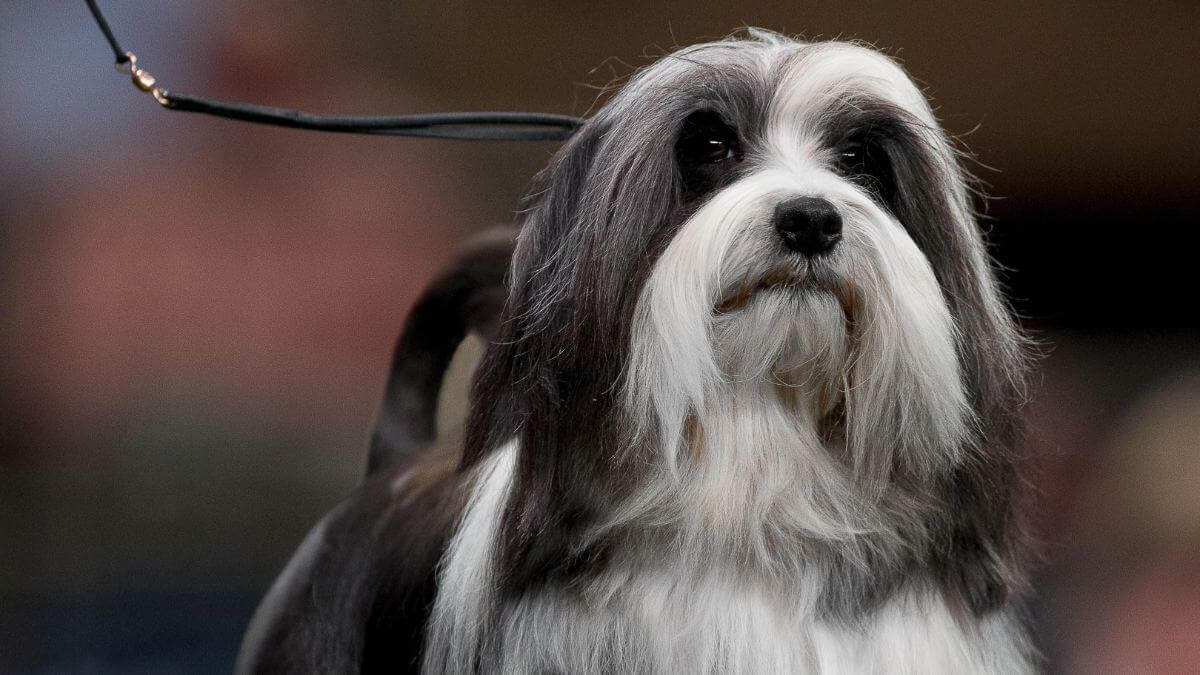
Mastering the Löwchen: Key traits for breeding and judging this rare, moderate, and elegant Renaissance breed.
All About Judging
Learn how to judge the Löwchen breed, focusing on its silhouette, proportions, head and tail carriage, coat, and movement.
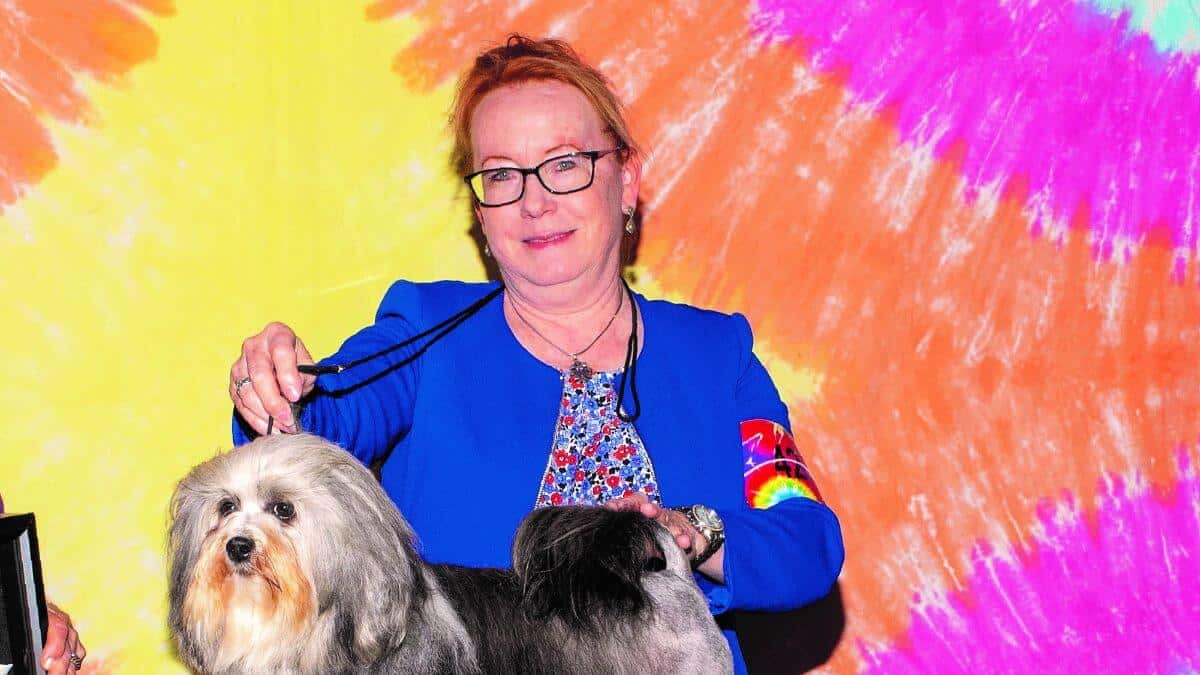
Meet the Breeders
Lisa Brown is the breeder behind Infinity Star Löwchen. Read about the kennel’s beginnings, puppies, and much more!

Meet the Breeders
Interview with Alexia Rodriguez on Cane Corsos and Lowchen breeding, mentors, and the state of the dog fancy.
Meet the Breeders
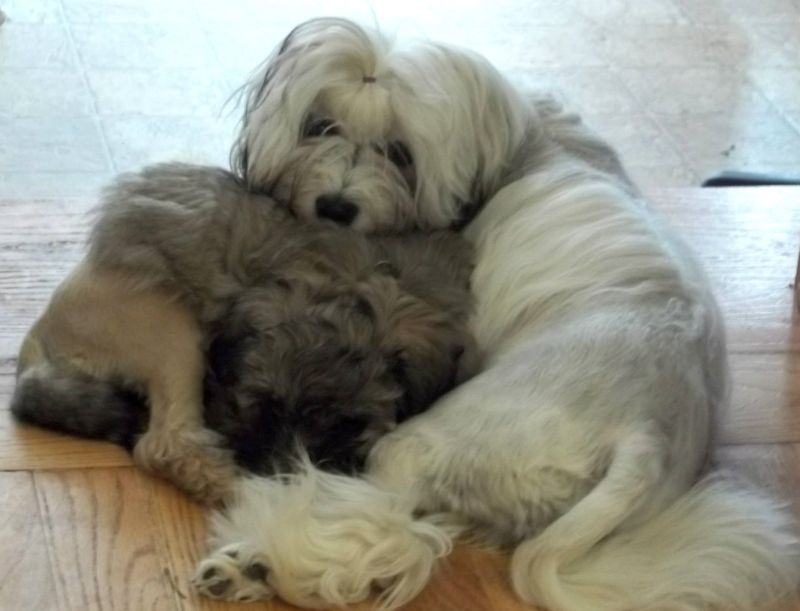
Judy Seibert is the breeder behind the Sage Hills Lowchen. Read about the kennel’s beginnings, champions, dogs, puppies, and more!
Standard Markings
A Note About Color: All colors and color combinations are acceptable with no preference given to any.
Coat Type
Wavy
The structure of the coat this breed carries.
Coat Length
Long
How long the breed's coat grows when kept in condition.
Adaptability Level
How easily a breed copes with changes in home, routine, noise and weather.
Mental Stimulation Needs
How much a breed needs a job, a puzzle or training to stay content.
A Löwchen should receive a complete and balanced diet suited to the dog’s age, activity level, and body condition. Portions should be measured carefully because small dogs can gain excess weight from relatively minor overfeeding.
A puppy generally needs three or four small meals each day before gradually moving to two meals. Most adult Löwchens are fed twice daily and may eat approximately one-half to one cup of dry food per day, depending on the food, weight, and activity level.
Treats should remain limited, and fresh water should always be available.
The Löwchen is intelligent, alert, and generally willing to learn. Short, varied sessions using praise, food rewards, toys, and play are usually most effective.
Early socialization should introduce the puppy to different people, dogs, sounds, surfaces, and environments. Clear rules are important because this clever breed may develop unwanted habits when expectations are inconsistent.
Löwchens can be vocal when visitors approach or when they become excited. Training can help the dog settle after sounding an alert. Recall should also be practiced, and off-leash activity should take place only in a secure area.
Companion dogs are often kept in a practical trim, while show dogs are presented in the traditional lion trim. Both styles require regular bathing, trimming, and coat care. The breed sheds relatively little, but loose hair can remain trapped in the coat. Nails should be trimmed regularly, ears should be checked for irritation or debris, and teeth should be brushed routinely.