Members
01/Overview
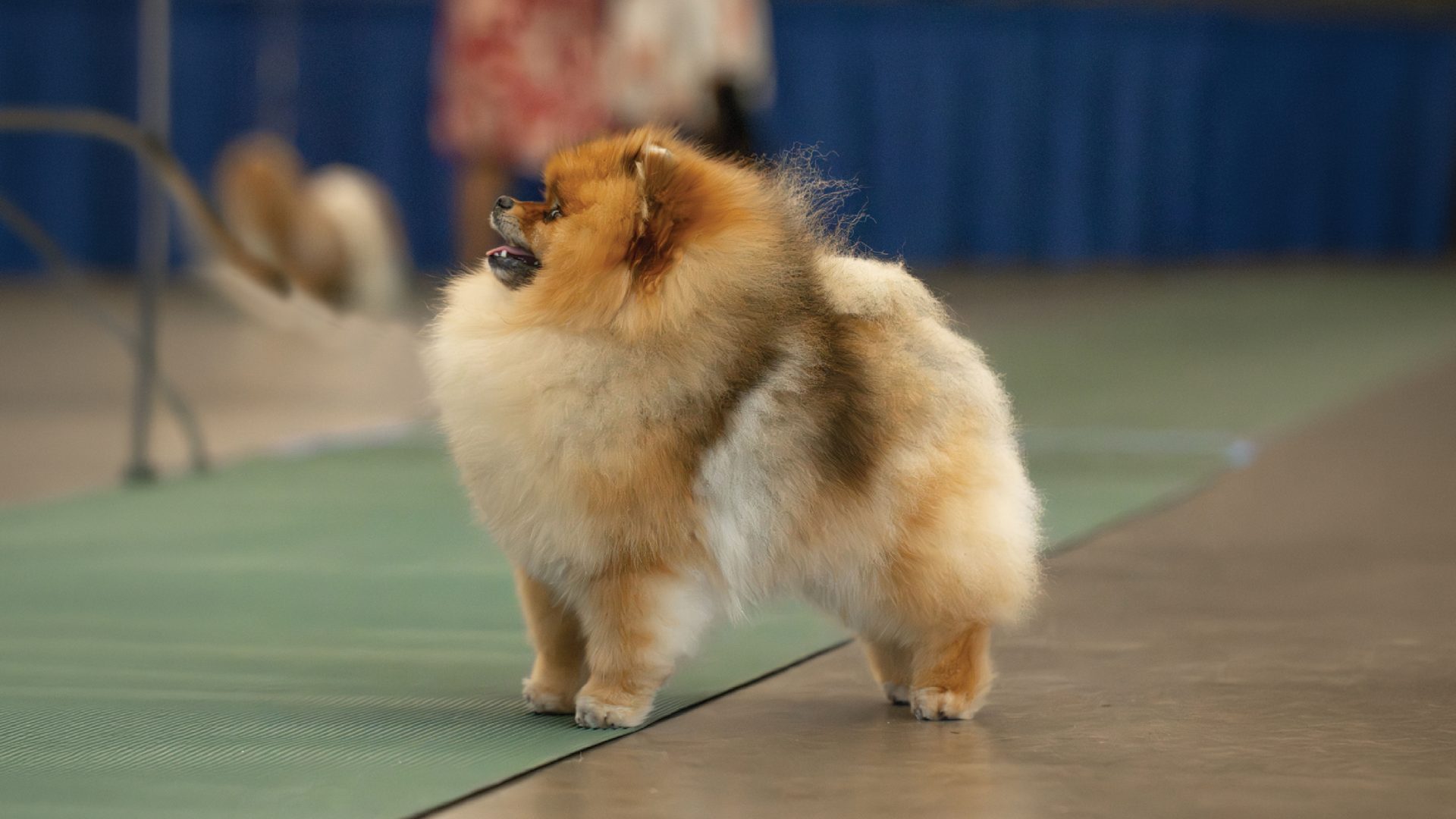
The Pomeranian, affectionately known as the "Pom" by its legion of admirers, is a spitz-type breed that presents the picture of a dog of very high style in a very small package. This diminutive canine is every bit as commanding as its larger Nordic cousins, with a vivacious and spirited nature that has endeared it to both royals and commoners for centuries. Renowned for its compact yet sturdy frame and fox-like expression, the colorful and cocky Pomeranian remains a popular choice as a companion for people who appreciate a dog that's as spirited as it is splendid.
Highlights
02/History
The Pomeranian, a spitz-type dog with a rich and storied history, has evolved significantly over the past two and a half centuries. The breed's development began in Northern Europe's Pomerania region, an area that now spans modern-day Poland and Germany. The dogs were originally sturdy working dogs used for herding sheep and protecting homes. Those early dogs were significantly larger than the contemporary Pom, sometimes weighing as much as 30 pounds.
The transformation of the Pomeranian into the diminutive and ornamental companion recognized today is a fascinating journey that parallels the interests of one of Europe's royal monarchs. It was Queen Victoria of England who played a pivotal role in the breed's development. During her reign, she fell in love with a smaller-sized Pomeranian named "Marco" while visiting Italy. Marco, weighing only 12 pounds, was significantly smaller than the Pomeranians of that era. Queen Victoria's fondness for this dog, and her decision to bring him back to England, sparked a trend for smaller Pomeranians among British nobility, and subsequently, around the world.
This royal influence led to a focused breeding effort to reduce the size of the Pomeranian while enhancing its distinctive features, such as the breed's luxurious coat and spirited personality. By the late 19th century, the Pom had become a favorite in both the show ring and as a companion dog.
The American Kennel Club (AKC) officially recognized the Pomeranian in 1888, a testament to the breed's growing popularity in the United States. Similarly, The Royal Kennel Club (UK) and the Fédération Cynologique Internationale (FCI) have long recognized the breed, further solidifying its status as a dog of distinction in the canine world.
Throughout the 20th century, the Pomeranian continued to evolve and gain popularity. The breed has been owned and adored by historical figures and celebrities, adding to its allure and status. Notably, two Poms were among the few animal survivors of the Titanic, highlighting the breed's presence in significant historical events.
The breed's purpose has also shifted over time. From a robust working dog to a smaller-sized companion, the Pomeranian has adapted to changing societal tastes and needs. Today, these little and lively dogs are cherished for their commanding character, impressive intelligence, and affectionate nature, making them popular pets worldwide.
The Pomeranian's history is a testament to the breed's adaptability and enduring appeal. From working as a farmhand to achieving stardom as a royal lapdog (to stealing the hearts of millions), the Pomeranian has secured its place as a beloved breed in the pantheon of prototypical purebreds.
03/Appearance
A male Pomeranian usually stands about 7 to 12 inches tall at the shoulder, while an adult female typically measures slightly shorter.
The weight of a healthy adult Pomeranian ranges from 3 to 7 pounds, with the male generally being on the upper limits of this scale.
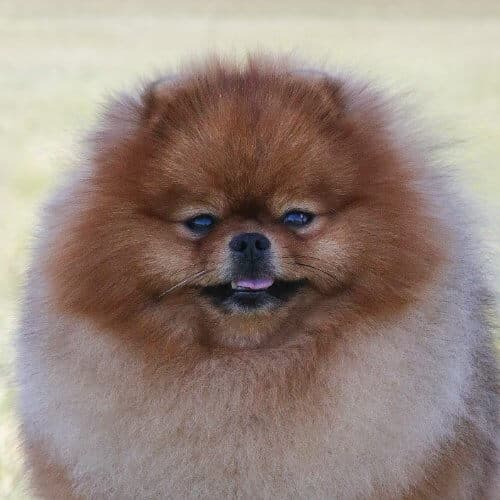
The Pomeranian is a square breed with a short back, exhibiting a length-to-height body ratio of 1 to 1. This proportion gives the Pom a balanced and compact appearance, emphasizing the breed's sturdy and robust build. The breed's substance is attributed by medium bone and good muscle tone that contribute to its overall display of vim and vigor. Despite the breed's small stature, a Pomeranian carries itself with great dignity and pride.
Texture: The Pomeranian boasts a distinctive double coat that is one of its most recognizable features. The outer coat is long, straight, and harsh in texture, providing a beautiful, profuse appearance. The abundant outer coat forms a ruff around the neck, framing the head, extending over the shoulders and chest. The coat on the head and legs is shorter in length , thought he forelegs are well-feathered, and the thighs and hind legs for a skirt. The outer coat is complemented by a soft, dense undercoat, which adds significantly to the breed's plush look. The combination of these two layers not only contributes to the breed's striking silhouette, it also serves as protection in inclement weather. Trimming of the coat is often done for neatness, though too much can compromise the coat's protective qualities.
Standard Colors
04/Consider
The Pomeranian, with its vibrant personality and luxurious coat, is a delightful breed that has captured the hearts of countless dog lovers. While the breed's appeal is undeniable, owning a Pom comes with specific responsibilities and considerations. Prospective owners need to be aware of the breed's unique needs to determine if a nurturing environment can be provided for the dog.
Interaction With Family
The level of affection a breed typically shows towards family members and familiar individuals.
Good With Other Dogs
The innate friendliness of a dog towards other dogs can depend on its breed.
Good With Young Children
The degree to which a breed will typically be patient with young children.
Amount Of Shedding
How much hair a breed typically leaves behind on clothes, furniture and floors.
Frequency Of Grooming
How often a breed needs brushing, bathing or a professional trim to stay in condition.
Amount Of Drooling
How prone a breed is to drool, worth knowing before you keep a towel by the door.
Openness To Strangers
How openly a breed tends to greet new people, visitors and strangers.
Protective Nature
How likely a breed is to alert you to anything unfamiliar, and stand between you and it.
Playfulness Level
How enthusiastic a breed stays about games and play well past puppyhood.
Trainability Level
How readily a breed takes direction and works with you rather than around you.
Barking Level
How much a breed uses its voice, and how readily.
Energy Level
How much get-up-and-go a breed brings to an average day.
Health
Pomeranians are generally a hardy breed, but like all breeds and mixed breeds, they have certain health considerations that should not be overlooked. Prospective caretakers must understand these potential health issues and work closely with a reputable breeder and veterinarian to safeguard the Pom's overall good health. A Pomeranian typically enjoys a lifespan ranging from 12 to 16 years. With attentive care, regular health check-ups, and a well-balanced diet, many Poms live full and healthy lives, often reaching the upper end of this range.
Understanding the Pomeranian's personality is key to fostering a harmonious relationship with this breed. Poms are known for their lively and playful nature, packed into a small but confident package. Their intelligence and alertness make them excellent companions, but these same traits mean they require proper socialization and training to help them develop into well-rounded adults.
Pomeranians are generally suitable for novice owners, as they are eager to please and respond well to positive reinforcement training methods. However, their intelligence and sometimes stubborn streak mean they benefit from consistent, patient training from an early age. Despite their small size, these dogs have big personalities and can develop "small dog syndrome" if not properly guided.
The Pom's sensitivity level is relatively high, making these dogs very attuned to their environment and their human companions' emotions. This sensitivity requires mindfulness in every interaction, since these small spitz can be easily affected by harsh words or actions.
Regarding being alone, Pomeranians can be prone to separation anxiety if left on their own for extended periods. They thrive on companionship and interaction, so they're best-suited to homes where they won't be alone for hours on end. Poms enjoy being the center of attention and can become vocal or destructive if they feel neglected.
In terms of getting along with other dogs and young children, Pomeranians can do well if socialized from an early age. However, due to their small size, interactions with larger dogs and very young children should always be supervised to prevent accidental injury. Poms generally have a friendly disposition, but they can be reserved or shy around strangers. This can be mitigated with proper socialization throughout the puppy's first year.
Exercise Expectations
The exercise needs of a Pomeranian, while not as extensive as those of larger breeds, are still significant. This breed benefits greatly from a daily walk, which not only provides physical exercise but also mental stimulation and opportunities for socialization. A couple of short walks each day, combined with playtime, is usually sufficient to meet the Pom's exercise needs. In terms of energy level, Pomeranians are generally high-spirited and playful. These dogs enjoy activities that engage their minds as well as their bodies. Interactive games, such as fetch or hide-and-seek with toys, can be excellent ways to provide mental and physical stimulation. These activities also strengthen the bond between dog and owner. The intensity of exercise should be tailored to the individual dog. Some Poms have boundless energy, while others may prefer more rest and relaxation. It's important to observe and understand each dog's preferences and endurance levels to avoid overexertion. Playfulness is a hallmark of the Pomeranian. These dogs often enjoy playing and can be quite entertaining with their antics. Providing a variety of toys will help to keep them engaged and entertained, especially when they're at home on a rainy day.
Living with a Pomeranian can be a highly rewarding experience, but it also requires consideration of the breed's specific needs and preferences. The Pom's small size and outgoing personality traits mean these dogs can have unique requirements in terms of their living environment.
Pomeranians are well-suited to apartment life due to their small size. They don't need a large space to be happy and can thrive in smaller homes as long as their exercise needs are met and they're mental stimulated throughout each day. However, the breed's tendency to bark should be considered, especially in close living quarters. Training to manage any excessive barking is important to foster a harmonious living situation, both for the dog and for neighbors.
Regarding the breed's adaptability to changes in the weather, Pomeranians are generally better suited to cooler climates due to their thick double coat. This coat provides insulation, making them more comfortable in colder temperatures. However, it's important to protect them from extreme cold and to provide a warm and cozy place for them inside the home.
In hot weather, Poms can be prone to overheating. Owners should make sure the dogs have access to shade, fresh water, and air conditioning or fans for keeping cool during hot spells. Avoiding intense outdoor exercise during the hottest parts of the day is also advisable.
When considering a Pomeranian as a companion, it's important to be mindful of the breed's small stature. These dogs can be easily injured by rough play or accidental mishaps, so care should always be taken, especially in households with young children or larger pets. Safe spaces where the Pom can retreat to if it's feel overwhelmed or threatened are beneficial.
05/Puppies
The arrival of a litter of Pomeranian puppies is an exciting and enriching experience that requires constant attention during the first few weeks of life. Each fluffy bundle of joy will grow up to become a lively and affectionate companion, making early training and socialization crucial for the development of a well-adjusted adult.
Caring for a Pomeranian puppy involves several important considerations for supporting healthy growth and development. Initially, it's essential to provide a safe and nurturing environment for the puppy. This includes having a dedicated space for sleeping and eating, as well as a secure area for play and exercise.
Nutrition is a vital component of a puppy's growth, and feeding a high-quality food formulated for small breed puppies is crucial. This diet supports proper growth and development, providing the nutrients that are necessary for a healthy start. Establishing a regular feeding schedule and portion control is also important to avoid overfeeding, which can lead to obesity and associated health problems in the future.
Early socialization is a critical aspect of care for the Pomeranian puppy. Introducing the little one to new people, animals, environments, and experiences helps in developing their social skills and shaping a confident adult temperament. Positive and gentle interactions during the early months and years are key in influencing their future behaviors.
Formal training should begin from a young age, focusing on basic commands and housetraining. Employing positive reinforcement methods, like using treats and praise, are effective and help in building a strong bond between the puppy and its favorite person. Crate training can be beneficial too, providing the puppy with a secure space to rest and sleep through the night.
Regular veterinary check-ups are crucial for monitoring the puppy's health, making sure it receives all the necessary vaccinations and preventive care. These visits also allow time to discuss any concerns about the puppy's development and overall well-being.
06/Activities
Pomeranians are lively and intelligent dogs that can excel in a wide variety of dog sports. These activities not only provide physical challenges and mental stimulation, they also strengthen the bond between the dog and its handler. Here are some activities and sports suitable for Pomeranians.
These dog sports and activities provide excellent opportunities for Pomeranians to engage in physical exercise, mental stimulation, and social interaction. Participation can lead to a more balanced and happy life for both the Pom and its owner.
Gallery
07/Standards
The Pomeranian is recognized by the world's leading registries and kennel organizations, which categorize the breed into a specific Group based on its unique characteristics. This breed is recognized worldwide under the following Group designations:
The ideal Pomeranian is described by a Breed Standard that is approved by each of the world’s leading registries and kennel organizations. The Breed Standards for this breed may be found in the following links:
08/Clubs
09/Rescue
Pomeranians, like any breed, can sometimes find themselves in need of a new home due to a variety of circumstances. Thankfully, there are dedicated rescue groups that provide vital support in troubling situations, helping these small and affectionate dogs find loving forever homes.
In the United States, several rescue organizations are dedicated to assisting Pomeranians in need. The American Pomeranian Club is notably active in these efforts, providing essential rescue and rehoming services for needy Poms.
Alongside the national club, Recycled Pomeranians and Schipperkes Rescue, Pom Squad Rescue, and Second Chance Poms, Inc. also contribute significantly to the welfare of Pomeranians. These organizations focus on rescuing, rehabilitating, and rehoming Poms, helping needy dogs find loving homes. Each of these groups plays a vital role in supporting the breed, offering a new lease on life for many dogs across the country.
In Canada, organizations such as Pomeranian and Small Breed Rescue and Tiny Paws Dog Rescue Canada are involved in rescuing and rehoming Pomeranians. These groups work specifically with the breed, providing care and finding suitable homes for any Pom in need.
In the United Kingdom, the Pomeranian Club is actively involved in breed rescue efforts. The club is currently undergoing changes to enhance its breed rescue program, which involves all committee members working together to help Pomeranians in need find safe and suitable homes.
These dedicated rescue organizations, along with local animal shelters and broader animal rescue operations, play a critical role in supporting Pomeranians in need. Their members not only rescue and rehome dogs in need, they also provide essential care and rehabilitation, helping the dogs transition comfortably into their new homes. For those interested in the breed, these rescue groups can be excellent resources, offering the chance to provide a loving home to a dog in need.
10/Facts
Royal Connections
Pomeranians have long been favored by royalty. Notably, Queen Victoria of England had a profound influence on the breed. Her preference for smaller Pomeranians helped to popularize the breed and led to today's smaller-sized Poms.
Historical Working Dog
Despite their small size, Pomeranians were initially bred as larger working dogs in Europe's Pomerania region (now parts of modern-day Poland and Germany), where they were used for herding and as watchdogs.
Spitz Family
Pomeranians belong to the spitz family of dogs, known for their thick coats, pointed ears, and wolf-like appearance. This family also includes breeds like the Alaskan Malamute and Siberian Husky.
A Breed of Many Colors
Pomeranians come in a wide variety of colors and patterns, with the American Kennel Club recognizing over 20 color variations. This includes orange, black, white, blue, chocolate, and more.
Famous Owners
In addition to royalty, many celebrities have been known to have Pomeranians. Notable figures include Mozart, who had a Pomeranian named Pimperl, and Michelangelo, whose Pomeranian sat with him as he painted the Sistine Chapel.
Titanic Survivors
Two Pomeranians were among the survivors of the Titanic. They were rescued in lifeboats, highlighting the breed's presence during significant historical events.
Long Lifespan
Pomeranians typically have a long lifespan, often living between 12 and 16 years. With proper care, nutrition, and regular veterinary check-ups, they can enjoy a long and healthy life.
Celebrity in Social Media
The Pomeranian has gained fame on social media, with several Poms becoming Internet sensations. Perhaps the most famous is "Boo," known as the "World's Cutest Dog," who has had millions of followers on his social media platforms.
11/FAQ
Yes, Pomeranians do shed. They have a thick double coat that undergoes seasonal shedding, usually more pronounced in the spring and fall. Regular grooming, including brushing a few times a week, is essential to manage the breed's shedding and to keep the coat and skin healthy.

Written by
Dan Sayers is the Executive Editor of SHOWSIGHT. He is a member of the World Dog Press Association and the Dog Writers Association of America, which recognized his illustrations in the award-winning Encyclopedia of K-9 Terminology. Dan is a longtime supporter of the sport of dogs and an advocate for the conservation of recognized breeds in all their forms and functions. He is a member of the Morris and Essex Kennel Club, and for 45 years, the Irish Water Spaniel Club of America where he serves as AKC Delegate, Archivist, and approved Breed Mentor. Dan breeds under the Quiet Storm prefix and has judged the IWSCA National Specialty Sweepstakes twice.
Official Standard of the Pomeranian
General Appearance: The Pomeranian is a compact, short-backed, active toy dog of Nordic descent. The double coat consists of a short dense undercoat with a profuse harsh-textured longer outer coat. The heavily plumed tail is one of the characteristics of the breed. It is set high and lies flat on the back. He is alert in character, exhibits intelligence in expression, is buoyant in deportment, and is inquisitive by nature. The Pomeranian is cocky, commanding, and animated as he gaits. He is sound in composition and action.
Size, Proportion, Substance: Weight - is from 3 to 7 pounds with the ideal weight for show specimens being 4 to 6 pounds. Any dog over or under the limits is objectionable; however, overall quality should be favored over size. Proportion - The Pomeranian is a square breed with a short back. The ratio of body length to height at the withers being 1 to 1. These proportions are measured from the prosternum to the point of buttocks, and from the highest point of the withers to the ground. Substance - Sturdy, medium-boned.
Head: Head - in balance with the body, when viewed from above, broad at the back tapering to the nose to form a wedge. Expression - may be referred to as fox-like, denoting his alert and intelligent nature. Eyes - dark, bright, medium sized, and almond shaped; set well into the skull with the width between the eyes balancing the other facial features. Eye rims are black, except self-colored in chocolate, beaver and blue. Ears - small, mounted high and carried erect. Proper ear set should be favored over size. Skull - closed, slightly round but not domed. Stop - well pronounced. Muzzle - rather short, straight, free of lippiness, neither coarse nor snipey. Ratio of length of muzzle to skull is ⅓ to ⅔. Nose - pigment is black except self-colored in chocolate, beaver and blue. Bite - scissors, one tooth out of alignment is acceptable. Major Faults - Round, domed skull. Undershot, overshot or wry bite. Disqualification - Eye(s) light blue, blue marbled, blue flecked.
Neck, Topline, Body: Neck - set well into the shoulders with sufficient length to allow the head to be carried proud and high. Topline - level from withers to croup. Body - compact and well-ribbed. Chest - oval tapered extending to the point of elbows with a pronounced prosternum. Back - short-coupled, straight and strong. Loin - short with slight tuck-up. Croup is flat. Tail -heavily plumed, set high and lies flat and straight on the back. Major Fault - Low tail set.
Forequarters: Shoulders - well laid back. Shoulder blade and upper arm length are equal. Elbows - held close to the body and turn neither in nor out. Legs when viewed from the front are moderately spaced, straight and parallel to each other, set well behind the forechest. Height from withers to elbows approximately equals height from ground to elbow. Shoulders and legs are moderately muscled. Pasterns straight and strong. Feet- round, tight, appearing cat-like, well-arched, compact, and turn neither in nor out, standing well up on toes. Dewclaws may be removed. Major Fault - Down in pasterns.
Hindquarters: Hindquarters - angulation balances that of the forequarters. Buttocks are well behind the set of the tail. Thighs - moderately muscled. Upper thigh and lower leg length are equal. Stifles - strong, moderately bent and clearly defined. Legs - when viewed from the rear straight and parallel to each other. Hocks when viewed from the side are perpendicular to the ground and strong. Feet same as forequarters. Dewclaws may be removed. Major Fault - Cowhocks, knees turning in or out or lack of soundness in legs or stifles.
Coat: The Pomeranian is a double-coated breed. The body should be well covered with a short, dense undercoat with long harsh-textured guard hair growing through, forming the longer abundant outer coat which stands off from the body. The coat should form a ruff around the neck, framing the head, extending over the shoulders and chest. Head and leg coat is tightly packed and shorter in length than that of the body. Forelegs are well-feathered. Thighs and hind legs are heavily coated to the hock forming a skirt. Tail is profusely covered with long, harsh spreading straight hair forming a plume. Females may not carry as thick or long a coat as a male. Puppy coat may be dense and shorter overall and may or may not show guard hair. A cotton type coat is undesirable in an adult. Coat should be in good and healthy condition especially the skirt, tail, and undercarriage. Trimming for neatness and a clean outline is permissible. Major Fault -soft, flat or open coat.
Color: All colors, patterns, and variations there-of are allowed and must be judged on an equal basis. Brindle - Dark cross stripes on any solid color or allowed pattern. Parti - White base with any solid color or allowed pattern. A white blaze is preferred on the head. Ticking is undesirable. Extreme Piebald - White with patches of color on head and base of tail. Piebald - White with patches of color on head, body, and base of tail. Irish - Color on the head and body with white legs, chest and collar. Tan Points - Any solid color or allowed pattern with markings sharply defined above each eye, inside the ears, muzzle, throat, forechest, all lower legs and feet, the underside of the tail and skirt. The richer the tan the more desirable. Tan markings should be readily visible. Major Fault - Distinct white on whole foot or on one or more whole feet (except white or parti) on any acceptable color or pattern. Classifications - The Open Classes at specialty shows may be divided by color as follows: Open Red, Orange, Cream, and Sable; Open Black, Brown, and Blue; Open Any Other Color, Pattern, or Variation.
Gait: The Pomeranians movement has good reach in the forequarters and strong drive with the hindquarters, displaying efficient, ground covering movement that should never be viewed as ineffective or busy. Head carriage should remain high and proud with the overall outline maintained. Gait is smooth, free, balanced and brisk. When viewed from the front and rear while moving at a walk or slow trot the Pomeranian should double track, but as the speed increases the legs converge slightly towards a center line. The forelegs and hind legs are carried straight forward, with neither elbows nor stifles turned in nor out. The topline should remain firm and level with the overall balance maintained.
Temperament: The Pomeranian is an extrovert, exhibiting great intelligence and a vivacious spirit, making him a great companion dog as well as a competitive show dog. Even though a Toy dog, the Pomeranian must be subject to the same requirements of soundness and structure prescribed for all breeds, and any deviation from the ideal described in the standard should be penalized to the extent of the deviation.
Disqualifications: Eye(s) light blue, blue marbled, blue flecked.
Approved July 12, 2011
Effective August 31, 2011
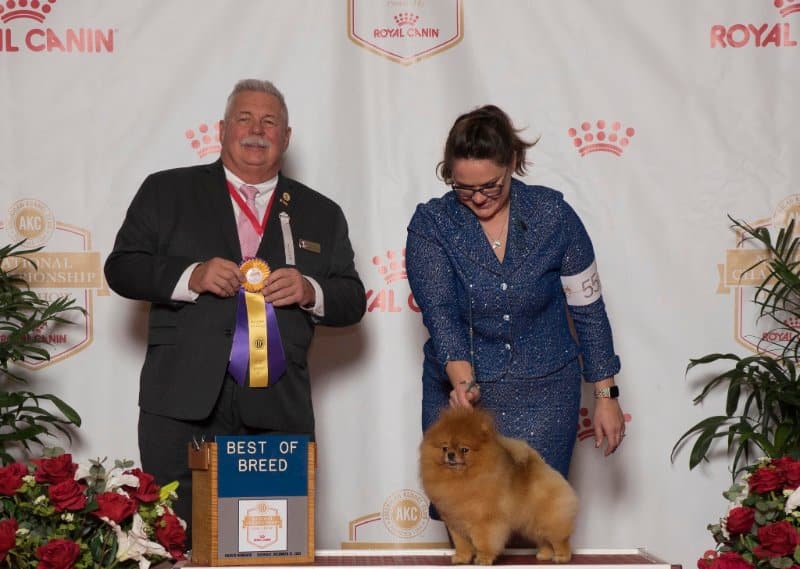

Meet the Breeders
Aly Bell is the breeder behind BallOFur Pomeranians & Infiniti Japanese Chin. Read about the kennel’s beginnings, puppies, photos and more!
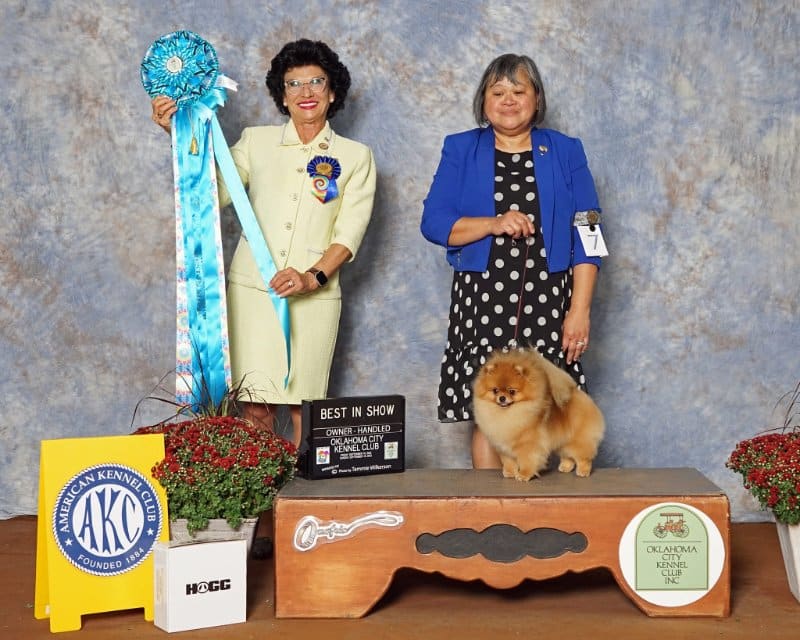

Meet the Owner Handlers
Insights from an Owner Handler, Christie Lisenbee. Read about her opinions on various topics about dog handling in the modern show ring.
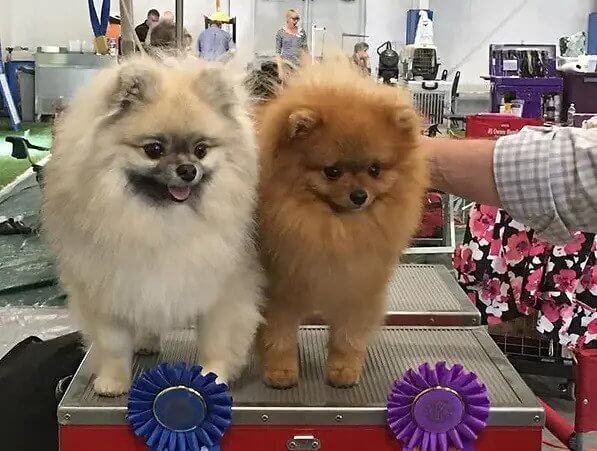

Meet the Breeders
Interview with a Toy Group Breeder Susan & Peter Colcord – We live in New Hampshire. Peter had been involved showing dogs for 25-plus years,
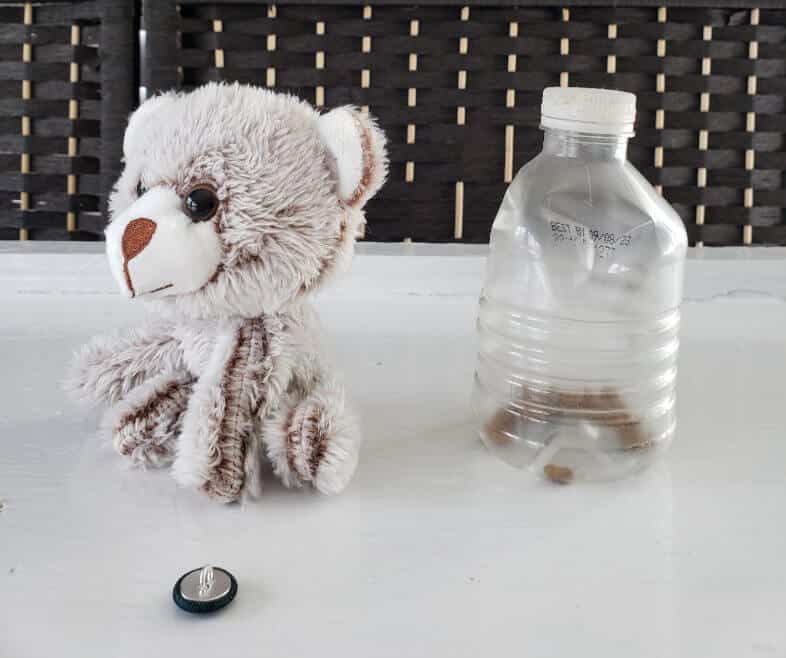

Some Toys Are Not Safe for Toy Dogs – I am writing about a scary experience that we had about a month ago.We had two Pomeranian male puppies
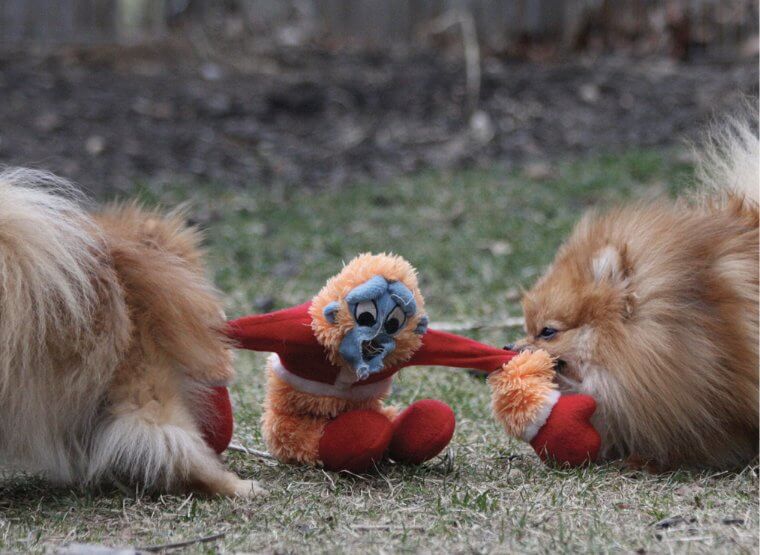
Being and owner and living with any dog comes responsibility. Being an owner and living with a Pomeranian, there are the same responsibilities
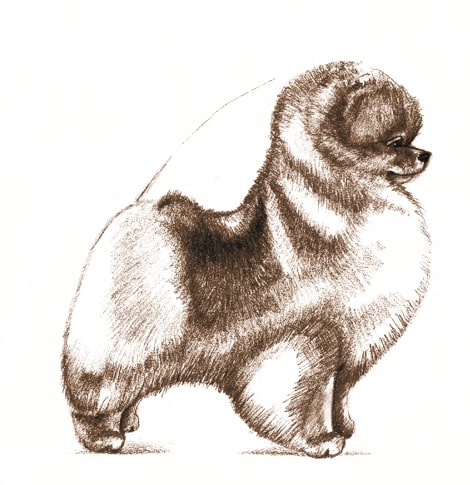
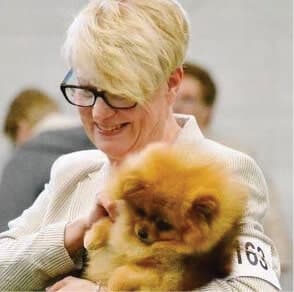
It would seem that in the Pomeranian ring, the most controversial subject is trimming. Breeders, judges, handlers, and exhibitors all have an

All About Judging
My name is Sharon Masnick and I have owned a Pomeranian since I was 18. I began to be interested in the entire Toy Group when, for 17 years
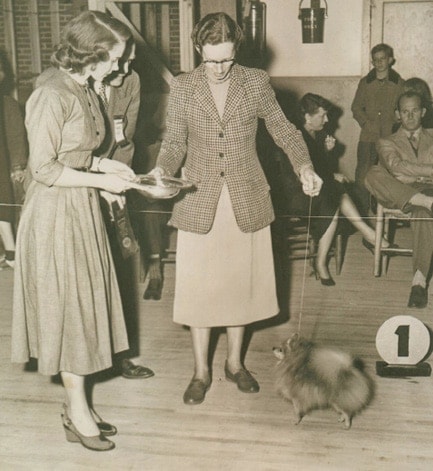
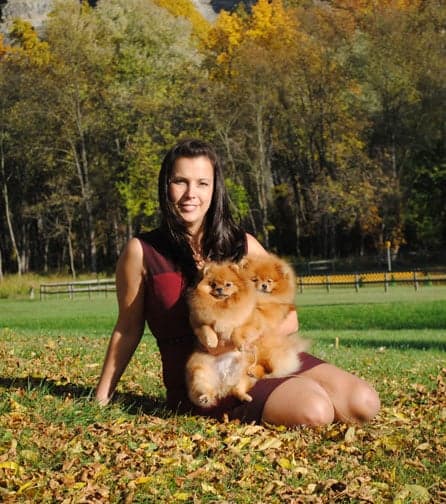
During the Great Depression, Ruth Beam, a young, college-educated divorcee emerged from the hills of North Carolina to one day take
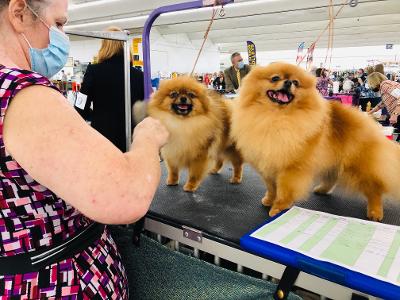
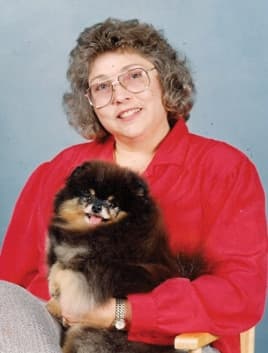
Studying the Pomeranians Past | From our early great Pomeranians to our most current greats, by studying our past we can become better
The tail of the Pomeranian is one of the breed's most distinctive and defining features, significantly contributing to the breed's silhouette and overall appearance. Set high and carried proudly, the tail lies flat and straight against the back. It is adorned with long, harsh, straight hair, giving it a profuse look that is an unmistakable breed characteristic.
Among Pomeranian breeders, the way the dog's tail is carried is of paramount importance. It not only enhances the breed's typical outline but also serves as an indicator of the dog's spirited and vivacious nature.
Standard Markings
Coat Type
Double
The structure of the coat this breed carries.
Coat Length
Long
How long the breed's coat grows when kept in condition.
Adaptability Level
How easily a breed copes with changes in home, routine, noise and weather.
Mental Stimulation Needs
How much a breed needs a job, a puzzle or training to stay content.
Feeding and nutrition are crucial aspects of caring for a Pomeranian. The breed's small size, high energy levels, and dietary needs must be considered to maintain good health and vitality. It's always important to tailor a dog's diet to its life stage, size, and activity level.
For Pomeranian puppies, it's essential to provide a diet that supports rapid growth and development. Puppies should be fed high-quality, small-breed puppy food, one that is specifically formulated to meet the nutritional needs of growing small dogs. This food is usually higher in protein and essential nutrients to support their development.
Pom puppies typically eat more frequently than adults, usually three to four times a day. As they transition to adulthood, they should be switched to a diet that supports their growing energy levels. Adults typically do well on two meals a day, but the amount of food required can vary. Generally, Pomeranians eat about one-quarter to one-half cup of dry dog food per day.
The quality of the food given is also important. Feeding a high-quality, balanced diet designed for small breeds can help a Pomeranian receive the proper nutrition. This includes the right balance of proteins, fats, carbohydrates, vitamins, and minerals.
In addition to providing regular meals, Pomeranians can be given treats, but these should be given sparingly and not exceed 10 percent of the dog's total caloric intake. It's also important to provide fresh water at all times.
Regular check-ins with a veterinarian can help to ensure that the Pomeranian's dietary needs are being met. During each visit, adjustments can be made as needed based on the dog's age, overall health, and activity level. A well-balanced diet will play a significant role in keeping the Pom healthy, active, and happy throughout its life.
Training a Pomeranian, while enjoyable due to the breed's intelligent and curious nature, does come with a few unique challenges. Understanding and effectively managing these challenges is key to raising a well-behaved and sociable companion.
Pomeranians are intelligent dogs, which means they learn quickly, but this intelligence can sometimes lead to a streak of stubbornness. Therefore, consistent and patient training is essential from an early age. These dogs respond best to positive reinforcement techniques such as praise, play, and treats. Harsh methods, or negative reinforcement, can lead to distrust and undesirable behaviors.
Despite the breed's small size, Pomeranians have a strong vocal presence. They can be prone to barking, which may be a way of expressing themselves or alerting their human companions to anything unusual. Training them to understand commands like "quiet" can help to manage any excessive barking. Early socialization and exposure to different people, environments, and situations can also help to reduce nervousness and mitigate overexcitement.
Their intelligence also means Pomeranians enjoy and benefit from mental stimulation. Puzzle toys, interactive games, and regular training sessions can help to keep their minds active and prevent boredom from being expressed in destructive, and annoying, ways.
When it comes to training a Pomeranian, it's important to remember their role as a companion dog with a working background. While these spitz-type lapdogs may not have a high prey drive, they can be curious and inclined to explore if given the opportunity. Therefore, it's important to have a secure environment and to teach them a reliable recall at home and in public.
Grooming Expectations
The Pomeranian can be a challenge to groom due to the breed's thick, plush coat. Regular brushing is essential to prevent mats and tangles, which can be uncomfortable for the dog and difficult to remove. Brushing a few times a week, or even daily, with a brush helps to remove loose hair and distribute the skin's natural oils through the coat, keeping it healthy and strong. The amount of shedding for a Pomeranian can vary, but these dogs are generally considered to be moderate-to-heavy shedders. Regular brushing helps with managing the shedding by removing loose hairs before they end up on clothing and furniture. During the spring and fall shedding seasons, Poms may require more frequent grooming. In addition to coat care, other grooming tasks are important for maintaining a Pomeranian's health. This includes regular tooth brushing to prevent dental issues, which Poms can be prone to due to their small jaws. Ears should also be checked regularly and kept clean to prevent infections, and nail trimming is important to prevent discomfort and mobility issues. While some people choose to groom their Pomeranian at home, professional grooming can be a helpful option, especially for trimming the nails and dealing with mats. A professional groomer can also provide advice on the best grooming practices and products for your specific dog. Regular grooming is not just a matter of aesthetics for the Pomeranian; it is a vital part of the dog's care. Grooming helps with maintaining overall health, allows for regular inspection of the skin and coat for any issues, and strengthens the bond between the dog and the groomer. Good grooming habits should be established early on so that the Pom becomes comfortable with the process and looks forward to every session.