01/Overview
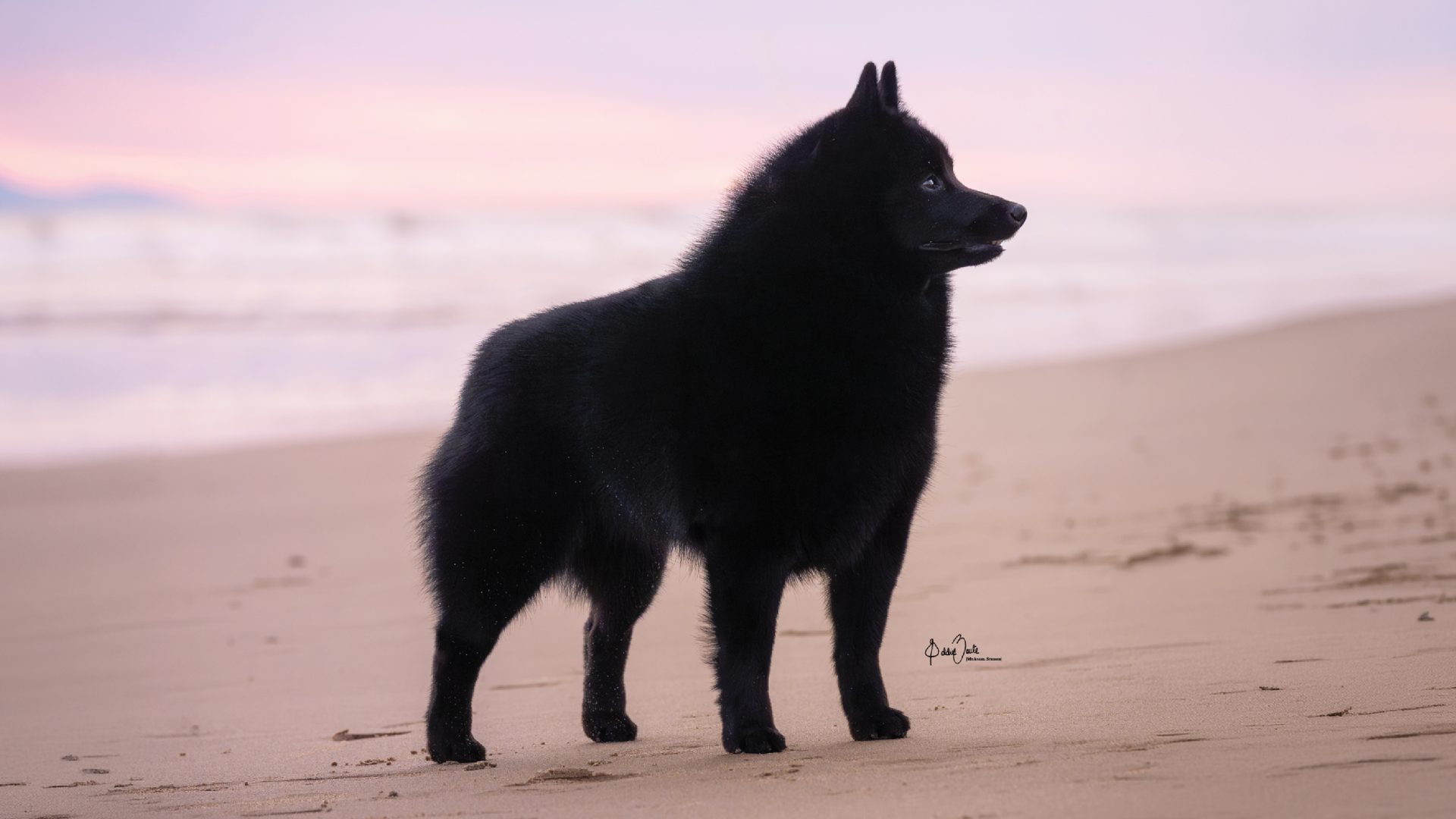
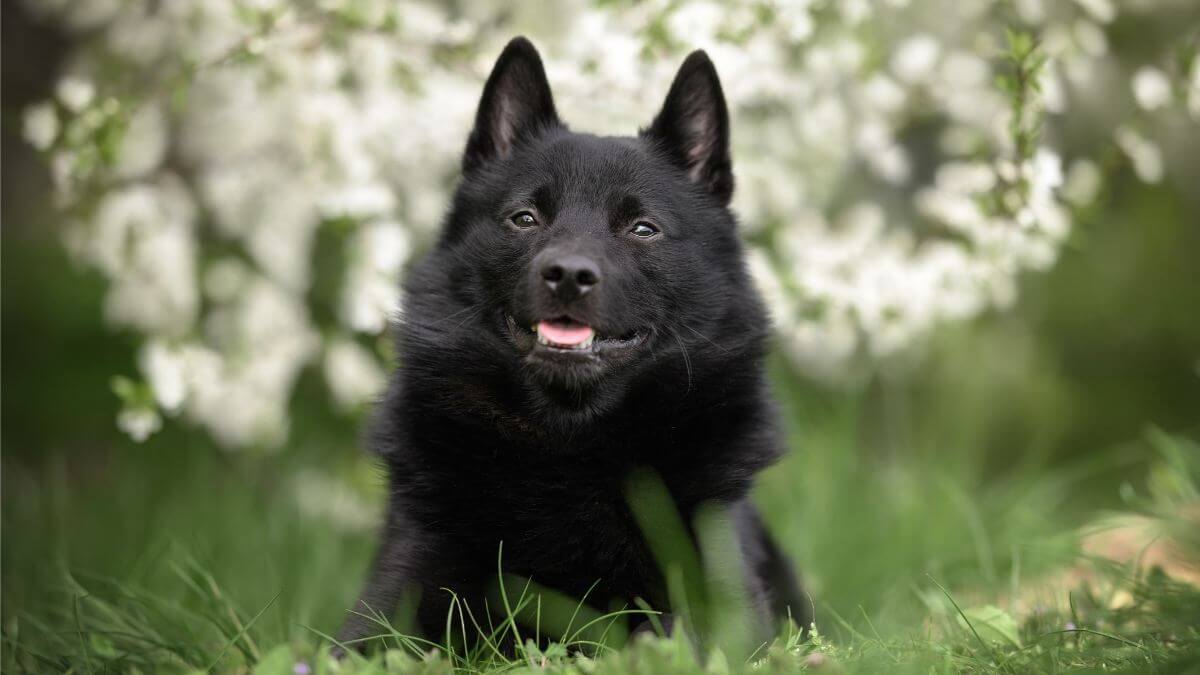
The Schipperke is a small, compact Belgian breed known for its alert expression, distinctive coat, and confident personality. Originally valued as a watchdog and exterminator, this energetic and curious dog retains a strong awareness of its surroundings and the sturdy character of a much larger working breed.
Highlights
02/History
The Schipperke originated in Belgium, particularly in the Flemish regions of the country. The breed is believed to share ancestry with an old Belgian sheepdog known as the Leauvenaar, or Leuvenaar, which was also associated with the development of the larger Belgian Shepherd breeds.
For centuries, Schipperkes were kept by tradespeople, craftsmen, shopkeepers, and working families. They served as watchdogs around homes, workshops, stables, and commercial buildings while controlling rats, mice, and other vermin.
The breed later became closely associated with Belgian canal barges. Schipperkes watched over vessels and cargo while helping to control rodents aboard boats. This occupation led to the popular translation of the breed’s name as “little captain,” although “little shepherd” is considered more accurate. The name is believed to come from a Flemish word related to scheper, meaning shepherd.
One of the earliest organized exhibitions featuring the breed took place in Brussels in 1882. Belgian fanciers worked to establish a consistent breed type and written Breed Standard during the late nineteenth century. Interest increased after Queen Marie Henriette of Belgium acquired a Schipperke after seeing the breed at a dog show in 1885.
Schipperkes were exported to the United Kingdom and the United States during the late 1800s. The American Kennel Club officially recognized the breed in 1904. The Schipperke Club of America was established in 1929 and later became the breed’s AKC parent club.
03/Appearance
An adult male Schipperke stands from 11 to 13 inches tall at the withers, while a female measures between 10 and 12 inches. The breed typically weighs 10 to 16 pounds.
Skull: The Schipperke has a well-proportioned head that forms a wedge from the back of the skull to the tip of the nose. The skull is moderately broad and narrows toward the muzzle. It is slightly rounded in profile, with a definite but not prominent stop.
Expression: The expression is questioning, confident, alert, and mischievous.
Eyes: The eyes are small, oval rather than round, dark brown, and placed forward on the head.
Ears: The ears are small, triangular, set high, and carried erect. They are positioned well forward on the head and should not drop.
Muzzle: The muzzle is slightly shorter than the skull and tapers toward the nose. It should not appear weak, overly narrow, or snipey.
Nose: The nose is small and black.
Bite: The Schipperke has strong, evenly set teeth that meet in either a scissors bite or a level bite.
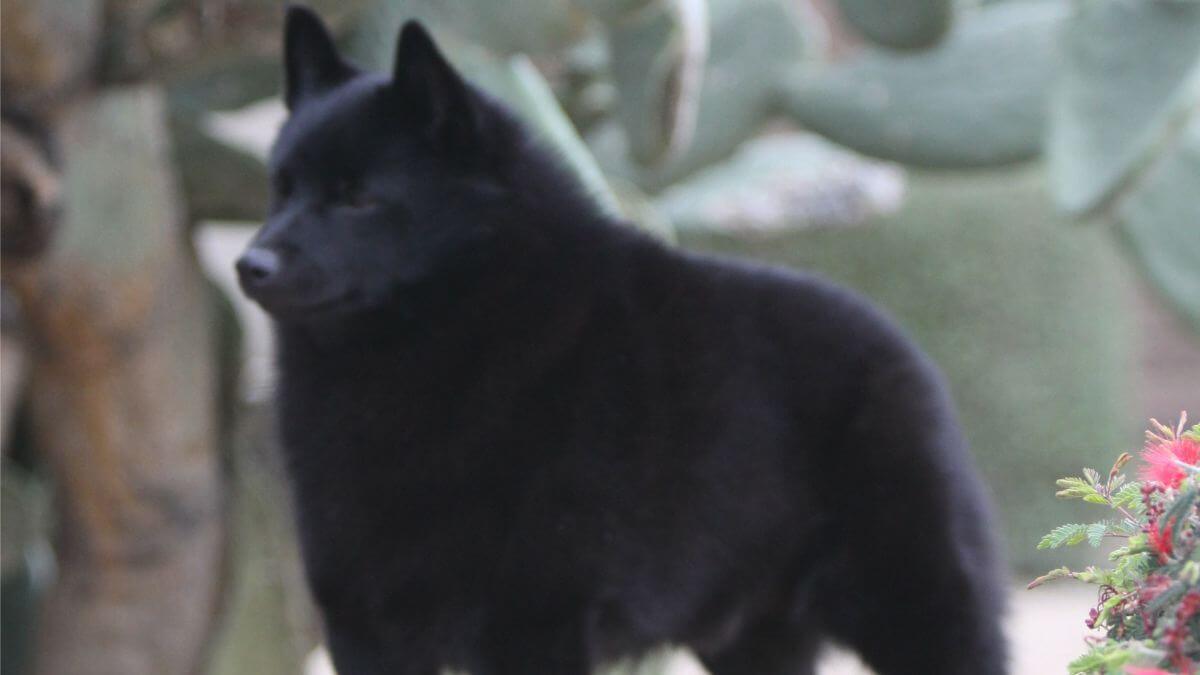
The Schipperke is square in profile, with the distance from the point of the shoulder to the rear projection of the upper thigh approximately equal to the height at the withers. The breed is thickset and cobby, without appearing coarse or excessively heavy.
The body is broad at the shoulders and gradually tapers toward the croup, creating the breed’s characteristic silhouette. The chest is broad and deep, reaching to the elbows, while the back is level or slopes slightly toward the croup. Medium bone provides a sturdy and substantial appearance without limiting agility or freedom of movement.
Texture: The Schipperke has a distinctive double coat. The outer coat is abundant, straight, and slightly harsh, while the undercoat is short, dense, and soft. The hair is shorter on the face, ears, front of the forelegs, and hocks. It is medium in length over the body and longer around the neck, shoulders, chest, and hindquarters, forming the breed’s characteristic cape, ruff, culottes, and apron.
Standard Colors
04/Consider
The Schipperke is an active and intelligent breed with strong watchdog instincts and an independent nature. This dog needs consistent training, regular exercise, mental stimulation, and secure surroundings. The breed is closely attached to its family but may be challenging for someone seeking a quiet or highly compliant companion.
Interaction With Family
The level of affection a breed typically shows towards family members and familiar individuals.
Good With Other Dogs
The innate friendliness of a dog towards other dogs can depend on its breed.
Good With Young Children
The degree to which a breed will typically be patient with young children.
Amount Of Shedding
How much hair a breed typically leaves behind on clothes, furniture and floors.
Frequency Of Grooming
How often a breed needs brushing, bathing or a professional trim to stay in condition.
Amount Of Drooling
How prone a breed is to drool — worth knowing before you keep a towel by the door.
Openness To Strangers
How openly a breed tends to greet new people, visitors and strangers.
Protective Nature
How likely a breed is to alert you to — and stand between you and — anything unfamiliar.
Playfulness Level
How enthusiastic a breed stays about games and play well past puppyhood.
Trainability Level
How readily a breed takes direction and works with you rather than around you.
Barking Level
How much a breed uses its voice, and how readily.
Energy Level
How much get-up-and-go a breed brings to an average day.
Health
The Schipperke is generally considered a sturdy and long-lived breed. Responsible breeders screen breeding dogs for conditions known to occur in the breed and provide relevant health testing information to prospective puppy buyers. A Schipperke typically has a lifespan of 12 to 16 years. Balanced nutrition, regular activity, preventive veterinary care, and a healthy weight can support the dog throughout life.
The Schipperke is alert, confident, curious, and intensely interested in its surroundings. This small dog often approaches unfamiliar situations with determination and little hesitation. The breed is affectionate with its family but can also be independent and opinionated.
A first-time caretaker can live successfully with a Schipperke when prepared to establish consistent boundaries and provide regular activity. The breed responds better to patient instruction than harsh correction and may become bored or destructive when left alone for extended periods.
A well-socialized Schipperke can live peacefully with other dogs, especially when raised with them, although some adults may be assertive toward unfamiliar dogs. The breed’s prey drive can make life with small pets difficult. Schipperkes can be good companions for respectful children and usually accept strangers once they recognize that a visitor is welcome.
Exercise Expectations
A healthy adult generally benefits from 45 to 60 minutes of activity each day, although individual requirements vary. Puzzle toys, scent games, Trick Dog training, and structured play can provide additional mental stimulation and help prevent boredom.
Grooming Expectations
A Schipperke can adapt to apartment living when its exercise and training needs are consistently met. However, the breed’s activity level and tendency to alert-bark may create difficulties in buildings with close neighbors.
Secure surroundings are essential because this curious dog may slip through an open door, investigate gaps in fencing, or chase a moving animal. Outdoor activity should be supervised or controlled with a leash.
The dense double coat provides good protection in cool weather, but prolonged exposure to severe cold is inappropriate. In hot and humid conditions, exercise should take place during cooler parts of the day, with shade and fresh water readily available.
05/Puppies
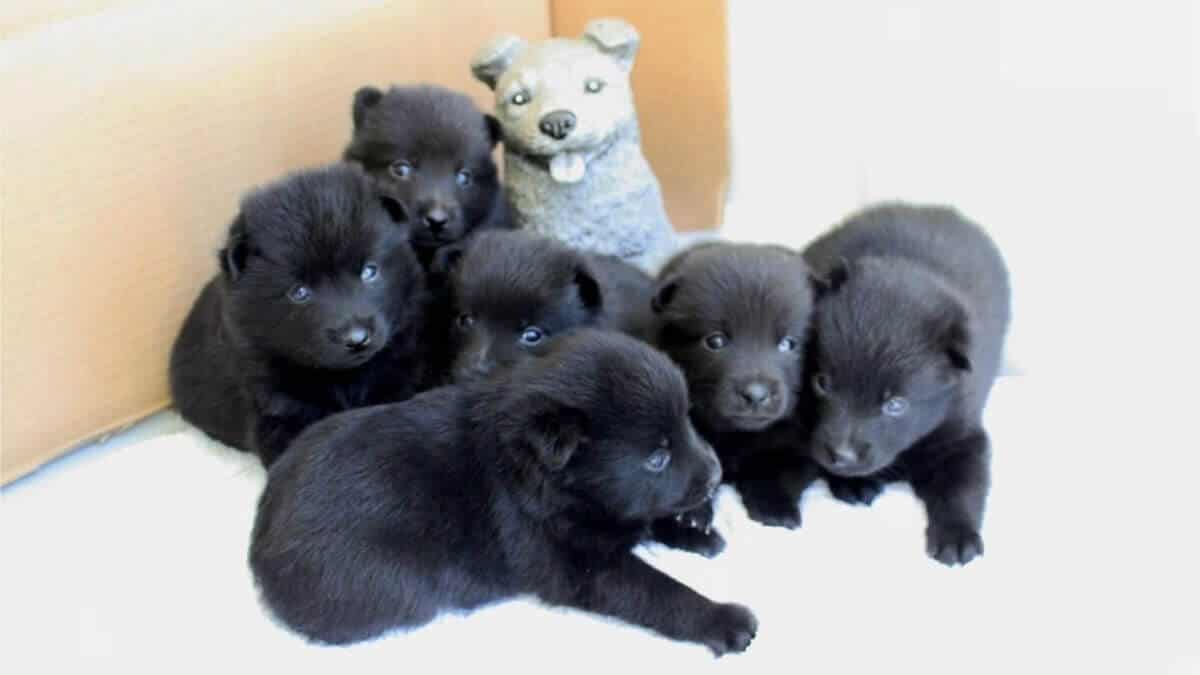
Schipperke puppies are lively, curious, and quick to investigate their surroundings. Consistent routines, safe boundaries, positive socialization, and age-appropriate activity are important from the moment each puppy leaves for its new home.
A Schipperke puppy benefits from a predictable routine that includes regular meals, potty breaks, sleep, play, training, and quiet time. A crate or secure puppy area can provide a safe place to rest and help prevent destructive behaviors when direct supervision is not possible.
Positive exposure to people, well-mannered dogs, household sounds, surfaces, vehicles, and unfamiliar environments can help the puppy become a confident adult. Short training sessions can introduce name response, recall, leash walking, and calm behavior overall.
The puppy should receive a complete and balanced diet formulated for growth, divided into several measured meals each day. Exercise should center on supervised play, short walks, gentle exploration, and brief training sessions rather than forced running or repetitive jumping.
Regular veterinary visits allow growth and development to be monitored and provide opportunities to discuss vaccinations, parasite prevention, and nutrition. Grooming should begin early so that the puppy becomes comfortable with brushing, nail trimming, ear checks, tooth brushing, and general handling.
06/Activities
Schipperkes are intelligent, agile, and energetic dogs that often enjoy activities requiring speed, concentration, and problem-solving. Here are some of the dog sports and activities in which Schipperkes frequently participate:
Agility: Schipperkes can use their speed, coordination, and quick thinking while navigating obstacle courses.
Obedience: Obedience Trials allow the breed to demonstrate learned exercises and cooperation with a handler.
Rally: Rally combines numbered stations with varied exercises that can keep training engaging for this intelligent breed.
Scent Work: Schipperkes search for specific odors hidden in containers, indoor spaces, outdoor areas, or vehicles.
Tracking: The dog follows a scent trail across different types of terrain.
Fast CAT: This timed 100-yard dash gives the Schipperke a controlled outlet for speed and chasing instinct.
Barn Hunt: Dogs search for rats safely enclosed in protective tubes and hidden among hay or straw bales.
Conformation Shows: Schipperkes are evaluated according to the Breed Standard, including structure, movement, coat, temperament, and overall breed type.
Trick Dog: Trick training provides mental stimulation while strengthening communication between the dog and handler.
Therapy Work: A calm and well-socialized Schipperke may visit hospitals, schools, and care facilities to provide companionship for patients and residents.
Gallery
07/Standards
The Schipperke is recognized by the world’s leading registries and kennel organizations, which categorize the breed into a specific Group based on its unique characteristics. This breed is recognized worldwide under the following Group designations:
The ideal Schipperke is described by a Breed Standard that is approved by each of the world’s leading registries and kennel organizations. The Standards for this breed may be found in the following links:
08/Clubs
Schipperke clubs support breed education, responsible breeding, health research, rescue work, and participation in dog sports.
Schipperke Club of America: Founded in 1929, this is the national breed club for the Schipperke in the United States and the breed’s AKC Parent Club.
Schipperke Club of Canada: Founded in 1965, Canada’s national organization for the Schipperke welcomes enthusiasts, breeders, exhibitors, and companion dog families.
The Schipperke Club: Founded in 1890, this breed club in the United Kingdom supports education, public exhibitions, health initiatives, and other breed-related activities.
09/Rescue
Breed-specific rescue organizations may provide foster care, veterinary treatment, behavioral evaluation, and rehoming assistance for Schipperkes in need.
SchipperkeRescue.Net: A United States-based rescue network that assists Schipperkes through participating volunteers and foster homes.
Schipperke Club of America Rescue Resources: The national breed club provides rescue information and may connect people with regional contacts.
Local animal shelters and broader rescue organizations may also receive a Schipperke or Schipperke mix. Prospective adopters can contact nearby shelters, search national adoption databases, and ask breed clubs about a dog that may need to be placed in a new home.
10/Facts
Little Shepherd
The breed’s name is generally understood to mean “little shepherd” in Flemish, although “little captain” became popular because of its association with canal boats.
Leauvenaar Ancestry
The Schipperke is believed to descend from an old Belgian sheepdog type that was also associated with the larger Belgian Shepherd breeds.
Naturally Tailless Dogs
Some Schipperkes are born without a tail or with only a short tail, while others have a full-length tail that is traditionally docked.
Queen Marie Henriette
Interest in the breed increased after the Belgian queen acquired a Schipperke during the late nineteenth century.
Distinctive Outline
The cape, ruff, apron, and culottes contribute to the breed’s characteristic silhouette.
Watchdog Heritage
Schipperkes retain the alert and observant nature that once made them valuable to have around homes, workshops, and boats.
11/FAQ
Schipperkes can make excellent pets for active people who appreciate an intelligent and independent companion. They need consistent training, regular exercise, and mental stimulation.
Official Standard of the Schipperke
General Appearance: The Schipperke is an agile, active watchdog and hunter of vermin. In appearance he is a small, thickset, cobby, black, tailless dog, with a fox-like face. The dog is square in profile and possesses a distinctive coat, which includes a stand-out ruff, cape and culottes. All of these create a unique silhouette, appearing to slope from shoulders to croup. Males are decidedly masculine without coarseness. Bitches are decidedly feminine without over-refinement. Any deviation from the ideal described in the standard should be penalized to the extent of the deviation. Faults common to all breeds are as undesirable in the Schipperke as in any other breed, even though such faults may not be specifically mentioned in the standard.
Size, Proportion, Substance: Size - The suggested height at the highest point of the withers is 11 to 13 inches for males and 10 to 12 inches for bitches. Quality should always take precedence over size. Proportion - Square in profile. Substance - Thickset.
Head: Expression - The expression is questioning, mischievous, impudent and alert, but never mean or wild. The well proportioned head, accompanied by the correct eyes and ears, will give the dog proper Schipperke expression. Skull - The skull is of medium width, narrowing toward the muzzle. Seen in profile with the ears laid back, the skull is slightly rounded. The upper jaw is moderately filled in under the eyes, so that, when viewed from above, the head forms a wedge tapering smoothly from the back of the skull to the tip of the nose. The stop is definite but not prominent. The length of the muzzle is slightly less than the length of the skull. Eyes The ideal eyes are small, oval rather than round, dark brown, and placed forward on the head. Ears - The ears are small, triangular, placed high on the head, and, when at attention, very erect. A drop ear or ears is a disqualification. Nose - The nose is small and black. Bite - The bite must be scissors or level. Any deviation is to be severely penalized.
Neck, Topline, Body: Neck - The neck is of moderate length, slightly arched and in balance with the rest of the dog to give the correct silhouette. Topline - The topline is level or sloping slightly from the withers to the croup. The stand-out ruff adds to the slope, making the dog seem slightly higher at the shoulders than at the rump. Body - The chest is broad and deep, and reaches to the elbows. The well sprung ribs (modified oval) are wide behind the shoulders and taper to the sternum. The forechest extends in front of the shoulders between the front legs. The loin is short, muscular and moderately drawn up. The croup is broad and well-rounded with the tail docked. No tail is visually discernible.
Forequarters: The shoulders are well laid back, with the legs extending straight down from the body when viewed from the front. From the side, legs are placed well under the body. Pasterns are short, thick and strong, but still flexible, showing a slight angle when viewed from the side. Dewclaws are generally removed. Feet are small, round and tight. Nails are short, strong and black.
Hindquarters: The hindquarters appear slightly lighter than the forequarters, but are well muscled, and in balance with the front. The hocks are well let down and the stifles are well bent. Extreme angulation is to be penalized. From the rear, the legs extend straight down from the hip through the hock to the feet. Dewclaws must be removed.
Coat: Pattern - The adult coat is highly characteristic and must include several distinct lengths growing naturally in a specific pattern. The coat is short on the face, ears, front of the forelegs and on the hocks; it is medium length on the body, and longer in the ruff, cape, jabot and culottes. The ruff begins in back of the ears and extends completely around the neck; the cape forms an additional distinct layer extending beyond the ruff; the jabot extends across the chest and down between the front legs. The hair down the middle of the back, starting just behind the cape and continuing over the rump, lies flat. It is slightly shorter than the cape but longer than the hair on the sides of the body and sides of the legs. The coat on the rear of the thighs forms culottes, which should be as long as the ruff. Lack of differentiation in coat lengths should be heavily penalized, as it is an essential breed characteristic. Texture - The coat is abundant, straight and slightly harsh to the touch. The softer undercoat is dense and short on the body and is very dense around the neck, making the ruff stand out. Silky coats, body coats over three inches in length or very short harsh coats are equally incorrect. Trimming - As the Schipperke is a natural breed, only trimming of the whiskers and the hair between the pads of the feet is optional. Any other trimming must not be done.
Color: The outercoat must be black. Any color other than a natural black is a disqualification. The undercoat, however, may be slightly lighter. During the shedding period, the coat might take on a transitory reddish cast, which is to be penalized to the degree that it detracts from the overall black appearance of the dog. Graying due to age (seven years or older) or occasional white hairs should not be penalized.
Gait: Proper Schipperke movement is a smooth, well coordinated and graceful trot (basically double tracking at a moderate speed), with a tendency to gradually converge toward the center of balance beneath the dog as speed increases. Front and rear must be in perfect balance with good reach in front and drive in the rear. The topline remains level or slightly sloping downward from the shoulders to the rump. Viewed from the front, the elbows remain close to the body. The legs form a straight line from the shoulders through the elbows to the toes, with the feet pointing straight ahead. From the rear, the legs form a straight line from the hip through the hocks to the pads, with the feet pointing straight ahead.
Temperament: The Schipperke is curious, interested in everything around him, and is an excellent and faithful little watchdog. He is reserved with strangers and ready to protect his family and property if necessary. He displays a confident and independent personality, reflecting the breed's original purpose as watchdog and hunter of vermin.
Disqualifications: A drop ear or ears. Any color other than a natural black.
Approved November 13, 1990
Effective January 1, 1991


Meet the Judges
Edna González reflects on judging Non-Sporting breeds at Westminster 2026, sharing insights on her assignments and overall impressions.
Meet the Judges
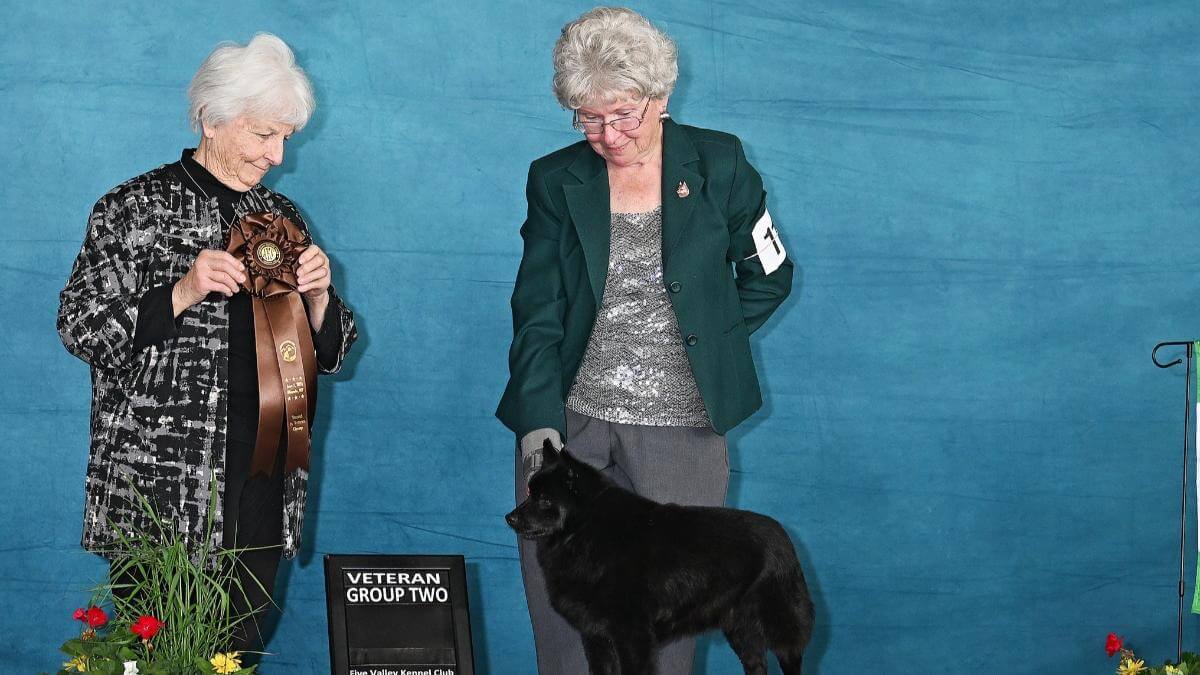
Mimi Winkler shares her experience judging Newfoundlands, Chows, and Schipperkes at the 2025 Morris & Essex All-Breed Dog Show.
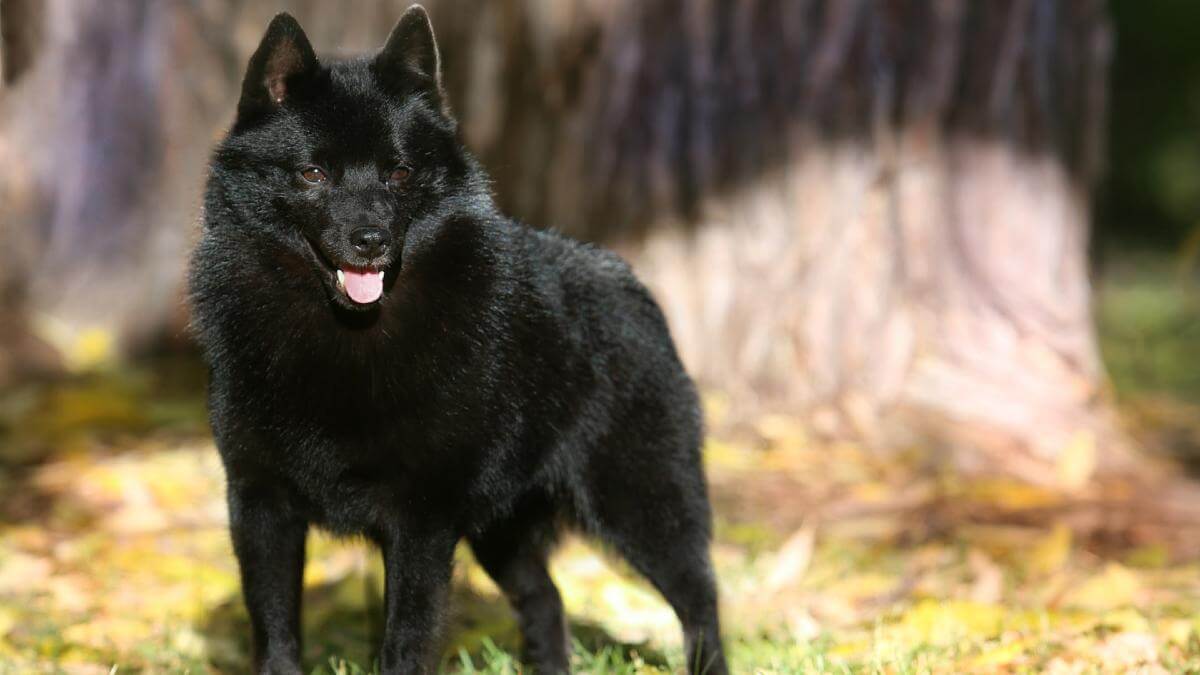
Discover the Schipperke breed: a small, energetic dog with a big personality, perfect for active families and adventurous owners.

Meet the Breeders
Lynda Kieres of TopperLyn Kennels shares her journey breeding Epagneul Bretons & Schipperkes, focusing on conformation and health.

Explore the rich history of the Schipperke, from its origins in Brussels to its unique evolution as a beloved Belgian breed.
Dog Sports
Discover the Schipperke: a small, agile dog with a thick coat, mischievous personality, and rich history as a watchdog and vermin hunter.
Dog Shows
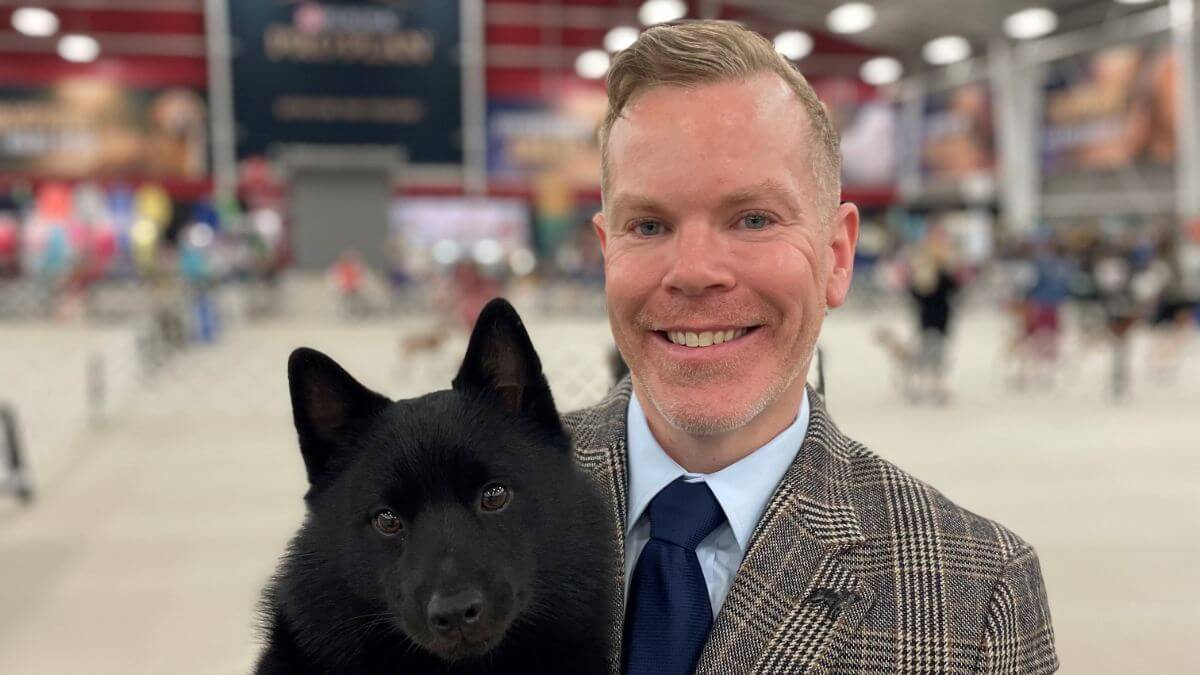
Discover Matthew Stroud’s journey as an Owner Handler in Tulsa, Oklahoma, sharing his love for dogs and preserving the Schipperke breed.
Meet the Breeders
Marnie Layng is the breeder behind Mardeck Schipperkes. Read about the kennel’s beginnings, puppies, and much more!
Meet the Breeders
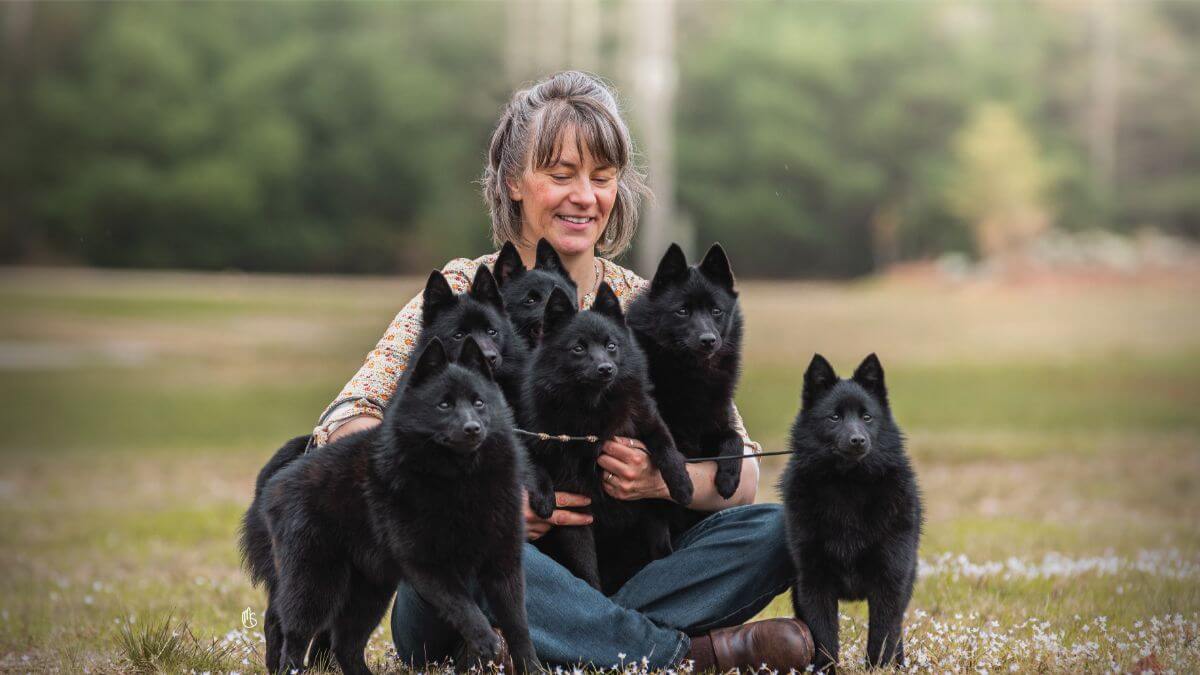
Kristin Morrison is the breeder behind Schipperkes. Read about the kennel’s beginnings, puppies, and much more!
The Schipperke’s tail is traditionally docked and is not visually discernible. It is set high and, when natural, may be tailless, incomplete, or a length that reaches the hock.
A Note About Color: The outercoat of the Schipperke must be black. Any color other than a natural black is a disqualification in the show ring. The undercoat, however, may be slightly lighter. During the shedding period, the coat might take on a transitory reddish cast, which is to be penalized to the degree that it detracts from the overall black appearance of the dog. Graying due to age (seven years or older) or occasional white hairs should not be penalized.
Coat Type
Double
The structure of the coat this breed carries.
Coat Length
Short
How long the breed's coat grows when kept in condition.
Adaptability Level
How easily a breed copes with changes in home, routine, noise and weather.
Mental Stimulation Needs
How much a breed needs a job, a puzzle or training to stay content.
A Schipperke should receive a complete and balanced diet suited to the dog’s age, activity level, and condition. Portions should be measured because even modest overfeeding can lead to weight gain in a small breed.
A puppy should receive three or four small meals each day before gradually moving to two daily meals. Most adult Schipperkes are fed twice a day and may eat approximately three-quarters of a cup to one and one-half cups of dry food daily, depending on the type of food and the dog’s weight and activity level.
A senior Schipperke may need fewer calories as activity decreases. Fresh water should remain available at all times.
The Schipperke is intelligent and learns quickly, but this independent dog may test boundaries or lose interest when training becomes repetitive. Short, varied sessions are generally more effective than prolonged drills.
Positive reinforcement through food, toys, praise, and play can help build cooperation. Early socialization should introduce the puppy to different people, dogs, sounds, surfaces, and environments in a controlled and positive way.
Schipperkes are natural watchdogs and often bark when they notice unfamiliar activity. Training can teach a dog to settle after giving an alert. Because prey drive and curiosity can interfere with recall, off-leash activity should take place only in securely enclosed areas.
Schipperkes shed throughout the year and may release a substantial amount of undercoat once or twice annually. More frequent brushing with an appropriate grooming tool can help to remove dead hair during these periods. The coat should never be shaved. Bathing is only needed occasionally unless the dog becomes particularly dirty. Nails should be trimmed regularly, ears should be checked for irritation or debris, and teeth should be brushed routinely.