Members
01/Overview
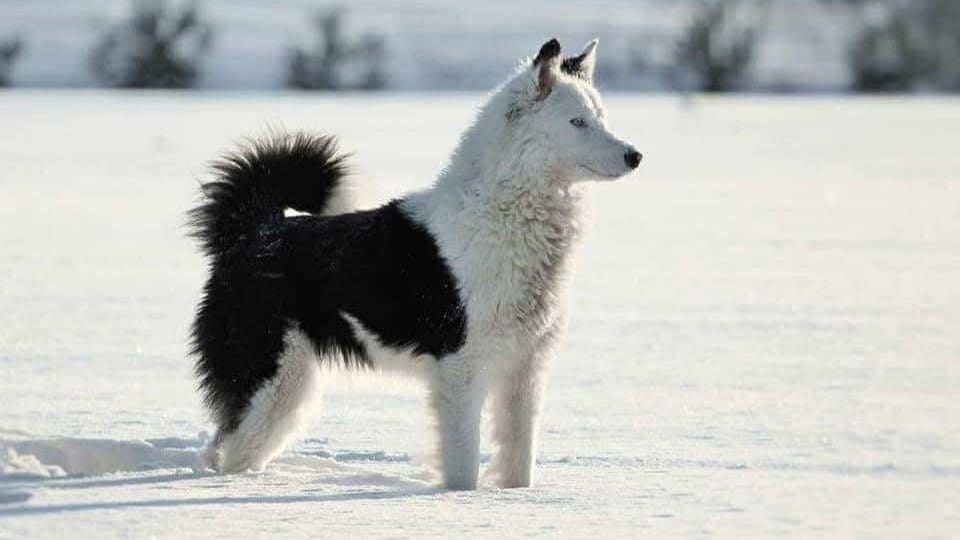
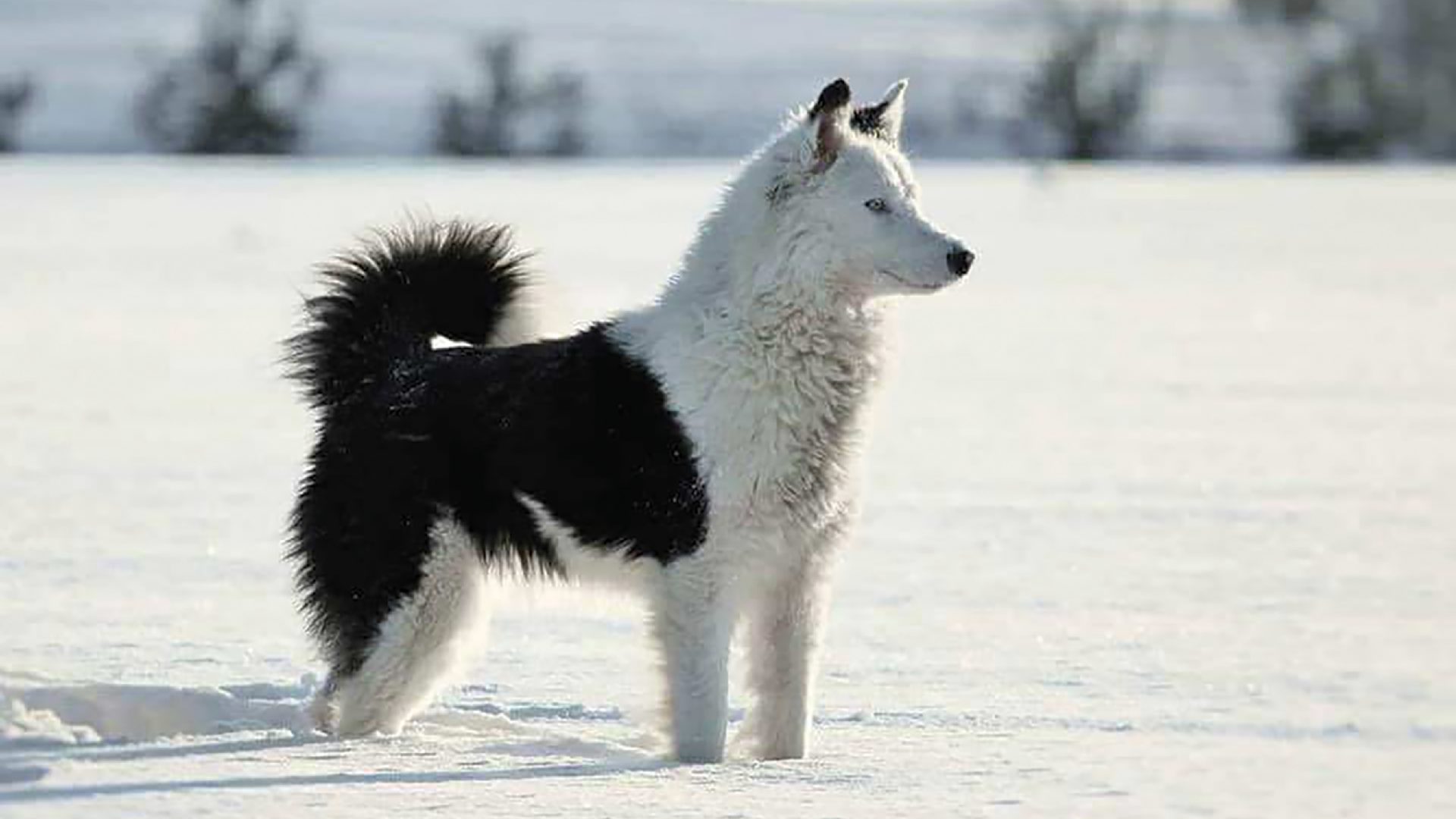
The Yakutian Laika is a medium-sized working spitz from northeastern Russia with a strong, athletic build, erect or tipped ears, a dense double coat, and a well-furred tail carried over the back. The breed was developed to work in extremely cold conditions.
Highlights
Official Standard of the Yakutian Laika
History: The Yakutian Laika is an ancient native dog breed which was naturally bred by aboriginal people of Northeastern Russia as a sled dog and a hunting dog. Certain archaeological discoveries confirm that the local people used dogs for sledding and hunting as far back as 8000 years ago. The very first references about dogs in this region date back to 1633. The first published account of the Yakutian dogs was entitled “How Yakutians travel in winter” which was included in the book “Northern and Eastern Tartary” by Nicholas Witsen (Amsterdam, 1692). The first description of the Yakutian Laika appeared in the book “Geography of the Russian Empire” (Derpt, 1843), which announced it to be a “dog of a special breed.” The first mention of the Yakutian Laika’s total number found in the book “Statistical tables of the Russian Empire” (St. Petersburg, 1856): “There are 15157 dogs in the Yakut region used for sled work.” The first Breed Standard for the North-East Sled Dog was adopted in 1958 and it formed the basis for the Yakutian Laika Breed Standard published in 2005 by the Russian Kynological Federation. For many centuries, the Yakutian Laika accompanied the northern man in everyday life, helping him to hunt, vigilantly watching his home, herding reindeers and transporting goods in the severe conditions of the Far North. These skills have glorified the Yakutian Laika as a versatile breed not only in Russia but also in many countries on different continents. For centuries the Yakutian Laika was an irreplaceable and faithful assistant to man in the conditions where the slightest demonstration of weakness was punished with death. It always received a respectful attitude from its human family, which treated it as its member rather than a simple domestic animal. This means that it developed into a fabulous companion dog, devoted, lively and biddable. The breed is extremely gentle and considerate with children to whom it commonly establishes especially tight bonds. Nevertheless, its friendly nature doesn't exclude the necessity of a certain amount of socialization, preferably at an early age. The Yakutian Laika is slightly reserved with unknown people but in most cases it's excited to acquire a new playmate. Human aggressiveness was considered by dog breeders as a major fault and was meticulously eliminated from its characteristics. The breed is endowed with a very sensitive nose and ears, which make it a rather capable watchdog. However, its barking is no more than a means to show its anticipation of the perspective of making a new acquaintance. This dog will most likely fail in the role of a guardian due to its friendly nature. Yakutian Laikas used to pull a narta (sled) in close collaboration with dozens of other dogs, so they're quite accepting of other dogs. The breed surely prefers to have one or several constant canine companions and can be introduced with few issues to the household with a pre-existing dog, although it should be performed with necessary caution. The second primary duty of this breed was hunting, and it preserves much of its prey drive. That's why its interaction with other small and average-sized animals should never go unsupervised. The Yakutian Laika will most likely get on with a home cat if they have been reared together.
General Appearance: The Yakutian Laika is a medium-sized working dog. The functional double coat and plumed tail identify him as a dog capable of surviving severe arctic weather while its strong, compact, well-muscled body identify him as capable of performing a number of tasks upon which the inhabitants relied. The males are masculine but never coarse and the females are feminine without weakness.
Size, Proportion, Substance: Height – Dogs 21.5 – 23.5 inches; Bitches – 20.5 – 22.5 inches. Deviations from these heights should be penalized Substance – Any appearance of excessive or weak bone should be penalized. Proportions – The length of the body from the point of the shoulder to the buttocks is slightly longer than the height of the dog from the ground to the withers by 10-13%. Length of leg from elbow to ground is slightly more than the distance from the elbow to the top of the withers by approximately 55%.
Head: Wedged. Skull – Moderately broad; slightly rounded. Stop – Moderate. Muzzle – Slightly shorter than the length of the skull. Well-filled under the eyes with wedge gradually tapering towards the tip of the nose. Ears – Triangular, set high, well-furred, and wide at the base. Erect ears are preferred; tipped ears are acceptable but not preferred. Nose – Large with wide nostrils. Black or brown, but any color conforming to the general coat color of the dog is acceptable. The lighter-streaked “snow nose” is equally acceptable. Eyes – The oval eyes are wide apart and evenly set. Any color is permissible including brown, blue, bi-eyed or parti-eyed. Eye pigment matches nose; depigmented eye rim against a white background is permissible. Lips – Tight-fitting; well-pigmented. Teeth – Strong and white. Scissors or level bite. Reverse scissor acceptable but not preferred. Disqualification – Overshot or an undershot bite in which two or more of the upper incisors lose contact with two or more of the lower incisors.
Neck, Topline, Body: Neck – Moderately long and muscular. Body – Slightly longer than tall, compact. Topline – Straight, slightly sloping from moderately pronounced withers to base of tail. Loin – Short, broad, and muscular. Croup – Moderately sloped. Chest – Well-sprung ribs of good length; moderately deep. Underline – Slightly tucked up. Tail – The plumed tail is profusely covered with long hair. The tail is carried forward over the back or side when alert in a mobile, loose curl. A double hook/curl or a tail snapped on the back is a fault. The tail may drop at rest or when moving. The tail bone should reach the hock when down. The tail is moderately set; neither high-set nor low-set.
Forequarters: Well-angulated. Feet – Oval, compact, well-furred and cushioned. Feathering on toes may extend beyond the feet. Dewclaws permissible.
Hindquarters: Angulation to match the front. Feet – Same as front; may be slightly bigger. May have no, one or two dewclaws, not necessarily matched.
Coat: Double coat of medium length. The undercoat is soft and dense. The outercoat is straight and coarse to the touch. The forelegs and trousers are heavily feathered. The Yakutian Laikas carry a mane on the neck, particularly in the males.
Color: Any color, color pattern, or combination of colors is acceptable, including dogs with minimal markings. The only acceptable solid color is white. Disqualification – Any solid color other than white.
Gait: Light and elastic. Will single track as speed increases. Their normal speeds are a working trot and a gallop.
Temperament: The Yakutian Laika is friendly, gentle and alert. Some measure of reserve or aloofness may be shown around strangers, and they are highly aware of environmental factors. They are dedicated, loyal and loving with their family.
Disqualifications: Any solid color other than white. Overshot or an undershot bite in which two or more of the upper incisors lose contact with two or more of the lower incisors.
Approved August 7, 2023
Effective June 26, 2024
02/History
The Yakutian Laika originated in the Yakutia region of northeastern Siberia, an area now known as the Sakha Republic of Russia. Indigenous communities developed these dogs over centuries to perform essential work in one of the world’s harshest climates.
Yakutian Laikas were used for pulling sleds, transporting people and supplies, hunting, and assisting with daily life in remote settlements. Their endurance, dense coats, and ability to work closely with people made them especially valuable during long Arctic winters.
The breed's importance declined during the 20th century as motorized transportation replaced many traditional sled-dog teams. By the late 1900s, numbers had fallen considerably.
Russian breeders and enthusiasts later began organized efforts to restore the breed using surviving dogs from its native region. Selection focused on preserving working ability, endurance, cold tolerance, temperament, and traditional spitz characteristics.
03/Appearance
The Yakutian Laika stands between 21 and 23 inches tall at the withers and generally weighs approximately 40 to 55 pounds.
Skull: The Yakutian Laika has a moderately broad, slightly rounded skull that is proportionate to the body. The stop is clearly defined but not abrupt.
Expression: The expression is alert, attentive, and intelligent.
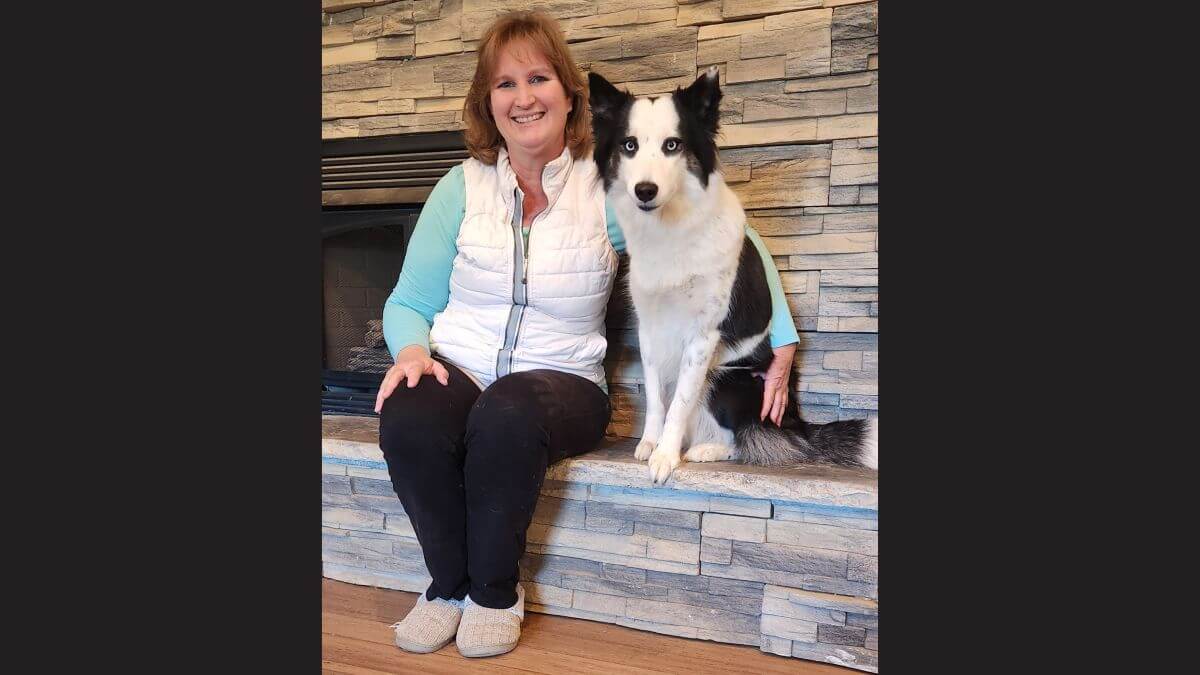
Eyes: The eyes are almond-shaped, set moderately wide apart, and may be brown, blue, or one of each. The expression should remain keen and friendly.
Ears: The ears are triangular, thick, and set high. They may be erect or semi-erect and are well covered with hair.
Muzzle: The muzzle is strong, moderately broad, and tapers gradually toward the nose without becoming pointed.
Nose: The nose is well developed and usually black or brown, depending on coat color.
Bite: The jaws are strong, with a complete scissors or level bite. A scissor bite is preferred, and an overshot or undershot bite is a disqualification.
The Yakutian Laika is a well-balanced, moderately compact dog with a strong, athletic build and sufficient substance for endurance and working ability. The body is slightly longer than tall, with a deep chest, firm topline, well-developed musculature, and moderate bone.
The breed should appear powerful without heaviness and agile without looking light or refined. Its overall construction reflects the stamina, strength, and efficiency needed for sled work and other demanding activities in severe climates.
Texture: The Yakutian Laika has a thick, dense double coat developed to protect the dog in severe cold. The outer coat is straight, coarse, and weather-resistant, while the undercoat is soft, dense, and well developed. The coat is longer around the neck, forming a noticeable ruff, and there is feathering on the backs of the legs and tail.
Standard Colors
04/Consider
The Yakutian Laika is an active, intelligent, and people-oriented working breed that needs regular exercise, consistent training, and plenty of mental stimulation. Its strong working background means it generally does best with people who can provide structure, activity, and meaningful interaction.
Interaction With Family
The level of affection a breed typically shows towards family members and familiar individuals.
Good With Other Dogs
The innate friendliness of a dog towards other dogs can depend on its breed.
Good With Young Children
The degree to which a breed will typically be patient with young children.
Amount Of Shedding
How much hair a breed typically leaves behind on clothes, furniture and floors.
Frequency Of Grooming
How often a breed needs brushing, bathing or a professional trim to stay in condition.
Amount Of Drooling
How prone a breed is to drool, worth knowing before you keep a towel by the door.
Openness To Strangers
How openly a breed tends to greet new people, visitors and strangers.
Protective Nature
How likely a breed is to alert you to anything unfamiliar, and stand between you and it.
Playfulness Level
How enthusiastic a breed stays about games and play well past puppyhood.
Trainability Level
How readily a breed takes direction and works with you rather than around you.
Barking Level
How much a breed uses its voice, and how readily.
Energy Level
How much get-up-and-go a breed brings to an average day.
Health
The Yakutian Laika is generally a hardy breed with a typical lifespan of about 10 to 12 years. Regular veterinary care, balanced nutrition, appropriate exercise, and maintaining a healthy body condition can help support overall health and longevity.
The Yakutian Laika is intelligent, social, energetic, and strongly attached to its family. The breed was developed to work closely with people, and many Yakutian Laikas are affectionate, attentive, and eager to participate in daily activities.
They are usually alert and confident without being unnecessarily combative. Early socialization is important to help them become comfortable around unfamiliar people, dogs, environments, and situations.
Exercise Expectations
Most adults benefit from at least 60 to 90 minutes of activity each day, depending on age, fitness, and individual energy level. Running, hiking, pulling sports, scent work, training games, and other structured activities can help meet these needs. The breed generally thrives when physical exercise is combined with tasks that require focus and problem-solving.
Grooming Expectations
The Yakutian Laika is best suited to an active household that can provide regular exercise, training, and close interaction. The breed usually enjoys spending time with its family and may become bored if left without activity or companionship for long periods.
A securely fenced yard can be useful, but it does not replace structured exercise and training. Because of the breed's endurance and working drive, Yakutian Laikas often do best with people who enjoy outdoor activities and can provide consistent routines.
Their heavy coat makes them naturally well suited to cold climates, while extra care may be needed during hot weather to prevent overheating.
05/Puppies
Yakutian Laika puppies are energetic, curious, social, and quick to learn. Early socialization, consistent routines, and positive training are important for helping them develop into confident and well-mannered adults.
A Yakutian Laika puppy should follow a regular daily routine that includes meals, potty breaks, naps, play, and short training sessions. A crate or secure puppy area can help with housetraining and provide a safe place to rest.
Early socialization should include positive exposure to different people, friendly dogs, household sounds, surfaces, vehicles, and unfamiliar environments. These experiences can help the puppy become more confident and adaptable.
Training can begin with name response, recall, leash walking, housetraining, basic cues, and impulse control. Reward-based training usually works well with this intelligent and people-oriented breed.
Puppies should receive a complete and balanced diet formulated for growth, divided into several small meals each day. Exercise should focus on supervised play, short walks, and controlled exploration rather than prolonged or strenuous activity.
Routine veterinary care, vaccinations, parasite prevention, grooming, nail trimming, ear checks, and tooth brushing should also begin during puppyhood.
06/Activities
Yakutian Laikas are energetic working dogs that can excel in activities involving endurance, teamwork, pulling, and problem-solving. Here are some activities and dog sports in which the breed may participate:
Sledding: Yakutian Laikas were traditionally used as sled dogs and remain well suited to pulling and team-based work.
Mushing: Their endurance, strength, and willingness to work make them a natural fit for recreational and competitive mushing.
Skijoring: A conditioned Yakutian Laika can pull a skier while responding to directional and pace cues.
Bikejoring: The breed’s athleticism and pulling instinct can make bikejoring an enjoyable activity for experienced teams.
Canicross: Yakutian Laikas can participate in running sports in which the dog and handler work together over distance.
Agility: Their athletic build and responsiveness can make Agility a good outlet for physical and mental energy.
Rally: Rally Obedience combines obedience exercises with movement through a predetermined course and encourages teamwork with the handler.
Obedience: Structured Obedience exercises can help develop focus, responsiveness, and reliable manners.
Scent Work: Yakutian Laikas can use their keen sense of smell in structured search and scent-detection activities.
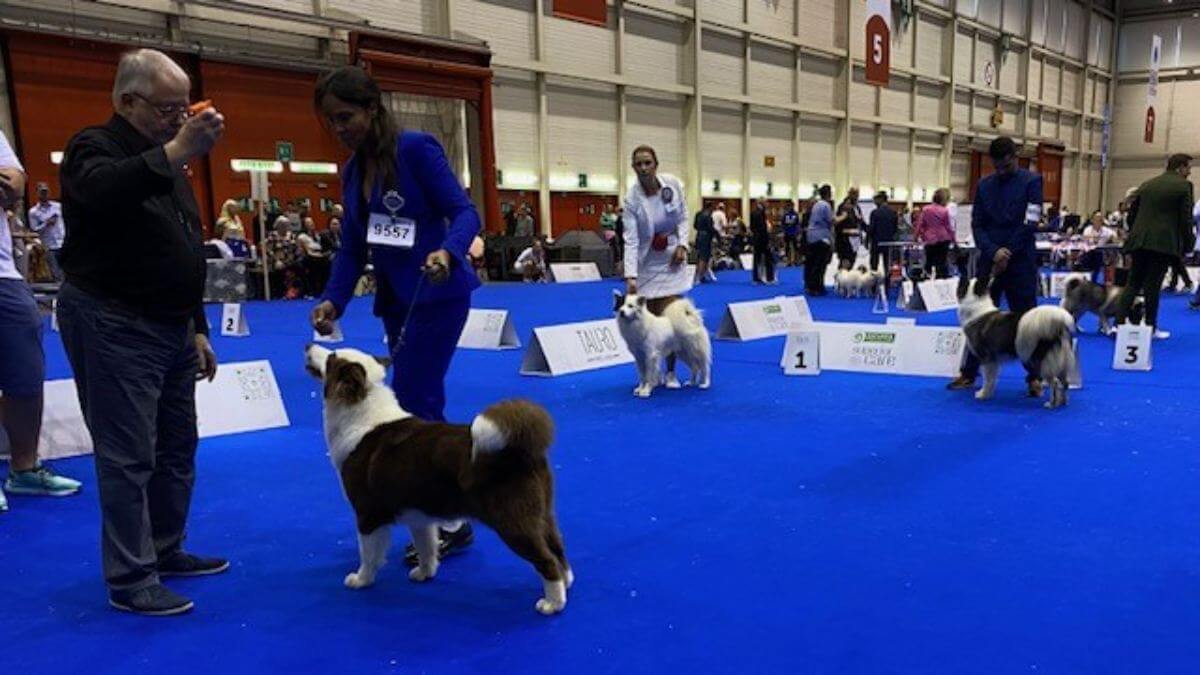
Conformation Shows: Yakutian Laikas may compete in Conformation Shows, where judges evaluate each dog according to the Breed Standard.
Hiking: Properly conditioned adults can make capable hiking companions, especially in cooler climates.
Recreational Running: Healthy adult Yakutian Laikas often enjoy running and other endurance-based activities when properly conditioned.
07/Standards
The Yakutian Laika is recognized by the world’s leading registries and kennel organizations, which categorize the breed into a specific Group based on its unique characteristics. This breed is recognized worldwide under the following Group designations:
The ideal Yakutian Laika is described by a Breed Standard that is approved by each of the world’s leading registries and kennel organizations. The Standards for this breed may be found in the following links:
08/Clubs
Yakutian Laika clubs help preserve the breed’s working heritage, promote responsible breeding, support education, and maintain the Breed Standard.
Yakutian Laika Club of America: An AKC parent club for the breed is dedicated to promoting and preserving the Yakutian Laika through education, responsible breeding practices, and participation in dog shows and other activities.
09/Rescue
Because the Yakutian Laika is still a relatively uncommon breed in North America, dedicated breed-specific rescue organizations are limited. Rescue and rehoming assistance is often coordinated through breed clubs, breeders, and broader Northern breed or spitz rescue networks.
Yakutian Laika Club of America: The national breed organization in the US can provide guidance, breeder contacts, or information about a Yakutian Laika that needs rehoming.
10/Facts
Siberian Origin
The Yakutian Laika originated in the Yakutia region of northeastern Siberia, now known as the Sakha Republic of Russia.
Traditional Sled Dog
The breed was historically used to pull sleds and transport people and supplies across long distances in severe winter conditions.
Versatile Working Breed
In addition to sled work, Yakutian Laikas were also used for hunting and other practical tasks around remote settlements.
Built for Extreme Cold
The breed’s dense double coat, strong body, and endurance helped it work in some of the coldest inhabited regions in the world.
11/FAQ
Yakutian Laikas can make good pets for active households that can provide regular exercise, training, and companionship. They are social, intelligent, and often form strong bonds with their families.

Written by
Dan Sayers is the Executive Editor of SHOWSIGHT. He is a member of the World Dog Press Association and the Dog Writers Association of America, which recognized his illustrations in the award-winning Encyclopedia of K-9 Terminology. Dan is a longtime supporter of the sport of dogs and an advocate for the conservation of recognized breeds in all their forms and functions. He is a member of the Morris and Essex Kennel Club, and for 45 years, the Irish Water Spaniel Club of America where he serves as AKC Delegate, Archivist, and approved Breed Mentor. Dan breeds under the Quiet Storm prefix and has judged the IWSCA National Specialty Sweepstakes twice.

Meet the Breeders
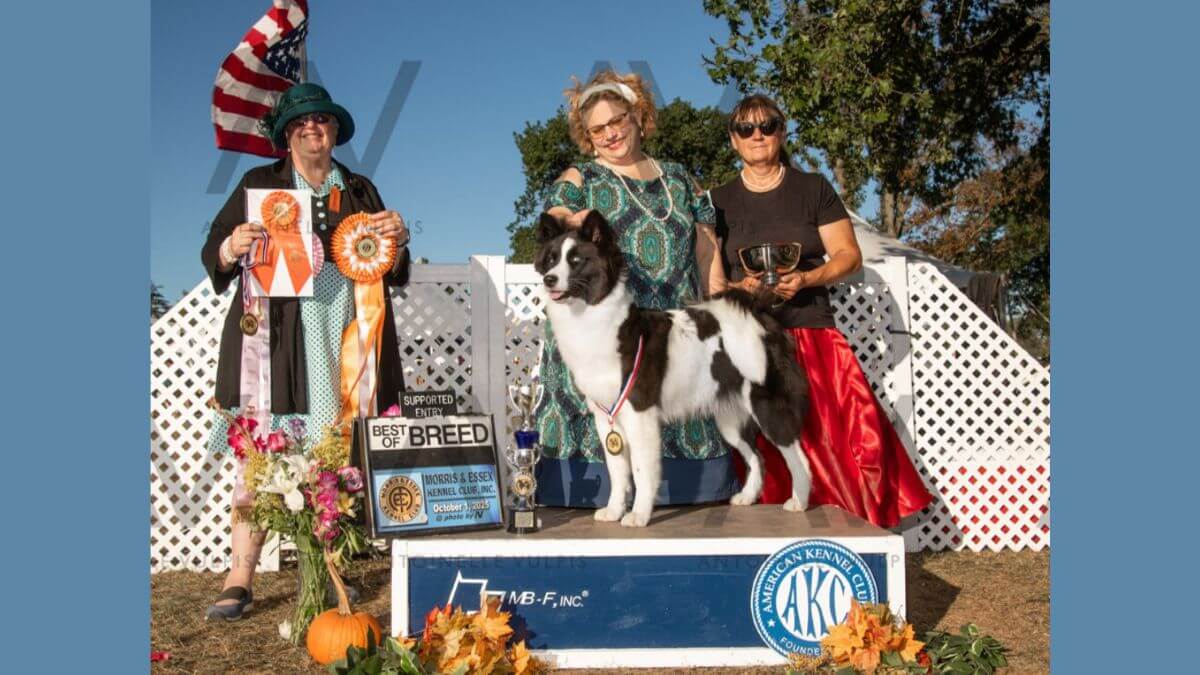
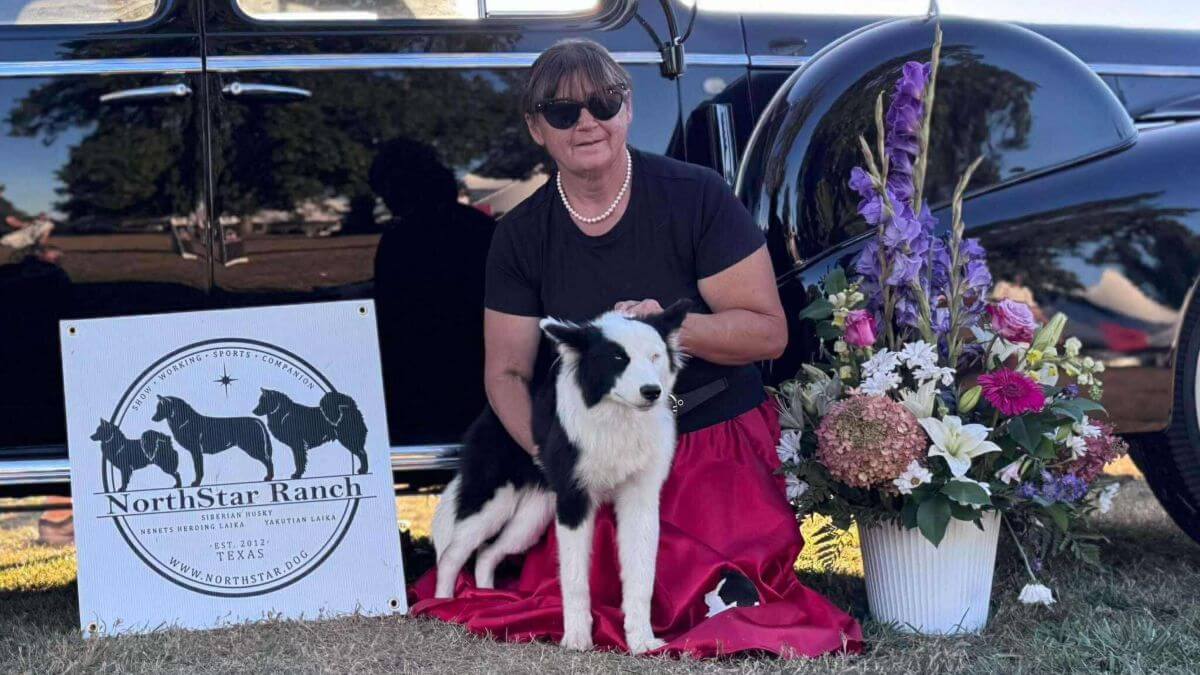
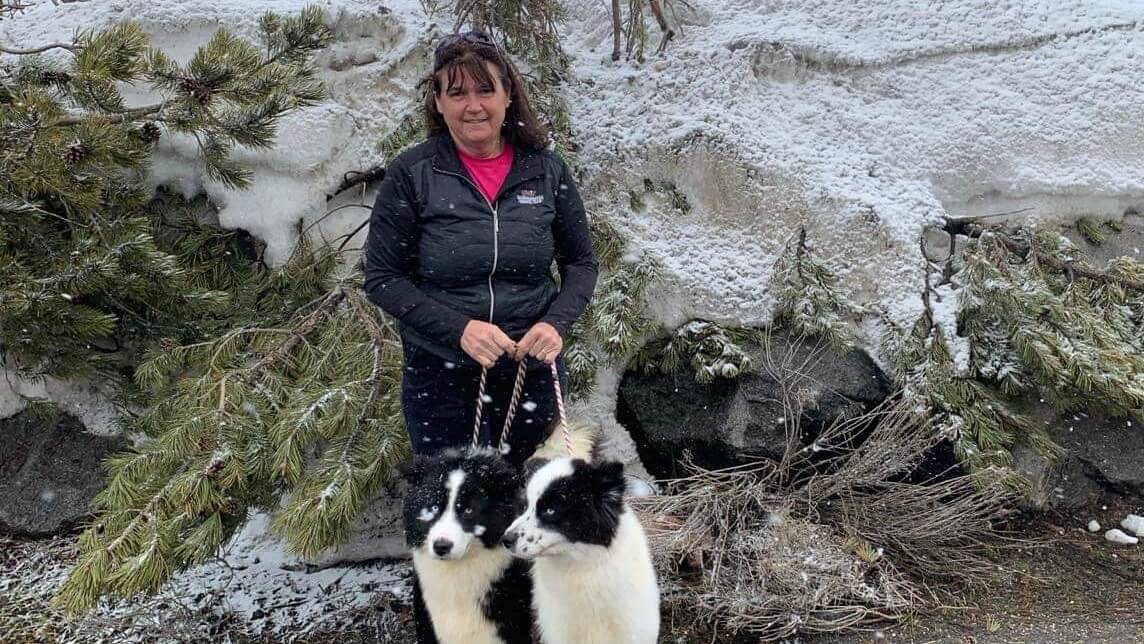
Carrie Smith of NorthStar Ranch shares insights on Yakutian Laikas, breed hallmarks, growth, and ethical breeding in the US dog show world.
The tail is set high, thickly coated, and carried in a semicircle or sickle shape over the back when the dog is alert or moving. At rest, it may be carried lower. The abundant coat on the tail helps protect the dog in severe cold and contributes to the breed’s characteristic spitz appearance.
Standard Markings
A Note About Color: Any color, color pattern, or combination of colors is acceptable in the Yakutian Laika, including dogs with minimal markings. The only acceptable solid color is white. Any solid color other than white is a disqualification in the show ring.
Coat Type
Double
The structure of the coat this breed carries.
Coat Length
Medium
How long the breed's coat grows when kept in condition.
Adaptability Level
How easily a breed copes with changes in home, routine, noise and weather.
Mental Stimulation Needs
How much a breed needs a job, a puzzle or training to stay content.
A Yakutian Laika should receive a complete and balanced diet appropriate for its age, size, activity level, and body condition. Working or highly active dogs may require more calories than dogs with a less demanding routine.
Most adults do well with two measured meals per day, while puppies generally need several smaller meals. Treats can be useful during training but should remain a limited part of daily calorie intake.
Fresh water should always be available, especially after exercise or outdoor activity.
The Yakutian Laika is intelligent and capable of learning quickly, but its independent working background means training should be consistent, patient, and engaging. Positive reinforcement and clear expectations generally produce the best results.
Early training should include recall, leash manners, housetraining, basic cues, impulse control, and calm behavior around people and other animals. Short, varied sessions can help maintain attention and motivation.
Because the breed can have strong working and prey instincts, reliable recall and good control in open areas are especially important.
Bathing can be done as needed, but the coat should be dried thoroughly afterward. Nails should be trimmed regularly, ears should be checked for debris or irritation, and teeth should be brushed routinely.