Members
Breeder Bobbie Berg shares her journey with Yakutian Laikas, breed hallmarks, health testing, and preserving this historic breed.
The Weekly Brief
The best of SHOWSIGHT editorials, weekly wins, and breeder commentary — delivered to your inbox every Sunday morning.
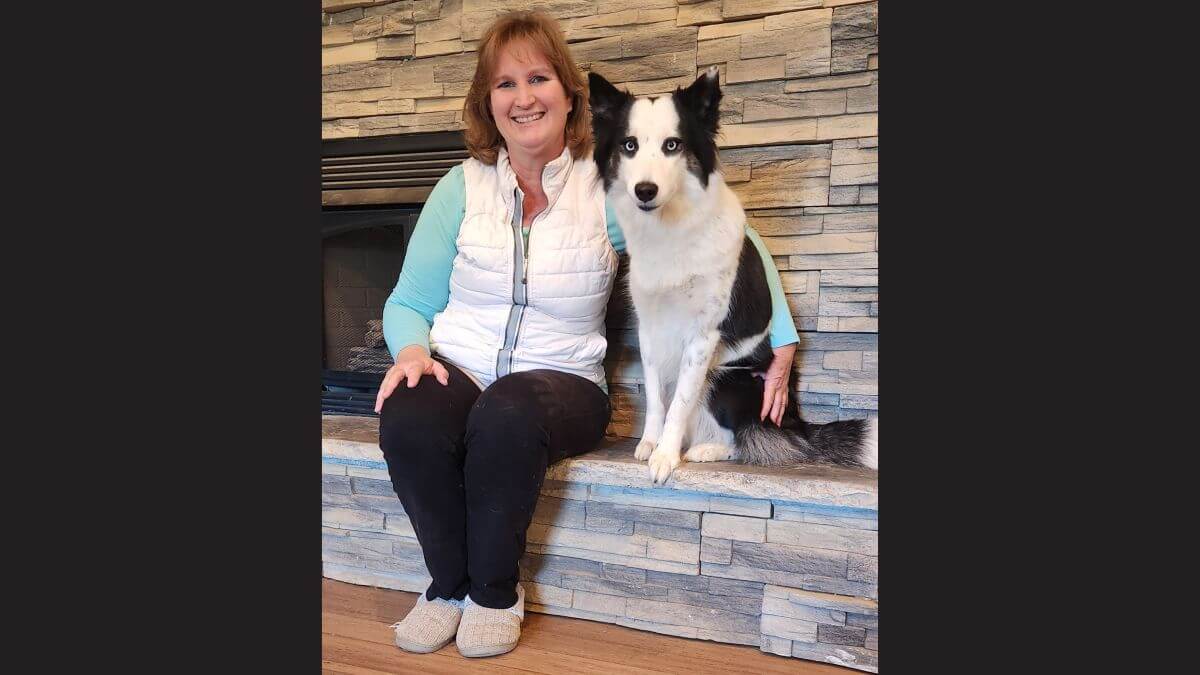
Bobbie Berg: I’m Bobbie Berg from Rose, Oklahoma. I’ve been active in the dog world for 35 years, beginning with American Cocker Spaniels and Alaskan Malamutes in the early 1990s. Over time, I’ve also bred and shown German Shepherd Dogs through Shield Kennels, as well as Icelandic Sheepdogs. About two and a half years ago, I discovered Yakutian Laikas and founded Yakuts of the Ozarks.
Throughout my career, I’ve focused on structure, temperament, and breed type across multiple breeds. With Yakutian Laikas, I’m committed to preserving their unique qualities, promoting their versatility, and supporting the breed in the show community.
Bobbie Berg: The Yakutian Laika blends function, heart, and history. Shaped by the Northern climate and the people who relied on them, they pulled sleds, hunted, herded, and lived closely with families, often inside the home.
Physically, they should be balanced, medium-sized, athletic, and strong without being heavy. Their dense double coat, sturdy body, and strong, arched feet allowed them to travel miles over snow and ice, and these traits are essential for preserving their working ability.
Temperament is equally important. They are intelligent, friendly, confident, and deeply people-oriented. Above all, their spirit, which is loyal, intelligent, and full of life, defines the breed. Maintaining balance, movement, coat, and temperament preserves what makes the Yakutian Laika a living piece of history.
That’s why I love them. They are not just a breed, they are a legacy.
Bobbie Berg: Yes, I believe there are enough qualified homes. This will be my first Yakutian Laika litter, planned for 2026, and I already have a waitlist of families who have been following and waiting for one of my puppies.
That said, the economy is challenging, so it is important to place puppies responsibly with well-prepared homes that understand the breed. For me, it is about timing, preparation, and ensuring every puppy ends up in a home that truly appreciates them.
Bobbie Berg: I use all available health testing, including PennHIP or OFA hips, BAER hearing, patella checks, echocardiograms, and genetic panels. These tools give me confidence in my dogs’ health and help me make responsible breeding decisions. Progesterone testing is a valuable tool when needed, and I also use artificial insemination for long-distance or frozen semen breedings to help preserve rare lines safely.
Early development programs such as Avidog and Puppy Culture help raise confident, adaptable puppies. With my German Shepherds, early neurological stimulation, scent introduction, and structured socialization were invaluable, and I plan to apply these programs with Yakutians.
On the recordkeeping side, I use Dog Breeder Pro to track pedigrees, health results, and litters. I have also worked with Maurice, one of the developers, to add functions that help breeders maintain accurate, detailed records over time.
Bobbie Berg: Yes, the popularity of designer mixes and adopt-don’t-shop messaging has changed public perception. Some people assume purebreds are profit-driven or unhealthy, which is not true when dogs are responsibly bred.
I’ve also noticed that some purebred breeds are misunderstood or overlooked, even though they offer predictable temperament, health, and purpose. For me, it is about showing that purebreds are more than just dogs, they are carefully bred animals with history, function, and personality—and responsible breeders are committed to placing them in the right homes.
Bobbie Berg: Competition has always been part of the sport, but in recent years, there seems to be more unsportsmanlike behavior in some circles, including rudeness and a disregard for etiquette. The AKC recently updated its Code of Sportsmanship and Civility to address this, which I see as a positive step.
From my perspective, it is important to focus on the dogs and the joy of the sport, rather than just the wins. Encouraging professionalism, respect, and support among exhibitors benefits everyone and keeps the sport welcoming for newcomers while maintaining its integrity.
Bobbie Berg: Joining my local dog club has been a highlight. Members include professional handlers, owner-handlers, and newcomers, and everyone is generous with advice and support. The club regularly attracts over 30 members to monthly meetings, showing that the community is thriving.
The sport should focus more on building this type of community, where we lift each other up, welcome new people, and remember that it is supposed to be fun and about the dogs. There will always be competition, but respect, kindness, and education should come first. Encouraging sportsmanship, mentoring new exhibitors, and promoting a positive, supportive environment strengthens the sport for breeders, handlers, and most importantly, the dogs.

Meet the Breeders