Members
Carrie Smith of NorthStar Ranch shares insights on Yakutian Laikas, breed hallmarks, growth, and ethical breeding in the US dog show world.
The Weekly Brief
The best of SHOWSIGHT editorials, weekly wins, and breeder commentary — delivered to your inbox every Sunday morning.
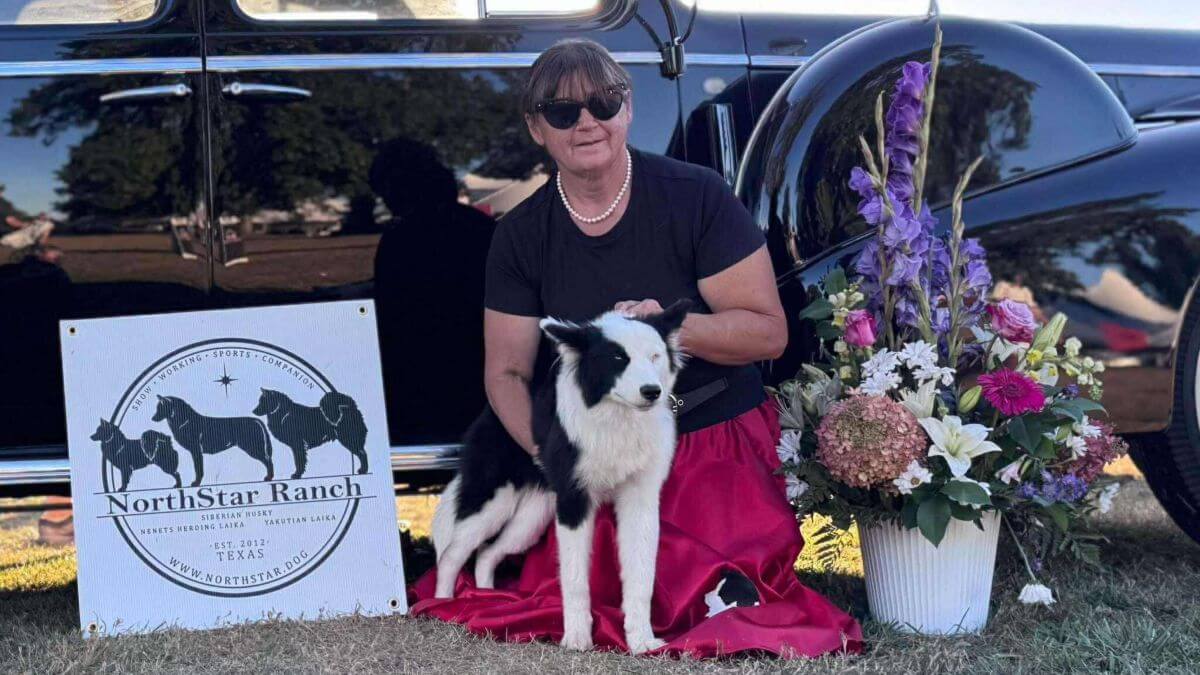
Carrie Smith: My name is Carrie Smith, and I own NorthStar Ranch in East Texas. I’ve been involved with dogs for more than twenty years and breeding for over a decade. Through showing my Siberian Huskies alongside friends from Russia, I was introduced to the Yakutian Laika, a breed whose intelligence, warmth, and versatility immediately captivated me. I imported my first Yakutian Laikas in 2019, and since then have worked actively to help establish the breed in the United States. I currently serve as Vice President of the Yakutian Laika Club of America, the official AKC parent club for the breed.
The majority of the country’s foundation stock descends from early NorthStar imports—dogs selected for health, temperament, and genetic diversity. At the 2025 Morris & Essex show there were 23 Yakutian Laika entries, and 21 carried NorthStar bloodlines, reflecting both the breed’s rapid growth and the dedication behind its development.
Carrie Smith: The Yakutian Laika is first and foremost a sled dog, but it is also a capable herding and homestead companion, developed to live and work closely with its family in the harsh Northern climate. Correct type is defined by balance, moderate structure, athletic movement, and a confident, social temperament. These dogs are powerful yet agile, with endurance and teamwork at their core.
As a primitive breed, the Yakutian requires more early socialization than many other Northern breeds, including Siberian Huskies. They are intelligent, independent thinkers who thrive when introduced to new experiences from a very young age. Ongoing socialization and enrichment help them mature into stable, dependable companions and workers.
Sound health and physical function are equally vital. The Yakutian should be capable of long, steady work in difficult conditions while maintaining its affectionate nature. Preserving that balance of beauty, endurance, and biddability safeguards the true essence of the breed—an adaptable working dog equally at home pulling a sled, managing stock, or resting at its family’s side.
Carrie Smith: Yes, as awareness of the Yakutian Laika has grown, it has become easier to find excellent homes for well-bred puppies. The breed’s progression into the AKC Miscellaneous Class has increased visibility, bringing more opportunities for dedicated show and performance homes. Equally important, there is strong demand from quality companion homes, which becomes invaluable when a litter is larger than expected. Each placement is carefully screened and supported for life, allowing every puppy to find its best fit.
Carrie Smith: Social media has completely changed how breeders communicate with the public. It allows us to share education, achievements, and daily life with a rare breed like the Yakutian Laika—but it also brings challenges.
People now expect instant responses, and it can be difficult to balance that with the real work of raising and caring for dogs. There are days when twenty messages arrive at once from people wanting updates or photos, while puppies still need to be fed, trained, or cleaned. The dogs must always come first, even when the online world moves faster.
Social media is a valuable educational tool, but it requires boundaries and perspective. Transparency is important—but so is remembering that meaningful progress happens in the whelping box, not the inbox.
Carrie Smith: Yes, the public is beginning to understand that ethical, preservation-minded breeders are essential to canine welfare. Many families now seek programs that emphasize health, temperament, and predictability. For a young breed like the Yakutian Laika, that awareness is crucial. When people meet well-bred examples, they recognize that purebred dogs—when bred with purpose—represent heritage, reliability, and partnership.
Carrie Smith: A troubling trend is breeding for novelty or quick attention—unusual colors or marketing buzz—without prioritizing structure, soundness, or working purpose. In small gene pools, that can have a lasting impact.
Another concern is prioritizing modern sports over the breed’s original function. While the Yakutian Laika is wonderfully versatile, breeders must avoid selecting for traits that drift from purpose. For instance, favoring short-distance speed over endurance could alter the breed’s stamina and balance. The Yakutian should remain a capable, resilient Northern working dog.
Carrie Smith: The dog world can be challenging, and not everyone approaches it with cooperation—but there are still encouraging trends. More exhibitors value quality over politics, and a new generation of breeders is entering with sincerity and a willingness to learn. The growing emphasis on education and ethical breeding practices has improved the
sport overall.
Within the Yakutian Laika community, there’s a small but passionate group committed to preserving the breed’s integrity and temperament. Watching these dogs gain recognition, earn titles, and thrive in loving homes makes every effort worthwhile. The competition can be noisy, but the dogs themselves—and their steady progress—remain the most rewarding part of it all.

Meet the Breeders