Members
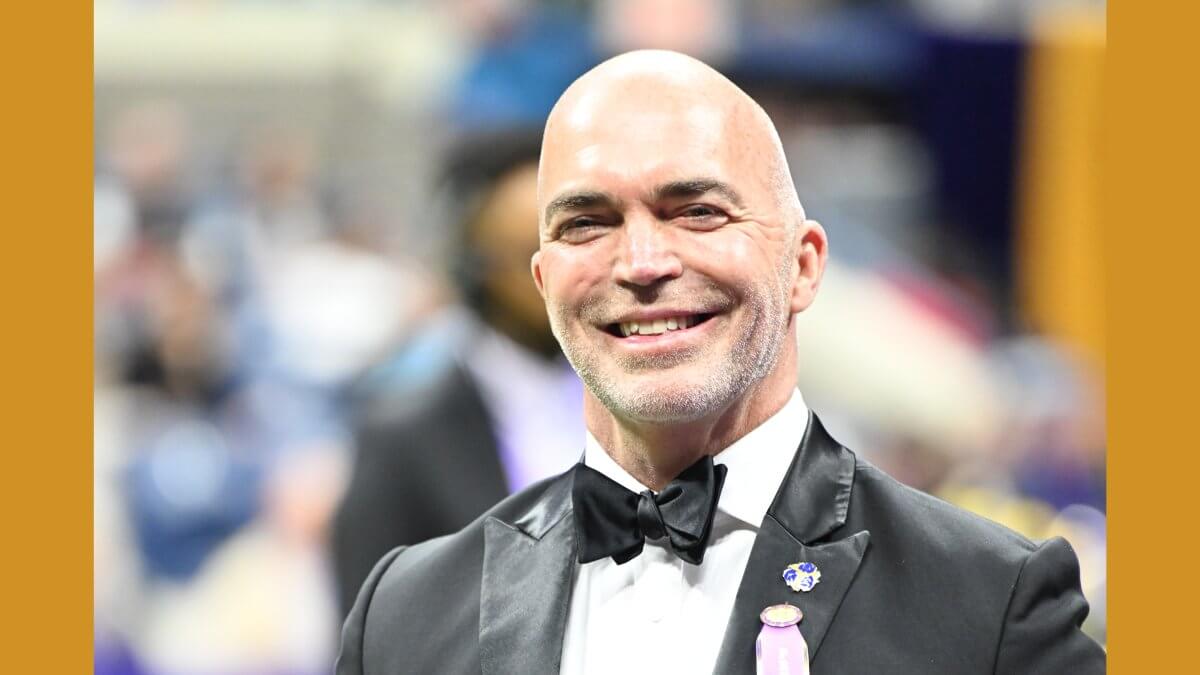
Dr. Donald Sturz reflects on judging the Sporting Group at the 2025 AKC National Championship and the depth of quality in the ring.
The Weekly Brief
The best of SHOWSIGHT editorials, weekly wins, and breeder commentary — delivered to your inbox every Sunday morning.
Dr. Donald Sturz: An invitation to judge a Group at the AKC National Championship is a huge honor.
Dr. Donald Sturz: The Sporting Group is where I began with my family’s Golden Retriever, so I feel very at home in this Group.
Dr. Donald Sturz: In 25 years, the AKC show has become a really important and necessary event. It has become one of the more iconic events in the sport largely because of its sheer size and the kinds of entries you can expect to find.
Dr. Donald Sturz: The AKC show committee team and the production crew did a great job of preparing the judges, so that took some of the anxiety away. (Even the most seasoned judges should be feeling butterflies in these moments.) I didn’t view any of the Sporting breeds during the day, so there was anticipation for seeing who was there—which was a lot of fun.
Dr. Donald Sturz: Absolutely! After I’d made the cut, I could feel the excitement and the tension. I actually said to the handlers, “Now, everybody, take a deep breath and take it easy… you’re just going to go around nice and slow.” I think they just needed that moment.
Dr. Donald Sturz: Sometimes you get a Group and you can kind of see the four placements quickly and easily. In this case, the assignment was challenging, in a good way, because of the depth of quality. So, I had to be brutal. There were dogs that didn’t make the cut that I’ve given Groups to, or placed in Groups.
For me, there are two stages to judging: the evaluation first and then the sorting. You evaluate the dog’s individually, looking for the dog that “rings the most bells.” I try to be virtue-focused, and in this case, there were a lot of dogs with a lot of virtues. The sorting came down to fine details. When I made my cut, I was very clear in my mind why I was keeping the dogs I was keeping.
Dr. Donald Sturz: For me, it all came down to specific details like the shape of the eyes or the size and set of the ears—or the way of going.
Dr. Donald Sturz: This show helps in a number of ways. First, it provides a very positive, forward-facing interaction with the public. Anything we can do to engage the public and educate people about dog breeding and dog ownership is essential, and this event does that extremely well. The TV broadcast serves a great purpose too, as it is intended for the broader public at home. It gives us another way to share a positive view of the sport and the importance of having dogs in our lives.
In terms of those of us already in the sport, this show is also a wonderful educational opportunity. I know that, as a judge, I’m still learning. When you get an entry in a breed you don’t often see in large numbers (or even a breed in which you do get those larger entries) you’re testing your own knowledge of that breed, and maybe coming through with questions that require more homework.
Dr. Donald Sturz: As participants, it can be hard to know all that goes on behind the scenes at a dog show, not only at a big event but also during the typical dog show weekend. Because I know what it takes to put on a large event with lots of moving pieces, I would simply say, “Thank you and congratulations to the American Kennel Club on your amazing event—and keep doing what you’re doing.”
Dr. Donald Sturz: I can only speak to what I’ve experienced in my area, but at the shows I’ve attended in the last sixth months, both as a judge and as an exhibitor, I’ve seen steady attendance. I’ve gone to shows and seen lots of new people, so I’m optimistic. The challenge is with keeping them engaged and interested. It’s less about attracting new people and more about retaining the people who come onboard. That is what will ensure the future.

Agility