Members
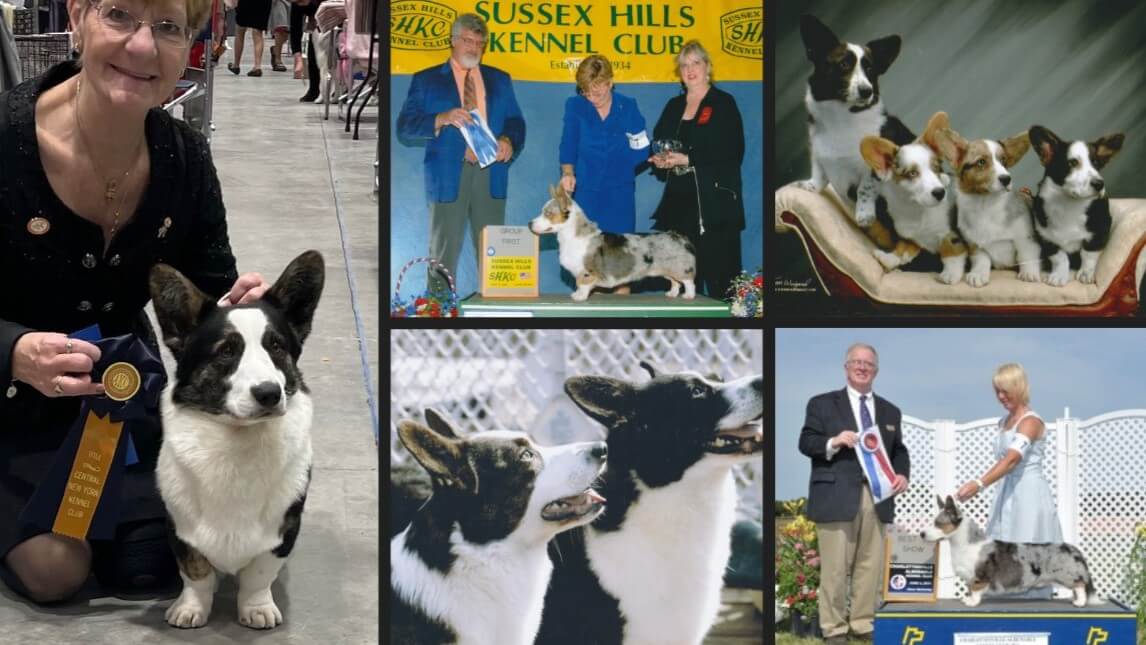
Kathy Schwabe, breeder of Xtacee Cardigan Welsh Corgis, shares insights on breeding and mentoring in an interview by Allan Reznik.
The Weekly Brief
The best of SHOWSIGHT editorials, weekly wins, and breeder commentary — delivered to your inbox every Sunday morning.
Kathy Schwabe: My father was in sales, and I attended 13 schools in 12 years throughout New York, Connecticut, and Massachusetts. I landed on Long Island, and graduated from Huntington High School.
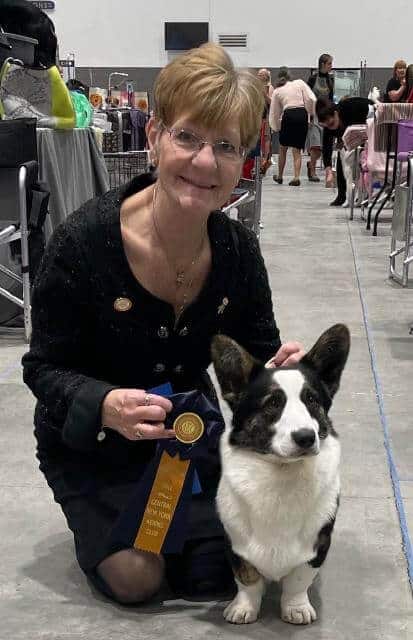
Kathy Schwabe: Oh, no! My mother dislikes animals and I was terrified of dogs when I was very young. My father was a dog lover, and he was able to use my fear of dogs to convince Mom that we needed a dog! Sam was a German Shepherd Dog from working lines. He needed manners and Dad discovered obedience training. Our veterinarian bred Welsh Terriers and I tagged along to shows with them. I “needed” a dog of my own, so Wakefield The Informant (Scoop), a Pembroke Welsh Corgi, joined the family. Scoop wasn’t show quality, so there just had to be another… and the rest is history!
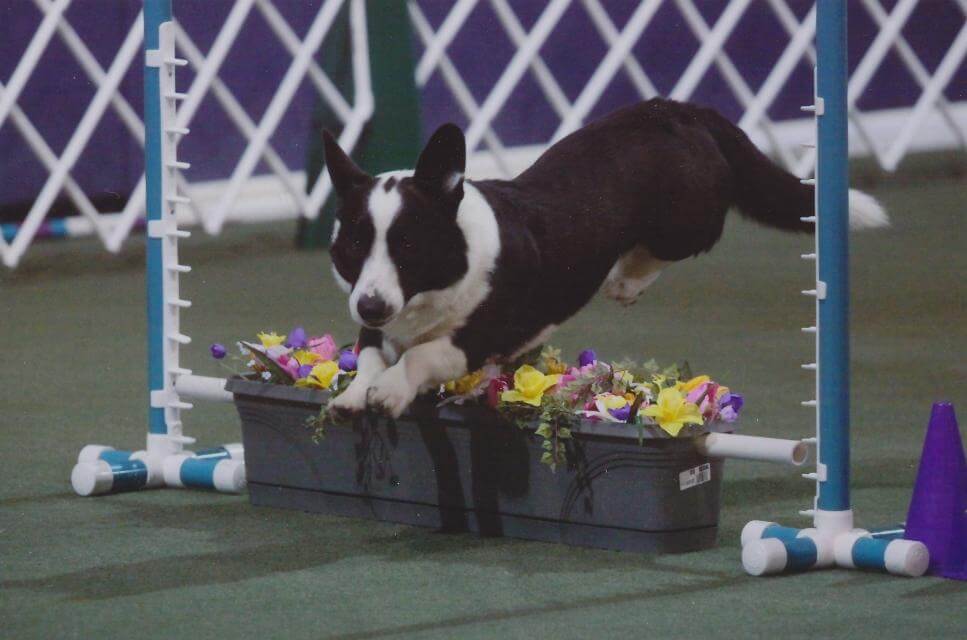
Kathy Schwabe: I feel like I was fortunate to have had wonderful mentors in every level of my life in dogs, from my earliest obedience instructors, to the professional handlers I apprenticed with, to the other breeders and judges who help me today. Because I moved so often, I had the opportunity to learn from a number of people.
At one point I was really struggling with where I was headed in my breeding program, and Cathy Ochs-Cline and Patrick Ormos (Phi-Vestavia Cardigan Welsh Corgis) were there to set me on a path that led to breeding the first Xtacee Best in Show, Group, and Specialty-winning dogs. Steve and Marieann Gladstone also became good friends and great mentors in Cardigans. Marieann never let me get away with making excuses or taking short cuts, and in her quiet way she held me to a higher standard. Marieann pushed me to judge. We shared the feeling that breeder-judges have a responsibility to protect our breed and the sport.
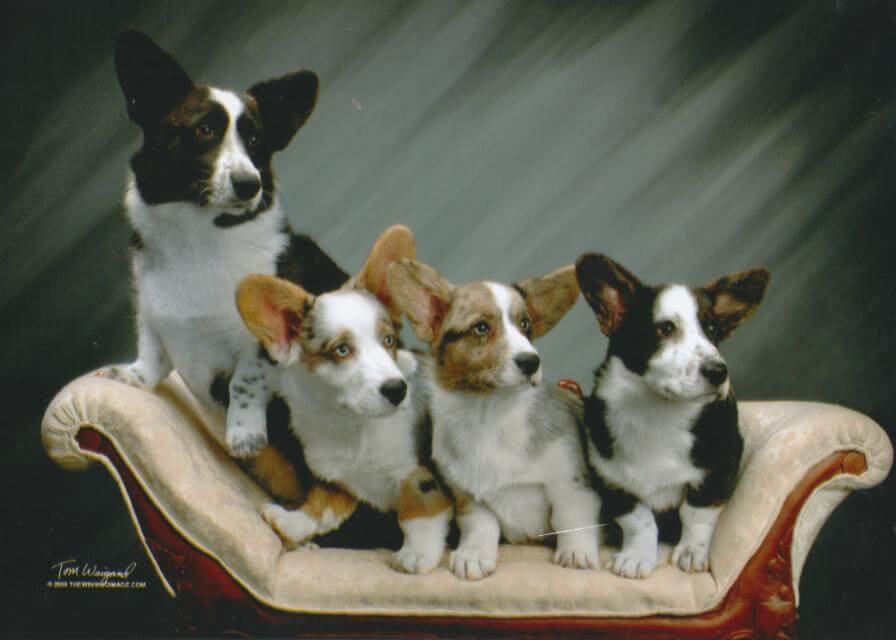
Kathy Schwabe: I don’t know that I have actual breeding philosophies per se; I believe that health, temperament, and structure are far more important than showmanship and “chrome,” because when we are really honest, the majority of puppies belong in loving companion homes, and unsound, unhealthy dogs with shaky temperaments are not good pets. I believe that mediocre begets mediocre—so only breed the best breed type you have to the best available stud dog. I also believe a breeder is far better off having an exceptional dog with one major fault, rather than a mediocre dog with a lot of little faults. You can breed away from that one fault fairly quickly, but you will spend a lifetime trying to improve on all those niggly little things!
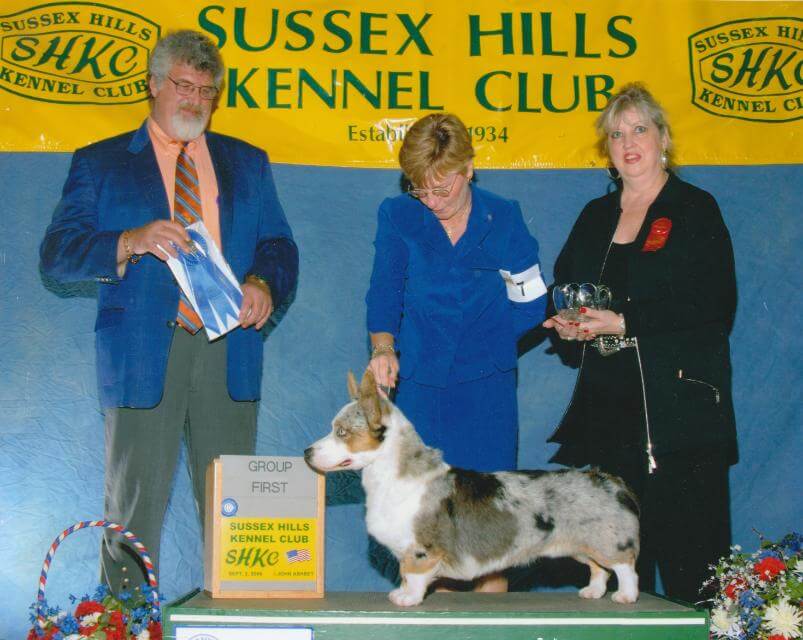
Kathy Schwabe: We currently share our lives with seven adult Cardigans, a Long Coat Chihuahua, and an Affenpinscher. My dog housing is in transition at the moment; I moved from Bethlehem, Pennsylvania, to southeastern North Carolina in December of 2022, and there is a lot that still needs to happen! We have outdoor kennels and a kennel building for the Cardigans; the elderly dogs, the Littles, and puppies live in the house. This spring, the perimeter fencing and large play paddocks should be finished; until then, everyone gets walks and play periods throughout the day.
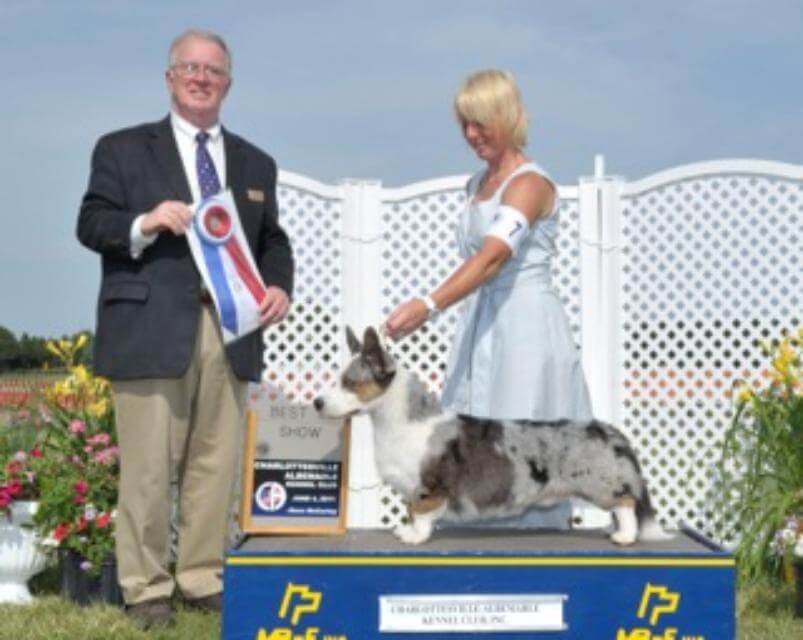
Kathy Schwabe: The Cardigan Welsh Corgi has improved tremendously since I brought home my first Cardi in 1987. We are no longer the “odd little dog” at the end of the Herding Group but a contender for top awards every weekend all over the country. More importantly, while our dogs have become consistently more attractive and sound, they have maintained their multi-purpose working ability. Our National Specialty is a celebration of dogs that can succeed in Herding, Agility, Obedience, Scent Work, and then compete well in Conformation, frequently with their owner-handlers! That is something to be proud of.
I would like breeders to be careful to preserve genetic diversity in the Cardigan; there is a tendency to breed to popular sires, and with every litter we must ask ourselves how these puppies may impact the future of the breed as a whole rather than thinking only of breeding that next big winner. I would like judges to remember that our breed is primarily owner-handled, and to not be overly impressed with showmanship or grooming; in fact, trimming is not permitted except to tidy feet!
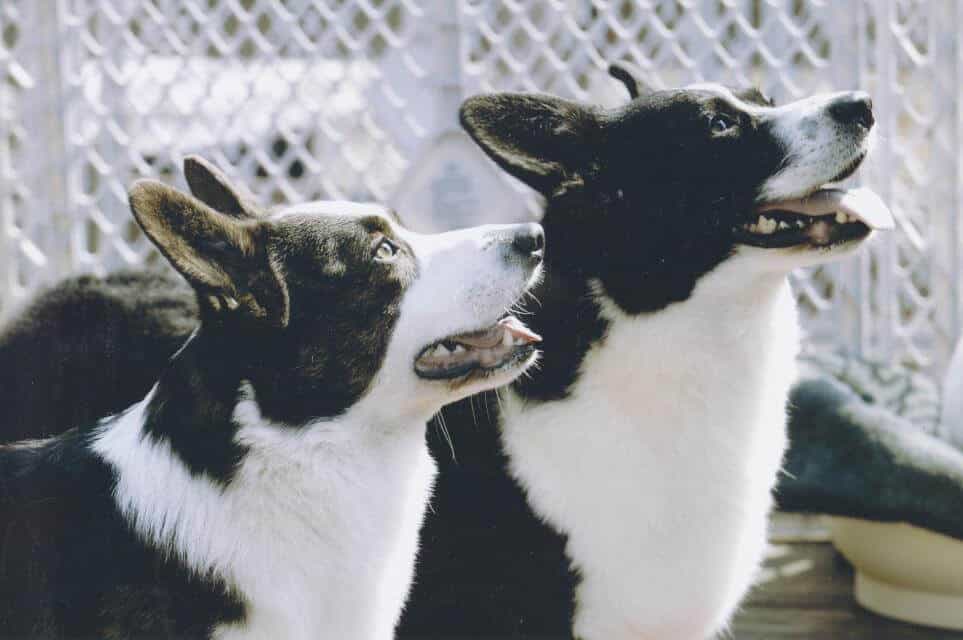
Kathy Schwabe: The sport has changed a great deal, but so has society! We have to be willing and able to change with it. The economy right now is problematic, and exhibitors and breeders have lots of options when it comes to spending their dollars. Breed and all-breed clubs have to be welcoming and supportive of newcomers, rather than exclusive or gate-keeping. Social media is a double-edged sword; as much as it allows us to reach more people and offer education, it opens the door to criticism and negativity. We seem to have lost the one-on-one mentoring that was so valuable; new exhibitors and even breeders show their dog and rush home, or out to dinner, rather than stay and learn. Newer exhibitors can learn so much by just being at the dog show, sitting next to experienced breeders and exhibitors, and watching related breeds shown if they would just be willing to stay!
Kathy Schwabe: I have reached every goal that I set with my breeding program. I am actively engaged in mentoring new breeders. I have a bucket list of things I still want to do with dogs, but most are related to judging: finish a Group, judge my National, judge Westminster… and celebrate the successes of my friends!
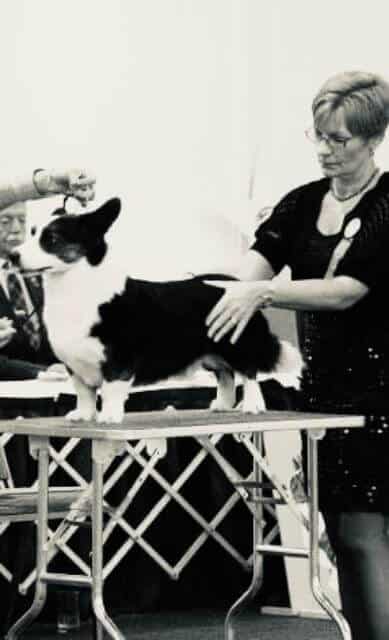
Kathy Schwabe: I am a self-employed dog groomer, and have been for most of my life. I have a tiny shop on the property now, and I am selectively grooming nice dogs. I have a BA in Healthcare Administration, but I prefer dogs over humans! During the pandemic I learned to play the dulcimer, and took up painting in acrylics for fun. My life partner and I like to take the dogs for hikes and I love the beach.

Meet the Breeders