Members
01/Overview
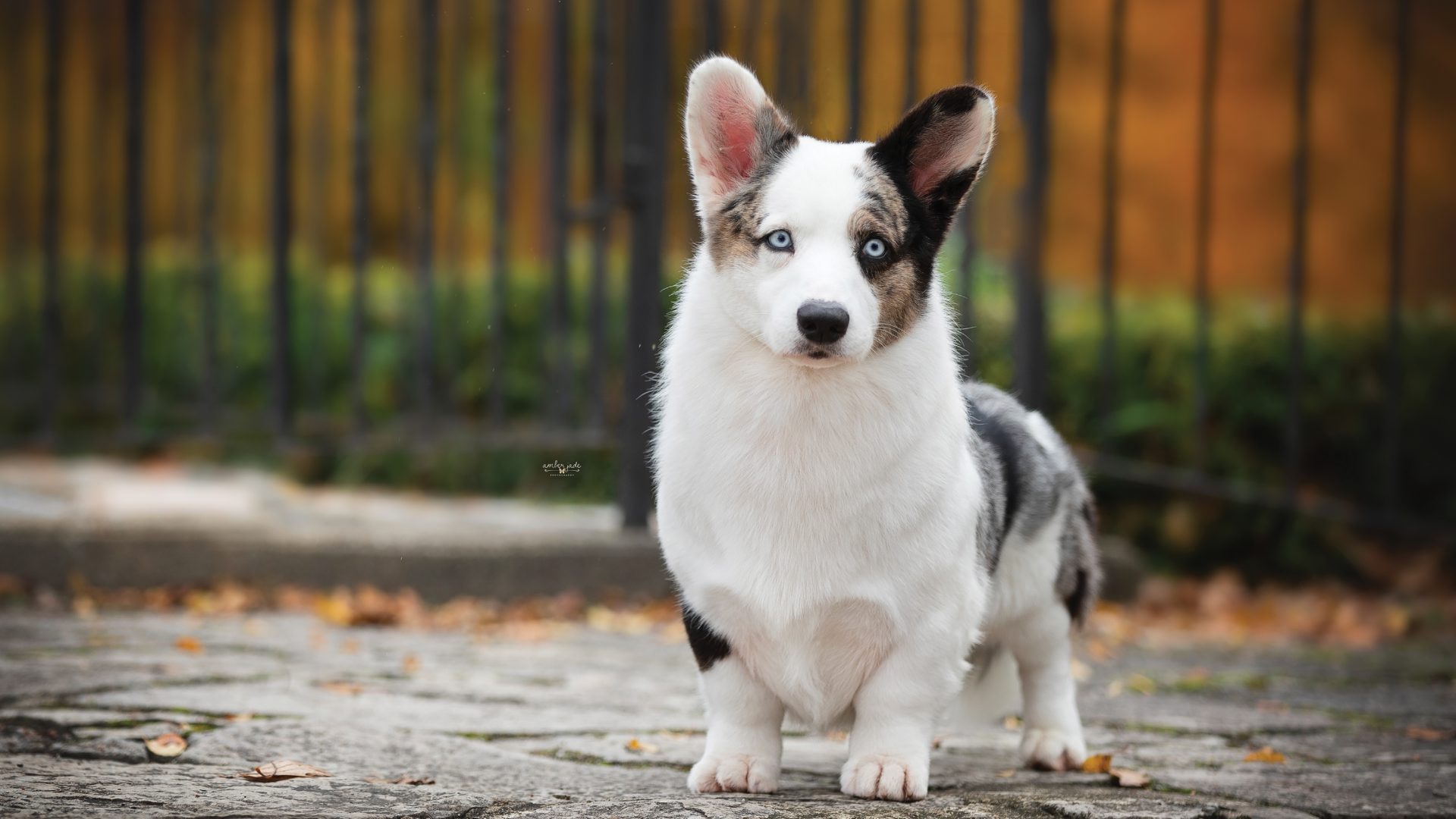
The Cardigan Welsh Corgi is one of the most cherished dog breeds of the British Isles. Recognizable by its robust stature and distinctive tail, this Corgi is deeply rooted in the history and traditions of Wales. Not merely a pastoral dog, the Cardigan, as he is often called, has won the hearts of many, transcending its farm dog origins to become a beloved companion in homes around the world.
Highlights
02/History
The Cardigan Welsh Corgi boasts a rich heritage that stretches back to the beautiful terrain of its native Wales in the United Kingdom. As one of the oldest herding breeds, its story spans well over a thousand years.
Delving into its past, it is believed that the ancestors of the Cardigan were introduced to Wales by Celtic tribes during their migration around 1200 BC. Over subsequent years, the dogs were meticulously bred for their stellar herding abilities, gradually shaping the breed that is seen today.
Historically, the Cardigan was an invaluable partner to Welsh farmers. The dogs primarily used to herd cattle. The dogs' compact stature proved advantageous, letting them adeptly nip at the heels of cows and quickly sidestep any retaliatory kicks. Their agility, coupled with their sharp intellect, made them an irreplaceable presence on the farm.
It's intriguing to note that while both the Cardigan and its cousin, the Pembroke Welsh Corgi, have intertwined histories and similar pastoral roles, they stand as distinct breeds. Originating from separate regions of Wales, they exhibit variations in size, appearance, and even temperament. A notable difference is the presence of a tail in the Cardigan, contrasting the traditionally tail-less Pembroke.
By the early 20th century, the Cardigan Welsh Corgi had captivated the hearts of many, leading to its official recognition by major kennel clubs and registries. The American Kennel Club embraced the breed in 1935, with The Royal Kennel Club in the UK and the Fédération Cynologique Internationale also offering their respective support.
From its humble beginnings as a diligent farm dog, the Cardigan Welsh Corgi has seamlessly transitioned into a cherished household companion across the globe. The breed's captivating charm, melded with a history steeped in tradition, has guaranteed the its sustained allure.
03/Appearance
Mature Cardigan Welsh Corgis typically stand at a height of 10.5 to 12.5 inches at the shoulder.
In terms of weight, males usually range between 30 and 38 pounds, with females slightly lighter, weighing from 25 to 34 pounds. These measurements will likely vary based on the individual dog's genetics and care, but they provide a general framework for the breed.
Skull: The Cardigan Welsh Corgi's skull is wide and flat between the ears, tapering moderately towards the eyes. The occiput (the back part of the skull) is not overly prominent.
Expression: The expression is alert, intelligent, and interested, reflecting the dog’s keen and observant nature. The combination of eye shape, position, and ear carriage gives the breed a lively and engaging appearance.
Eyes: Medium in size and set well apart, the eyes are almond-shaped, adding to the breed's distinctive expression. The color can range from dark to pale blue, hazel, or even one of each, often complementing the coat color.
Ears: The ears are large and stand erect, with slightly rounded tips. They play a crucial role in the dog’s expressive nature and are moderately wide at the base, tapering slightly towards the top.
Muzzle: The muzzle is slightly tapered and is of good depth and width. It blends smoothly into the skull, and there is a slight but defined stop (the point where the muzzle meets the forehead).
Nose: The nose is black in color, regardless of the coat color, complementing the overall quality of the head.
Bite: The Cardigan Welsh Corgi possesses a scissors bite, where the upper incisors closely overlap the lower incisors. The bite is important for this herding breed, so undershot, overshot, or wry bites are unacceptable.
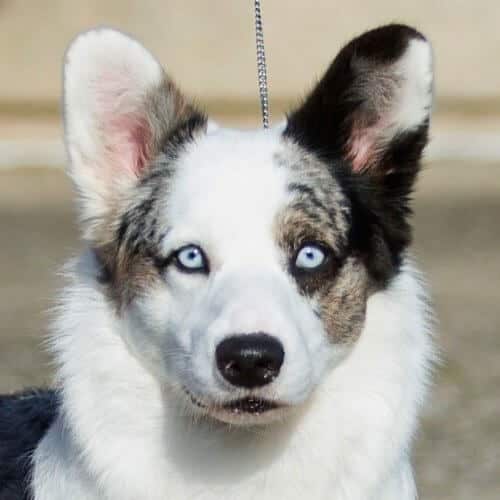
The overall balance of the Cardigan Welsh Corgi is crucial to its appearance. The breed boasts a body that is longer than the dog's height, giving the breed a distinctive, elongated profile. This length is accentuated by the breed's level topline and strong spine, essential traits for its historical work as a cattle drover. Substance-wise, the Cardigan is robust and solid, embodying a perfect balance between muscular strength and agility. This blend allows this long and low dog to move with speed and precision, characteristics that have made it a reliable herder for generations.
Texture: The Cardigan Welsh Corgi sports a double coat that provides protection against the elements. The outer coat is dense and of medium length, with a texture that is slightly harsh to the touch. Underneath, there's a soft, insulating undercoat that helps the Cardigan adapt to various weather conditions. The combination makes the coat effective in repelling water and shielding the dog from both cold and heat. The correct coat sports “pants” on the back of the rear legs; however, coats that are flat, skimpy, soft, silky, curly, wiry, long or fluffy are unacceptable in the breed, as they do not offer protection from the elements.
Standard Colors
04/Consider
When contemplating the addition of a Cardigan Welsh Corgi to the household, several factors should be taken into account. This breed, with its deep-rooted history as a herder, possesses a blend of intelligence, alertness, and affection that makes it an engaging companion. However, its heritage also means that it comes with particular needs and characteristics that prospective owners should be aware of to ensure a harmonious relationship.
Interaction With Family
The level of affection a breed typically shows towards family members and familiar individuals.
Good With Other Dogs
The innate friendliness of a dog towards other dogs can depend on its breed.
Good With Young Children
The degree to which a breed will typically be patient with young children.
Amount Of Shedding
How much hair a breed typically leaves behind on clothes, furniture and floors.
Frequency Of Grooming
How often a breed needs brushing, bathing or a professional trim to stay in condition.
Amount Of Drooling
How prone a breed is to drool, worth knowing before you keep a towel by the door.
Openness To Strangers
How openly a breed tends to greet new people, visitors and strangers.
Protective Nature
How likely a breed is to alert you to anything unfamiliar, and stand between you and it.
Playfulness Level
How enthusiastic a breed stays about games and play well past puppyhood.
Trainability Level
How readily a breed takes direction and works with you rather than around you.
Barking Level
How much a breed uses its voice, and how readily.
Energy Level
How much get-up-and-go a breed brings to an average day.
Health
The Cardigan Welsh Corgi is generally a robust and hardy dog, owing to its working dog lineage. These dogs often display good health throughout their live, but like all dogs, they can have specific health concerns that potential owners should be aware of. Lifespan: On average, a Cardigan can expect to live between 12 and 15 years if given proper care, a balance diet, and regular veterinary check-ups. This lifespan can vary based on individual health, genetics, and overall care, but it does provide a general measure of the breed's longevity.
The Cardigan Welsh Corgi is a breed replete with personality and spirit, making it a beloved choice for families, individuals, and seniors alike. Yet, understanding its temperament and inherent traits is essential to bring about a compatible and harmonious relationship.
For those new to dog ownership, the Cardigan can be both a joy and a challenge. The breed’s intelligence and eagerness to please make it relatively adaptable to various households. Still, its herding instincts can sometimes manifest in ways that a novice owner might find surprising, like nipping at heels or trying to "herd" children and other pets.
Sensitivity is another key aspect of the Cardigan's disposition. These dogs tend to be deeply attuned to their owners’ moods and emotions, often acting as barometers for the household's general sentiment. This sensitivity, combined with a herding dog’s intelligence, makes this breed particularly responsive to positive reinforcement and gentle correction.
While the Cardigan is naturally sociable and forms strong bonds with its family, it can be reserved or even suspicious of strangers. Early socialization can help to mitigate excessive wariness and ensure that the dog remains well-mannered around guests.
When it comes to other dogs, the Cardigan typically gets along well, especially if introduced properly and early in life. The breed’s herding instincts, however, might make these dogs more assertive or dominant, especially around dogs of the same sex.
Exercise Expectations
While they may appear content simply lounging indoors, it's essential not to underestimate the Cardigan's exercise needs. This breed thrives on activities that engage both the body and mind. Daily walks are fundamental, providing the dog with the opportunity to explore, socialize, and burn off energy. Ideally, a Cardigan should have at least 30 to 45 minutes of moderate exercise daily, which can be split between morning and evening walks. Beyond walking, Cardigans greatly benefit from play sessions, be it fetch, tug-of-war, or interactive toys. Their natural agility and intelligence make them excellent candidates for more structured activities like Agility Trials, Herding Trials, or even Obedience competitions. When considering their energy level, it's evident that while they're not as hyperactive as some working breeds, Cardigans are far from sedentary. These dogs have a moderate to high energy level, reflecting their herding ancestry. Without regular outlets for this energy, they can become restless or even develop undesirable behaviors. In terms of intensity, while they enjoy bursts of energetic play, Cardigan Welsh Corgis are equally content with steady-paced activities that prevent them from over-exerting themselves. Their playful demeanor shines through in most activities, making exercise sessions a delightful bonding time for both dog and owner.
The Cardigan Welsh Corgi, with its charismatic presence and loving nature, makes a delightful companion. However, to provide a harmonious coexistence, integrating this breed into one's home and lifestyle requires understanding its unique needs and characteristics.
Starting with their adaptability to living spaces, Cardigans, despite their active nature, can adjust well to apartment living. Their moderate size makes them suitable for smaller homes, provided they receive their required exercise and mental stimulation. A backyard is a bonus, but not a necessity, as long as they have access to outdoor spaces for regular walks and playtime.
Weather tolerance is another aspect to consider. The Cardigan's double coat equips it to handle cooler climates with ease. These dogs are naturally insulated against cold weather, making them comfortable and even playful in snowy conditions. However, this same thick coat can be a challenge in hotter climates. Owners should ensure that their Cardigan stays cool during peak summer months, avoiding intense midday sun, providing plenty of water, and considering indoor play or early morning and late evening walks.
The Cardigan's inquisitive and social nature means that it will thrive when integrated into daily family activities. These herding dogs are keen observers and often wish to be involved in whatever their family is doing. Whether it's watching TV together in the evening or accompanying the family on an outing, the Cardigan cherishes these moments of bonding.
In terms of noise and activity levels within the home, the Cardigan's herding background means this breed might occasionally try to "herd" family members, especially younger children, by nipping at their heels. Proper training and early socialization can help to curtail this instinctual behavior. Additionally, as mentioned earlier, Cardigans can be vocal, so a household that appreciates or can manage occasional barking would be ideal.
05/Puppies
The sight of a Cardigan Welsh Corgi puppy, with its bright eyes, floppy ears, and playful demeanor, can melt any heart. These puppies grow into loyal companions, and raising them correctly from the outset is crucial for a well-adjusted adult dog. Like all puppies, Cardigans come with their own set of unique needs and considerations during their formative months.
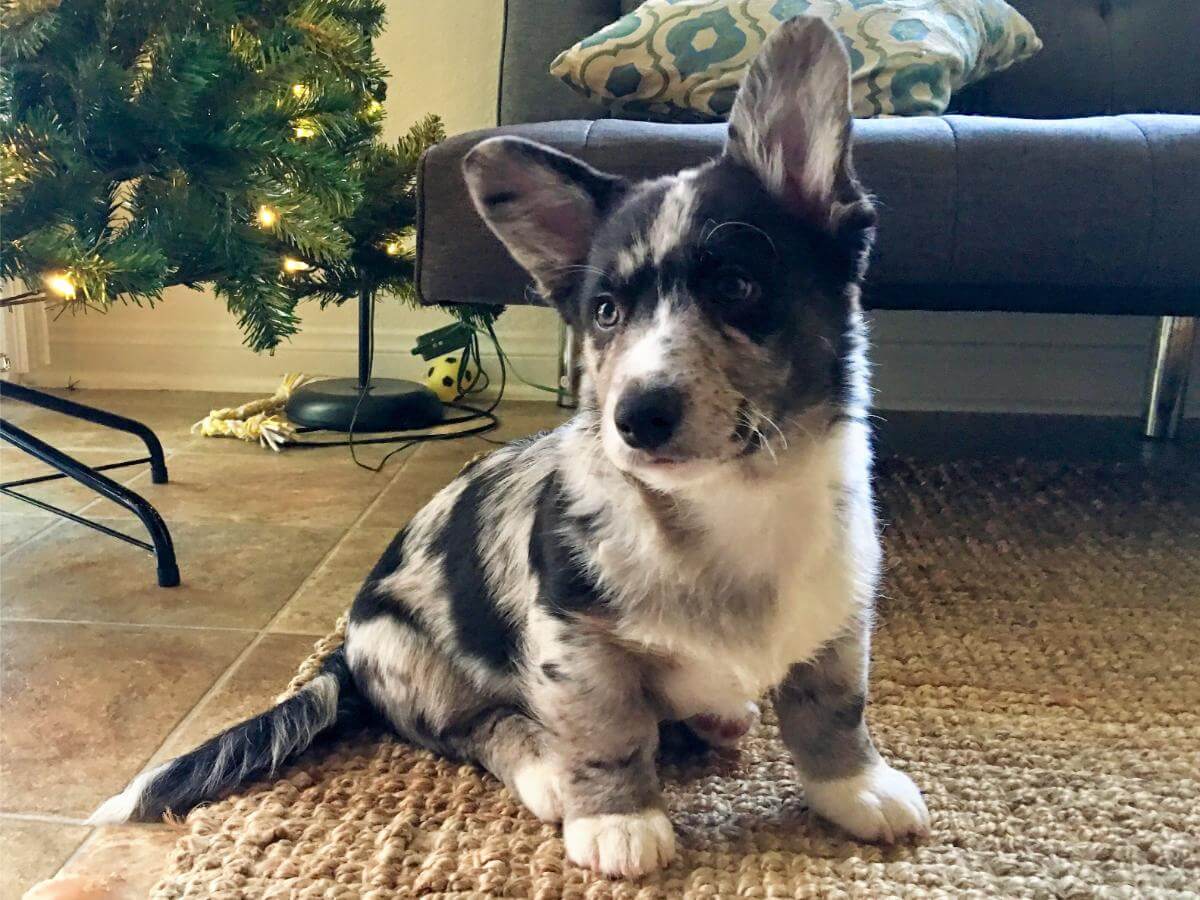
From the moment a Cardigan Welsh Corgi puppy enters a home, it embarks on a journey of learning and discovery. This period is pivotal for shaping its personality, behavior, and overall well-being.
Nutrition plays a significant role in a puppy's growth. Providing a balanced diet that caters to the specific needs of growing Cardigans ensures they will develop strong bones, a shiny coat, and a healthy immune system. It's always advisable to consult with a veterinarian or breeder to understand the best food options and portion sizes for Cardigan puppies.
Socialization is another cornerstone of raising a Cardigan puppy. Exposing the pup to various environments, people, animals, and experiences helps in building their confidence and reducing future anxieties or fears. Positive encounters with children, other pets, and everyday stimuli, like moving vehicles and household noises, are particularly beneficial.
Training should begin early, capitalizing on the Cardigan's intelligence and eagerness to please. Simple commands, housebreaking, and leash training can be introduced in the initial weeks, building a foundation for more advanced training as the puppy grows. Positive reinforcement methods work best, rewarding good behavior and gently guiding the youngster away from undesirable behaviors.
Health check-ups are crucial during the puppy stage. Regular visits to the vet guarantees the puppy will receive necessary vaccinations and deworming, and an overall health assessment. Monitoring the pup’s growth, weight, and any signs of health issues can preempt potential problems.
Lastly, play and rest are vital components of a Cardigan puppy's life. While every puppy will have bursts of energy and curiosity, ample sleep and rest are also needed to support a growing body. Providing a comfortable resting space and a variety of toys can strike a balance between activity and relaxation.
06/Activities
The Cardigan Welsh Corgi is not just a charming and delightful companion. This breed boasts a rich heritage of working prowess, intelligence, and adaptability. Over time, the Cardigan has proven its versatility by participating in diverse activities and dog sports, a testament to the breed's wide range of skills.
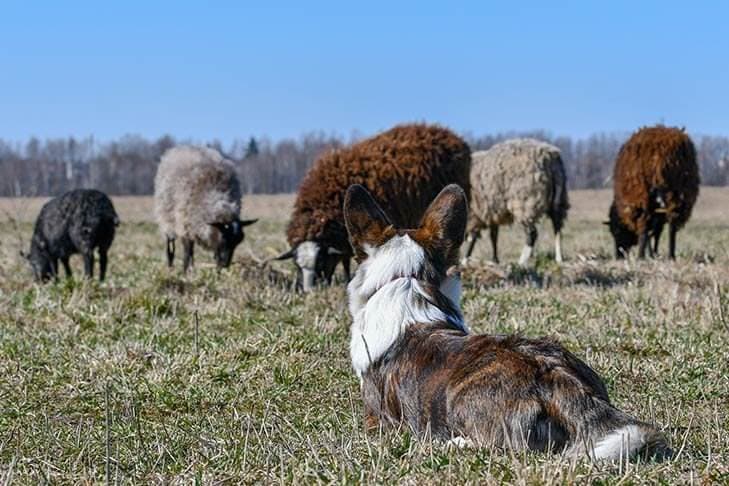
Herding Trials: Tracing back to its roots, the primary function of the Cardigan Welsh Corgi has been herding difficult livestock. Many enthusiasts today still engage their Cardigans in Herding Trials, where the breed's agility, focus, and natural instincts truly come to the fore.
Agility: In Agility Trials, where dogs maneuver through a timed obstacle course, the Cardigan’s dexterity, combined with its eager-to-please nature, makes it a favored participant in these fast-paced events.
Obedience: Given the Cardigan’s sharp intellect and keenness to obey, the breed often shines in Obedience Trials. These events assess a dog's capability for executing a series of commands and activities, emphasizing both the dog's training and the handler's proficiency.
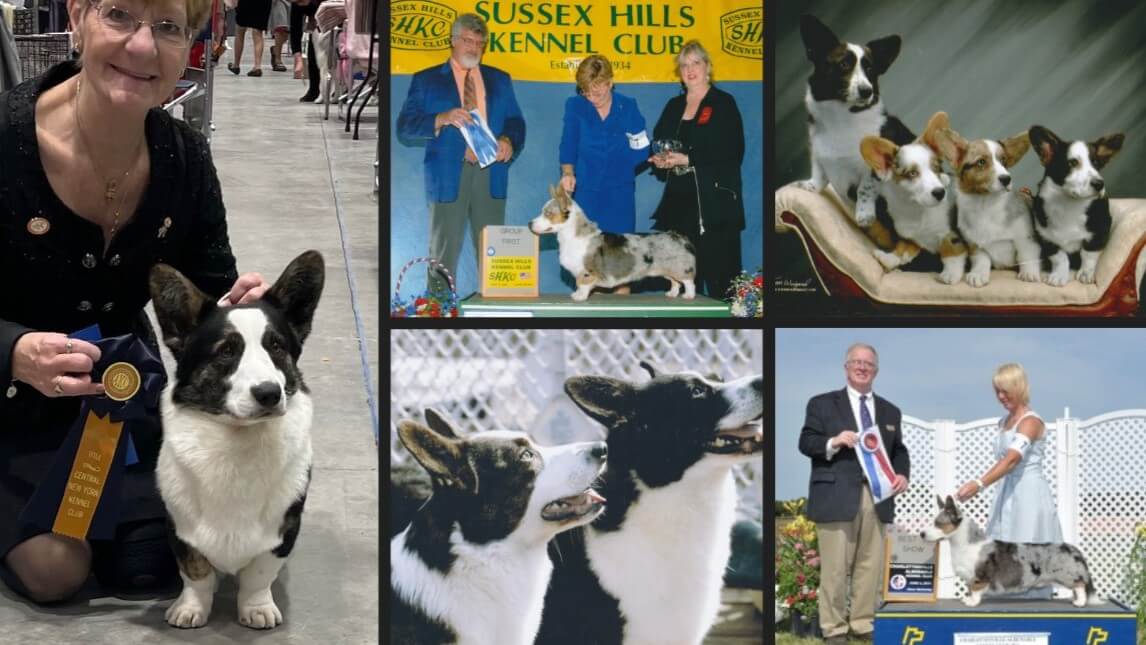
Conformation Shows: These are quintessential platforms where the breed’s written Standard is used to critically evaluate a dog. Cardigan Welsh Corgis are judged on how they measure up, encompassing not just their appearance but also their temperament, movement, and overall character.
Therapy Work: The Cardigan’s affectionate and calm disposition makes it a sought-after breed for therapeutic roles. These dogs frequently offer comfort in settings such as hospitals, schools, and senior living facilities, providing emotional solace to many.
Herding Livestock: A nod to their historical role, Cardigan Welsh Corgis still play an active part in herding and managing livestock on farms and ranches. Their compact size, combined with their herding instincts, makes them adept at this role, even in modern agricultural scenarios.
Search and Assistance: The Cardigan’s intelligence has occasionally been harnessed in roles such as search activities and as assistance dogs, especially in tasks that involve guiding or guarding.
The Cardigan Welsh Corgi is versatile and enjoys many activities. By joining them in these activities, their skills may be showcased, and both dog and handler can benefit from the physical and mental activity.
Gallery
07/Standards
The Cardigan Welsh Corgi is recognized by the world's leading registries and kennel organizations, which categorize the breed into a specific Group based on its unique characteristics. This breed is recognized worldwide under the following Group designations:
The ideal Cardigan Welsh Corgi is described by a Breed Standard that is approved by each of the world’s leading registries and kennel organizations. The Breed Standards for this breed may be found in the following links:
08/Clubs
Throughout the world, the appreciation for the Cardigan Welsh Corgi has led to the establishment of several breed-specific clubs. These organizations serve as a nexus for enthusiasts, breeders, and pet owners, aiming to promote the Breed Standards and the breed's welfare and usefulness.In the United States, the Cardigan Welsh Corgi Club of America stands as the primary organization dedicated to this breed. Since its inception, the club has been committed to the continuous betterment of the breed, offering resources on breed health, education, and social and competitive events.In Canada, the Canadian Cardigan Corgi Club stands as a beacon for breed enthusiasts. Devoted to promoting the welfare, Standard, and history of the breed, this association is a hub for breeders, owners, and admirers alike. The club’s members offer a wealth of resources, from educational materials to a variety of events, ensuring the Cardigan's legacy thrives throughout the provinces.The United Kingdom is home to the Cardigan Welsh Corgi Association. With a deep-seated connection to the breed's historical roots, this organization plays an integral role in preserving the Cardigan's legacy in its homeland. Its members actively engage in hosting a series of events, shows, and educational programs which celebrate the Cardigan's unique heritage.Joining any of these clubs provides an avenue for Cardigan Welsh Corgi enthusiasts to connect, share experiences, and participate in many enjoyable events.
09/Rescue
The dedication to the Cardigan Welsh Corgi extends beyond breed clubs and into the compassionate hearts of those who focus on rescue and rehoming. Rescue groups play an invaluable role in providing second chances to Cardigans that, for various reasons, find themselves without a permanent home.In the United States, the Cardigan Welsh Corgi National Rescue Trust is at the forefront of such efforts. This organization is steadfast in its mission to ensure that every Cardigan receives the love, care, and shelter it deserves. By working closely with a network of volunteers and foster homes, the group’s volunteers rehabilitate and rehome Cardigans, providing both medical care and behavioral training when necessary.In the United Kingdom, organizations like the Welsh Corgi Rescue Service offer refuge to both Cardigan and Pembroke Welsh Corgis in need. The organization’s dedication mirrors the global sentiment of supporting the welfare of this cherished breed.
10/Facts
Royal Affection
While the Pembroke Welsh Corgi is often associated with Queen Elizabeth II, the Cardigan Welsh Corgi also shares a royal connection. These dogs have been favored by British royalty for decades, and their charm is not lost on the monarchy.
Ancient Lineage
Cardigans are believed to have been in Wales for over a thousand years, brought there by Celtic tribes migrating from Central Europe. This makes them one of the oldest British breeds.
Tale of Tails
A key difference between the Cardigan and its cousin, the Pembroke, is the breed’s signature tail. Cardigans sport a long, bushy tail, often likened to a fox's brush, while Pembrokes typically have a shorter tail or no tail at all.
Versatile Workers
Originally bred for herding, the Cardigan Welsh Corgi is a versatile farm dog, capable of herding cattle, sheep, and even poultry. The breed’s low stature allowed dogs to nip at the heels of cows while avoiding destructive kicks.
Loyal Companions
Beyond their working capabilities, Cardigans are known for their unwavering loyalty to their families. They are often described as "a big dog in a small package," displaying a level of devotion and courage that belies their size.
11/FAQ
Yes, Cardigan Welsh Corgis shed. They have a double coat that sheds throughout the year, with heavier periods of coat loss typically occurring during the spring and fall. Regular grooming can help to manage the shedding and keep the coat in top condition.

Written by
Dan Sayers is the Executive Editor of SHOWSIGHT. He is a member of the World Dog Press Association and the Dog Writers Association of America, which recognized his illustrations in the award-winning Encyclopedia of K-9 Terminology. Dan is a longtime supporter of the sport of dogs and an advocate for the conservation of recognized breeds in all their forms and functions. He is a member of the Morris and Essex Kennel Club, and for 45 years, the Irish Water Spaniel Club of America where he serves as AKC Delegate, Archivist, and approved Breed Mentor. Dan breeds under the Quiet Storm prefix and has judged the IWSCA National Specialty Sweepstakes twice.
Official Standard of the Cardigan Welsh Corgi
General Appearance: Low set with moderately heavy bone and deep chest. Overall silhouette long in proportion to height, culminating in a low tail set and fox-like brush. General Impression - A handsome, powerful, small dog, capable of both speed and endurance, intelligent, sturdily built but not coarse.
Size, Proportion, Substance: Overall balance is more important than absolute size. Dogs and bitches should be from 10½ to 12½ inches at the withers when standing naturally. The ideal length/height ratio is 1.8:1 when measuring from the point of the breast bone (prosternum) to the rear of the hip (ischial tuberosity) and measuring from the ground to the point of the withers. Ideally, dogs should be from 30 to 38 pounds; bitches from 25 to 34 pounds. Lack of overall balance, oversized or undersized are serious faults.
Head: The head should be refined in accordance with the sex and substance of the dog. It should never appear so large and heavy nor so small and fine as to be out of balance with the rest of the dog. Expression alert and gentle, watchful, yet friendly. Eyes medium to large, not bulging, with dark rims and distinct corners. Widely set. Clear and dark in harmony with coat color. Blue eyes (including partially blue eyes), or one dark and one blue eye permissible in blue merles, and in any other coat color than blue merle are a disqualification. Ears large and prominent in proportion to size of dog. Slightly rounded at the tip, and of good strong leather. Moderately wide at the base, carried erect and sloping slightly forward when alert. When erect, tips are slightly wide of a straight line drawn from the tip of the nose through the center of the eye. Small and/or pointed ears are serious faults. Drop ears are a disqualification. Skull - Top moderately wide and flat between the ears, showing no prominence of occiput, tapering towards the eyes. Slight depression between the eyes. Cheeks flat with some chiseling where the cheek meets the foreface and under the eye. There should be no prominence of cheekbone. Muzzle from the tip of the nose to the base of the stop should be shorter than the length of the skull from the base of the stop to the high point of the occiput, the proportion being about three parts muzzle to five parts skull; rounded but not blunt; tapered but not pointed. In profile the plane of the muzzle should parallel that of the skull, but on a lower level due to a definite but moderate stop. Nose black, except in blue merles where black noses are preferred but butterfly noses are tolerated. A nose other than solid black in any other color is a disqualification. Lips fit cleanly and evenly together all around. Jaws strong and clean. Underjaw moderately deep and well formed, reaching to the base of the nose and rounded at the chin. Teeth strong and regular. Scissors bite preferred; i.e., inner side of upper incisors fitting closely over outer side of lower incisors. Overshot, undershot, or wry bite are serious faults.
Neck, Topline, Body: Neck moderately long and muscular without throatiness. Well developed, especially in males, and in proportion to the dog's build. Neck well set on; fits into strong, well shaped shoulders. Topline level. Body long and strong. Chest moderately broad with prominent breastbone. Deep brisket, with well sprung ribs to allow for good lungs. Ribs extending well back. Loin - short, strong, moderately tucked up. Waist well defined. Croup - Slight downward slope to the tail set. Tail - set fairly low on body line and reaching well below hock. Carried low when standing or moving slowly, streaming out parallel to ground when at a dead run, lifted when excited, but never curled over the back. High tail set is a serious fault.
Forequarters: The moderately broad chest tapers to a deep brisket, well let down between the forelegs. Shoulders slope downward and outward from the withers sufficiently to accommodate desired rib-spring. Shoulder blade (scapula) long and well laid back, meeting upper arm (humerus) at close to a right angle. Humerus nearly as long as scapula. Elbows should fit close, being neither loose nor tied. The forearms (ulna and radius) should be curved to fit spring of ribs. The curve in the forearm makes the wrists (carpal joints) somewhat closer together than the elbows. The pasterns are strong and flexible. Dewclaws removed. The feet are relatively large and rounded, with well filled pads. They point slightly outward from a straight-ahead position to balance the width of the shoulders. This outward point is not to be more than 30 degrees from center line when viewed from above. The toes should not be splayed. The correct Cardigan front is neither straight nor so crooked as to appear unsound. Overall, the bone should be heavy for a dog of this size, but not so heavy as to appear coarse or reduce agility. Knuckling over, straight front, fiddle front are serious faults.
Hindquarters: Well muscled and strong, but slightly less wide than shoulders. Hipbone (pelvis) slopes downward with the croup, forming a right angle with the femur at the hip socket. There should be moderate angulation at stifle and hock. Hocks well let down. Metatarsi perpendicular to the ground and parallel to each other. Dewclaws removed. Feet point straight ahead and are slightly smaller and more oval than front. Toes arched. Pads well filled. Overall, the hindquarters must denote sufficient power to propel this low, relatively heavy herding dog efficiently over rough terrain.
Coat: Medium length but dense as it is double. Outer hairs slightly harsh in texture; never wiry, curly or silky. Lies relatively smooth and is weather resistant. The insulating undercoat is short, soft and thick. A correct coat has short hair on ears, head, the legs; medium hair on body; and slightly longer, thicker hair in ruff, on the backs of the thighs to form "pants," and on the underside of the tail. The coat should not be so exaggerated as to appear fluffy. This breed has a shedding coat, and seasonal lack of undercoat should not be too severely penalized, providing the hair is healthy. Trimming is not allowed except to tidy feet and, if desired, remove whiskers. Soft guard hairs, uniform length, wiry, curly, silky, overly short and/or flat coats are not desired. A distinctly long or fluffy coat is an extremely serious fault.
Color: All shades of red, sable and brindle. Black with or without tan or brindle points. Blue merle (black and gray; marbled) with or without tan or brindle points. There is no color preference. White flashings are usual on the neck (either in part or as a collar), chest, legs, muzzle, underparts, tip of tail and as a blaze on head. White on the head should not predominate and should never surround the eyes. Any color other than specified and/or body color predominantly white are disqualifications.
Gait: Free and smooth. Effortless. Viewed from the side, forelegs should reach well forward when moving at a trot, without much lift, in unison with driving action of hind legs. The correct shoulder assembly and well fitted elbows allow for a long free stride in front. Viewed from the front, legs do not move in exact parallel planes, but incline slightly inward to compensate for shortness of leg and width of chest. Hind legs, when trotting, should reach well under body, move on a line with the forelegs, with the hocks turning neither in nor out, and in one continuous motion drive powerfully behind, well beyond the set of the tail. Feet must travel parallel to the line of motion with no tendency to swing out, cross over, or interfere with each other. Short choppy movement, rolling or high-stepping gait, close or overly wide coming or going, are incorrect. This is a herding dog which must have the agility, freedom of movement, and endurance to do the work for which he was developed.
Temperament: Even-tempered, loyal, affectionate, and adaptable. Never shy nor vicious.
Disqualifications: Blue eyes, or partially blue eyes, in any coat color other than blue merle. Drop ears. Nose other than solid black except in blue merles. Any color other than specified. Body color predominantly white.
Approved December 13, 1994
Effective January 31, 1995


Meet the Breeders
Keylee Grenier, Cardigan Welsh Corgi breeder/owner-handler, shares her journey, mentors, tips, and love for NOHS and Bred-By.

Meet the Breeders
Kathy Schwabe, breeder of Xtacee Cardigan Welsh Corgis, shares insights on breeding and mentoring in an interview by Allan Reznik.
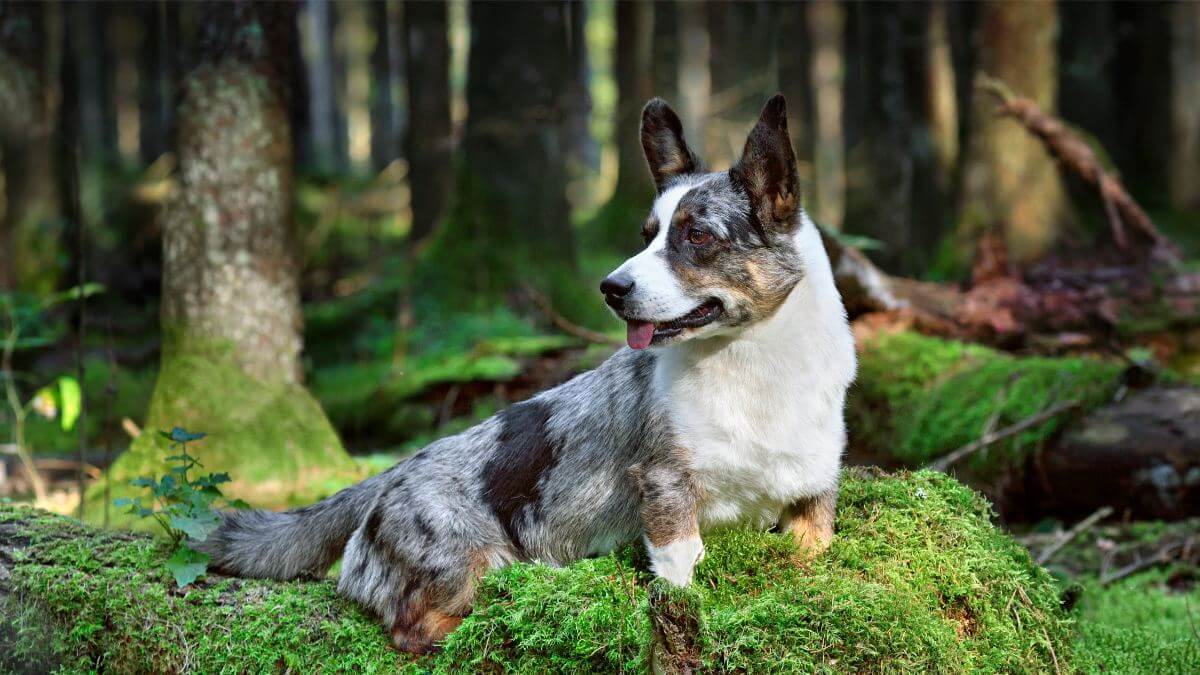
All About Judging
Discover the art of judging Cardigan Welsh Corgis, focusing on their unique conformation, hallmark front, and balanced structure.
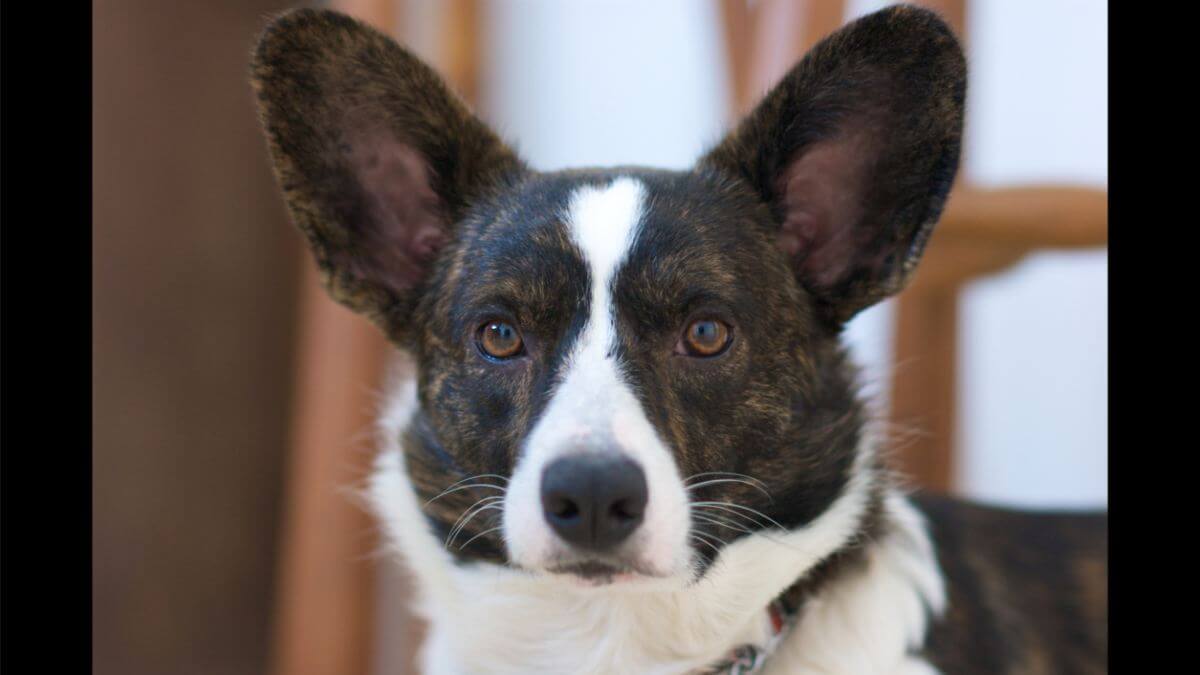
Westminster Kennel Club (NYC)
Discover the rich history and versatility of the Cardigan Welsh Corgi, a beloved all-purpose farm dog with ancient origins.
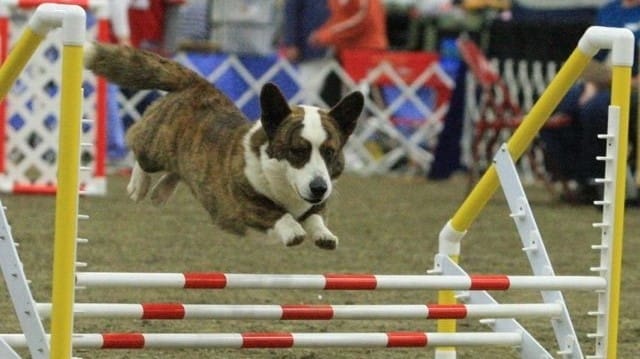
Dog Sports
Discover the versatile Cardigan Welsh Corgi, a breed that excels in Agility, Herding, and more, while being the perfect companion at home.
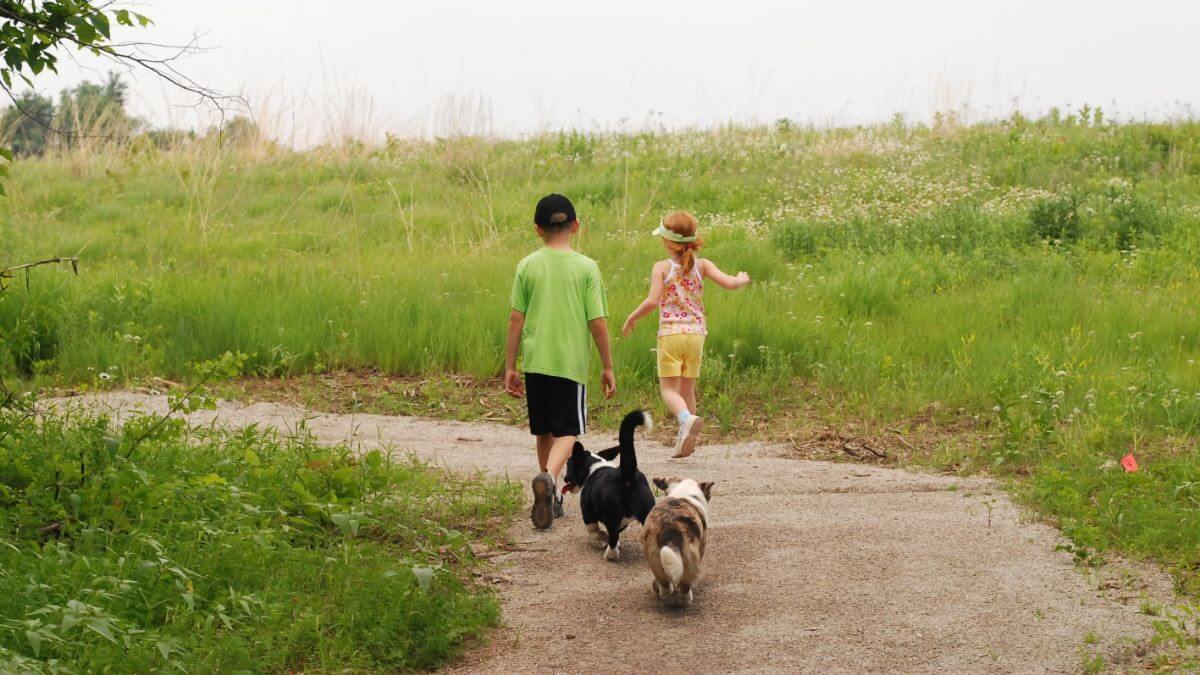
Cardigan Welsh Corgis are smart, sturdy, and loving companions, perfect for families and small homes, with a big dog bark in a small package.
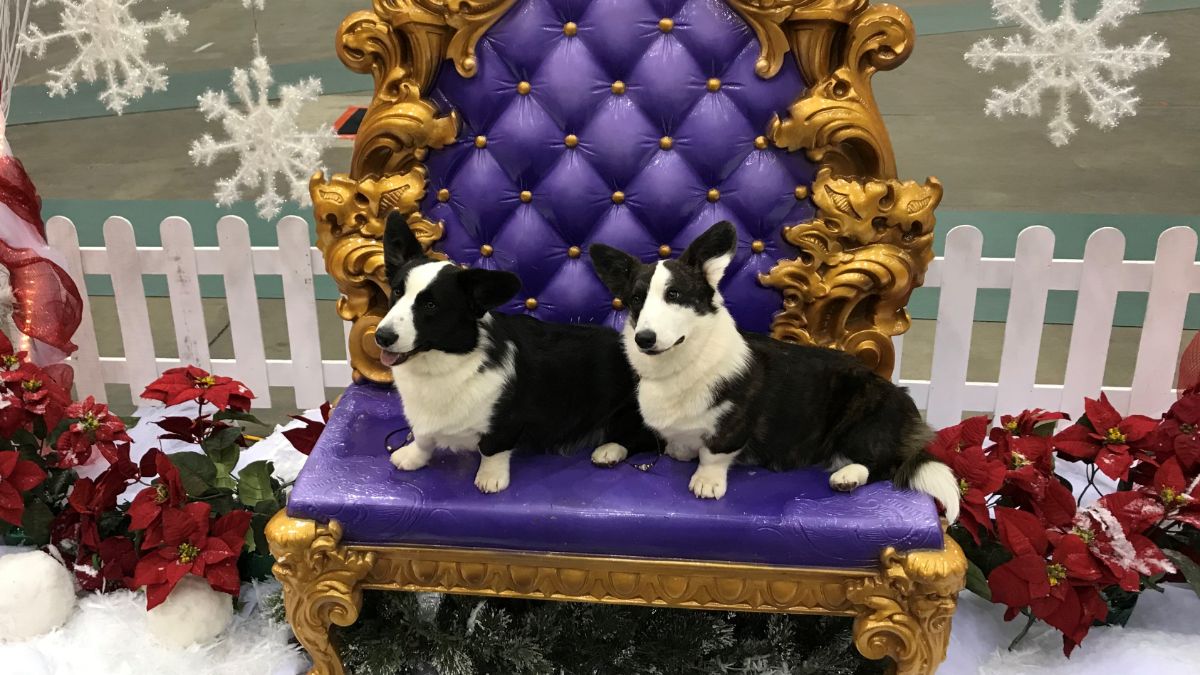

Discover the rise of Cardigan Welsh Corgis in the show ring, from overlooked to celebrated, and learn what makes this breed exceptional.
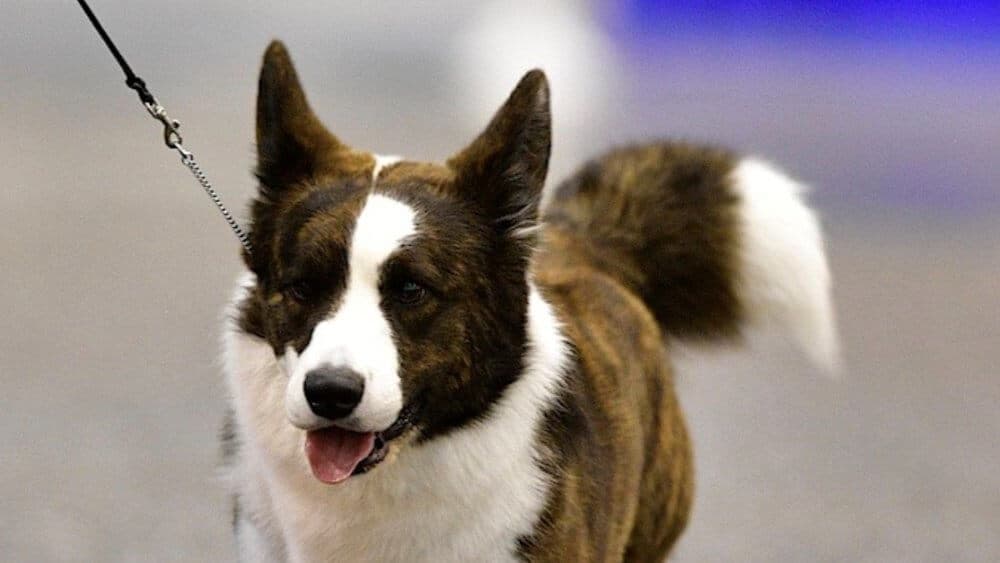
Explore how breed-specific details in merchandise and judging standards can influence perceptions of the Cardigan’s ideal silhouette.
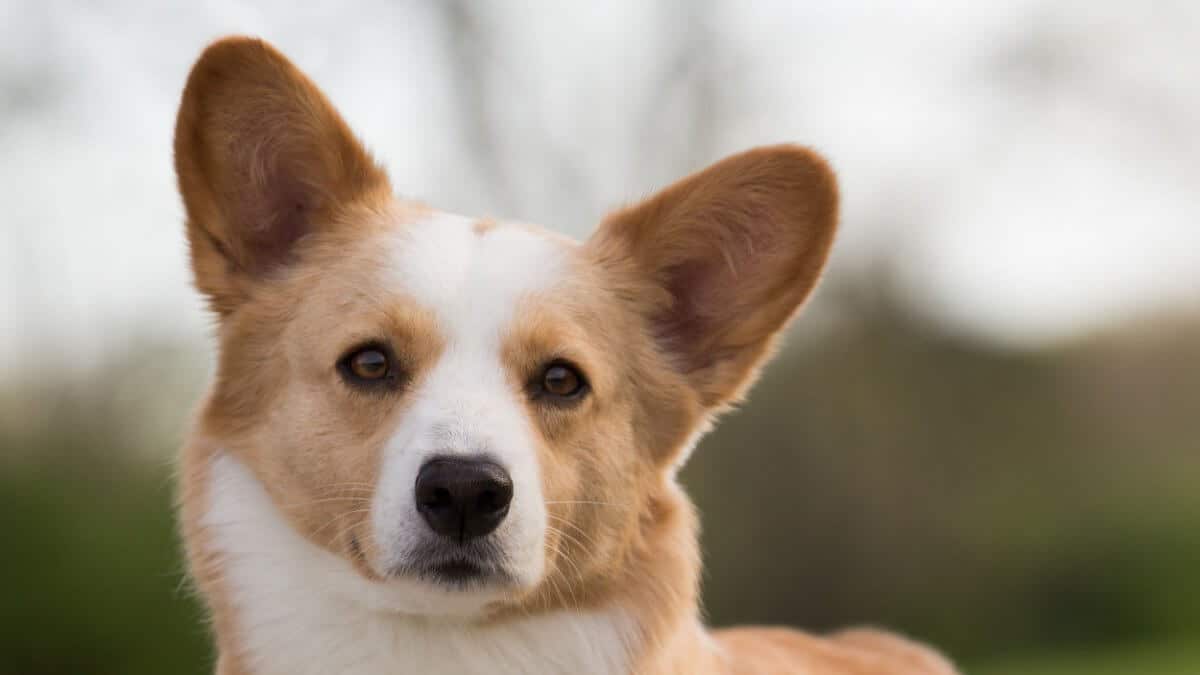

Explore the rich history, breed standard, and characteristics of the Cardigan Welsh Corgi, a loyal and adaptable dog with a unique silhouette
The tail of the Cardigan Welsh Corgi significantly distinguishes it from its close relative, the Pembroke Welsh Corgi. Historically speaking, the Cardigan's tail tells the story of its pastoral background and offers a silhouette that is cherished by breed aficionados.
When relaxed, the Cardigan's tail extends in length and is in line with the body, resting in a low position. However, the tail may shift to a higher elevation when the dog is particularly alert or moving. It doesn't curl over the back, however, and should maintain a straight profile. The dense coat covering the tail sometimes appears bushier than that of the rest of the body, imparting a feathery or plume-like appearance. This not only enhances the tail's appearance, it also provides protection when the Corgi navigates through tall grasses or over uneven terrain.
The natural, undocked tail is a noteworthy characteristic of the Cardigan Welsh Corgi. The long tail is a defining breed hallmark that is deeply rooted in the breed's service as a drover and cattle dog. Beyond its aesthetic value, the tail contributes to the dog's balance and its agility to act as a rudder.
Standard Markings
A Note About Color: The coat may be all shades of red, sable, brindle, black, and blue merle, with or without tan or brindle points. White is acceptable on the muzzle, neck, chest, legs, underparts, and tip of tail. White may also appear as a blaze on the head, but it should never be the predominant color nor should it surround the eyes, and it may appear as a small spot or splash on the body.
Coat Type
Double
The structure of the coat this breed carries.
Coat Length
Medium
How long the breed's coat grows when kept in condition.
Adaptability Level
How easily a breed copes with changes in home, routine, noise and weather.
Mental Stimulation Needs
How much a breed needs a job, a puzzle or training to stay content.
As for young children, the Cardigan Welsh Corgi's generally affectionate and protective nature shines. Nevertheless, due to those herding tendencies, it's crucial to supervise interactions to prevent unintended (mis)behaviors.
The Cardigan Welsh Corgi's energetic nature and sturdy build demand a well-balanced diet to support its overall health and vitality. Understanding the dietary needs of the Cardigan, from puppyhood through to adulthood, is crucial for its long-term well-being.
As puppies, Cardigan Welsh Corgis have a higher metabolic rate, and thus, require more frequent feedings to support their growth. It's advisable to feed a Cardigan puppy a high-quality dog food specially formulated for puppies, which will provide the necessary nutrients to foster healthy bone and muscle development. Typically, puppies would start with three to four meals a day, gradually reducing as they approach adulthood.
Transitioning to adulthood, a Cardigan's dietary needs change. Adult dogs typically thrive on two meals a day. The amount of food will vary depending on factors such as the dog's age, weight, activity level, and overall health. On average, a healthy adult Cardigan Welsh Corgi may consume between 1 to 1.5 cups of high-quality dog food daily, split between two meals. It's important to consult with a veterinarian or a breed-specific feeding chart to determine the exact portion sizes suitable for individual dogs.
Though Cardigans are known for their love of food, owners must be cautious about overfeeding. Due to their relatively compact size and long back, carrying excess weight can put undue stress on a dog’s spine and joints, making it susceptible to health issues.
Fresh water should always be readily available for the Cardigan, ensuring it stays hydrated, especially during warmer months or after bouts of vigorous activity.
When it comes to treats, these can be an excellent training aid but should only be given in moderation. Always be sure that treats are suitable for the dog's size, overall condition, and dietary needs.
Training a Cardigan Welsh Corgi is a rewarding journey that unveils the breed's intelligence, agility, and eagerness to please. However, these qualities, paired with the Cardigan's innate herding instincts and independent streak, can make the training process both engaging and, at times, challenging.
The Cardigan's intelligence is undeniable. This breed is quick to pick up new commands and often excels in obedience training. But with intelligence comes a propensity for independent thought. Cardigans may sometimes weigh the command against their current desire or distraction, deciding whether to obey immediately or test the boundaries.
Given the breed’s herding background, it's not uncommon for a Cardigan to exhibit behaviors like nipping at heels or attempting to “manage” the movements of family members or other pets. Early training can help to channel these instincts productively and ensure that such behaviors are controlled.
It's worth noting that Cardigans are rather vocal. Their tendency to bark can be a natural alarm system, alerting owners to anything unusual in the immediate environment. However, without proper training, this can evolve into excessive barking. With consistent instruction and positive reinforcement, it's possible to manage and even reduce unnecessary vocalizations.
On the subject of their intellectual prowess, Cardigans score high on canine intelligence scales. This trait means that not only do they benefit from basic obedience training, they also thrive when presented with mental challenges. Puzzle toys, agility courses, and advanced obedience or trick training can be wonderful outlets for their cognitive energy.
A key aspect to remember when training a Cardigan Welsh Corgi is the power of positive reinforcement. Given the breed’s sensitive nature, these dogs respond best to rewards, praise, and gentle guidance, rather than harsh corrections. Maintaining a consistent training regimen, setting clear boundaries, and offering varied mental stimuli will ensure a well-adjusted, happy, and obedient Cardigan.
Lastly, due to the potential wanderlust of the breed, it's essential to instill a solid recall command early on. This will ensure that even when a Cardigan's curiosity beckons, it will return promptly when called.
Grooming Expectations
Cardigans possess a thick undercoat and a longer topcoat, which, while not particularly prone to matting, does require regular brushing. A good rule of thumb is to brush your Cardigan at least once a week to remove loose hair, prevent potential tangles, and distribute natural skin oils throughout the coat. During shedding seasons, which generally occur in the spring and fall, increasing the frequency of brushing can help to manage the larger volume of loose hair. Despite their coat's propensity to shed, Cardigans are considered moderate shedders. They don't continuously shed year-round like some breeds, but when they do, it can be quite noticeable due to the thickness of the undercoat. Regular grooming sessions can drastically reduce the amount of hair found around the house. When it comes to baths, the Cardigan doesn't require frequent washing. In fact, overbathing can strip the coat of its natural oils, making it dry and brittle. Instead, the Cardigan needs bathing only when necessary, such as when the dog is particularly dirty or has a noticeable odor. Other grooming essentials include regular nail trimming, as overgrown nails can cause discomfort or lead to health issues. Checking and cleaning the ears periodically is also crucial to prevent infections, as is brushing the teeth to ensure good oral hygiene.