01/Overview
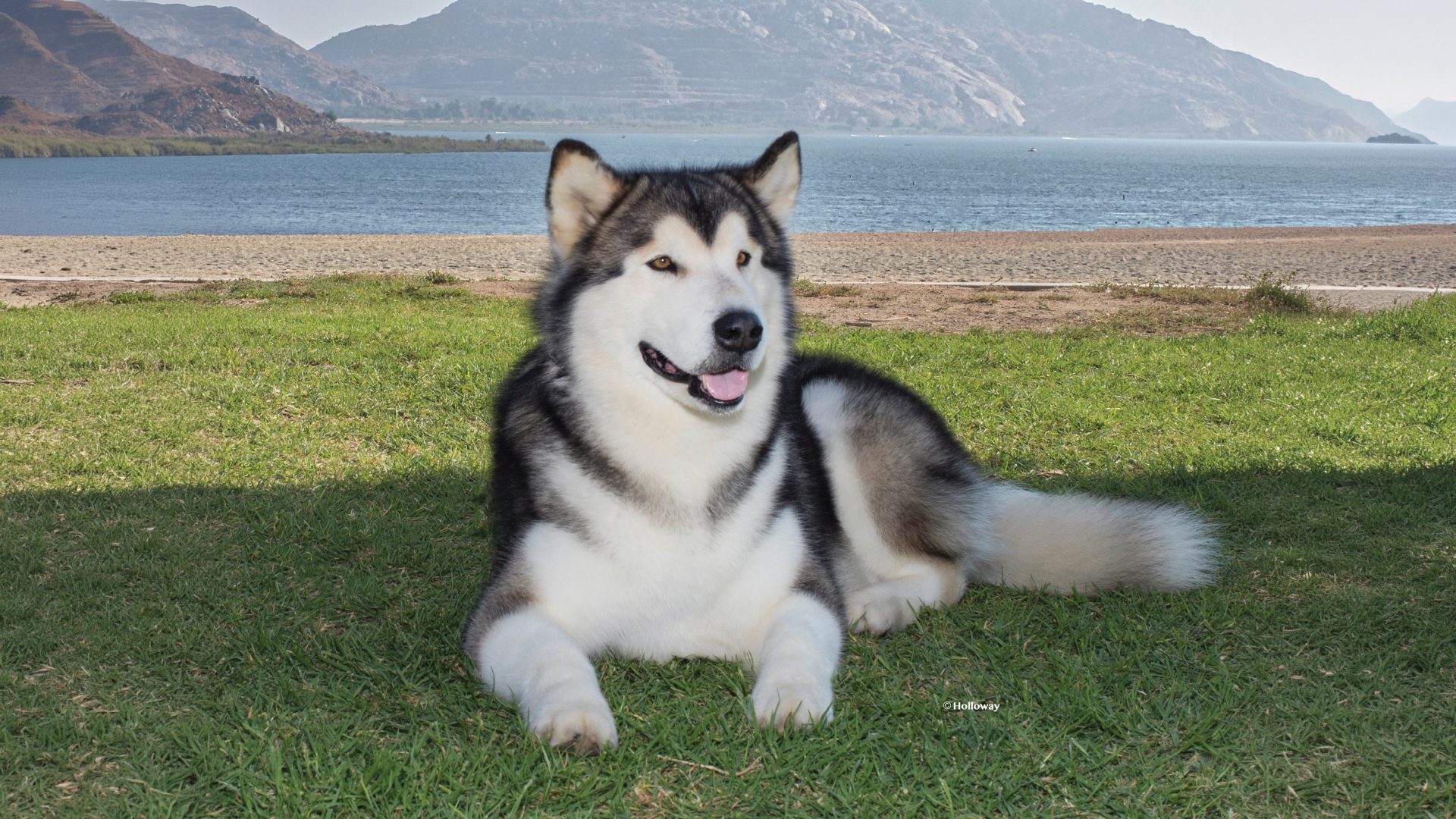
The Alaskan Malamute is a powerful and resilient dog originally bred for hauling heavy freight across the vast Arctic tundra. Known for its size, strength, and endurance, the “Malamute” is highly regarded as both a loyal companion and a true pack animal in cold environments.
Highlights
02/History
The Alaskan Malamute is one of the oldest Arctic sled dog breeds, with a history tracing back thousands of years. The breed was developed by the Mahlemiut people, an Inuit group from the Kotzebue Sound region of Alaska. These dogs were bred to assist in hauling heavy loads, pulling sleds, and performing other tasks essential to survival in the harsh Arctic environment. The Malamute’s strength, stamina, and ability to work in freezing temperatures made the dogs indispensable to their communities.Unlike other sled dog breeds designed for speed, Malamutes were bred primarily for power and endurance. They were used to transport goods, and accompany hunters in the pursuit of seals and polar bears. Their loyalty and work ethic made them trusted partners for the Mahlemut people, and their thick double coats provided insulation against extreme cold.The Malamute gained recognition outside Alaska as explorers and others began importing dogs for use in expeditions and sled races, and as working dogs. During the Klondike Gold Rush of the late 19th century, prospectors and settlers brought dogs with them and crossbreeding occurred. However, the Malamute remained distinct thanks to the efforts of indigenous groups who preserved its purity.The breed gained further prominence during World War II, when Alaskan Malamutes were used by the US military for hauling supplies, search and rescue missions, and other critical operations. Their contributions to the war effort solidified their reputation as reliable and versatile working dogs.The Alaskan Malamute was officially recognized by the American Kennel Club (AKC) in 1935 and is a member of the Working Group. Today, the breed is admired for its historical significance, physical power, and devoted nature. Although Malamutes are less commonly used for heavy hauling in modern times, they can excel in a variety of activities, including weight pulling, backpacking, and recreational sledding. They remain a popular choice for families who appreciate an affectionate and loyal companion with a rather striking, wolf-like appearance.
03/Appearance
Male Alaskan Malamutes typically stand around 25 inches tall at the shoulder, weighing approximately 85 pounds. Females are slightly smaller, standing at 23 inches tall and weighing around 75 pounds.
Skull: The Alaskan Malamute’s skull is broad, deep, and moderately rounded, with a slight furrow between the eyes.
Expression: The breed’s expression is soft, friendly, and conveys intelligence.
Eyes: Eyes are almond-shaped, set obliquely, and are brown in color, with darker shades preferred.
Ears: Ears are medium-sized, triangular, and set wide apart, with slightly rounded tips. They are erect when alert but often lie back when the dog is working.
Muzzle: The muzzle is broad, deep, and tapers slightly towards the nose, but is not pointed.
Nose: The nose is black, except in red-coated dogs where it may be brown or liver-colored.
Bite: A strong scissors bite is preferred, with large, evenly spaced teeth.
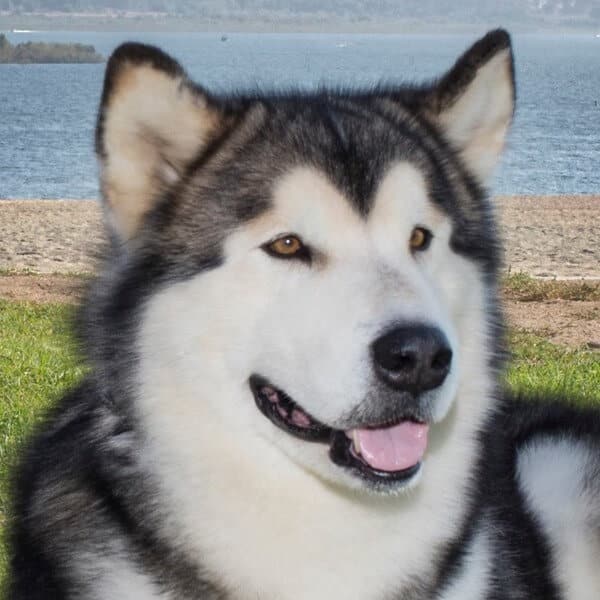
The Alaskan Malamute is powerfully built and well-proportioned, with a compact and muscular frame designed for strength and endurance. The breed’s body is slightly longer than its height at the shoulders, and its deep chest and well-developed limbs support its ability to haul heavy loads over long distances.
Texture: The Alaskan Malamute has a double coat designed to protect against extreme cold. The outer guard hairs are thick, coarse, and water-repellent, while the undercoat is dense, woolly, and oily to provide insulation. The coat is of medium length, with longer hair on the shoulders, neck, back, and tail where it forms a waving plume.A Note About Color: The coat color of the Alaskan Malamute ranges from light gray through intermediate shadings of black, sable, and shadings of sable to red. The only solid color permitted is all white, and white is always the predominant color on the underbody, parts of the legs, feet, and as part of the facial markings. The guard hairs contain bands of color, with the lightest color at the base and the darkest color at the tip. Trimmings are shades of gold, cream, brown, buff, or red on the ears, facial markings, underbelly, and legs. These are located where the light and dark shades meet. Facial markings include an open (white) face, mask, star, blaze, cap, bar, and goggles. Chest markings include a necklace (single band of dark color) or an eagle emblem (two bands of dark that form a pattern).
Standard Colors
04/Consider
The Alaskan Malamute is a powerful, energetic breed that requires dedicated care and attention from potential owners. These dogs thrive in active households where their need for exercise, mental stimulation, and social interaction can be consistently met. Their friendly and loyal nature makes them excellent companions, but their strength and independence require experienced handlers who understand their working-dog temperament.
Interaction With Family
The level of affection a breed typically shows towards family members and familiar individuals.
Good With Other Dogs
The innate friendliness of a dog towards other dogs can depend on its breed.
Good With Young Children
The degree to which a breed will typically be patient with young children.
Openness To Strangers
How openly a breed tends to greet new people, visitors and strangers.
Protective Nature
How likely a breed is to alert you to — and stand between you and — anything unfamiliar.
Playfulness Level
How enthusiastic a breed stays about games and play well past puppyhood.
Trainability Level
How readily a breed takes direction and works with you rather than around you.
Barking Level
How much a breed uses its voice, and how readily.
Energy Level
How much get-up-and-go a breed brings to an average day.
Health
The Alaskan Malamute is generally a healthy breed with a lifespan of 10 to 14 years. Regular veterinary check-ups, a balanced diet, and an active lifestyle are crucial to maintaining overall health and well-being.
Alaskan Malamutes are friendly, outgoing, and affectionate dogs that form strong bonds with their families. They are known for their loyal and gentle nature, making them good companions for children, though their size and strength require adult supervision.These dogs are independent thinkers, a trait inherited from their working-dog origins, which can make them appear stubborn at times. While they are generally friendly towards strangers and other dogs, early socialization is crucial to promote proper behavior and prevent dominance issues with other animals.
Exercise Expectations
Without sufficient exercise, Malamutes can become bored and develop destructive behaviors, such as digging or chewing. Potential owners should be prepared to dedicate at least 1 to 2 hours per day to physical and mental stimulation.
Grooming Expectations
Alaskan Malamutes are best suited to homes with ample space and a securely fenced yard, as their size and energy levels make them less suitable for apartment living. They are adaptable to cold climates and thrive in snowy conditions, but they can struggle in hot weather and require extra care to keep them cool.These dogs are highly social and prefer to be part of the family, making them ill-suited for long periods of isolation. Potential owners should be prepared for a devoted companion that needs consistent attention, engagement, and companionship to live a full life.
05/Puppies
Alaskan Malamute puppies are playful, curious, and full of energy, requiring early socialization and structured routines to grow into well-behaved adults. Introducing them to different environments, people, and animals during their early weeks of life helps to build confidence and ensures they adapt well to new situations.
Caring for an Alaskan Malamute puppy involves meeting the little one’s nutritional, physical, and social needs. The puppy should be fed high-quality large-breed puppy food that supports healthy growth while preventing overly rapid weight gain, which can strain developing joints. Meals should be divided into three to four portions daily.Training should begin as soon as the puppy arrives home, focusing on basic commands, housetraining, and leash manners. Positive reinforcement methods work best, as Malamutes are intelligent but can also be strong-willed. Socialization during this stage is critical to ensuring the pup is comfortable with other dogs, people, and new environments.Regular veterinary visits are essential during the first year for vaccinations, deworming, and monitoring growth. Establishing a grooming routine early, such as weekly brushing and nail trimming, helps the Malamute puppy become accustomed to handling and sets the stage for lifelong coat and hygiene care. Balancing exercise with rest is key, as overexertion can be harmful to the developing body. Interactive play and short walks will help to keep both body and mind engaged.
06/Activities
Sledding: Alaskan Malamutes excel in this traditional activity, showcasing their strength and endurance over long distances.
Weight Pulling: Their impressive power makes them natural competitors in weight-pulling events, where they can safely demonstrate their physical capabilities.
Carting: Malamutes can enjoy this activity, pulling loaded carts during recreational or competitive events.
Agility: While not as fast as some breeds, they can perform well in Agility Trials with proper training and motivation.
Obedience: Their intelligence and trainability can shine in Obedience competitions, though they require consistent and patient training.
Conformation Shows: Malamutes are a standout in the show ring where their powerful build and striking appearance can be appreciated.
Therapy Work: With their friendly and gentle nature, some Malamutes are used as therapy dogs, providing comfort in hospitals or care facilities.
Search and Rescue: The breed’s endurance and keen senses can be utilized in Search and Rescue missions.
Hiking & Backpacking: Alaskan Malamutes are excellent companions for hiking trips, happily carrying their own packs.
Gallery
07/Standards
The Alaskan Malamute is recognized by the world's leading registries and kennel organizations, which categorize the breed into a specific Group based on its unique characteristics. This breed is recognized worldwide under the following Group designations:
The ideal Alaskan Malamute is described by a Breed Standard that is approved by each of the world’s leading registries and kennel organizations. The Breed Standards for this breed may be found in the following links:
08/Clubs
Alaskan Malamute Club of America: Established in 1935, the AMCA is the official parent club for the breed in the United States. It promotes breed education, responsible ownership, and participation in various activities, including Conformation Shows, sledding, and weight-pulling competitions.
Alaskan Malamute Club of Canada: Founded in 1960, the AMCC supports the breed in Canada through events, breed education, and rescue initiatives.
Alaskan Malamute Club of the UK: Established in 1967, AMCUK focuses on preserving and promoting the breed in the UK, offering resources, hosting events, and providing community support for owners and breeders.
09/Rescue
Alaskan Malamute Assistance League: A non-profit organization recognized by the Alaskan Malamute Club of America. AMAL focuses on rescuing, rehabilitating, and rehoming Malamutes across the United States.
Alaskan Malamute HELP League: This Canadian charitable organization provides shelter and adoption services for Malamutes in need. The group also offers education and support to ensure successful placements and promote responsible ownership.
Alaskan Malamute Breed Rescue: Operated by volunteers on behalf of the Alaskan Malamute Club of the United Kingdom, this rescue department focuses on rehoming Malamutes in need.
10/Facts
Ancient Heritage
The Alaskan Malamute is one of the oldest Arctic sled dog breeds, with a lineage dating back over 4,000 years to the Mahlemiut people of Alaska.
Incredible Strength
Malamutes were bred for hauling heavy loads rather than for their speed, and they can pull several times their own body weight.
Distinguishing Howl
Unlike most dogs, Malamutes are known for their unique howling rather than barking, often using vocalizations to communicate.
"Snowshoe" Feet
Their large, webbed paws act like snowshoes, helping them traverse deep snow with ease.
Hollywood Fame
Alaskan Malamutes were used to portray wolves in numerous films and television shows due to their striking, wolf-like appearance.
11/FAQ
Yes, Alaskan Malamutes shed heavily, especially during seasonal coat changes twice a year. Regular brushing helps to manage the shedding and keeps the thick double coat healthy.
Official Standard of the Alaskan Malamute
General Appearance: The Alaskan Malamute, one of the oldest Arctic sled dogs, is a powerful and substantially built dog with a deep chest and strong, well-muscled body. The Malamute stands well over the pads, and this stance gives the appearance of much activity and a proud carriage, with head erect and eyes alert showing interest and curiosity. The head is broad. Ears are triangular and erect when alerted. The muzzle is bulky, only slight diminishing in width from root to nose. The muzzle is not pointed or long, yet not stubby. The coat is thick with a coarse guard coat of sufficient length to protect a woolly undercoat. Malamutes are of various colors. Face markings are a distinguishing feature. These consist of a cap over the head, the face either all white or marked with a bar and/or mask. The tail is well furred, carried over the back, and has the appearance of a waving plume. The Malamute must be a heavy boned dog with sound legs, good feet, deep chest and powerful shoulders, and have all of the other physical attributes necessary for the efficient performance of his job. The gait must be steady, balanced, tireless and totally efficient. He is not intended as a racing sled dog designed to compete in speed trials. The Malamute is structured for strength and endurance, and any characteristic of the individual specimen, including temperament, which interferes with the accomplishment of this purpose, is to be considered the most serious of faults.
Size, Proportion, Substance: There is a natural range in size in the breed. The desirable freighting sizes are males, 25 inches at the shoulders, 85 pounds; females, 23 inches at the shoulders, 75 pounds. However, size consideration should not outweigh that of type, proportion, movement and other functional attributes. When dogs are judged equal in type, proportion, movement, the dog nearest the desirable freighting size is to be preferred. The depth of chest is approximately one half the height of the dog at the shoulders, the deepest point being just behind the forelegs. The length of the body from point of shoulder to the rear point of pelvis is longer than the height of the body from ground to top of the withers. The body carries no excess weight, and bone is in proportion to size.
Head: The head is broad and deep, not coarse or clumsy, but in proportion to the size of the dog. The expression is soft and indicates an affectionate disposition. The eyes are obliquely placed in the skull. Eyes are brown, almond shaped and of medium size. Dark eyes are preferred. Blue eyes are a disqualifying fault. The ears are of medium size, but small in proportion to the head. The ears are triangular in shape and slightly rounded at the tips. They are set wide apart on the outside back edges of the skull on line with the upper corner of the eye, giving ears the appearance, when erect, of standing off from the skull. Erect ears point slightly forward, but when the dog is at work, the ears are sometimes folded against the skull. High set ears are a fault. The skull is broad and moderately rounded between the ears, gradually narrowing and flattening on top as it approaches the eyes, rounding off to cheeks that are moderately flat. There is a slight furrow between the eyes. The topline of the skull and the topline of the muzzle show a slight break downward from a straight line as they join. The muzzle is large and bulky in proportion to the size of the skull, diminishing slightly in width and depth from junction with the skull to the nose. In all coat colors, except reds, the nose, lips, and eye rims' pigmentation is black. Brown is permitted in red dogs. The lighter streaked "snow nose" is acceptable. The lips are close fitting. The upper and lower jaws are broad with large teeth. The incisors meet with a scissors grip. Overshot or undershot is a fault.
Neck, Topline, Body: The neck is strong and moderately arched. The chest is well developed. The body is compactly built but not short coupled. The back is straight and gently sloping to the hips. The loins are hard and well muscled. A long loin that may weaken the back is a fault. The tail is moderately set and follows the line of the spine at the base. The tail is carried over the back when not working. It is not a snap tail or curled tight against the back, nor is it short furred like a fox brush. The Malamute tail is well furred and has the appearance of a waving plume.
Forequarters: The shoulders are moderately sloping; forelegs heavily boned and muscled, straight to the pasterns when viewed from the front. Pasterns are short and strong and slightly sloping when viewed from the side. The feet are of the snowshoe type, tight and deep, with wellcushioned pads, giving a firm, compact appearance. The feet are large, toes tight fitting and well arched. There is a protective growth of hair between the toes. The pads are thick and tough; toenails short and strong.
Hindquarters: The rear legs are broad and heavily muscled through the thighs; stifles moderately bent; hock joints are moderately bent and well let down. When viewed from the rear, the legs stand and move true in line with the movement of the front legs, not too close or too wide. Dewclaws on the rear legs are undesirable and should be removed shortly after puppies are whelped.
Coat: The Malamute has a thick, coarse guard coat, never long and soft. The undercoat is dense, from one to two inches in depth, oily and woolly. The coarse guard coat varies in length as does the undercoat. The coat is relatively short to medium along the sides of the body, with the length of the coat increasing around the shoulders and neck, down the back, over the rump, and in the breeching and plume. Malamutes usually have a shorter and less dense coat during the summer months. The Malamute is shown naturally. Trimming is not acceptable except to provide a clean cut appearance of feet.
Color: The usual colors range from light gray through intermediate shadings to black, sable, and shadings of sable to red. Color combinations are acceptable in undercoats, points, and trimmings. The only solid color allowable is all white. White is always the predominant color on underbody, parts of legs, feet, and part of face markings. A white blaze on the forehead and/or collar or a spot on the nape is attractive and acceptable. The Malamute is mantled, and broken colors extending over the body or uneven splashing are undesirable.
Gait: The gait of the Malamute is steady, balanced, and powerful. He is agile for his size and build. When viewed from the side, the hindquarters exhibit strong rear drive that is transmitted through a well-muscled loin to the forequarters. The forequarters receive the drive from the rear with a smooth reaching stride. When viewed from the front or from the rear, the legs move true in line, not too close or too wide. At a fast trot, the feet will converge toward the centerline of the body. A stilted gait, or any gait that is not completely efficient and tireless, is to be penalized.
Temperament: The Alaskan Malamute is an affectionate, friendly dog, not a "one man" dog. He is a loyal, devoted companion, playful in invitation, but generally impressive by his dignity after maturity.
Summary: Important - In judging Malamutes, their function as a sledge dog for heavy freighting in the Arctic must be given consideration above all else. The degree to which a dog is penalized should depend upon the extent to which the dog deviates from the description of the ideal Malamute and the extent to which the particular fault would actually affect the working ability of the dog. The legs of the Malamute must indicate unusual strength and tremendous propelling power. Any indication of unsoundness in legs and feet, front or rear, standing or moving, is to be considered a serious fault. Faults under this provision would be splay-footedness, cowhocks, bad pasterns, straight shoulders, lack of angulation, stilted gait (or any gait that isn't balanced, strong and steady), ranginess, shallowness, ponderousness, lightness of bone, and poor overall proportion.
Disqualification: Blue eyes.
Approved April 12, 1994
Effective May 31, 1994
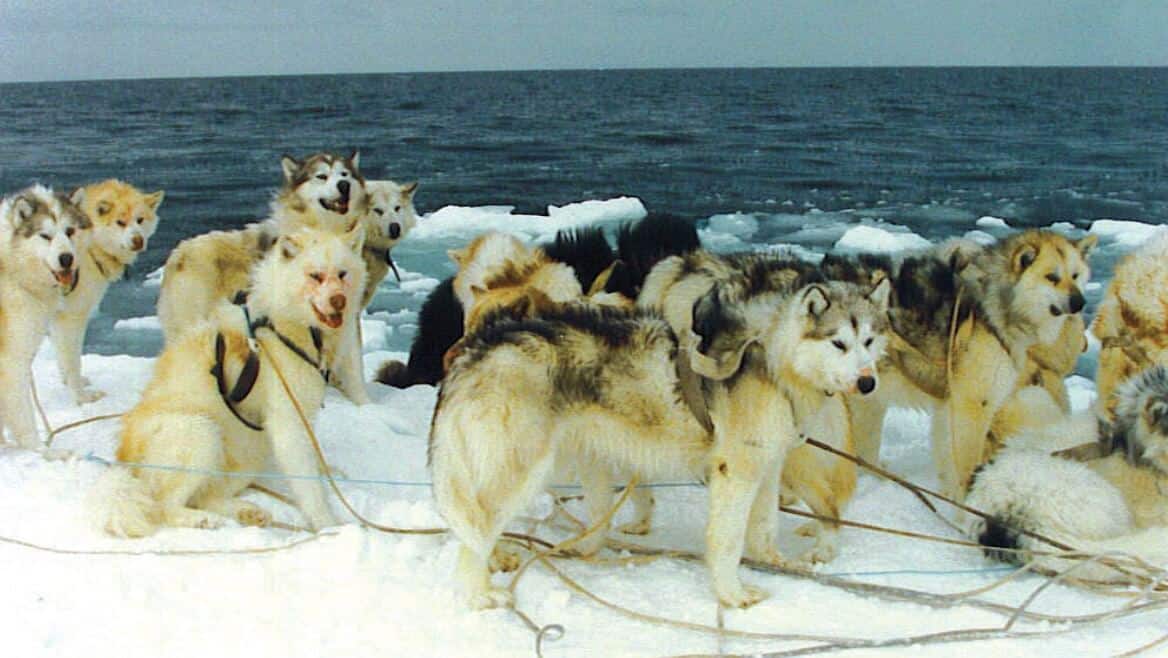
Discover the Alaskan Malamute: the ultimate freighting dog bred for endurance in harsh Arctic conditions, essential for Inuit survival.
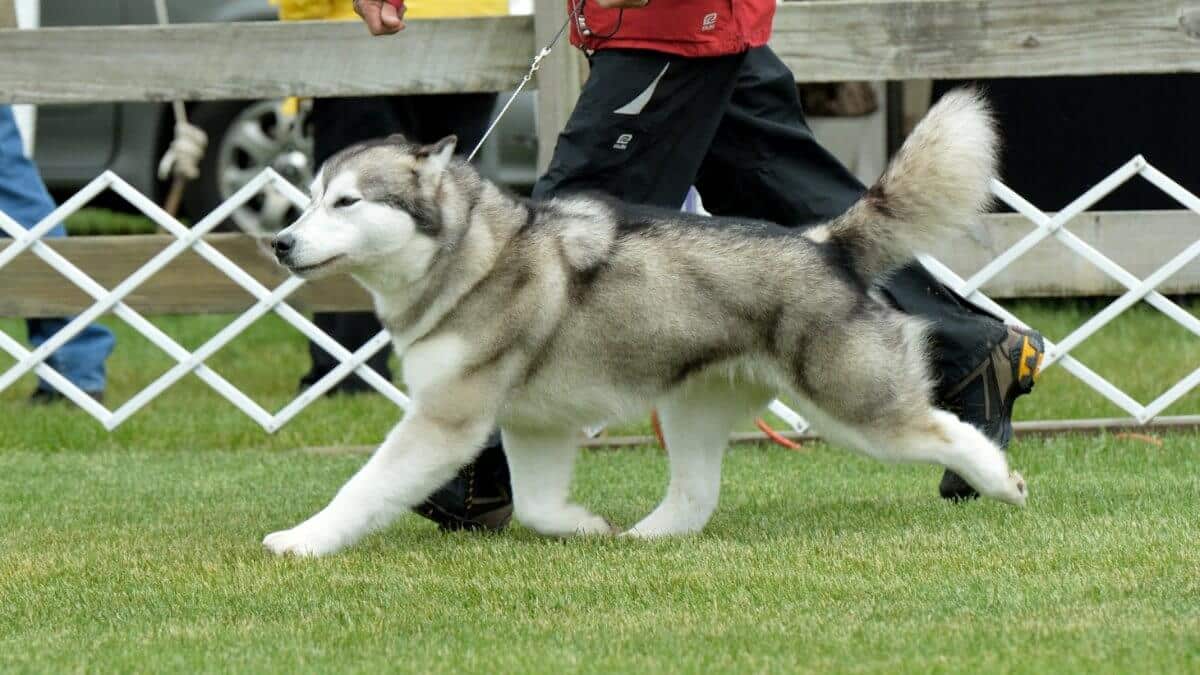
All About Judging
Learn how to judge Alaskan Malamutes, focusing on their role as Arctic sled dogs, essential traits, and common misconceptions in judging.
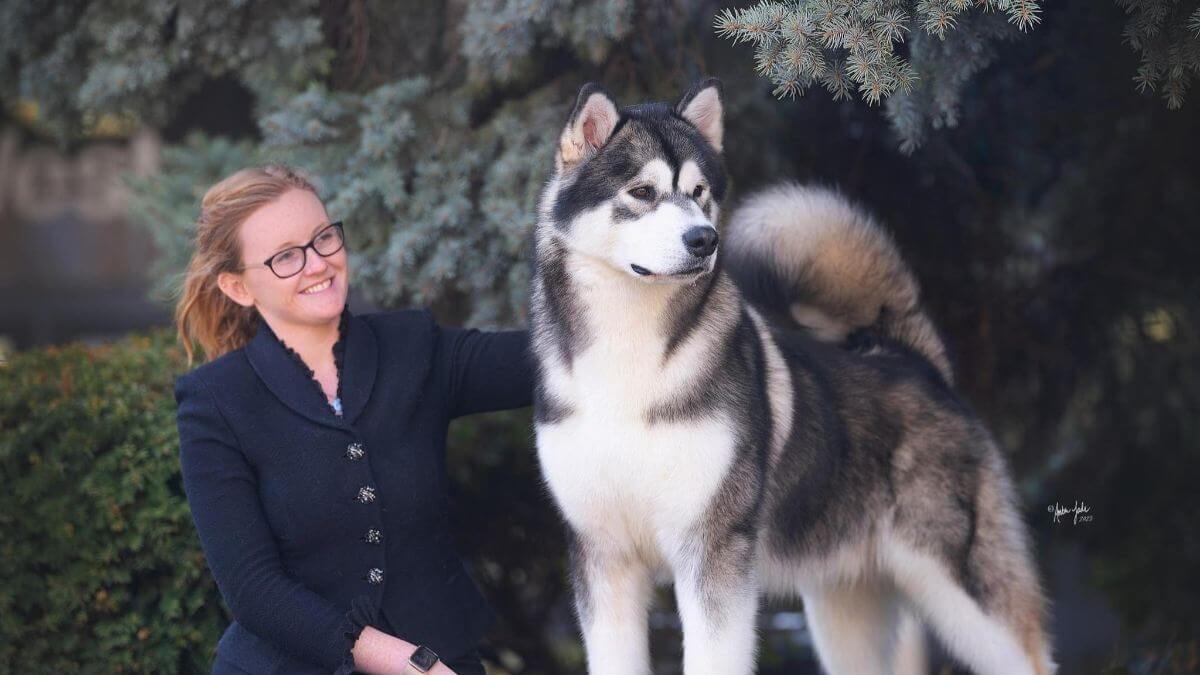

Dog Shows
Amber Becker Briscoe shares her journey as a professional handler, from early mentorship to her memorable wins and insights on the sport.


Discover the most beautiful dog breeds using the golden ratio. From Catahoula Leopard Dogs to Alaskan Malamutes and GSPs. See more.


Meet the Breeders
Interview with Mike Stone & Alisa Sylar, Silver Ice Alaskan Malamute breeders, sharing their purebred dog expertise and event experiences.
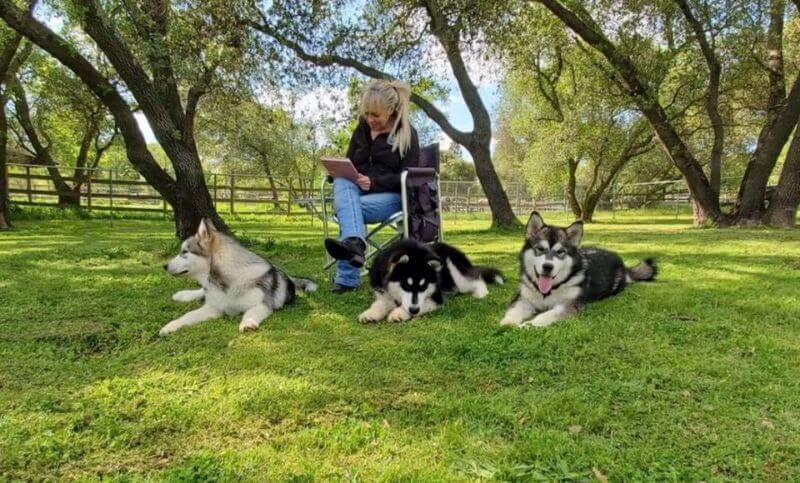
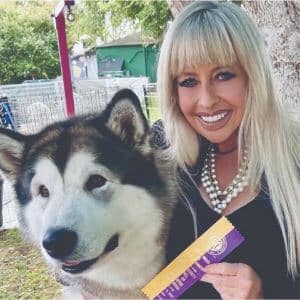
Meet the Breeders
Alisa Syar is the breeder behind SilverIce Alaskan Malamutes. Read about the kennel’s beginnings, champions, Malamute puppies, photos & more!
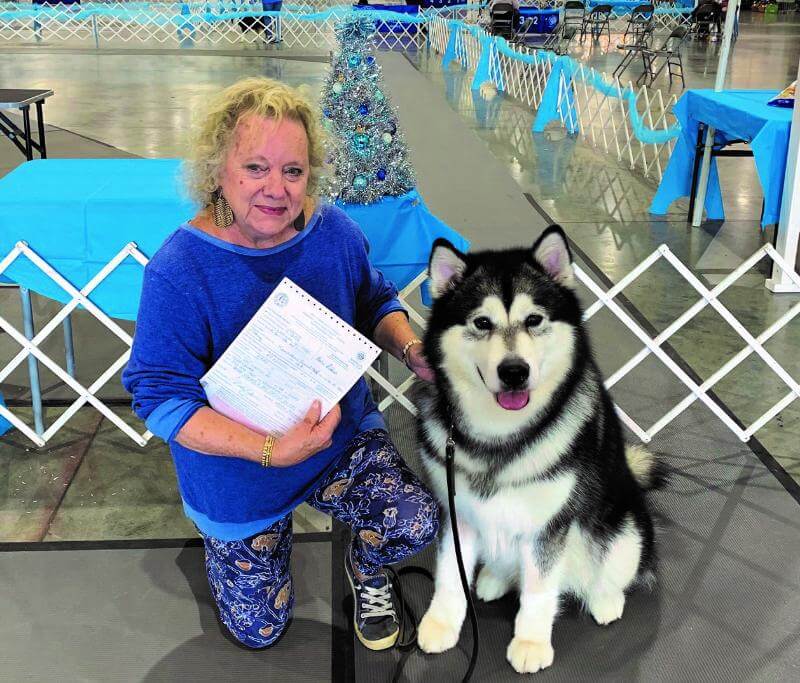
Meet the Breeders
Vicky Jones is the breeder behind Vykon Alaskan Malamutes. Read about the kennel’s beginnings, champion dogs, puppies, photos & more!
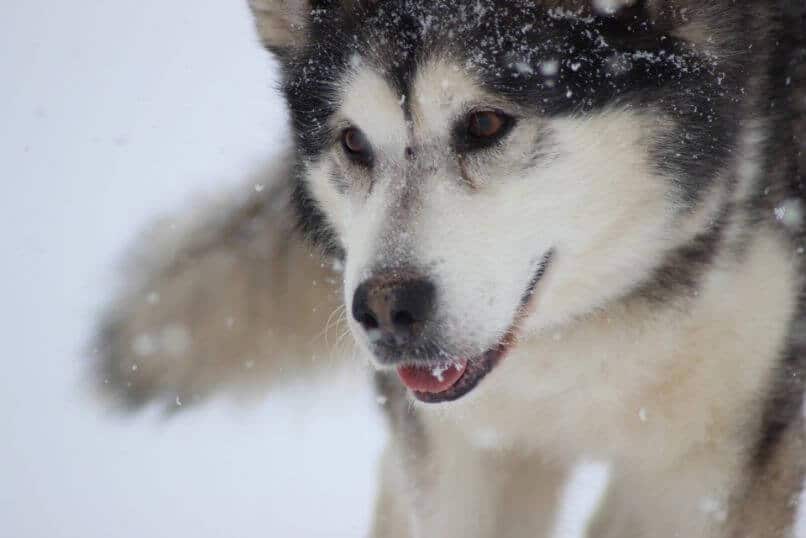

Alaskan Malamute’s function is to haul heavy freight over long distances. Malamute should be one of a powerful, well muscled, athletic dog.
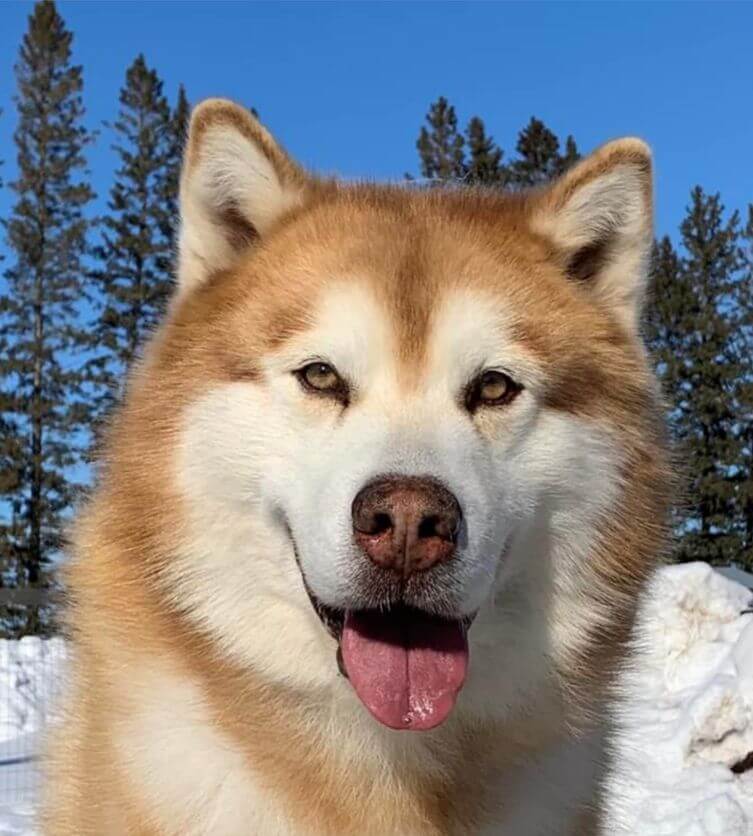
The Alaskan Malamute dog was an essential part of the Mahlemiut tribe in Alaska and was part of the family for hundreds of years.
The tail of the Alaskan Malamute is heavily coated and carried over the back in a gentle curve. It is well-furnished with a plume-like appearance and is neither tightly curled nor flat against the back.
Standard Markings
Adaptability Level
How easily a breed copes with changes in home, routine, noise and weather.
Mental Stimulation Needs
How much a breed needs a job, a puzzle or training to stay content.
The Alaskan Malamute requires a high-quality diet that meets its energy needs while maintaining a healthy weight. Adult Malamutes typically consume 2.5 to 4 cups of dry dog food per day, divided into two meals, though this amount can vary depending on the dog’s size, age, and activity level.Puppies need a diet formulated for large-breed growth, with meals split into three to four portions daily to support healthy development. Monitoring weight gain and adjusting portions as necessary is essential, as this breed can be prone to obesity. Fresh water should always be available, especially after exercise.
Alaskan Malamutes are intelligent and capable learners, but their independent and strong-willed nature can make training a challenge for inexperienced owners. Positive reinforcement methods, such as treats and praise, work best, as harsh corrections may cause resistance or distrust.Early training and socialization are critical to establish boundaries and ensure that the Malamute is well-behaved in various environments. Recall training is particularly important, as the breed can have a strong prey drive and may wander off if given the chance. Consistency, patience, and engaging activities that challenge the mind will yield the best results with this breed.
Bathing is only needed occasionally, as the breed’s coat naturally repels dirt, and regular nail trimming, ear cleaning, and dental care should be part of the grooming routine. Checking for tangles, especially in the longer hair around the neck and tail, is essential to prevent matting.